
 Widya pasha
Spa products have become an essential aspect of modern wellness culture, transforming how we perceive relaxation and self-care. With innovations in formulations, natural ingredients, and the integration of technology, spa products are not just luxurious treats but vital tools that help us rejuvenate our minds and bodies.
This evolution signifies a broader shift towards holistic health, where consumers are seeking products that align with their wellness goals. From the rise of naturally derived ingredients to personalized treatments, the world of spa products is constantly evolving, offering exciting new possibilities for enhancing well-being.
The Evolution of Spa Products in Modern Wellness Culture
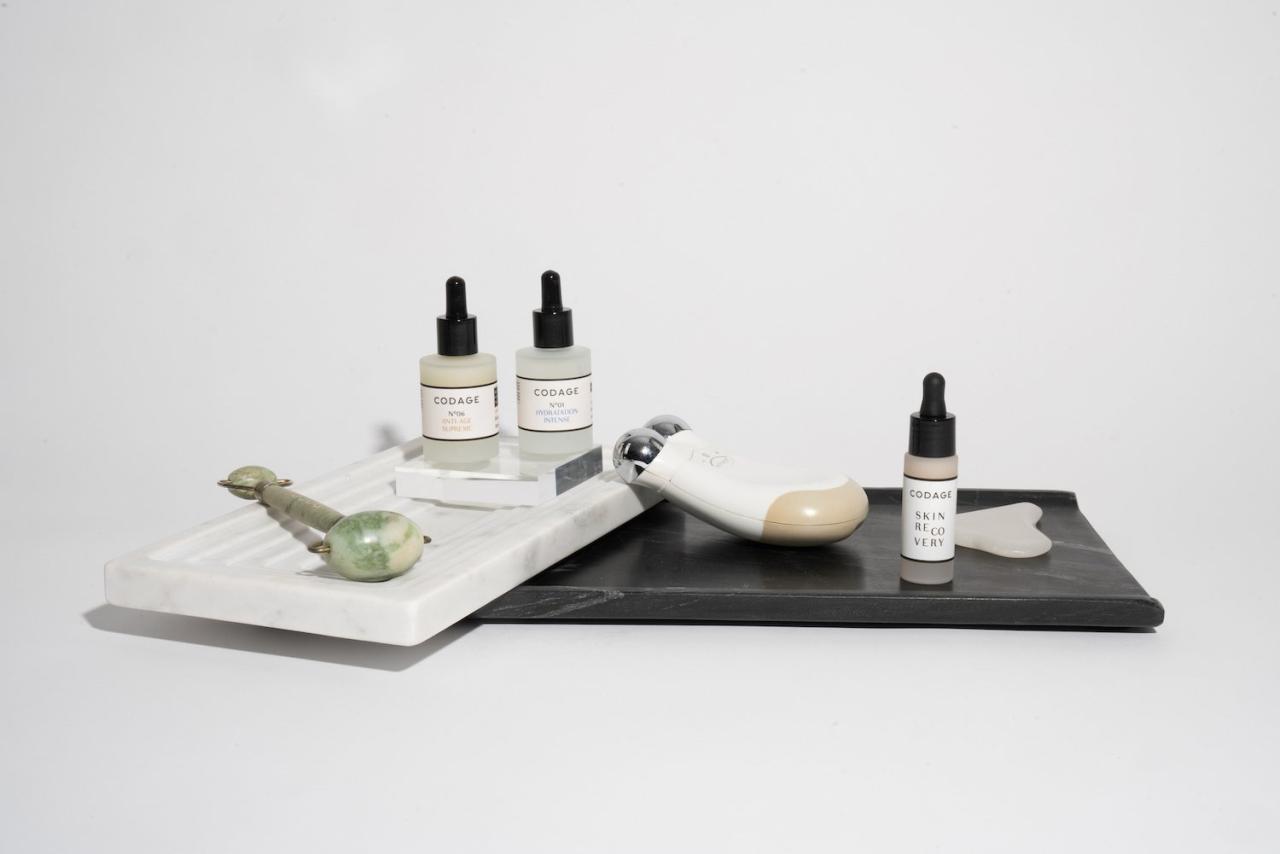
The landscape of spa products has undergone a remarkable transformation over the years, reflecting the changing priorities and preferences of modern wellness culture. Today’s spa products are not just about relaxation and luxury; they are a fusion of science and nature, catering to the holistic well-being of individuals. With an increasing focus on health, sustainability, and personalized experiences, the industry has had to adapt and innovate to meet these contemporary wellness needs.
A significant factor in the evolution of spa products has been the influence of technology. Advancements in formulation techniques, ingredient sourcing, and product delivery systems have revolutionized what consumers can expect from their spa experiences. For instance, the use of biotechnology has allowed for the development of active ingredients that are more effective and targeted. Ingredients derived from stem cells and peptides are now common, offering anti-aging benefits and skin rejuvenation that were once only available through invasive procedures.
Moreover, the rise of digital wellness tools has also changed consumer behavior, with many seeking products that fit seamlessly into their technology-driven lives. Apps that track skin health or provide personalized skincare routines are now complemented by spa products designed to be used in conjunction with these tools. This integration not only enhances user experience but also empowers consumers to make informed choices about their wellness journey.
New Ingredients in the Spa Industry
The modern spa industry is witnessing an influx of innovative ingredients that reflect the growing knowledge of natural compounds and their benefits. The following are some noteworthy examples:
- Adaptogens: These herbal ingredients, such as ashwagandha and rhodiola, help the body adapt to stress and promote overall well-being. Their incorporation into spa products aims to enhance relaxation and balance.
- Cannabinoids: Derived from hemp, CBD has gained popularity in spa products for its potential calming effects and anti-inflammatory properties, making it a staple in massages and topical applications.
- Probiotics: Known for their benefits to gut health, probiotics are now being introduced into skincare products, promoting skin barrier function and overall skin health.
- Superfoods: Ingredients like matcha, spirulina, and turmeric have moved from the kitchen to spa treatments, thanks to their antioxidant properties and health benefits.
The incorporation of these ingredients illustrates how modern spa products are becoming more aligned with holistic health practices, catering to an audience that is increasingly educated about the benefits of various compounds.
“Modern spa treatments are not just about indulgence anymore; they focus on enhancing well-being through innovative ingredients and technology.”
As spa products continue to evolve, the emphasis on sustainability and ethical sourcing will likely shape future developments. Consumers are increasingly aware of the ecological impact of their choices, prompting spa brands to seek natural, responsibly sourced ingredients while minimizing their carbon footprint. This shift not only responds to market demand but also aligns the spa experience with the larger narrative of wellness and environmental responsibility, reinforcing the idea that true luxury is rooted in care for self and planet alike.
The Role of Natural Ingredients in Spa Products
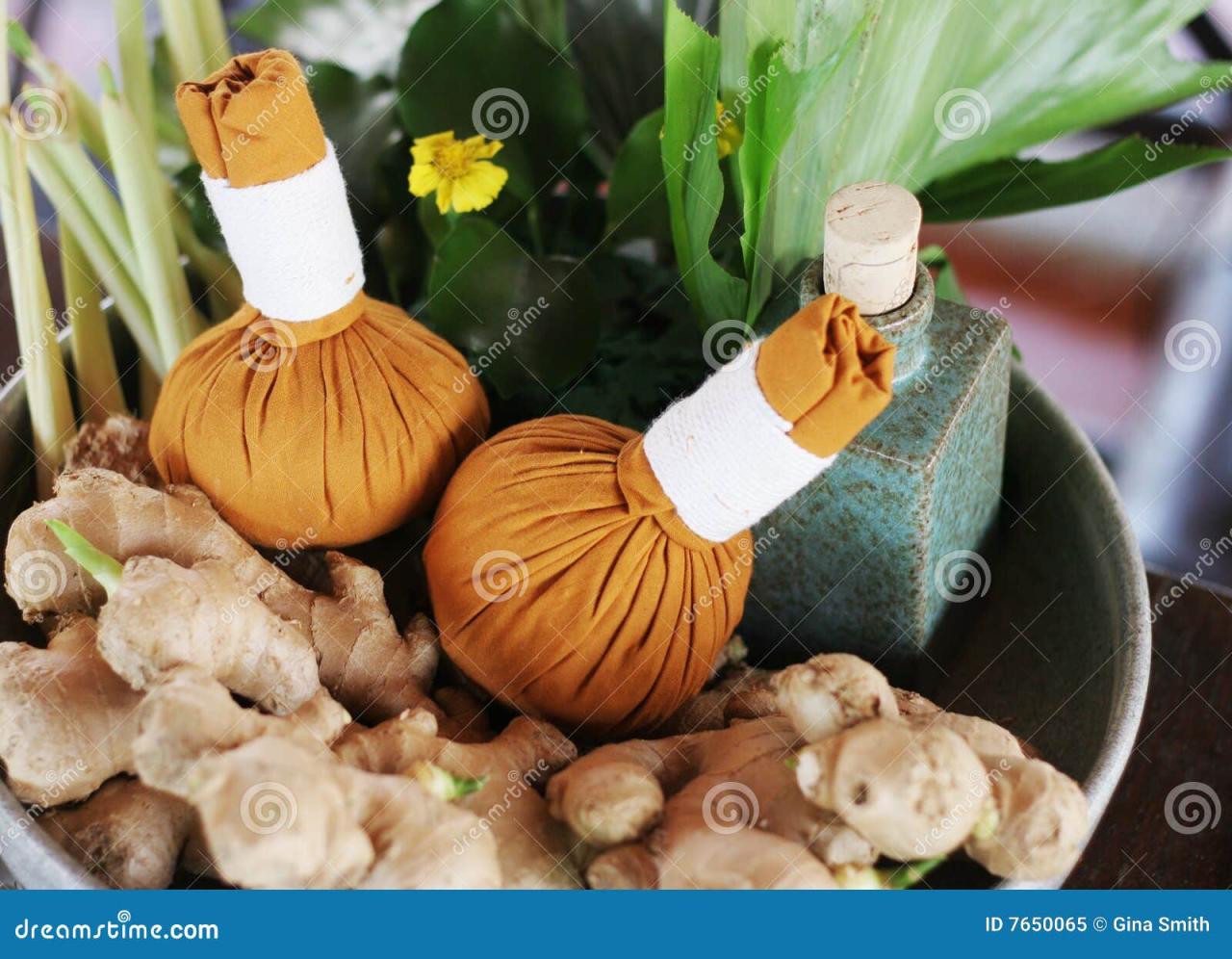
Natural ingredients have gained significant popularity in the spa industry, reflecting a growing consumer preference for wellness and eco-conscious choices. These ingredients are often seen as safer, more effective alternatives to synthetic compounds, promoting not only physical health but also mental and emotional well-being. By embracing nature’s bounty, spa products can offer therapeutic benefits while minimizing environmental impact.
When it comes to the formulation of spa products, the choice of ingredients plays a crucial role in determining their effectiveness and appeal. Natural ingredients not only enhance the sensory experience but also provide a wealth of beneficial properties that can improve skin health, relaxation, and overall wellness. The demand for organic and natural formulations is on the rise as consumers become more aware of the potential harsh effects of chemicals and synthetic additives.
Common Natural Ingredients and Their Benefits
A variety of natural ingredients are commonly used in spa products, each offering distinct benefits that cater to different needs. Below are five popular natural ingredients frequently found in spas, along with their specific advantages:
- Aloe Vera: Renowned for its soothing and hydrating properties, aloe vera is often used in gels and creams to relieve sunburn, moisturize the skin, and reduce inflammation.
- Lavender: Known for its calming aroma, lavender is frequently included in oils and bath products. It promotes relaxation, alleviates stress, and can improve sleep quality.
- Shea Butter: This natural fat extracted from the nuts of the shea tree is rich in vitamins A and E. It is deeply moisturizing and is effective in treating dry skin and minor skin irritations.
- Tea Tree Oil: With its powerful antibacterial and antifungal properties, tea tree oil is often used in products aimed at treating acne and promoting clear skin.
- Jojoba Oil: Similar to the skin’s natural sebum, jojoba oil is an excellent moisturizer that helps balance oil production, making it suitable for all skin types.
The use of these natural ingredients not only enhances the efficacy but also aligns with current consumer trends favoring organic formulations. Many spa-goers now specifically look for products that are free from synthetic additives, preferring those that are ethically sourced and environmentally friendly. This shift in consumer behavior highlights the importance of transparency in ingredient sourcing and product formulation, as clients seek assurances that their spa experiences are both luxurious and responsible.
The Impact of Aromatherapy on Spa Experiences
Aromatherapy plays a pivotal role in enhancing spa experiences, offering a unique way to blend relaxation with therapeutic benefits. By utilizing essential oils derived from various plants, spas can create an environment that promotes physical and emotional well-being. The scents, often associated with different effects on the body and mind, not only elevate the ambiance but also support the holistic healing process that many seek during spa treatments.
Essential oils have been recognized for their ability to influence moods and overall health in profound ways. Different scents can stimulate the brain’s limbic system, which is responsible for emotions and memories. This connection underscores the importance of selecting the right essential oil to achieve specific outcomes, such as relaxation, invigoration, or clarity.
Popular Essential Oils Used in Spa Products and Their Effects
The use of essential oils in spa treatments is vast and varied, each offering unique benefits that can enhance the overall experience. Below are some popular essential oils along with their effects on mood and health:
- Lavender: Renowned for its calming properties, lavender oil is often used to reduce anxiety and promote restful sleep. Its gentle scent helps to create a serene atmosphere, making it a staple in relaxation therapies.
- Peppermint: This invigorating oil is known for its refreshing aroma that can help alleviate headaches and improve mental clarity. Peppermint is frequently utilized in treatments aimed at energizing the body and mind.
- Eucalyptus: Often associated with respiratory relief, eucalyptus oil is praised for its ability to clear the airways and provide a cooling sensation. It is particularly beneficial in massages and steam therapies.
- Tea Tree: Known for its antiseptic properties, tea tree oil is frequently used in skincare treatments to combat acne and promote healthy skin. Its earthy scent also instills a sense of grounding and balance.
- Ylang Ylang: This exotic oil is celebrated for its sweet floral aroma, which can help to reduce stress and boost mood. Ylang Ylang is commonly included in products aimed at enhancing romantic atmospheres.
The careful selection of these essential oils can significantly influence the effectiveness of spa treatments, tailored to meet individual needs and preferences. Each oil not only contributes to a distinctive sensory experience but also aligns with specific therapeutic goals, enhancing the overall impact of the spa visit.
Spa Product Packaging Trends and Sustainability
As the spa industry continues to thrive, the importance of sustainable packaging has become increasingly evident. Consumers are more aware of their environmental impact, and spa brands are responding by adopting eco-friendly practices. Sustainable packaging not only aligns with consumer values but also enhances brand reputation, creating a positive image in a competitive market.
Sustainable packaging in the spa product sector focuses on minimizing environmental impact through innovative materials and designs. This approach not only helps in reducing waste but also encourages responsible consumption among spa-goers. As brands look to differentiate themselves, embracing sustainability has become a key trend in packaging. The incorporation of recyclable, biodegradable, and reusable materials is a significant step forward, addressing the growing concern for the planet.
Innovative Packaging Solutions for Eco-Friendliness
Innovative packaging solutions have emerged as a vital factor in promoting sustainability among spa brands. The integration of creative designs with sustainable materials can significantly reduce waste. Here are some noteworthy examples:
- Biodegradable Materials: Many spa brands are opting for packaging made from biodegradable materials like cornstarch and mushroom mycelium. These materials break down naturally and minimize landfill contributions.
- Reusable Containers: Brands are increasingly offering refillable packaging options, encouraging consumers to reuse containers rather than dispose of them after a single use. This approach fosters a culture of sustainability among consumers.
- Minimalist Design: Emphasizing minimalist packaging not only reduces material use but also appeals to consumers seeking simplicity and elegance in design. Less is more when it comes to sustainable aesthetics.
- Plant-Based Inks: Utilizing plant-based inks for printing on packaging ensures that harmful chemicals are minimized, making the entire product more eco-friendly.
Leading the charge in sustainable practices, several spa companies have set benchmarks for others to follow. For instance, Rituals offers refillable packaging options for their product lines, while Herbivore Botanicals utilizes glass containers that are fully recyclable. Brands like Eco Modern Essentials have embraced sustainable sourcing, ensuring that their packaging materials are derived from renewable resources. These companies exemplify how commitment to sustainability can resonate with consumers and lead to lasting loyalty.
Customized Spa Products for Personalized Wellness
The trend of personalized wellness is taking the spa industry by storm, as more clients seek spa products tailored specifically to their unique needs. Customized spa products enhance the overall experience, ensuring that each treatment is as unique as the individual receiving it. This movement towards individualization not only meets the diverse health and beauty concerns of clients but also fosters a deeper connection between them and the spa professionals who create these bespoke solutions.
Technology plays a crucial role in the development of customized spa experiences. From skin analysis devices that assess skin types to apps that track clients’ wellness journeys, the integration of modern technology allows spa professionals to gather detailed insights about client preferences and requirements. This data-driven approach ensures that personalized products are not only effective but also enjoyable, integrating preferences in fragrance, texture, and application methods. Such advancements are transforming traditional spa experiences into engaging, tailored wellness journeys.
Assessment and Formulation of Customized Products
The process through which spa professionals assess and formulate personalized products involves several key steps that prioritize client individuality. Each step is crucial in crafting a product that resonates with the client’s specific needs.
Firstly, an initial consultation is conducted where professionals gather information about the client’s skincare routine, lifestyle factors, and any specific concerns they may have. This thorough understanding is vital for tailoring products effectively.
Following this, skin analysis techniques such as digital imaging or manual assessment are employed. These methods help identify skin types, hydration levels, and other essential markers.
Once data is collected, the formulation phase begins, often utilizing advanced technology such as AI-driven software, which can recommend specific ingredient combinations based on the assessed needs. This includes:
- Ingredient Selection: Professionals select active ingredients known for their effectiveness, choosing from a range that may include natural extracts, essential oils, and synthetic compounds tailored to the client’s preferences.
- Testing and Feedback: Before finalizing a product, a testing phase may occur, where clients sample formulations and provide feedback, allowing for further refinement.
- Personalization Options: Clients often have the opportunity to personalize details such as scent profiles or packaging, ensuring that the product feels uniquely theirs.
The result is a uniquely personalized spa product designed to not only meet but exceed client expectations, ultimately contributing to their overall wellness journey.
“Customization in spa products not only elevates the client experience but also fosters loyalty and satisfaction through tailored wellness solutions.”
As the demand for personalized wellness continues to grow, the marriage of technology and traditional spa practices will likely lead to even more innovative approaches in creating customized spa experiences.
The Intersection of Spa Products and Home Care Routines
The integration of spa products into daily home care routines marks a significant shift in how we approach wellness and self-care. With the growing trend of self-pampering, individuals are increasingly seeking ways to replicate the soothing experience of a spa retreat within the comfort of their own homes. This evolution not only enhances personal well-being but also provides an opportunity to curate a personalized self-care regimen that fits individual lifestyles.
The benefits of incorporating spa-like products into home wellness rituals are manifold. These products often prioritize natural ingredients and are designed to promote relaxation, rejuvenation, and overall skin health. By utilizing high-quality spa products, individuals can enjoy the therapeutic effects of professional treatments while saving time and money. Regular use of these items can lead to improved skin texture, enhanced mood, and a greater sense of balance in daily life.
Benefits of At-Home Spa Products
Integrating spa products into home care routines offers numerous advantages. Below are key benefits of using these products regularly:
-
Enhanced relaxation and stress relief: Creating a spa-like atmosphere with calming scents and soothing textures can significantly reduce stress levels.
-
Improved skin health: Many spa products are formulated with beneficial ingredients that nourish the skin, providing a mini facial experience at home.
-
Convenience and accessibility: At-home spa treatments can be done at any time, making self-care easily adaptable to busy schedules.
-
Cost-effectiveness: Investing in quality spa products can be more economical than frequent visits to professional spas.
Recommendations for At-Home Spa Products
For those looking to mimic professional treatments, there are several effective at-home spa products available. These products can help create a luxurious spa experience without leaving home. Here are some top recommendations:
-
Essential oils for aromatherapy: Using a diffuser with essential oils such as lavender or eucalyptus can create a serene environment.
-
Self-warming masks: These masks provide a soothing heat experience that can open pores and enhance skin absorption of beneficial ingredients.
-
Exfoliating scrubs: Regularly using scrubs with natural exfoliants can rejuvenate skin, making it feel fresh and smooth.
-
Moisturizing body lotions: Rich, hydrating lotions can replicate the luxurious feel of spa treatments while keeping skin nourished.
-
Relaxing bath salts: Adding bath salts infused with minerals and essential oils can enhance a bath’s calming effects.
By incorporating these spa-inspired products into daily routines, individuals can cultivate a holistic approach to wellness that promotes relaxation, rejuvenation, and self-care, all from the comfort of home.
Understanding Spa Product Regulations and Safety Standards
The world of spa products is governed by a complex web of regulations and safety standards designed to ensure consumer safety and product efficacy. These regulations are crucial not only for maintaining public health but also for fostering trust in the spa industry. Compliance with these standards is essential for manufacturers and product developers, as it helps avoid legal pitfalls and enhances the brand’s reputation among consumers.
Regulatory compliance involves adhering to specific guidelines set by government agencies and industry groups, which play a significant role in the formulation and marketing of spa products. Safety standards impact various aspects, including ingredient selection, testing procedures, and labeling requirements, ensuring that products are safe for consumer use and free from harmful substances.
Regulatory Landscape for Spa Products
The regulatory framework for spa products can vary significantly by region and country, often influenced by local legislation and market demands. Key regulatory bodies include the U.S. Food and Drug Administration (FDA), the European Medicines Agency (EMA), and other national health authorities. Each organization establishes guidelines aimed at protecting consumers and promoting safe practices within the industry.
A few critical elements of this regulatory landscape include:
- Ingredient Safety: Regulations often specify acceptable and prohibited ingredients, ensuring that spa products do not contain harmful substances like certain preservatives or fragrances that can cause allergic reactions.
- Labeling Requirements: Accurate labeling is crucial; products must clearly disclose all ingredients and any potential side effects, helping consumers make informed choices.
- Claims Verification: Any claims made regarding a product’s effectiveness or safety must be substantiated through appropriate testing and documentation.
Impact of Safety Standards on Formulation
Safety standards significantly influence how spa products are formulated. Manufacturers must use ingredients that not only meet regulatory approval but also align with consumer expectations for safety and naturalism. This often leads to the development of cleaner, more sustainable formulations that prioritize skin health and environmental impact.
Important considerations for product formulation include:
- Testing Protocols: Products are subjected to rigorous testing to ensure they are non-irritating and hypoallergenic, especially for sensitive skin.
- Stability Testing: This ensures that products maintain their efficacy and safety over their intended shelf life, which impacts packaging decisions and product longevity.
- Microbial Testing: This process checks for contamination, ensuring that products are free from harmful bacteria or fungi that could lead to consumer health risks.
Common Testing Practices for Spa Products
To guarantee the safety and effectiveness of spa products, manufacturers engage in various testing practices. These practices help ensure compliance with regulations and protect consumers from potentially harmful products.
Key testing practices include:
- Patch Testing: This involves applying a small amount of the product to a test area on the skin to check for reactions before wider usage.
- Stability Studies: Products are assessed under different conditions to observe how they react over time, ensuring consistency in quality and performance.
- Clinical Trials: Some products may undergo clinical trials involving human participants to provide evidence of safety and effectiveness, particularly for new or innovative formulations.
“Understanding and adhering to spa product regulations and safety standards is not just a legal obligation; it’s a commitment to consumer safety and product integrity.”
The Future of Spa Products in a Post-Pandemic World
The landscape of spa products is evolving rapidly in the wake of the COVID-19 pandemic, reshaping consumer preferences and behaviors. As people adapt to new norms, their approach to personal care and wellness has significantly shifted, leading to emerging trends in the spa product industry. This transformation offers insights into how the future of spa products may unfold.
The pandemic has instilled a renewed focus on self-care and personal wellness, prompting consumers to rethink their purchasing habits regarding spa products. With many traditional spa experiences temporarily inaccessible, individuals have turned to home-based alternatives, driving demand for high-quality, effective spa products. This shift in behavior indicates a long-standing change that prioritizes health, convenience, and personal empowerment in self-care rituals.
Rise of DIY Spa Products
The surge in DIY spa products has become a noteworthy trend, reflecting consumers’ desire for personalized and cost-effective self-care solutions. The ease of access to online resources, coupled with a growing interest in natural ingredients, has fueled the popularity of crafting homemade spa treatments. This trend has been particularly appealing as individuals seek to recreate the luxurious spa experience within the comfort of their homes.
The following points illustrate the driving factors behind the rise of DIY spa products:
- Cost-Effectiveness: Consumers are increasingly looking for budget-friendly alternatives to expensive spa treatments, making DIY solutions attractive.
- Customization: Crafting personal spa products allows individuals to tailor ingredients to their specific needs, such as skin type or fragrance preferences.
- Health Consciousness: There is a growing awareness of the ingredients used in commercial products, prompting consumers to opt for natural and organic materials in their DIY formulations.
- Community and Engagement: Social media platforms have become hubs for sharing DIY recipes and tips, fostering a sense of community among spa enthusiasts.
As the spa product industry continues to evolve, several trends are predicted to shape its future, including:
Future Trends in the Spa Product Industry
The spa product industry is likely to see a continued emphasis on wellness and self-care, with several trends gaining traction. These trends reflect the evolving attitudes of consumers in a post-pandemic world.
- Increased Focus on Sustainability: Consumers are becoming more environmentally conscious, leading to a demand for sustainable packaging and eco-friendly ingredients in spa products.
- Technology Integration: The integration of technology, such as app-based consultations and virtual spa experiences, is likely to enhance the consumer experience, allowing for personalized product recommendations.
- Holistic Wellness Products: An increase in demand for products that promote mental and emotional well-being, such as aromatherapy and mindfulness-based items, is expected to rise.
- Collaborations with Influencers: Brands partnering with wellness influencers to create unique product lines will become more common, tapping into established audiences and promoting engagement.
The future of spa products in a post-pandemic world is characterized by a blend of personalization, sustainability, and the integration of technology. As consumer behavior continues to evolve, the industry must adapt to meet the changing demands for wellness and self-care.
Summary
In conclusion, the future of spa products looks bright as they continue to adapt to the needs of modern consumers. With a focus on sustainability, personalization, and health benefits, these products are redefining our approach to self-care. As we move forward, embracing these innovations will surely lead to more enriching and fulfilling spa experiences.
Essential Questionnaire
What are spa products?
Spa products are specially formulated items used in spa treatments to promote relaxation, rejuvenation, and overall wellness.
How do spa products differ from regular skincare products?
Spa products often contain higher concentrations of active ingredients and are designed for professional treatments, while regular skincare products are usually meant for daily use at home.
Are there any benefits to using spa products at home?
Yes, using spa products at home can elevate your self-care routine, providing relaxation and therapeutic benefits similar to those experienced in a spa.
How can I choose the right spa products for my skin type?
Identify your skin concerns and consult ingredient lists; it may be helpful to choose products designed specifically for your skin type, such as oily, dry, or sensitive skin.
Can spa products expire?
Yes, spa products can expire, so it’s important to check the expiration dates and store them properly to maintain their effectiveness.