
 Widya pasha
Bath bombs have taken the self-care world by storm, transforming ordinary baths into luxurious spa-like experiences. As they fizz and dissolve, releasing delightful scents and vibrant colors, they create a sensory escape that many have come to cherish. Originating from simple beginnings, bath bombs have evolved into a staple in wellness routines, captivating enthusiasts across the globe.
From their historical roots to their modern-day iterations, bath bombs offer more than just visual appeal. Understanding their ingredients and the science behind their delightful reactions can enhance your bathing experience, making it not just a routine but a cherished ritual of relaxation and wellness.
Understanding the Origin and History of Bath Bombs
Bath bombs, often associated with relaxation and pampering, have a fascinating history that reflects the evolution of personal care practices. Originally emerging from a desire to enhance the bathing experience, bath bombs have transformed into a global phenomenon embraced by a diverse audience. Their journey from a niche product to a staple in wellness routines is marked by innovation and creativity that continues to captivate users worldwide.
The concept of bath bombs can be traced back to the late 1980s, pioneered by Mo Constantine of the company Lush. The initial purpose was simple: to create a fizzy, fragrant experience that would elevate the mundane act of bathing into a therapeutic ritual. Bath bombs were designed to dissolve in water, releasing essential oils, moisturizing agents, and fragrances that could transform bathwater into a soothing oasis. This innovation gained traction, as consumers began to appreciate the benefits of aromatherapy and the added luxury of colorful, effervescent bath products.
As the popularity of bath bombs soared, significant milestones marked their development. Lush, being a frontrunner, expanded the concept and introduced various formulations, including vegan options, products with natural ingredients, and seasonal varieties. The introduction of bath bombs in vibrant colors and innovative shapes further captivated consumers, leading to a surge in sales. In 1990, Lush introduced their iconic “Bombs Away,” which set a benchmark for quality and creativity in the industry. Other brands quickly followed suit, creating their own versions of bath bombs, each with unique selling propositions, such as organic ingredients or specific therapeutic properties.
The global expansion of bath bombs can also be attributed to the rise of social media and influencer culture. Platforms like Instagram and TikTok have played a pivotal role in showcasing the visual appeal of bath bombs, engaging a younger demographic and encouraging experimentation. The aesthetic pleasure of watching a bath bomb dissolve into a vibrant swirl of colors has led to a viral trend, making bath bombs a must-have item in self-care routines across the globe.
In summary, the evolution of bath bombs from a simple fizzy addition to a luxurious bathing experience reflects broader trends in personal care and wellness. Their historical significance, coupled with innovative developments by brands and the influence of social media, has firmly established bath bombs as a beloved product in the realm of relaxation and self-pampering.
The Science Behind Bath Bombs and Their Ingredients
Bath bombs have surged in popularity, transforming ordinary baths into luxurious experiences. The key to the fizzing delight lies in the science behind their ingredients. Understanding how these components work together not only enhances your bath experience but also sheds light on their therapeutic benefits.
When a bath bomb is dropped into water, it undergoes a fascinating chemical reaction. The primary ingredients in bath bombs typically include baking soda (sodium bicarbonate), citric acid, and various oils and colorants. Baking soda and citric acid are the two crucial components that react with each other to produce carbon dioxide gas, which creates the effervescence that bathers enjoy.
The reaction can be summarized by the following equation:
NaHCO₃ (sodium bicarbonate) + C₆H₈O₇ (citric acid) → CO₂ (carbon dioxide) + H₂O (water) + Na₃C₆H₅O₇ (sodium citrate).
When the bath bomb dissolves, the baking soda and citric acid come into contact with water. As they react, they form sodium citrate, water, and carbon dioxide gas. The release of carbon dioxide causes the characteristic fizzing, which not only creates a visually appealing effect but also enhances the overall sensory experience of the bath.
In addition to these key ingredients, bath bombs often contain essential oils, colorants, and moisturizing agents. Essential oils, such as lavender or eucalyptus, provide aromatherapy benefits, helping to calm the mind or invigorate the senses, depending on the oil used. Meanwhile, moisturizing agents like shea butter or coconut oil help to hydrate the skin, leaving it feeling soft and smooth after the bath.
Key Ingredients and Their Functions
The effectiveness of bath bombs can be attributed to their thoughtfully chosen ingredients, each serving a specific purpose. Here’s a closer look at these components:
- Baking Soda: Acts as a natural base, providing fizz and softening the water.
- Citric Acid: Reacts with baking soda to create fizz and helps to balance the skin’s pH.
- Essential Oils: Infuse the bath with fragrance and can offer therapeutic benefits, depending on the oil used.
- Colorants: Add visual appeal, creating a beautiful and colorful bath experience.
- Moisturizing Agents: Such as cocoa butter or almond oil, these ingredients deeply hydrate the skin, preventing dryness.
Each of these ingredients works in harmony to elevate the bath experience. The therapeutic benefits of essential oils are particularly noteworthy. For instance, lavender essential oil is often used for its calming properties, aiding in relaxation and sleep. In contrast, peppermint oil can invigorate and energize. The inclusion of natural moisturizing agents not only enhances the bath’s sensory experience but also provides essential nutrients to the skin, promoting overall skin health.
Understanding the chemistry of bath bombs and their ingredients helps bathers appreciate the care and thought that goes into creating these delightful products. It also highlights the potential of these bath enhancements to offer more than just a moment of relaxation; they can contribute to overall well-being and self-care routines.
The Benefits of Using Bath Bombs for Relaxation and Wellness
Bath bombs are more than just colorful spheres that fizz and dissolve in water; they are a gateway to relaxation and wellness. With a blend of natural ingredients and essential oils, bath bombs enhance the bathing experience, making it not only enjoyable but also beneficial for mental and physical health. The interplay of scents, colors, and textures created by these products contributes significantly to stress relief and overall wellness.
Mental Health and Relaxation Effects
The use of bath bombs can significantly influence mental well-being. The act of taking a bath itself is often associated with self-care, providing a quiet and private space to unwind. Bath bombs elevate this experience by incorporating aromatherapy, which has profound effects on mood and emotional health. For example, scents like lavender and chamomile are known for their calming properties, helping to reduce anxiety and promote better sleep. The sensory experience provided by the fizzing action and vibrant colors can also serve as a form of mindfulness, allowing individuals to focus on the present moment and release the stresses of daily life.
Physical Benefits of Using Bath Bombs
The physical advantages of incorporating bath bombs into your routine are numerous and noteworthy. They can provide significant benefits, particularly in areas such as skin health and muscle relaxation. Here are some key physical benefits associated with bath bombs:
- Skin Hydration: Many bath bombs contain moisturizing agents such as coconut oil, shea butter, or vitamin E, which can help to hydrate and nourish the skin. This is especially beneficial for dry skin, leaving it feeling soft and smooth after each soak.
- Muscle Relaxation: The warm water combined with the soothing properties of essential oils can alleviate muscle tension and soreness. Ingredients like eucalyptus or peppermint can also provide a cooling sensation that helps relieve aches and pains, making them ideal after a long day or workout.
- Detoxification: Detoxifying ingredients found in some bath bombs, such as sea salt and clay, can help draw out impurities from the skin. This process can promote a clearer complexion and overall skin health.
- Improved Circulation: Soaking in warm water encourages blood flow, which can promote better circulation. This enhanced circulation can lead to increased oxygen delivery to tissues, aiding in recovery and overall vitality.
Aromatherapy Influence on Wellness
The impact of aromatherapy through bath bombs is a crucial aspect of the overall wellness experience. Essential oils released during the bath can create an immersive environment promoting relaxation and mental clarity. Different scents can evoke various emotional responses. For instance, citrus scents like lemon and orange are invigorating and can uplift the spirit, while earthy scents like cedarwood provide grounding and calming effects.
“Aromatherapy not only enhances the bathing experience but can also improve emotional well-being and reduce stress levels.”
Incorporating bath bombs into your self-care routine can provide a multifaceted approach to enhancing both mental and physical health, making it a valuable addition to any wellness regimen.
DIY Bath Bomb Recipes for Personal Use
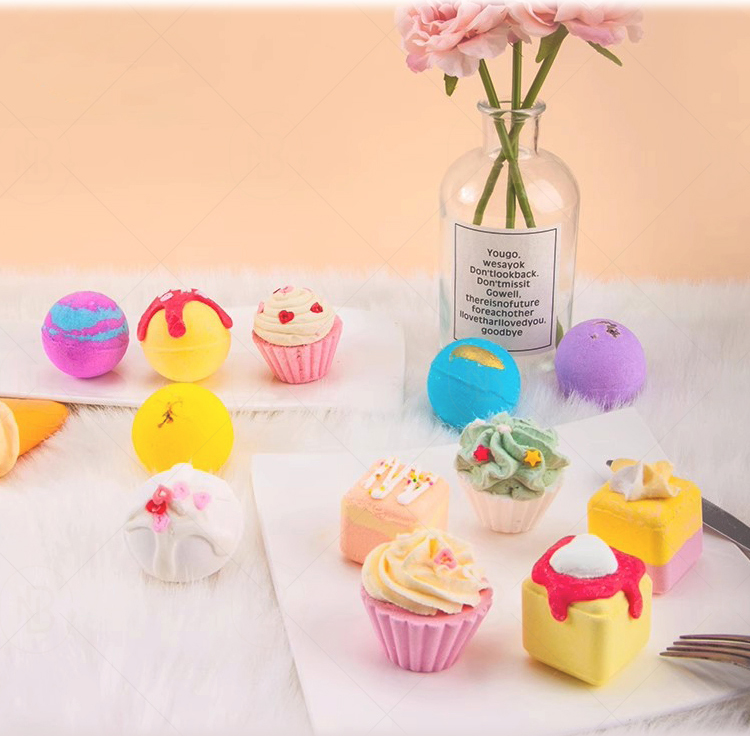
Creating your own bath bombs at home can be a fun and rewarding experience. Not only do they elevate your bathing ritual, but they also allow you to customize scents, colors, and ingredients to match your personal preferences. With simple ingredients and a few easy steps, you can enjoy a luxurious spa-like experience right in your own bathroom.
Making bath bombs involves a straightforward process, utilizing common ingredients such as baking soda, citric acid, and essential oils. These components react together to create those delightful fizzing effects when dropped into water. Below are three unique bath bomb recipes, each offering a different scent and color profile, perfect for personal use or as thoughtful gifts.
Lavender and Chamomile Bath Bomb
This calming bath bomb is ideal for relaxation, especially after a long day. The soothing scents of lavender and chamomile help to promote tranquility.
Ingredients:
– 1 cup baking soda
– 1/2 cup citric acid
– 1/2 cup Epsom salt
– 1/2 cup citric acid
– 2 1/2 tablespoons of oil (coconut or olive oil)
– 10 drops of lavender essential oil
– 5 drops of chamomile essential oil
– Purple food coloring (optional)
– Silicone molds
Instructions:
1. In a large bowl, mix the baking soda, citric acid, and Epsom salt.
2. In a separate bowl, combine the oil and essential oils. If using food coloring, add a few drops to this mixture.
3. Slowly add the wet mixture to the dry ingredients, stirring continuously until it clumps together.
4. Pack the mixture tightly into silicone molds and let them dry for 24 hours before removing.
Citrus Burst Bath Bomb
For a refreshing and invigorating experience, this bath bomb combines energizing citrus scents that awaken the senses.
Ingredients:
– 1 cup baking soda
– 1/2 cup citric acid
– 1/2 cup Epsom salt
– 1/2 cup citric acid
– 2 1/2 tablespoons of oil (coconut or olive oil)
– 10 drops of lemon essential oil
– 5 drops of orange essential oil
– Yellow food coloring (optional)
– Round molds
Instructions:
1. In a mixing bowl, combine the baking soda, citric acid, and Epsom salt.
2. In another bowl, blend the oil and essential oils, adding food coloring if desired.
3. Gradually mix the wet ingredients into the dry components, ensuring it’s well combined.
4. Firmly pack the mixture into round molds and allow them to dry overnight.
Rose Petal and Geranium Bath Bomb
This luxurious bath bomb is imbued with floral scents, perfect for a romantic or self-care night.
Ingredients:
– 1 cup baking soda
– 1/2 cup citric acid
– 1/2 cup Epsom salt
– 1/2 cup citric acid
– 2 1/2 tablespoons of oil (coconut or olive oil)
– 10 drops of geranium essential oil
– Dried rose petals
– Pink food coloring (optional)
– Heart-shaped molds
Instructions:
1. Combine baking soda, citric acid, and Epsom salt in a large bowl.
2. Mix the oil and geranium oil in a separate bowl, adding food coloring as needed.
3. Slowly add the wet mixture into the dry ingredients, mixing thoroughly.
4. Incorporate dried rose petals into the mixture before packing it into heart-shaped molds.
5. Allow the bath bombs to dry for a full day before using.
Customization Tips for Bath Bombs
Customizing bath bombs to suit your personal preferences and skin types can enhance your bathing experience. Here are some suggestions on how to tailor your bath bombs:
– Scents: Experiment with a variety of essential oils. Lavender and chamomile are excellent for relaxation, while eucalyptus and peppermint can invigorate and clear the mind.
– Colors: Use natural colorants like beet juice for red or spirulina powder for green, or stick with food coloring for vibrant hues.
– Additives: Consider incorporating skin-loving ingredients like coconut milk powder for hydration or oatmeal for soothing dry skin.
– Molds: Get creative with your molds. Use cookie cutters, muffin tins, or silicone molds in fun shapes to make your bath bombs visually appealing.
– Skin Type Consideration: For sensitive skin, use fragrance-free oils and consider adding colloidal oatmeal. For dry skin, adding additional moisturizers such as shea butter can be beneficial.
These easy-to-follow recipes and customization tips will ensure your bath bombs are tailored to your unique preferences, making every bath a delightful and personalized retreat.
Exploring Popular Bath Bomb Trends and Innovations
The bath bomb industry has evolved remarkably over the years, with exciting trends and innovations that cater to the diverse needs and preferences of consumers. From eco-conscious ingredients to unique designs, the market is brimming with options that enhance the bath experience. This exploration highlights current trends, the influence of technology on bath bomb formulations, and a comparison of traditional bath bombs with newer innovations.
Technology has played a transformative role in the creation of new bath bomb formulas, allowing manufacturers to innovate beyond the classic fizzing experience. Advanced mixing techniques and precision formulation have led to the development of products that offer enhanced sensory experiences. For instance, the advent of microencapsulation technology permits the infusion of essential oils and fragrances that are released gradually during the bath, maximizing aroma and therapeutic benefits. Furthermore, 3D printing technology has enabled brands to create intricate, personalized shapes that appeal to modern consumers who seek uniqueness in their bath rituals.
Additionally, software tools facilitate data analysis on consumer preferences, driving the development of targeted products. For example, brands can analyze trends in scent preferences or the popularity of natural ingredients, leading to more tailored offerings. The incorporation of natural, organic, and vegan ingredients reflects a growing demand for sustainability and wellness. This shift is driven by consumers who are increasingly concerned about the environmental impact of their purchases.
Comparison of Traditional Bath Bombs to Newer Innovations
Traditional bath bombs typically focus on a singular fizzing effect when dropped in water, often made from simple ingredients like baking soda, citric acid, and fragrances. In contrast, newer innovations, such as fizzing bath oils and bubble bombs, provide a multifaceted bathing experience.
Fizzing bath oils, for example, not only fizz but also release moisturizing oils that nourish the skin. This dual functionality addresses the desire for both relaxation and skincare, making bath time more indulgent. Bubble bombs elevate the experience further by creating copious amounts of bubbles, appealing to those who enjoy a foamy bath.
The incorporation of various shapes, colors, and scents in these innovations enhances the overall sensory experience. For instance, bath bombs shaped like fruits or flowers not only look appealing but also carry unique fragrances associated with their designs. This intersection of aesthetics and functionality signifies a shift in consumer expectations, where bath products are increasingly viewed as both a beauty treatment and a form of self-care.
In summary, the bath bomb industry is witnessing significant trends driven by technological advancements and consumer preferences. As the market continues to innovate, the future of bath products looks more vibrant and diverse than ever before.
Bath Bombs and Their Role in Self-Care Routines
Incorporating bath bombs into your self-care routine can be a transformative experience, inviting relaxation and rejuvenation into your life. As stress levels rise in today’s fast-paced world, it becomes increasingly essential to find moments of tranquility. Bath bombs often serve as a delightful ritual, making your bathing experience not just a necessity, but a luxurious escape. Their vibrant colors and enticing scents can elevate your mood and create a serene environment, promoting overall well-being.
Using bath bombs can enhance a holistic self-care routine in several meaningful ways. First and foremost, they are formulated with essential oils, natural ingredients, and skin-nourishing elements, which help hydrate and soften the skin. The effervescence created when bath bombs dissolve releases fragrances that can uplift your spirits and soothe anxiety. Research has shown that scents like lavender and chamomile can reduce stress and enhance relaxation, making bath bombs a potent tool for mental well-being. Moreover, the act of taking time for yourself in a warm bath can signal to your body that it’s time to unwind, fostering mindfulness and self-reflection.
Creating the perfect bath experience involves more than just dropping a bath bomb into water. Consider the ambiance: dim the lights or light some candles to create a warm and inviting atmosphere. Soft music or nature sounds can further enhance the relaxation process. Choose scents that resonate with you; citrus scents can invigorate while floral scents may calm. Complement your bath with products that deepen relaxation, such as a cozy robe, a soft towel, or a good book.
To further enrich your self-care routine, consider the following elements:
- Aromatherapy: Choose bath bombs infused with essential oils that promote relaxation and stress relief.
- Temperature: Ensure the water is at a comfortable temperature to maximize relaxation.
- Duration: Allow yourself ample time in the bath, ideally 20-30 minutes, to fully unwind.
- Post-Bath Ritual: Follow up with moisturizing lotion or an uplifting tea to prolong the soothing effects.
Incorporating these elements can transform your bath into a sacred ritual of self-care, allowing you to emerge rejuvenated and ready to face the world with renewed energy.
Safety Considerations When Using Bath Bombs
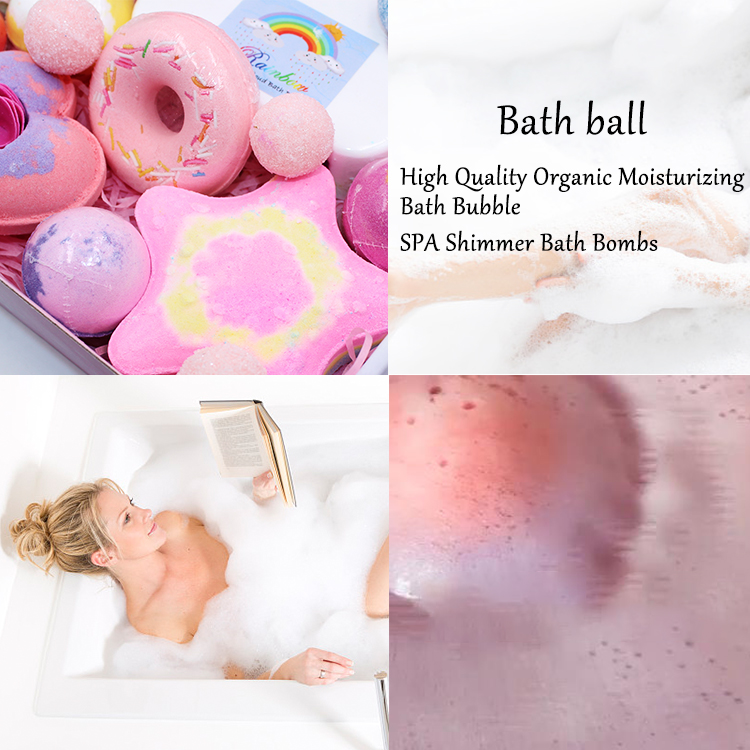
Bath bombs can transform your bathing experience, adding color, fragrance, and soothing properties to your self-care routine. However, it’s essential to be mindful of certain safety considerations to ensure a pleasant and safe experience. This section will delve into potential allergic reactions and the importance of reading ingredient labels, as well as providing guidelines for safe usage, particularly for children and those with sensitive skin.
Allergic Reactions and Skin Sensitivities
While bath bombs can be delightful, they can also elicit allergic reactions or irritate sensitive skin due to their various ingredients. Common allergens include essential oils, synthetic fragrances, and colorants. These substances may cause rashes, itching, or redness, particularly in individuals with pre-existing skin conditions or sensitivities.
It is crucial to read ingredient labels carefully. Many bath bombs contain ingredients that can provoke allergies, such as sodium lauryl sulfate, which is a surfactant that can cause irritation for some people. Other potential irritants include artificial dyes and preservatives, which might not be suitable for everyone.
Conducting a patch test is a proactive measure to prevent adverse reactions. Apply a small amount of the bath bomb mixture or diluted essential oil on a discreet area of skin, such as the inside of your forearm, and wait 24 hours. If any irritation occurs during that period, it’s best to avoid using that product.
Guidelines for Safe Usage
To ensure safe enjoyment of bath bombs, especially for children and individuals with sensitive skin, follow these guidelines:
– Start with a small amount: For those new to bath bombs, use half a bomb or a smaller fragment to minimize exposure to potential irritants.
– Supervise children: Always supervise young children while they are using bath bombs, as they may be tempted to ingest the product or may have unexpected skin reactions.
– Opt for natural ingredients: Choose bath bombs made from natural, organic ingredients with minimal artificial additives. These are often gentler on the skin.
– Limit frequency of use: For individuals with sensitive skin, using bath bombs less frequently can help prevent irritation. Consider alternating with gentler bathing options, such as oatmeal baths.
– Rinse thoroughly: After soaking, ensure to rinse off any residues from the skin to prevent prolonged exposure to fragrances or colorants that could cause irritation.
By adhering to these precautions, bath bomb enthusiasts can enjoy their luxurious baths while minimizing the risk of adverse reactions.
The Commercialization of Bath Bombs and Market Insights
The commercialization of bath bombs has transformed these once-simple personal care items into luxurious wellness products. Emerging prominently within the beauty and wellness sectors, bath bombs have evolved into a staple in many retail environments, from local boutiques to major department stores. Their vibrant colors, enticing scents, and playful fizzing effect have captured the attention of consumers seeking relaxation and self-care rituals. This market growth reflects broader trends in personal wellness and beauty, where consumers prioritize experiences and products that provide both physical and emotional benefits.
Several factors contribute to the skyrocketing popularity of bath bombs among consumers. Firstly, the rise of the self-care movement has led individuals to seek out products that promote relaxation and mindfulness. Bath bombs offer a simple yet effective way to enhance bath time into an indulgent experience, fostering a sense of well-being. The visual appeal of bath bombs also plays a significant role; their vibrant colors and unique shapes make them attractive gifts and social media-friendly items, encouraging organic promotion through platforms like Instagram and TikTok.
Moreover, the shift towards natural and organic ingredients in beauty products has further fueled the bath bomb industry’s growth. Many consumers are increasingly aware of the ingredients in their personal care products, leading them to choose bath bombs made with eco-friendly, non-toxic materials. Brands that emphasize sustainability, such as Lush and other artisanal producers, have successfully carved out a niche market, reflecting growing environmental consciousness among consumers.
Future Prospects of the Bath Bomb Market
As we look towards the future, the bath bomb market appears poised for continued growth, particularly as sustainability trends gain momentum. Innovators in the industry are exploring ways to enhance their offerings, such as creating bath bombs with biodegradable packaging or incorporating plant-based ingredients. The potential for expansion into related products, such as shower bombs or bath soaks, also presents an exciting avenue for brand development.
Several key insights can help illuminate the future trajectory of the bath bomb market:
- Increased Demand for Personalization: Consumers are gravitating towards products that reflect their individual preferences. This trend is prompting brands to offer customizable bath bomb options, allowing customers to mix scents and colors, thereby enhancing their shopping experience.
- Focus on Health Benefits: As wellness trends continue to gain traction, incorporating therapeutic ingredients like essential oils and botanicals will likely become more mainstream. This approach not only attracts a broader audience but can also establish a stronger connection with consumers seeking holistic health benefits.
- Expansion into New Markets: Emerging markets, particularly in Asia-Pacific regions, show significant growth potential for bath bombs. As disposable income rises and self-care practices become more prevalent, companies have opportunities to introduce their products to new demographics.
“The future of the bath bomb market is not merely about vibrant colors and scents; it’s about sustainability and personalization that cater to the evolving consumer mindset.”
As the bath bomb industry adapts to these trends, continuous innovation and responsiveness to consumer needs will be essential in maintaining growth and relevance in the marketplace.
Bath Bombs as Gifts
Bath bombs make delightful gifts, adding a touch of luxury and relaxation to anyone’s self-care routine. Whether it’s for a birthday, holiday, or simply to show appreciation, presenting bath bombs in a thoughtful manner can enhance the gifting experience. Creative packaging and personalized touches turn a simple gift into a cherished memory.
To create custom gift sets that appeal to various occasions, consider the preferences and needs of the recipient. A well-curated set can include different scents, colors, and even complementary items like candles or skincare products. Here’s a look at how to craft these personalized gift sets:
Innovative Packaging Ideas
The presentation of your bath bomb gift set can be just as important as the products themselves. Unique packaging not only protects the bath bombs but also adds charm and excitement. Consider these packaging ideas:
- Clear Cellophane Bags: Use clear bags to showcase vibrant bath bombs. Tie them with a ribbon or twine for a rustic touch.
- Decorative Boxes: Choose stylish boxes that reflect the recipient’s personality. You can customize them with stickers or labels that include personal messages.
- Gift Jars: Fill a glass jar with bath bombs and secure the lid with fabric and string. This eco-friendly option is both practical and visually appealing.
- Themed Baskets: Create a spa-themed basket featuring bath bombs, fluffy towels, and a relaxing book. This holistic approach caters to the recipient’s relaxation needs.
Adding personal touches to these gift sets can significantly enhance the experience. Here are some suggestions to consider:
- Add a handwritten note expressing your sentiments. This personal connection can make even the simplest gift feel special.
- Incorporate a small, related gift, such as a loofah or a handmade soap, to create a more comprehensive self-care package.
- Use the recipient’s favorite colors or scents to customize the selection of bath bombs, showing that you pay attention to their preferences.
- Include instructions for a perfect bath experience, suggesting the best way to enjoy the bath bombs for maximum relaxation.
By focusing on these elements, you can elevate the gifting of bath bombs into a thoughtful and memorable experience, reflecting care and attention to detail.
Closure
In summary, bath bombs are more than just a fun addition to your bath; they play a significant role in promoting relaxation and self-care. With a rich history, a variety of benefits, and endless possibilities for customization, they invite you to indulge in a moment of tranquility amidst the chaos of everyday life. So, whether you’re purchasing them or crafting your own, bath bombs are sure to elevate your self-care routine to new heights.
Commonly Asked Questions
What are bath bombs made of?
Bath bombs typically consist of baking soda, citric acid, and various oils and fragrances that create the fizzy reaction in water.
Are bath bombs safe for sensitive skin?
While many bath bombs are safe, it’s important to read labels and perform patch tests, especially if you have sensitive skin or allergies.
Can bath bombs stain my bathtub?
Some bath bombs may leave residue or stains, particularly those with strong colors; it’s best to rinse your tub afterward to prevent any discoloration.
How often can I use bath bombs?
You can use bath bombs as often as you’d like, but moderation is key if you have sensitive skin or allergies to certain ingredients.
Are there any benefits to using organic bath bombs?
Organic bath bombs often contain fewer chemicals and synthetic ingredients, making them potentially gentler on the skin and better for the environment.