
 Widya pasha
Face mask has become a staple in our lives, transcending their original function to evolve into symbols of health, culture, and even fashion. From their early use in ancient societies to the modern-day necessity during pandemics, face masks represent a fascinating intersection of history and innovation.
This article explores the rich history of face masks, the different types available today, their role in public health, and the environmental considerations linked to their use. Additionally, we’ll delve into their cultural significance and what the future may hold for mask-wearing in a post-pandemic world.
The historical evolution of face masks in society
Face masks have a rich and varied history that reflects cultural practices, societal norms, and responses to health crises. Their usage spans across centuries, with each era contributing to the evolution of design, materials, and purpose. Understanding this timeline helps us appreciate how face masks have adapted to meet the needs of different populations throughout history.
Face masks can be traced back to ancient civilizations, where they served various purposes ranging from protection against pollution to ritualistic uses. In ancient Egypt, for instance, priests would wear masks during ceremonies, not only for protection but also to signify their status. The timeline of face mask usage encompasses several significant events and innovations that shaped their design and function across different cultures.
Timeline of Face Mask Usage
The use of face masks has evolved significantly over time, influenced by various health crises, cultural practices, and technological advancements. Here’s a brief timeline highlighting key developments in the history of face masks:
- Ancient Times: Masks were used in ancient Egypt and Greece for ceremonial purposes, often made from linen and adorned with symbols.
- 14th Century: During the Black Death in Europe, plague doctors wore beaked masks filled with aromatic substances, designed to protect them from miasma, or ‘bad air.’
- 19th Century: The introduction of surgical masks marked a turning point in medical practice. Surgeons began wearing them to prevent the transfer of bacteria during operations.
- World War I: The use of gas masks became widespread as soldiers faced chemical warfare. This led to advancements in material and design, focusing on protection against toxic agents.
- 21st Century: The COVID-19 pandemic prompted a global resurgence in mask-wearing, leading to innovations in fabric technology and increased awareness of public health.
The reasons behind the use of face masks have varied significantly across cultures and periods. Masks have functioned to protect individuals from environmental hazards, prevent the spread of illness, and maintain social order during public health emergencies.
Cultural Significance of Face Masks
Face masks have been integral to various cultural practices throughout history. They have not only served protective functions but also played a role in expressing social identity and cultural values.
- Traditional Practices: In many Asian cultures, wearing masks has deep-rooted traditions, often linked to festivals, performances, or spiritual beliefs.
- Health Considerations: In response to air pollution, countries like Japan and China have normalized the use of surgical and cloth masks in daily life, reflecting a proactive approach to health.
- Fashion Statements: The modern era has seen the emergence of fashion masks, where designs are created as expressions of individuality and style, especially during health crises.
Significant events such as pandemics or wars have catalyzed the evolution of face masks, not only in their functionality but also in their design and materials.
Influential Events in Face Mask Design
The design and material used in face masks have often been shaped by the context in which they are used. Here are notable events that influenced these changes:
- The Spanish Flu (1918): This pandemic popularized the use of cloth masks among the general public, prompting health authorities to recommend their use.
- Healthcare Innovations: The development of synthetic materials in the late 20th century has led to more effective filtration technologies, enhancing the protective qualities of modern masks.
- COVID-19 Pandemic (2020): The global health crisis spurred innovation in mask-making, leading to the creation of reusable masks with advanced filtration systems and stylish designs.
In summary, face masks have undergone a significant evolution throughout history, shaped by cultural practices and societal needs. Their journey from ancient rituals to modern-day health essentials illustrates the adaptability and importance of masks in human society.
The various types of face masks and their distinct purposes
Face masks have become an essential accessory in our daily lives, especially in the context of health and safety. With various types of masks available, each serves a distinct purpose, offering different levels of protection and usability. Understanding these types helps individuals choose the right mask for their needs and circumstances.
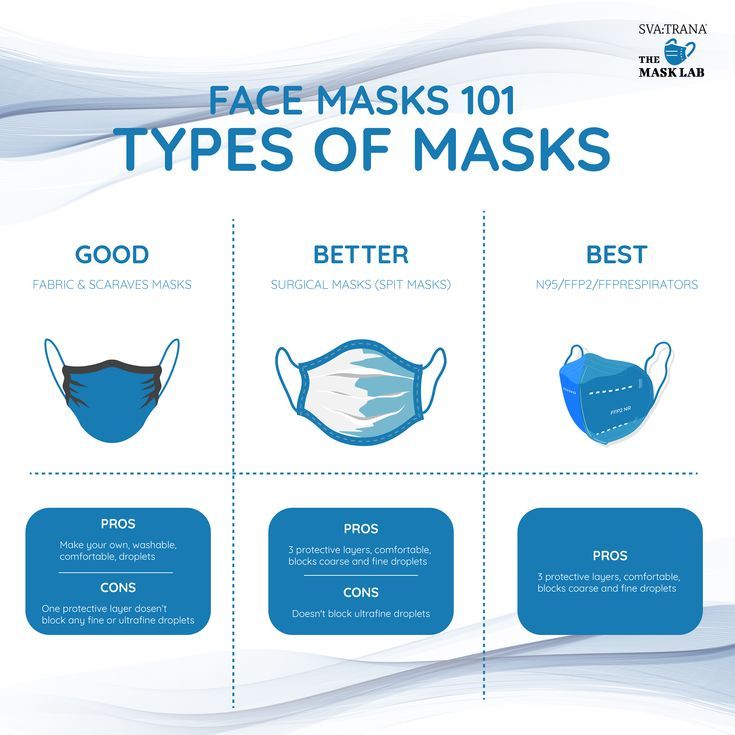
Face masks can broadly be classified into three main categories: surgical masks, N95 respirators, and cloth masks. Each of these masks has unique characteristics and intended uses, varying in filtration efficiency, comfort, and material composition. Here’s a closer look at these categories:
Surgical Masks
Surgical masks are primarily designed for use in medical settings, providing a barrier between the wearer’s mouth and nose and potential contaminants in the environment. They are made from multiple layers of non-woven fabric, typically featuring a combination of polypropylene and other materials.
- Purpose: Surgical masks are effective in preventing the spread of respiratory droplets during medical procedures and help protect both patients and healthcare workers.
- Effectiveness: These masks are generally effective in filtering out large particles but are not designed to fit tightly against the face, which limits their overall effectiveness against very small airborne pathogens.
- Material: Surgical masks are often made from a combination of fabrics, with an outer layer for fluid resistance, a middle layer for filtration, and an inner layer for moisture absorption.
N95 Respirators
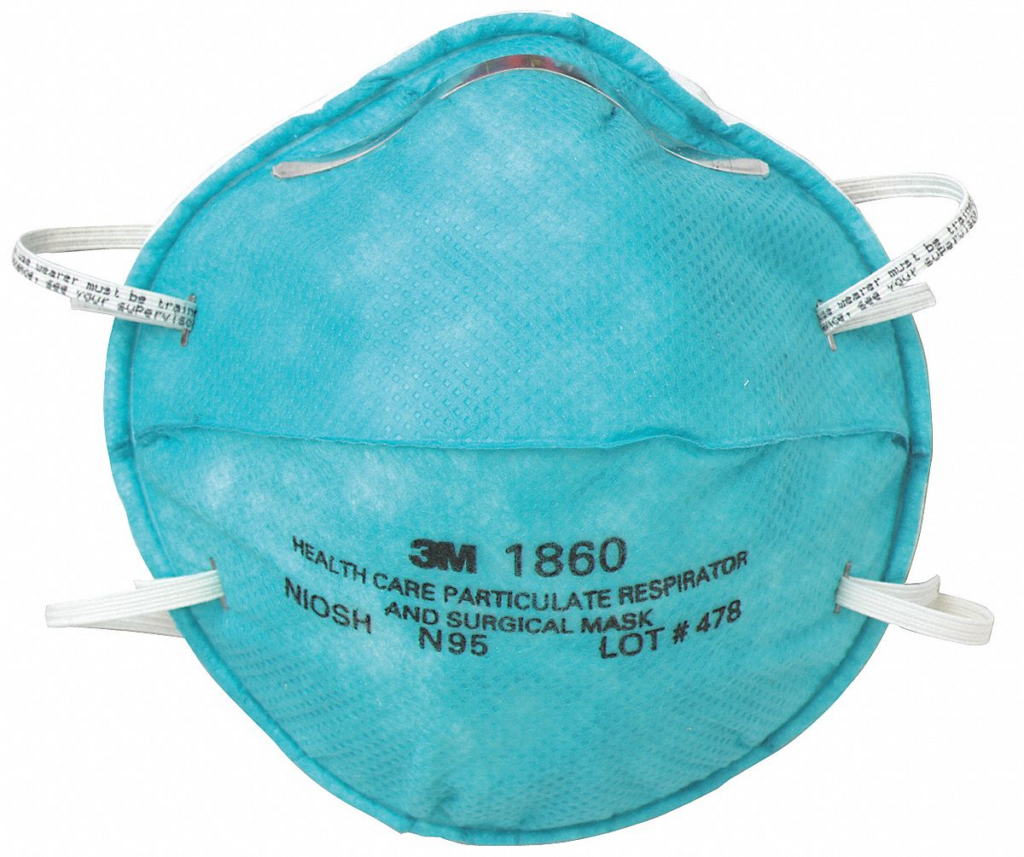
N95 masks are a type of respirator that provides a higher level of filtration than surgical masks. They are designed to achieve a very close facial fit and filter out at least 95% of airborne particles, including large respiratory droplets and smaller aerosols.
- Purpose: N95 respirators are primarily used in healthcare settings, especially during high-risk procedures, to protect against airborne infectious agents.
- Effectiveness: These masks are very effective in filtering out small particles and provide a snug fit that enhances protection against exposure.
- Material: N95 masks are typically made from multiple layers, including non-woven polypropylene, which helps to filter out particles while allowing for breathability.
Cloth Masks
Cloth masks have gained popularity as a more accessible option for the general public. They are reusable, can be made from various materials, and come in a multitude of designs and styles.
- Purpose: Cloth masks are intended to reduce the spread of respiratory droplets, particularly in situations where social distancing is difficult to maintain. They are more about community protection rather than personal protection.
- Effectiveness: The effectiveness of cloth masks can vary significantly based on the fabric used, the number of layers, and how well they fit the wearer’s face.
- Material: Common materials for cloth masks include cotton, polyester, and blends. Some masks may include filter pockets to enhance protection.
“While surgical masks and N95 respirators provide higher levels of protection, cloth masks remain a valuable tool in reducing transmission in community settings.”
The impact of face masks on public health during pandemics
Face masks have emerged as a critical tool in the fight against the spread of infectious diseases, particularly during pandemics. Their role in public health cannot be understated, as they serve to mitigate transmission rates and protect both individuals and communities. The significance of face masks became increasingly evident during the COVID-19 pandemic, as various countries implemented mask mandates to curb the virus’s spread.
The effectiveness of face masks in controlling infectious diseases is supported by extensive research and data. A meta-analysis published in the journal “Health Affairs” revealed that mask mandates were associated with a significant reduction in COVID-19 cases. Specifically, the study found that mask-wearing reduced transmission rates by approximately 70% in certain regions. Additionally, case studies from countries like Japan and South Korea demonstrated that early and widespread adoption of masks contributed to lower infection rates compared to nations where mask usage was less common.
Public attitudes towards mask-wearing during pandemics
Understanding public attitudes towards mask-wearing is crucial for evaluating the overall effectiveness of mask mandates. Attitudes can vary significantly based on cultural norms, government messaging, and individual beliefs about personal freedom and health. In some regions, mask-wearing is viewed as a civic duty and an essential measure to protect vulnerable populations. In contrast, in other areas, resistance to mask mandates has been rooted in perceptions of personal rights or skepticism about the efficacy of masks.
To illustrate the diversity in public sentiment, consider the following points:
- In countries like Taiwan and South Korea, high compliance rates with mask mandates were observed, driven by a collective understanding of community health responsibilities.
- Conversely, in parts of the United States, resistance to mask-wearing was often fueled by political polarization, resulting in varying compliance levels across different states.
- Surveys conducted during the pandemic indicated that public support for mask mandates fluctuated, influenced by case numbers and government policies. For example, support surged during spikes in COVID-19 cases and waned during periods of low transmission.
“The success of mask mandates is closely tied to public perception and compliance, highlighting the importance of effective communication from health authorities.”
The varying attitudes towards masks greatly impact their overall efficacy in public health strategies. Countries that successfully communicated the importance of mask-wearing, along with providing clear guidelines on proper usage, achieved higher compliance rates and ultimately better health outcomes.
The psychological effects of wearing face masks in social settings
The use of face masks has dramatically changed how we interact in social environments, particularly during the COVID-19 pandemic. As a protective measure, masks serve a dual purpose: safeguarding health and affecting interpersonal communication. Understanding the psychological implications of wearing face masks reveals both challenges and adaptations in social interactions.
Masks can significantly alter how we communicate non-verbally, impacting essential components such as facial expressions and vocal tone. Research indicates that the obscured face might hinder emotional recognition, which can lead to misunderstandings in social contexts. A study published in the journal *Frontiers in Psychology* found that participants had difficulty identifying emotions from masked faces, especially subtle expressions like happiness or sarcasm. This limitation can result in a decrease in effective communication, potentially leading to feelings of isolation or frustration during social encounters.
Emotional responses to mask-wearing
The emotional landscape surrounding mask-wearing varies among individuals and can be influenced by multiple factors, including personal beliefs and situational context. Studies have shown a range of emotional responses, from anxiety and fear to empowerment and solidarity.
The following points illustrate the spectrum of emotional reactions tied to wearing masks in social settings:
- Increased Anxiety: Some individuals report heightened anxiety when required to wear masks, particularly in crowded or unfamiliar settings. This anxiety can stem from concerns about safety, judgment from others, or discomfort with the barrier to social connection.
- Feelings of Protection: For certain people, wearing a mask can foster a sense of empowerment and responsibility. They may feel they are contributing to the health and safety of their community, which enhances feelings of agency.
- Stigmatization: Conversely, some individuals may experience stigma or judgment based on their decision to wear a mask or not. This societal pressure can create division or anxiety, especially in areas with polarized views on mask mandates.
- Solidarity and Support: Masks can also symbolize group identity and solidarity, especially among those who prioritize health measures. Wearing a mask in such contexts can enhance social bonding and a sense of belonging to a community that shares similar values.
“Masks represent not just a physical barrier, but also a psychological one that can affect our social interactions and emotional well-being.”
Understanding these emotional responses is critical for fostering positive social environments, as the implications of mask-wearing extend beyond mere health precautions. Recognizing the varied sentiments can help individuals navigate social interactions more effectively and empathetically during these challenging times.
The environmental implications of disposable face masks
The widespread use of disposable face masks during the COVID-19 pandemic has raised significant environmental concerns. While these masks have played a crucial role in public health, their single-use nature poses serious challenges to waste management and ecological sustainability. The sheer volume of masks being disposed of daily has led to increased plastic pollution, affecting marine and terrestrial environments.
The environmental challenges posed by single-use face masks are multifaceted. Firstly, most disposable masks are made from polypropylene, a type of plastic that can take hundreds of years to decompose. This durability means that masks can accumulate in landfills, waterways, and oceans, contributing to the larger issue of microplastic pollution. The Ocean Conservancy reported that millions of masks have been found littering beaches, posing threats to wildlife that may ingest or become entangled in the material. Furthermore, the production and transportation of these masks also contribute to carbon emissions, amplifying their environmental footprint.
Initiatives and innovations aimed at reducing mask waste
To mitigate the environmental impact of disposable masks, various initiatives and innovations have emerged. Many organizations and companies are working to develop solutions that promote a more sustainable approach to mask usage.
- Recycling Programs: Some municipalities have introduced specific collection points for used masks, allowing them to be properly processed and recycled. This ensures that the materials are repurposed rather than ending up in landfills.
- Biodegradable Options: Several manufacturers are now producing masks made from biodegradable materials, which break down more easily in the environment. These masks offer the same level of protection while reducing long-term waste impact.
- Public Awareness Campaigns: Educational campaigns are being launched to inform the public about the environmental impacts of mask waste and encourage responsible disposal practices, such as cutting up used masks before throwing them away to prevent wildlife entanglement.
Sustainable alternatives and their benefits
The search for sustainable alternatives to disposable face masks has led to the creation of various reusable options. These masks not only minimize waste but also provide effective protection.
- Reusable Cloth Masks: Made from fabric, these masks can be washed and reused multiple times, significantly reducing waste. They come in various designs and materials, allowing for personal preference while being eco-friendly.
- Mask Innovations: Some companies are developing masks with built-in filters that can be replaced, extending the lifespan of the mask while maintaining high filtration standards.
- Community Initiatives: Many local groups are sewing and distributing reusable masks to those in need, fostering community engagement while addressing health and environmental concerns.
“Adopting reusable and biodegradable alternatives can significantly reduce the burden of mask waste on our planet.”
The cultural significance of face masks in art and fashion
The use of face masks transcends mere functionality, delving deep into the realms of art and fashion. Throughout history, masks have served as powerful symbols, embodying cultural identities, spiritual beliefs, and aesthetic values. The interplay between utility and artistry has allowed face masks to evolve in ways that reflect societal changes and individual expression.
Face masks have been represented in various art forms, from tribal rituals to modern art installations, illustrating their multifaceted significance. Artists have utilized masks to convey deep narratives, reflecting the human experience. In ancient cultures, masks were integral to religious and ceremonial rites, often crafted from materials like wood, clay, and fabric, imbuing them with cultural meaning. For instance, in African art, masks play a crucial role in storytelling, representing ancestors, spirits, and deities, often adorned with intricate designs and vibrant colors. The aesthetic appeal and spiritual significance of these masks create a bridge between the physical and metaphysical worlds.
Evolution of face masks in contemporary fashion trends
In recent years, face masks have transitioned from cultural artifacts to fashionable accessories, particularly highlighted during global health crises. This shift has seen masks adopted by high-fashion designers, integrating them into runway shows and everyday wear. Masks have become a canvas for artistic expression, reflecting social statements, personal style, and even political beliefs.
The following points Artikel how contemporary designers and movements have embraced face masks in their collections:
- Balenciaga: Known for its avant-garde approach, Balenciaga has incorporated masks into its collections, elevating them from mere protective gear to statement pieces that challenge traditional notions of fashion.
- Maison Margiela: This label is renowned for its conceptual designs, featuring masks in various forms, which often blur the lines between art and utility, provoking thought about identity and anonymity.
- Fashion activist movements: Designers like Aja Barber and others have utilized masks to promote sustainability and ethical fashion, emphasizing the importance of conscious consumerism in the fashion industry.
- Streetwear culture: The rise of streetwear has seen masks adopted as part of everyday outfits, blending functionality with style, and often featuring bold graphics and logos.
The artistic representation of masks has also influenced contemporary fashion, with many designers drawing inspiration from historical and cultural contexts. For example, the use of vibrant patterns reminiscent of traditional masks can be seen in many modern collections, enhancing the dialogue between past and present.
“In the world of fashion, a mask is no longer just a barrier, but a medium for storytelling and self-expression.”
The future of face masks in a post-pandemic world
As we navigate through a post-pandemic landscape, the role of face masks is evolving. While initially viewed as a temporary measure, they are increasingly being integrated into daily life, driven by advancements in design and technology, shifts in public policy, and changing societal attitudes. This segment delves into what the future holds for face masks, considering various factors that will shape their presence in our lives.
Projected trends in mask design and technology
The future of face masks is being shaped by innovative designs and cutting-edge technology aimed at enhancing comfort, functionality, and aesthetic appeal. Designers are focusing on creating masks that are not only protective but also stylish and user-friendly.
- Smart masks: These are equipped with sensors to monitor air quality and can even filter harmful particles more effectively. Companies like Razer have introduced high-tech masks that include features such as built-in microphones and LED displays, offering a glimpse into the future of interactive personal protective equipment.
- Eco-friendly materials: The shift towards sustainability is prompting manufacturers to use biodegradable or recyclable materials in mask production. Brands are exploring options like organic cotton and bamboo fabrics, which reduce environmental impact while ensuring comfort.
- Customizable designs: As masks become a fashion statement, customization options are increasing. Consumers are now able to choose colors, patterns, and even incorporate personal messages or artwork, reflecting their unique style and preferences.
Potential changes in public policy regarding mask usage
Public policy surrounding face masks is expected to adapt in response to health data and societal needs. While mandates may ease, guidelines will likely continue to emphasize the importance of masks in certain settings, particularly during outbreaks of respiratory illnesses.
- Workplace regulations: Employers may implement policies that encourage or require mask-wearing in office environments, especially during peak flu and cold seasons. These measures aim to create safer workplaces and reduce the spread of airborne diseases.
- Healthcare settings: Masks are likely to remain mandatory in hospitals and clinics, viewed as essential in protecting vulnerable populations. This ensures that healthcare professionals and patients are safeguarded against potential infections.
- Travel regulations: The airline industry may adopt long-term mask policies, particularly on international flights where exposure to various pathogens increases. This could become standard practice to enhance passenger safety.
Evolution of societal attitudes towards masks
Societal perceptions of face masks are transforming, influenced by their roles as both health protectants and symbols of responsibility. As communities adapt to the presence of masks, their acceptance and integration into daily routines are becoming more pronounced.
- Normalization of mask-wearing: In many cultures, wearing a mask is becoming a norm, akin to other health practices like handwashing. This shift may lead to a broader understanding of personal and communal health responsibilities.
- Increased awareness of respiratory health: The pandemic has heightened awareness of airborne diseases, leading many to prioritize respiratory health. This growing consciousness may sustain demand for masks even beyond the pandemic period.
- Fashion and identity: Masks are increasingly viewed as an extension of personal style. With brands collaborating with designers, masks are becoming fashionable accessories that reflect individual identity while serving a practical purpose.
The role of face masks in occupational safety and health
In various professions, especially in healthcare and industrial sectors, face masks play a critical role in ensuring safety and health. They serve as a first line of defense against airborne pathogens, pollutants, and other harmful particulates that can affect workers’ health and well-being. Understanding the regulatory framework and effective training programs for mask usage is essential for promoting workplace safety.
Face masks are vital in controlling the spread of infectious diseases and protecting workers from hazardous exposures. In healthcare settings, where exposure to viruses and bacteria is prevalent, masks act as a barrier to prevent the transmission of pathogens. In industrial environments, masks protect workers from inhaling dust, chemicals, and other toxic substances. The effectiveness of face masks in these settings relies not only on their design and material but also on adherence to specific guidelines and proper training.
Regulations and guidelines for mask use in workplaces
Occupational safety and health regulations mandate the use of face masks in various industries to safeguard employees. Guidelines established by organizations such as the Occupational Safety and Health Administration (OSHA) provide clear directives on when and how masks should be utilized. These regulations are crucial for ensuring that workplaces maintain a safe environment for all workers.
Key regulations and guidelines include:
- OSHA Standards: OSHA Artikels standards for respiratory protection that require employers to provide appropriate masks based on the level of exposure to hazardous substances.
- Centers for Disease Control and Prevention (CDC) Recommendations: The CDC provides guidelines for mask use during outbreaks of infectious diseases, emphasizing their importance in healthcare and community settings.
- Industry-Specific Regulations: Many industries have specific regulatory requirements, such as those in construction, manufacturing, and healthcare, that dictate the type of masks that must be used based on the nature of the work being performed.
Effective training programs for proper mask usage
Implementing effective training programs is essential for ensuring that workers understand how to properly use face masks. These programs equip employees with the knowledge and skills needed to maximize the protective benefits of masks while minimizing the risk of contamination or discomfort.
Key components of successful training programs include:
- Proper Selection: Training should cover how to select the appropriate mask based on the specific hazards present in the workplace and the level of protection required.
- Correct Usage: Employees must learn the proper way to wear masks, including how to fit them securely, ensuring no gaps between the mask and the face, and understanding when to replace the mask.
- Maintenance and Hygiene: Training should emphasize the importance of maintaining mask hygiene, such as how to clean reusable masks properly and the importance of disposing of single-use masks correctly.
Proper education and training are key to maximizing the effectiveness of face masks in occupational settings.
Incorporating these elements into training programs will help ensure that face masks are used effectively, ultimately enhancing occupational safety and health across various professions.
Last Recap
In summary, face masks have had a profound impact on society, from their historical roots to their crucial role during health crises. As we move forward, understanding their cultural significance and finding sustainable solutions will shape how we perceive and use masks in our daily lives.
Essential Questionnaire
What is the purpose of a face mask?
Face masks are designed to cover the nose and mouth to prevent the spread of infectious diseases, protect against pollutants, and serve various functions in healthcare and industrial settings.
How often should I replace a disposable face mask?
Disposable face masks should be replaced after each use, especially if they become wet or damaged, to ensure maximum protection.
Can face masks be reused?
Some face masks, like cloth masks, can be washed and reused, while disposable masks should not be reused for safety reasons.
Do face masks affect communication?
Yes, face masks can hinder non-verbal cues like facial expressions, impacting interpersonal communication, but they are still effective in conveying messages through voice.
Are there any health risks associated with wearing a face mask?
Generally, wearing a face mask is safe for most individuals, although some may experience discomfort or difficulty breathing if they have specific health conditions.
What materials are face masks made from?
Face masks can be made from various materials including medical-grade fabrics, cotton, polypropylene, and other synthetic materials, each offering different levels of filtration and comfort.
How can I ensure my face mask fits properly?
To ensure a proper fit, select a mask that covers both your nose and mouth snugly without gaps, and adjust any ear loops or ties as needed.