
 Widya pasha
Organic hair oil has increasingly become a staple in modern hair care routines, captivating those in search of natural solutions for their hair and scalp needs. With a myriad of benefits ranging from enhanced moisture retention to protection against environmental damage, these oils offer a gentle yet effective alternative to conventional products. Whether you have curly, straight, or textured hair, organic hair oils can cater to diverse hair types, promoting overall health and vitality.
As more individuals prioritize clean beauty, understanding the unique properties of various organic hair oils and their applications can empower consumers to make informed choices. This exploration will delve into the different types of organic oils, their application techniques, and even some DIY recipes, ensuring that your hair care journey is both enriching and enjoyable.
The Benefits of Using Organic Hair Oil in Your Hair Care Routine
Incorporating organic hair oil into your daily hair care routine can lead to transformative results for both your hair and scalp. With the rise of natural beauty products, organic hair oils have gained popularity due to their numerous benefits. These oils not only nourish your hair but also enhance its overall health, making them an essential addition to your hair care arsenal.
Organic hair oils are rich in essential fatty acids, vitamins, and antioxidants that contribute significantly to scalp health and hair vitality. They work by penetrating the hair shaft to provide deep moisture and nourishment, helping to combat dryness and brittleness. Regular use of organic oils can improve hair elasticity, reduce frizz, and promote shine. Additionally, they can help soothe and protect the scalp from issues such as dandruff and irritation.
Specific Hair Types That Benefit from Organic Oils
Different hair types have unique needs, and organic hair oils can provide targeted benefits based on individual characteristics. Here are some examples of hair types that can flourish with the use of organic oils:
- Curly Hair: Curly hair often requires extra moisture. Oils like coconut or argan can help maintain definition and reduce frizz, making curls more manageable.
- Dry or Damaged Hair: For hair that is dry or has been chemically treated, avocado oil is an excellent choice. It nourishes and repairs damage, restoring shine and softness.
- Fine or Thin Hair: Lightweight oils such as jojoba oil can add moisture without weighing hair down, providing a boost of hydration that enhances volume.
- Oily Hair: Surprisingly, oily hair can also benefit from oils. Tea tree oil, known for its antibacterial properties, can help balance scalp oil production while keeping it clean and healthy.
To illustrate the benefits further, many users of organic hair oils report improvements in their hair’s texture and appearance within just a few weeks of regular use. For instance, a study found that participants who incorporated argan oil into their hair care routine experienced a significant reduction in split ends and increased moisture retention.
“Investing in organic hair oil is investing in the long-term health of your hair.”
The Different Types of Organic Hair Oils and Their Unique Properties
Organic hair oils are a great way to nourish and revitalize your hair naturally. They come from various plants and are known for their unique properties and benefits. Each type of organic hair oil offers specific attributes that cater to different hair types and concerns, making them essential for any hair care routine.
Different organic hair oils possess distinct characteristics that make them suitable for various hair needs. For instance, some oils are rich in fatty acids that help retain moisture, while others are packed with vitamins and antioxidants that promote hair health and shine. Understanding these unique properties can help you choose the right oil for your specific hair concerns.
Types of Organic Hair Oils
When selecting an organic hair oil, it’s important to understand which type aligns best with your hair needs. Here’s a closer look at some popular organic hair oils and their benefits:
| Hair Oil | Key Properties | Benefits | Best For |
|---|---|---|---|
| Coconut Oil | Rich in medium-chain fatty acids and antioxidants | Moisturizes, prevents protein loss, adds shine | Dry, damaged, or frizzy hair |
| Argan Oil | High in vitamin E and essential fatty acids | Softens, restores elasticity, reduces frizz | All hair types, especially dry or curly hair |
| Jojoba Oil | Resembles natural sebum, rich in vitamins B and E | Balances oil production, hydrates, and nourishes | Oily scalp or hair, fine hair |
| Castor Oil | Rich in ricinoleic acid and omega-6 fatty acids | Promotes hair growth, thickens hair, reduces dandruff | Thinning hair or dry scalp |
Using these oils regularly can significantly enhance the health and appearance of your hair. Each type of organic hair oil provides unique properties that cater to specific hair needs, ensuring that you can find the perfect match for your hair type and concerns.
How to Properly Apply Organic Hair Oil for Maximum Effectiveness
Applying organic hair oil can significantly enhance the health and appearance of your hair when done correctly. This section covers the essential steps to ensure you’re maximizing the benefits of your organic hair oil, providing tips tailored to your hair’s length and thickness, and highlighting common pitfalls to avoid.
Steps for Application of Organic Hair Oil
To achieve optimal results, following a systematic approach to applying organic hair oil is crucial. Here are the steps to ensure you’re applying the oil effectively:
- Choose the Right Oil: Select an organic hair oil suited for your hair type, whether it be coconut, argan, jojoba, or olive oil.
- Part Your Hair: Divide your hair into sections to allow for even distribution. If your hair is particularly thick or long, consider more sections.
- Warm the Oil: Gently warm a small amount of oil in your palms. This helps it to penetrate the hair shaft more effectively.
- Apply to Scalp: Using your fingertips, apply the oil directly to your scalp. This nourishes the roots and promotes healthy growth.
- Work Through Ends: Spread the oil from your scalp to the tips of your hair. Focus on the ends, which are often the most damaged.
- Massage: Gently massage your scalp for several minutes to stimulate blood circulation.
- Leave it On: Allow the oil to sit for at least 30 minutes to several hours. For deeper penetration, overnight application is ideal.
- Wash Out: Rinse thoroughly with a mild shampoo, followed by your regular conditioner.
Recommended Amount Based on Hair Length and Thickness
Using the right amount of oil is essential for effective application. Here’s a general guideline to help you determine how much oil to use based on your hair type:
Consider the following recommendations:
| Hair Length | Thickness | Recommended Oil Amount |
|---|---|---|
| Short | Fine | 1/2 teaspoon |
| Short | Thick | 1 teaspoon |
| Medium | Fine | 1 teaspoon |
| Medium | Thick | 1-2 teaspoons |
| Long | Fine | 2 teaspoons |
| Long | Thick | 2-4 teaspoons |
Common Mistakes to Avoid When Applying Hair Oil
Even with the best intentions, mistakes can undermine the efficacy of organic hair oil. Being aware of these common pitfalls can help you avoid them:
Here are some mistakes to steer clear of:
- Using Too Much Oil: Over-applying can result in greasy hair and makes it harder to wash out.
- Skipping the Scalp: Focusing only on the ends neglects the roots, which need nourishment for healthy growth.
- Not Allowing Enough Time: Insufficient time for the oil to absorb limits its effectiveness. Aim for at least 30 minutes.
- Applying on Dirty Hair: Clean hair allows the oil to penetrate without interference from product buildup.
- Inconsistent Application: Regular application is key to seeing long-term benefits. Aim for at least once a week.
“Consistent care and proper application techniques can transform the health of your hair, making organic hair oil your best friend.”
Comparing Organic Hair Oil to Conventional Hair Products
Organic hair oils and conventional hair products represent two distinct approaches to hair care, each with its own set of ingredients, benefits, and philosophies. While conventional products often contain synthetic chemicals and preservatives, organic oils are derived from natural sources, promoting healthier, more sustainable hair care practices. Understanding these differences can help consumers make informed choices about what they put on their hair.
Organic hair oils offer a unique blend of nutrients that can nourish the hair and scalp, often making them a more desirable choice for long-term hair health. Conventional hair products may provide immediate results, such as shine or manageability, but they often rely heavily on artificial additives that can lead to adverse effects over time. By incorporating organic oils into your routine, you may experience a range of benefits that go beyond superficial improvements.
Comparison of Benefits and Drawbacks
When considering the use of organic hair oils versus conventional hair products, it’s important to evaluate their respective advantages and disadvantages. Below is a detailed comparison to help you navigate these choices.
Understanding the pros and cons of organic oils and conventional products can guide you in selecting the best option for your hair care needs:
- Organic Hair Oils
- Natural ingredients that are free from harmful chemicals.
- Rich in essential fatty acids and vitamins that promote hair and scalp health.
- Long-term benefits include improved hair strength, shine, and reduced breakage.
- Eco-friendly and often sustainably sourced, supporting environmental health.
- Fewer allergens and irritants, making them suitable for sensitive skin.
- Conventional Hair Products
- Immediate results such as smoothness and frizz control due to chemical formulations.
- Wide variety of products available catering to specific hair types and concerns.
- Often more affordable and readily available in most stores.
- May include beneficial additives like silicones for temporary shine.
- Potential for buildup on hair and scalp leading to long-term damage.
“Choosing the right hair care product is essential for achieving long-lasting hair health and vitality.”
The comparison above highlights that while conventional products may offer quick fixes, the long-term benefits of organic hair oils can lead to healthier, more vibrant hair. Transitioning to a more natural hair care routine could be a significant step towards not only individual well-being but also environmental sustainability.
DIY Organic Hair Oil Recipes You Can Create at Home
Creating your own organic hair oil blends at home can be a rewarding and enriching experience. Not only do you have control over the ingredients, but you can also tailor the oils to meet your specific hair needs. By using natural ingredients, you can promote healthier hair without the harmful chemicals often found in commercial products. Here is a detailed guide with several easy-to-follow recipes that not only nourish your hair but also make the process enjoyable.
Before diving into the recipes, it’s essential to understand the benefits of each ingredient used in these blends. Organic oils are packed with essential nutrients, vitamins, and fatty acids that can significantly improve the health and appearance of your hair. Below, you’ll find a selection of organic hair oil recipes that are simple to make at home, along with a breakdown of their benefits and important safety precautions to keep in mind.
Coconut and Jojoba Oil Blend
This blend is perfect for deep conditioning and moisturizing dry and damaged hair. Coconut oil penetrates the hair shaft, reducing protein loss, while jojoba oil mimics the scalp’s natural oils, promoting balance.
- Coconut Oil: Rich in lauric acid, this oil hydrates and strengthens hair, preventing breakage.
- Jojoba Oil: Known for its moisturizing properties, it helps to control frizz and adds shine without leaving a greasy residue.
To create this blend:
1. Mix 1/2 cup of coconut oil with 1/4 cup of jojoba oil in a clean glass jar.
2. Warm the mixture slightly to ensure the coconut oil is in liquid form.
3. Stir well and store it in a cool, dark place.
Argan and Sweet Almond Oil Blend
This combination is ideal for repairing damaged hair and adding shine. Argan oil is renowned for its ability to hydrate and soften hair, while sweet almond oil provides nourishment and promotes hair growth.
- Argan Oil: Packed with antioxidants, it helps to restore moisture and repair damaged hair follicles.
- Sweet Almond Oil: Rich in vitamins A, D, and E, it supports healthy hair growth and improves texture.
To make this blend:
1. Combine 1/4 cup of argan oil and 1/4 cup of sweet almond oil in a glass bottle.
2. Shake well before each use to mix the oils.
3. Store in a dark, cool place to maintain potency.
Rosemary and Olive Oil Blend
This recipe is excellent for stimulating hair growth and improving scalp health. Rosemary oil is known for its ability to promote circulation, while olive oil provides deep hydration.
- Rosemary Oil: Known for its stimulating properties, it can enhance blood circulation to the scalp, encouraging hair growth.
- Olive Oil: A natural emollient that helps to manage frizz and protect against damage.
To prepare this blend:
1. Mix 1/2 cup of olive oil with 10-15 drops of rosemary essential oil in a dark bottle.
2. Shake well and let it sit for a few days to allow the oils to blend effectively.
3. Store in a cool, dark place.
“Always perform a patch test before applying new oils to your scalp to check for allergic reactions.”
Safety precautions are crucial when creating and using homemade oils. Always perform a patch test by applying a small amount of the blend to your inner arm and waiting 24 hours to ensure no irritation occurs. Additionally, make sure to store your oils in dark glass containers to protect them from light, which can degrade their quality. It’s advisable to use these hair oils within six months for best results, and always keep them out of reach of children.
The Role of Organic Hair Oil in Preventing Hair Damage
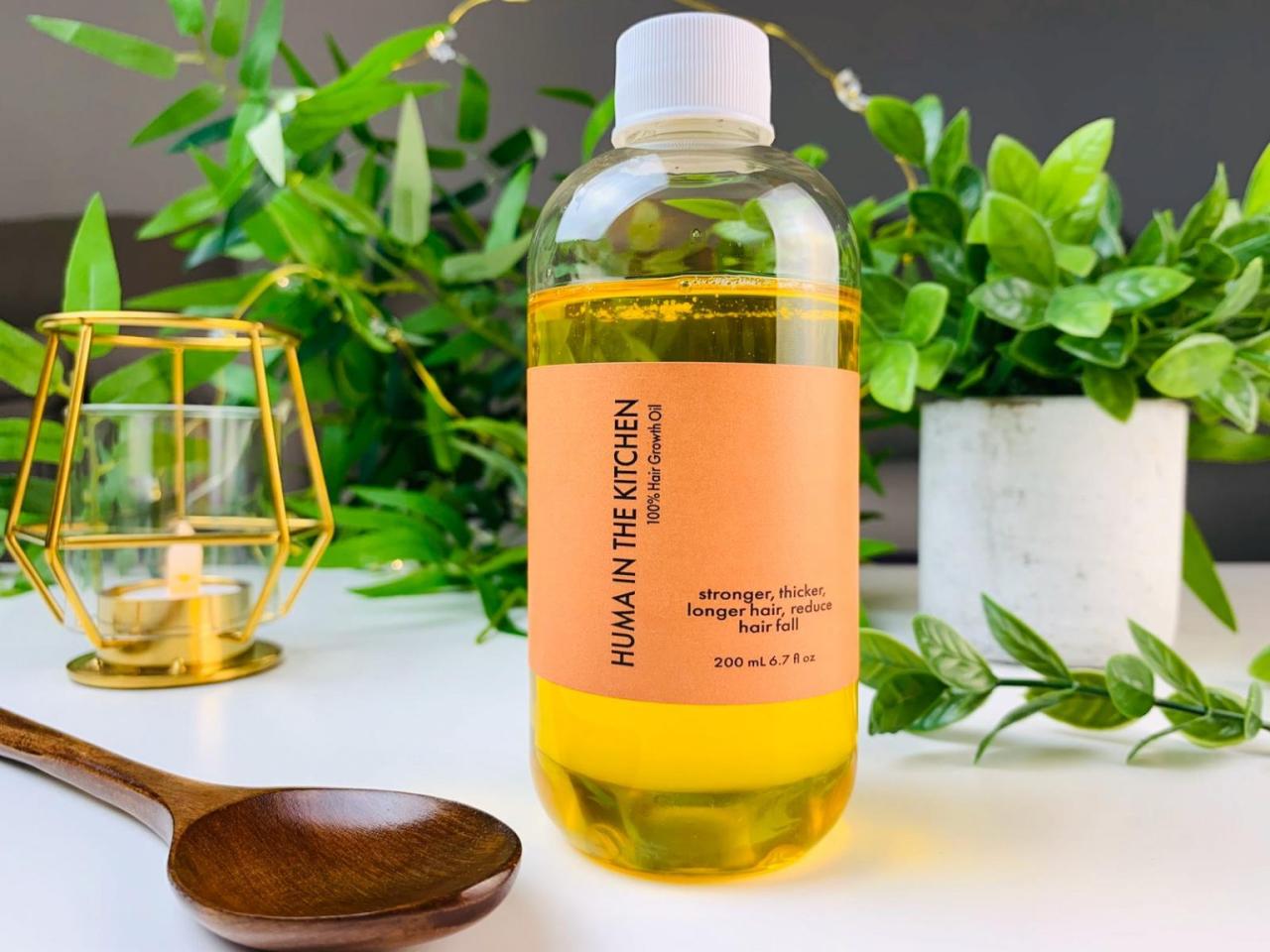
Organic hair oil plays a pivotal role in maintaining the health and vitality of your hair by acting as a natural shield against various damaging factors. With the daily exposure to environmental elements such as pollution, UV rays, and harsh weather conditions, hair is constantly under threat. Moreover, frequent styling practices including the use of heat tools can exacerbate damage. This is where organic hair oils come into play, providing essential nutrients and protective barriers to keep hair strong and resilient.
The natural composition of organic hair oils, rich in vitamins and fatty acids, allows them to penetrate the hair shaft effectively, offering moisture and nourishment. They create a protective layer around each strand, helping to reduce the impact of environmental aggressors and styling practices. The importance of using hair oil as a pre-styling treatment cannot be overstated, particularly when it comes to heat styling. Applying organic hair oil before using blow dryers, straighteners, or curling irons significantly minimizes heat damage, keeping your locks looking healthy and shiny.
Effectiveness of Organic Oils versus Chemical Treatments
When it comes to preventing hair damage, the choice between organic hair oils and chemical treatments can greatly influence hair health. Organic oils provide a more natural, nourishing approach, while chemical treatments may offer temporary benefits but can lead to long-term damage. Below is a comparison table highlighting the effectiveness of organic oils compared to chemical treatments in hair damage prevention.
| Aspect | Organic Hair Oils | Chemical Treatments |
|---|---|---|
| Moisture Retention | Enhances moisture absorption and retention, preventing dryness. | May strip natural oils, leading to dryness and brittleness. |
| Heat Protection | Forms a protective barrier against heat damage from styling tools. | Often lacks protective properties, increasing risk of heat-related damage. |
| Environmental Defense | Protects hair from UV rays, pollution, and other damaging environmental factors. | Limited protection; can worsen exposure effects over time. |
| Scalp Health | Promotes a healthy scalp, preventing dandruff and irritation. | Can cause scalp problems, including irritation or allergic reactions. |
| Long-term Effects | Improves overall hair health with consistent use. | Can lead to dependency and cumulative damage over time. |
The protective nature of organic hair oils is not only beneficial for the hair’s surface but also promotes long-term health and resilience, unlike many chemical treatments that may provide quick fixes but lead to further damage.
Understanding the Importance of Sourcing Quality Organic Hair Oils
Selecting high-quality organic hair oils is crucial for maintaining healthy and vibrant hair. With a plethora of products available on the market, understanding what to look for can make a significant difference in your hair care routine. Consumers should prioritize quality, purity, and sourcing practices to ensure they are investing in a product that truly benefits their hair.
When selecting organic hair oils, look for oils that are cold-pressed and extracted without the use of chemicals. Cold-pressing helps retain the oil’s natural nutrients, ensuring maximum efficacy. Additionally, consider the source of the oils; sourcing from reputable growers who practice sustainable farming leads to better quality oils. Certifications, such as USDA Organic or EcoCert, play a vital role in verifying the integrity of the product. These certifications guarantee that the oil is free from harmful additives and has been produced following strict organic guidelines.
Importance of Certifications and Sourcing Practices
Certifications and sourcing practices are essential indicators of oil purity and quality. They assure consumers that the oils they are purchasing have been subjected to rigorous testing and meet established organic standards. The following points highlight the significance of these elements:
- Certification Verification: Look for oils that display recognized certifications, as these indicate compliance with organic regulations.
- Transparency in Sourcing: Choose brands that provide clear information about their sourcing practices, such as the origin of their ingredients and the farming methods employed.
- Ethical Practices: Supporting brands that engage in ethical sourcing not only benefits the consumer but also supports communities involved in the production process.
- Traceability: High-quality organic oils often come with traceability, allowing consumers to know exactly where their product comes from and how it was produced.
Before purchasing organic hair oil, consumers should evaluate products using the following checklist, which ensures that the selected oil meets high-quality standards:
- Ingredient List: Check for minimal ingredients and ensure no synthetic additives are present.
- Extraction Method: Verify that the oil is cold-pressed or extracted using natural methods.
- Certifications: Confirm the presence of organic certifications from recognized organizations.
- Sourcing Information: Look for brands that disclose their sourcing practices and ingredient origins.
- Customer Reviews: Read reviews to gauge the effectiveness and quality of the product from other consumers’ perspectives.
Investing in high-quality organic hair oils supports not only individual health but also sustainable and ethical practices in the industry.
The Historical and Cultural Significance of Hair Oils in Various Societies
Throughout history, hair oils have played a vital role in various cultures, serving not only as a cosmetic product but also as a symbol of status, beauty, and health. Across different regions, the use of organic oils has been intertwined with cultural rituals, traditions, and practices that emphasize the importance of hair care. From ancient civilizations to modern societies, these oils have provided nourishment and protection, showcasing the deep-rooted connections between hair and identity.
The utilization of hair oils can be traced back to ancient societies, where they were often derived from natural resources such as plants, nuts, and seeds. For instance, in India, the tradition of using coconut and amla oils dates back thousands of years, believed to promote healthy hair growth and enhance luster. Similarly, in the Middle East, argan oil has been cherished for its moisturizing properties, while in Africa, shea butter and various nut oils have been integral to hair care routines, particularly for curly and textured hair.
Traditional Recipes and Practices for Hair Care Using Organic Oils
Many cultures have developed unique recipes and methods for applying hair oils, often passed down through generations. These practices reflect a deep understanding of natural ingredients and their benefits for hair health.
The following are some notable traditional practices:
- Indian Ayurvedic Practices: In Ayurveda, hair oils such as Brahmi and Bhringraj are combined with carrier oils to create potent treatments for hair growth and nourishment. These formulations often include herbs and spices, enhancing both the therapeutic and aromatic qualities of the oil.
- Middle Eastern Rituals: In many Middle Eastern cultures, the application of warm argan oil is a common practice. It is often massaged into the scalp, not only to hydrate the hair but also to promote relaxation and well-being.
- African Shea Butter Treatments: African communities utilize shea butter mixed with essential oils to create moisturizing hair masks. This blend is traditionally applied to help strengthen hair and enhance shine, especially for natural hairstyles.
- Japanese Camellia Oil Use: In Japan, camellia oil is revered for its lightweight texture and moisturizing properties. It is often used as a finishing product to add shine and protect hair from environmental damage.
“Hair is a crown you never take off.” – Unknown
“Beautiful hair is a reflection of a beautiful spirit.” – Unknown
The historical and cultural significance of hair oils serves as a testament to their enduring value across various societies. These practices not only offer insight into the beauty standards of different cultures but also highlight the importance of natural ingredients in achieving healthy hair.
Closure
In summary, the incorporation of organic hair oil into your hair care regimen not only nurtures your locks but also aligns with a more sustainable lifestyle. By selecting quality oils and applying them correctly, you can experience the transformative effects they have on your hair and scalp health. From protecting against damage to enhancing shine, organic hair oils are essential for achieving hair that looks and feels fabulous.
Answers to Common Questions
What is the best organic hair oil for dry hair?
Coconut oil and argan oil are excellent choices for dry hair due to their deep moisturizing properties.
Can organic hair oil help with hair growth?
Yes, oils like castor oil and rosemary oil are known to stimulate hair growth and improve scalp health.
How often should I use organic hair oil?
For most hair types, using organic hair oil 1-2 times a week is sufficient, but it can be applied more frequently if needed.
Can I use organic hair oil on oily hair?
Yes, but it’s best to use lighter oils like jojoba or grapeseed oil, which won’t weigh the hair down.
Are there any side effects of using organic hair oil?
Generally, organic hair oils are safe, but some individuals may experience allergic reactions; it’s advised to do a patch test first.