
 Widya pasha
Wall art has always been more than mere decoration; it’s a reflection of culture, history, and personal expression. From ancient murals that tell stories of civilizations to contemporary pieces that challenge our perceptions, wall art captures the essence of societal shifts and individual emotions. As we dive into the fascinating world of wall art, we’ll explore its evolution, psychological impacts, and the latest trends that shape our spaces today.
This exploration will take us through various historical periods where wall art played a significant role, unveil the psychological benefits of surrounding ourselves with art, and guide you in selecting the perfect pieces for your home. Whether you’re an art enthusiast or someone looking to spruce up your living space, there’s something here for everyone.
The Historical Evolution of Wall Art
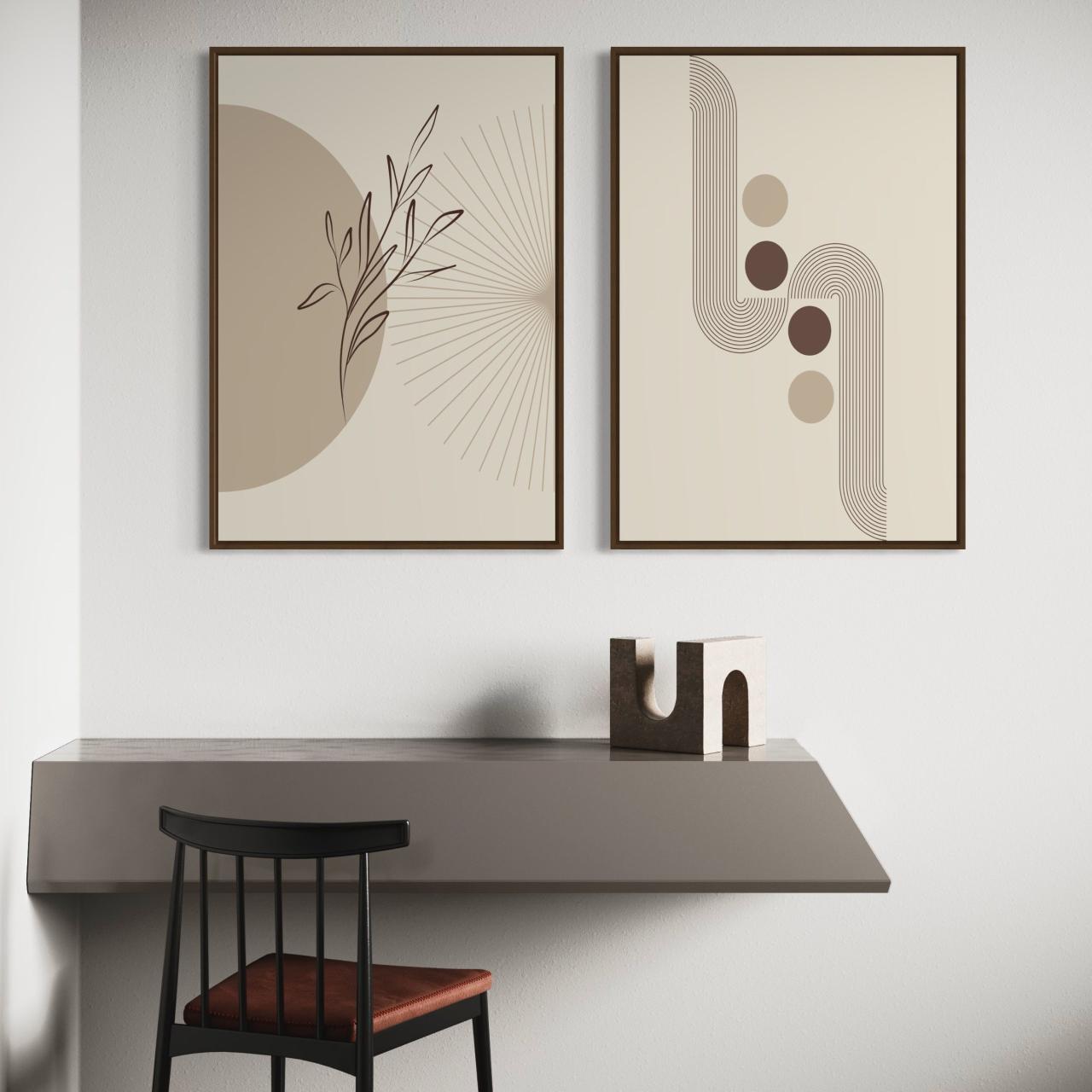
Wall art has served as a significant form of expression throughout human history, reflecting cultural values, societal changes, and artistic innovations. Its evolution traces back to ancient times and has transformed across various historical periods and cultures. Each phase not only showcases the artistic styles of the era but also represents the collective consciousness and aesthetic sensibilities of the people.
From prehistoric cave paintings to contemporary murals, wall art has been a medium for storytelling and communication. Early examples of wall art, such as the Lascaux cave paintings in France, date back over 17,000 years and depict animals and hunting scenes, revealing insights into the lives of our ancestors. As civilizations advanced, so did the complexity of wall art. In ancient Egypt, wall paintings adorned tombs and temples, symbolizing the afterlife and the gods, while Roman frescoes illustrated daily life and mythological narratives, showcasing the skill of artisans like Pompeii’s anonymous painters.
Influential Movements in Wall Art
Various artistic movements have significantly influenced the development of wall art, with each bringing unique styles and philosophies. The Renaissance marked a pivotal shift as artists like Leonardo da Vinci and Michelangelo redefined artistic techniques, emphasizing realism and human emotion. Their frescoes in the Sistine Chapel illustrated biblical scenes with astonishing detail and depth, fundamentally changing perceptions of wall art.
The Baroque period followed, characterized by dramatic expressions and intricate details. Artists such as Caravaggio and Peter Paul Rubens used light and shadow to create dynamic compositions that drew viewers into the narrative. Baroque wall art often served grand purposes in churches and palaces, reinforcing the power of the Church and the state.
Modernism later emerged in the late 19th and early 20th centuries, challenging traditional artistic forms. Artists like Pablo Picasso and Henri Matisse experimented with abstraction and color, leading to various movements such as Cubism and Fauvism. These innovations opened new avenues for wall art, making it not just a representation of reality but also a commentary on society and culture.
Notable artists have left lasting impacts on wall art, shaping its trajectory and significance. The works of Diego Rivera and his politically charged murals brought attention to social issues in Mexico, while street artists like Banksy have transformed urban landscapes into canvases for social critique, showcasing the power of wall art as a tool for activism.
The Psychological Impact of Wall Art on Living Spaces
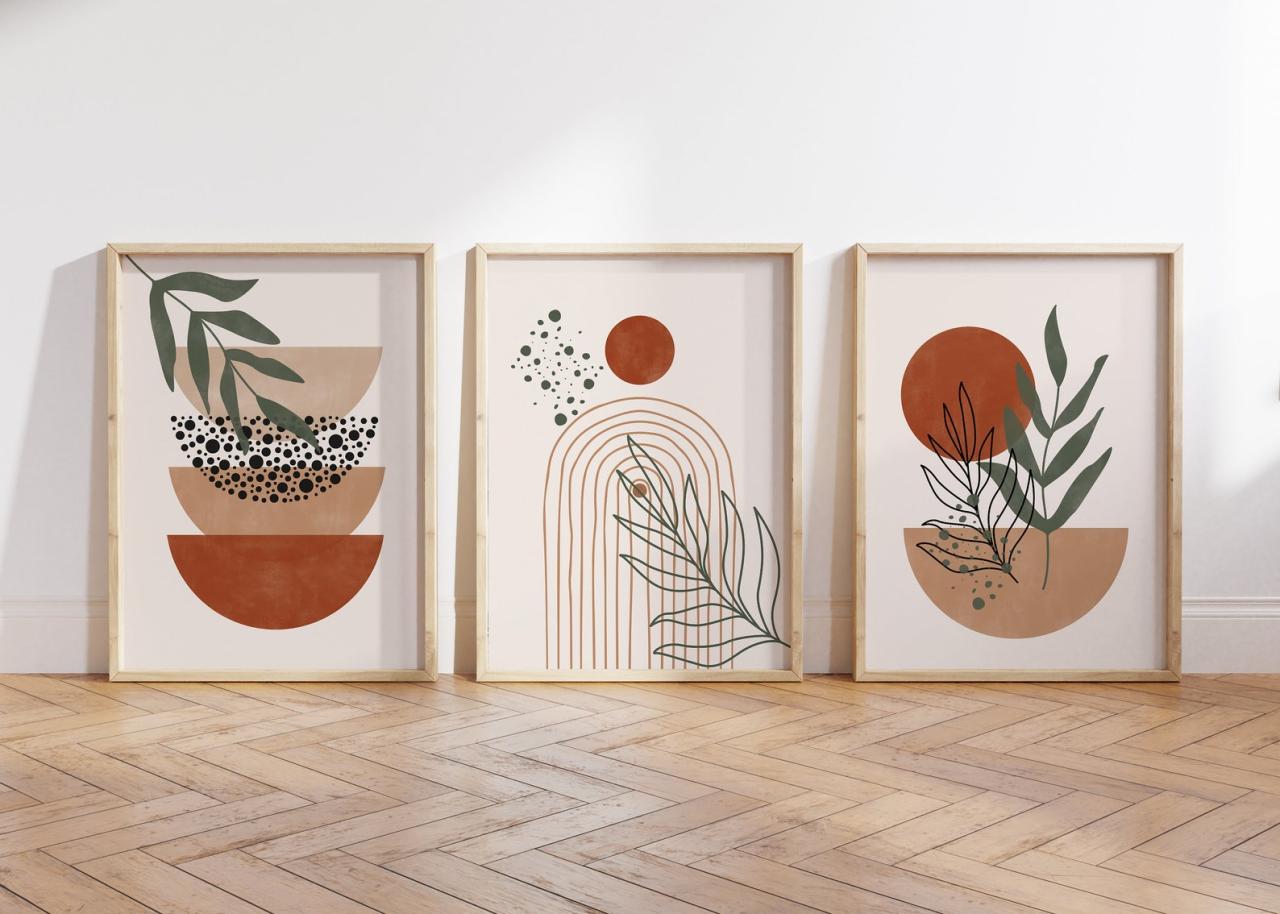
Wall art is more than just decoration; it serves as a powerful medium that can influence our emotions, behaviors, and overall mental health. The selection of imagery and colors in wall art can create an atmosphere that either uplifts or dampens the spirit, thus playing a critical role in the psychology of living spaces. When we surround ourselves with art that resonates with our personal experiences and feelings, we create an environment conducive to well-being and creativity.
The impact of wall art on mood and behavior can be attributed to several psychological principles, including the effects of color psychology and the personal connection people develop with art. Studies have shown that different colors can evoke specific emotional responses. For instance, warm colors like red and yellow tend to stimulate energy and excitement, while cool colors, such as blue and green, often promote calmness and relaxation. This understanding is crucial when selecting art for various spaces within the home, as the ambiance of a room can significantly influence daily life.
Studies on Psychological Effects of Color and Imagery
Research conducted by the University of Oregon highlights the psychological effects that colors can have on individuals. In one study, participants exposed to blue hues reported feelings of tranquility and tranquility, while those in red environments exhibited increased levels of energy and agitation. These findings suggest that the colors incorporated in wall art can profoundly affect our state of mind.
Moreover, imagery plays a vital role in the psychological impact of wall art. A study published in the Journal of Environmental Psychology found that nature images, such as landscapes and botanical prints, can reduce stress and enhance feelings of relaxation. Participants exposed to these types of images reported lower levels of cortisol, a hormone associated with stress. On the other hand, abstract or chaotic images may evoke feelings of unease or distraction, showing that the choice of imagery in wall art is equally important.
The importance of personal connection to wall art cannot be overstated. When individuals choose art that resonates with their values, experiences, or aspirations, the emotional impact is greatly enhanced. Personal connections to art can foster a sense of belonging and identity, turning a simple space into a sanctuary. For example, family portraits or meaningful quotes can evoke nostalgia and warmth, creating a positive ambiance that contributes to emotional well-being.
Collectively, these psychological factors underline the importance of carefully selecting wall art that aligns with personal taste and emotional needs. Adopting a thoughtful approach to wall art not only beautifies living spaces but also promotes mental health by creating environments that nurture positive feelings, peace, and inspiration.
Popular Trends in Wall Art Design Today
The world of wall art is continually evolving, showcasing a variety of styles, materials, and techniques that reflect contemporary culture and individual expression. Today’s wall art transcends traditional boundaries, embracing innovative forms that resonate with diverse audiences. As artists experiment with new mediums, the result is a vibrant tapestry of artistic expression that is both visually striking and conceptually rich.
One of the most notable trends in wall art design today is the rise of digital art. With advancements in technology, artists can now create stunning visuals that were once unimaginable. This includes intricate designs made using software, allowing for high-resolution prints that capture every detail. Mixed media also remains a popular choice, blending traditional techniques with modern materials such as acrylics, textiles, and even 3D elements. This fusion not only enhances the aesthetic appeal but also encourages interaction and engagement from viewers.
Comparison of Traditional and Emerging Wall Art Styles
While traditional wall art styles, such as oil paintings and watercolors, continue to hold their charm, emerging trends are captivating a new generation of art enthusiasts. Traditional art often emphasizes craftsmanship and the tangible connection to the artist’s hand, appealing to those who appreciate classic techniques. In contrast, contemporary styles lean towards experimentation, often prioritizing conceptual narratives and the use of unconventional materials.
The juxtaposition between these styles can be illustrated through several popular themes dominating the current market:
- Nature: Artists are increasingly drawing inspiration from the environment, creating pieces that depict landscapes, floral arrangements, and wildlife. This theme often utilizes sustainable materials, reflecting a growing awareness of ecological issues.
- Minimalism: Characterized by simplicity and clean lines, minimalist wall art often employs a limited color palette and geometric shapes. This style resonates with a modern audience seeking tranquility and order in their living spaces.
- Abstract: Abstract art remains a powerful means of expression, allowing artists to convey emotions and concepts through color, form, and texture without adhering to realistic depictions. This trend invites viewers to interpret the artwork subjectively, fostering personal connections.
“Today’s wall art is not just decoration; it’s a conversation starter, a reflection of identity, and a vehicle for meaning.”
As we observe these trends, it becomes clear that wall art serves a dual purpose: beautifying spaces while also inviting contemplation and dialogue. Whether through traditional forms or innovative techniques, the evolving landscape of wall art continues to inspire and challenge perceptions of creativity.
How to Select the Right Wall Art for Your Space
Selecting wall art is an exciting yet sometimes daunting task. The right pieces can transform a room, add personality, and create a cohesive atmosphere throughout your home. To effectively choose wall art, consider several factors such as the room’s size, color scheme, and your personal taste. Proper consideration of these elements ensures that your selections harmonize with the overall aesthetic of your space.
When choosing wall art for specific rooms, it is essential to take a structured approach. Begin by assessing the dimensions of the wall where you plan to hang the art. Large pieces can make a bold statement in spacious areas, while smaller artworks may work better in more intimate settings. Consider how the artwork will interact with other elements in the room, such as furniture and lighting. Additionally, the color scheme of the room plays a crucial role in your selection. Art that complements or contrasts the existing palette can enhance the visual appeal of the space.
Checklist for Selecting Wall Art
Creating a checklist can streamline your decision-making process when selecting wall art. Below are key factors to consider:
- Room Size: Measure the wall space to determine the appropriate scale of the artwork. A large piece might overwhelm a small room, while tiny art may get lost on expansive walls.
- Color Scheme: Identify the dominant colors in your room. Choose artwork that either matches or complements these colors. A cohesive color palette can create a unified look.
- Personal Taste: Reflect on your style preferences. Whether you lean towards modern, traditional, eclectic, or minimalist designs, select art that resonates with you personally.
- Theme: Consider the overall theme of the room. For example, beach-themed décor pairs well with ocean-inspired art, while a rustic setting may benefit from nature-based pieces.
- Lighting: Evaluate the lighting in the room. Natural light can affect how colors are perceived. Some artworks look different under artificial light; ensure your art is visible and appealing in the room’s lighting conditions.
Balancing different types of art throughout your home can create a rich and dynamic visual experience. Start by establishing a unifying theme or color scheme that resonates across various pieces. For instance, if you have a mix of abstract and traditional styles, find common colors or motifs that tie them together. Consider the placement of each piece; art can serve to guide the eye throughout the space, so think about sightlines when arranging your collection. Lastly, consider mixing textures and media—such as paintings, photography, and textiles—to add depth and interest to your wall decor.
“Art should not only match the interior; it should enhance the emotional experience of the space.”
Creating a Personal Gallery Wall
Designing a personal gallery wall is an exciting way to showcase your favorite memories and artistic expressions. This space can reflect your personality, celebrate pivotal moments in your life, or simply bring joy to your daily surroundings. Creating a cohesive gallery wall involves thoughtful planning, selection of themes, and careful attention to layout. Here’s a step-by-step guide to help you bring your vision to life.
The first step in designing your gallery wall is selecting a theme or concept that resonates with you. This not only provides a focal point but also ties together the individual pieces in a meaningful way. Once you have your theme, gather your artwork, photos, and any other decorative pieces you wish to include. These could be framed prints, canvas art, or even three-dimensional objects.
Potential Themes for Gallery Walls
Choosing a theme is crucial for creating a harmonious arrangement. Here’s a list of ideas to consider for your personal gallery wall:
- Family Photos: Capture your loved ones and special moments.
- Travel Memories: Showcase souvenirs, maps, and photos from your travels.
- Favorite Quotes: Frame inspiring quotes that uplift your spirit.
- Nature and Landscapes: Bring a touch of the outdoors inside with scenic views.
- Artistic Expression: Display your own artwork or that of your favorite artists.
- Color Palette: Use a specific color scheme to create a cohesive look.
- Milestones: Celebrate achievements like graduations or weddings through framed mementos.
- Hobbies: Highlight your passions, such as music, sports, or crafts.
Understanding the importance of layout and spacing is essential in achieving a visually appealing gallery wall. The arrangement of your pieces can significantly affect the overall aesthetic. Start by laying your pieces out on the floor to experiment with different configurations. Consider the height at which you’ll hang the artwork; a common guideline is to place the center of the arrangement at eye level, which is typically around 57 to 60 inches from the ground.
Additionally, maintain consistent spacing between your pieces. A common recommendation is to keep 2 to 4 inches of space between frames. This helps create a more unified look, preventing the wall from feeling cluttered or chaotic.
“Creating a well-thought-out gallery wall can transform an ordinary space into a personalized work of art.”
Once you finalize your layout, take a picture as a reference while you work. This visual guide will help you maintain consistency as you hang each piece. Consider using a level to ensure that everything is straight and aligned. With thoughtful selection and careful arrangement, your personal gallery wall will not only be a reflection of your journey but also a conversation starter, adding character and warmth to your home.
The Role of Wall Art in Commercial Spaces
Wall art plays a pivotal role in shaping the identity and atmosphere of commercial spaces. It serves not only as decoration but also as a powerful medium of communication that can convey brand values, evoke emotions, and enhance the overall customer experience. In an increasingly competitive marketplace, businesses recognize that incorporating wall art can significantly influence consumer perceptions and behaviors.
Significantly, wall art enhances brand identity by reflecting the core values and aesthetics of a business. For example, a high-end fashion boutique may utilize sleek, minimalist artwork that resonates with its modern, upscale branding, while a cozy café might opt for vibrant, playful murals that create a warm and inviting atmosphere. These visual elements help customers to form instant associations with the brand, thereby strengthening brand recall and loyalty. Moreover, well-curated wall art can create an immersive environment that transports customers into the brand’s narrative.
Examples of Successful Wall Art Implementation
Numerous businesses have effectively leveraged wall art to enhance customer engagement and improve the overall experience. For instance, the wellness brand SoulCycle incorporates motivational quotes and dynamic graphics throughout its studios. This not only energizes participants but also aligns with its branding as a community-focused fitness hub. Similarly, the restaurant chain Chipotle has utilized local artists to create murals that celebrate local culture, which resonates with their brand ethos of community and sustainability.
In the retail sector, stores like Anthropologie are renowned for their artistic displays that merge products with artful installations. This approach not only entices customers but also promotes an interactive shopping experience, encouraging customers to linger longer in-store. Another notable example is the IKEA store concept, which often features room setups with artistic touches. These setups inspire creativity and allow customers to envision how products might fit into their own lives, thus enhancing the purchasing experience.
The influence of wall art on consumer behavior is profound, particularly in retail settings. Studies have shown that visually appealing environments can increase customer dwell time, which directly correlates with higher sales. For instance, a well-placed mural in a shop can capture attention and create a focal point that draws customers in. According to a study by the Journal of Retailing, stores with engaging visual displays, including wall art, saw a significant increase in sales compared to those lacking such features.
In summary, wall art is not merely decorative; it is a strategic element that shapes brand identity, enhances customer experience, and influences purchasing decisions in commercial spaces. By effectively integrating art into their environments, businesses can create unique atmospheres that foster emotional connections with customers, lead to increased engagement, and ultimately drive sales.
DIY Wall Art Ideas for Everyone
Creating your own wall art is a fantastic way to bring personal flair into your living space. Whether you’re a seasoned artist or just starting out, there are projects suitable for every skill level and budget. DIY wall art not only enhances your home but also provides a unique opportunity to express your individuality and creativity. Below are several project ideas that vary in complexity, along with the materials you’ll need and step-by-step instructions to make them.
Geometric Canvas Art
This project is ideal for beginners and requires minimal materials. Geometric art can add a modern touch to any room.
Materials Needed:
– Canvas (any size)
– Painter’s tape
– Acrylic paint in various colors
– Paintbrushes
– Palette or paper plate for mixing colors
Step-by-Step Process:
1. Start by applying painter’s tape to the canvas in geometric shapes. Be creative—triangles, squares, and lines work great.
2. Choose your paint colors and mix them on a palette.
3. Using a paintbrush, fill in the shapes with your chosen colors. You can alternate colors or create a gradient effect.
4. Let the paint dry completely before carefully removing the painter’s tape to reveal crisp lines.
5. Display your masterpiece proudly on your wall.
To personalize, consider using colors that match your existing decor or adding text in the empty spaces with a fine brush.
Photo Collage Wall Art
A photo collage is a wonderful way to showcase memories and can be tailored to suit any space or theme.
Materials Needed:
– A collection of your favorite photos (printed)
– A large poster board or a canvas
– Scissors
– Glue or double-sided tape
– Optional: Decorative elements like washi tape or stickers
Step-by-Step Process:
1. Arrange your photos on the poster board or canvas without gluing them down first. Play around with the layout until you find one you love.
2. Once satisfied, start gluing down the photos, working from one side to the other.
3. Add decorative elements to fill any empty spaces or to enhance the overall design.
4. Frame your collage or hang it directly on the wall for a personal touch.
Personalization can include themed collages (like vacations or family events) or using black-and-white photos for a classic look.
String Art
String art is a visually striking way to create wall decor, and it’s perfect for those looking for a bit more of a challenge.
Materials Needed:
– Wooden board (size of your choice)
– Nails
– Hammer
– String or yarn in various colors
– Printed silhouette or design as a guide
Step-by-Step Process:
1. Start by transferring your design onto the wooden board. If you’re using a silhouette, trace it lightly with a pencil.
2. Hammer nails along the Artikel of your design, spacing them evenly.
3. Once the nails are in place, tie a knot with your string at one nail and start wrapping the string around the nails in various patterns.
4. Continue wrapping until you are satisfied with the look.
5. Secure the end of the string and hang it on your wall.
For personalization, you can choose shapes that represent interests or initials, using colors that resonate with your personal style.
Personalizing your DIY wall art can make it a unique reflection of your individual style and creativity.
These projects not only serve as beautiful decor but also as fulfilling creative outlets. Enjoy the process and let your imagination guide you!
The Intersection of Technology and Wall Art
As we navigate through the digital age, the realm of wall art is undergoing a remarkable transformation, driven by advancements in technology. From digital canvases to immersive augmented reality experiences, technology is reshaping how we perceive and engage with art in our living spaces. This integration not only enhances creativity but also expands accessibility, allowing artists to reach wider audiences and viewers to enjoy art in innovative ways.
The influence of technology on contemporary wall art is most evident through digital art forms and augmented reality (AR) applications. Digital art allows artists to create intricate pieces using software that provides tools far beyond traditional media. Artists such as Beeple and Refik Anadol have gained recognition for their futuristic creations that challenge our perceptions of space and context. AR technology takes this a step further by allowing viewers to interact with the artwork in their physical environment, offering a dynamic experience that static pieces cannot provide. Imagine pointing your smartphone at a wall equipped with an AR app, and watching a digital mural animate and come to life right before your eyes. This innovative approach invites deeper engagement and personal connection to the artwork.
Digital Art Versus Traditional Wall Art
The debate between digital and traditional wall art encompasses various factors, including accessibility and creativity. Digital art is often more accessible to a broader audience, as it can be shared easily across social media platforms and online galleries. Viewers can easily discover new artists from around the world, breaking geographical barriers and allowing for a more diverse artistic landscape. Furthermore, many digital artworks can be reproduced infinitely without degradation, making them readily available for purchase or display.
On the other hand, traditional wall art—such as paintings, sculptures, and prints—carries a unique value often associated with craftsmanship and originality. The tactile nature of traditional art provides an experience that digital formats may not replicate. Artists like Banksy and Yayoi Kusama have shown that traditional art can still draw significant attention, often commanding high prices at auctions due to their authenticity and the story behind each piece.
However, this does come with its downsides. Traditional art can be less accessible due to higher costs and limited availability, often confined to galleries or private collections. In contrast, digital art can be produced at a lower cost, making it more attainable for the average viewer. Yet, the mass production of digital pieces sometimes raises concerns over authenticity and exclusivity.
Artists successfully blending technology with traditional art forms are paving the way for innovative expressions. For example, KAWS, known for his playful characters, often integrates digital techniques to enhance his physical artworks, creating a seamless fusion of mediums. Similarly, artist TeamLab utilizes digital projection to bring traditional art into the realm of interactivity, creating immersive installations that engage viewers in entirely new ways.
In summary, the intersection of technology and wall art not only expands the creative horizons for artists but also redefines how audiences experience and interact with art. The balance between digital and traditional mediums continues to evolve, allowing for a richer, more diverse artistic landscape.
Final Review
In conclusion, wall art not only enhances our living and working environments but also influences our moods and perceptions. As we reflect on its historical significance, psychological impacts, and current trends, it becomes clear that wall art is a vital component of our daily lives. So, whether you’re creating a personal gallery or choosing a piece for your office, remember that each artwork tells a story and brings its own unique energy into your space.
Popular Questions
What types of wall art are most popular today?
Popular types of wall art include abstract pieces, nature-inspired artwork, and minimalist designs, often incorporating mixed media and digital elements.
How can wall art affect my mood?
Research shows that colors and themes in wall art can significantly influence emotions, with warmer colors generally evoking feelings of comfort and happiness.
Can I create wall art on a budget?
Absolutely! DIY projects and printables are great ways to create personal wall art without breaking the bank.
How do I maintain my wall art?
Regular dusting and avoiding direct sunlight can help preserve the quality of your wall art. For specific materials, follow care instructions from the artist or manufacturer.
What is the best way to arrange a gallery wall?
Start by laying out your pieces on the floor to find a cohesive arrangement. Make sure to mix different sizes and styles for visual interest, and maintain consistent spacing.