
 Widya pasha
Scented candles have long been more than just simple sources of light; they evoke memories, create atmospheres, and play significant roles in traditions across cultures. As we delve into their rich history, we’ll uncover how these waxy wonders have shaped rituals and personal spaces throughout the ages.
From ancient civilizations where fragrances were intertwined with spirituality to modern homes seeking comfort, scented candles illuminate the connection between scent and experience. This exploration will take us through the science behind their captivating aromas, the art of making them at home, and their psychological benefits.
The historical significance of scented candles in various cultures
Scented candles have a rich history that traces back to ancient civilizations, where they were not only a source of light but also played significant roles in rituals and daily life. Their aromatic properties have made them a staple in various cultures, symbolizing spirituality, luxury, and even medicinal practices over the centuries. Understanding their historical context sheds light on how they have evolved into the beloved home accessories we enjoy today.
The origins of scented candles can be traced back to the ancient Egyptians, who used beeswax candles infused with aromatic oils in their religious ceremonies. These candles were often lit to honor the gods, creating a serene atmosphere filled with fragrance. Similarly, ancient Romans used scented candles during their lavish feasts, enhancing the dining experience with pleasant aromas. In Asia, particularly in Chinese culture, candles are integral to spiritual practices, where they are lit during festivals to symbolize the illumination of the soul. Over time, the utilization of scented candles has been adopted and adapted by various cultures, reflecting their unique beliefs and practices.
Origins and Cultural Incorporation
Scented candles have been utilized across different civilization eras, each incorporating unique fragrances and materials. The following highlights the significant ways different cultures have woven scented candles into their traditions:
- Egyptian Civilization: Scented candles were often made from beeswax and fragrant oils, used during rituals to connect with the divine.
- Roman Practices: Romans created candles infused with various scents to enhance their social gatherings, reflecting their luxurious lifestyle.
- Asian Traditions: In countries like China, scented candles are essential during religious festivals, symbolizing the lighting of spiritual paths.
- Medieval Europe: Candles made from tallow were scented with herbs and spices, used mainly by the wealthy in their homes and during church services.
The evolution of scented candles has also mirrored historical developments, transitioning from basic illumination devices to luxurious home decor items. The introduction of new materials in the 19th century, such as paraffin wax and synthetic fragrances, revolutionized the candle-making industry. This democratized the use of scented candles, allowing them to become accessible to a broader audience.
“Throughout history, scented candles have symbolized more than mere fragrance; they have embodied spirituality, luxury, and the art of living.”
As time progressed, the symbolic meanings associated with scented candles evolved. In contemporary society, they are often viewed as tools for relaxation, stress relief, and the creation of ambiance in homes. Furthermore, the rise of the wellness movement has positioned scented candles as essential elements in mindfulness practices, promoting tranquility and self-care rituals. Overall, the journey of scented candles through time highlights their enduring significance across cultures, blending history with modern-day practices.
The science behind the fragrances used in scented candles
Creating the perfect ambiance is an art, and scented candles play a vital role in this expression. The science behind the fragrances used in these candles is not just about pleasant aromas; it involves intricate chemical compositions that elicit specific emotional responses. Understanding this science can deepen our appreciation for the scents we choose and how they affect our surroundings.
The fragrance oils used in scented candles are complex mixtures derived from natural or synthetic sources. These oils are composed of various chemical compounds that interact with the olfactory receptors in our noses, producing unique scents. Each compound has a specific molecular structure that determines its smell. For instance, the sweet aroma of vanilla is largely due to vanillin, a compound that gives vanilla beans their distinctive scent. Similarly, the fresh scent of citrus comes from limonene, a compound prevalent in lemon and orange peels. The art of candle making combines these fragrance oils in precise ratios to achieve a desired olfactory experience.
Natural and synthetic fragrances in candle making
Understanding the differences between natural and synthetic fragrances is crucial for both candle makers and consumers alike. Each type has its own advantages and limitations that influence the overall fragrance profile and candle performance.
Natural fragrances are derived from plant sources, including essential oils, herbs, and spices. These scents are often considered purer and more wholesome, appealing to those who prefer an organic lifestyle. However, natural fragrances can be volatile and may not last as long as their synthetic counterparts. They require careful handling and storage to maintain their quality.
On the other hand, synthetic fragrances are created in laboratories using various chemical processes. These fragrances can replicate natural scents or create entirely new ones that are not found in nature. The benefit of synthetic fragrances lies in their stability and longevity. Candle makers often choose synthetic options to ensure consistent scent throw and durability during burning.
Natural fragrances are derived from plant sources, while synthetic fragrances are created in laboratories.
The choice between natural and synthetic fragrances often comes down to personal preference and the intended use of the candles. Some consumers may prioritize the authenticity of natural scents, while others may value the performance and variety offered by synthetic options.
Olfactory impact of various scents on mood and atmosphere
Fragrances have a profound impact on our mood and the atmosphere of a space. Different scents can evoke specific feelings and memories, which is why they are carefully selected for candle making.
– Floral scents, such as lavender and rose, are known to promote relaxation and calmness, making them ideal for bedrooms or meditation spaces.
– Citrus fragrances, like lemon and grapefruit, can energize and uplift the spirit, perfect for kitchens or workspaces.
– Earthy scents, such as sandalwood and cedarwood, evoke feelings of grounding and stability, suitable for living rooms or study areas.
The olfactory system is closely linked to the limbic system in the brain, which is responsible for emotions and memory. This connection means that certain scents can trigger emotional responses and influence the atmosphere significantly. For example, the warm scent of vanilla can evoke feelings of comfort and nostalgia, while the crisp aroma of pine may remind someone of a winter holiday.
Fragrances can evoke specific feelings and memories, making them essential for setting the right atmosphere.
In candle making, the careful selection of fragrances based on their olfactory impact can transform a space, creating an environment that aligns with the desired mood. By understanding the science behind these fragrances, consumers can make informed choices that enhance their sensory experiences.
The process of making scented candles at home
Creating scented candles at home can be a delightful experience that not only fills your space with beautiful fragrances but also allows for personalization and creativity. Whether you’re looking to craft gifts for loved ones or simply indulge in a relaxing hobby, making your own candles is a rewarding endeavor. This guide will walk you through the essential steps needed to transform wax into fragrant candles.
Materials Needed
To successfully create scented candles, it’s essential to gather the right materials. Each component plays a crucial role in the final product, from the wax to the fragrance. Below are the primary materials you will require:
- Wax Types: You can choose from various types of wax such as paraffin, soy, beeswax, and palm. Soy wax is a popular choice for its eco-friendliness and clean burn.
- Essential Oils: Select oils that resonate with you. Popular choices include lavender for relaxation, eucalyptus for freshness, and citrus oils for a bright, uplifting scent.
- Wicks: The wick size and type will depend on the candle size and wax used. Cotton wicks are commonly used with soy wax.
- Containers: Decide on containers that suit your style, such as glass jars or metal tins, which can add an aesthetic appeal to your candles.
- Double Boiler: This is necessary for melting the wax evenly without burning it. A makeshift double boiler can be created using a pot and a heat-safe bowl.
- Thermometer: For an optimal scent throw, monitoring the wax temperature is crucial during the melting and pouring process.
Step-by-Step Guide
The process of making scented candles involves several straightforward steps. Each step is important to ensure that the candles burn well and emit the desired fragrance. Here’s how to do it:
1. Measure the Wax: Determine how much wax you’ll need based on your container size. A general rule is to fill your container twice, and that will give you a rough estimate of the wax needed.
2. Melt the Wax: Using a double boiler, melt the wax slowly until it reaches a temperature of around 170-180°F (77-82°C). Stir occasionally to ensure even melting.
3. Add Essential Oils: Once the wax is fully melted, remove it from heat and let it cool to about 160°F (71°C). Add your chosen essential oils, typically using a ratio of about 1 ounce of oil per pound of wax for a strong scent.
4. Prepare the Wick: Secure the wick in the center of your container using a wick holder or a bit of melted wax. This helps to ensure that the wick remains centered while you pour in the wax.
5. Pour the Wax: Slowly pour the wax into the container, taking care to keep the wick centered. Fill to about 1/4 inch below the rim to avoid overflow when the candle is lit.
6. Cool and Set: Allow the candle to cool for several hours. It’s best to leave it overnight to ensure it sets properly.
7. Trim the Wick: Once cooled and completely hardened, trim the wick to about 1/4 inch above the surface of the candle.
Customizing Scents
Creating unique blends for your candles is an enjoyable part of the process. Understanding how to mix different essential oils can lead to delightful combinations that reflect your personal taste.
- Layering Scents: Mix base, middle, and top notes for complexity. For instance, combining sandalwood (base), lavender (middle), and lemon (top) can create a balanced aroma.
- Testing Blends: Before committing to a large batch, test small amounts of your blends to find the right balance that works for you.
- Seasonal Themes: Consider creating seasonal blends like cinnamon and clove for fall or jasmine and coconut for summer to evoke specific moods.
- Documenting Recipes: Keep track of your successful blends and their ratios. This practice will help you recreate your favorite scents easily in the future.
“The key to a perfect candle is not just the wax but the love poured in with the essential oils.”
The role of scented candles in home decor and ambiance
Scented candles are more than just a source of fragrance; they play a significant role in enhancing home decor and creating the desired ambiance in various living spaces. Their ability to add warmth, character, and a touch of elegance makes them a popular choice for homeowners looking to elevate their interior design.
The visual appeal of scented candles can transform any room into a cozy retreat or an inviting space for guests. Whether placed on a coffee table, shelf, or mantle, the flickering glow of candlelight adds depth and dimension to a room while the scent lingers in the air, setting the mood for relaxation or celebration.
Enhancing Aesthetic Appeal
Scented candles serve as both decorative and functional elements within home decor. Their various colors, shapes, and sizes can complement a room’s existing color palette and style. For maximum visual impact, consider the following placement and arrangement ideas:
- Centerpieces: Use large, decorative candles in the center of a dining table or a coffee table as a striking focal point. Group candles of varying heights together to create an eye-catching arrangement.
- Layering: Arrange candles on different levels, such as on a stack of books or within a decorative tray. This technique adds interest and encourages the eye to explore the space.
- Grouping by Theme: Group candles by color, scent, or season to create a thematic display. For example, place warm, earthy-toned candles during the autumn months and pastel hues for spring celebrations.
The key to effective candle placement lies in balancing the overall decor. Ensure that the candles do not overwhelm other decorative elements but rather enhance the existing aesthetic.
Complementing Seasonal Decor Themes
Scented candles can play an integral role in seasonal decor, enhancing the festive spirit of various celebrations. The right scents can evoke nostalgia and create a welcoming atmosphere. To align candles with seasonal themes, consider the following:
- Autumn: Embrace scents like pumpkin spice or cinnamon to evoke the warmth of fall. Use rustic candle holders made from wood or metal to complement the season’s earthy colors.
- Winter: Opt for scents like evergreen, peppermint, or warm vanilla. Utilize candles adorned with winter-themed decorations, such as snowflakes or holly, to create a cozy, festive ambiance.
- Spring: Choose light floral scents such as lavender or cherry blossom. Pastel-colored candles can brighten up spaces and reflect the rejuvenation of nature.
- Summer: Fresh and fruity scents, like coconut or citrus, can enhance the light atmosphere of summer. Use vibrant, colorful candles in outdoor spaces to elevate backyard gatherings.
Incorporating scented candles into your seasonal decor not only enhances the visual appeal but also creates an immersive sensory experience that enhances the overall ambiance of your home.
The impact of scented candles on mental well-being and relaxation
Scented candles offer more than just a pleasant aroma; they provide significant therapeutic benefits through aromatherapy, which can enhance mental well-being. The gentle flicker of a candle paired with soothing scents can create a serene atmosphere conducive to relaxation and stress relief.
Aromatherapy through scented candles harnesses the power of essential oils to positively influence mood and emotional state. Certain scents can trigger the brain’s limbic system, which is responsible for emotions and memory, leading to a reduction in stress and anxiety levels. The act of lighting a candle can serve as a ritual of self-care, signaling to the mind and body that it’s time to unwind.
Specific scents that promote mental health
Understanding which scents can enhance relaxation is crucial for maximizing the benefits of scented candles. Here are some scents renowned for their therapeutic properties:
- Lavender: Known for its calming effects, lavender is often used in aromatherapy to reduce anxiety and improve sleep quality.
- Eucalyptus: This invigorating scent can clear the mind and promote a sense of rejuvenation, making it ideal for stress relief.
- Vanilla: The sweet and comforting aroma of vanilla has been shown to lower stress levels and create a cozy, relaxed environment.
- Chamomile: Chamomile has soothing properties that can ease tension and promote a state of tranquility, making it effective for evening relaxation.
- Jasmine: Often associated with romance, jasmine’s sweet fragrance can help elevate mood and alleviate feelings of anxiety.
The ability of these scents to impact mental well-being demonstrates the importance of selecting the right fragrance for personal relaxation.
“The simple act of lighting a scented candle can foster a mindful moment and create a peaceful sanctuary for the senses.”
Incorporating scented candles into daily routines can provide a natural and enjoyable way to enhance mental health. Regular use of specific scents like those mentioned can lead to a more relaxed and balanced state of mind, making the ambiance of one’s living space more inviting and healing.
The environmental considerations of scented candle production

The production of scented candles, while enjoyable and aromatic, comes with a variety of environmental considerations that merit attention. As consumers become more aware of sustainability issues, it is crucial to explore the materials and ingredients commonly used in candle-making, as well as the eco-friendly alternatives available in the market. Understanding these aspects allows consumers to make informed decisions that align with their values.
Scented candles can be made from various materials, including paraffin wax, soy wax, beeswax, and synthetically produced fragrances. Each of these components has unique sustainability challenges. Paraffin wax, derived from petroleum, contributes to fossil fuel consumption and releases potentially harmful chemicals when burned. Additionally, synthetic fragrances often contain phthalates and other substances that may be harmful to both human health and the environment. On the other hand, natural alternatives such as soy wax and beeswax are generally considered more sustainable, as they can be sourced from renewable resources. However, even these materials can pose environmental challenges, such as deforestation linked to soy production and the ethical concerns surrounding bee farming.
Eco-friendly alternatives in scented candles
In response to the environmental concerns associated with traditional candle production, the industry has seen an increase in eco-friendly alternatives. These alternatives not only address sustainability issues but also cater to consumers looking for healthier options.
Many brands have begun to utilize:
- Natural waxes: Options like soy wax, coconut wax, and palm wax offer biodegradable alternatives to paraffin. They are derived from renewable resources, making them more eco-friendly.
- Essential oils: Instead of synthetic fragrances, essential oils provide natural scents without the harmful chemicals found in many conventional candles.
- Recycled materials: Some candle manufacturers create containers from recycled glass or metal, reducing waste and promoting a circular economy.
The shift toward these alternatives not only helps reduce the environmental impact of scented candles but also promotes health-conscious choices for consumers.
Environmentally responsible choices for consumers
Consumers play a pivotal role in fostering a sustainable candle industry. Their purchasing decisions can greatly influence manufacturers to prioritize eco-friendly practices. Here are some simple yet effective ways for consumers to make environmentally responsible choices:
When shopping for scented candles, consider the following:
- Check the ingredients: Look for candles made from natural waxes such as soy, beeswax, or coconut, and opt for those scented with essential oils instead of synthetic fragrances.
- Support sustainable brands: Choose companies that are transparent about their sourcing and production methods, and support those that prioritize environmental sustainability.
- Opt for reusable containers: Select candles that come in containers that can be repurposed or recycled, reducing waste and extending the lifespan of the product.
By making these informed choices, consumers can contribute to a more sustainable scented candle industry while still enjoying the ambiance and fragrance that candles provide.
Popular trends and innovations in the scented candle market
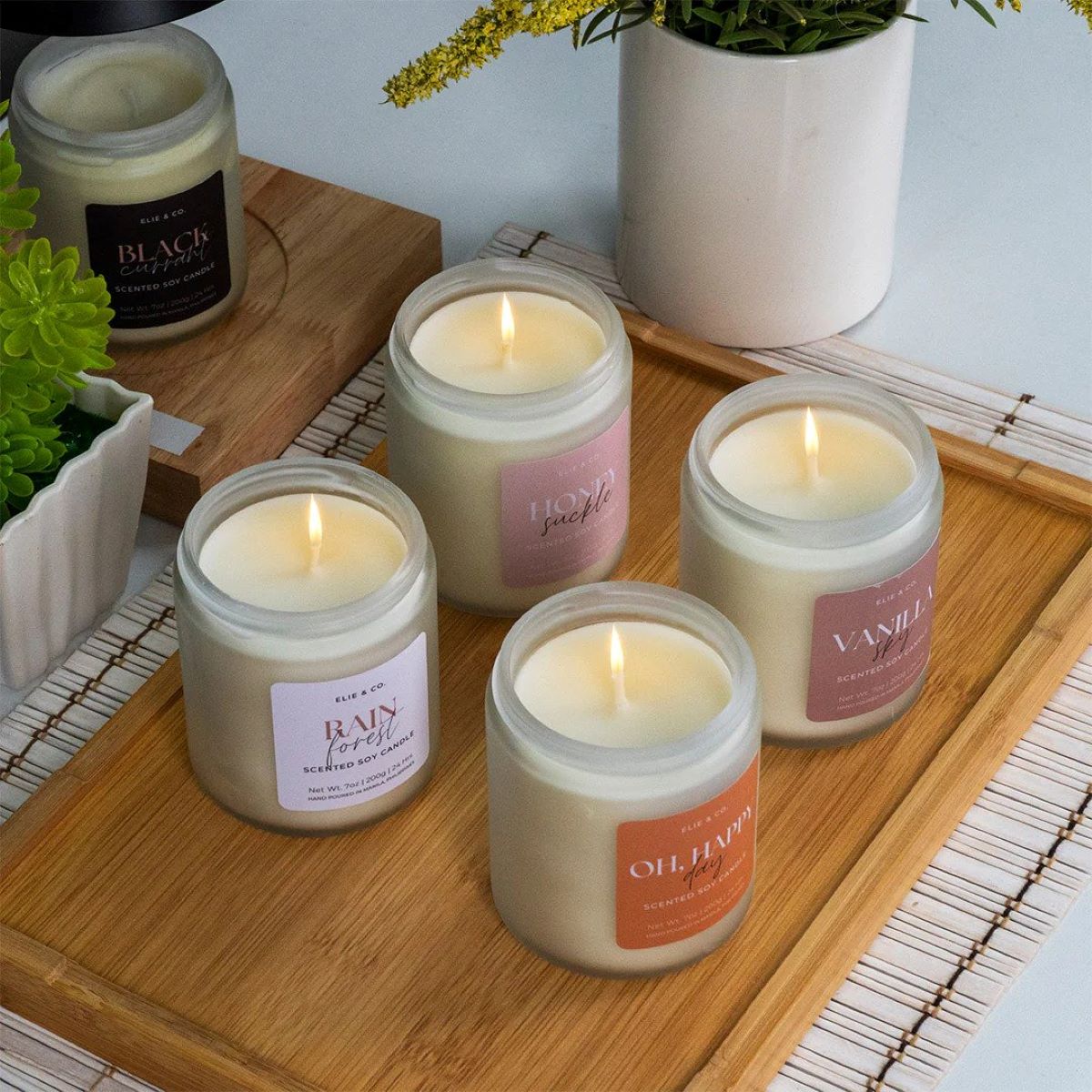
The scented candle market is constantly evolving, reflecting changes in consumer preferences and technological advancements. As individuals seek more personalized and immersive experiences, trends that focus on unique scents, sustainable practices, and innovative designs are gaining traction. This section Artikels some of the most notable trends and innovations shaping the scented candle industry today.
Emerging trends in scents and candle designs
Recent years have seen a shift towards more diverse and personalized fragrances in scented candles. Consumers are increasingly drawn to artisanal products that offer unique scent blends and aesthetic appeal. The emphasis is on creating a sensory experience that resonates with individual tastes.
- Natural and organic ingredients: As awareness of wellness and environmental issues rises, consumers prefer candles made from natural waxes like soy, beeswax, or coconut. This trend reflects a growing desire for products that are free from harmful chemicals.
- Customizable scents: Brands are now offering options for consumers to create their own fragrance blends. This allows candle lovers to craft a unique scent profile that suits their preferences, enhancing the personal touch of their candle experience.
- Minimalist designs: Aesthetics play a crucial role, with many brands opting for clean, minimalist designs that can seamlessly fit into modern home decor. These candles often feature simple packaging and elegant containers, appealing to design-conscious consumers.
- Interactive and multi-sensory experiences: Some brands are incorporating elements like color-changing wax or added textures to candles, creating a more dynamic experience. These innovations elevate the act of burning a candle into an engaging sensory journey.
Technology’s influence on production and use
Technological advancements are significantly impacting how scented candles are produced and consumed. Innovations in manufacturing processes and material science are paving the way for more efficient production and enhanced product quality.
- 3D printing: This technology allows for the creation of intricate candle designs and molds, enabling brands to produce unique shapes that were previously difficult or expensive to manufacture. 3D-printed candles can offer personalized designs or thematic shapes for special occasions.
- Smart candles: The introduction of smart candles equipped with Bluetooth technology enables users to control lighting, fragrance intensity, and even set timers through smartphone applications. This integration of technology offers convenience and a tailored experience.
- Innovative wax blends: Advances in material science have led to the development of new wax blends that improve burn time and scent throw, ensuring a longer-lasting and more fragrant experience. These blends often combine various natural and synthetic materials for optimal performance.
- Eco-friendly practices: Technological improvements are also facilitating more sustainable production methods. Brands are investing in renewable energy sources and eco-friendly packaging solutions, appealing to environmentally conscious consumers.
Consumer preferences and market growth
The scented candle market has witnessed substantial growth, driven by changing consumer preferences that prioritize wellness and ambiance. According to recent market research, the global scented candle market is projected to continue expanding as more individuals seek products that promote relaxation and mood enhancement.
- Wellness trend: Many consumers are turning to scented candles as a form of self-care, seeking fragrances that promote relaxation or uplift their mood. Scents like lavender and eucalyptus are particularly popular for their calming properties.
- Gifting culture: Scented candles have become a popular gifting option, especially during holidays and special occasions. Their versatility and appeal make them suitable gifts for various demographics.
- Social media influence: Platforms like Instagram and TikTok have fueled the popularity of scented candles, with influencers showcasing unique brands and products. This visibility has encouraged consumers to explore different scents and styles.
- Market segmentation: Brands are now targeting specific demographics, offering products tailored to various age groups, preferences, and lifestyles. This segmentation allows for more focused marketing strategies and product development.
The influence of seasonal changes on scented candle choices
As the seasons change, so do our preferences for scents, creating a rich tapestry of aromas that align with our emotions and the environment around us. Seasonal scented candles not only elevate the ambiance of our homes but also evoke memories and feelings tied to specific times of the year. By understanding how these preferences shift, we can curate a candle collection that enhances our living spaces and resonates with the essence of each season.
Scent preferences vary significantly with the seasons and holidays, influenced by the temperature, festivities, and personal experiences. In winter, for example, people often gravitate towards warm, cozy scents like cinnamon, vanilla, and pine, which provide comfort during the colder months. Conversely, spring invites fresh and floral fragrances such as jasmine, cherry blossom, and clean cotton, reflecting the renewal and growth of nature. Summer tends to favor bright, fruity scents like citrus and tropical blends that evoke feelings of energy and warmth, while fall brings a shift towards earthy and spiced scents like pumpkin spice and apple cider, resonating with the harvest season.
Popular seasonal scents and their emotional connections
Understanding the emotional connections tied to seasonal scents can help in selecting the right candles to enhance your home’s atmosphere. Each season brings a unique set of fragrances that evoke nostalgia and comfort, allowing individuals to create cherished memories.
- Winter: Scents such as peppermint, frankincense, and cedarwood create a warm and inviting atmosphere, often associated with holiday gatherings and cozy nights by the fireplace.
- Spring: Floral scents like lilac and peony symbolize new beginnings and rejuvenation, providing a refreshing vibe as nature awakens from the chill of winter.
- Summer: Bright and vibrant scents such as coconut and watermelon evoke feelings of relaxation and fun, reminiscent of beach vacations and sunny days spent outdoors.
- Fall: Warm, spiced scents such as clove and nutmeg foster a sense of nostalgia, often linked to harvest celebrations and family gatherings during the Thanksgiving season.
Curating a seasonal candle collection enhances enjoyment and creates a harmonious environment throughout the year. Here are some tips for building a well-rounded candle collection:
- Rotate Scents: As each season approaches, replace your candle collection with seasonal fragrances to keep your environment fresh and aligned with the current mood.
- Mix and Match: Combine different scents to create unique blends that reflect your personal style while still embracing the seasonal essence.
- Experiment with Sizes: Use various sizes and styles of candles to create visual interest and accommodate different spaces, from small votives for intimate settings to larger pillar candles for more significant gatherings.
- Explore Seasonal Collections: Many candle brands offer limited-edition seasonal collections, allowing you to discover new favorites that are only available for a short time.
“Scent is a powerful emotional trigger, making seasonal candles an essential tool for creating an inviting and comforting atmosphere.”
Final Review
In conclusion, scented candles not only serve as decorative elements but also enhance our well-being and surroundings through their aromatic presence. Whether it’s for a cozy night in or to celebrate a special occasion, these candles invite us to indulge in the subtle joys of scent and ambiance, reminding us of the power of fragrance in everyday life.
Expert Answers
Are scented candles safe to use around pets?
It depends on the specific scents and ingredients used; always choose pet-safe candles and ensure proper ventilation.
How long do scented candles typically burn?
This can vary based on size and wax type, but most average around 20 to 50 hours of burn time.
What is the best way to store scented candles?
Store them in a cool, dark place away from direct sunlight to preserve their scent and appearance.
Can scented candles trigger allergies?
Yes, some individuals may be sensitive to certain fragrances; it’s best to opt for natural oils if you have allergies.
How can I make my scented candle last longer?
Trim the wick to about 1/4 inch before burning and follow proper candle care practices to extend its life.