
 Widya pasha
Skincare routine is more than just a series of steps; it’s a personalized journey towards healthy and radiant skin. Each individual’s skin tells a unique story that deserves tailored attention, and understanding the basics is the first step in unlocking your skin’s potential.
This guide covers essential components of an effective skincare routine, from cleansing and exfoliation to the importance of moisturizing and sun protection. By considering your skin type and the seasonal changes, you can curate a routine that not only nourishes but also rejuvenates your skin.
Understanding the Basics of a Skincare Routine
A well-structured skincare routine is essential for maintaining healthy skin. By understanding the fundamental components of a skincare regimen, individuals can tailor their approach to meet their specific needs, ultimately leading to healthier, more radiant skin. Each step in this routine serves a distinct purpose, and recognizing which products to use based on skin type can dramatically improve results.
The basic skincare routine generally consists of several key components: cleansing, exfoliating, toning, moisturizing, and applying sunscreen. Each step plays a crucial role in addressing different skin concerns and maintaining overall skin health. By incorporating the right products into each phase, individuals can effectively manage their skin’s unique requirements.
Essential Components of a Skincare Routine
The following components are fundamental to establishing an effective skincare routine, providing a clear Artikel of what each step involves and its significance.
- Cleansing: This is the first and most critical step in any skincare regimen. Cleansing removes dirt, oil, and makeup from the skin, preventing clogged pores and breakouts. It is vital to choose a cleanser suitable for one’s skin type, such as gel cleansers for oily skin or cream cleansers for dry skin.
- Exfoliating: Exfoliation removes dead skin cells, promoting cell turnover and revealing healthier skin beneath. Depending on skin type, exfoliation can be performed using physical scrubs or chemical exfoliants like AHAs and BHAs. A general recommendation is to exfoliate 1-2 times per week, ensuring the skin is not over-exfoliated, which can lead to irritation.
- Toning: Toners help to balance the skin’s pH levels and prepare it for better absorption of subsequent products. They can also provide additional hydration or treatment benefits based on their ingredients. For instance, hydrating toners may contain hyaluronic acid, while astringent toners may have witch hazel for oily skin types.
- Moisturizing: No skincare routine is complete without a moisturizer, which hydrates the skin and forms a protective barrier against external aggressors. The choice of moisturizer should align with skin type—gel moisturizers work well for oily skin, while cream-based products are ideal for dry skin.
- Sunscreen: Daily sunscreen application is crucial in protecting the skin from harmful UV rays, which can lead to premature aging and skin cancer. A broad-spectrum SPF of at least 30 should be applied every morning, regardless of the weather, to ensure adequate protection.
Influence of Skin Type on Product Selection
Understanding one’s skin type is vital for selecting the appropriate products for each step in the skincare routine. The four primary skin types are normal, oily, dry, and combination, each requiring different formulations to maintain balance and health.
- Normal Skin: This skin type is well-balanced, with neither excessive oiliness nor dryness. Products that are gentle and hydrating are ideal, such as lightweight moisturizers and mild exfoliants.
- Oily Skin: Characterized by excess sebum production, oily skin benefits from oil-free and non-comedogenic products. Gel cleansers and exfoliants containing salicylic acid are effective in managing oiliness and preventing breakouts.
- Dry Skin: Individuals with dry skin should focus on products that provide intense hydration. Creamy cleansers, nourishing moisturizers, and hydrating toners with ingredients like glycerin and ceramides can significantly improve skin texture.
- Combination Skin: This skin type exhibits characteristics of both oily and dry skin. A balanced approach is necessary, using gel-based cleansers in oily areas and cream-based moisturizers on dry patches. Targeted products can help address specific concerns in different areas.
“Tailoring your skincare routine to your individual skin type is the key to achieving optimal results.”
The Importance of Cleansing in Skincare
Cleansing is a fundamental step in any skincare routine, serving as the foundation for maintaining healthy skin. It helps in removing dirt, oil, and impurities that accumulate on the skin’s surface throughout the day. Proper cleansing not only prepares the skin to absorb subsequent products more effectively but also plays a crucial role in preventing breakouts and other skin issues.
Cleansers come in various forms, each tailored to meet the diverse needs of different skin types. Understanding the role of each type can significantly enhance the effectiveness of your skincare routine. Selecting the right cleanser is essential to ensure that it works harmoniously with your skin type, promoting balance and health rather than exacerbating issues.
Types of Cleansers and Their Suitability for Various Skin Types
Different cleansers serve specific functions based on skin type. Here are the primary types of cleansers and their ideal matches:
- Gel Cleansers: Best for oily and acne-prone skin due to their lightweight, oil-free formulation that deeply cleanses without over-drying.
- Cream Cleansers: Ideal for dry or sensitive skin, these cleansers provide hydration while gently removing impurities, making them less harsh on the skin.
- Foam Cleansers: Suitable for combination skin, foam cleansers offer a thorough clean while maintaining a gentle touch, striking a balance between removing excess oil and retaining moisture.
It’s essential to choose a cleanser that aligns with your skin type to avoid irritation or inadequate cleaning.
Comparison of Gel, Cream, and Foam Cleansers
To better understand the pros and cons of each type of cleanser, here’s a comparison table:
| Type of Cleanser | Pros | Cons |
|---|---|---|
| Gel Cleanser |
|
|
| Cream Cleanser |
|
|
| Foam Cleanser |
|
|
Choosing the right cleanser is vital for maintaining skin health and beauty.
The Role of Exfoliation in Achieving Radiant Skin
Exfoliation is a crucial step in any skincare regimen aimed at achieving luminous and healthy skin. By removing dead skin cells that accumulate on the surface, exfoliation helps to reveal a fresher layer beneath, promoting a brighter complexion and enhancing the effectiveness of the products applied afterward. Regular exfoliation can also help prevent clogged pores, minimize the appearance of fine lines, and improve skin texture, thereby contributing to a more youthful appearance.
When considering exfoliation methods, it’s essential to understand the two primary types: chemical exfoliation and physical exfoliation. Each method offers unique benefits and can be tailored to various skin types and concerns.
Chemical vs. Physical Exfoliation
Chemical exfoliation utilizes acids or enzymes to dissolve dead skin cells and promote cell turnover. This method is effective and generally gentler on the skin, making it suitable for sensitive skin types. Common chemical exfoliants include:
- Alpha Hydroxy Acids (AHAs): Water-soluble acids derived from fruits, AHAs such as glycolic acid and lactic acid are great for dry skin and sun-damaged skin.
- Beta Hydroxy Acids (BHAs): Oil-soluble and known for their ability to penetrate deeper into pores, salicylic acid is a popular BHA ideal for oily and acne-prone skin.
- Enzymes: Derived from fruits like papaya and pineapple, these gentle exfoliants work well for those with sensitive skin and provide a mild smoothing effect.
Physical exfoliation involves the manual removal of dead skin cells through scrubs or tools. While effective, it requires caution to avoid irritation. Common physical exfoliants include:
- Scrubs: These contain small particles that physically slough off dead skin. They can be made from sugar, salt, or ground nut shells. Choose scrubs with rounded grains to avoid micro-tears.
- Exfoliating Mitts or Brushes: Tools that enhance the exfoliation process by providing a gentle scrub. They should be used with a light hand to prevent damage.
Best Practices for Incorporating Exfoliation
To maximize the benefits of exfoliation while minimizing potential damage to the skin, consider the following best practices:
- Know Your Skin Type: Tailor your exfoliation method to your skin type. Individuals with sensitive or dry skin may prefer chemical exfoliants or gentle physical options.
- Start Slow: Introduce exfoliation gradually into your routine, beginning with once a week and increasing frequency as your skin adjusts.
- Avoid Over-Exfoliation: Exfoliating too often can lead to irritation and sensitivity. Stick to 1-3 times per week based on your skin’s needs.
- Follow with Hydration: Always apply a hydrating serum or moisturizer after exfoliation to restore moisture and support the skin barrier.
- SPF is Essential: Exfoliation can make your skin more sensitive to the sun. Apply sunscreen daily to protect and maintain your skin’s health.
“Exfoliation is not just about removing dead skin; it’s a vital step in enhancing the efficacy of your skincare products.”
The Benefits of Moisturizing for Skin Hydration
Moisturizing is a fundamental step in any skincare routine, regardless of skin type. Proper hydration not only enhances the appearance of the skin but also promotes its overall health. When skin is well-hydrated, it appears plumper, more elastic, and radiant. Additionally, moisturizing helps to strengthen the skin’s barrier, protecting it from environmental stressors and reducing the risk of irritation.
Moisturizing is crucial for all skin types because it aids in maintaining the skin’s natural moisture levels. Even oily skin requires hydration to prevent excess oil production, which can lead to breakouts. Dry skin, on the other hand, needs additional moisture to alleviate flakiness and discomfort. Combination skin benefits from targeted hydration to balance both dry and oily areas effectively.
Types of Moisturizers and Their Ingredients
Understanding the different types of moisturizers and their key ingredients can help in selecting the right product for specific skin concerns. The following categories Artikel common moisturizer types and their beneficial components:
| Skin Type | Moisturizer Type | Key Ingredients | Benefits |
|---|---|---|---|
| Oily Skin | Gel-Based | Water, Hyaluronic Acid, Aloe Vera | Lightweight, non-greasy, helps control shine |
| Dry Skin | Cream-Based | Shea Butter, Glycerin, Ceramides | Deeply hydrating, restores moisture barrier |
| Combination Skin | Lotions | Jojoba Oil, Panthenol, Niacinamide | Balances hydration, non-comedogenic |
| Sensitive Skin | Fragrance-Free Creams | Chamomile Extract, Calendula, Squalane | Calming, reduces irritation and redness |
Incorporating the right moisturizer into your daily routine can significantly enhance skin health. Each type serves a distinct purpose, and selecting one based on your specific skin type ensures optimal results.
“Moisturizing is the key to achieving healthy, glowing skin, regardless of your skin type.”
Sun Protection as an Integral Part of Skincare
Incorporating sun protection into your daily skincare routine is crucial for maintaining healthy skin. Sunscreen acts as a barrier against harmful UV rays that can lead to premature aging, sunburn, and even skin cancer. Making sunscreen a non-negotiable part of your morning regimen is essential for safeguarding your skin’s integrity and appearance.
Understanding the different types of sunscreen and how to select the appropriate SPF is vital in ensuring effective protection. There are two main categories of sunscreen: physical (or mineral) and chemical. Physical sunscreens contain active mineral ingredients like zinc oxide or titanium dioxide, which create a physical barrier on the skin that reflects UV rays. In contrast, chemical sunscreens absorb UV radiation and transform it into heat, which is then released from the skin. When choosing a sunscreen, look for one that offers broad-spectrum protection (against both UVA and UVB rays) and select an SPF of at least 30 for daily use. However, it’s important to consider your skin type, lifestyle, and the environment you’re in to make the best choice.
Common Misconceptions About Sunscreen Usage
Many people hold misconceptions that can lead to ineffective sun protection. Understanding these myths is essential for ensuring that you’re using sunscreen correctly. Here are some of the most common misconceptions:
-
Sunscreen is only necessary on sunny days.
UV rays can penetrate clouds, meaning protection is needed even on overcast days.
-
Dark skin doesn’t need sunscreen.
While it offers some natural protection, everyone, regardless of skin tone, can suffer from UV damage.
-
I only need to apply sunscreen once.
Sunscreen should be reapplied every two hours, especially after swimming or sweating.
-
Makeup with SPF is enough.
While SPF in cosmetics is beneficial, it often isn’t sufficient for complete protection and should be layered with a separate sunscreen.
-
Higher SPF means better protection.
SPF values above 30 offer only slightly more protection than lower SPFs, and proper application is more important than a higher number.
Understanding these misconceptions will empower you to make informed decisions about your sun protection habits, ensuring healthier skin in the long run.
Customizing Skincare Routines for Different Seasons
As seasons change, so do our skin’s needs. Factors like temperature, humidity, and sun exposure have a significant impact on skin health, requiring adjustments to our skincare routines. Understanding these variations and adapting products accordingly ensures skin remains hydrated, protected, and healthy throughout the year.
In winter, the air tends to be colder and drier, leading to skin dehydration and sensitivity. Conversely, summer often brings heat and humidity, which can cause excess oil production and breakouts. Tailoring skincare routines to each season helps address these specific concerns.
Winter Skincare Routine
During the winter months, it’s essential to focus on hydration and moisture retention. A typical winter skincare routine can include the following:
- Gentle Cleanser: Opt for a creamy, hydrating cleanser that won’t strip the skin of its natural oils.
- Hydrating Toner: Use an alcohol-free toner with ingredients like glycerin or hyaluronic acid to add moisture.
- Rich Moisturizer: Choose a thicker, oil-based moisturizer to create a protective barrier against dry air.
- Sunscreen: Even in winter, apply a broad-spectrum SPF as UV rays can still penetrate clouds and windows.
- Night Cream: Use a nourishing night cream or oil to help repair and hydrate the skin overnight.
“Keeping skin moisturized in winter is crucial for preventing dryness and irritation.”
Summer Skincare Routine
With increased humidity and sun exposure in summer, a lighter routine is often more beneficial. The summer skincare regimen can include:
- Lightweight Cleanser: A gel-based cleanser can effectively remove sweat and excess oil without overwhelming the skin.
- Refreshing Toner: Use a hydrating toner with witch hazel or aloe vera to soothe and refresh the skin.
- Oil-Free Moisturizer: Opt for a lightweight, oil-free formula that hydrates without clogging pores.
- High SPF Sunscreen: Apply a water-resistant broad-spectrum sunscreen to protect against UV damage.
- Exfoliation: Incorporate gentle exfoliation weekly to prevent clogged pores from sweat and oil buildup.
“Lightweight formulas in summer help to maintain balance without suffocating the skin.”
Adapting your skincare routine according to the season not only helps in managing specific skin concerns but also enhances overall skin health. Transitioning products based on climate conditions is key; for example, switching to heavier creams or oils in winter and lighter gels or serums during summer allows skin to thrive year-round. Observing how your skin reacts to seasonal changes will guide further adjustments, ensuring a personalized and effective skincare strategy.
Incorporating Active Ingredients in Your Routine
In the world of skincare, active ingredients play a pivotal role in addressing various skin concerns and enhancing overall skin health. These potent compounds are formulated to deliver specific benefits, making them essential in any effective skincare regimen. Understanding these active ingredients and how to incorporate them correctly can significantly amplify the results you achieve from your routine.
Active ingredients such as retinol, vitamin C, and hyaluronic acid offer distinct benefits and are vital for achieving radiant skin. Retinol, a derivative of vitamin A, promotes cell turnover, reduces fine lines, and improves skin texture. Vitamin C serves as a powerful antioxidant, protecting the skin from free radical damage while brightening the complexion. Hyaluronic acid, on the other hand, is renowned for its ability to retain moisture, providing hydration and plumping the skin. The effectiveness of these ingredients can be maximized by using them in the correct order and at the right times.
Layering Active Ingredients for Maximum Efficacy
Proper layering of active ingredients is crucial to avoid irritation and ensure each product works optimally. Here’s a general guideline on how to layer these actives effectively:
1. Cleanser: Start with a gentle cleanser to remove impurities and prep your skin.
2. Toner: If using a toner, apply it next to balance skin pH and hydrate.
3. Active Ingredients:
– Vitamin C: Apply in the morning to protect against environmental stressors.
– Hyaluronic Acid: Use after vitamin C to lock in moisture.
– Retinol: Apply at night, as it can increase sun sensitivity.
4. Moisturizer: Seal in the benefits with a nourishing moisturizer.
5. Sunscreen: In the morning, always finish with broad-spectrum sunscreen.
It’s essential to introduce these ingredients gradually into your regimen, especially retinol, to minimize potential irritation. Monitor your skin’s response and adjust usage frequency accordingly.
Breakdown of Popular Actives
Understanding the benefits, recommended usage, and potential side effects of popular active ingredients can help you make informed choices for your skincare routine. Below is a detailed breakdown:
| Active Ingredient | Benefits | Recommended Usage |
|---|---|---|
| Retinol | Reduces wrinkles, improves skin texture, and promotes cell turnover. | Use at night, starting with 2-3 times a week, and gradually increase frequency. |
| Vitamin C | Brightens skin, evens skin tone, and offers antioxidant protection. | Apply in the morning after cleansing; stabilize formulations are preferred. |
| Hyaluronic Acid | Hydrates skin, plumps fine lines, and improves elasticity. | Use both day and night; apply on damp skin for increased absorption. |
| Niacinamide | Reduces inflammation, improves barrier function, and regulates sebum. | Can be used in both morning and evening routines; pairs well with most ingredients. |
| Salicylic Acid | Exfoliates, unclogs pores, and treats acne. | Use as needed, typically in a spot treatment or as part of a cleanser. |
By understanding these active ingredients and how to layer them, you can tailor your skincare routine to meet your specific needs, leading to healthier, more vibrant skin.
The Impact of Diet and Hydration on Skin Health
Diet and hydration play a crucial role in maintaining healthy skin. The foods we consume and the amount of water we drink can significantly influence our skin’s appearance, texture, and overall health. Proper nutrition not only enhances the skin’s natural glow but also helps reduce signs of aging, acne, and other skin conditions. Understanding this connection empowers us to make informed dietary choices that benefit our skin.
Nutrition directly affects skin health by providing essential nutrients that support skin structure and function. Vitamins, minerals, antioxidants, and healthy fats are all vital for maintaining skin elasticity, hydration, and repair mechanisms. For instance, a diet rich in antioxidants can protect the skin from oxidative stress caused by environmental factors, such as pollution and UV radiation. Additionally, hydration helps to keep the skin plump and can reduce the visibility of fine lines.
Foods That Promote Healthy Skin
Incorporating specific foods into your diet can lead to healthier, more radiant skin. The following table highlights foods that are beneficial for skin health and those that should be avoided:
| Foods to Include | Foods to Avoid |
|---|---|
| Fruits and vegetables rich in antioxidants (e.g., berries, spinach, carrots) | Processed foods high in sugar and unhealthy fats (e.g., fast food, snacks) |
| Fatty fish (e.g., salmon, mackerel) that are high in omega-3 fatty acids | Dairy products, which may contribute to acne in some individuals |
| Nuts and seeds (e.g., walnuts, flaxseeds) for their vitamin E content | Excessive alcohol consumption that can dehydrate the skin |
| Whole grains (e.g., quinoa, brown rice) for added fiber | High-sodium foods that can lead to water retention and bloating |
| Hydration sources (e.g., water, herbal teas, and fruits with high water content like cucumbers) | High caffeine beverages that can contribute to dehydration |
By focusing on a balanced diet filled with nutrient-rich foods, you can significantly improve your skin’s health and appearance. It’s essential to remember that consistency in both diet and hydration is key to achieving long-lasting results. As the saying goes, “You are what you eat,” and this is particularly true when it comes to the health of your skin. Making mindful choices can lead to a vibrant, youthful complexion.
Addressing Common Skincare Myths and Misconceptions
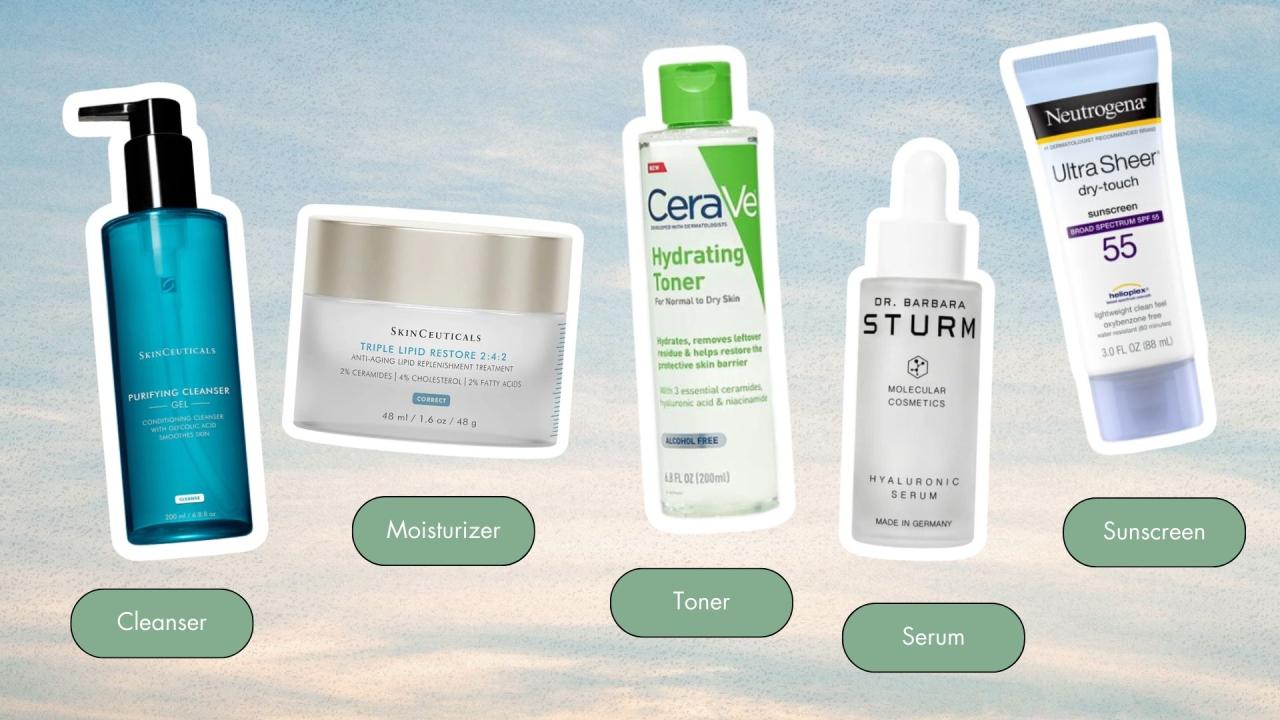
In the world of skincare, various myths and misconceptions can lead to ineffective routines and potentially harmful practices. Understanding these myths is crucial for anyone looking to achieve healthy skin. By addressing these misconceptions with evidence-based information, we can promote better skincare habits and empower individuals to make informed choices.
Misinformation can easily spread through social media, beauty blogs, and even conversations among friends. These myths can influence personal skincare routines and lead to frustration when results don’t meet expectations. Here are some prevalent skincare myths and the truths behind them.
Myth: Oily Skin Doesn’t Need Moisturizer
One common belief is that those with oily skin should skip moisturizer, as it might exacerbate oiliness. However, this is misleading for several reasons.
- All skin types require hydration to maintain balance and health. Oily skin can still become dehydrated, which may lead to increased oil production.
- Opting for lightweight, non-comedogenic moisturizers helps keep oily skin hydrated without clogging pores.
- Regularly moisturizing can help improve skin texture and may even reduce breakouts by preventing the skin from overproducing oil.
“Moisturizing oily skin can help regulate oil production and maintain a healthier skin barrier.”
Myth: Natural Products Are Always Better for the Skin
There is a prevalent notion that natural skincare products are inherently safer and more effective. This assumption overlooks several key factors.
- Natural ingredients can still cause allergic reactions or irritation in some individuals, just like synthetic ingredients.
- Effectiveness of a product depends on its formulation rather than whether it is natural or synthetic. Some synthetic ingredients are scientifically proven to be beneficial for skin.
- Regulatory standards for natural products can vary significantly, which means the efficacy and safety may not always be guaranteed.
“Effectiveness is determined by formulation, not simply the source of the ingredients.”
Myth: You Only Need Sunscreen on Sunny Days
Many people believe that sunscreen is only necessary on bright, sunny days. This misconception can lead to skin damage over time.
- UV rays can penetrate clouds and still cause skin damage, contributing to premature aging and increasing the risk of skin cancer.
- Applying broad-spectrum sunscreen daily, regardless of weather conditions, is essential for protecting the skin.
- Reapplication every two hours or after swimming or sweating is crucial for maintaining protection throughout the day.
“Daily sunscreen application is necessary to protect against hidden UV exposure.”
By addressing these and other skincare myths, individuals can cultivate a more effective skincare routine, promoting healthier skin and better overall well-being. Being informed and discerning about skincare choices can help mitigate the adverse effects of misinformation.
The Psychological Benefits of a Skincare Routine
A consistent skincare routine goes beyond mere aesthetics; it represents an act of self-care that can profoundly impact mental well-being. Engaging in this daily ritual allows individuals to take a moment for themselves, fostering a positive relationship with their own skin and, by extension, their self-image. This psychological aspect of skincare is often underrated but plays a critical role in enhancing emotional health and overall happiness.
Establishing a regular skincare routine can serve as a therapeutic practice, creating a sense of stability and control in one’s daily life. This ritual not only meets the physical need for skincare but also satisfies the psychological desire for self-nurturing. Taking time for oneself in this way allows individuals to reflect, unwind, and appreciate their bodies, directly contributing to improved mental health.
Self-Care through Skincare
Self-care is essential for overall well-being, and skincare routines provide an accessible avenue to practice it. Engaging in self-care rituals like skincare can lead to numerous psychological benefits, which include:
- Improved Mood: Regularly investing time in skincare can uplift one’s spirits, promoting feelings of positivity and satisfaction.
- Increased Self-Esteem: A well-maintained complexion can boost confidence, making individuals feel better about themselves and their appearance.
- Mindfulness Enhancement: Focusing on skincare can encourage mindfulness, allowing individuals to appreciate the present moment and reduce anxiety.
- Routine and Structure: Establishing a skincare regimen creates a sense of routine, which can be comforting and help reduce feelings of chaos in day-to-day life.
“Taking care of your skin is a form of self-respect.”
Personal anecdotes highlight the emotional impacts of skincare. For example, one individual shared how their nightly skincare routine became a calming ritual after a long day, providing a space to decompress and reflect. Another person noted that after consistently practicing their skincare routine, they noticed a marked improvement in their confidence, leading to positive changes in their social interactions.
In essence, skincare routines can serve as a powerful tool for mental well-being and self-care, emphasizing the importance of nurturing oneself both physically and emotionally.
Last Recap
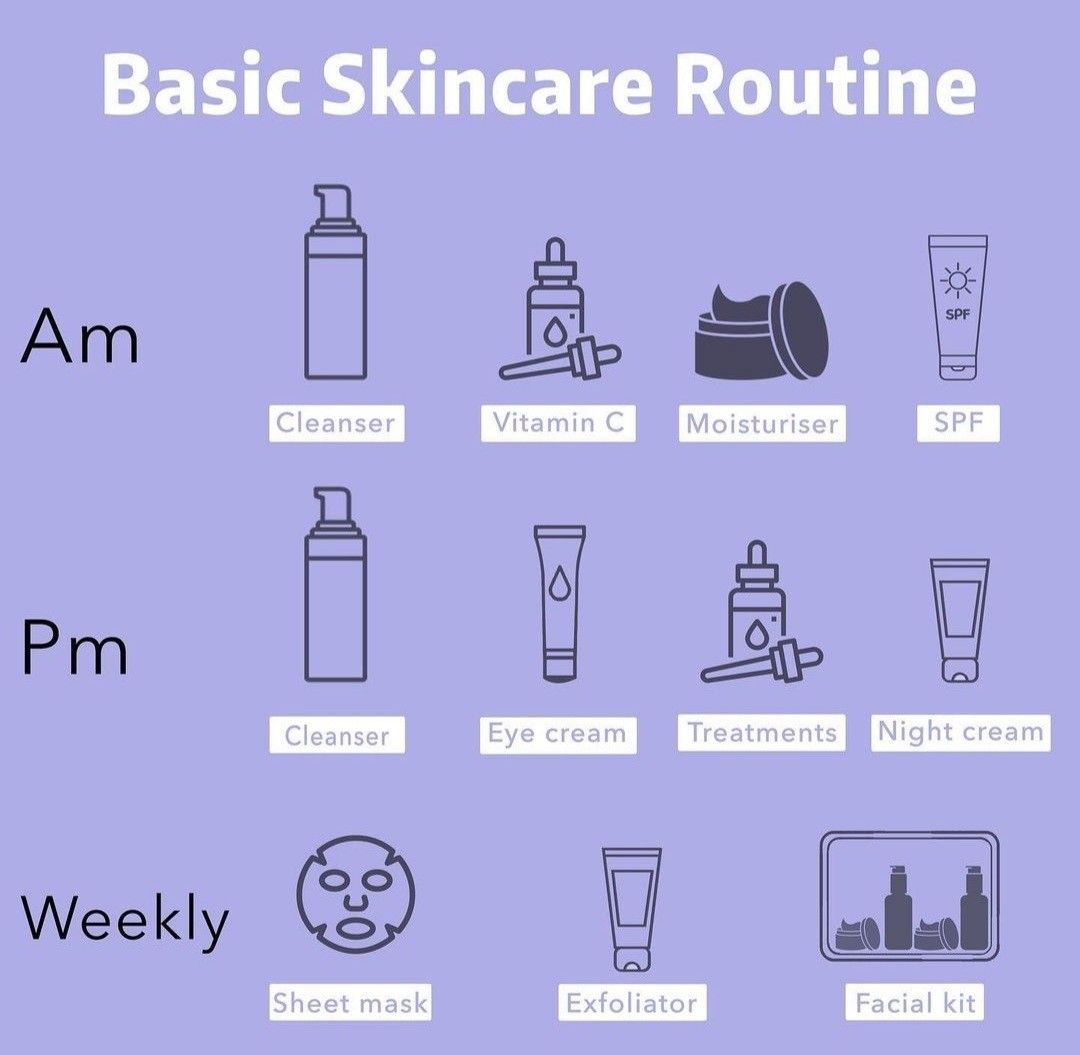
In conclusion, establishing a skincare routine is a powerful act of self-care that extends beyond the surface, promoting both physical health and mental well-being. By debunking common myths and incorporating active ingredients mindfully, you can transform your skin and boost your confidence, making your skincare journey truly rewarding.
Question & Answer Hub
How often should I exfoliate my skin?
It generally depends on your skin type; sensitive skin may need exfoliation once a week, while oily skin can tolerate it two to three times a week.
Can I use multiple active ingredients together?
Yes, but it’s important to layer them correctly and start with lower concentrations to avoid irritation.
Is a higher SPF always better for sun protection?
Not necessarily; while higher SPF offers more protection, it’s also crucial to reapply every two hours and choose a broad-spectrum sunscreen.
Do I need a separate night cream?
It can be beneficial, as night creams are typically formulated to repair and hydrate skin while you sleep, often containing more potent ingredients.
Can diet really affect my skin’s appearance?
Absolutely! A balanced diet rich in antioxidants and hydration can greatly improve skin health and appearance.