
 Widya pasha
Hydrating serum is a game-changer in skincare, offering a burst of moisture that your skin craves. This lightweight formulation penetrates deeply, ensuring that hydration reaches the very core of your skin cells. Whether you’re battling dryness, aging, or simply want to enhance your skincare routine, hydrating serums are key players.
These serums are particularly beneficial for individuals with dry or dehydrated skin, as they restore lost moisture and improve texture. Even oily or combination skin types can reap the rewards, as proper hydration can help balance oil production. When used in conjunction with other skincare products, hydrating serums can amplify their effectiveness, leading to healthier and more radiant skin.
The Importance of Hydrating Serums in Skincare Routines
Hydrating serums have become a cornerstone in modern skincare, providing essential moisture that penetrates deeper layers of the skin. These lightweight, concentrated formulas are specifically designed to deliver hydration directly where it is needed most, helping to maintain the skin’s moisture balance and enhancing overall skin health. Incorporating a hydrating serum into your daily routine can make a noticeable difference in how your skin looks and feels, keeping it plump, youthful, and radiant.
The primary function of hydrating serums is to infuse the skin with moisture, which is crucial for various skin functions. When the skin is adequately hydrated, it can perform optimally, including better elasticity, improved texture, and reduced appearance of fine lines and wrinkles. Additionally, hydrating serums are typically formulated with ingredients like hyaluronic acid, glycerin, and aloe vera, which can hold water in the skin and improve its barrier function. This is particularly important in combating environmental stressors such as pollution and climate changes that can lead to skin dehydration.
Skin Types That Benefit Most from Hydrating Serums
Different skin types can substantially benefit from incorporating hydrating serums into their routines. While hydration is essential for all skin types, certain conditions can particularly benefit from these products. Below are examples of skin types that reap the most rewards from using hydrating serums:
- Dry Skin: This skin type lacks moisture and often feels tight and flaky. Hydrating serums can provide the intense moisture needed to alleviate discomfort and restore skin’s suppleness.
- Dehydrated Skin: This is a condition where the skin is thirsty for water, leading to dullness and uneven texture. Hydrating serums help replenish lost moisture, giving the skin a more vibrant look.
- Aging Skin: As we age, the skin’s natural moisture levels decrease. Hydrating serums can help to plump up fine lines and wrinkles, creating a smoother appearance.
- Oily Skin: Surprisingly, oily skin can also be dehydrated. Using a lightweight hydrating serum helps to balance oil production while providing necessary moisture without clogging pores.
To complement other skincare products, hydrating serums create a perfect base layer. They can be applied before moisturizers and sunscreens, enhancing the efficacy of these products. When a serum is applied first, it allows for better absorption of subsequent products, ensuring that the skin retains moisture effectively throughout the day. The combination of a hydrating serum with a good moisturizer locks in hydration, creating a robust skincare routine that promotes overall skin health. By focusing on hydration, individuals can achieve a glowing complexion and a youthful appearance while optimizing the benefits of their entire skincare regimen.
Key Ingredients Found in Effective Hydrating Serums
Hydrating serums are essential for maintaining healthy, glowing skin. They are formulated with various key ingredients that work synergistically to deliver moisture and nourishment. Understanding these ingredients can help you choose the right serum for your skin type and needs, ensuring optimal hydration and skin health.
Main Ingredients in Hydrating Serums
Effective hydrating serums typically contain several key ingredients known for their moisture-retaining properties. Here are three of the most common ones:
- Hyaluronic Acid: This powerhouse ingredient can hold up to 1,000 times its weight in water, making it a champion for hydration. It penetrates the skin deeply, providing immediate moisture and helping to reduce the appearance of fine lines and wrinkles. Regular use promotes a plump, youthful complexion.
- Glycerin: Glycerin is a natural humectant that draws moisture from the environment into the skin, effectively maintaining hydration levels. It also helps to protect the skin barrier, ensuring that moisture is locked in for prolonged periods. This ingredient is suitable for all skin types, including sensitive skin.
- Niacinamide: Also known as Vitamin B3, niacinamide enhances the skin’s barrier function, which helps to prevent moisture loss. It also provides anti-inflammatory benefits, making it ideal for those with dry or sensitive skin. Additionally, niacinamide can improve skin tone and texture, promoting an overall healthier appearance.
Understanding these key ingredients can significantly impact your skincare routine. When looking for an effective hydrating serum, it’s essential to read ingredient labels carefully. Focus on serums that list these ingredients towards the top of the list, as this typically indicates a higher concentration.
“A serum’s effectiveness often lies in its formulation, particularly the quality and quantity of its active ingredients.”
Make sure to choose serums that also include other beneficial components like antioxidants or skin-soothing agents, as they can enhance the serum’s overall impact. By familiarizing yourself with these ingredients, you’ll be better equipped to select a hydrating serum that meets your specific skincare needs while ensuring your skin remains beautifully hydrated.
How to Choose the Right Hydrating Serum for Your Skin Type
Choosing the right hydrating serum for your skin type is essential for achieving optimal hydration and maintaining skin health. Different skin types have unique hydration needs, and understanding these can greatly enhance your skincare routine. In this section, we’ll explore various skin types, their specific hydration requirements, and how to select the best hydrating serums tailored to your concerns.
Understanding Different Skin Types
Each skin type presents its own hydration challenges and requirements. Recognizing your skin type is the first step in selecting an appropriate hydrating serum. Below are the primary skin types and their specific hydration needs:
- Dry Skin: This skin type often feels tight and may show signs of flaking. Look for serums rich in hyaluronic acid and glycerin, which attract moisture and help retain it.
- Oily Skin: While this skin type produces excess oil, it still needs hydration. Lightweight, oil-free serums with ingredients like aloe vera and niacinamide can provide moisture without clogging pores.
- Combination Skin: Combination skin features both dry and oily areas. A balanced serum that hydrates without overwhelming the oily parts is ideal. Look for products that contain a mix of humectants and light oils.
- Sensitive Skin: Sensitive skin can react negatively to many ingredients. Opt for soothing serums with calming agents like chamomile or calendula, which provide hydration without irritation.
- Normal Skin: Normal skin is neither too oily nor too dry. A versatile hydrating serum containing a blend of hydrating and nourishing ingredients works well for this skin type.
Guide for Selecting Hydrating Serums Based on Skin Concerns
When selecting a hydrating serum, it’s crucial to consider specific skin concerns that may affect your hydration needs. Here are key factors to address:
- Acne-Prone Skin: Choose non-comedogenic serums with salicylic acid or tea tree oil to provide hydration while addressing breakouts.
- Aging Skin: Look for serums enriched with antioxidants and peptides that boost hydration and reduce the appearance of fine lines and wrinkles.
- Hyperpigmentation: Serums containing vitamin C or licorice root extract can brighten the skin while providing essential hydration.
- Dehydrated Skin: For skin that feels parched, opt for serums with high concentrations of hyaluronic acid or squalane to replenish moisture levels.
Tips for Testing Hydrating Serums for Suitability
Testing hydrating serums before making a purchase can ensure they are suitable for your skin type and concerns. Here are some practical tips for evaluating products:
- Patch Test: Always conduct a patch test on a small area of skin to check for any adverse reactions before applying the serum to your entire face.
- Trial Size Options: Many brands offer trial sizes or samples. Utilize these to see how your skin responds over a few days.
- Ingredient List Review: Familiarize yourself with ingredients that suit your skin type. Avoid potential irritants and ensure beneficial ingredients are present.
- Consult Reviews: Read reviews from individuals with similar skin types or concerns to gauge how effective the serum has been for others.
- Time of Year: Consider seasonal changes; you may need a different serum in winter than in summer, so test accordingly.
The Best Application Techniques for Hydrating Serums
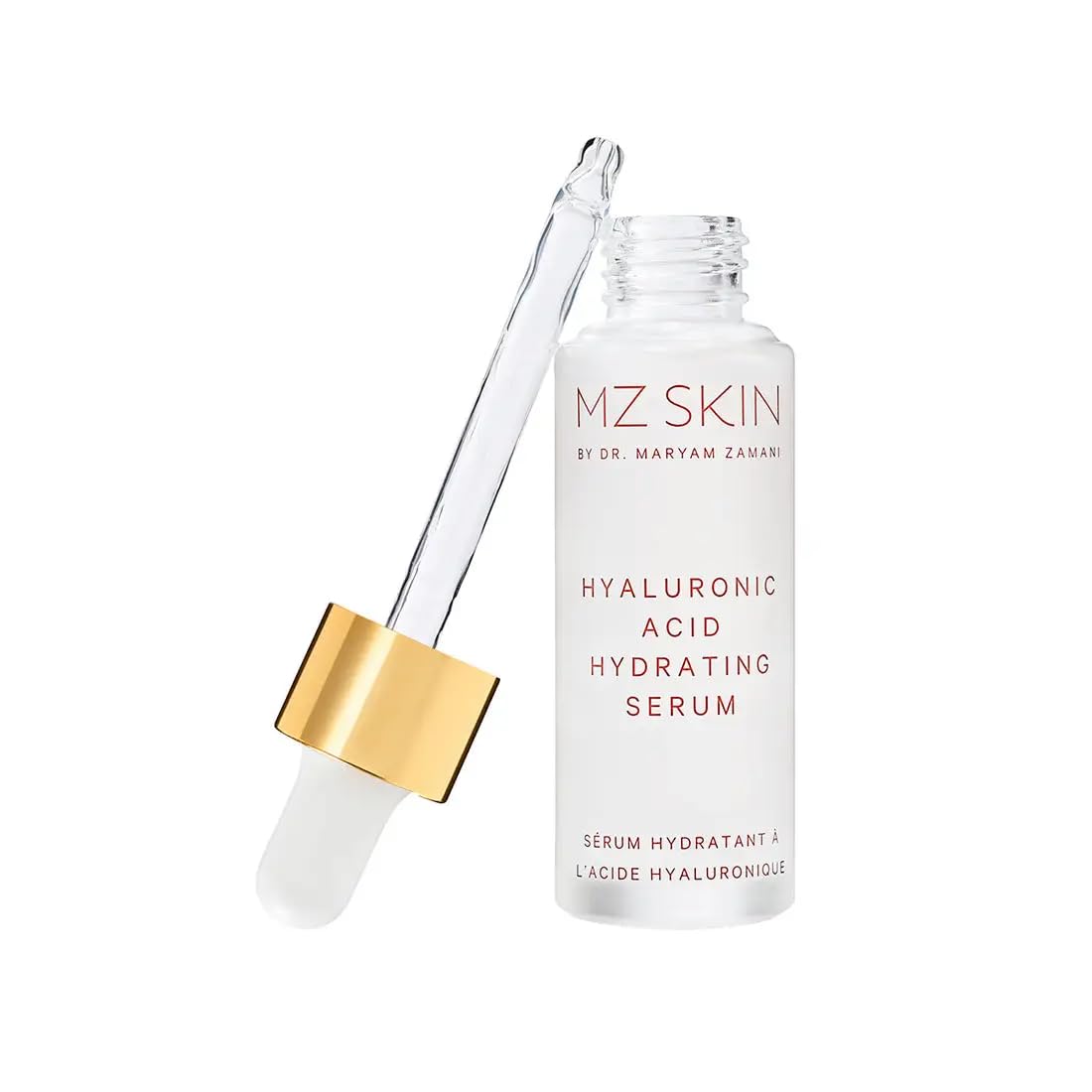
Applying hydrating serums correctly can make a significant difference in how your skin absorbs and benefits from these products. The right techniques ensure that your skin receives maximum hydration and nourishment, enhancing its overall appearance and health. Here, we delve into the proper order of application, techniques for ensuring optimal absorption, and the benefits of using hydrating serums both morning and night.
Correct Order of Application
The sequence of applying skincare products is crucial for achieving desired results. A consistent routine can help your skin better absorb active ingredients. Typically, the correct order of application is as follows:
- Cleansing: Begin with a gentle cleanser to remove dirt, oil, and makeup from your skin.
- Toning: Apply a toner to balance the skin’s pH and prepare it for better serum absorption.
- Hydrating Serum: Apply the hydrating serum while your skin is still slightly damp to lock in moisture.
- Moisturizer: Seal in the serum with a moisturizer to prevent transepidermal water loss.
- Sunscreen (morning): Finish with sunscreen during the day for protection against UV damage.
Maximizing Absorption Techniques
To enhance the efficacy of hydrating serums, it’s essential to focus on techniques that boost absorption. Here are some effective methods:
- Patting Application: Instead of rubbing, gently pat the serum into your skin using your fingertips. This technique helps the serum penetrate deeper into the skin layers.
- Layering: Applying multiple layers of the serum can increase hydration levels. Wait a few moments between layers to allow for better absorption.
- Facial Massage: Incorporating a gentle massage while applying the serum promotes circulation and helps in deeper penetration of the product.
- Facial Misting: Spritzing a hydrating mist onto your skin before applying the serum can further enhance moisture retention.
Impact of Using Hydrating Serums Morning and Night
Incorporating hydrating serums into both your morning and nighttime routines can provide your skin with continuous hydration, leading to improved texture and tone.
Using a hydrating serum in the morning helps prepare your skin for the day, creating a moisture barrier that protects against environmental stressors. At night, the serum works to repair and rejuvenate the skin as you sleep, allowing for optimal absorption during this restorative period. A consistent day-and-night application routine can lead to visible improvements in hydration and overall skin health.
Regular use of hydrating serums can transform your skin, making it appear fresher, plumper, and more radiant.
Common Misconceptions About Hydrating Serums
Hydrating serums have gained popularity in recent years for their ability to deliver moisture deep into the skin. However, alongside this popularity, several misconceptions have emerged that can lead to confusion. Understanding these myths is essential for anyone looking to optimize their skincare routine.
One prevalent myth is that hydrating serums are only effective for individuals with dry skin. In reality, hydration is crucial for all skin types, including oily and combination skin. Hydrating serums contain lightweight, water-based formulas that provide essential moisture without adding excess oil, making them suitable for various skin types.
Debunking Common Myths
There are several common misconceptions about hydrating serums that can mislead consumers. Addressing these myths helps clarify their true benefits and uses. Some of these misconceptions include:
- Hydrating serums are the same as moisturizers: While both products aim to improve skin hydration, hydrating serums typically have a higher concentration of active ingredients and penetrate deeper into the skin compared to traditional moisturizers, which primarily create a barrier to retain moisture.
- Hydrating serums are only necessary in winter: Many believe that hydration is only needed during colder months. However, hydration is essential year-round, as environmental factors like pollution and air conditioning can affect skin moisture levels regardless of the season.
- More product equals more hydration: It’s a common fallacy that applying excessive amounts of hydrating serum will yield better results. In reality, a few drops are often sufficient to achieve optimal hydration without overwhelming the skin.
- All hydrating serums are created equal: Not all hydrating serums are made with the same ingredients. Look for serums containing hyaluronic acid, glycerin, or natural extracts that cater to your specific skin needs for the best results.
Comparing Hydrating Serums with Other Moisturizing Products
Understanding the differences between hydrating serums and other moisturizing products, such as creams and lotions, is crucial for an effective skincare routine. Each type of product has its specific role in maintaining skin health.
Hydrating serums are designed to provide intense hydration with a fast-absorbing formula that penetrates deeply into the skin. In contrast, traditional moisturizers, such as creams, often have thicker consistencies and are designed to lock in moisture on the skin’s surface, creating a protective barrier.
| Product Type | Key Characteristics | Best For |
|---|---|---|
| Hydrating Serum | Lightweight, fast-absorbing, high concentration of active ingredients | All skin types looking for deep hydration |
| Moisturizer (Cream) | Thicker, emollient-rich, forms a barrier on the skin | Dry or dehydrated skin needing surface moisture retention |
| Moisturizer (Lotion) | Lightweight, less oily than creams, suitable for combination skin | Combination to oily skin seeking light hydration |
By understanding the differences in formulations and purposes of hydrating serums and other moisturizers, individuals can curate a skincare routine that best meets their unique hydration needs.
The Role of Hydrating Serums in Anti-Aging
Hydrating serums play a vital role in the anti-aging skincare routine, delivering deep moisture to the skin and significantly improving its texture and overall appearance. As we age, our skin’s natural ability to retain moisture diminishes, leading to dryness, fine lines, and wrinkles. By integrating a hydrating serum into your regimen, you can combat these signs of aging effectively.
Hydration is crucial for maintaining skin elasticity and plumpness. When skin is adequately hydrated, it appears smooth and youthful, minimizing the visibility of fine lines and wrinkles. The use of hydrating serums can directly impact the skin’s appearance by replenishing lost moisture and improving its barrier function. Ingredients commonly found in hydrating serums, such as hyaluronic acid, glycerin, and aloe vera, have been shown to attract and retain water, providing a cushioning effect that visibly reduces the depth of lines and creases.
Scientific Support for Hydrating Serums in Aging Skin
Studies indicate that consistent use of hydrating serums can lead to remarkable improvements in the signs of aging. Research published in dermatological journals highlights how ingredients like hyaluronic acid can hold up to 1,000 times their weight in water, effectively plumping the skin and reducing the appearance of wrinkles. A study conducted by the Journal of Cosmetic Dermatology found that participants using a hyaluronic acid serum experienced a significant reduction in skin roughness and an increase in skin hydration levels after just four weeks of use.
Furthermore, expert opinions underline the importance of hydration in youthful skin. Dermatologists frequently recommend hydrating serums as a foundational step in anti-aging regimens. They assert that maintaining optimal hydration not only improves the skin’s look but also enhances its ability to absorb other active ingredients, such as antioxidants and peptides, which further promote skin rejuvenation.
“Hydration is key to maintaining skin elasticity and firmness, which are crucial for a youthful appearance.”
In conclusion, integrating hydrating serums into your skincare routine can yield substantial benefits for aging skin. With continued advancements in skin care research, the effectiveness of these serums will undoubtedly support their role in promoting a youthful complexion.
DIY Hydrating Serum Recipes for Home Use
Creating your own hydrating serum at home can be a rewarding and cost-effective way to achieve glowing, moisturized skin. With the right ingredients, you can customize your serum to suit your skin’s unique needs. In this guide, we’ll explore common ingredients used in homemade hydrating serums, provide a simple recipe, and discuss the advantages and disadvantages of DIY options compared to commercial products.
Common Ingredients for Homemade Hydrating Serums
When crafting a hydrating serum at home, selecting the right ingredients is crucial for optimal results. Below is a list of commonly used components that you can mix and match based on your skin type and preferences:
- Hyaluronic Acid: A powerful humectant that attracts moisture to the skin.
- Glycerin: A natural moisturizer that helps to hydrate and soften the skin.
- Aloe Vera Gel: Known for its soothing properties, it hydrates and calms the skin.
- Rosewater: A gentle toner that adds hydration and balances the skin’s pH.
- Vitamin E Oil: Acts as an antioxidant and helps to nourish and protect the skin.
- Essential Oils (like Lavender or Tea Tree): Provide additional benefits, such as calming effects or antibacterial properties.
- Jojoba Oil: Closely mimics the skin’s natural oil, promoting balance and hydration.
Steps to Craft a Basic Hydrating Serum
Crafting a simple hydrating serum at home is easy and requires minimal ingredients. Follow these steps to create your own:
1. Gather Ingredients: Choose a base such as aloe vera gel or rosewater, along with humectants like hyaluronic acid or glycerin.
2. Measure Components: For a basic serum, combine 1 tablespoon of your base with 1 teaspoon of your chosen humectant.
3. Add Oils: Incorporate 2-3 drops of vitamin E oil or essential oil for added nourishment.
4. Mix Thoroughly: Use a small whisk or a container with a tight lid to shake and blend all ingredients until well combined.
5. Store Properly: Transfer the serum to a clean, dark glass bottle to protect it from light and prolong its shelf life. Store it in a cool, dry place.
Benefits and Drawbacks of DIY Hydrating Serums
Homemade hydrating serums offer several benefits, but they also come with potential drawbacks compared to commercial options.
- Benefits:
- Customization: You can tailor ingredients to meet your specific skin needs.
- Cost-Effectiveness: Creating your own serum can be more affordable than purchasing high-end products.
- Natural Ingredients: You have control over the quality and sourcing of your ingredients.
- Drawbacks:
- Stability: Homemade serums may not have the same preservatives as commercial products, leading to shorter shelf life.
- Effectiveness: Some DIY formulations may not deliver the same potency or results as professionally crafted serums.
- Safety: There is a risk of skin irritation if the wrong ingredients are used or if proper hygiene is not maintained.
“A well-crafted DIY hydrating serum can be both nourishing and fun to create, but it’s essential to understand the ingredients you’re using and their effects on your skin.”
Frequently Asked Questions About Hydrating Serums
Many individuals have queries when it comes to hydrating serums, especially regarding their benefits, application methods, and suitability for different skin types. This section addresses common inquiries to help clear up any confusion you may have about these essential skincare products.
Understanding the role of hydrating serums in a skincare routine can greatly benefit your skin health. Below are some frequently asked questions along with concise answers to help guide your understanding of hydrating serums.
Common Inquiries Regarding Hydrating Serums
When considering the addition of a hydrating serum to your skincare regimen, knowing the answers to prevalent questions is beneficial. Here’s a list of commonly asked statements and their explanations:
- Hydrating serums are designed to deliver moisture directly into the skin. These products typically contain ingredients like hyaluronic acid, glycerin, and aloe vera, which are known for their ability to hold water and keep skin hydrated.
- Hydrating serums can be used by all skin types. Whether you have dry, oily, or combination skin, there is a hydrating serum formulated to meet your specific needs, making it a versatile addition to any skincare routine.
- Hydrating serums should be applied on clean skin. For optimal absorption, it’s recommended to apply your serum after cleansing and before moisturizing. This allows the active ingredients to penetrate the skin effectively.
- Layering products is effective for enhanced hydration. Following up with a moisturizer after applying a hydrating serum can help lock in moisture and create a barrier that keeps skin hydrated throughout the day.
- Results from hydrating serums can be seen relatively quickly. Many users notice immediate hydration improvements and plumper skin after just a few applications, although long-term benefits will vary based on personal skin conditions and product usage.
- Patch testing new products is highly advisable. Before fully incorporating a new hydrating serum into your routine, performing a patch test on a small skin area can help prevent adverse reactions.
- Consulting with a skincare professional can provide personalized recommendations. If you’re uncertain about which hydrating serum is best for your skin type or how to properly use it, reaching out to a dermatologist or skincare expert can offer tailored advice and insights.
“The right hydrating serum can revolutionize your skincare routine, providing that necessary moisture boost and improving overall skin texture.”
Last Recap
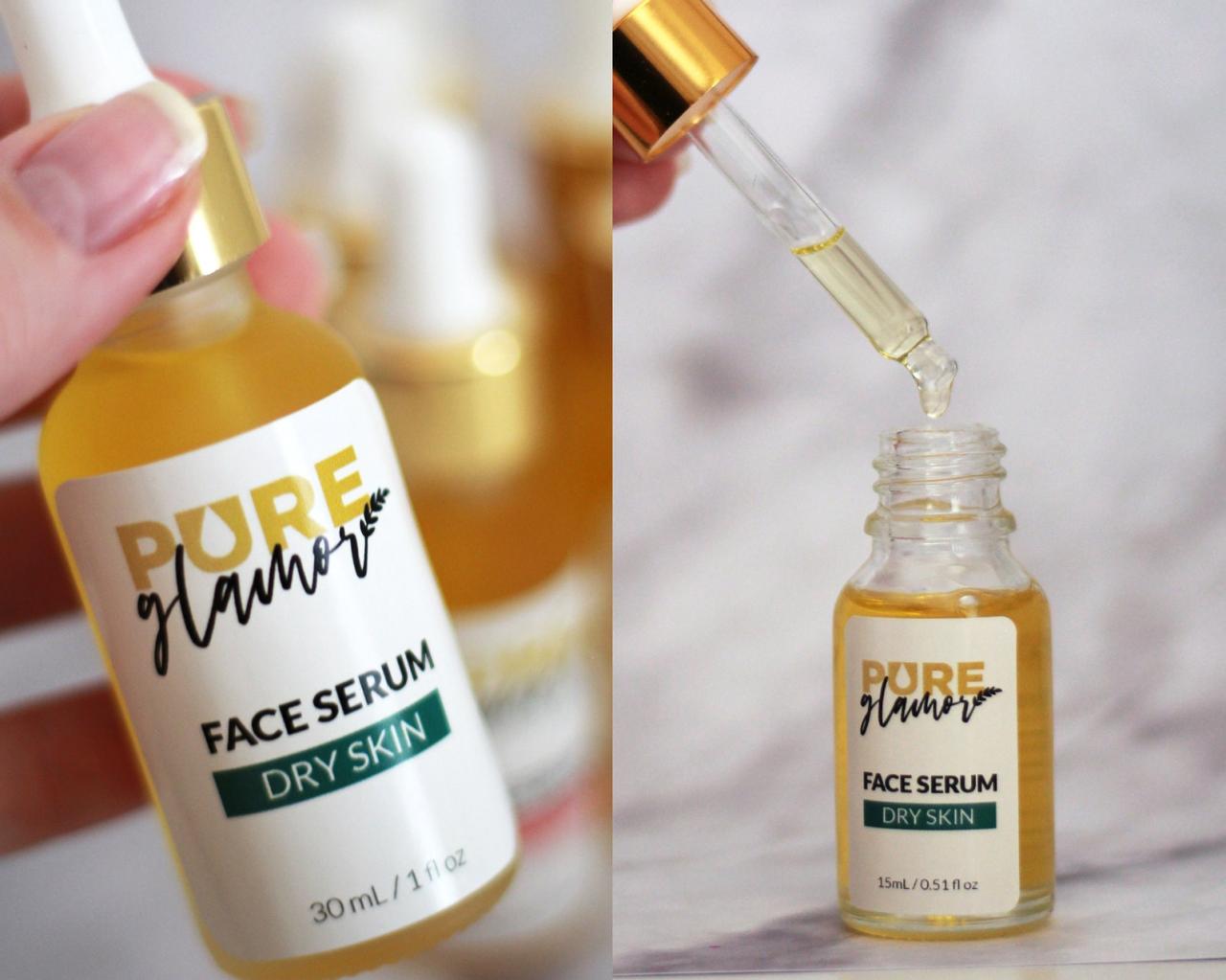
In summary, integrating a hydrating serum into your daily routine can transform your skin’s health and appearance. From improving hydration levels to combating the signs of aging, these serums offer numerous benefits that can’t be overlooked. So, whether you choose a commercial product or a DIY version, remember that hydration is the foundation of beautiful skin.
Common Queries
What is the difference between a hydrating serum and a moisturizer?
A hydrating serum is typically lighter and more concentrated than a moisturizer, designed to deliver hydration deep into the skin, while moisturizers provide a protective barrier to lock in that hydration.
Can I use a hydrating serum with other products?
Absolutely! Hydrating serums work well with other skincare products. Just apply the serum first, followed by moisturizer and sunscreen.
Is it necessary to use a hydrating serum daily?
Using a hydrating serum daily is recommended for optimal skin hydration, but you can adjust frequency based on your skin’s needs.
Can hydrating serums help with acne-prone skin?
Yes, hydrating serums can benefit acne-prone skin by providing moisture without clogging pores, helping to balance oil production.
Are there any side effects of using hydrating serums?
Generally, hydrating serums are safe for most skin types. However, always patch-test new products to avoid potential allergic reactions.