
 Widya pasha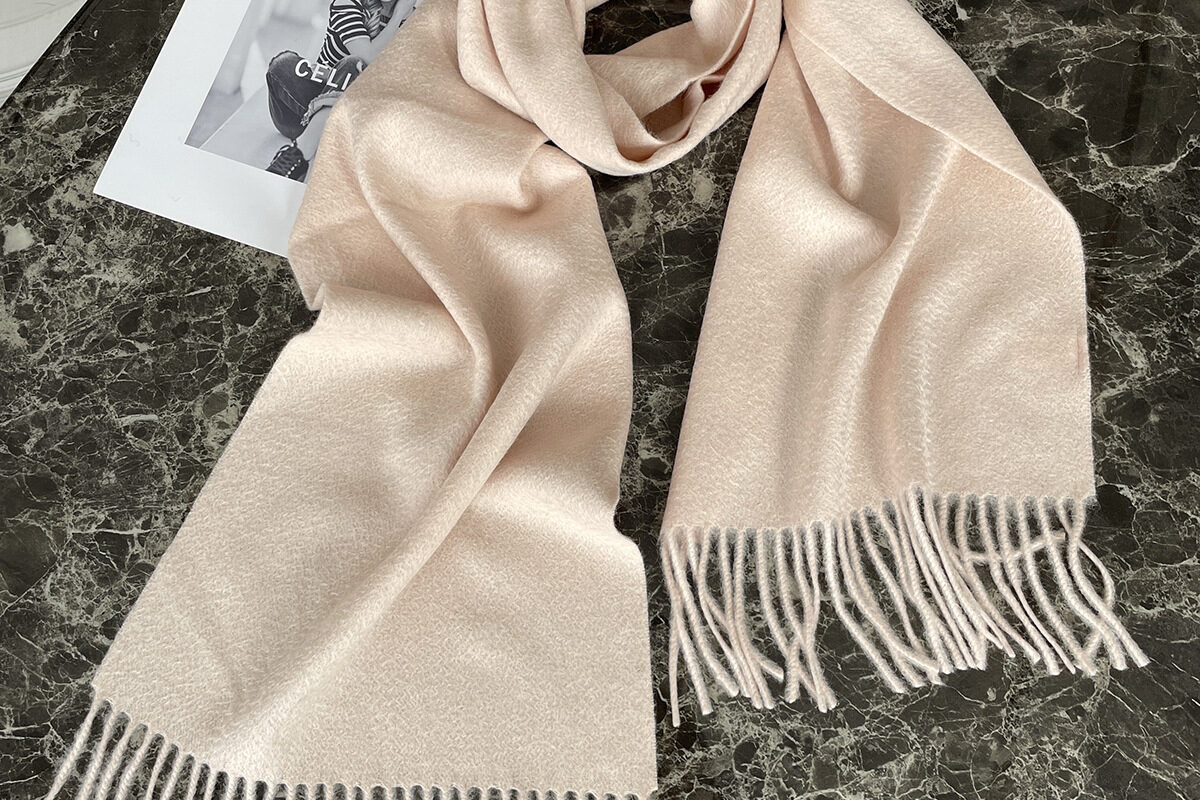
With Scarves leading the charge in both fashion and functionality, they offer a unique blend of history, culture, and personal expression. These versatile accessories have woven themselves into the fabric of societies around the world, adapting to various styles and purposes throughout the ages. From their origins as practical items to their transformation into fashion statements, scarves have played a significant role in how we communicate identity and style.
This exploration takes us through the historical significance of scarves, the myriad styles available, and their impact on modern fashion. We’ll delve into how they are styled for various occasions, the cultural narratives they carry, and even the sustainable practices involved in their production. Scarves are more than just fabric; they encapsulate stories, emotions, and trends that continue to evolve.
The Historical Significance of Scarves
Scarves have a rich and varied history that spans across different cultures and time periods. Originally designed as practical garments, they evolved into symbols of status, fashion, and cultural identity. The journey of the scarf reflects broader social changes and artistic movements throughout history, showcasing not only utility but also the artistry involved in textile production.
The origins of scarves can be traced back to ancient civilizations, where they served functional purposes. The Romans used them as a way to wipe sweat from the brow, while in China, scarves were worn by soldiers to signify rank and unit. As time progressed, scarves transitioned from mere utility items to symbols of sophistication and fashion, especially during the Renaissance when they adorned the necklines of the wealthy and powerful.
Evolution Through Cultures and Eras
Throughout history, the significance of scarves has varied greatly across different cultures and time periods, often reflecting societal values and norms. The following points illustrate some key moments in this evolution:
- Ancient Egypt: Scarves were made of linen and depicted the social status of individuals. Pharaohs and nobility wore intricately designed scarves adorned with symbols of power.
- Middle Ages: Scarves became essential items in the wardrobes of both men and women, often made from luxurious materials to showcase wealth. They were often embellished with embroidery and jewels.
- 18th Century France: The cravat emerged as a fashionable accessory among the European elite. It was a precursor to modern neckties and scarves, popularized by figures like King Louis XIV.
- 19th Century: The Industrial Revolution led to mass production of scarves, making them accessible to the general public. This era saw the introduction of printed fabrics and innovative designs.
- 20th Century Iconography: Scarves became associated with cultural icons such as Hollywood stars and political figures. For example, Audrey Hepburn famously wore a scarf in “Breakfast at Tiffany’s,” cementing its status as a fashion staple.
“A scarf is not just an accessory; it’s a piece of history woven into fabric.”
The transformation of scarves from functional garments to symbols of identity and individual expression underscores their importance in both fashion and cultural history. Various influential figures throughout these eras have helped popularize scarves, establishing them as essential items in wardrobes around the world.
The Various Types of Scarves and Their Uses
Scarves are versatile accessories that not only enhance an outfit but also serve practical purposes. They come in various styles and materials, each suited for different occasions and climates. Understanding the different types of scarves and their uses can help individuals make informed fashion choices while also enjoying the functional benefits that scarves offer.
Types of Scarves
Scarves vary widely in style, fabric, and purpose. Here are some of the most popular types of scarves and their unique characteristics:
- Pashmina: This luxurious scarf is made from the fine wool of Pashmina goats, primarily found in the Himalayan region. Pashmina scarves are known for their softness and warmth, making them ideal for chilly weather. They can be styled in various ways, such as draped over the shoulders or wrapped around the neck.
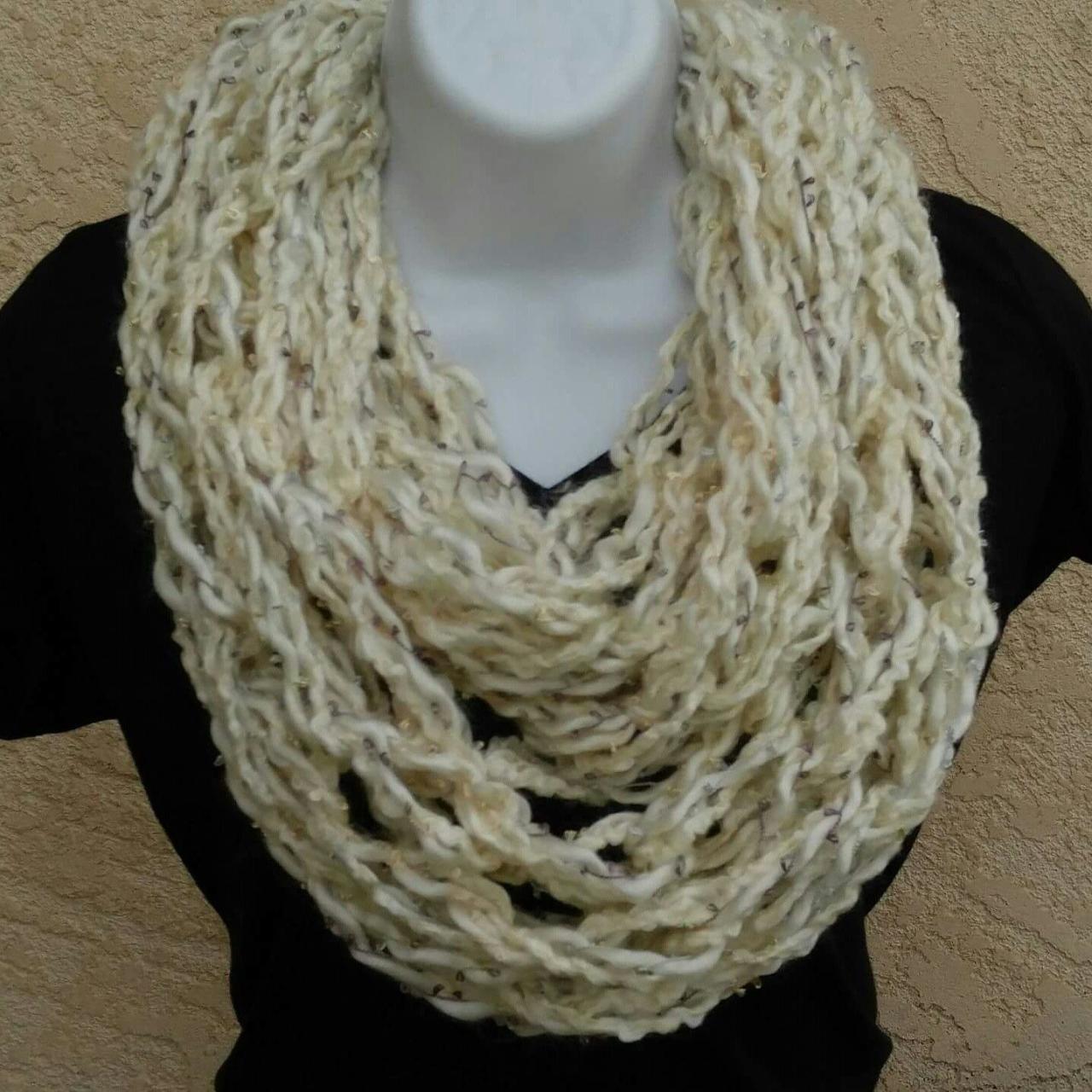
- Infinity Scarf: This circular scarf is a continuous loop of fabric, making it easy to style. Infinity scarves are often made from lightweight materials, which makes them suitable for layering. They can be worn in multiple ways, adding both warmth and a stylish touch to any outfit.
- Silk Scarf: A classic choice, silk scarves exude elegance and sophistication. They are typically lightweight and can be worn in various ways, including tied around the neck or as a headband. Due to their delicate nature, silk scarves are best suited for warmer weather or as a stylish accessory rather than a functional piece for warmth.
- Wool Scarf: Wool scarves provide excellent insulation against cold weather. They are thicker and often coarser than other materials, making them perfect for winter outfits. This type of scarf should be worn not only for style but also for functionality in colder climates.
- Cashmere Scarf: Known for its extraordinary softness and lightweight warmth, cashmere scarves are made from the undercoat wool of cashmere goats. They provide warmth without bulk, making them ideal for layering in both casual and formal settings.
Practical Uses of Scarves
Scarves serve numerous practical functions in everyday life, transcending mere fashion statements. They can be employed for warmth, style, and as a fashion accessory.
- Providing warmth: In colder climates, scarves become essential for keeping the neck and face warm. Their ability to trap heat makes them a staple during winter.
- Versatile styling: Scarves can easily transform an outfit. A simple scarf can elevate a basic look and introduce new colors or patterns.
- Sun protection: In warmer climates, lightweight scarves can be worn to shield the skin from harmful UV rays, making them a stylish yet practical accessory.
- Travel necessity: Scarves can double as blankets on long journeys, providing comfort and warmth when needed.
Influence of Fabrics on Usage
Different fabrics play a crucial role in determining the suitability of scarves for various climates and purposes.
- Cotton: Breathable and lightweight, cotton scarves are perfect for spring and summer. They can be worn casually or dressed up for events.
- Linen: Known for its moisture-wicking properties, linen scarves are ideal for hot weather, providing comfort while keeping the wearer cool.
- Chiffon: This lightweight fabric is often used for scarves meant for warmer weather, giving a flowy and elegant look without adding bulk.
- Fleece: Soft and warm, fleece scarves are excellent for cold weather, providing a cozy feel while effectively insulating against chilly winds.
“The right scarf can be the perfect accessory that balances functionality with style.”
How to Style Scarves for Different Occasions
Scarves are versatile accessories that can enhance any outfit, whether for casual outings, formal events, or professional settings. They serve not only as a source of warmth but also as a statement piece that can transform your look. Understanding how to style scarves appropriately for different occasions will elevate your fashion game and add a touch of flair to your ensembles.
Scarves can be styled in various ways to suit different events and personal styles. Choosing the right fabric, pattern, and knotting technique can significantly affect the overall aesthetic. Below are some effective tips for styling scarves across casual, formal, and professional occasions.
Styling for Casual Looks
Casual styling with scarves involves using relaxed fabrics and easy-to-wear styles. The goal is to create a laid-back yet stylish appearance that complements everyday outfits.
- Lightweight Materials: Opt for cotton or linen scarves in playful prints to keep things breezy. These fabrics are ideal for layering in warmer weather.
- Simple Knots: A loose, draped style or a basic knot can add a playful element without overwhelming your outfit.
- Pairing Styles: Style the scarf with denim jackets, oversized sweaters, or casual dresses for an effortless vibe.
Styling for Formal Looks
When attending formal events, scarves can elevate your outfit and add sophistication. Consider using luxurious materials and elegant styles.
- Luxurious Fabrics: Choose silk or cashmere scarves to impart elegance. These materials not only look refined but also feel exquisite against the skin.
- Elegant Draping: Drape the scarf around the neck without knots for a sleek finish, or opt for a wrap style to maintain a polished appearance.
- Complementing Colors: Select scarves that enhance your dress or suit in solid colors or subtle patterns to maintain a sophisticated look.
Styling for Professional Looks
In professional settings, scarves can be a great way to express personal style while still adhering to workplace standards.
- Neutral Tones: Stick to neutral or muted colors that align with your office attire. These shades are versatile and easy to integrate into professional wardrobes.
- Classic Knots: A classic loop or a simple knot can frame the face nicely without distracting from your overall outfit.
- Layering Techniques: Use the scarf as a layering piece over blazers or under coats to enhance your business attire, adding a touch of warmth and style.
Knotting Techniques and Their Impact
Knotting techniques can dramatically affect the look and feel of a scarf. Mastering different knots can provide versatility in styling.
- The Parisian Knot: Loop the scarf around the neck and create a knot at the front. This technique exudes a chic and fashionable vibe.
- The Infinity Knot: Twist the scarf into a loop and wrap it around the neck twice. This creates a cozy and stylish look perfect for colder days.
- The Bow Knot: Tie the ends of the scarf into a bow for a feminine touch. This works well with blouses and dresses for a polished appearance.
Mastering the art of scarf styling involves understanding the occasion, fabric choice, and knotting techniques to create a cohesive and stylish look.
These tips and techniques ensure that you can style scarves effectively for any occasion, showcasing your personal style while maintaining appropriateness for the event.
The Cultural Impact of Scarves Around the World
Scarves have transcended their functional purpose over time, evolving into significant cultural symbols in various societies. They not only serve as a practical accessory but also embody unique traditions, beliefs, and identities. Across different cultures, scarves tell stories that reflect the values, histories, and creativity of the people who wear them.
Scarves are perceived quite differently depending on the region and cultural context. In some cultures, they signify status, while in others, they represent modesty or cultural identity. For instance, in Middle Eastern countries, the keffiyeh is a traditional scarf worn by men, symbolizing heritage and sometimes political resistance. Conversely, in Western fashion contexts, scarves are often viewed as trendy accessories that elevate an outfit without necessarily carrying deep cultural significance.
Traditional Scarf-Wearing Practices Across Cultures
The practices surrounding scarf-wearing vary considerably around the globe, often influenced by local customs, climate, and social norms. Understanding these differences sheds light on how scarves play a role in daily life and cultural expression.
In India, for example, the dupatta is a long scarf that women wear with traditional clothing. It serves both as a decorative element and a means of modesty, often used to cover the head or shoulders during religious ceremonies. This practice is deeply rooted in the sociocultural fabric of the country, highlighting respect and tradition.
In contrast, the French use scarves as a fashion statement, often opting for lightweight, stylish wraps that complement their outfits. The French scarf is part of a chic aesthetic, and wearing it correctly can signify one’s understanding of fashion.
In Japan, the furoshiki is a versatile cloth that can function as a scarf, gift wrap, or bag. Its cultural significance lies in its practicality as well as its artistry, with beautiful designs representing various seasonal motifs. The furoshiki encapsulates the Japanese philosophy of simplicity and sustainability.
The way scarves are worn often reflects the values and traditions of a culture, highlighting the personal and collective identity.
In the Nordic countries, scarves are essential for warmth during harsh winters, often crafted from wool and featuring traditional patterns. These scarves not only keep individuals warm but also connect them to their heritage, representing regional pride.
The significance of scarves can be further illustrated through cultural events. During the Muslim holiday of Eid, women often adorn themselves with beautifully embroidered scarves, signifying celebration and unity. In this context, the scarf acts as a bridge, connecting tradition with modernity.
Through these varied practices, scarves emerge as more than just fashion items; they are woven into the very fabric of cultural identity, acting as symbols of heritage, purpose, and expression across the globe.
Sustainable Practices in Scarf Production
The fashion industry has begun to recognize the critical importance of sustainability, particularly in the production of accessories like scarves. As consumers become more eco-conscious, brands are adapting their practices to reduce their environmental footprint. This shift not only benefits the planet but also appeals to a growing demographic that prioritizes ethical consumption.
Sustainable scarf production incorporates a variety of eco-friendly materials and responsible manufacturing processes that contribute positively to the environment. The focus on sustainability ensures that the fashion industry can thrive without compromising the health of our planet or the welfare of its inhabitants.
Eco-Friendly Materials
A range of eco-friendly materials is now available for scarf production, offering alternatives to traditional textiles that often involve harmful practices. Some of these materials include:
- Organic Cotton: Grown without synthetic pesticides or fertilizers, organic cotton reduces soil and water contamination, promoting biodiversity.
- Bamboo: A fast-growing plant that requires minimal water and no chemicals, bamboo fibers are biodegradable and have natural antibacterial properties.
- Recycled Polyester: Made from post-consumer plastic waste, recycled polyester helps reduce landfill contributions and lowers carbon emissions during production.
- Tencel: This fiber, derived from sustainably harvested wood pulp, is produced in a closed-loop process that recycles water and solvents, minimizing environmental impact.
Sustainable Manufacturing Processes
Sustainable manufacturing processes are critical for reducing the environmental impact of scarf production. These processes not only help in conserving resources but also ensure a safer workplace for employees. Key practices include:
- Water Conservation: Techniques such as waterless dyeing and recycling wastewater are employed to drastically reduce water usage in the production process.
- Energy Efficient Production: Utilizing renewable energy sources, such as solar or wind power, lessens reliance on fossil fuels, reducing greenhouse gas emissions.
- Low-Impact Dyes: The use of natural dyes or dyes that require less water and produce less waste contributes to a cleaner production process.
- Waste Reduction: Implementing practices that minimize fabric waste, such as pattern optimization and recycling scraps, helps to reduce the overall ecological footprint.
Ethical Sourcing
Ethical sourcing in the fashion industry is paramount for ensuring that materials used in scarf production are obtained in a manner that respects both people and the planet. This involves verifying that suppliers adhere to fair labor practices, pay fair wages, and maintain safe working conditions.
The importance of ethical sourcing extends beyond just the supply chain; it influences consumer choice. Brands that prioritize ethical sourcing often gain customer loyalty and trust, as consumers are increasingly inclined to support companies that align with their values.
“Ethical sourcing is not just a trend; it’s a necessary approach to ensure a sustainable future for fashion.”
By integrating sustainable practices into scarf production, the industry can contribute to a more sustainable and ethical future, demonstrating that style and responsibility can coexist harmoniously.
The Role of Scarves in Modern Fashion Trends
Scarves have transitioned from being merely functional accessories to becoming essential components of modern fashion trends. Their versatility allows them to be styled in numerous ways, adapting to seasonal changes, cultural contexts, and personal aesthetics. This evolution reflects broader movements in fashion where the fusion of practicality and style reigns supreme.
Scarves have significantly influenced contemporary fashion movements by serving as canvases for artistic expression and innovative designs. They are not just about warmth anymore; they symbolize identity, status, and artistic collaboration. The rise of streetwear has also elevated the scarf’s status, making it a staple in casual outfits, often layered or worn in unique, eye-catching ways.
Designer Collaborations and Market Reshaping
In recent years, collaborations between high-profile fashion designers and scarf brands have reshaped the market landscape, bringing fresh perspectives and innovative designs to the forefront. These partnerships have resulted in unique collections that blend luxury with accessibility, appealing to a wide audience.
For example, the collaboration between renowned designer Alexander McQueen and the iconic scarf manufacturer Hermès produced limited-edition scarves that showcased intricate patterns and bold statements. These collaborations not only highlight the craftsmanship involved but also create a buzz in the fashion community, driving consumer interest and engagement.
The influence of such collaborations is evident in several key aspects:
- Increased visibility: Collaborative collections often receive extensive media coverage, amplifying brand recognition and desirability.
- Consumer engagement: Special collaborations create a sense of urgency and exclusivity, encouraging consumers to actively seek out these limited-edition items.
- Innovation in design: The blending of distinct styles from different designers stimulates creativity and pushes boundaries in scarf design.
Impact of Social Media on Scarf Trends
Social media platforms have revolutionized the way scarves are perceived and purchased, fundamentally altering consumer behavior. With platforms like Instagram and TikTok serving as visual storytelling mediums, fashion enthusiasts showcase their scarf styling techniques, influencing trends and driving sales.
The role of influencers and fashion bloggers cannot be understated; they curate looks that inspire their followers to experiment with scarf styles in their everyday wardrobes. For instance, the viral scarf-tying techniques shared on TikTok have led to a resurgence of interest in vintage scarves, as users embrace retro fashion elements.
The impact of social media on scarf trends can be summarized in several key observations:
- Trend amplification: Unique scarf styles can quickly become viral, leading to widespread adoption and trends that change rapidly.
- Community building: Online platforms foster communities where individuals share tips and styles, creating a hub for creativity and inspiration.
- Direct-to-consumer sales: Brands leverage social media to launch targeted marketing campaigns, resulting in increased sales directly through digital platforms.
The dynamic interplay between scarves, fashion designers, and social media continues to shape contemporary fashion trends, emphasizing the accessory’s role as a statement piece in today’s wardrobes.
Crafting Your Own Scarves
Creating your own scarves can be a deeply rewarding experience. Not only do you get the chance to express your personal style, but you also have the satisfaction of wearing something made with your own hands. This guide will cover essential aspects, from selecting materials to employing various techniques for crafting beautiful scarves.
Selecting Materials for DIY Scarf Projects
Choosing the right materials is crucial for crafting a quality scarf. The type of fabric or yarn you select can heavily influence the final product’s look, feel, and durability. Common materials include wool, cotton, silk, and acrylic yarn, each offering distinct textures and warmth levels.
- Wool: Known for its warmth and flexibility, wool is ideal for winter scarves. It can be knitted or crocheted into intricate patterns.
- Cotton: A breathable option perfect for lighter scarves. Cotton fabric is great for sewing and comes in a variety of prints.
- Silk: Luxurious and smooth, silk scarves offer elegance and can be used for both casual and formal wear.
- Acrylic: Affordable and versatile, acrylic yarn is often used by beginners. It mimics wool but is easier to care for.
Knitting Techniques for Scarves
Knitting is a popular method for creating scarves, offering endless design possibilities. Beginners can start with simple stitches while advanced crafters can explore intricate patterns.
- Garter Stitch: This basic knitting technique involves knitting every row. It creates a bumpy texture and is perfect for beginners.
- Stockinette Stitch: Alternating knit and purl rows results in a smooth fabric, providing a classic look.
- Cable Knitting: More advanced, this technique creates twisted patterns for a textured, intricate design.
Sewing Techniques for Scarves
Sewing scarves allows for diverse styles, including wraps and infinity scarves. This approach is often faster and can incorporate various fabric types.
- Straight Sew: The easiest method involves cutting the fabric to size and sewing the edges together, creating a simple but stylish scarf.
- Bias Binding: This technique uses bias tape to finish the edges, providing a polished look.
- Ruffles or Pleats: Adding ruffles or pleats can enhance the scarf’s aesthetic. This technique requires more skill but yields stunning results.
Resources for Patterns and Tutorials
A wealth of resources exists for those looking to expand their scarf-making skills. Online platforms and local workshops can provide inspiration and education.
- Ravelry: A vast online community where knitters and crocheters share patterns and advice.
- YouTube: Numerous video tutorials available for visual learners seeking step-by-step guidance.
- Craftsy: Offers comprehensive classes covering various techniques for both sewing and knitting.
- Local Craft Stores: Often host workshops and provide resources, including books and pattern magazines.
Scarves as a Form of Personal Expression
Scarves have evolved from mere functional accessories to powerful tools of personal expression. Individuals utilize scarves not only to provide warmth but also as a canvas to showcase their unique personality and style. The choices made in color, pattern, and style reflect an individual’s identity, allowing them to communicate their moods and preferences without uttering a single word.
The emotional connection people develop with scarves often transcends mere aesthetics. Scarves can carry deep sentimental value, serving as heirlooms passed down through generations or as gifts that encapsulate special memories. These emotional ties enhance the scarf’s significance, making it a distinctive element of one’s wardrobe.
Color, Pattern, and Style Choices Reflecting Personal Identity
The colors and patterns chosen for scarves are a direct reflection of personal identity. Different colors evoke various emotions and carry distinct meanings. For instance, vibrant reds and yellows may signify confidence and energy, while cooler blues and greens often convey calmness and serenity. Patterns, whether floral, geometric, or abstract, can speak volumes about an individual’s taste and lifestyle.
Consider the following aspects when evaluating how scarves can express personal identity:
- Color Choices: Bold and bright colors can indicate a confident personality, whereas subtle, muted tones may suggest a more reserved nature.
- Pattern Selection: A preference for intricate floral designs could reflect a romantic side, while geometric patterns might indicate a love for modern, structured aesthetics.
- Fabric Type: Luxurious silks may be favored by those who appreciate elegance, while casual cotton scarves are often chosen by individuals seeking comfort and practicality.
These elements work in harmony to create a visual representation of the wearer’s identity.
Emotional Connections with Scarves
Scarves often carry emotional weight, serving as tangible reminders of significant moments in life. Many people cherish scarves that have been handed down as family heirlooms, encapsulating memories of loved ones. These scarves can evoke feelings of nostalgia and connection to one’s heritage.
Additionally, scarves received as gifts can represent meaningful relationships. A scarf gifted on a special occasion can serve as a lasting reminder of that moment, making it a cherished item in one’s wardrobe. Here are a few factors contributing to the emotional significance of scarves:
- Heirloom Scarves: Passed down through generations, these scarves often carry stories that link individuals to their family history.
- Gifts: A scarf received from a close friend or loved one can hold sentimental value, embodying the bond shared between the giver and recipient.
- Milestone Memories: Scarves worn during significant life events, such as graduations or weddings, can evoke powerful emotions tied to those experiences.
In these ways, scarves transcend their function as mere accessories, becoming integral to personal expression and emotional narratives.
The Economic Impact of the Scarf Industry
The scarf industry, a vibrant segment of the global fashion market, has exhibited significant growth over the years. This growth is driven by various factors, including shifting consumer preferences, the influence of fashion trends, and increasing global demand. Analyzing the market dynamics reveals not only the industry’s current status but also its future potential, providing insights into its economic impact across different sectors.
The scarf market has seen a remarkable evolution, with a shift towards sustainable and handmade products. In recent years, the global scarf market has been valued at approximately $70 billion, with projections indicating a growth rate of about 5% annually over the next five years. This growth can be attributed to various elements, including rising disposable incomes, an increasing fashion consciousness among consumers, and the growing popularity of online shopping.
Role of Small Businesses and Artisans
Small businesses and artisans play a crucial role in the global scarf market. Their contributions not just enhance the variety available but also promote local economies and sustainable practices. The following points illustrate their importance:
- Innovation and Uniqueness: Small businesses often focus on unique designs and materials, providing a diverse range of scarves that cater to niche markets.
- Support for Local Economies: Artisans contribute significantly to the local economy by creating jobs and fostering skill development in their communities.
- Sustainability Practices: Many small businesses prioritize sustainable sourcing and ethical manufacturing processes, appealing to environmentally conscious consumers.
The impact of small businesses extends beyond their immediate economic contributions. Their presence in the scarf industry fosters competition, encourages creativity, and helps maintain cultural diversity in fashion.
Influence of Fashion Weeks and Trade Shows on Sales and Trends
Fashion weeks and trade shows serve as pivotal platforms for showcasing the latest trends in scarves, directly influencing consumer purchasing behavior and retail strategies. These events not only highlight emerging styles but also facilitate networking among designers, manufacturers, and retailers. The following points encapsulate their significance:
- Trend Setting: Fashion weeks in major cities like Paris, Milan, and New York often dictate the seasonal trends, with scarves being a focal point in many collections.
- Market Visibility: Trade shows provide a space for brands to gain visibility among industry professionals, helping them to establish important business connections.
- Consumer Engagement: The excitement generated by these events can lead to increased consumer interest, translating into higher sales figures post-event.
The synergy between fashion events and the scarf industry enhances brand recognition and drives sales, creating a ripple effect that benefits both established brands and emerging designers.
Scarves in Popular Media and Literature
Scarves have long been more than just functional garments; they serve as powerful symbols and significant plot devices in various forms of media, including films, books, and television shows. Their representation often goes beyond mere fashion, reflecting characters’ personalities, social status, and emotional states. This discussion delves into how scarves are portrayed in popular culture and how these representations shape public perception and trends.
Scarves appear in a myriad of narratives, illustrating their multifaceted roles. For instance, in films and books, they often symbolize warmth, comfort, or protection. A character wearing a scarf might evoke feelings of warmth and security, whereas a scarf used in a more dramatic context might suggest danger or a shift in the character’s journey. The way scarves are integrated into storytelling can significantly influence trends and styles in the fashion industry, as audiences often look to emulate the looks of their favorite characters.
Significant Appearances of Scarves
The following list highlights some notable films and books where scarves play a vital role in the story, showcasing their impact on both characters and narratives.
- Harry Potter Series by J.K. Rowling – The iconic Gryffindor scarf not only identifies house affiliation but also symbolizes bravery and belonging in the magical world.
- The Great Gatsby by F. Scott Fitzgerald – Gatsby’s lavish silk scarves represent his wealth and the extravagant lifestyle he leads, reflecting the decadence of the Roaring Twenties.
- Breakfast at Tiffany’s – Holly Golightly’s black scarf embodies her sophisticated yet enigmatic personality, making a lasting impression on viewers.
- Sherlock Holmes (2009) – The character of Sherlock, played by Robert Downey Jr., is often seen with various scarves, enhancing his intellectual and eccentric persona.
- Pride and Prejudice by Jane Austen – Scarves in this classic novel highlight the fashions of the Regency era and serve as indicators of social status among characters.
“A scarf can transform an outfit, just as it can reveal the complexities of the character wearing it.”
Scarves in media not only serve as fashion statements but also become crucial to character development and storytelling. Their presence can evoke nostalgia, elegance, or even danger, making them powerful tools in the hands of writers and filmmakers. As trends evolve with the changing tides of culture, the representation of scarves continues to inspire and influence public perceptions about style and identity.
Wrap-Up
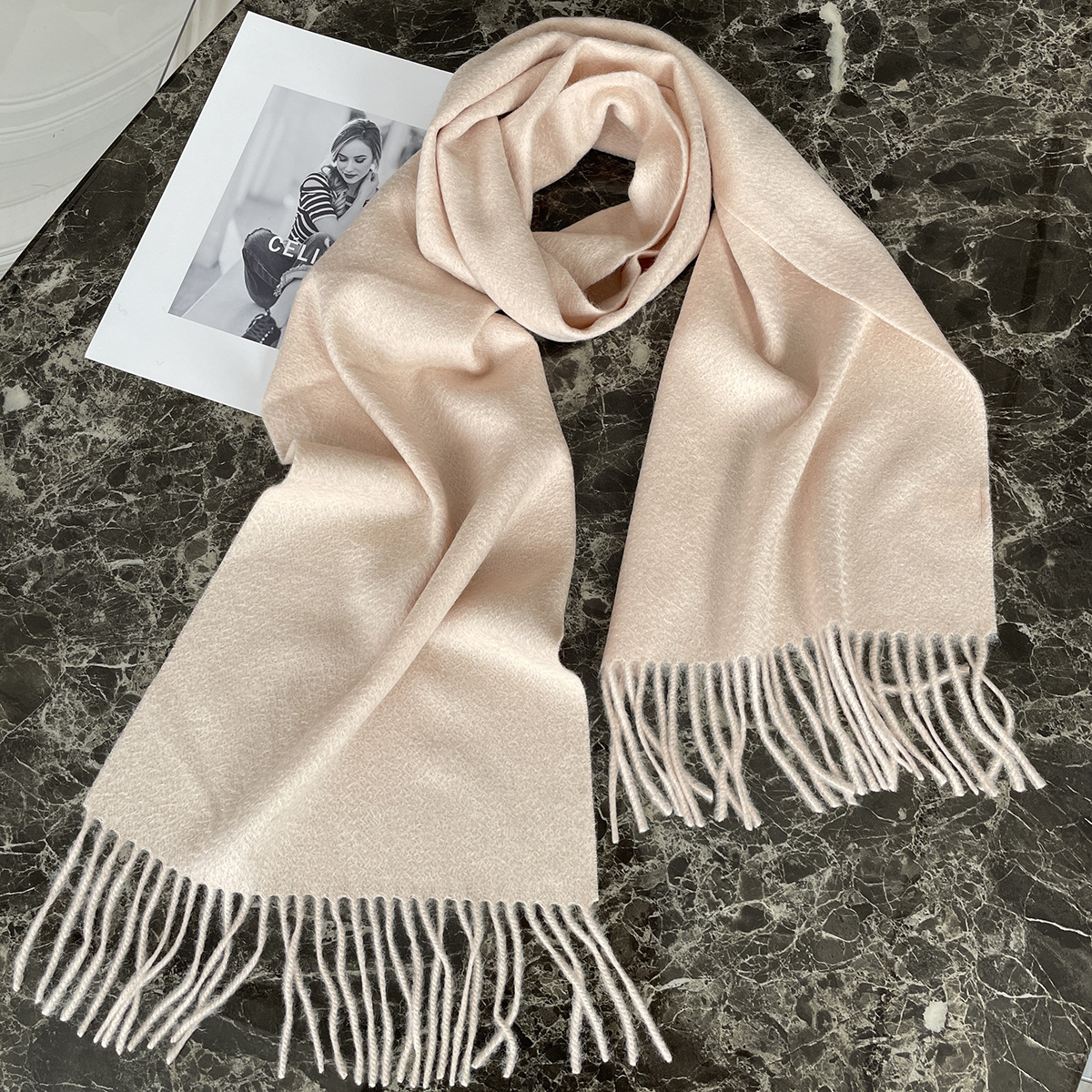
In summary, scarves are far more than mere adornments; they are a rich tapestry of culture, history, and personal expression. Their ability to adapt and resonate with people across different eras and backgrounds highlights their enduring appeal. Whether you’re draping a luxurious silk scarf for a formal event or crafting a cozy knit for a casual outing, the scarf remains a powerful accessory that speaks volumes about individuality and style.
Expert Answers
What materials are best for making scarves?
Common materials include wool, cotton, silk, and pashmina, each chosen for comfort and functionality.
How can I clean my scarf without damaging it?
Check the care label, but most delicate scarves can be hand-washed in cold water with mild detergent.
What are some popular scarf knot styles?
Popular knots include the Parisian knot, the loop knot, and the classic drape, each offering a different look.
Can scarves be worn in warmer weather?
Absolutely! Lightweight fabrics like cotton or linen are perfect for adding a stylish touch in warmer climates.
Are there specific scarves for different occasions?
Yes, certain scarves like silk or embellished styles are ideal for formal events, while cozy knits are better for casual wear.