
 Widya pasha
Fashion hats have long been more than mere accessories; they are powerful symbols of identity, culture, and personal expression. From the playful beanie to the sophisticated fedora, hats have undergone a remarkable evolution throughout history, shaped by societal changes and cultural influences. This exploration of fashion hats reveals their significant roles in various settings, highlighting how they reflect personal style and adapt to modern trends.
As we delve deeper, we will examine the types of fashion hats available, the impact of seasonal changes on hat choice, and the sustainability practices within the industry. With insights on how to select the perfect hat for your face shape and tips for DIY creations, this guide promises to enrich your understanding of this versatile accessory.
The Evolution of Fashion Hats Throughout History
Fashion hats have long been an essential element of personal style, serving not just practical purposes but also as symbols of status, culture, and identity. Historically, hats have evolved significantly, reflecting the changing tides of society, fashion, and individual expression. From their modest beginnings as protection against the elements, to becoming a staple in high fashion, hats offer a fascinating glimpse into the trends and values that have defined different eras.
The journey of fashion hats is marked by various historical milestones that underscore their significance. In ancient civilizations, such as Egypt and Mesopotamia, hats were often worn by the elite, embodying power and prestige. As we move through history, the Middle Ages brought about a resurgence of elaborate headwear, with pointed hats symbolizing class distinctions. The Renaissance period saw hats adorned with feathers and jewels, highlighting the wearer’s wealth and taste. Each of these milestones not only showcases the artistic evolution of hats but also reflects broader social changes, such as shifts in class structures and cultural exchanges.
Cultural Significance of Hats Across Eras
Hats serve as powerful indicators of cultural identity and societal values throughout history. Various cultures have used specific styles of headwear to convey messages about tradition, status, and function. Understanding these cultural markers can reveal much about the people and times they represent.
- Ancient Egypt: Pharaohs and nobles wore intricate headpieces like the nemes and crowns, exemplifying their divine status. These hats were often made from precious materials and symbolized authority.
- Middle Ages: The chaperon, a hood-like garment, became popular among the nobility, often signifying social rank. The style evolved into more complex forms, influencing fashion trends in Europe.
- 17th Century: The broad-brimmed hats worn by men in the Baroque period showcased burgeoning individualism and wealth. The extravagant designs included feathers and lace, emphasizing personal style.
- 20th Century: The emergence of the fedora and the cloche hat reflected changes in gender roles and fashion sensibilities. As women gained more freedoms, their hats became symbols of empowerment and sophistication.
Influence of Social Changes on Hat Styles
The evolution of hat styles closely mirrors social transformations, illustrating how fashion can respond to and reflect broader societal trends. The changes in hat design often correlate with pivotal moments in history, such as wars, economic shifts, and social movements.
- The Industrial Revolution: The introduction of mass production allowed for more affordable and accessible hats, democratizing fashion for the emerging middle class.
- World Wars: During wartime, practical hats such as the military cap gained popularity. These styles reflected a need for functionality and unity among citizens.
- Counterculture Movements: The 1960s and 70s saw a rise in unique, bold hat styles among youth, reflecting their desire for self-expression and rebellion against traditional norms.
“Fashion is the armor to survive the reality of everyday life.” – Bill Cunningham
The evolution of hats is a testament to their enduring importance in fashion and culture, revealing how they have shaped and been shaped by the world around them. Each style carries with it a story, a moment in time, and a reflection of the society that embraced it.
Different Types of Fashion Hats and Their Unique Features
Fashion hats are not merely functional accessories but also powerful style statements that can enhance any outfit. From protecting yourself from the sun to adding flair to your wardrobe, these diverse headpieces come in numerous styles, each with unique characteristics and purposes. This section explores various categories of fashion hats, examining their distinctive features, the materials used in their creation, and some of the most popular brands known for their signature styles.
Categories of Fashion Hats
Fashion hats come in various categories, each catering to different tastes, occasions, and climates. Here are some of the most popular types:
- Fedoras: A classic choice often associated with timeless elegance, fedoras are typically made from felt or straw. They feature a soft crown and a wide brim, making them versatile for both casual and formal attire. The iconic pinch at the front adds character, while the various colors and patterns allow for personalized expression.
- Beanies: Perfect for colder weather, beanies are knitted hats that fit snugly to the head. They come in various materials like wool, cotton, or synthetic blends. Known for their warmth and comfort, beanies can be found in solid colors or fun patterns, making them a favorite among the younger crowd.
- Sun Hats: Designed for protection from UV rays, sun hats usually have a wide brim and are often made from lightweight materials like straw or cotton. They are essential for beach outings or summer events and add a chic touch to any summer outfit. Many sun hats come adorned with ribbons or decorative bands for added flair.
- Baseball Caps: A staple in casual wear, baseball caps are typically made from cotton or polyester and feature a rounded crown and a stiff bill. They are not just for sports; they can be styled in numerous ways, making them a versatile accessory for everyday outfits or outdoor adventures.
- Bucket Hats: Originally popularized by fishermen, bucket hats have made a fashionable comeback. With a downward-sloping brim and soft cotton fabric, they provide sun protection while offering a laid-back vibe. They are available in a myriad of prints and colors, appealing to both men and women.
Materials Used in Hat Making
The choice of material in hat-making significantly influences both style and functionality. Here are some commonly used materials and their characteristics:
- Felt: Made from compressed fibers, felt is often used in fedoras and other structured hats. It offers warmth, durability, and can be shaped into various styles, making it ideal for cooler climates.
- Straw: Typically used for summer hats, straw is lightweight and breathable, making it excellent for hot weather. Its natural look complements casual and beachy styles.
- Cotton: A versatile fabric, cotton is used in everything from sun hats to casual caps. Its breathability and comfort make it suitable for everyday wear and various weather conditions.
- Wool: Known for its insulation properties, wool is commonly used in beanies and winter hats. It provides warmth and is often blended with other materials for enhanced softness and style.
- Polyester: Often used in sports caps, polyester is durable and moisture-wicking, making it ideal for active use. It comes in various colors and patterns, appealing to a wide audience.
Popular Hat Brands and Their Signature Styles
Several hat brands stand out in the fashion industry, each known for their distinctive styles and craftsmanship:
- Brixton: Known for its trendy designs and high-quality materials, Brixton offers a range of fedoras and snapbacks that appeal to both men and women. Their hats often feature unique patterns and colors, making them a favorite among fashion-forward individuals.
- Stetson: A legendary brand in the world of hats, Stetson is synonymous with quality cowboy hats. They offer a variety of styles, including fedoras and dress hats, renowned for their durability and classic American style.
- New Era: Famous for its baseball caps, New Era has become a staple in streetwear fashion. Their caps often feature team logos and are popular among sports enthusiasts and casual wearers alike.
- Patagonia: This outdoor brand offers stylish and functional hats designed for adventure. Their sun hats and beanies are known for their eco-friendly materials and commitment to sustainability, appealing to environmentally conscious consumers.
- Goorin Bros: With a rich history in hat-making, Goorin Bros is recognized for its playful designs and classic styles. Their fedoras and caps often feature quirky embellishments, reflecting a unique personality in every piece.
The Role of Fashion Hats in Modern Fashion Trends
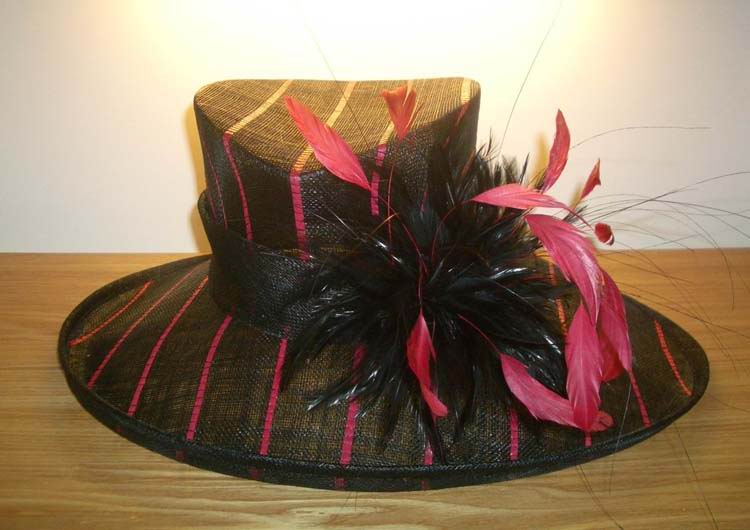
Fashion hats have transitioned from mere accessories to essential components of contemporary wardrobes, making bold statements on runways and streets alike. These versatile pieces not only elevate outfits but also serve as canvases for personal expression, reflecting the ever-evolving landscape of fashion.
Fashion hats have become a staple on contemporary fashion runways, showcasing their evolution from traditional headgear to high-fashion statements. Designers have embraced hats as a means of enhancing their collections, integrating them into the overall aesthetic of the ensembles. For instance, during recent Fashion Weeks, brands like Gucci and Prada have presented hats that range from oversized sun hats to chic berets, demonstrating how headwear can complement and even define a look. The use of hats in these contexts showcases their potential to add depth and character, transforming simple outfits into eye-catching masterpieces.
Influence of Celebrities and Influencers on Hat Trends
The role of celebrities and influencers in shaping hat trends is undeniable. Their ability to popularize specific styles significantly impacts consumer behavior and fashion choices. By donning unique hats, these public figures create a buzz that often ignites a trend.
- High-profile celebrities like Rihanna and Harry Styles frequently sport distinctive hats, which not only reflect their personal style but also influence their fans and followers.
- Social media platforms, particularly Instagram and TikTok, enable influencers to showcase various hat styles, making them accessible to a wider audience.
- Collaborations between brands and influencers result in limited-edition hats that drive demand and create a sense of exclusivity.
- The visibility of hats in red carpet events and public appearances establishes them as must-have accessories for fashion-forward individuals.
Fashion Hats as Expression of Individuality
Fashion hats are powerful tools for self-expression, allowing individuals to showcase their unique identities. They come in various styles, materials, and colors, offering endless possibilities for customization.
- Wide-brimmed hats can convey a sense of elegance, while beanies might project a more casual, laid-back vibe.
- Personalized embellishments, such as pins or patches, allow wearers to infuse their hats with personal meaning and creativity.
- Seasonal trends, like colorful fedoras in the summer or cozy wool beanies in the winter, enable wearers to adapt their style to reflect both personal taste and the current fashion climate.
- Vintage or thrifted hats often carry a story, allowing individuals to connect with fashion history and assert their individuality through unique finds.
“The right hat can be the finishing touch that transforms an outfit from ordinary to extraordinary.”
How to Choose the Right Fashion Hat for Different Face Shapes
Selecting the perfect hat involves more than just personal style; it requires an understanding of how different shapes can enhance or detract from your overall look. Different face shapes have unique characteristics that can be complemented by specific hat styles. Knowing how to match a hat to your face can elevate your fashion game and ensure you look your best.
Understanding your face shape is key to finding a hat that complements your features. Here are guidelines to help you select the right style based on different face shapes:
Guidelines for Selecting Hats by Face Shape
The shape of your face plays a significant role in hat selection. Below are the primary face shapes and the corresponding hat styles that suit them best:
- Oval Face: This shape is balanced and versatile. Most hat styles work well, but wide-brimmed hats and fedoras are particularly flattering.
- Round Face: To elongate a round face, choose hats with tall crowns and angles, such as trilbies or structured fedoras.
- Square Face: Soft, rounded hats like floppy sun hats or beanies help soften the angular features of a square face.
- Heart-Shaped Face: Look for hats with wider brims or those that draw attention downward, such as cloches or wide-brimmed hats.
- Long Face: Choose hats with wide brims or horizontal details to create the illusion of width, such as sun hats or bucket hats.
Importance of Color and Fabric Choices
The color and fabric of a hat can significantly affect its overall appearance and suitability. When selecting hats, consider these elements for the best results:
- Color: Neutral colors like black, brown, and gray are versatile and can match various outfits. Bright colors or patterns can be statement pieces but should complement your wardrobe and personal style.
- Fabric: Seasonal considerations are crucial. Lightweight fabrics such as straw are ideal for summer, while wool or felt are perfect for winter. Additionally, consider the texture; smoother fabrics can be more formal, while textured ones offer a casual vibe.
Tips for Trying on Hats
Trying on hats correctly is vital to ensure they fit well and suit your style. Here are tips to help you find the perfect fit:
- Size Matters: Ensure the hat fits comfortably on your head without being too tight or loose. A properly fitting hat should sit securely without pinching.
- Angle and Position: Experiment with the angle at which you wear the hat. Tilting it slightly can create a more stylish look.
- Mirror Test: Always check your reflection from multiple angles to see how the hat complements your features.
- Outfit Coordination: Try on hats with different outfits to see how they enhance your overall look and style.
Choosing the right hat not only highlights your face shape but also enhances your entire outfit, making a statement without saying a word.
Fashion Hats in Different Seasons
Fashion hats are not just accessories; they play a crucial role in our seasonal wardrobes. The right hat can elevate an outfit while also offering protection against the elements. Understanding which hats to wear in different seasons can enhance both style and functionality.
When considering seasonal hats, it’s essential to match the type of hat to the weather conditions. Each season brings its unique charm and challenges, which can influence our hat choices. From providing shade in the summer sun to keeping us warm in the winter chill, hats serve various purposes throughout the year.
Hats Suitable for Different Seasons
Here’s a breakdown of fashionable hats that are perfect for each season, along with their functionalities and styling tips for seamless incorporation into your outfits.
Summer Hats
Summer hats are designed to keep you cool and protected from the sun. They are typically made from lightweight materials that allow airflow. Here are some ideal options:
- Wide-brimmed Sun Hat: Perfect for beach days, providing maximum sun protection for the face and neck.
- Straw Fedora: A stylish option that combines ventilation with a touch of elegance, suitable for casual outings.
- Bucket Hat: Offers a relaxed vibe and is great for outdoor activities, adding a trendy touch to casual wear.
Winter Hats
Winter hats are essential for keeping warm and cozy during the colder months. They should have insulating properties to protect against the cold. Consider the following:
- Knitted Beanie: A classic choice that offers warmth and can be styled in various ways, perfect for both casual and sporty looks.
- Trapper Hat: Equipped with ear flaps and made from warm fabrics, ideal for harsh winter conditions.
- Felt Fedora: Adds sophistication to winter outfits while providing decent warmth, suitable for both formal and casual occasions.
Spring Hats
Spring hats should be versatile and lightweight, perfect for transitioning from the chilly weather of winter to the warmth of summer. Suggested styles include:
- Panama Hat: Made from breathable materials, it’s ideal for sunny spring days and pairs well with light jackets.
- Newsboy Cap: A stylish option that adds a touch of retro flair to outfits, perfect for both casual and semi-formal settings.
- Lightweight Bucket Hat: Updated for spring, it provides sun protection while still looking fashionable.
Fall Hats
Fall hats should offer both style and warmth as the weather cools down. They can add a layer of coziness to fall outfits. Here are some great choices:
- Wool Fedora: A timeless option that adds elegance to any fall outfit, perfect for both casual and dressy occasions.
- Beret: A chic accessory that embodies a more fashionable vibe while providing warmth.
- Bucket Hat in Fall Fabrics: Transition your summer bucket hat to fall by opting for styles made of heavier materials like wool or corduroy.
Choosing the right hat not only enhances your outfit but also provides necessary protection against weather conditions.
Incorporating hats into your seasonal wardrobe can be a fun and stylish endeavor. When layering outfits, consider how the hat complements not just the clothing but also the overall vibe of the season. For example, pairing a wide-brimmed straw hat with a flowy sundress in summer or mixing a wool fedora with a chunky sweater and scarf in fall can create a cohesive and fashionable look.
The Influence of Fashion Hats on Cultural Identity
Hats have long transcended their practical purpose and evolved into powerful symbols of cultural identity and heritage. Across various societies, headwear often carries profound meanings, reflecting the beliefs, traditions, and social status of the individuals who wear them. Understanding the significance of these fashion hats provides insight into the diverse cultural landscapes that enrich our global community.
Cultural headwear varies widely around the world, each type embodying unique customs and historical narratives. For instance, the iconic Mexican sombrero serves not only as a practical accessory for sun protection but also signifies festive celebrations and the country’s rich agricultural heritage. Similarly, the Scottish tam o’shanter, characterized by its woolen fabric and pom-pom, represents Scotland’s distinct cultural pride and is often associated with traditional Highland dress. These examples illustrate how hats can serve as markers of cultural identity, fostering a sense of belonging and continuity in communities.
Significant Cultural Headwear and Their Meanings
Exploring various cultural hats reveals their deep-rooted significance and the stories they tell about their origins and purposes. The following examples highlight the diversity of headwear across different cultures:
- Fez: The fez, a traditional Moroccan hat, is often associated with the country’s history and symbolizes a connection to the Islamic faith. Its bright red color and tassel represent cultural pride and are commonly worn in formal occasions.
- Wig: In various cultures, wigs, particularly in the context of powdered wigs in 18th-century Europe, represented social status and professionalism. These elaborate headpieces were often worn by members of the aristocracy and legal professions.
- Pagri: In India, the pagri (or turban) holds significant cultural importance. Different colors and styles can denote caste, regional identity, and even marital status, playing a crucial role in social customs and ceremonies.
- Sombrero: The sombrero, known for its wide brim, is emblematic of Mexican culture, particularly in rural areas. Its design provides practical benefits against the sun, while its vibrant embellishments speak to the joyous spirit of Mexican heritage.
These cultural hats not only serve practical functions but also act as symbols that connect wearers to their ancestry and community.
Comparison of Hats in Various Cultures
The comparison of hats across cultures showcases the vast array of meanings and uses that headwear can embody. While some hats are steeped in tradition, others may reflect modern adaptations of ancient customs. This section explores a few notable contrasts:
- Western Bowler Hat vs. Eastern Asian Conical Hat: The bowler hat, popular in Western fashion, symbolizes formality and sophistication, often associated with the British middle class. In contrast, the conical hat, worn in countries like Vietnam, serves as a practical solution for sun protection and agricultural work, embodying rural life and community solidarity.
- Turban vs. Baseball Cap: The turban, notably significant in Sikh culture, is a mark of faith and identity, representing dignity and respect. Conversely, the baseball cap, rooted in American sports culture, symbolizes leisure and casualness, reflecting contemporary lifestyle choices.
- Hat of the Day vs. Daily Headwrap: The practice of wearing hats as a fashion statement in Western cultures can be ephemeral, with trends changing regularly. In contrast, the daily headwrap, prevalent in many African cultures, serves as a constant symbol of cultural identity and pride, often intricately tied to personal style and heritage.
Through these comparisons, it’s evident that hats can bridge generations and cultures, offering a glimpse into the historical contexts and social realities of the societies that cherish them.
DIY Fashion Hats
Creating your own fashion hats is an exciting way to express your individuality and style. Whether you’re prepping for a sunny day out or looking to make a bold fashion statement, crafting your own unique hat can be a fulfilling project that showcases your creativity. Dive into the world of DIY hat making and explore how you can customize your headwear to reflect your distinct personality.
To embark on your DIY hat-making journey, you’ll need to familiarize yourself with the essential materials and tools required for the process. Having the right supplies not only makes the crafting easier but also results in a more polished final product. Here are the key items you’ll need:
Materials and Tools Needed
Before starting your hat-making project, gather the following materials and tools to ensure a smooth crafting experience:
- Fabric: Choose a fabric that suits your style and intended use. Options include felt, canvas, or straw for summer hats, while wool or fleece is ideal for winter hats.
- Hat Pattern: Either purchase a pattern or create your own. A simple template will help guide your cuts and stitching.
- Scissors: Sharp fabric scissors are essential for clean cuts.
- Measuring Tape: Precise measurements ensure a perfect fit.
- Sewing Kit: Include needles, thread, and pins for assembly.
- Decorative Elements: Embellishments like ribbons, flowers, or beads can add a personal touch to your hat.
- Hot Glue Gun: Useful for attaching embellishments securely.
With these materials at hand, you can begin crafting your hat. Here’s a simple step-by-step process to guide you through making a basic fabric hat.
Step-by-Step Guide to Crafting a Basic Hat
Creating your own hat can be a straightforward and enjoyable process. Follow these steps to make a simple fabric hat that you can personalize as desired:
- Measure Your Head: Use the measuring tape to measure the circumference of your head. Add an inch for seam allowance.
- Cut the Fabric: Using your measurement, cut out a circular piece of fabric that will serve as the crown. For the brim, cut a larger circle with a defined width based on your style preference.
- Stitch the Crown: Fold the edges of the crown piece and sew them together, creating a seamless top.
- Attach the Brim: Align the brim with the bottom of the crown and securely stitch or glue it in place.
- Personalize Your Hat: Add decorative elements like ribbons, fabric flowers, or even paint to create a unique design that represents your style.
The beauty of DIY fashion hats lies in the ability to personalize every aspect of your design. Drawing inspiration from current trends or individual tastes can enhance the uniqueness of your hat creation.
Design Inspiration and Personalization Tips
When it comes to personalizing your DIY hat, the options are virtually limitless. Here are some ideas to spark your creativity:
- Color Combinations: Experiment with vibrant colors or muted tones to match your wardrobe.
- Patterns and Prints: Incorporate floral, geometric, or animal prints to add character.
- Embellishments: Use feathers, beads, or patches to create depth and texture on your hat.
- Seasonal Themes: Craft hats that reflect the seasons, such as floral designs for spring or cozy, knitted accessories for winter.
- Custom Messages: Incorporate personal messages or quotes to make your hat even more significant.
By exploring these materials, tools, and techniques, you can craft a fashionable hat that not only complements your style but also showcases your creativity.
The Impact of Fashion Hats on Sustainable Fashion
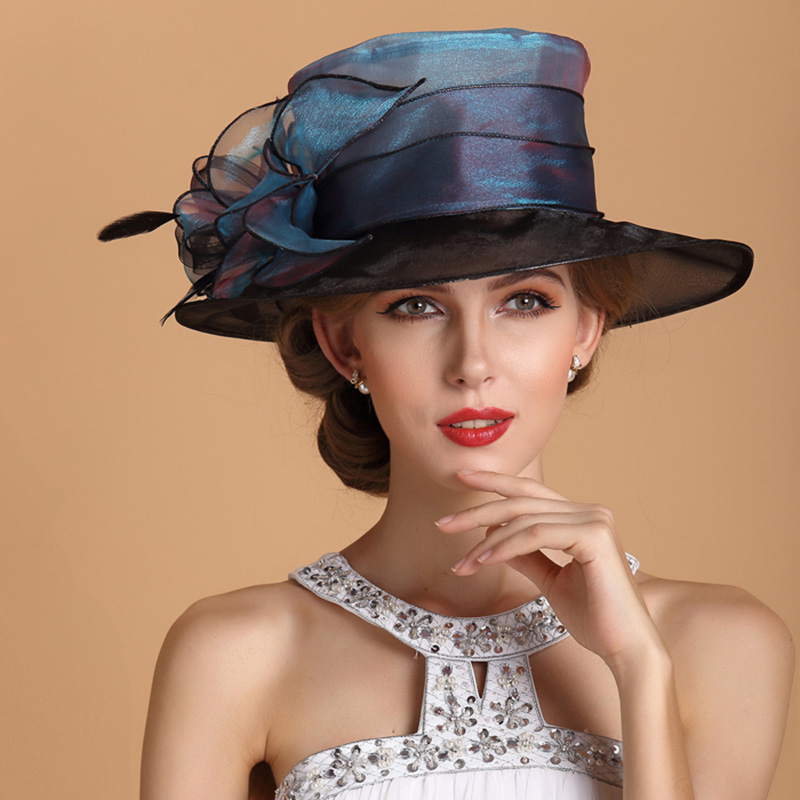
The fashion industry has increasingly shifted its focus toward sustainability, and the hat sector is no exception. As consumers become more conscious of the environmental impact of their purchases, brands are responding by adopting practices that prioritize eco-friendliness. This evolution in the hat industry not only reflects changing consumer values but also contributes to a broader movement toward responsible fashion.
One significant way the hat industry is addressing sustainability issues is through the materials used in production. Traditional materials, such as wool and felt, can be resource-intensive, prompting many brands to explore alternatives. Eco-friendly materials such as organic cotton, hemp, and even recycled plastics are gaining traction. These sustainable materials not only reduce environmental impact but also often provide unique aesthetics that attract style-conscious consumers. Additionally, brands are implementing sustainable practices in their manufacturing processes, including reducing water usage, minimizing waste, and ensuring fair labor practices.
Eco-Friendly Materials and Practices in Hat Production
The choice of materials in hat production plays a crucial role in sustainability. Here’s a closer look at some of the innovative materials and practices that are shaping the future of hat making:
- Organic Cotton: Grown without synthetic pesticides or fertilizers, organic cotton is a popular choice for brands aiming to minimize their ecological footprint. Its production is less harmful to the environment and supports healthier farming practices.
- Recycled Polyester: Made from recycled plastics, this material not only reduces waste but also conserves resources. Hats made from recycled polyester often maintain the same durability and functionality as their conventional counterparts.
- Hemp: Hemp is a fast-growing, low-impact crop that requires minimal water and no pesticides. Its properties make it an excellent choice for durable and breathable hats that are also environmentally friendly.
In addition to materials, the production process itself can incorporate sustainable practices. Many hat manufacturers are embracing ethical labor practices, ensuring that workers are treated fairly and compensated appropriately. Brands are also adopting techniques such as zero-waste pattern-making, which reduces leftover materials and promotes a circular economy.
Consumer Choices for Sustainable Hat Purchases
Consumers play a pivotal role in promoting sustainability through their purchasing decisions. By choosing hats from brands that prioritize eco-friendly practices and materials, they can contribute to a more sustainable fashion industry. Here are some tips for making informed choices:
- Research Brands: Look for brands that are transparent about their sourcing and production practices. Many companies provide information on their websites regarding their sustainability initiatives.
- Opt for Quality: Investing in high-quality hats made from sustainable materials can lead to longer-lasting products, reducing the need for frequent replacements.
- Support Local Artisans: Purchasing hats made by local artisans or small brands often results in lower carbon footprints and supports local economies.
By making conscious decisions when purchasing fashion hats, consumers can actively participate in the movement toward sustainable fashion. Each hat purchased with sustainability in mind contributes to a larger change in the industry, promoting eco-friendly practices and materials while celebrating individual style.
Fashion Hats
Fashion hats are not just accessories; they serve as an expression of style and personality. To keep your favorite headwear looking its best, proper maintenance and care are essential. Whether it’s a classic fedora, a chic beret, or a stylish sun hat, understanding how to care for these pieces can extend their life and preserve their beauty.
Cleaning and Maintaining Different Types of Hats
Each type of hat requires specific cleaning methods to maintain its structure and appearance. Below are some effective tips for cleaning various materials:
- Wool Hats: Brush the surface with a lint brush to remove dust. For stains, use a damp cloth with mild soap, avoiding excessive water exposure to prevent deformation.
- Straw Hats: Wipe with a dry cloth to remove dirt. If deeper cleaning is needed, use a mixture of water and vinegar, applying it lightly with a soft cloth. Always let straw hats dry in their natural shape.
- Leather Hats: Use a damp cloth for surface cleaning, and for deeper maintenance, apply a leather conditioner to keep the material supple. Avoid soaking leather to prevent damage.
- Baseball Caps: Hand wash using mild detergent and a soft brush, and avoid hot water. Always air dry and reshape to maintain its form.
Storage Solutions for Hats
Proper storage is crucial to preserving the shape and quality of hats. Here are some effective storage tips:
- Hat Boxes: Use sturdy, breathable hat boxes to prevent dust accumulation and maintain shape. Make sure the box is slightly larger than the hat.
- Hat Stands: Invest in a hat stand that allows hats to sit upright, which prevents crushing and deformity.
- Closet Space: Store hats on shelves in a dry area, avoiding places with direct sunlight which can cause fading.
- Hanging Storage: Use hooks or pegboards to hang hats, ensuring they don’t lose their shape and are easily accessible.
Common Mistakes to Avoid When Caring for Fashion Hats
Awareness of common pitfalls can save your hats from unnecessary wear and tear. Here are some mistakes to avoid:
- Exposing to Moisture: Never leave hats in damp areas as this can lead to mold and mildew.
- Using Harsh Cleaners: Avoid products that contain bleach or alcohol, as they can damage the fabric and affect colors.
- Improper Drying: Do not use direct heat sources like hair dryers or radiators to dry wet hats; always air dry naturally.
- Neglecting Regular Cleaning: Allowing dirt and sweat to build up can deteriorate materials. Regular gentle cleaning is essential for longevity.
“A well-maintained hat is not just an accessory; it’s a statement of your personal style.”
The Future of Fashion Hats in the Digital Age
The intersection of technology and fashion is reshaping the landscape of hat design and production. As we move further into the digital age, the traditional craftsmanship of hat-making is being augmented by innovative technologies, giving rise to exciting new possibilities and trends. This evolution not only impacts how hats are made but also how they are marketed and sold in the ever-expanding online marketplace.
Technological advancements play a pivotal role in the design and production of fashion hats. From 3D printing to advanced fabric technology, designers now have unprecedented tools at their disposal that allow for more intricate designs and custom fits. With 3D modeling software, designers can create prototypes that are both aesthetically pleasing and functional, reducing the time and resources needed for production. Sustainable materials are also being developed, allowing brands to cater to the growing demand for eco-friendly fashion. For example, biodegradable fabrics and recycled materials are becoming increasingly popular, enabling a shift towards sustainable practices in hat-making.
The Influence of Online Platforms on Hat Trends
Online platforms are revolutionizing how trends emerge and spread in the fashion industry, particularly in the realm of hats. Social media and e-commerce sites have become essential tools for designers and brands to showcase their products, engage with consumers, and gauge market demands. The power of influencer marketing cannot be understated, as popular figures in fashion often dictate trends among their followers.
The rapid spread of information online leads to a dynamic exchange of ideas, which influences consumer preferences. The popularity of platforms like Instagram and TikTok has given rise to viral trends, where specific styles of hats can gain massive traction overnight. For instance, bucket hats saw a resurgence due to influencer endorsements, while personalized hats featuring custom embroidery have found a niche market thanks to user-generated content.
Predictions for the Future Evolution of Fashion Hats
As we look ahead, it is clear that the fashion hat industry will continue to evolve in response to both technological advancements and changing consumer behaviors. Several trends are expected to shape the future of fashion hats:
- Smart Hats: Integration of technology into hats, such as built-in headphones or LED displays, may become commonplace, enhancing functionality while maintaining style.
- Augmented Reality Shopping: Brands may adopt AR technology, allowing customers to virtually try on hats before purchasing, leading to increased satisfaction and reduced returns.
- Personalization and Customization: The demand for unique, personalized items will likely increase, with brands offering extensive customization options that cater to individual tastes and preferences.
- Sustainability Focus: The shift towards eco-friendly materials and ethical production practices is expected to gain momentum, with consumers favoring brands that prioritize green initiatives.
These predictions indicate a vibrant future for fashion hats, one that harmonizes style, technology, and sustainability. As designers embrace new tools and platforms, the possibilities for innovation are limitless, ensuring that hats remain a staple in the ever-evolving world of fashion.
Outcome Summary
In conclusion, fashion hats are more than just stylish additions to our wardrobes; they carry stories, traditions, and the essence of personal style. Whether adorned on runways or worn casually on city streets, these hats continue to evolve, embracing new trends while honoring their rich history. As we look to the future, the world of fashion hats remains a dynamic tapestry, inviting everyone to join in the creative journey of self-expression.
Detailed FAQs
What are the most popular hat styles today?
Currently, trending styles include fedoras, bucket hats, and wide-brimmed sun hats, often seen in both casual and formal settings.
How do I care for my fashion hats?
To maintain your hats, gently clean them with a damp cloth, avoid excessive moisture, and store them in a cool, dry place to preserve their shape.
Can hats be worn year-round?
Absolutely! Different styles and materials make hats suitable for every season, from lightweight straw hats in summer to cozy beanies in winter.
Are there specific hats for different occasions?
Yes, certain styles are more appropriate for formal events, while others are great for casual outings or outdoor activities. Choosing the right hat can elevate your outfit.
What materials are best for making hats?
Common materials include wool, straw, cotton, and felt, each offering unique benefits in terms of comfort, durability, and style.