
 Widya pasha
Leather handbags have become more than just practical accessories; they are symbols of style, status, and empowerment. From their rich historical roots to their modern-day significance, these bags encapsulate the evolution of fashion and culture. As we dive deeper into the world of leather handbags, we’ll uncover the artistry behind their creation, the role they play in women’s lives, and the growing focus on sustainability in their production.
The craftsmanship involved in making high-quality leather handbags is both intricate and fascinating, showcasing the skills of talented artisans who bring these fashion statements to life. Furthermore, leather handbags serve not only as functional items but also as expressions of personal style and identity, reflecting the trends and preferences of the society around us.
The Historical Significance of Leather Handbags in Fashion
Leather handbags have held a prominent place in the world of fashion, evolving from practical accessories to symbols of status and style. Their journey through history reflects changes in societal norms, artistic movements, and technological advancements. As we delve into the historical significance of leather handbags, it’s essential to recognize their origins and the remarkable transformations they have undergone over centuries.
The evolution of leather handbags can be traced back to ancient civilizations where they served practical purposes. Initially designed as pouches for carrying essentials, these bags gradually reflected the artistry and craftsmanship of their time. With the rise of various fashion eras, the styles and functionalities of handbags adapted, showcasing the changing tastes of society.
Origins of Leather Handbags
The earliest forms of handbags can be linked to ancient Egypt and Mesopotamia, where small leather pouches were used to carry valuables and personal items. These bags were often intricately decorated, symbolizing wealth and status. As trade and cultural exchanges increased, leather craftsmanship advanced, leading to more sophisticated designs.
By the Renaissance period, handbags began to resemble modern styles, with more focus on aesthetics and functionality. Women carried ornate handbags, often adorned with embroidery and embellishments, which were not only practical but also served as fashion statements. The Industrial Revolution further revolutionized handbag production, making leather more accessible to the masses and paving the way for varied styles.
Evolution of Handbag Styles Through Eras
The evolution of handbag styles can be categorized into distinct fashion eras, each with unique characteristics and influences.
– Victorian Era (1837-1901): Handbags became more structured, often featuring intricate beadwork and lace. They were typically carried in the hand and used to make a fashion statement, showcasing the owner’s wealth.
– Art Deco Period (1920s-1930s): This era embraced bold geometric patterns and vibrant colors. Handbags were designed with luxurious materials, reflecting the opulence of the time. The introduction of the clasp allowed for innovative shapes and closures.
– Mid-20th Century (1940s-1960s): Handbags became essential accessories, often reflecting the evolving role of women in society. Designers like Coco Chanel popularized the crossbody bag, combining elegance with practicality.
– Modern Era (1970s-Present): The late 20th century saw a explosion of styles, from oversized totes to minimalist designs. Brands began to establish themselves as luxury icons, with handbags becoming a key indicator of social status. Today, sustainable materials and ethical manufacturing have emerged as significant trends in handbag design.
Cultural Significance of Leather Handbags
Leather handbags carry cultural significance that transcends mere functionality. They often encapsulate the values and ideals of the societies they represent.
In many cultures, handbags are seen as status symbols, representing affluence and style. For instance, the iconic Hermès Birkin bag has become a benchmark for luxury, often used as a measure of one’s social standing. In contrast, in some indigenous cultures, handbags are crafted with traditional techniques and hold historical narratives, serving as a representation of cultural identity.
Moreover, the rise of fashion weeks and global trends has elevated the status of handbags, showcasing them as essential elements of fashion shows. Designers use handbags to convey messages about societal issues, such as sustainability and gender equality, thus highlighting their role in contemporary culture.
The Craftsmanship Behind High-Quality Leather Handbags
The creation of high-quality leather handbags is an art form that blends traditional techniques with modern design aesthetics. Each handbag is not just a fashion accessory but a testament to the craftsmanship and meticulous effort involved in its production. Understanding the intricate processes behind these luxurious items reveals the dedication and talent of artisans who shape these iconic pieces.
Crafting a leather handbag involves numerous detailed steps that require skill and precision. The process begins with selecting the right type of leather, which is critical to the handbag’s quality and longevity. Once the leather is selected, it undergoes a variety of treatments and processes, such as tanning, dyeing, and conditioning, to enhance its properties. The leather is then cut into specified shapes and sizes, stitched together with high-quality threads, and finished with hardware such as zippers, buckles, and clasps. Each step demands a high level of expertise, often necessitating specialized tools and techniques that have been passed down through generations of craftsmen.
Types of Leather Used in Handbag Production
Different types of leather are used in handbag production, each with unique properties that affect both appearance and durability. The choice of leather directly influences the handbag’s aesthetic appeal and functionality. Common types of leather include:
- Full-Grain Leather: This is the highest quality leather, retaining the natural grain and imperfections, which makes each piece unique. It ages beautifully and develops a rich patina over time.
- Top-Grain Leather: Slightly more processed than full-grain, this leather is sanded to remove imperfections, resulting in a smoother finish. It’s durable and often used for high-end handbags.
- Saffiano Leather: Known for its distinctive crosshatch texture, this leather is treated to be scratch-resistant and waterproof, making it ideal for everyday use.
- Suede: Made from the underside of the animal hide, suede has a soft, velvety texture. It’s often used for more casual or trendy handbag designs.
Understanding the properties of these leathers can help consumers make informed choices based on their preferences for style and durability.
Artisans and Their Skills in Luxury Handbag Creation
The artisans behind luxury handbags are highly skilled individuals who often undergo extensive training to perfect their craft. Each artisan brings a unique skill set to the table, ranging from pattern making and cutting to stitching and finishing techniques.
Many artisans specialize in specific aspects of handbag creation, ensuring that every detail is attended to with precision. For example, some artisans focus solely on stitching, using techniques like saddle stitching, which provides durability and strength compared to machine stitching. Others may concentrate on leather treatment, utilizing vegetable tanning or chrome tanning methods to achieve particular finishes and textures.
“The true value of a handbag lies not just in its design, but in the craftsmanship that brings it to life.”
The combination of these skills results in handbags that are not only functional but also pieces of art. The dedication of artisans ensures that each handbag tells its own story, reflecting the time, effort, and passion poured into its creation.
The Role of Leather Handbags in Women’s Empowerment
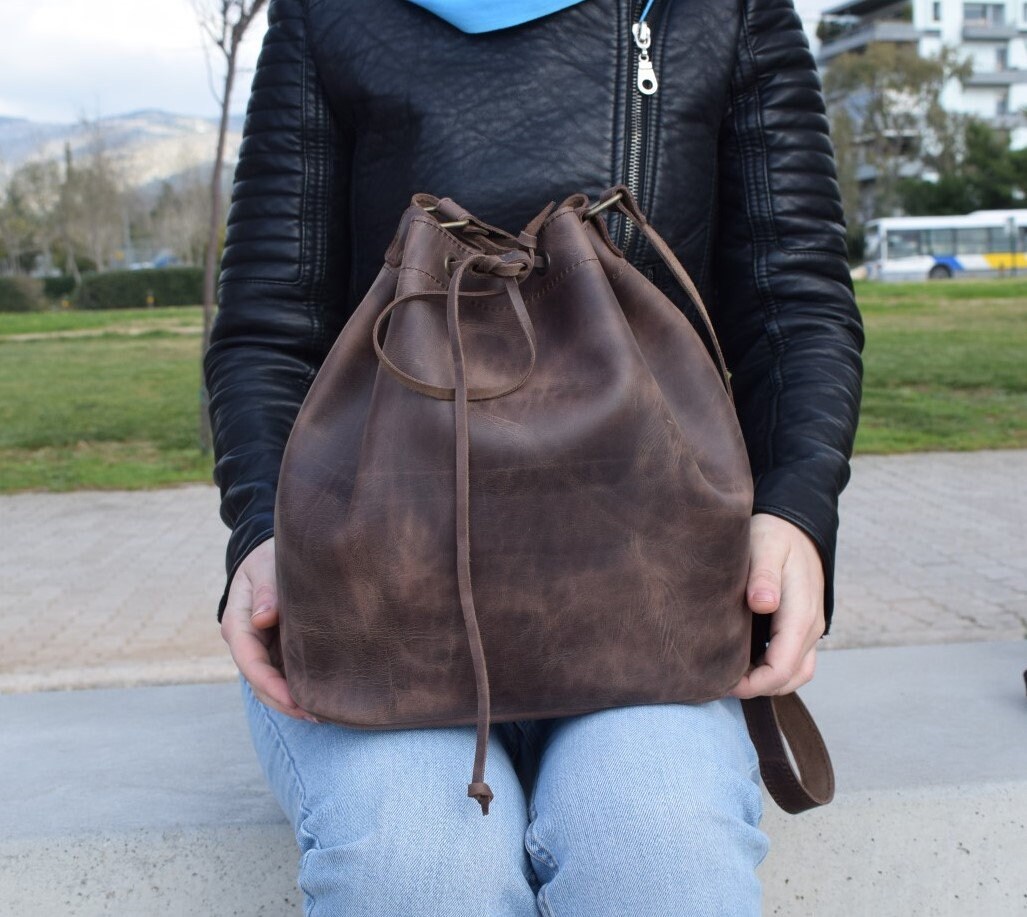
Leather handbags have long transcended their utilitarian purpose, evolving into powerful symbols of women’s independence and empowerment. Historically, the act of carrying a handbag has often been associated with a woman’s social status, personal style, and independence. As women gained more rights and recognition in society, the leather handbag became a representation of their ability to carve out their own identities and navigate the world on their own terms.
The association of leather handbags with women’s empowerment can be observed through various influential women who have embraced these accessories, transforming them into iconic symbols of strength and individuality.
Influential Women and Iconic Leather Handbags
Throughout history, several women have made significant contributions to the cultural significance of leather handbags. These figures have not only impacted fashion but have also shaped societal perceptions of women’s roles. Some notable examples include:
- Coco Chanel: A pioneer in women’s fashion, Chanel’s designs, including the legendary Chanel 2.55 handbag, empowered women to embrace elegance and independence.
- Jackie Kennedy: The former First Lady popularized the iconic Gucci handbag, which became synonymous with style and class, illustrating how accessories could elevate a woman’s presence in society.
- Princess Diana: Renowned for her fashion choices, Diana often carried exquisite leather handbags that symbolized her role as a modern, independent royal, challenging traditional norms.
- Michelle Obama: As a fashion icon, her choice of leather handbags, especially those from emerging designers, promoted the importance of supporting women in business and the arts.
The impact of these women highlights how leather handbags are not just fashion statements but are also intertwined with cultural movements advocating for women’s rights and self-expression.
Leather Handbags as Expressions of Self-Identity
Leather handbags serve as more than mere accessories; they play a crucial role in women’s self-expression and status. The choice of handbag can reflect personal style, social status, and even emotional well-being.
Many women select handbags that represent their individual identities, aspirations, or achievements. For example, a sleek leather tote may symbolize professionalism in a corporate setting, while a vibrant crossbody bag might reflect creativity and spontaneity. This variety allows women to communicate who they are without uttering a word.
“Handbags are an extension of a woman’s personality, providing a canvas for self-expression.”
Moreover, owning a high-quality leather handbag often signifies a level of success and achievement. The investment in such an item can convey confidence and status, further empowering women in both personal and professional realms.
In summary, leather handbags are not only practical accessories but also significant symbols of women’s empowerment, self-expression, and independence. They illustrate the evolution of women’s roles in society and serve as powerful tools for individual identity and status.
Sustainable Practices in Leather Handbag Production
The production of leather handbags has long been associated with various environmental impacts, but the industry is gradually shifting toward more sustainable practices. This transformation not only aims to reduce ecological damage but also caters to an increasingly eco-conscious consumer base. By exploring innovative materials and responsible manufacturing processes, brands are redefining how leather handbags can be produced while maintaining quality and style.
Traditional leather handbag manufacturing often involves significant environmental concerns. The tanning process, for example, typically utilizes toxic chemicals like chromium, which can contaminate local water sources and harm ecosystems. Moreover, the livestock industry, responsible for producing the leather, contributes to deforestation, greenhouse gas emissions, and water scarcity. These issues highlight the urgent need for sustainable alternatives in handbag production that minimize environmental footprints.
Innovative Sustainable Materials as Alternatives to Leather
As the fashion industry evolves, innovative materials are being developed to replace traditional leather, offering both ecological benefits and aesthetic appeal. Some of these alternatives are constructed from renewable resources, which reduce reliance on animal products and lessen environmental impact.
Examples of such materials include:
- Pineapple Leather (Piñatex): Made from the fibers of pineapple leaves, Piñatex is a biodegradable and sustainable alternative that utilizes agricultural waste.
- Mushroom Leather (Mylo): This innovative material is derived from mycelium, the root structure of mushrooms, providing a natural, durable, and compostable option.
- Apple Leather: Crafted from apple waste, this material is not only eco-friendly but also offers a unique texture and appearance suitable for fashion accessories.
- Recycled PET (rPET): This fabric is made from recycled plastic bottles, turning waste into stylish handbags while helping reduce plastic pollution.
The use of these materials not only minimizes environmental harm but also allows for greater creativity and diversity in design.
Comparison of Brands Prioritizing Sustainable Practices
Several brands are leading the charge in adopting sustainable practices in the leather handbag industry. They employ innovative materials and ethical manufacturing processes to ensure their products are environmentally responsible. Below is a comparison of notable brands that are committed to sustainability:
| Brand | Sustainable Practices | Materials Used | Certifications |
|---|---|---|---|
| Matt & Nat | 100% vegan, ethical production | Recycled nylon, cork, and rubber | Certified Vegan |
| Stella McCartney | Eco-conscious design, cruelty-free | Alternative leathers, organic cotton | Global Organic Textile Standard (GOTS) |
| Reformation | Transparency in supply chain | Upcycled materials, recycled polyester | Climate Neutral Certified |
| VEERAH | Socially responsible production | Pineapple leather, recycled materials | Fair Trade Certified |
Through these initiatives, brands not only promote sustainability but also inspire consumers to make more conscious choices, contributing to a more responsible fashion industry.
The Influence of Fashion Trends on Leather Handbag Designs
Fashion trends play a pivotal role in shaping the designs and aesthetics of leather handbags. Each season, designers draw inspiration from various sources, including runway shows, celebrity styles, and cultural movements, translating these influences into unique interpretations of functionality and style within leather handbags. As trends evolve, so too do the materials, colors, and silhouettes that dominate the market, reflecting the ever-changing landscape of consumer preferences.
The interplay between fashion trends and handbag designs is evident in how certain styles gain popularity while others fade. For instance, the resurgence of the ’90s grunge aesthetic recently led to the popularity of slouchy, oversized bags, while minimalist designs continue to attract consumers looking for timeless elegance. As we observe current styles, several predictions emerge regarding future trends for leather handbags.
Predictions for Future Trends in Leather Handbags
Based on the trajectory of fashion trends, several key predictions can be made for the future of leather handbags. As sustainability becomes increasingly important to consumers, eco-friendly materials and production methods are expected to rise in prominence. This shift may include the use of recycled leathers and cruelty-free alternatives that appeal to ethically-conscious shoppers. Additionally, technology integration within handbags is likely to evolve, with smart features such as embedded chargers and tracking devices becoming standard in modern designs.
The growing preference for personalization also indicates a future where custom-designed handbags take center stage. Brands may offer bespoke services allowing consumers to choose colors, materials, and even monograms, making handbags not just fashion accessories but also expressions of individual identity.
The Role of Fashion Influencers in Shaping Consumer Preferences
Fashion influencers play a significant role in dictating consumer preferences for handbags. These individuals, who often command large followings on social media platforms, have the ability to transform a handbag from a simple accessory into a must-have item almost overnight. Their endorsements and styling choices not only showcase the versatility of different designs but also establish trends that resonate with their audience.
Influencers often collaborate with brands to release limited-edition handbags, creating a sense of exclusivity and urgency that drives consumer demand. For example, when a popular influencer showcases a unique leather handbag in their daily outfits, their followers are likely to aspire to emulate that style, leading to increased sales for that particular item.
Overall, the relationship between fashion trends and leather handbags is dynamic, influenced by cultural shifts, technological advancements, and the power of social media. As we look ahead, it is evident that the evolution of handbag designs will continue to be shaped by these factors, reflecting the values and desires of consumers in a rapidly changing market.
Leather Handbags as Investment Pieces
Investing in high-end leather handbags has become increasingly popular among fashion enthusiasts and savvy investors alike. Beyond their aesthetic appeal and functional use, luxury handbags are perceived as valuable assets that can appreciate over time. Understanding the financial implications of purchasing these items is essential for anyone considering them as an investment.
Luxury handbags have shown remarkable resilience in the market, often retaining or even increasing their value over time. This trend is influenced by several key factors, including brand reputation, rarity, and the overall condition of the handbag. Notably, certain brands have established themselves as leaders in the luxury market, making their products more desirable to collectors and investors.
Resale Value of Luxury Handbag Brands
The resale value of luxury handbags can vary significantly depending on the brand and model. Analyzing past auction results and resale platforms reveals some interesting patterns. Below are examples of brands that tend to perform well in the resale market:
- Hermès: Known for its exclusivity, Hermès handbags, particularly the Birkin and Kelly models, often appreciate in value, sometimes selling for multiples of their original retail price.
- Chanel: Chanel bags, especially the Classic Flap, have shown steady value retention, often increasing in price as the brand raises retail prices periodically.
- Louis Vuitton: While some Louis Vuitton styles may depreciate, limited edition or discontinued models can achieve high resale values, particularly if they come with original packaging and documentation.
Factors influencing these resale values include the handbag’s condition, rarity, popularity of the brand, and current fashion trends. For instance, a limited edition handbag in pristine condition can command significantly higher prices than a more common model that shows signs of wear. Additionally, seasonal trends and celebrity endorsements can greatly affect demand.
The appreciation of luxury handbags can be seen as a hedge against inflation, where the value of tangible assets often outpaces that of cash.
In summary, the factors contributing to a handbag’s status as an investment piece include brand prestige, market demand, and the condition of the piece. When investing in luxury handbags, it is crucial to consider these elements to ensure that the investment will retain or appreciate in value over time. A well-researched purchase can not only enhance one’s wardrobe but also serve as a strategic financial asset.
Leather Handbags and Personal Style
Leather handbags serve as more than just functional accessories; they are essential elements that reflect personal style. Choosing the right leather handbag can enhance an outfit, convey sophistication, and showcase individuality. By understanding your personal style and the various options available, you can select a handbag that not only complements your wardrobe but also stands the test of time.
Identifying the perfect leather handbag involves recognizing the types of styles that resonate with you. Consider your wardrobe’s color palette, the materials you prefer, and the occasions you typically dress for. It’s beneficial to evaluate the practicality of a handbag alongside its aesthetic appeal.
Choosing a Leather Handbag
When selecting a leather handbag, it’s essential to align it with your personal style. Here are some considerations to help you make an informed choice:
- Style: Determine whether your style is classic, bohemian, modern, or sporty. Classic styles typically feature structured silhouettes, while bohemian styles can be more relaxed and textured.
- Color: Choose colors that complement your wardrobe. Neutrals like black, brown, and beige offer versatility, while bold colors can make a statement.
- Functionality: Consider the purpose of the handbag. Whether it’s for everyday use, special occasions, or travel, choose a design that meets your needs.
- Quality: Invest in high-quality leather that promises durability and longevity. Look for reputable brands known for craftsmanship.
Styling Leather Handbags with Outfits
Incorporating leather handbags into various outfits can elevate your style game significantly. Here are some tips on how to style them for different occasions:
- Casual Outings: Pair a slouchy leather tote with a simple t-shirt and jeans for a chic yet comfortable look.
- Work Attire: A structured leather satchel complements tailored suits or professional dresses, adding polish to your office look.
- Evening Events: Opt for a sleek, clutch-sized handbag in a metallic finish or unique design to complement cocktail dresses.
- Weekend Getaways: Choose a spacious crossbody bag that is both stylish and functional for carrying essentials during travels.
Maintaining Leather Handbags
To ensure the longevity and continued style of your leather handbag, regular maintenance is crucial. Here are key maintenance tips:
- Cleaning: Use a soft cloth to wipe down your handbag regularly, removing dust and dirt. For deeper cleaning, use a leather cleaner specifically designed for the material.
- Conditioning: Apply a leather conditioner every few months to keep the leather supple and prevent cracking.
- Storage: Store handbags in a cool, dry place. Use dust bags when storing to protect them from dust and scratches.
- Avoid Excess Moisture: Keep your handbag away from water and humidity. If it gets wet, dry it slowly at room temperature, avoiding direct heat.
“A well-chosen handbag not only enhances your outfit but also reflects your personality and style.”
The Global Market for Leather Handbags
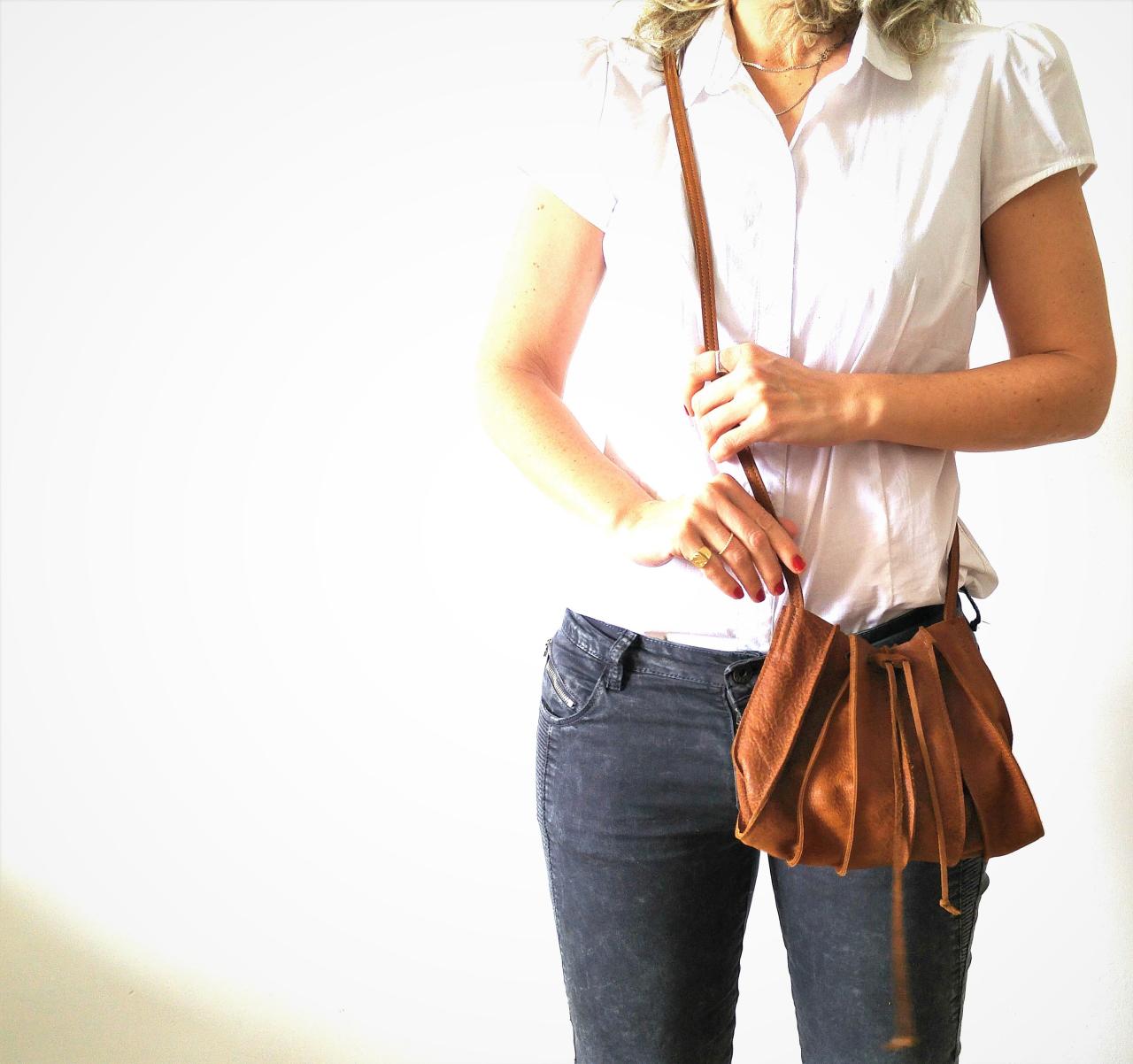
The global market for leather handbags has seen dynamic changes in recent years, driven by various factors including consumer preferences, economic conditions, and the emergence of new markets. As fashion trends evolve and sustainability becomes a priority, the leather handbag industry is adapting to meet the demands of a changing clientele.
Current trends in the leather handbag market highlight an increasing preference for luxury and handcrafted items, alongside a growing awareness of ethical sourcing and sustainable practices. Consumers are prioritizing quality over quantity, leading to a rise in demand for unique, artisanal products rather than mass-produced items. Additionally, the growth of e-commerce has transformed how consumers shop for leather handbags, making it easier for them to access a wider variety of brands and styles from anywhere in the world.
Impact of Global Economies on Demand
The demand for leather handbags is significantly influenced by global economic conditions. As disposable incomes increase, particularly in developed nations, consumers are more willing to invest in premium products. Conversely, economic downturns often lead to reduced spending on luxury items. Countries with expanding middle classes, such as India and Brazil, are witnessing notable increases in demand for leather handbags as more consumers enter the market for high-end goods.
Factors impacting this relationship include:
- Economic Growth: Countries experiencing robust economic growth typically see increased consumer spending on luxury goods.
- Currency Fluctuations: Changes in currency value can affect the affordability of imports, impacting demand for leather handbags in various regions.
- Trade Policies: Import tariffs and trade agreements can influence market accessibility and pricing, affecting overall demand.
Emerging Markets in the Leather Handbag Industry
Emerging markets are becoming significant players in the leather handbag industry, influenced by rising disposable incomes, urbanization, and a growing penchant for luxury goods. These markets are expanding their consumer bases and significantly impacting global trends.
Key emerging markets include:
- China: As one of the largest consumers of luxury goods, China’s demand for high-quality leather handbags is increasing rapidly, driven by a younger, affluent population.
- India: The burgeoning middle class in India is contributing to the growth of the leather handbag market, with a strong inclination towards fashion and brand consciousness.
- Latin America: Countries such as Brazil and Mexico are experiencing growth in luxury brand consumption, aided by a shifting cultural attitude towards luxury and personal style.
In summary, the global leather handbag market is shaped by evolving consumer preferences, economic conditions, and the rise of emerging markets, all of which are creating new opportunities and challenges for brands within the industry.
Final Thoughts
In summary, leather handbags are far more than mere accessories; they encapsulate history, artistry, and personal empowerment. As we look ahead, the handbag industry continues to evolve with a focus on sustainability and innovative design, ensuring that these timeless pieces remain relevant. Whether as a fashion statement or an investment, leather handbags will always hold a significant place in our wardrobes and in the narrative of fashion.
Top FAQs
How do I clean my leather handbag?
To clean your leather handbag, use a damp cloth and a gentle leather cleaner. Avoid soaking the leather and dry it naturally.
Can leather handbags be repaired?
Yes, many leather handbags can be repaired by professional cobblers who specialize in leather work.
Are leather handbags waterproof?
Most leather handbags are not waterproof, but they can be treated with a waterproofing spray for added protection.
How can I tell if a leather handbag is authentic?
Look for quality stitching, the feel of the leather, and any brand stamps or serial numbers that verify authenticity.
What are some popular brands of leather handbags?
Some well-known brands include Louis Vuitton, Gucci, Prada, and Hermès, each offering unique styles and quality.