
 Widya pasha
Fashion bags have always been more than mere accessories; they are expressions of identity and culture. Over the decades, they have transitioned through various styles, materials, and social significances, reflecting the zeitgeist of their times. From the elegant leather handbags of the 1950s to the trendy eco-friendly designs of today, these bags tell stories of societal changes and personal statements.
As we explore the fascinating world of fashion bags, we’ll delve into their historical evolution, the materials that define their appeal, and the role they play as status symbols. Additionally, we’ll examine how social media has reshaped trends and the growing demand for customization, alongside the future innovations that promise to enhance functionality and style. Join us in discovering the multifaceted realm of fashion bags and their enduring impact on our lives.
Fashion bags have evolved significantly through different eras in history.
Fashion bags are more than mere accessories; they are reflections of societal changes, cultural shifts, and artistic movements throughout history. The evolution of these bags has been influenced by multiple factors, including technological advancements, changes in women’s roles, and the rise of fashion as a form of self-expression. From the practical necessities of earlier generations to today’s designer statements, fashion bags embody the spirit of their times.
The evolution of fashion bags is deeply intertwined with the cultural and social changes that have taken place across different eras. In the early 20th century, the emergence of the flapper culture during the 1920s led to the creation of smaller, more chic bags that complemented the short dresses of the time. These bags were designed to be functional yet stylish, accommodating the new freedoms experienced by women. The significant shift in women’s roles during World War II also influenced bag designs, as practicality became paramount.
After the war, the 1950s saw a resurgence of femininity, which was reflected in the iconic designs of bags like the ‘Kelly Bag’ from Hermès. Named after actress Grace Kelly, this bag epitomized elegance and sophistication, symbolizing women’s refined roles in society. The 1960s and 1970s brought about the revolution of the hippie movement, leading to the introduction of slouchy and bohemian-style bags that encouraged individuality and self-expression.
The 1980s were marked by extravagant styles, with bold colors and oversized designs, reflecting the excesses of the decade. Fashion icons such as Madonna influenced the popularity of edgy bags like the ‘Louis Vuitton Speedy’ which became a status symbol. The 1990s shifted towards minimalism with sleek designs like the ‘Fendi Baguette’, which represented a more understated form of luxury. This decade also embraced the influence of pop culture, as the bag became a staple among celebrities and in television shows, thereby elevating its status in the fashion hierarchy.
Iconic bags from various decades and their significance
Throughout history, several bags have emerged as icons, each representing the zeitgeist of its time. Understanding their significance offers a glimpse into the evolving nature of fashion:
- Chanel 2.55 (1955): Created by Coco Chanel, this bag introduced the concept of the crossbody style and became synonymous with chic elegance.
- Hermès Birkin (1984): A symbol of luxury and exclusivity, the Birkin bag is often deemed the most coveted handbag in the world.
- Louis Vuitton Neverfull (2007): This versatile tote reflects the modern woman’s need for functionality combined with luxury.
- Balenciaga City Bag (2001): A pioneer of the “it bag” trend, it represents the shift towards casual luxury and street style.
The significance of these bags lies not only in their design but also in their connection to the social and cultural narratives of their time. Each iconic bag tells a story, encapsulating the spirit of the era it represents and the women who embraced it. As fashion continues to evolve, so too will the bags that accompany it, always reflecting the changing tides of culture and society.
The materials used in fashion bags play a crucial role in their appeal and durability.
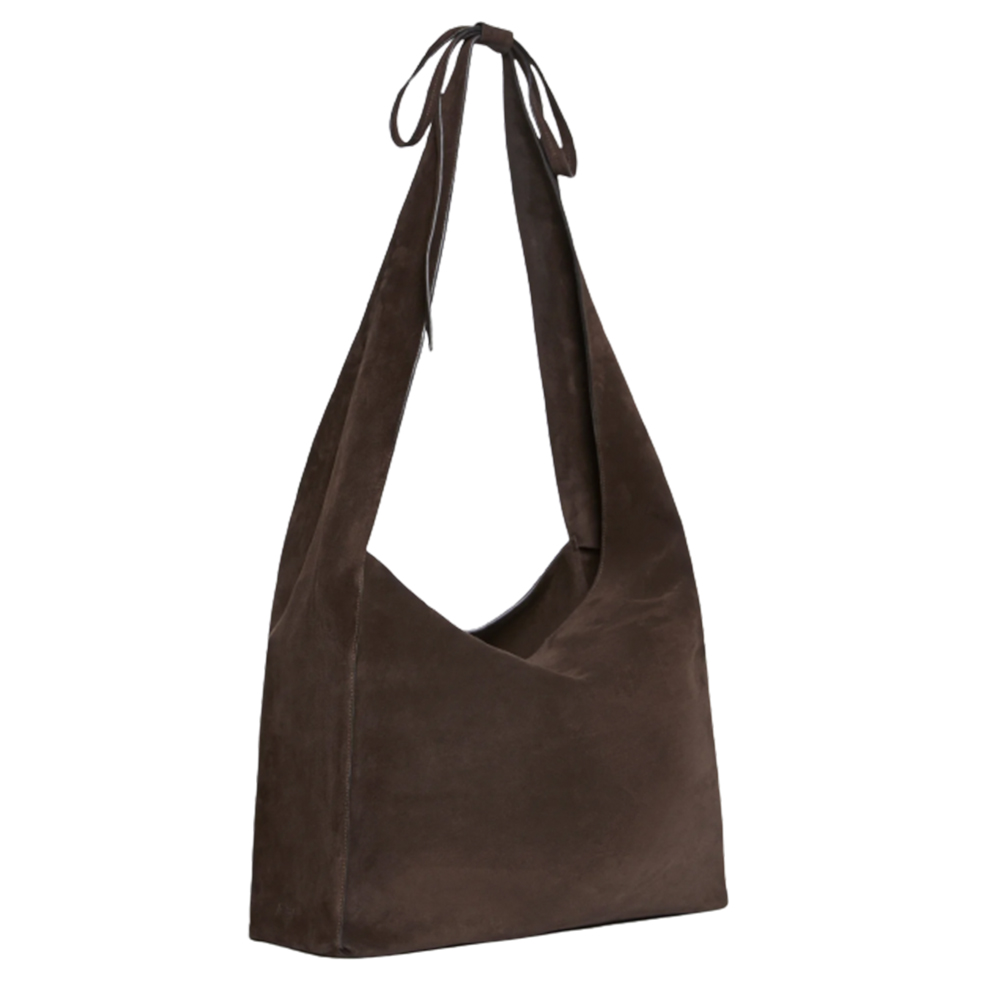
The choice of materials in fashion bags is essential, significantly influencing both aesthetics and longevity. High-end brands invest in premium materials not only for their luxurious appearance but also for their ability to withstand the test of time. Understanding the characteristics of these materials can help consumers make informed decisions and appreciate the craftsmanship behind their favorite accessories.
The most common materials used in high-end fashion bags include leather, canvas, and various synthetic options. Each material brings its own unique qualities and benefits to the table, impacting not only the visual appeal but also the bag’s durability and price point. For instance, leather is a popular choice due to its timeless elegance and durability, often getting better with age. Canvas, on the other hand, offers a more casual look while still being sturdy and functional.
Common materials in high-end fashion bags
Several materials stand out in the world of luxury fashion bags, each chosen for specific characteristics. The following list highlights some of the most prevalent materials and their features:
- Leather: Renowned for its durability and elegance, leather comes in various types, including full-grain, top-grain, and suede. High-quality leather bags can last for decades if cared for properly, making them a worthwhile investment.
- Canvas: This material is known for its strength and versatility. Designer labels often use high-grade cotton canvas that can be treated for water resistance, making it ideal for everyday use.
- Synthetic materials: Including options like nylon and PVC, these materials can offer a stylish alternative to leather at a lower price point. They are typically more resistant to stains and moisture.
- Exotic skins: Materials such as crocodile, python, and ostrich are used for their unique textures and patterns. These bags often come with a higher price tag due to their rarity and the intricate crafting process involved.
The growing awareness of environmental issues has led to a rise in sustainable materials within the fashion industry. Designers are increasingly turning to eco-friendly alternatives that minimize environmental impact, such as recycled plastics, organic cotton, and plant-based leathers. These innovations not only appeal to environmentally conscious consumers but also showcase the versatility and creativity within sustainable fashion.
Impact of material choice on price and market value
Material choice directly influences the pricing and market value of fashion bags. High-end brands often use premium materials to justify their price points, while also positioning themselves within the luxury market. The durability, aesthetic appeal, and brand reputation associated with specific materials can significantly affect resale values as well.
Factors influencing the price include:
- Material quality: Higher quality materials usually correlate with higher production costs, directly affecting retail prices.
- Brand positioning: Luxury brands often command premium prices due to their established market presence and perceived value.
- Craftsmanship: Handcrafted items or those featuring intricate detailing and finishing often see elevated prices because of the labor-intensive processes involved.
In conclusion, the choice of materials in fashion bags not only enhances their appeal and durability but also plays a crucial role in determining their market value. As sustainability continues to reshape the industry, the future of fashion bags will likely see even more innovative material options that align with eco-friendly values.
Fashion bags serve as status symbols in society and reflect personal style.
Fashion bags have transcended their functional purpose and evolved into powerful status symbols. They are not just accessories; they embody a narrative about the wearer’s lifestyle, aspirations, and identity. The choice of a fashion bag can signal wealth, taste, and individuality, acting as a visual representation of one’s personal style and social position.
Different fashion bags convey distinct messages about the wearer, establishing a direct connection between material possession and personal identity. For instance, a classic Chanel handbag often signals sophistication and timeless elegance, appealing to those who value heritage and luxury. In contrast, a trendy streetwear brand bag may reflect a more contemporary and casual vibe, often associated with an adventurous and youthful spirit. The color, design, and brand of the bag further enrich this narrative, allowing individuals to express their personality and social status without saying a single word.
Psychological Aspects of Investing in Luxury Bags
The psychological motivations behind the investment in luxury bags are complex and multifaceted. Owning a luxury bag can offer a sense of achievement and validation, often linked to societal standards of success. Many individuals perceive luxury items as symbols of hard work and accomplishment, reinforcing their self-esteem. Furthermore, the innate desire to belong to an exclusive group often drives fashion bag purchases, where the brand itself serves as a gatekeeper to social circles.
A luxury bag’s ability to evoke emotions plays a crucial role in its desirability. The craftsmanship, history, and exclusivity associated with high-end brands create a sense of belonging and pride among owners. This emotional connection is often what transforms a simple purchase into a long-term investment.
Influence of Celebrities and Trendsetters on Bag Trends
Celebrities and influencers significantly impact bag trends, shaping consumer preferences and brand popularity. Their choices often dictate what becomes fashionable and desirable, leading to increased demand for specific styles. For example, when Meghan Markle was spotted carrying a structured tote from a lesser-known designer, it resulted in a surge of interest and sales for that brand.
Influencers like Chiara Ferragni and Aimee Song have also played pivotal roles in promoting specific bags through social media, effectively creating buzz and driving trends. Their large followings mean that their endorsements can rapidly elevate a brand’s status, making it a must-have among their audience.
“The right bag can elevate an outfit and a status in the eyes of society.”
The cyclical nature of fashion, where styles come back into prominence, can also be credited to celebrity influence. Vintage bags from iconic brands, such as Gucci and Louis Vuitton, have seen a resurgence thanks to celebrities who bravely pair these retro pieces with modern outfits, reinforcing the idea that fashion is both a personal statement and a societal commentary.
Understanding the different types of fashion bags can help consumers make informed choices.
Fashion bags serve not only as practical accessories but also as style statements that reflect personal taste and lifestyle choices. With a variety of options available, understanding the different types of bags can greatly enhance your shopping experience. Each type of bag comes with its unique features, functions, and design aesthetics that cater to various occasions and needs.
When choosing a fashion bag, it’s essential to consider both functionality and style. This can help you make an informed decision that aligns with your lifestyle and fashion preferences. Below, we will explore some popular categories of fashion bags, highlighting their specific characteristics, and offering insights on how to select the perfect bag for any occasion.
Types of Fashion Bags
The diverse world of fashion bags includes several key categories, each designed for specific uses and styles. Understanding these categories can help consumers choose wisely:
- Totes: Totes are large, often unfastened bags featuring parallel handles. Their spacious interior makes them ideal for carrying daily essentials, from groceries to gym gear. Totes come in various materials and designs, and they often showcase bold patterns, making them a stylish choice for casual outings.
- Clutches: Clutches are small bags typically designed to be held in hand or tucked under the arm. They are perfect for formal events, offering just enough space for the essentials like a phone, keys, and makeup. Their elegant designs often feature embellishments, making them a fashionable choice for evening wear.
- Crossbody Bags: Crossbody bags are worn across the body with a long strap, providing hands-free convenience. These bags are ideal for travel or everyday errands, as they keep your belongings secure while allowing for easy access. They come in various styles, from casual canvas to chic leather options.
- Backpacks: Once seen primarily as functional items for students, backpacks have evolved into stylish fashion accessories. Modern designs incorporate high-quality materials and trendy patterns, making them suitable for both casual and semi-formal occasions. They offer ample storage space and are perfect for those who need to carry more than just the basics.
- Shoulder Bags: Shoulder bags feature a single strap for easy carrying over one shoulder. They come in numerous sizes and styles, making them versatile for everyday use. These bags often combine fashion and function, providing enough space for essentials while adding a stylish touch to an outfit.
The choice of bag depends greatly on the occasion and your personal style. When selecting a bag, consider the following tips:
- For casual outings: Opt for totes or crossbody bags that offer flexibility and convenience.
- For formal events: Clutches or elegant shoulder bags can elevate your outfit and provide a touch of sophistication.
- For travel: Choose a backpack or a spacious tote that allows you to carry all your essentials while remaining stylish.
- For daily use: A versatile shoulder bag or crossbody can accommodate your daily essentials without compromising on style.
“Choosing the right bag is not just about functionality, but also about how it complements your personal style.”
Recognizing the unique features of each type of fashion bag can empower you to make choices that not only meet your practical needs but also reflect your individuality and style preferences.
The impact of social media on fashion bag trends cannot be overlooked.
Social media has dramatically transformed the fashion industry, particularly in how trends emerge and gain traction. Platforms like Instagram and TikTok have become vital spaces for brands and influencers to showcase fashion bags, influencing consumer choices in unprecedented ways. Through vibrant visuals and engaging content, these platforms not only highlight new designs but also create a sense of urgency and aspiration among followers.
The influence of social media extends beyond just eye-catching images. It shapes consumer preferences through the curated aesthetics presented by influencers and brands. With millions of followers, these influencers have the power to sway purchasing decisions, often positioning certain bags as must-have items. The collaborative efforts between brands and trendsetters further enhance this impact, making social media an essential tool for modern marketing strategies.
Influencers and Brand Collaborations
The synergy between influencers and fashion brands has led to the emergence of trends that might otherwise go unnoticed. Influencers act as taste-makers, providing a personal touch that resonates with their audience. This relationship often results in exclusive collaborations, amplifying the exposure of particular bag styles. For instance, when a popular influencer launches a limited-edition bag with a known brand, it generates buzz and immediate demand.
This collaboration is not limited to just high-profile influencers; micro-influencers also play a crucial role. They tend to have more engaged audiences, which can lead to higher conversion rates for brands. For example, the collaboration between a niche influencer and a contemporary bag brand may yield a viral sensation, as their followers often trust their recommendations more than traditional advertisements.
The effectiveness of these collaborations is evident in the rapid rise of certain bag styles. The recent surge in popularity of crossbody bags can be attributed to influencers showcasing them in their everyday outfits, often styled in unique ways that resonate with their followers. This visibility not only drives sales but also sets new aesthetic standards within the community.
Viral Bag Trends Originating from Social Media
Social media has proven to be a fertile ground for viral bag trends, which often start as organic posts or challenges. The “Baguette Bag,” for instance, gained renewed popularity thanks to its frequent appearances on TikTok, where users showcased their outfits styled with this classic accessory. As videos featuring the bag amassed millions of views, it quickly regained its status as a fashion staple.
Another notable example is the “Mini Bag” trend, which exploded on Instagram as influencers began to flaunt these pint-sized accessories in various settings. Their whimsical nature and the challenge of fitting essentials into such small bags sparked widespread interest, leading to a frenzy among consumers eager to own the trendiest mini bags.
Moreover, the hashtag culture on social media plays a significant role in promoting these trends. Campaigns like #BagTok on TikTok have become a go-to for users searching for the latest in fashion bags, creating a community where trends can spread rapidly. The cross-pollination of style ideas across platforms fosters a dynamic environment where new trends can emerge overnight.
In conclusion, the impact of social media on fashion bag trends is profound, shaping consumer behavior through influencers and viral trends. This new landscape has changed the way fashion bags are marketed and consumed, highlighting the importance of keeping up with social media dynamics for both brands and consumers alike.
Customization and personalization in fashion bags are becoming increasingly popular.
The trend of customization and personalization in fashion bags is gaining momentum, reflecting a broader shift towards individuality in style. Consumers are no longer satisfied with off-the-shelf options; they seek unique pieces that resonate with their personal identity and lifestyle. This shift not only caters to personal tastes but also allows for deeper emotional connections with the products they carry.
One of the most exciting aspects of this trend is the array of methods available for personalizing bags today. From monogramming to bespoke designs, consumers can express their individuality in numerous ways. Many brands now offer customization options that enable buyers to select colors, materials, sizes, and even embellishments. For instance, leather goods can be embossed with initials or names, while canvas bags can feature custom artwork or messages.
Methods of Personalization
The various methods consumers can utilize to personalize their bags have created a rich landscape of possibilities. Here are some popular options:
- Monogramming: Adding initials or names to bags has become a standard personalization method. This is often done through embroidery or embossed lettering, creating a classic and elegant touch.
- Custom Colors: Many brands allow customers to choose specific colors for different elements of the bag, including straps, linings, and hardware, ensuring a cohesive look that reflects personal style.
- Special Materials: Consumers can opt for unique materials, such as exotic leathers or sustainable fabrics, tailored to their preferences, enhancing both aesthetics and functionality.
- Artwork and Graphics: Some brands offer the ability to print custom designs, patterns, or graphics on bags, allowing for a truly one-of-a-kind piece.
- Modular Components: Certain brands are leading the way by offering bags with removable and interchangeable parts, enabling customers to change the look of their bag without needing to buy a new one.
The benefits of customized bags extend beyond mere aesthetics. They provide a canvas for individual expression, allowing consumers to showcase their personality through their accessories. Customized bags can also foster a sense of ownership and pride, as they embody unique stories and experiences. For example, a bag adorned with family initials may hold sentimental value, serving as a reminder of cherished moments.
Leading Brands in Customization
Several brands have emerged as frontrunners in the customization of fashion bags, offering innovative options that cater to consumers’ desires for personal expression.
Some noteworthy examples include:
- Louis Vuitton: Known for its iconic monogram bags, Louis Vuitton also provides a “My LV World Tour” service, allowing customers to personalize their bags with patches and initials.
- Coach: Coach offers an extensive range of personalization options, from embossing to custom color combinations, making each bag a unique representation of its owner.
- Burberry: The British brand allows customers to add their initials to select bags, along with the option to customize the bag’s fabric and color palette.
- Fendi: Fendi’s “Baguette Bag” can be personalized with charms and embellishments, offering a playful and trendy twist on bag customization.
- Michael Kors: This brand provides a variety of customizable products where customers can add initials or choose from a range of styles and colors to tailor their bags.
The growing trend of customization in fashion bags signifies a shift towards more personal, expressive, and meaningful consumer products. As brands continue to innovate and expand their offerings, the possibilities for individual expression through personalized bags are boundless.
The future of fashion bags is being shaped by technology and innovation.
The landscape of fashion bags is rapidly evolving, driven by advances in technology and innovative design concepts. As consumers increasingly seek functionality without sacrificing style, the integration of technology into fashion bags is set to redefine what we expect from our accessories. This transformation is not only enhancing the utility of bags but also shaping the future of the fashion industry itself.
Modern bag design is now incorporating smart technology to meet the needs of tech-savvy consumers. These innovations are enhancing the functionality of bags, offering features that were once unimaginable. With the rise of smart bags, we see a merging of fashion and technology that has the potential to significantly impact consumer behavior and the fashion market.
Integration of Technology in Bag Design
Innovations in design are reflecting a broader trend towards smarter, more functional fashion bags. The integration of technology into bag design has led to several noteworthy features:
– Smart Charging Capabilities: Many new bags now come equipped with built-in power banks, allowing users to charge their devices on the go. For instance, brands like ChargeIt have introduced bags with integrated USB ports that connect to portable chargers. This feature is especially popular among travelers and commuters.
– RFID Protection: With increasing concerns over identity theft, many bags are now designed with RFID-blocking technology. This innovative design prevents unauthorized scanning of credit cards and personal information, providing an added layer of security for the consumer.
– Customizable Smart Features: Some fashion brands are experimenting with customizable bags that can change color or pattern through an app. For example, the brand ‘Swaag’ has developed a bag that can shift its appearance based on user preferences, combining aesthetics with technology.
– App Integration: Certain bags are designed to connect to smartphone apps, offering features like tracking the bag’s location or monitoring its contents. The ‘Wander’ backpack, for instance, includes a built-in GPS tracker that syncs with an app, ensuring that users never lose their belongings.
“The future of fashion bags lies in the intersection of style, functionality, and technology, creating a new standard for consumer expectations.”
Innovation in fashion bags is not just about adding gadgets; it’s about rethinking the relationship consumers have with their accessories. As technology continues to advance, we can expect even more groundbreaking features that blend practicality with high fashion. The combination of style, convenience, and smart technology is paving the way for a new era in the realm of fashion bags, setting a high bar for future designs.
Final Conclusion
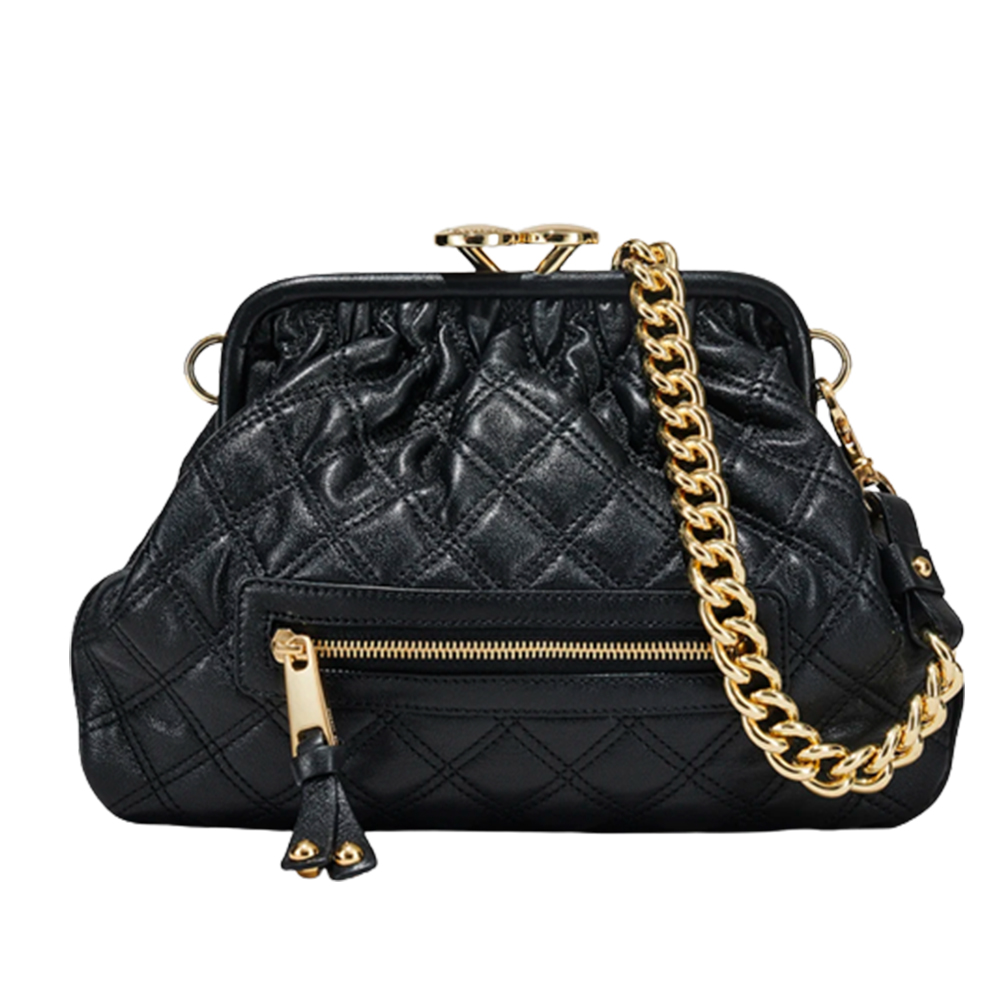
In conclusion, fashion bags are not just about utility; they encapsulate history, culture, and personal expression. As we navigate through an ever-changing landscape influenced by social media and technological advancements, it’s clear that these accessories will continue to evolve. Whether serving as a status symbol or a unique expression of individuality, fashion bags will remain a vital part of our wardrobes and a reflection of who we are in society.
Top FAQs
What are the most popular materials used in fashion bags?
Common materials include leather, canvas, nylon, and faux leather, each offering different durability and aesthetic appeal.
How can I clean and maintain my fashion bags?
Regular cleaning, using appropriate materials for each type, and storing them properly can significantly extend your bag’s life.
What trends are currently popular in fashion bags?
Currently, oversized bags, sustainable materials, and bold prints are trending, alongside unique personalization options.
Are there any eco-friendly brands for fashion bags?
Yes, brands like Stella McCartney and Matt & Nat focus on sustainable practices and materials in their bag designs.
How do I choose the right bag for a formal event?
Opt for clutches or elegant crossbody bags in materials like satin or leather, and ensure they complement your outfit color and style.