
 Widya pasha
Coffee makers have revolutionized the way we brew and enjoy our favorite caffeinated beverages. From traditional drip machines to sophisticated espresso makers, the variety of options available can be both exciting and overwhelming. Each type of coffee maker offers a unique brewing experience, influencing not just the taste but also the culture surrounding coffee. Whether you’re a casual drinker or a dedicated enthusiast, understanding the nuances of these machines can enhance your coffee journey.
This overview will guide you through the different types of coffee makers, delve into the brewing process, and highlight essential maintenance tips. We’ll explore popular brands and models, the importance of energy efficiency, and the customization options that allow you to tailor your coffee just the way you like it. Join us as we uncover the fascinating world of coffee makers and their impact on our daily rituals.
Understanding the Different Types of Coffee Makers

Coffee makers come in various types, each designed to meet the diverse preferences and brewing needs of coffee enthusiasts. With a plethora of options available, understanding the differences among them can help you choose the perfect machine for your morning routine. This exploration will delve into the prominent types of coffee makers, highlighting their key characteristics, advantages, and disadvantages.
Drip Coffee Makers
Drip coffee makers are perhaps the most common and widely used type of coffee machine. They consist of a water reservoir, a filter basket, and a carafe. These machines brew coffee by heating water and then dripping it over ground coffee contained in a filter.
- Example: Mr. Coffee 12-Cup Coffee Maker
- Key Characteristics: Typically brew large quantities (up to 12 cups) and offer programmable features.
The advantages of drip coffee makers include ease of use and the ability to brew multiple cups at once. However, the flavor may not be as robust as other methods, and they often lack the customization options available in more advanced machines.
Single-Serve Coffee Makers
Single-serve coffee makers have surged in popularity due to their convenience. These machines use pre-packaged coffee pods or capsules, allowing users to brew a single cup of coffee at a time.
- Example: Keurig K-Elite Coffee Maker
- Key Characteristics: Quick brewing time and a wide variety of available coffee flavors.
The main advantage is their quick preparation and minimal cleanup. However, the cost of coffee pods can add up over time, and the flavor may not match that of freshly ground coffee.
French Press
The French press, or press pot, is a manual brewing method that involves steeping coarsely ground coffee in hot water and then pressing down a plunger to separate the grounds from the liquid.
- Example: Bodum Chambord French Press
- Key Characteristics: Simple design and ability to control steeping time.
One of the major advantages is the rich and full-bodied flavor produced due to direct contact between water and coffee grounds. However, the process requires more effort and time, and it may result in sediment in the cup.
Espresso Machines
Espresso machines brew coffee by forcing hot water through finely-ground coffee under pressure. They are favored by coffee connoisseurs for their ability to create rich, concentrated coffee.
- Example: Breville Barista Express
- Key Characteristics: Can produce a variety of drinks including lattes and cappuccinos.
Espresso machines offer high-quality coffee and versatility, but they generally require a learning curve for proper use and can be more expensive than other options.
AeroPress
The AeroPress is a portable coffee maker that uses air pressure to push hot water through coffee grounds. It is known for its versatility and ease of use.
- Example: AeroPress Coffee and Espresso Maker
- Key Characteristics: Compact design and ability to brew a single cup quickly.
Advantages include its affordability and the ability to brew coffee in under two minutes. However, it may not be suitable for brewing larger quantities at once.
The Brewing Process in Coffee Makers
The brewing process is a crucial aspect of coffee making that significantly influences the final taste and aroma of the beverage. Different coffee makers utilize varying methods to extract flavors from coffee grounds, and understanding these processes can transform a simple cup of coffee into a delightful experience. The science behind brewing involves several key factors, including temperature, time, and grind size, each contributing to the overall flavor profile of the coffee.
Factors Influencing the Brewing Process
The brewing process is not merely about hot water meeting coffee grounds; it’s a complex interaction that results in an array of flavors and aromas. Several factors affect this process, each playing a vital role in how coffee is extracted and enjoyed.
1. Temperature: The temperature of the water is one of the most critical factors in brewing coffee. Optimal brewing temperatures usually range between 195°F to 205°F (90°C to 96°C). At these temperatures, the water effectively extracts soluble compounds from the coffee grounds. If the water is too hot, it can lead to over-extraction, resulting in a bitter taste. Conversely, water that is too cold may under-extract, producing a weak and sour flavor. The relationship between temperature and extraction can be summarized in the following way:
“Higher temperatures enhance the extraction of oils and acids, while lower temperatures can leave coffee flat and underwhelming.”
2. Time: The duration of the brewing process also significantly affects flavor. Different brewing methods have varying optimal steep times. For instance, espresso requires a quick extraction of about 20-30 seconds, while French press coffee typically brews for 4-5 minutes. Longer brew times can lead to over-extraction, while shorter times may not fully utilize the coffee’s flavor potential. The balance of time and temperature is essential, as it determines how efficiently the water interacts with the coffee grounds.
3. Grind Size: The size of the coffee grind influences the surface area exposed to water and thus affects extraction. Finer grinds have more surface area, allowing for quicker extraction, which is suitable for methods like espresso. Coarser grinds are better for slower extraction methods like cold brew or French press. Using an inappropriate grind size for a specific brewing method can lead to undesirable flavors, either overpowering or lacking in complexity.
4. Water Quality: The quality and composition of the water used can also impact the final cup. Pure, filtered water is typically best, as minerals in the water can enhance the extraction process. Hard water, containing high levels of calcium and magnesium, can sometimes lead to a more robust flavor, while overly soft water may dilute the coffee’s taste.
5. Coffee-to-Water Ratio: The ratio of coffee to water is a fundamental aspect of brewing. A common guideline is using 1 to 2 tablespoons of coffee for every six ounces of water. Adjusting this ratio can either intensify or mellow the flavor. Too much coffee can make a brew overly strong and bitter, while too little can result in a weak brew.
In summary, the brewing process of coffee is an intricate dance between temperature, time, grind size, and other factors. Understanding these elements allows coffee enthusiasts to experiment with their brewing methods, leading to a more tailored and enjoyable cup.
Maintenance Tips for Coffee Makers
To enjoy a great cup of coffee every day, it is crucial to keep your coffee maker in optimal condition. Regular maintenance not only improves the quality of your brew but also extends the lifespan of the machine. Neglecting your coffee maker can lead to buildup, malfunctions, and an overall decline in coffee flavor. This section Artikels essential maintenance practices, common issues you might encounter, and safe cleaning procedures for various types of coffee makers.
Essential Maintenance Practices
Proper maintenance of your coffee maker involves several key practices that ensure its longevity and efficient performance. Performing these will result in fresher coffee and fewer repairs over time.
- Regular Descaling: Over time, minerals from water can build up inside your coffee maker. Descaling every 1-3 months using a mixture of equal parts water and white vinegar will help dissolve these deposits, ensuring smooth operation.
- Daily Cleaning: After each use, ensure to empty and rinse the carafe, filter basket, and any other removable parts. This prevents the buildup of coffee oils and residue that can affect the taste.
- Monthly Deep Cleaning: Once a month, disassemble your machine to clean all parts thoroughly. Use warm, soapy water and a soft brush to remove stubborn stains or deposits.
Common Issues and Solutions
Coffee makers can face a variety of problems that may affect brewing quality. Here are some common issues and their solutions:
- Leakage: Often caused by a faulty seal or a cracked carafe. Check the carafe for cracks, and ensure that the seal around the water reservoir is intact.
- Weak Coffee: This may be due to old coffee beans or insufficient brewing time. Ensure your beans are fresh and adjust the brewing time settings if applicable.
- Burnt Coffee: A common issue with thermal coffee makers. Ensure the temperature is set correctly and avoid keeping coffee on the hot plate for too long.
Cleaning Different Types of Coffee Makers
Cleaning methods vary based on the type of coffee maker you have. Here’s a step-by-step process for cleaning common types:
Drip Coffee Makers:
1. Start by unplugging the machine and removing the coffee grounds and filters.
2. Fill the reservoir with a mixture of vinegar and water (1:1 ratio).
3. Run a brewing cycle and then allow the solution to sit for 15-30 minutes.
4. Rinse thoroughly by running two to three cycles with clean water.
Single-Serve Coffee Makers:
1. Disassemble the water reservoir and brew basket.
2. Clean these parts with warm, soapy water, and rinse.
3. Fill the reservoir with equal parts vinegar and water and run a brew cycle without a coffee pod.
4. Rinse with clean water by running additional cycles.
French Press:
1. After use, disassemble the plunger and filter.
2. Rinse all parts with warm water to remove coffee oils.
3. Use a soft brush to clean the filter screen if necessary.
4. Allow all parts to air dry completely before reassembling.
By following these maintenance tips, you can ensure your coffee maker remains in excellent working condition, producing delicious coffee for years to come.
Popular Coffee Maker Brands and Models
The coffee maker market is saturated with various brands and models, each boasting unique features designed to cater to different preferences and brewing styles. Among these, a few brands stand out for their quality, innovation, and customer satisfaction. Understanding these popular brands and their models can help consumers make informed choices.
When considering the leading coffee maker brands, it’s essential to examine not only their product offerings but also the features that set them apart, along with their pricing and user feedback. Here’s a comparison of some of the top brands in the coffee maker industry.
Comparison of Leading Coffee Maker Brands
The following table Artikels key features, prices, and user reviews of popular coffee makers from leading brands. This comparison highlights what each brand is known for, making it easier to choose the right coffee maker for both occasional and daily use.
| Brand | Popular Model | Features | Price Range | User Rating |
|---|---|---|---|---|
| Breville | Barista Express | Built-in grinder, steam wand, precise temperature control | $700 – $800 | 4.7/5 |
| Keurig | Keurig K-Elite | Single-serve pods, customizable brew settings, strong brew option | $150 – $200 | 4.5/5 |
| Cuisinart | Coffee on Demand | Programmable, 12-cup capacity, no-drip spout | $100 – $150 | 4.4/5 |
| Hamilton Beach | FlexBrew | Single-serve or full pot, compatible with ground coffee and pods | $80 – $120 | 4.3/5 |
| Nespresso | VertuoPlus | Aeroccino milk frother, multiple brew sizes, capsule system | $150 – $200 | 4.6/5 |
Brand loyalty significantly impacts consumer choices in the coffee maker market. Many users tend to stick with a brand they trust, often due to previous positive experiences, the quality of customer service, or the availability of replacement parts and accessories. For instance, Breville’s reputation for excellence in espresso machines creates a loyal customer base that values its high-end features, despite the higher price point. Similarly, Keurig’s convenience with its pod system has garnered a dedicated following among those who prioritize speed and simplicity over traditional brewing methods.
Factors such as brand reputation, personal experiences, and even social influences play a vital role in shaping consumer preferences. Many coffee enthusiasts look for brands that align with their brewing philosophy, whether it’s the artistry of hand-brewed coffee or the simplicity of single-serve machines. This loyalty can often be seen in online reviews, where users express a strong preference for their chosen brand, citing reliability, ease of use, and the quality of the brew as key factors.
In summary, understanding the features, pricing, and user ratings of popular coffee makers can guide consumers in selecting the ideal machine for their coffee needs. Additionally, recognizing the brand loyalty factors at play can provide insights into why certain brands resonate more with consumers than others.
Coffee Maker Accessories and Their Uses
Coffee makers are essential for brewing that perfect cup of coffee, but the right accessories can elevate the experience significantly. Various accessories cater to different aspects of the coffee-making process, from preparation to serving, ensuring that true coffee aficionados can extract the best flavors and aromas from their beans. Understanding the purpose of these accessories can enhance not only the brewing process but also the enjoyment of coffee itself.
Several coffee maker accessories are designed to enhance the brewing experience, allowing for greater control over flavor and convenience. One of the most important accessories is a quality coffee grinder. Freshly ground coffee beans can make a substantial difference in taste, and a burr grinder provides consistent grinds essential for optimal extraction. Additionally, coffee filters play a crucial role in brewing, with options ranging from paper to metal, each influencing the flavor profile differently.
Must-Have Accessories for Serious Coffee Enthusiasts
For those who take their coffee seriously, certain accessories are indispensable. These tools not only improve the brewing process but also contribute to a richer coffee experience. Below is a list of essential accessories:
- Coffee Grinder: A burr grinder is highly recommended for producing uniform coffee grounds. Freshly ground coffee enhances flavor and aroma.
- Coffee Scale: An accurate scale ensures the perfect coffee-to-water ratio, which is vital for consistency in taste.
- Tamper: For espresso lovers, a tamper is essential for compressing the coffee grounds evenly in the portafilter, resulting in a balanced extraction.
- Coffee Pitcher: A good quality coffee pitcher allows for easy pouring and can help maintain the temperature of brewed coffee.
- Milk Frother: This accessory is perfect for those who enjoy lattes or cappuccinos, adding a creamy texture to their beverages.
- Coffee Storage Container: Keeping coffee beans fresh is crucial. Airtight containers help preserve flavor and aroma.
These accessories not only enhance the brewing process but also make it more convenient, allowing enthusiasts to experiment with different techniques and styles. Investing in high-quality tools can significantly influence the final cup, making the journey of coffee-making as enjoyable as the drink itself.
Energy Efficiency of Coffee Makers
When it comes to brewing that perfect cup of coffee, energy efficiency is an essential factor to consider. Coffee makers can vary significantly in energy consumption depending on their type, design, and features. Understanding how much energy your coffee maker uses not only affects your utility bills but also has broader implications for environmental sustainability. This segment explores the energy consumption of various types of coffee makers, the importance of energy efficiency labels, and practical tips for selecting energy-efficient models.
Different coffee makers exhibit diverse energy consumption levels based on their mechanisms and functionalities. For instance, traditional drip coffee makers typically use around 800 to 1,200 watts, while single-serve pod machines can consume approximately 1,000 watts per brew. In contrast, espresso machines can range from 1,200 to 1,800 watts, especially when heating water quickly for brewing. However, many newer models come equipped with energy-saving features that can significantly reduce overall consumption. For example, some machines have auto shut-off functions that turn off the device after a certain period of inactivity, reducing wasted energy.
Energy Efficiency Labels and Certifications
Energy efficiency labels and certifications play a fundamental role in guiding consumers towards more sustainable choices. These labels provide information on the energy consumption of appliances and signify compliance with energy-saving standards. Recognizable labels like ENERGY STAR indicate that a product meets strict energy efficiency guidelines set by the Environmental Protection Agency (EPA).
The presence of an energy efficiency label is crucial as it allows consumers to make informed decisions. For instance, coffee makers with ENERGY STAR certification typically use at least 30% less energy than standard models. This not only helps in reducing energy bills but also contributes to a decrease in carbon footprints, promoting environmental stewardship.
When selecting an energy-efficient coffee maker, consider the following tips:
– Look for ENERGY STAR certification: This ensures the appliance meets rigorous energy efficiency standards.
– Check wattage: Opt for models that consume less power while still providing the desired brewing capabilities.
– Consider programmable features: Coffee makers with timers or programmable settings can help minimize energy usage by allowing you to brew coffee only when needed.
– Evaluate the brewing method: Machines like French presses and pour-over options typically use less energy than electric models since they do not require extensive heating.
– Read user reviews: Often, other consumers will share insights about the actual energy consumption, helping gauge efficiency in real-world scenarios.
By paying attention to these factors, you can select a coffee maker that not only satisfies your caffeine cravings but also aligns with an energy-efficient lifestyle.
Customization Options in Coffee Makers
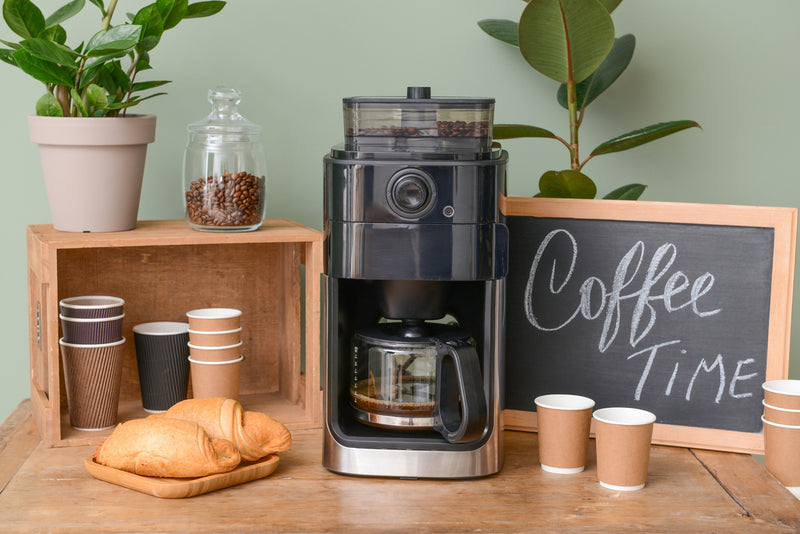
In the evolving world of coffee makers, customization options stand out as a key feature that enhances both the brewing experience and the final flavor profile of the coffee. Modern coffee makers are equipped with a variety of customizable settings, allowing users to tailor their coffee experience to their individual preferences. From brew strength to temperature adjustments, these features provide a level of personalization that ensures every cup is exactly how you like it.
Customization options enhance the user experience by providing flexibility and catering to diverse tastes. For instance, many coffee makers now allow users to select the strength of their brew, ranging from mild to bold. This is achieved through adjustable brew times and water-to-coffee ratios. Additionally, temperature settings can be tailored, ensuring that the water is heated to the optimal temperature for extracting flavors from various coffee beans. Moreover, features like programmable settings, which allow users to schedule brewing times, add convenience for those with busy lifestyles.
Examples of Coffee Makers with Unique Customization Settings
Several coffee makers on the market today stand out for their innovative customization features. Here are some notable examples:
- Breville BES870XL Barista Express: This espresso machine offers adjustable grind size and dose, allowing users to control the texture of the coffee grounds. The built-in conical burr grinder ensures that the coffee is freshly ground right before brewing, enhancing flavor extraction.
- Keurig K-Elite: Known for its versatility, the K-Elite offers a strong brew setting, which increases the strength and boldness of the coffee. It also features an iced setting, catering to users who prefer cold coffee beverages.
- Café Specialty Drip Coffee Maker: This coffee maker offers a unique feature that allows you to adjust the brew temperature and strength, alongside a built-in smart brew control via Wi-Fi, enabling users to manage their coffee preferences through an app.
- Technivorm Cup-One Coffee Brewer: This machine provides an individual brewing approach with the option to customize brew strength and volume, perfect for single servings while maintaining high-quality flavor extraction.
The availability of these customization settings not only enriches the brewing experience but significantly impacts the flavor profile of the coffee. For example, adjusting the grind size or brew temperature can lead to distinct variations in taste and aroma, allowing coffee enthusiasts to explore a wide range of flavors from the same type of coffee bean. This level of customization makes each brewing session not only a routine but an adventure in flavor exploration.
The Impact of Coffee Makers on Coffee Culture
The evolution of coffee makers has significantly shaped coffee culture across the globe. From the humble beginnings of brewing methods that relied on simple tools and techniques to the sophisticated machines we see today, coffee makers have transformed how people enjoy their daily brews. This transformation has not only influenced individual habits but has also impacted social interactions and community-building around coffee consumption.
Coffee makers have a rich historical context that dates back to the 19th century. The first coffee maker was developed in France, known as the French press, which allowed for a more nuanced extraction process compared to boiling methods. This innovation marked the beginning of a series of inventions that included the drip coffee maker and espresso machine, each contributing to varying preferences and brewing methods worldwide. The societal implications of these advancements were profound; coffee became more accessible, fostering a culture that embraced cafés as social hubs. These spaces became essential for intellectual exchange, fostering artistic movements and political discussions, most notably during the Age of Enlightenment.
Influence on Social Interactions and Community Building
The introduction of automatic coffee makers in the mid-20th century revolutionized home brewing, allowing people to enjoy a fresh cup with minimal effort. This accessibility led to coffee becoming a staple in households across various socioeconomic backgrounds. As a result, coffee drinking evolved into a communal experience. People began to gather around coffee machines, sharing their brewing preferences and experiences, making coffee a catalyst for social bonding.
Anecdotes abound regarding the role of coffee makers in everyday life. For instance, in many workplaces, the coffee machine serves as a gathering spot for colleagues to take breaks, share ideas, and collaborate on projects. The familiar sound of a coffee maker bubbling away in the background has become synonymous with productivity. In 2011, a study showed that 75% of employees felt more connected to their coworkers because of coffee breaks, highlighting the coffee maker’s role in enhancing workplace culture.
The rise of specialty coffee has also been greatly influenced by advancements in coffee makers. High-end espresso machines have created a wave of baristas and coffee enthusiasts seeking to perfect the art of brewing. This has led to coffee competitions, where individuals showcase their skills and creativity, further enriching coffee culture. The global rise of third-wave coffee has shifted the perception of coffee from a mere commodity to an artisanal craft.
In many urban settings, coffee shops equipped with state-of-the-art brewing machines have become trendy meeting points, catering to a diverse clientele. These establishments not only serve exceptional coffee but also foster a sense of community, allowing individuals to connect over shared tastes and experiences.
In conclusion, coffee makers have had a transformative impact on coffee culture, influencing social interactions, professional environments, and even artistic expression. As coffee makers continue to evolve, they will undoubtedly shape the future of coffee culture in new and exciting ways.
Final Summary
In conclusion, coffee makers are more than just appliances; they’re gateways to a rich and flavorful world of coffee. By understanding the various types, the intricacies of brewing, and the essential maintenance practices, you can ensure that every cup you brew is a satisfying one. As you explore the landscape of popular brands and models, remember that choosing the right coffee maker is a personal journey that can significantly enhance your coffee-drinking experience. Cheers to the perfect brew!
FAQ Explained
What type of coffee maker is best for beginners?
A simple drip coffee maker is ideal for beginners due to its ease of use and accessibility.
How often should I clean my coffee maker?
It is recommended to clean your coffee maker every month to prevent buildup and maintain flavor quality.
Can I make espresso with a regular coffee maker?
No, espresso requires a specific type of machine that brews under high pressure, unlike standard coffee makers.
Are single-serve coffee makers worth it?
They can be convenient and reduce waste, but they often have higher costs per cup compared to traditional methods.
What accessories do I need for my coffee maker?
Basic accessories include coffee filters, a grinder, and a thermal carafe for keeping coffee hot.