
 Widya pasha
Air purifiers have increasingly become essential appliances in our homes, and for good reason. With rising concerns about indoor air quality, these devices promise to filter out harmful pollutants, ensuring the air we breathe is cleaner and healthier. From the dust that settles in our living rooms to allergens that linger in the air, air purifiers tackle various contaminants, making a significant difference in our daily lives.
In today’s environment, where urban living and lifestyle choices can lead to poorer air quality indoors, the role of air purifiers cannot be overstated. They are particularly beneficial in homes with pets, smokers, or those suffering from allergies and asthma, where the need for cleaner air becomes even more critical. Understanding how air purifiers work and their impact on our health allows us to make informed decisions about creating a healthier living space.
The Importance of Air Purifiers in Modern Living Environments
In today’s world, the air we breathe indoors can often be more polluted than the air outside. This is a surprising reality, given that we spend a significant amount of our time indoors, whether in our homes, offices, or other indoor spaces. Air purifiers have emerged as essential devices in maintaining a healthier living environment by significantly improving indoor air quality.
Air purifiers play a crucial role in filtering out harmful contaminants, including dust, allergens, smoke, and volatile organic compounds (VOCs) that can accumulate indoors. These devices use various technologies, such as HEPA filters, activated carbon filters, and UV light, to trap and neutralize pollutants, leading to cleaner, healthier air. Studies have shown that improved indoor air quality can lead to a reduction in allergies, respiratory issues, and even mood improvements.
Impact of Air Pollutants on Human Health
Indoor air pollutants can have serious health implications, particularly for vulnerable populations such as children, the elderly, and individuals with pre-existing health conditions. Common pollutants like pet dander, mold spores, and tobacco smoke can exacerbate asthma, trigger allergies, and even contribute to chronic respiratory diseases.
Reducing exposure to these harmful substances can lead to numerous health benefits, including improved lung function, decreased allergy symptoms, and overall better well-being. Air purifiers can significantly reduce the concentration of these harmful agents in the air, creating a more conducive environment for health.
For instance, homes with pets often have higher levels of pet dander and hair, which can cause allergic reactions in sensitive individuals. An air purifier can effectively capture these particles, making the air more tolerable for residents and guests alike. Similarly, in homes where smoking occurs, air purifiers equipped with activated carbon filters can help eliminate smoke particles and odors, leading to a healthier indoor atmosphere.
Air purifiers are particularly beneficial in urban settings where outdoor pollution levels are high. They can serve as a barrier, filtering out particulate matter and other contaminants that might seep indoors, ensuring that families are protected from the adverse effects of air pollution. Overall, the integration of air purifiers into modern living spaces serves as a proactive approach to fostering a healthier home environment.
Types of Air Purification Technologies Available in the Market
Air purifiers have become essential appliances for maintaining clean indoor air, especially in urban environments. With the rise in air pollution and allergies, it’s crucial to understand the different technologies available in the market. Each type of air purification technology offers unique functionalities tailored to specific needs, making it important to choose one that fits your requirements.
There are several air purification technologies currently available, but three of the most common ones include HEPA filters, activated carbon filters, and UV light purifiers. Each of these systems has its own mechanisms for removing pollutants from the air, which can significantly improve indoor air quality.
Overview of Air Purification Technologies
Understanding the functionality, advantages, and disadvantages of each air purification technology is vital for making informed purchasing decisions.
- HEPA Filters: High Efficiency Particulate Air (HEPA) filters are designed to trap 99.97% of particles that are 0.3 microns or larger. They work by forcing air through a fine mesh, capturing dust, pollen, pet dander, and other allergens.
- Activated Carbon Filters: These filters use activated carbon to absorb gases, odors, and volatile organic compounds (VOCs). The carbon’s porous nature allows it to trap and neutralize harmful chemicals in the air.
- UV Light Purifiers: Ultraviolet (UV) light purifiers utilize UV-C light to kill airborne bacteria, viruses, and mold spores. This technology works by disrupting the DNA of microorganisms, rendering them harmless.
Pros and Cons of Each Technology
Below is a comparative overview of the effectiveness, maintenance, and cost associated with each air purification technology.
| Technology | Effectiveness | Maintenance | Cost |
|---|---|---|---|
| HEPA Filters | Excellent for particulate matter | Requires regular filter replacement | Moderate initial investment |
| Activated Carbon Filters | Effective for odors and VOCs | Need frequent replacement for optimal efficiency | Low to moderate cost |
| UV Light Purifiers | Good for killing microorganisms | Light bulbs need regular replacement | Moderate to high investment |
“Choosing the right air purifier hinges on understanding your specific air quality needs and the strengths of each technology.”
Factors to Consider When Choosing an Air Purifier for Your Home
Selecting the right air purifier can significantly enhance the air quality in your home, promoting better health and comfort for you and your family. With a variety of options available, it’s essential to understand the key features that can influence your decision. This guide will help you navigate the important factors to consider when choosing an air purifier.
Essential Features to Look For
When evaluating different air purifiers, there are several critical features that should not be overlooked. These elements can greatly impact the effectiveness and suitability of the unit for your living space.
- Room Size: Ensure the air purifier is rated for the size of the room where it will be used. Units come with Clean Air Delivery Rate (CADR) ratings that indicate the volume of air they can purify effectively in a given time. For example, a CADR of 200 is ideal for rooms up to 300 square feet.
- Filter Type: Look for HEPA filters, which can trap 99.97% of particles as small as 0.3 microns. Some purifiers also include activated carbon filters that absorb odors and volatile organic compounds (VOCs).
- Noise Level: Consider the noise produced by the purifier, especially if it will be used in a bedroom or office. Most models specify their noise levels in decibels (dB); quieter models generally operate below 30 dB, making them suitable for nighttime use.
- Maintenance Costs: Factor in the cost of replacement filters and maintenance. Popular units may require filter changes every 6-12 months, which can add to the overall cost of ownership.
- Energy Efficiency: Look for units with the ENERGY STAR label, which indicates improved efficiency. These models can provide significant savings on energy bills over time.
Checklist for Evaluating Air Purifiers
Having a checklist can streamline your decision-making process when evaluating air purifiers based on your unique needs and lifestyle. Here’s a comprehensive list to consider:
- Have you measured the square footage of the room where you intend to use the air purifier?
- Does the air purifier include a true HEPA filter for optimal particle removal?
- What is the noise level at different speeds, and is it acceptable for your living environment?
- How often do the filters need to be replaced, and what are the associated costs?
- Does the unit have an ENERGY STAR rating for better energy savings?
Assessing Energy Efficiency and Operating Costs
Understanding the energy efficiency of an air purifier can help you budget for its long-term operating costs. There are several aspects to consider when assessing this factor.
Look for the ENERGY STAR label, which signifies that the product meets energy efficiency guidelines set by the U.S. Environmental Protection Agency.
When evaluating energy efficiency, consider the following:
- Wattage: Check the power consumption of the air purifier in watts. Lower wattage indicates better efficiency, especially if the unit will run continuously.
- Usage Patterns: Determine how many hours per day you intend to operate the purifier. Multiply the wattage by the number of hours to estimate daily energy consumption.
- Cost Calculation: To calculate the monthly electricity cost, use the formula: (Wattage × hours of usage per day × cost per kWh) ÷ 1000. This will give you a clear picture of potential energy expenses.
By keeping these factors in mind, you can choose an air purifier that not only meets your home’s needs but also fits your budget and lifestyle.
The Role of Air Purifiers in Allergy and Asthma Management
Air purifiers have become vital tools in managing allergies and asthma, providing a cleaner indoor air environment that can significantly reduce symptoms for individuals suffering from these conditions. With pollution levels rising and allergens becoming more prevalent, the importance of air quality has never been more pronounced. This article delves into how air purifiers can relieve allergy symptoms and asthma triggers, supported by relevant statistics and personal testimonials.
Impact on Allergy Symptoms and Asthma Triggers
Air purifiers work by filtering out harmful particles from the air, such as pollen, dust mites, mold spores, and pet dander—common triggers for allergies and asthma. The effectiveness of air purifiers in improving respiratory health is supported by various studies. For instance, research published in the Journal of Allergy and Clinical Immunology found that air purifiers equipped with HEPA filters can reduce airborne allergens by up to 99%. This significant reduction can lead to a noticeable decrease in allergy and asthma symptoms, including sneezing, coughing, and wheezing.
Moreover, a study conducted by the Environmental Protection Agency (EPA) showed that air purifiers could help improve the overall quality of indoor air, especially for those with asthma. Participants who used air purifiers reported a 50% reduction in asthma-related symptoms over a span of three months, highlighting their potential in improving respiratory health.
The mechanisms behind these improvements are straightforward. Air purifiers trap and eliminate particles that can irritate the lungs or provoke an allergic reaction, leading to cleaner and healthier indoor environments. This is particularly crucial for individuals who may be sensitive to environmental triggers, as even small amounts of allergens can cause significant health issues.
“Air purifiers not only cleaned the air but also gave me peace of mind, allowing me to breathe easier at home.” – A satisfied user.
Personal testimonials reveal the profound impact of air purifiers on individuals’ lives. For example, a case study involved a 34-year-old woman named Sarah, who struggled with asthma and allergies exacerbated by seasonal changes. After introducing a HEPA air purifier in her bedroom, she noticed a remarkable improvement in her condition. Within weeks, Sarah reported fewer nighttime asthma attacks and a reduction in daytime allergy symptoms, allowing her to engage in outdoor activities again without fear.
Another testimonial comes from a family living in a densely populated urban area. They faced persistent respiratory issues due to high levels of air pollution. After installing an air purifier, they observed a significant decrease in allergy flare-ups among their children, which they attributed to the cleaner air circulating in their home.
In summary, air purifiers play a critical role in alleviating allergy symptoms and asthma triggers. By removing harmful particles from the air, they foster a healthier indoor environment, leading to improved quality of life for those affected by respiratory issues.
Maintenance and Care Tips for Air Purifiers
Regular maintenance of air purifiers is essential for ensuring their optimal performance and longevity. Just like any other appliance, air purifiers can accumulate dust and debris over time, which can hinder their effectiveness. Keeping up with maintenance tasks helps maintain air quality and reduces the risk of mechanical issues, ensuring that your air purifier continues to operate efficiently.
In maintaining an air purifier, several specific tasks should be performed at regular intervals. These tasks include cleaning the exterior, checking for obstructions, and most importantly, replacing or cleaning the filters. Below is a detailed guide on how to approach these maintenance tasks to keep your air purifier functioning at its best.
Regular Maintenance Tasks
Performing routine maintenance tasks on your air purifier is crucial for its efficiency. Below are important tasks and their recommended frequency:
- Clean the exterior of the unit: Wipe down the surface with a damp cloth every few weeks.
- Check for obstructions: Ensure there are no blockages in the intake or outtake vents every month.
- Replace HEPA filters: Replace filters every 6 to 12 months, depending on usage and air quality.
- Wash pre-filters: If your model has a washable pre-filter, clean it every 1 to 3 months.
- Inspect the unit’s performance: Monitor the air quality indicators and performance monthly.
Cleaning and Replacing Filters
Properly cleaning and replacing filters is crucial for maintaining an air purifier’s efficiency. Follow these steps to effectively manage your filters:
1. Turn Off and Unplug: Before starting any maintenance, ensure the air purifier is turned off and unplugged to avoid any electrical hazards.
2. Remove the Filter: Open the air purifier housing according to the manufacturer’s instructions and gently remove the filter.
3. Clean the Filter (if applicable): For washable pre-filters, rinse under lukewarm water and allow them to dry completely before reinstallation. Do not wash HEPA filters; instead, tap them gently to remove dust.
4. Replace the Filter: If using a HEPA filter, ensure it’s free from damage and place it back into the purifier, ensuring it fits snugly.
5. Close the Unit: Securely close the air purifier casing and plug it back in.
Troubleshooting Common Issues
Understanding potential issues with your air purifier is key to maintaining its operation. Below is a table outlining common problems, symptoms, and troubleshooting solutions:
| Issue | Symptoms | Troubleshooting Steps |
|---|---|---|
| Weak Airflow | Insufficient air circulation | Check and replace dirty or clogged filters. |
| Unusual Noise | Strange sounds during operation | Inspect for foreign objects and ensure the unit is on a flat surface. |
| Error Indicator | Warning light on display | Refer to the manual for specific error codes and reset the unit if necessary. |
| Odor Emission | Unpleasant smell from the unit | Check filters for dirt buildup; replace if necessary. |
Air Purifiers: Myths vs. Facts
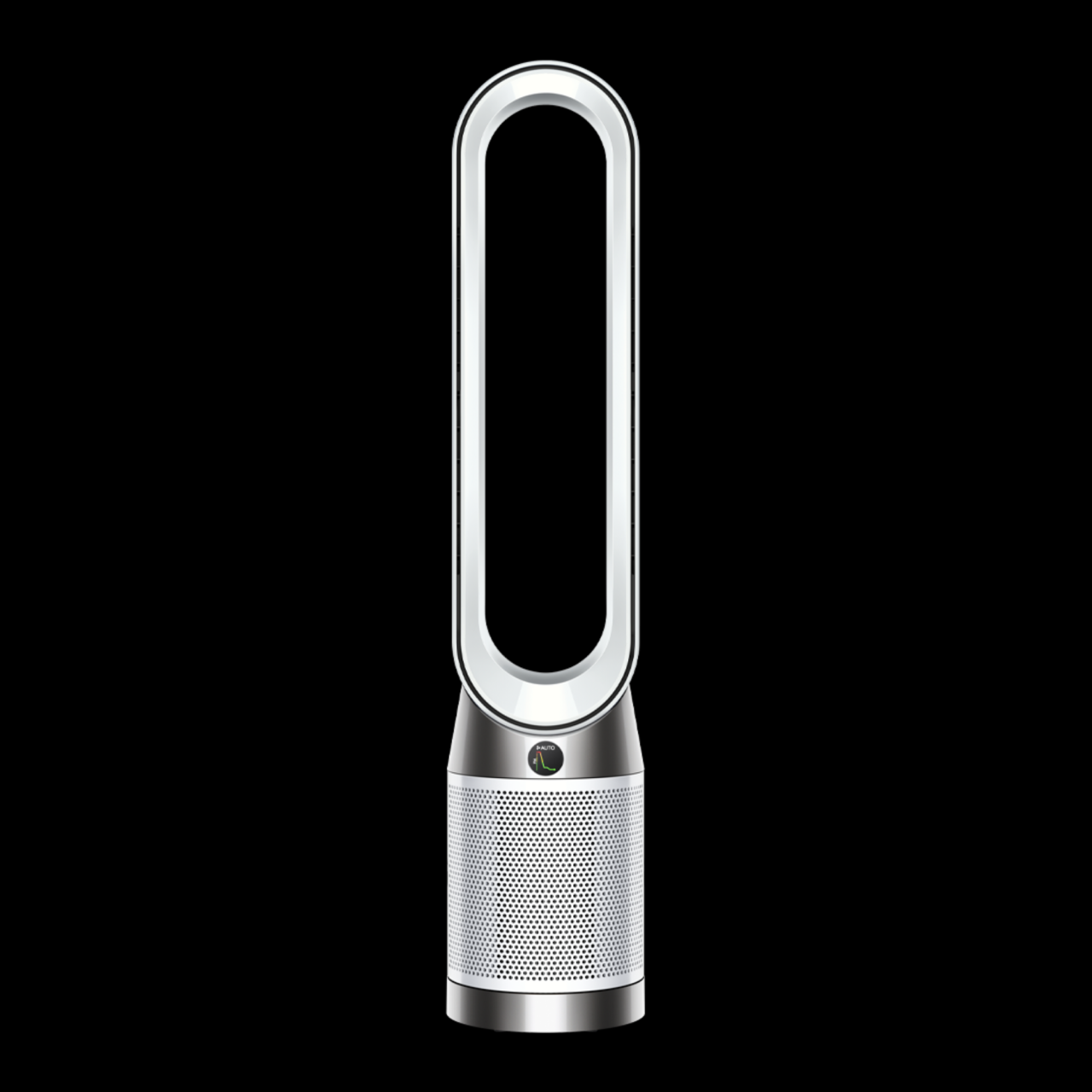
Air purifiers have gained significant popularity in recent years, but with their rise, several myths have emerged. Understanding the facts behind these misconceptions is crucial for making informed decisions about indoor air quality. This discussion aims to clarify common myths associated with air purifiers and highlight the importance of accurate information.
Common Myths About Air Purifiers
Several misconceptions can lead consumers to either underestimate or overestimate the benefits of air purifiers. Below is a list of prevalent myths, along with the factual evidence to debunk them:
- Myth 1: Air purifiers eliminate all harmful pollutants.
While air purifiers can significantly reduce airborne pollutants like dust, pollen, and smoke, they may not capture certain chemicals or gases.
Many air purifiers, especially those with HEPA filters, are effective against large particles but may not neutralize volatile organic compounds (VOCs) or odors unless they include activated carbon filters.
- Myth 2: Running an air purifier is unnecessary if you keep windows closed.
Indoor air can be more polluted than outdoor air, even with windows shut.
Pollutants from cooking, cleaning, and other household activities can accumulate indoors, making air purifiers beneficial even when windows are closed.
- Myth 3: All air purifiers are the same.
Different air purifiers target different types of pollutants and use various technologies.
Choosing the right air purifier depends on specific needs, such as allergy relief or smoke removal, and not all models are equipped with the same filtration capabilities.
- Myth 4: Air purifiers will eliminate the need for regular cleaning.
Air purifiers complement, but do not replace, regular cleaning routines.
While they help reduce dust and allergens, maintaining cleanliness through vacuuming and dusting is still essential for optimal indoor air quality.
- Myth 5: Air purifiers make the air too dry.
Most air purifiers do not affect humidity levels significantly.
While some devices can influence moisture in the air, many common air purifiers operate independently of humidity control, making them suitable for various environments.
Misinformation about air purifiers can significantly impact consumer choices and the public perception of air quality technologies. When myths circulate, individuals may overlook the potential benefits of air purifiers or invest in ineffective models. This lack of understanding can lead to poor health decisions regarding indoor air quality, as individuals might not seek out the best solutions for their needs.
Accurate information about the effectiveness and limitations of air purifiers can empower consumers to make better choices. For instance, families with asthma or allergies who understand the importance of specific filtration technologies are more likely to select the right air purifier, leading to improved indoor air quality and better overall health. Awareness of how air purifiers work can encourage individuals to routinely assess their indoor environments, ensuring they maintain optimal air quality for their well-being.
Future Trends in Air Purification Technology
As air quality continues to decline in urban environments and awareness of its effects on health grows, the future of air purification technology is poised for significant advancements. Various trends are emerging that promise to enhance the efficiency, efficacy, and user-friendliness of air purifiers. By integrating innovative features and leveraging cutting-edge technology, air purifiers are expected to play a critical role in improving public health and promoting environmental sustainability in the coming years.
Emerging Trends Shaping Air Purification
The landscape of air purification is rapidly evolving, driven by advancements in technology and an increasing demand for cleaner air. Notable trends include the rise of smart technology, increased use of sustainable materials, and the development of advanced filtration systems. Each trend presents unique benefits that could redefine the role of air purifiers in modern households and public spaces.
- Smart Technology Integration: Air purifiers are increasingly being integrated with smart home technologies. This allows users to monitor indoor air quality in real-time through smartphone applications and receive alerts when air quality drops below safe levels. For example, smart air purifiers can automatically adjust their settings based on detected pollutants, ensuring optimal performance without requiring manual intervention.
- Use of Sustainable Materials: Manufacturers are shifting towards using eco-friendly materials in the construction of air purifiers. This trend not only reduces the environmental footprint of these devices but also contributes to healthier indoor environments. Biodegradable filters and energy-efficient components are becoming standard, ensuring that air purification contributes positively to sustainability.
- Advanced Filtration Technologies: Innovations such as HEPA filters, activated carbon, and UV-C light integration are becoming commonplace. These technologies are not only more effective at removing pollutants but also target a broader range of contaminants, including allergens, viruses, and VOCs (volatile organic compounds). This enhances the overall air quality and provides additional health benefits.
Enhancements in User Experience through IoT
The integration of IoT (Internet of Things) in air purification technology is revolutionizing user experience. Through connectivity, users can gain unprecedented control and insights into their indoor air quality. Smart sensors and automation not only simplify the operation of air purifiers but also enhance their effectiveness.
“IoT-enabled air purifiers can analyze air quality data, adjusting their operations automatically, leading to more efficient energy consumption and improved air quality.”
This technological shift encourages proactive maintenance, as users are notified when filters need changing or when the device requires attention. Moreover, the capability to connect multiple devices creates a comprehensive system for managing air quality throughout an entire building, ensuring that health standards are met consistently.
Impact on Public Health and Environmental Sustainability
The projected advancements in air purification technology are anticipated to have profound effects on public health and environmental sustainability. Enhanced air quality directly correlates with reduced incidences of respiratory diseases, allergies, and other health issues that arise from air pollution.
- Improved Health Outcomes: With better filtration technologies and smart monitoring, individuals are likely to experience fewer health issues related to air quality, leading to improved overall public health.
- Reduced Carbon Footprint: The use of sustainable materials and energy-efficient designs in air purifiers can significantly lower their environmental impact. This transition is crucial for combating climate change and promoting sustainable living practices.
- Awareness and Education: As more people adopt smart air purification solutions, there will be an increased awareness of indoor air quality issues. This can lead to broader discussions about environmental sustainability and inspire further innovations in the field.
Epilogue
In conclusion, investing in an air purifier is more than just a trend; it’s a proactive step toward enhancing our well-being. As we navigate through various air purification technologies and their benefits, it’s clear that these devices play a vital role in improving indoor air quality and alleviating health issues related to poor air conditions. With proper maintenance and the right choice tailored to individual needs, air purifiers can become a cornerstone of a healthier home environment.
FAQ Insights
How often should I replace the filters in my air purifier?
It’s typically recommended to replace filters every 6 to 12 months, but this can vary based on usage and the type of filter.
Do air purifiers eliminate odors?
Yes, many air purifiers, especially those with activated carbon filters, are effective at reducing odors from cooking, pets, and smoke.
Can air purifiers help with smoke from wildfires?
Absolutely, air purifiers with HEPA filters can significantly reduce smoke particles and improve air quality during wildfire events.
Are there any side effects to using an air purifier?
Generally, air purifiers are safe, but some individuals might experience minor respiratory discomfort due to increased air circulation or ozone emissions from certain models.
Do I need an air purifier if I have good ventilation?
Even with good ventilation, air purifiers can further enhance indoor air quality by targeting specific pollutants that ventilation alone may not fully remove.