
 Widya pasha
Rugs have woven their way into the fabric of human history, serving as more than mere decorative elements; they are cultural artifacts that reflect the traditions and values of diverse societies. Their journey spans centuries, revealing the artistry and craftsmanship unique to various regions, from the intricate patterns of Persian rugs to the vibrant colors of Moroccan textiles. Each rug tells a story, representing the symbolism and significance that different cultures attribute to these beautiful creations.
Exploring the world of rugs not only unveils the various types available today but also how they impact interior design and transform living spaces. As we delve into their rich history, design trends, and care methods, we will discover the profound effect that rugs have on our daily lives, providing both comfort and aesthetic appeal.
The historical significance of rugs in various cultures
Rugs have woven their way through the tapestry of human history, serving not only as decorative items but also as pivotal elements of cultural identity and tradition. From the nomadic tribes of Central Asia to the opulent palaces of Persian kings, rugs have been crafted for both functional and aesthetic purposes, reflecting the values, beliefs, and historical narratives of the societies that produced them.
Throughout history, different cultures have developed unique rug-making techniques that speak to their environment and lifestyle. In Persia, for instance, the art of carpet weaving dates back to at least the 5th century BC, with intricate patterns that often depict nature, mythology, or geometric designs. Persian rugs are renowned for their knotting techniques, which create dense, durable carpets, often featuring rich hues and detailed artistry.
In contrast, the nomadic tribes of the Middle East and Central Asia have utilized a flatweave technique to create kilims, which are lighter and more portable. These rugs often serve as multifunctional items, acting as floor coverings, wall hangings, or even tents in transient lifestyles. The symbolism embedded in kilims often reflects the spiritual beliefs and social structures of the tribes, with motifs representing fertility, protection, and tribal identity.
Rug-making techniques across regions
The traditional techniques of rug-making vary significantly across cultures, each influenced by the region’s geography and available materials.
- Persian Rugs: Characterized by intricate designs, Persian rugs often feature symmetrical patterns and medallions. The use of high-quality wool and silk is prevalent, resulting in luxurious and durable pieces.
- Turkish Rugs: Known for their bold colors and geometric patterns, Turkish rugs are often made from wool and cotton. The knotting technique used is typically a symmetrical knot, which contributes to their unique texture and appearance.
- Indian Rugs: Indian artisans employ a variety of weaving techniques, including hand-knotting and flatweaving, often showcasing vibrant colors and intricate motifs inspired by local culture and nature.
- Afghan Rugs: Richly adorned with tribal patterns, Afghan rugs are primarily woven by nomadic tribes. They often feature deep colors and geometric designs that reflect the rugged landscape and cultural heritage of Afghanistan.
The symbolism associated with rugs transcends mere aesthetics; they often embody cultural narratives and values. For instance, in many Middle Eastern cultures, rugs symbolize hospitality and are frequently used to welcome guests. In some traditions, specific patterns or colors may hold spiritual significance, representing concepts like protection, prosperity, or familial bonds.
Rugs serve as cultural artifacts, narrating the story of the people who create them, their environment, and their beliefs.
Different types of rugs and their unique characteristics
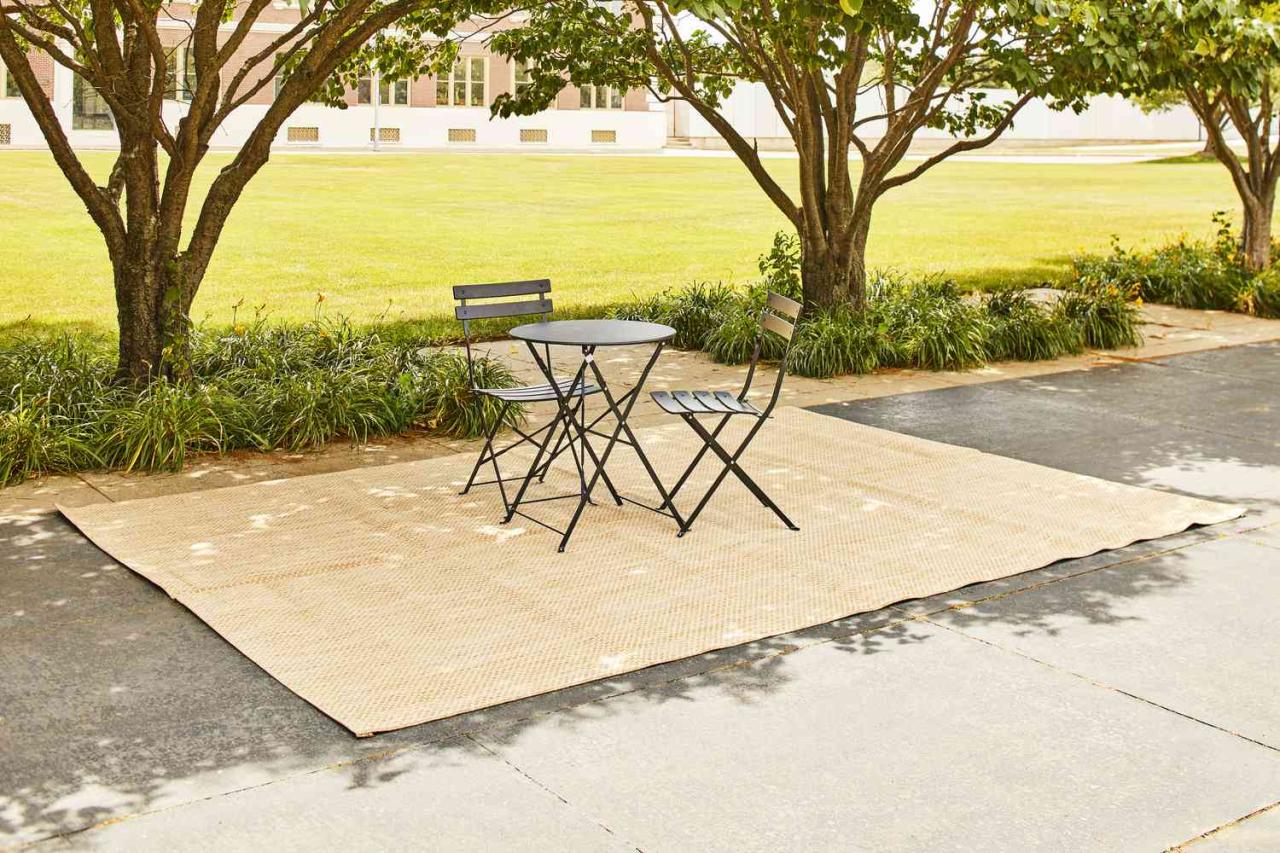
Rugs are more than mere decorative elements; they’re an integral part of home aesthetics and comfort. With a variety of styles, materials, and purposes, selecting the right rug can significantly enhance the ambiance of any space. Understanding the unique characteristics of different types of rugs helps consumers make informed choices that align with their personal tastes and practical needs.
Rugs can be categorized based on their materials, sizes, and intended uses. Below is a comprehensive table that highlights these aspects, along with the pros and cons of each type to facilitate decision-making.
Rug Types Overview
The following table details various types of rugs available in the market today, including their materials, typical sizes, uses, and associated benefits and drawbacks.
| Type of Rug | Materials | Common Sizes | Uses | Pros | Cons |
|---|---|---|---|---|---|
| Persian Rug | Wool, Silk | Small (2×3 ft), Medium (5×8 ft), Large (9×12 ft) | Living Rooms, Bedrooms | Timeless designs, Durable, Increases home value | High cost, Requires maintenance |
| Shag Rug | Acrylic, Polyester | Small (2×3 ft), Medium (5×8 ft) | Living Rooms, Playrooms | Soft texture, Cozy feel, Good for insulation | Traps dirt, Hard to clean |
| Modern Area Rug | Polypropylene, Nylon | Varies widely (usually 5×7 ft or larger) | Any area of the home | Versatile designs, Easy to maintain | Less luxurious feel, Can look cheap |
| Outdoor Rug | Polypropylene, UV-resistant materials | Varies (often larger sizes) | Patios, Balconies | Weather-resistant, Easy to clean | Can fade over time, Limited color options |
| Natural Fiber Rug | Jute, Sisal, Cotton | Small (2×3 ft), Medium (5×8 ft) | Entryways, Living Rooms | Eco-friendly, Textured appearance | Can be rough underfoot, Absorbs moisture |
The characteristics of each rug type make them suitable for different environments. For instance, Persian rugs are often revered for their intricate designs and craftsmanship, making them valuable additions to formal living spaces. Conversely, outdoor rugs are designed to withstand the elements, providing functionality without sacrificing style for outdoor areas.
Moreover, the choice of material plays a crucial role in the durability and maintenance of the rug. Wool rugs are renowned for their resilience, while synthetic fibers may be more practical for households with pets or children due to their ease of cleaning.
Ultimately, understanding the distinct features of various rug types empowers consumers to choose the right rugs that not only complement their home décor but also meet their lifestyle needs effectively.
The impact of rugs on interior design
Rugs play a crucial role in interior design, serving not just as functional items but as vital elements that can completely transform a living space. Their ability to tie together various decor styles, enhance color palettes, and add texture makes them indispensable in creating a cohesive atmosphere. A well-chosen rug can serve as the foundation of a room’s design, influencing the selection of other furnishings and decorative elements.
Rug placement and selection are key design principles that require careful consideration. The right rug can define areas within a larger space, making it feel more intimate and purposeful. For example, in an open-concept living area, a large area rug can delineate the seating arrangement, anchoring furniture pieces like sofas and chairs. Conversely, in smaller rooms, a smaller rug can create warmth without overwhelming the space.
Design Principles of Rug Placement and Selection
The placement and selection of rugs are guided by several essential design principles. Here are some critical aspects to consider:
- Scale and Proportion: The size of the rug should be proportionate to the room and the furniture. For instance, in a spacious room, a large area rug can create a sense of unity, while in a smaller room, a well-sized rug can prevent clutter and enhance openness.
- Color Coordination: Rugs can serve as a focal point or a subtle complement to existing decor. Choosing a rug that incorporates colors from furniture or wall art creates harmony. For example, a vibrant Persian rug with rich reds and blues can enhance a neutral-toned living room.
- Texture and Material: The texture of a rug influences the overall feel of the room. A plush shag rug can introduce coziness and warmth, perfect for a casual living space, whereas a flat-weave jute rug may lend a more structured, natural aesthetic suitable for a coastal-themed room.
- Pattern and Style: Selecting a rug with a specific pattern can enhance the visual interest of a room. Geometric patterns can contribute to a modern look, while floral designs might complement vintage or bohemian interiors. For example, a modern abstract rug can provide a striking counterpoint to traditional furniture pieces.
In terms of color schemes, rugs can either complement or contrast with the existing palette. A neutral rug, such as a beige or gray option, can balance bold colors in furniture and accessories, allowing them to stand out. Conversely, a brightly colored rug can become the centerpiece of a more subdued room, providing an exciting pop of color. For instance, a deep navy rug can beautifully contrast with light wooden floors and white walls, creating a sophisticated yet inviting environment.
Overall, rugs are not merely decorative; they are instrumental in shaping the aesthetic and functionality of a space. Their influence stretches beyond mere appearance, enhancing comfort and setting the mood for living areas.
Caring for and maintaining different types of rugs
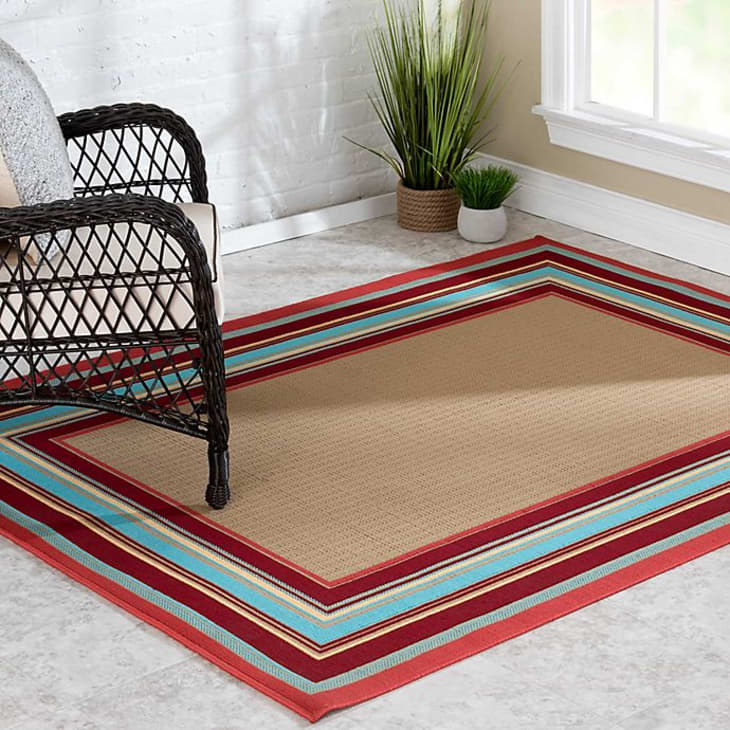
Proper care and maintenance of your rugs is essential for preserving their beauty and extending their lifespan. Rugs can be significant investments, often adding warmth and style to a space. With various materials used in rug construction, each type requires specific cleaning methods and maintenance routines to keep them looking their best. Understanding these differences can prevent damage and enhance the rug’s aesthetic appeal.
Regular maintenance is crucial for the longevity of rugs. Dust, dirt, and grime can accumulate over time, leading to a dull appearance and potential wear and tear. Neglecting routine upkeep can result in more significant damage, necessitating costly repairs or even replacement. By investing time in maintenance, you not only enhance the rug’s visual appeal but also promote a healthier living environment by reducing allergens and bacteria that thrive in unclean carpets.
Cleaning methods for various rug materials
Different rug materials require tailored cleaning approaches to ensure that their integrity is maintained. Below are some common rug materials along with recommended cleaning techniques.
Wool rugs, known for their durability and natural stain resistance, benefit from regular vacuuming and occasional professional cleaning. For spot cleaning, a mixture of mild detergent and cold water works effectively. It’s essential to blot stains immediately to prevent them from setting.
Synthetic rugs, such as those made from nylon or polypropylene, are more resilient to stains. They can be cleaned with a mixture of warm water and dish soap. For deeper cleaning, a steam cleaner is a great option. Ensure thorough drying to prevent mold growth.
Silk rugs are luxurious but delicate, requiring gentle handling. Vacuum only on the lowest setting and use a soft brush attachment. For stains, use a damp cloth with cold water and a gentle detergent, avoiding excess moisture that can cause damage.
Natural fiber rugs, like jute or sisal, should be vacuumed regularly. For spills, blot immediately with a dry cloth and avoid water, as it can lead to mold and discoloration. Professional cleaning is recommended for deep cleans.
Recommended cleaning products and techniques
Using the right cleaning products can significantly enhance the cleaning process. Here’s a list of recommended items for various types of rugs, along with their specific applications:
For wool rugs:
- Wool-safe carpet cleaner for deeper stains.
- White vinegar and water solution for odor removal.
- Soft-bristle vacuum attachment for gentle cleaning.
For synthetic rugs:
- All-purpose cleaner suitable for synthetic fibers.
- Enzyme-based cleaners for tough stains.
- Steam cleaner with a low moisture setting.
For silk rugs:
- Specialized silk rug cleaner to preserve fibers.
- Soft cloths for spot cleaning to avoid damage.
- Cold water for rinsing out cleaning agents.
For natural fiber rugs:
- Dry foam carpet cleaner for deep cleaning.
- Absorbent powder cleaner for spills and stains.
- Professional cleaning service for annual maintenance.
“Regular cleaning and appropriate care can extend the life of your rugs by years, protecting your investment.”
The environmental impact of rug production
The manufacturing of rugs has significant ecological effects that often go unnoticed. The processes involved, from sourcing materials to production methods, contribute to a variety of environmental issues. Traditional rug production can lead to deforestation, water pollution, and high carbon emissions. The demand for materials such as wool, cotton, and synthetic fibers places a strain on natural resources, making it essential to explore the environmental impact and consider alternatives that promote sustainability.
The ecological footprint of rug production encompasses several critical factors. Firstly, the extraction of raw materials often involves harmful agricultural practices. For example, conventional cotton farming relies heavily on synthetic pesticides and fertilizers that contaminate soil and water. Furthermore, the dyeing processes used in rug manufacturing frequently include toxic chemicals that can leach into water systems, harming aquatic life and affecting the health of nearby communities. Additionally, the energy-intensive nature of weaving and transporting rugs results in considerable carbon emissions, contributing to climate change.
Sustainable practices in rug production
To counter these negative effects, various brands have begun implementing sustainable practices in rug production. These initiatives not only focus on reducing environmental impact but also support ethical labor practices. Leading brands in the eco-friendly sector are adopting methods such as using natural dyes, sustainable materials, and energy-efficient manufacturing processes.
Some notable sustainable materials include:
- Jute: A fast-growing plant that requires minimal water and no pesticides, jute is biodegradable and helps sequester carbon, making it a highly sustainable choice.
- Bamboo: This renewable resource grows rapidly and can be harvested without destroying the plant. Bamboo rugs are not only durable but also possess natural antibacterial properties.
- Recycled materials: Rugs made from recycled plastic bottles or textiles help reduce waste and promote a circular economy, minimizing the need for virgin materials.
- Wool from certified sources: Sourcing wool from farms that adhere to sustainable and humane practices ensures that the environmental impact is kept to a minimum, as well-managed sheep farming can benefit the ecosystem.
The benefits of these materials extend beyond their environmental credentials. For example, jute rugs are not only eco-friendly but also add a rustic aesthetic to interiors, while bamboo rugs are lightweight and easy to maintain. By choosing sustainable options, consumers can make informed decisions that support both the environment and the economy while enjoying high-quality, stylish rugs.
The artistic value of handmade rugs
Handmade rugs represent a unique blend of artistry, culture, and craftsmanship that transcends mere functionality. Each piece is a story, woven with threads of tradition and personal touch that reflect the historical context and artistic sensibilities of its origin. The meticulous process of crafting a handmade rug is not only labor-intensive but also a form of expression for the artisans who dedicate their lives to this age-old craft.
The artistry of handmade rugs varies significantly across different regions and cultures, with each area contributing its distinctive style, materials, and techniques. In the Middle East, for example, Persian rugs are celebrated for their intricate patterns and vibrant colors, often featuring motifs inspired by nature and mythology. These rugs are typically made using high-quality wool and silk, with each knot carefully tied to create a lush, textured surface. The craftsmanship involved is astounding, with some rugs taking years to complete.
Cultural Variations in Rug Making
The differences in rug-making techniques and styles across cultures can be attributed to several factors, including regional resources, cultural significance, and historical influences. Here are some notable examples of how artistry varies:
- Persian Rugs: Renowned for their elaborate designs and intricate craftsmanship, Persian rugs often include floral and geometric patterns, reflecting the rich artistic heritage of Iran. Notable regions such as Tabriz and Kashan produce some of the most sought-after pieces, known for their deep, vivid colors and fine knots.
- Turkish Rugs: With a history that intertwines with Islam, Turkish rugs frequently showcase traditional motifs and symbols, such as the medallion design. The use of vibrant colors and bold patterns distinguishes them from their Persian counterparts, and they are often made from sheep’s wool, leading to a durable yet plush finish.
- Indian Rugs: Indian artisans employ a variety of techniques, including hand-knotting and flat-weaving, to create rugs that often feature intricate detailing and a mix of styles influenced by Mughal art. High-quality silk and cotton are commonly used, giving these rugs a soft touch and a luxurious appearance.
- Berber Rugs: Originating from the Berber tribes of North Africa, these rugs are characterized by their abstract designs and the use of natural dyes. Made primarily from wool, they often represent the nomadic lifestyle of the Berber people, with each rug telling a story through its patterns and colors.
The artisans who dedicate their lives to rug-making have made significant contributions to this art form. One such figure is Abbas Kiarostami, an Iranian filmmaker who also engaged in the world of textiles. His works reflect the deep connection between visual art and traditional rug-making practices. Another notable artisan is the late Khatira Khosravi, known for reviving traditional techniques in Persian rug production, ensuring that the craft continues to thrive in a modern context.
“Each handmade rug holds the spirit of its maker, embodying not only skill but also the history and culture of its origin.”
Ultimately, the artistic value of handmade rugs lies not only in their aesthetic appeal but also in their ability to connect us to the cultural narratives and rich histories of the artisans who create them. These rugs are not mere decorative items; they are woven legacies that carry the essence of tradition and artistry from one generation to the next.
Trends in modern rug design
The world of rug design is continually evolving, embracing both innovation and nostalgia. As consumers seek to enhance their living spaces, modern rug design has transitioned from traditional patterns and materials to more contemporary interpretations that reflect current lifestyles and aesthetic preferences. This evolution is characterized by a blend of artistic expression, functionality, and sustainability, aligning with the broader design trends in home decor.
Contemporary rugs often prioritize minimalist aesthetics, featuring geometric patterns and abstract designs that cater to the modern consumer’s desire for simplicity and elegance. Unlike their traditional counterparts, which often showcase intricate floral motifs and classical designs, today’s rugs are more versatile and adaptable to various interior styles. Consumers are now looking for pieces that not only serve as functional floor coverings but also as focal points that convey their personal style. This shift towards statement pieces has led to a rise in custom and artisanal options, allowing for greater personalization and individuality in home decor.
Popular color palettes and patterns in modern rugs
The choice of colors and patterns plays a crucial role in modern rug design, significantly influencing the overall ambiance of a space. Current trends reflect a move towards bolder, more vibrant palettes, as well as subdued, earthy tones that promote tranquility. The emphasis is on creating a harmonious balance between beauty and practicality.
Some of the most sought-after color schemes and patterns in modern rugs include:
- Neutral Tones: Shades like beige, grey, and taupe continue to dominate, providing a versatile backdrop that complements various interior styles.
- Bold Colors: Rich hues such as jewel tones—emerald green, sapphire blue, and ruby red—add a striking element to modern spaces.
- Pastel Palettes: Soft pastels, including blush pinks and mint greens, create a soothing effect, making them ideal for serene environments.
- Geometric Patterns: Clean lines and angular shapes are popular, often forming repetitive motifs that are visually engaging.
- Abstract Designs: Artistic, free-form patterns that evoke a sense of movement and creativity are increasingly favored.
Modern rug design is not merely about covering floors; it’s about crafting experiences and evoking emotions within a space.
The blending of traditional craftsmanship with modern aesthetics in rug design reflects a broader cultural trend where functionality meets artistry, making rugs essential elements in defining the character of contemporary homes. As consumers continue to navigate their preferences, the dynamic nature of rug design will undoubtedly evolve, presenting exciting possibilities for both creators and collectors alike.
The role of rugs in setting the mood of a space
Rugs are often an overlooked yet vital element in interior design, serving not just as decorative pieces but as key components in establishing the mood and ambiance of a room. The right rug can transform a space, offering warmth, comfort, and style, while also influencing how we feel when we enter the room. From vibrant colors that energize to soft textures that soothe, the contribution of rugs to the overall atmosphere is profound and multifaceted.
The psychological effects of textures and colors cannot be underestimated when it comes to mood. For instance, warm colors such as reds, oranges, and yellows can create a vibrant and energetic atmosphere, making them perfect for a lively living room or a playful children’s area. Conversely, cooler tones like blues and greens often evoke a sense of calmness and tranquility, suitable for spaces designed for relaxation, such as a bedroom or a reading nook. The textures of rugs also play a crucial role; plush and soft rugs invite comfort and coziness, while flatweave or natural fiber rugs may impart a more sophisticated, minimalist feel.
Rugs can be particularly impactful in different settings, emphasizing their ability to set the mood based on the context. A cozy living room can benefit from a thick, fluffy rug that encourages lounging and warmth, perfect for family gatherings or quiet evenings with a book. Imagine a soft, shaggy rug in a warm taupe color, harmonizing with comfortable sofas and inviting you to sink into its embrace. On the other hand, a formal dining area may require a more structured approach, where a flat, elegant rug with a subtle pattern or neutral tones can enhance sophistication without overwhelming the decor. This creates an atmosphere of refinement, ideal for hosting dinner parties or formal gatherings.
“The right rug not only anchors a room but also influences the emotional experience of the space.”
Through careful selection of rugs based on their colors, textures, and styles, homeowners can create spaces that resonate with their desired ambiance—whether it’s lively, serene, formal, or inviting. The role of rugs in mood-setting is indeed significant and should not be underestimated in the art of interior design.
The economic aspects of the rug industry
The rug industry plays a vital role in the global economy, contributing to cultural identity, employment, and trade. With a rich history that spans centuries, rugs are not only decorative items but also significant economic commodities. They embody the craftsmanship of various regions and cultures, influencing the livelihood of artisans and manufacturers alike. The interplay between tradition and modernity in rug production reflects broader economic trends, making the rug industry a fascinating subject for examination.
The economic significance of the rug industry is evident in its capacity to generate employment and drive local economies, particularly in countries renowned for their weaving traditions such as Iran, Turkey, India, and Afghanistan. In these nations, the creation of rugs supports a large number of artisans, many of whom belong to families that have been weaving for generations. The industry also attracts foreign investment and promotes exports, making it an essential component of the trade balance for these countries. According to various market analyses, the global carpet and rug market size was valued at approximately USD 36 billion in 2021 and is expected to grow at a compound annual growth rate (CAGR) of around 4% from 2022 to 2030. This growth is driven not just by demand in the residential sector, but also by commercial spaces seeking unique and high-quality flooring solutions.
Factors affecting pricing in the rug industry
When discussing pricing in the rug industry, several factors come into play that significantly influence the final cost of both handmade and machine-made rugs. These factors include craftsmanship, material quality, and market demand.
– Craftsmanship: Handmade rugs often command higher prices due to the intricate labor and time involved in their production. Artisans may spend weeks or even months crafting a single piece, which is reflected in the pricing. The level of detail and skill required to create these rugs can vary significantly, impacting their market value.
– Material Quality: The choice of materials used in rug production plays a crucial role in pricing. Rugs made from high-quality natural fibers such as wool, silk, or cotton typically cost more than those made from synthetic materials. For instance, Persian rugs, which are often made from fine wool or silk, can reach exorbitant prices due to their superior quality and craftsmanship.
– Market Demand: Economic conditions and consumer preferences also influence pricing. During times of economic prosperity, demand for luxury handmade rugs may rise, leading to increased prices. Conversely, in economic downturns, consumers may opt for more affordable machine-made options.
The comparison between handmade and machine-made rugs reveals a distinct divergence in market trends. Handmade rugs often maintain a niche market focused on luxury and authenticity, attracting buyers who appreciate artistry and heritage. Conversely, machine-made rugs tend to cater to a broader audience, emphasizing affordability and convenience. While handmade rugs hold their value and often appreciate over time, machine-made rugs typically depreciate once sold, as they are mass-produced and less unique.
In summary, the economic aspects of the rug industry are multifaceted, shaped by craftsmanship, material quality, and prevailing market trends. This dynamic sector reflects a blend of tradition and modern demand, presenting a compelling narrative within the global economy.
Rug placement and its importance in various settings
Rug placement is a crucial element in interior design, significantly influencing the aesthetic and functional aspects of a space. The right rug can enhance the overall ambiance of a room, provide comfort, and define different areas within an open-plan layout. Understanding the strategic aspects of rug placement can elevate the design of any environment, from homes to commercial spaces.
Rug size and shape play a fundamental role in spatial perception, affecting how we perceive the dimensions and functionality of a room. A large rug can create a sense of unity and coziness, making an expansive space feel more intimate. Conversely, smaller rugs can highlight specific areas, such as a seating arrangement or dining table, offering a sense of separation in an open space. Additionally, the shape of the rug—whether it is round, square, or rectangular—can influence the flow and movement within the room, guiding the eye in a particular direction and affecting the overall balance of the design.
Common rug placement scenarios for various room types
Different rooms require tailored rug placement strategies to achieve the desired aesthetic and functionality. Below is a guide outlining common scenarios:
- Living Room: The rug should be large enough to accommodate all the seating elements. Typically, the front legs of sofas and chairs should sit on the rug, creating a cohesive look. A rectangular rug works well in this setting, while a round rug can soften the angles of a square room.
- Dining Room: The rug should extend at least 24 inches beyond the edges of the dining table, allowing chairs to be pulled out without catching on the rug’s edge. A rectangular rug is often preferred for rectangular tables, while round rugs can complement circular tables.
- Bedroom: In a master bedroom, place a large rug under the bed, extending beyond the sides and foot to create warmth and a grounded feel. For smaller bedrooms, a bedside rug can be sufficient, positioned only next to the bed to frame the sleeping area.
- Entryway: A runner or a small rug in the entryway can define the space and add a welcoming touch. Ensure it is durable and easy to clean, as this area experiences high foot traffic.
- Home Office: A rug can delineate the workspace and add comfort underfoot. A rectangular rug that fits the desk area helps to anchor the space, creating a focused work environment.
“Rug placement can transform a space, making it feel more cohesive, inviting, and functional.”
Overall, the strategic placement of rugs in various settings not only enhances aesthetic appeal but also impacts how individuals interact with and navigate through their spaces. Understanding these principles allows for well-thought-out design choices that improve both comfort and style.
Concluding Remarks
In conclusion, rugs encapsulate a unique blend of artistry, culture, and functionality, illuminating our spaces while enriching our understanding of global traditions. Whether you’re captivated by the craftsmanship of handmade rugs or looking to explore modern design trends, there’s a rug out there that fits your style and needs. As we continue to embrace these beautiful pieces, let’s remember the stories they carry and the warmth they bring to our homes.
FAQ Insights
What materials are commonly used in rugs?
Common materials include wool, cotton, synthetic fibers, silk, and jute, each offering unique characteristics and benefits.
How do I choose the right size rug for my room?
Consider the dimensions of your space and the placement of furniture. Ideally, a rug should fit under the front legs of your furniture to create a cohesive look.
Can rugs be used in outdoor spaces?
Yes, outdoor rugs are designed with weather-resistant materials, making them perfect for patios and decks.
What is the best way to clean my rug?
Vacuum regularly and spot clean with appropriate cleaning products based on the rug’s material. Professional cleaning is recommended for deep stains or delicate rugs.
Are there eco-friendly rug options?
Yes, many brands offer rugs made from sustainable materials like recycled fibers or organic cotton, which are better for the environment.