
 Widya pasha
Acne treatment is a multifaceted journey that many individuals embark on, seeking not just relief from blemishes but a pathway to renewed confidence. Understanding the complexities of acne, from its various types to the myriad of treatment options available, is essential for anyone affected by this common skin condition. The conversation around acne goes beyond just the physical symptoms; it touches on emotional well-being and self-esteem, making it a relevant topic for all.
With the increasing prevalence of acne across different age groups, it’s crucial to explore the diverse types of acne, the science behind over-the-counter and prescription solutions, and the role of lifestyle and diet in managing this condition. This discussion aims to equip readers with knowledge, helping them make informed choices for healthier skin and a happier self.
Understanding the Different Types of Acne
Acne is a common skin condition that affects individuals of all ages, and it can manifest in various forms, each with its unique characteristics and causes. Understanding the different types of acne is crucial for effective treatment and management. This segment delves into the three primary types of acne: cystic, hormonal, and inflammatory acne, exploring how they appear on the skin and what factors contribute to their development.
Cystic Acne
Cystic acne is one of the most severe forms of acne, characterized by deep, painful cysts beneath the skin’s surface. These cysts are filled with pus and can lead to significant scarring if not treated properly. Individuals with cystic acne may experience breakouts on the face, back, and shoulders. This type of acne often arises due to hormonal changes, particularly during puberty or menstrual cycles, as well as genetics. Stress and diet can also play a role in exacerbating cystic acne, making it essential to adopt a holistic approach to treatment.
Hormonal Acne
Hormonal acne typically occurs in adults, especially women, and is influenced by fluctuations in hormones, particularly androgens. It often manifests as small, red bumps or larger, inflamed lesions primarily around the jawline, chin, and forehead. These breakouts are often cyclical, coinciding with menstrual cycles. Common causes include hormonal imbalances, stress, and certain medications, such as oral contraceptives. Lifestyle factors, including diet and sleep patterns, can also significantly impact hormonal acne, making it crucial to monitor these elements for effective management.
Inflammatory Acne
Inflammatory acne is characterized by the presence of red, swollen pimples and pustules, often accompanied by pain or tenderness. This type generally appears on the face, chest, and back due to clogged pores that become inflamed. The primary cause of inflammatory acne is an overproduction of sebum, which can be aggravated by bacteria, especially Propionibacterium acnes. Factors such as poor skincare routines, environmental pollutants, and dietary choices can also contribute to the development of inflammatory acne. Maintaining a consistent skincare regimen is vital for reducing inflammation and preventing future breakouts.
Understanding the various types of acne allows for targeted treatment strategies, improving skin health and confidence.
Exploring Over-the-Counter Acne Treatments
Over-the-counter (OTC) acne treatments offer accessible solutions for individuals seeking to manage and reduce acne symptoms without needing a prescription. These products are widely available in pharmacies, supermarkets, and online, catering to various skin types and acne severities. Understanding the active ingredients and their effects can greatly enhance the effectiveness of acne treatments.
Most common over-the-counter products contain key active ingredients known for their efficacy in combating acne. Two of the most prevalent ingredients are benzoyl peroxide and salicylic acid.
Benzoyl peroxide works by killing bacteria that contribute to acne and helping to unclog pores. It is effective for both inflammatory and non-inflammatory acne types. Salicylic acid, on the other hand, is a beta hydroxy acid that helps exfoliate the skin, clearing out dead skin cells and reducing inflammation. Both ingredients have proven to be effective for acne management, but they work in different ways.
Active Ingredients in OTC Acne Treatments
An understanding of the various active ingredients in OTC acne treatments can aid consumers in selecting products that best suit their skin condition and type. Here is a comparison of some commonly used ingredients and their benefits:
| Active Ingredient | Mechanism of Action | Benefits |
|---|---|---|
| Benzoyl Peroxide | Kills bacteria and reduces oil | Effective against inflammatory acne and helps prevent new breakouts |
| Salicylic Acid | Exfoliates and unclogs pores | Reduces redness and inflammation; suitable for oily and acne-prone skin |
| Glycolic Acid | Exfoliates the skin’s surface | Improves overall skin texture and tone; effective for acne scars |
| Retinoids (e.g., Adapalene) | Promotes cell turnover | Helps prevent clogged pores and reduces acne lesions |
| Tea Tree Oil | Antibacterial properties | Natural alternative; reduces inflammation and shows efficacy against mild acne |
Each of these ingredients can play a pivotal role in treating acne. However, it’s essential for individuals to consider their skin type, the severity of their acne, and potential sensitivities before selecting a product. For instance, those with sensitive skin may find tea tree oil to be a gentler option, while individuals with moderate to severe acne may benefit more from benzoyl peroxide or retinoids.
The selection of the right OTC product can lead to significant improvements in acne management and overall skin health, making it a critical aspect of skincare routines for those affected by acne.
The Role of Prescription Medications in Acne Treatment
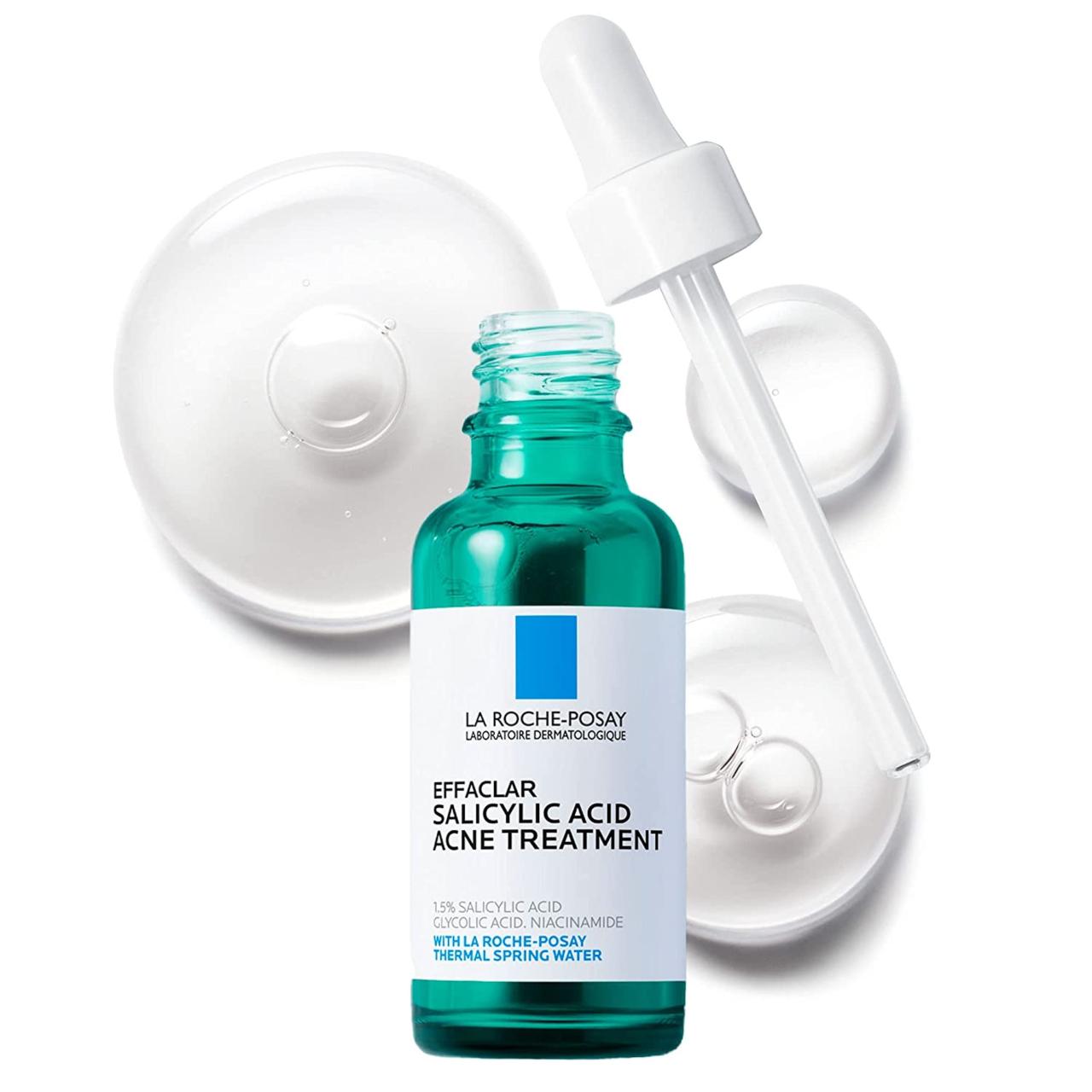
Acne can be a persistent and frustrating skin condition, often requiring more than just over-the-counter solutions. In many cases, prescription medications play a crucial role in effectively managing and treating acne. These medications can be classified into two primary categories: topical and oral options, each with unique mechanisms of action and potential side effects.
Overview of Prescription Medications
Prescription medications for acne are designed to target the underlying causes of the condition, such as excess oil production, bacteria, and inflammation. Understanding how these medications work can help patients make informed decisions about their treatment options.
– Topical Retinoids: These vitamin A derivatives, such as tretinoin and adapalene, help unclog pores and promote skin cell turnover. They are effective in reducing both inflammatory and non-inflammatory acne lesions.
– Topical Antibiotics: Medications like clindamycin and erythromycin reduce acne-causing bacteria on the skin and possess anti-inflammatory properties, helping to decrease redness and swelling.
– Benzoyl Peroxide: Often combined with other treatments, benzoyl peroxide kills bacteria and helps prevent clogged pores by decreasing oil production.
– Oral Antibiotics: Drugs such as doxycycline and minocycline are used for moderate to severe acne. They work systemically to reduce bacteria and inflammation.
– Oral Contraceptives: Certain birth control pills can regulate hormones, which may help minimize acne breakouts caused by hormonal fluctuations.
– Isotretinoin: This powerful oral medication is typically reserved for severe cases of acne that do not respond to other treatments. It reduces oil production and has long-lasting effects.
While prescription medications can be highly effective, they also come with potential side effects. Common issues may include dryness, irritation, and increased sensitivity to sunlight. More serious side effects can occur with certain medications, like isotretinoin, which may include mood changes, birth defects, and liver function alterations.
Given the potential risks, it’s essential for individuals to consult with a dermatologist before starting any prescription treatment. A dermatologist can evaluate the severity of acne, assess skin type, and recommend the most appropriate treatment plan tailored to individual needs.
“Consulting with a dermatologist ensures safe and effective acne treatment tailored to individual skin needs.”
Natural Remedies for Acne Management
Natural remedies have gained popularity as effective alternatives in the management of acne. These remedies, derived from natural sources, often come with fewer side effects compared to conventional treatments. Many individuals looking for gentle solutions have turned to ingredients like tea tree oil, aloe vera, and honey, which possess unique properties that aid in acne treatment.
Tea tree oil is renowned for its antibacterial and anti-inflammatory properties. Studies have shown that it can reduce acne lesions and inflammation effectively. When diluted with a carrier oil, tea tree oil can be applied directly to blemishes to help combat the bacteria that contribute to acne. Aloe vera is another powerful natural remedy; its soothing properties help calm irritated skin. Rich in vitamins and antioxidants, aloe vera promotes healing and reduces redness associated with acne. Applying fresh aloe vera gel to the affected areas can provide a cooling sensation and aid in skin recovery.
Honey, particularly raw honey, offers antimicrobial properties, making it an excellent choice for acne management. Its natural humectant qualities help keep the skin hydrated while also providing antibacterial benefits. A simple mask made from honey can help cleanse the pores and reduce acne outbreaks.
To effectively use these natural remedies, here are some straightforward applications:
Application Methods for Natural Remedies
The following methods Artikel how to incorporate natural ingredients into your skincare routine:
- Tea Tree Oil: Mix one part tea tree oil with nine parts carrier oil (like coconut or jojoba oil). Apply directly to blemishes using a cotton swab, leaving it on for several hours or overnight.
- Aloe Vera: Extract fresh gel from an aloe vera leaf and apply it directly to the skin. Leave it on for about 30 minutes before rinsing off with water. This can be done daily.
- Honey Mask: Apply a thin layer of raw honey to the problematic areas. Allow it to sit for at least 20 minutes before rinsing with warm water. This can be repeated two to three times a week.
- Green Tea: Brew a green tea bag, let it cool, and use it as a toner by applying it to the skin with a cotton pad. This can help reduce oil production and inflammation.
- Apple Cider Vinegar: Dilute one part apple cider vinegar with three parts water. Apply it to the skin using a cotton ball, avoiding sensitive areas. Rinse after 10 minutes. This can help balance the skin’s pH.
These natural remedies not only help in managing acne but also promote overall skin health. Each ingredient offers distinct benefits, making them valuable additions to any skincare routine focused on combatting acne.
The Impact of Diet on Acne Formation
Diet plays a significant role in skin health and can heavily influence the severity of acne. While genetics and hormonal fluctuations are common causes of acne, dietary choices can either exacerbate or alleviate this condition. Research indicates that certain foods may trigger inflammatory responses in the body, leading to increased oil production and clogged pores, both of which are pivotal in acne formation. Understanding the relationship between diet and acne can empower individuals to make informed choices that support clearer skin.
Several studies have highlighted that high glycemic index (GI) foods, which rapidly increase blood sugar levels, are linked to greater acne severity. Foods such as white bread, sugary snacks, and certain cereals can provoke spikes in insulin. Elevated insulin levels can stimulate the oil glands in the skin, resulting in an overproduction of sebum, the oily substance that can clog pores. In addition, dairy products have been associated with acne, possibly due to the hormones present in milk or dairy’s ability to trigger insulin responses.
Foods Known to Exacerbate Acne
Understanding which foods to avoid can help individuals navigate their dietary habits more effectively. The following list Artikels common foods linked to increased acne severity along with healthier alternatives that may promote better skin health:
Choosing foods wisely can significantly impact skin appearance. Here’s a detailed look at common culprits and their alternatives:
| Foods to Avoid | Alternatives for Better Skin Health |
|---|---|
| White Bread | Whole Grain Bread |
| Sugary Snacks (candies, cookies) | Fruits (berries, apples) |
| Soft Drinks | Water or Herbal Tea |
| Ice Cream | Greek Yogurt |
| Chips and Processed Snacks | Nuts and Seeds |
| Fast Food | Grilled Chicken or Fish with Vegetables |
“You are what you eat” rings particularly true when it comes to skin health; choosing low-GI and nutrient-dense foods can lead to clearer skin.
Incorporating anti-inflammatory foods, such as leafy greens, fatty fish rich in omega-3 fatty acids, and nuts, can help reduce inflammation and improve skin condition. Additionally, maintaining hydration and a balanced diet rich in vitamins and minerals is crucial for overall skin health. By being mindful of dietary choices and their effects on acne, individuals can take proactive steps toward achieving clearer skin.
Lifestyle Changes to Support Acne Treatment
Making lifestyle changes can significantly enhance the effectiveness of acne treatments. Factors like stress management, consistent sleep hygiene, and a dedicated skincare routine not only influence the health of your skin but also promote overall well-being. Integrating these changes into your daily life may seem challenging, but with practical tips and a structured routine, clearer skin could be within reach.
Adopting a holistic approach to acne management involves understanding how various lifestyle choices impact skin health. Stress is known to trigger hormonal fluctuations that increase oil production, potentially leading to breakouts. Therefore, incorporating stress-relief techniques such as meditation, yoga, or even simple breathing exercises can be beneficial. Sleep hygiene is equally important; poor sleep can affect hormonal balance and skin regeneration. Prioritizing quality sleep helps the skin repair itself overnight and reduces inflammation. Additionally, implementing a targeted skincare routine ensures that the skin is adequately nourished and cleansed, preventing clogged pores and subsequent acne formation.
Practical Tips for Incorporating Lifestyle Changes
Here are some practical tips that can help in incorporating lifestyle changes to support acne treatment:
1. Stress Management Techniques:
– Engage in regular physical activity, which can help to reduce stress levels.
– Practice mindfulness or meditation for at least 10 minutes each day.
– Keep a journal to express your thoughts and feelings, reducing mental clutter.
2. Improving Sleep Hygiene:
– Establish a consistent sleep schedule by going to bed and waking up at the same time daily.
– Create a calming bedtime routine, such as reading or taking a warm bath before sleep.
– Limit screen time at least an hour before bedtime to enhance relaxation.
3. Skincare Routine:
– Use a gentle cleanser twice daily to remove excess oils and impurities.
– Incorporate non-comedogenic moisturizers to maintain skin hydration without clogging pores.
– Apply topical treatments as prescribed by a dermatologist, focusing on active ingredients like salicylic acid or benzoyl peroxide.
To further illustrate a structured daily routine that promotes good skin hygiene, consider the following sample schedule:
| Time | Activity |
|---|---|
| 7:00 AM | Wake up and drink a glass of water. |
| 7:15 AM | Engage in light stretching or yoga for 15 minutes. |
| 7:30 AM | Cleanse the face with a gentle cleanser. |
| 8:00 AM | Apply a non-comedogenic moisturizer and, if necessary, sunscreen. |
| 12:00 PM | Take a break for a healthy lunch, perhaps with omega-3 rich foods. |
| 6:00 PM | Engage in physical activity for at least 30 minutes. |
| 8:00 PM | Cleanse the face again to remove makeup and impurities. |
| 8:15 PM | Apply any prescribed topical treatments. |
| 9:00 PM | Wind down with a book or calming music. |
| 10:00 PM | Go to bed to ensure adequate rest. |
Incorporating these lifestyle changes can yield positive results over time, supporting not just clearer skin but also a healthier, more balanced life overall.
The Importance of Professional Help in Severe Acne Cases
Severe acne can be a daunting experience, affecting not only the skin but also self-esteem and quality of life. While many people may be able to manage milder forms of acne with over-the-counter treatments, severe cases often require the expertise of a dermatologist. Recognizing when to seek professional help is crucial for effective management and treatment of acne.
Identifying the right moment to consult with a dermatologist is essential for those struggling with severe acne. Some signs that indicate the need for professional intervention include:
– Persistent Breakouts: If acne continues to appear despite consistent use of over-the-counter products for several months, it’s time to seek professional advice.
– Severe Inflammation: When acne lesions are painful, swollen, and red, they could indicate a more serious condition that requires medical treatment.
– Scarring: If there are signs of scarring or hyperpigmentation, a dermatologist can provide treatments to minimize long-term skin damage.
– Cystic Acne: The presence of cysts filled with pus that are painful and large suggests a more severe form of acne that typically needs prescription medications.
– Emotional Distress: If acne is leading to significant emotional distress or affecting daily life, consulting a professional can provide supportive care and treatment options.
Once a dermatologist assesses the condition, they may recommend a tailored treatment plan for severe acne. Such treatment plans can include:
– Topical Treatments: Prescription-strength retinoids or antibiotics to reduce inflammation and prevent new breakouts.
– Oral Medications: This may involve antibiotics to control bacteria and reduce inflammation, or hormonal treatments like birth control pills that can help regulate oil production.
– Isotretinoin: Often prescribed for the most severe cases, this powerful medication can drastically reduce acne by targeting multiple causes.
– Chemical Peels: Professional-grade chemical peels can help clear clogged pores and improve skin texture.
– Laser Therapy: Treatments that use laser technology to target acne and minimize scarring can be effective alternatives.
– Light Therapy: Blue light therapy, in particular, is known to kill acne-causing bacteria, providing another option in conjunction with other treatments.
“Professional help is not just about treatment; it’s about understanding the severity and underlying causes of acne.”
In summary, seeking professional help for severe acne is a critical step toward effective treatment and improved skin health. By recognizing the signs and having a comprehensive treatment plan, individuals can find relief from both the physical and emotional burdens of severe acne.
Myths and Misconceptions About Acne Treatment
Acne treatment is often surrounded by a myriad of myths and misconceptions that can mislead those seeking effective solutions. Understanding the truth behind these myths is crucial for anyone dealing with acne, as it can significantly influence their treatment choices and overall skin health. Here, we dispel some common myths and compare them with scientific facts to provide clarity.
Common Myths Versus Scientific Facts
Many individuals believe various misconceptions about acne treatment that can hinder their efforts to manage their skin effectively. Below is a comparison of these myths against factual information based on scientific research and dermatological insights.
| Myth | Fact |
|---|---|
| Acne is caused by poor hygiene. | While cleanliness is important, acne is primarily caused by excess oil production, clogged pores, and bacteria, not simply lack of washing. |
| Chocolate and greasy foods cause acne. | Diet does play a role, but studies show that common triggers are primarily hormonal and genetic rather than specific foods. |
| Sunscreen makes acne worse. | Some sunscreens can clog pores, but using non-comedogenic (non-pore-clogging) formulas is essential for protecting skin without exacerbating acne. |
| More products mean better results. | Over-treating acne with multiple products can irritate the skin, leading to increased inflammation. A simple routine often works best. |
| Only teenagers get acne. | Acne can affect individuals of all ages, including adults. Hormonal fluctuations and stress can trigger outbreaks even in those beyond their teenage years. |
| Toothpaste can cure acne quickly. | While toothpaste might dry out a pimple temporarily, it can lead to irritation or allergic reactions and is not a recommended treatment. |
| Acne will clear up on its own without treatment. | While some mild cases may resolve, untreated acne can worsen and lead to scarring if not appropriately managed. |
Understanding these myths and truths is essential for effective acne management. By relying on scientifically backed information, individuals can make informed choices about their treatment options and foster healthier skin.
Final Summary
In conclusion, navigating the world of acne treatment requires a blend of understanding, patience, and the right strategies tailored to individual needs. From distinguishing between different acne types to recognizing when to seek professional help, this journey is about more than just clear skin; it’s about fostering confidence and embracing oneself. By being informed and proactive, individuals can take significant steps towards achieving a clearer complexion and overall skin health.
Questions Often Asked
What are the main causes of acne?
Acne can be caused by a combination of hormonal changes, excess oil production, clogged pores, bacteria, and inflammation.
Can acne be treated at home effectively?
Yes, many over-the-counter treatments and natural remedies can be effective, but it may require some trial and error to find what works best for you.
Is it normal for adults to experience acne?
Absolutely! Adult acne is common and can be triggered by factors such as hormonal changes, stress, and dietary choices.
How long does it take for acne treatments to show results?
It generally takes 4 to 6 weeks to see noticeable improvement, but this can vary based on the treatment method and skin type.
Can diet really affect acne?
Yes, certain foods, especially those high in sugar and dairy, can exacerbate acne for some individuals.
Are there any lifestyle changes that can help with acne?
Yes, managing stress, getting enough sleep, and maintaining a good skincare routine can significantly impact acne management.