
 Widya pasha
Daily skincare is more than just a routine; it’s a personal journey towards healthier, glowing skin. This guide takes you through the essential components of a successful skincare regimen tailored to your unique skin type, from oily to sensitive. It’s all about understanding your skin’s needs and providing the right care to enhance its natural beauty.
With insights on the importance of sunscreen, hydration, key ingredients, and dietary impacts, you’ll learn how to make informed choices that benefit your skin in the long run. Consistency is key, and recognizing common pitfalls will empower you to cultivate a rewarding skincare habit that not only nourishes your skin but also boosts your confidence.
Daily skincare routines for different skin types should be discussed in detail to help individuals choose the right approach.
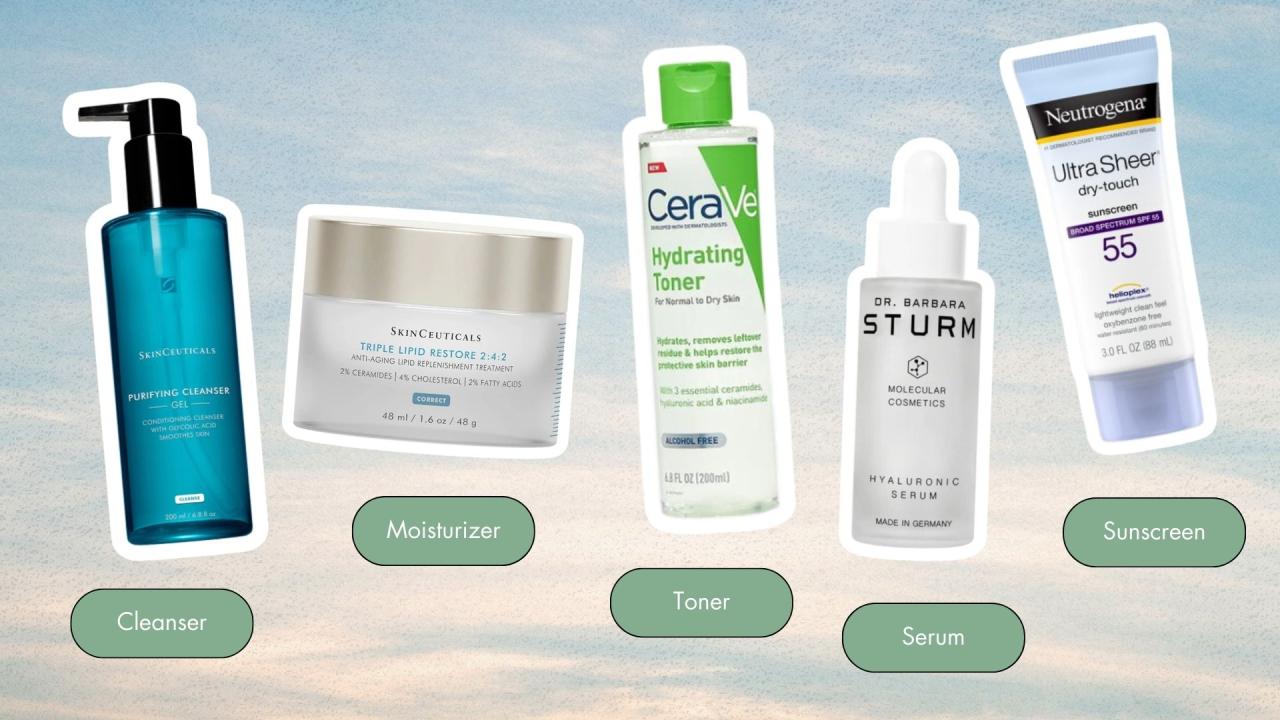
Skincare is not a one-size-fits-all routine. Each skin type requires a tailored approach to effectively address its unique needs and concerns. Understanding your skin type is the first step towards achieving a radiant and healthy complexion. There are four primary skin types: oily, dry, combination, and sensitive. Knowing how to cater to each type can streamline your skincare process and enhance the effectiveness of the products you use.
Different skin types have distinct characteristics that influence their response to various ingredients and formulations. For instance, oily skin tends to produce excess sebum, leading to shine and breakouts. Dry skin lacks moisture and may appear flaky or tight. Combination skin exhibits traits of both oily and dry skin, usually with an oily T-zone and dry cheeks. Sensitive skin can be easily irritated and often reacts negatively to harsh ingredients. Each skin type requires specific products and routines to maintain balance and health.
Skincare routines for different skin types
Understanding how to structure your skincare routine based on your skin type is crucial. Below are tailored approaches highlighting suitable products for each skin type:
Oily Skin: Oily skin benefits from products that control excess shine and prevent breakouts without stripping moisture. A routine might include:
– Cleanser: Gel-based cleansers with salicylic acid or tea tree oil.
– Toner: Alcohol-free toners with witch hazel to minimize pores.
– Moisturizer: Lightweight, oil-free moisturizers or gels.
– Sunscreen: Non-comedogenic sunscreen with a matte finish.
Dry Skin: For dry skin, the focus is on hydration and moisture retention to soothe dryness and irritation. Recommended products include:
– Cleanser: Creamy or hydrating cleansers with ingredients like glycerin or ceramides.
– Toner: Alcohol-free toners with hydrating elements like hyaluronic acid.
– Moisturizer: Rich creams or lotions that contain shea butter or oils like jojoba.
– Sunscreen: Moisturizing sunscreens that provide hydration while protecting from UV rays.
Combination Skin: This skin type requires balancing products to cater to both oily and dry areas. Suggested items are:
– Cleanser: Gentle foaming cleansers that don’t strip the skin.
– Toner: Balancing toners with calming ingredients like chamomile.
– Moisturizer: A lightweight lotion that hydrates without added oil.
– Sunscreen: Broad-spectrum sunscreen that suits both dry and oily areas.
Sensitive Skin: For sensitive skin, use products that are gentle and free from irritants. A suitable routine includes:
– Cleanser: Mild, fragrance-free cleansers that do not disrupt the skin barrier.
– Toner: Hydrating toners with soothing ingredients like aloe vera.
– Moisturizer: Hypoallergenic creams with calming ingredients like calendula.
– Sunscreen: Physical (mineral) sunscreens that offer gentle protection.
By identifying your skin type and adjusting your skincare routine accordingly, you can enhance your skin’s health and appearance. Regular evaluation of your skin’s needs will also help you adapt your routine as necessary, ensuring you always use the most effective products.
The importance of incorporating sunscreen into daily skincare should be highlighted to raise awareness about skin protection.
Incorporating sunscreen into your daily skincare routine is crucial for maintaining skin health and preventing long-term damage. With increasing awareness of harmful UV rays and their effects, it’s essential to understand the different types of sunscreens available, how they work, and the immense benefits of using them consistently.
Various types of sunscreens exist to cater to different skin types and preferences. Broadly, they can be categorized into chemical and physical (or mineral) sunscreens. Chemical sunscreens contain organic compounds that absorb UV radiation, converting it into heat, which is then released from the skin. Examples include avobenzone, octisalate, and octocrylene. In contrast, physical sunscreens contain active mineral ingredients like titanium dioxide and zinc oxide, which sit on the skin and reflect UV rays. Each type has its pros and cons, with physical sunscreens being less irritating for sensitive skin and chemical ones often having a lighter feel.
Long-term benefits of using sunscreen daily
The long-term benefits of using sunscreen daily are well-documented and significant. Regular application of sunscreen can dramatically reduce the risk of developing skin cancer, specifically melanoma. Studies indicate that consistent use can lower the risk of skin cancer by up to 50%. Additionally, sunscreen helps prevent premature aging signs such as wrinkles, fine lines, and pigmentation. By blocking harmful UV rays, sunscreens prevent the breakdown of collagen, which is vital for maintaining skin elasticity.
Moreover, daily sunscreen use can significantly improve the overall appearance of the skin. A study published in the Journal of Investigative Dermatology found that participants who used sunscreen daily showed 24% less skin aging than those who did not. Sunscreen also helps preserve an even skin tone and reduces the occurrence of sunspots. Hence, the investment in a quality sunscreen can lead to healthier, more youthful-looking skin over time.
The appropriate SPF level is vital for effective protection and varies depending on skin tone. Generally, those with fair skin, which is more prone to sunburn, should use a higher SPF (30+), while medium to dark skin tones can often use SPF 15-30. However, dermatologists recommend that everyone, regardless of skin type, apply at least SPF 30 for adequate protection. It’s also important to reapply sunscreen every two hours, especially when outdoors or engaging in activities that induce sweating or swimming.
By understanding the different types of sunscreen and their long-term benefits, individuals can make informed choices that contribute to healthier skin and greater overall well-being.
The role of hydration in maintaining healthy skin should be explained to emphasize its significance.
Hydration is a fundamental aspect of skincare that often goes overlooked. Proper hydration not only maintains the skin’s barrier but also contributes to its overall appearance, texture, and elasticity. When the skin is adequately hydrated, it appears plump, radiant, and youthful. Conversely, dehydration can lead to dryness, flakiness, and an increased appearance of fine lines and wrinkles. Understanding the importance of hydration can help enhance your skincare routine and protect your skin from damage.
Skin hydration directly affects its elasticity and overall appearance. Elasticity refers to the skin’s ability to stretch and bounce back, which diminishes with age or dehydration. When skin cells are well-hydrated, they maintain their structure and function more effectively, leading to a smoother and firmer appearance. Dehydrated skin can result in a dull complexion, rough texture, and a heightened visibility of imperfections.
Methods to hydrate the skin
To achieve and maintain optimal skin hydration, there are various effective methods that can be employed, both topically and internally. Incorporating these methods into your daily routine can yield significant improvements in skin health and appearance. Here are some of the most effective ways to hydrate the skin:
- Drinking Water: Consuming an adequate amount of water daily is crucial for overall hydration. Aim for at least 8 glasses (about 2 liters) of water per day, as this helps to flush out toxins and keeps the skin cells hydrated from within.
- Topical Moisturizers: Using moisturizers that contain humectants (like glycerin and hyaluronic acid) can draw moisture from the environment into the skin, enhancing hydration levels.
- Face Mists: A quick spritz of a hydrating face mist throughout the day can provide an instant boost of moisture, especially in dry climates.
- Oil-based Products: Incorporating facial oils can help lock in moisture and provide a protective barrier, especially for those with drier skin types.
- Hydrating Masks: Regular use of hydrating masks can provide an added layer of moisture and nourishment to the skin, improving its texture and appearance.
When comparing water-based versus oil-based moisturizers, each type has unique benefits depending on skin type and needs.
Water-based moisturizers are light and absorb quickly, making them ideal for oily or acne-prone skin, while oil-based moisturizers provide a richer texture that effectively locks in moisture, suitable for dry or dehydrated skin.
In essence, the choice between water-based and oil-based products should be guided by individual skin needs and environmental factors. Understanding hydration will empower you to make informed choices that promote healthy, glowing skin.
Essential ingredients to look for in daily skincare products should be listed to guide consumers in making informed choices.
In today’s ever-evolving skincare landscape, it’s crucial to understand the ingredients in the products we use daily. With countless options available, recognizing key components can empower consumers to make informed choices that benefit their skin health. Here, we will focus on three essential ingredients: hyaluronic acid, retinol, and vitamin C, each known for their unique properties and benefits.
These ingredients work at the cellular level to enhance skin health and appearance. Understanding their mechanisms can help consumers appreciate how they contribute to a more radiant complexion.
Key Ingredients and Their Cellular Benefits
The following ingredients have been extensively studied for their efficacy in skincare. Here’s a brief overview of each, focusing on their primary cellular functions:
| Ingredient | Primary Function | Cellular Benefits |
|---|---|---|
| Hyaluronic Acid | Hydration |
|
| Retinol | Anti-aging |
|
| Vitamin C | Antioxidant |
|
Hyaluronic acid functions like a sponge within the skin, capable of holding up to 1,000 times its weight in water. This hydrating effect occurs as it binds to water, which is essential for maintaining skin elasticity and firmness.
Retinol, a derivative of vitamin A, plays a significant role in cellular regeneration. It penetrates the skin barriers and promotes the shedding of dead skin cells while enhancing the production of new ones. This process not only rejuvenates the skin but also minimizes the visible signs of aging, such as wrinkles and uneven texture.
Vitamin C, known for its brightening properties, works at a cellular level by stimulating collagen synthesis and acting as a potent antioxidant. This action helps repair damage caused by UV exposure and pollution, leading to healthier and more luminous skin.
By familiarizing yourself with these ingredients and their benefits, you can make smarter choices in selecting the right skincare products tailored to your personal needs.
The impact of diet on skin health should be explored to show the connection between nutrition and skincare.
A well-balanced diet plays a crucial role in maintaining the health and appearance of your skin. What we consume can significantly affect not only our overall well-being but also how our skin reacts to various environmental factors. By prioritizing nutrition, we can enhance skin vitality and combat issues like acne, dryness, and premature aging. Understanding the relationship between dietary choices and skin health empowers us to make informed decisions that benefit our skin.
Eating a variety of foods rich in vitamins, minerals, and antioxidants can help promote healthy skin and ward off skin-related issues. Foods high in trans fats and sugars, on the other hand, can aggravate conditions like acne and eczema. Incorporating antioxidant-rich fruits and vegetables into your diet is essential. Vitamins A, C, and E, along with fatty acids, are particularly vital for skin health. Vitamin A aids in cell production, while Vitamin C is crucial for collagen formation, which keeps the skin firm and youthful. Vitamin E acts as a protector against oxidative stress, while healthy fats from sources like avocados and nuts help maintain the skin’s moisture barrier.
Foods that promote healthy skin and those that can aggravate skin issues
Understanding the types of foods that enhance skin health versus those that may lead to issues is important for anyone looking to improve their skin’s appearance. Below is a list of beneficial foods along with those that could harm your skin:
Foods that promote healthy skin:
- Fatty fish: Rich in omega-3 fatty acids, which help combat inflammation and keep skin hydrated.
- Berries: Packed with antioxidants that protect the skin from damage.
- Leafy greens: Contain vitamins and minerals that support skin repair.
- Avocados: Loaded with healthy fats and vitamins E and C.
- Nuts and seeds: Provide essential fatty acids and antioxidants.
Foods that can aggravate skin issues:
- Sugary snacks and beverages: Can lead to insulin spikes and worsen acne.
- Dairy products: May trigger breakouts in some individuals.
- Processed foods: Often contain unhealthy fats that can contribute to inflammation.
Antioxidants and vitamins play a significant role in maintaining skin vitality. Antioxidants help neutralize free radicals, which can lead to oxidative stress—one of the major contributors to skin aging. Foods high in antioxidants, such as berries, dark chocolate, and green tea, can help protect the skin from damage caused by UV rays and pollution. Vitamins contribute to skin health as follows:
“The synergy of antioxidants and vitamins not only enhances skin appearance but also promotes long-term health.”
Incorporating a variety of these nutrients daily can lead to visible improvements in skin texture, tone, and resilience.
Daily meal plans that can enhance skin appearance
Creating meal plans that emphasize skin-friendly foods can be both enjoyable and beneficial. Here’s an example of a daily meal plan designed to enhance skin health:
Breakfast:
- Overnight oats topped with berries, chia seeds, and a drizzle of honey.
Lunch:
- Quinoa salad with leafy greens, cherry tomatoes, avocado, and grilled salmon.
Snack:
- A handful of mixed nuts, including walnuts and almonds, paired with a piece of dark chocolate.
Dinner:
- Stir-fried vegetables with tofu or chicken, served with brown rice and a side of steamed broccoli.
Evening Snack:
- A bowl of Greek yogurt topped with sliced fruits and a sprinkle of flaxseeds.
By following a meal plan rich in these nutritious foods, you can provide your skin with the essential nutrients it needs to look and feel its best.
The significance of consistency in daily skincare practices should be emphasized to help establish lasting habits.
Establishing a consistent daily skincare routine is vital for achieving and maintaining healthy skin. Just like any good habit, regularity in your skincare practices can have transformative effects over time. The skin, being the largest organ, requires ongoing care and attention to thrive. When you stick to a routine, you not only enhance your skin’s appearance but also protect it from environmental damage and premature aging.
Emphasizing consistency in skincare is essential because the cumulative effects of the products you use can lead to significant improvements. For example, a well-formulated moisturizer can keep your skin hydrated, while a dedicated sunscreen routine can greatly reduce the risk of sun damage. Over the months, these small daily actions can lead to clearer, smoother, and more radiant skin. When you observe the glowing results from your consistent efforts, it reinforces the importance of sticking to your routine.
Maintaining consistency amidst a busy lifestyle
Even with a packed schedule, there are effective strategies to ensure you maintain your skincare routine. Here are some tips to help you stay on track:
1. Set a Schedule: Allocate a specific time in the morning and evening for your skincare. Treat it as an important appointment that you cannot miss.
2. Simplify Your Routine: Tailor your skincare routine to include only essential products that suit your skin type. A complicated routine can deter you from staying consistent.
3. Prepare Ahead: Keep your skincare products in a visible and accessible spot. Having them ready can eliminate excuses for skipping your routine.
4. Create Reminders: Use your phone or calendar to set reminders for your skincare times. A little nudge can keep you accountable.
5. Incorporate Skincare into Daily Activities: Pair your skincare routine with another daily habit, like brushing your teeth. This dual-action can make it easier to remember.
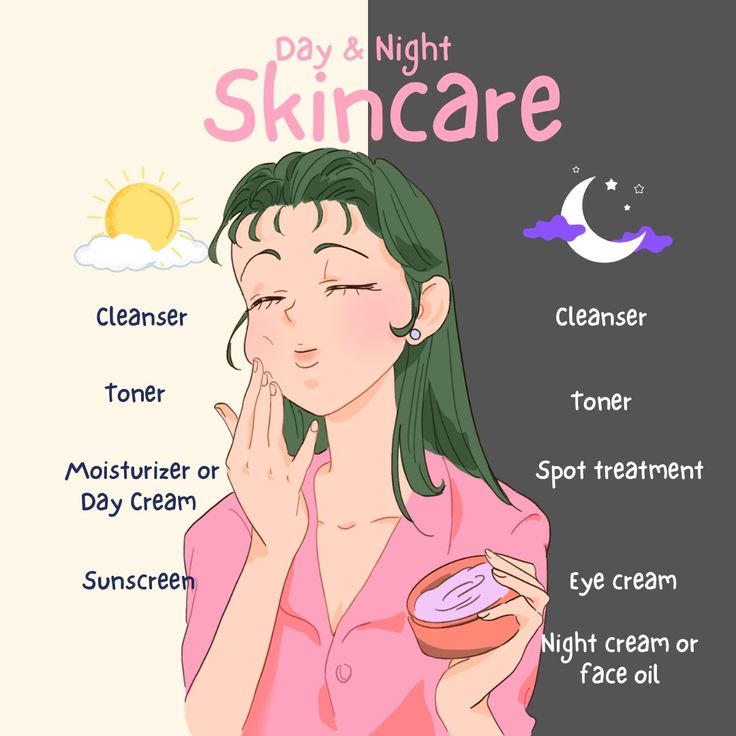
To assist you in implementing your skincare routine effectively, here’s a handy checklist for both your morning and evening routines:
Morning Skincare Routine Checklist:
– Cleanser
– Toner (if used)
– Serum (vitamin C recommended)
– Moisturizer
– Sunscreen
Evening Skincare Routine Checklist:
– Makeup remover (if applicable)
– Cleanser
– Exfoliant (2-3 times a week)
– Toner (if used)
– Serum (retinol recommended for nighttime)
– Eye cream
– Moisturizer
By integrating these practices into your daily life, you can foster habits that yield long-term benefits for your skin. Consistency is key to unlocking your skin’s true potential, leading to improved health and appearance.
Common skincare mistakes that people make should be highlighted to educate readers on what to avoid.
Many individuals invest considerable time and money into their skincare routines, yet some common mistakes can sabotage their efforts. Understanding these missteps is crucial for achieving and maintaining healthy skin. From over-exfoliating to neglecting hydration, these errors can have lasting consequences on your skin’s health and appearance.
One of the most frequent errors is over-exfoliating. While exfoliation is essential for removing dead skin cells and promoting cell turnover, doing it too often can strip the skin of its natural oils, leading to irritation, redness, and increased sensitivity. This can create a cycle of dryness that prompts the skin to produce even more oil, potentially resulting in breakouts. Another common mistake is neglecting to moisturize, even for those with oily skin types. Skipping this step can leave the skin feeling tight and can trigger an overproduction of oil as the skin attempts to compensate for its lack of hydration.
Consequences of common skincare mistakes
Understanding the impact of these common errors can help individuals make better choices for their skin. Below are the key consequences of these mistakes along with corrective steps to take if you find yourself in these situations:
- Over-exfoliation: This can lead to a compromised skin barrier, making it more susceptible to environmental damage and infections. To correct this, reduce exfoliation to 1-2 times a week and opt for gentler exfoliants like lactic acid.
- Neglecting to moisturize: Without proper hydration, skin can become dry and flaky, increasing the appearance of fine lines. Incorporate a moisturizer suitable for your skin type daily to maintain hydration. Lightweight gel-based moisturizers work well for oily skin, while thicker creams benefit dry skin.
- Inconsistent sunscreen use: Failing to apply sunscreen daily can lead to premature aging and skin cancer. It’s essential to use a broad-spectrum SPF 30 or higher, even on cloudy days, and reapply every two hours when outdoors.
- Using too many active ingredients: Overloading your routine with various active ingredients can overwhelm your skin and lead to irritation. Focus on one or two key ingredients at a time and gradually introduce new products.
“Simplifying your skincare routine can lead to more effective results.”
Recognizing and addressing these common skincare mistakes can dramatically improve skin health. With a mindful approach to your routine, you can achieve a balanced and radiant complexion.
The psychological benefits of a daily skincare routine should be discussed to highlight the emotional aspect of self-care.
Engaging in a daily skincare routine extends beyond the physical benefits; it profoundly impacts mental well-being and emotional health. Taking the time to care for your skin can serve as a powerful form of self-care, allowing individuals to feel better about themselves while enhancing their confidence. The ritualistic nature of skincare can provide a sense of structure and stability, essential for mental clarity and emotional equilibrium.
A consistent skincare routine acts as a moment of pause in our fast-paced lives, allowing for mindfulness and self-reflection. The tactile experience of cleansing, moisturizing, and treating the skin can trigger the release of endorphins, leading to improved mood and a sense of fulfillment. Many individuals report feeling a boost in self-esteem as they notice their skin improving over time, which can lead to an overall positive self-image.
Testimonials and Personal Stories
Real-life accounts underline the transformative power of skincare in enhancing mental health and self-confidence. For example, Sarah, a 28-year-old graphic designer, shared how dedicating just 10 minutes each morning to her skincare has become a ritual that sets a positive tone for her day. “It’s my time to reflect and focus on myself. I feel rejuvenated and ready to tackle whatever comes my way,” she said. Similarly, Mark, a 35-year-old educator, described how his acne struggles impacted his confidence. “Once I started a dedicated skincare routine, I noticed not just improvements in my skin but also in my social interactions. I feel more confident, and that energy radiates to others,” he shared.
To further enhance the skincare experience, incorporating mindfulness practices can amplify the emotional benefits. Here are practical suggestions to elevate your routine:
1. Breath Work: Before applying products, take a few deep breaths to center your thoughts, helping to reduce anxiety and promote relaxation.
2. Gratitude Journaling: Pair your routine with a few moments to jot down things you appreciate about yourself, fostering a more positive self-image.
3. Aromatherapy: Use your favorite scented products to engage your senses fully, as scents can trigger emotional responses and enhance relaxation.
4. Positive Affirmations: Speak kindly to yourself while applying products; affirmations can reinforce your self-worth and positivity.
These practices integrate seamlessly into your skincare routine, creating a holistic approach to self-care that nurtures both skin and soul.
Concluding Remarks
In conclusion, establishing a daily skincare routine tailored to your skin type is paramount for achieving and maintaining healthy skin. By understanding the significance of hydration, sun protection, and the right ingredients, you can create a holistic approach to skincare that enhances your well-being. Remember, taking care of your skin is not just a task; it’s a meaningful act of self-care that yields positive results both inside and out.
Quick FAQs
How often should I change my skincare products?
It’s best to assess your skin regularly and switch products if you notice irritation or lack of effectiveness, ideally every few months or as needed.
Can I use the same products for different seasons?
It’s advisable to adjust your products based on seasonal changes, as your skin may require more hydration in winter and lighter formulations in summer.
Is it necessary to use a toner?
A toner can be beneficial, especially for oily or acne-prone skin, as it helps to balance pH and remove any remaining impurities after cleansing.
What’s the difference between a serum and a moisturizer?
Serums contain concentrated active ingredients targeting specific skin concerns, while moisturizers provide hydration and lock in moisture.
How can I tell if my skincare routine is working?
You should notice improvements in your skin’s texture, tone, and overall health over time; if not, it may be time to reassess your routine.