
 Widya pasha
Sensitive skin products are essential for those who experience irritation, redness, or discomfort from typical skincare items. This unique skin type requires specially formulated products that cater to its delicate nature, ensuring a nurturing approach to skin health. By focusing on gentle ingredients and avoiding common irritants, sensitive skin products provide the care needed to maintain a balanced complexion while minimizing adverse reactions.
Understanding the characteristics of sensitive skin, such as its tendency to react to environmental factors and certain formulations, allows consumers to make informed choices. This overview dives into the significance of selecting appropriate products that not only soothe but also fortify sensitive skin against potential irritants, ultimately making for a healthier skincare routine.
Understanding the Characteristics of Sensitive Skin Products
Sensitive skin is a common skin type characterized by heightened reactivity to environmental factors, products, and even certain behavioral triggers. Individuals with this skin type often experience symptoms such as redness, itching, burning sensations, and dryness. These reactions occur because sensitive skin has a compromised barrier function, making it more susceptible to irritants and allergens. This unique sensitivity necessitates careful product selection to avoid adverse reactions and effectively care for the skin’s needs.
Choosing products specifically formulated for sensitive skin is crucial. Such products typically exclude harsh chemicals, synthetic fragrances, and high concentrations of active ingredients that can exacerbate sensitivity. Instead, they feature soothing, calming ingredients designed to support the skin’s barrier and restore hydration. This tailored approach not only helps in alleviating discomfort but also promotes overall skin health.
Formulation and Ingredient Selection for Sensitive Skin
The formulation of skincare products plays a vital role in maintaining the integrity and health of sensitive skin. Ingredients chosen for their mildness and effectiveness can greatly influence how the skin reacts. Sensitive skin products should prioritize gentle, non-irritating components.
- Natural Ingredients: Products containing botanical extracts like chamomile, aloe vera, and calendula are often favored. These ingredients possess anti-inflammatory properties that can soothe irritated skin and reduce redness.
- Fragrance-Free Options: Fragrances, whether synthetic or natural, can trigger reactions in sensitive skin. Choosing fragrance-free products minimizes the risk of irritation.
- Hydrators: Ingredients such as hyaluronic acid and glycerin draw moisture into the skin, helping to maintain hydration and support the barrier function.
- Barrier Repair Agents: Ceramides and fatty acids are essential for repairing the skin barrier. Including these in formulations aids in restoring the skin’s natural defenses.
- pH-Balanced Formulas: A balanced pH is critical for sensitive skin. Formulations that maintain a neutral pH help in reducing irritation and preserving skin health.
Choosing the right formulation is essential, especially since sensitive skin is often prone to conditions like eczema and rosacea. Products that are too harsh can lead to flare-ups, making it imperative to opt for those designed specifically for this skin type. In summary, understanding the characteristics of sensitive skin allows for informed choices that can enhance skin health and comfort.
Common Ingredients Found in Sensitive Skin Products
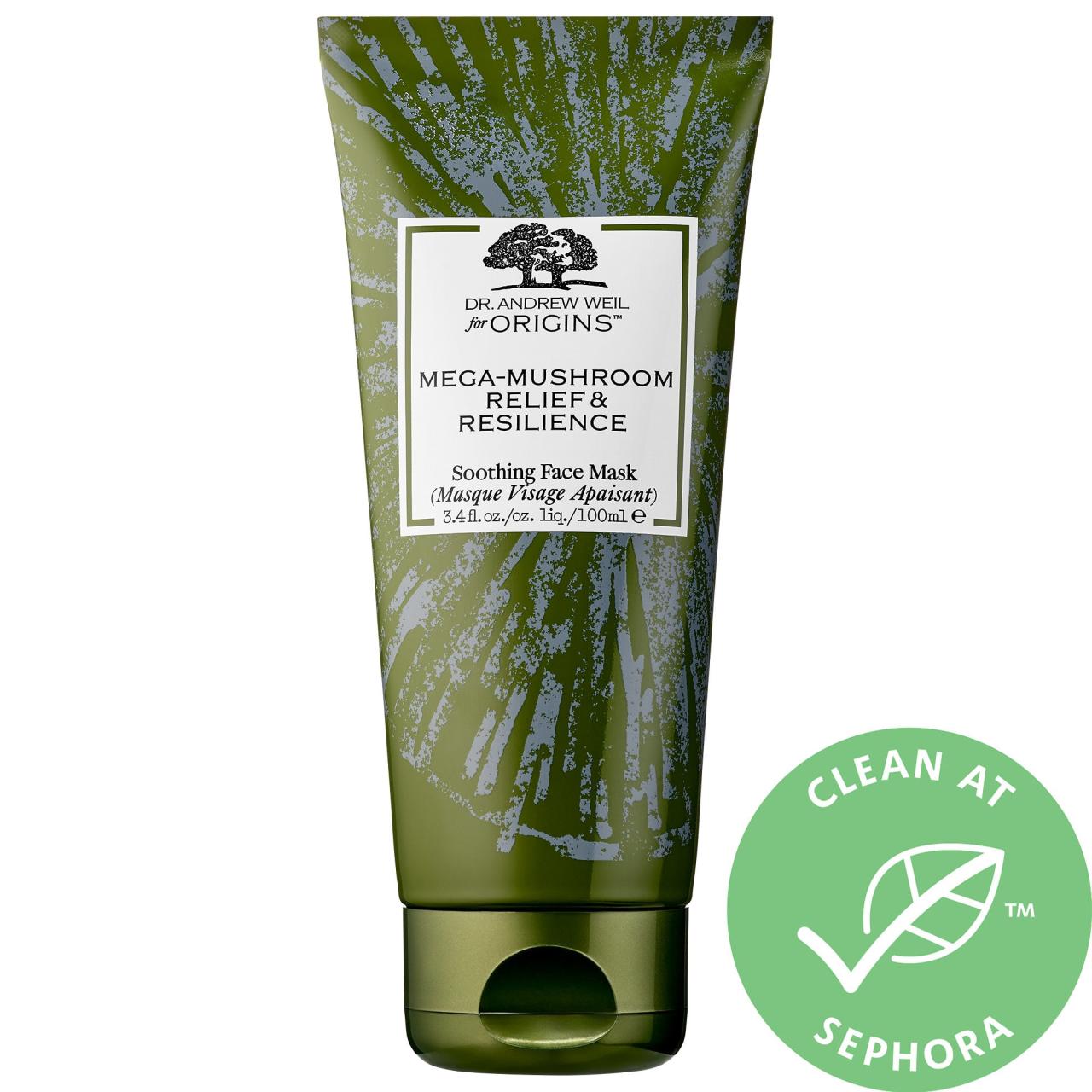
Sensitive skin requires gentle care, making the choice of ingredients in skincare products crucial. Individuals with sensitive skin often experience irritation, redness, or discomfort from various formulations. Therefore, understanding which ingredients are beneficial, which are safe, and which should be avoided is essential for maintaining skin health and comfort.
Several ingredients have been recognized for their soothing and restorative properties in sensitive skin products. These ingredients work to hydrate, protect, and calm the skin without causing adverse reactions. In addition, the use of fragrance-free and hypoallergenic formulas contributes significantly to minimizing the risk of irritation for those with sensitive skin.
Beneficial Ingredients for Sensitive Skin
Some ingredients provide extensive benefits for sensitive skin by offering hydration, protection, and calming effects. The following ingredients are commonly found in sensitive skin products:
- Aloe Vera: Known for its soothing properties, aloe vera helps to calm irritated skin and provides moisture without clogging pores.
- Chamomile Extract: This natural extract has anti-inflammatory properties, reducing redness and irritation while providing a calming effect.
- Allantoin: A compound that promotes skin healing and hydration, allantoin helps to soothe and protect sensitive skin.
- Glycerin: A powerful humectant, glycerin attracts moisture to the skin, keeping it hydrated and plump.
- Shea Butter: Rich in vitamins and fatty acids, shea butter nourishes and moisturizes the skin, creating a protective barrier.
- Niacinamide: Also known as vitamin B3, niacinamide improves skin barrier function and reduces inflammation, making it ideal for sensitive skin.
Fragrance-Free and Hypoallergenic Formulas
Fragrance-free and hypoallergenic formulas are essential for those with sensitive skin. Fragrance can often trigger allergic reactions and irritation, leading to flare-ups. Products labeled as hypoallergenic are designed to minimize the risk of allergic reactions, typically excluding common allergens and irritants. Choosing these formulas helps to alleviate concerns about potential reactions, ensuring that the skincare routine remains soothing and effective.
Ingredients to Avoid in Sensitive Skin Products
It is just as important to know which ingredients to avoid when selecting products for sensitive skin. Some compounds can cause irritation or exacerbate skin conditions. The following ingredients should be avoided:
- Alcohol: Certain types of alcohol can dry out the skin and cause irritation.
- Fragrance: Synthetic fragrances can lead to allergic reactions and skin irritation.
- Parabens: These preservatives may disrupt hormonal balance and cause irritation in sensitive individuals.
- Harsh Exfoliants: Ingredients like physical scrubs or strong chemical exfoliants can damage the skin barrier.
- Colorants: Artificial dyes can trigger reactions, especially in sensitive individuals.
- Formaldehyde and its derivatives: These preservatives can cause allergic reactions and skin irritation.
Understanding and selecting the right ingredients can significantly enhance the experience of using skincare products for sensitive skin, ensuring comfort and health.
Effective Skin Care Routines for Sensitive Skin
For those with sensitive skin, establishing a proper skincare routine is essential to maintain skin health while preventing irritation and discomfort. Sensitive skin can react adversely to numerous elements, from environmental factors to certain skincare products. Therefore, a thoughtful approach in selecting products and adhering to a routine can make all the difference in promoting a balanced complexion.
To effectively care for sensitive skin, a structured routine minimizes the chances of flare-ups and maximizes hydration and protection. It’s crucial to introduce products gradually and monitor how your skin responds. Below is a step-by-step skincare routine tailored for sensitive skin types.
Step-by-Step Skin Care Routine
To create a skincare regimen that caters to sensitive skin, follow these essential steps:
1. Cleanser:
Start with a gentle, hydrating cleanser that does not strip the skin of its natural oils. Look for products labeled as fragrance-free and hypoallergenic. Opt for cream or oil-based cleansers.
2. Toner:
Use an alcohol-free toner to restore the skin’s pH balance. This step can help remove any residual makeup or cleanser. Choose calming ingredients like chamomile or aloe vera.
3. Serum:
Incorporate a serum containing soothing ingredients like hyaluronic acid or vitamin E. These ingredients hydrate and protect sensitive skin without causing irritation.
4. Moisturizer:
Select a lightweight, non-comedogenic moisturizer that provides hydration without clogging pores. Look for formulations that include ceramides or glycerin for added moisture retention.
5. Sunscreen:
Daily application of broad-spectrum sunscreen is crucial. Opt for mineral-based sunscreens with zinc oxide or titanium dioxide, as they are often less irritating than chemical sunscreens.
6. Treatment:
If specific concerns like redness or breakouts arise, consider targeted treatments. Always patch test new products before applying them to the entire face.
To promote skin health while using sensitive skin products, gradually introduce new products into your routine. Start with one product at a time, allowing several days to observe any reactions. This method helps identify which products work best for your skin’s unique needs.
Maintaining skin health involves consistent hydration and protection. Ensure you stay hydrated by drinking enough water and using products that support the skin barrier. Incorporate antioxidants into your routine, as they help protect the skin from environmental stressors. Consistency is key; stick to your routine daily, and be patient as your skin adjusts to new products.
The Role of Patch Testing in Sensitive Skin Care
For individuals with sensitive skin, incorporating new products into a skincare routine can be daunting. The potential for adverse reactions makes it essential to approach skincare changes with caution. Patch testing serves as a proactive measure to identify any negative responses before fully incorporating a new product into your regimen.
Conducting a patch test involves a straightforward yet effective process. Begin by selecting a small area of skin, ideally on the forearm, as this region is typically less sensitive and less exposed to environmental irritants. Apply a small amount of the new product onto this area and cover it with a bandage or adhesive tape. It’s advisable to leave the product on for at least 24 to 48 hours without washing or disturbing the area to ensure accurate results. After this period, remove the bandage and observe the skin for any reactions such as redness, itching, or swelling.
Importance of Patch Testing in Preventing Adverse Reactions
Patch testing is a critical step in preventing adverse reactions, especially for those with sensitive skin. Many skincare products contain active ingredients that can trigger irritations or allergic responses. By performing a patch test, users can identify potential issues without risking widespread reactions across larger skin areas.
Consider the following factors regarding patch testing:
- Identification of Allergens: Patch testing helps spot specific ingredients that may cause allergic reactions, allowing for informed product choices.
- Prevention of Skin Damage: Avoiding harsh reactions from new products can protect the skin’s barrier and overall health.
- Personalized Skincare: Understanding how your skin responds to different ingredients enables you to tailor your skincare routine effectively.
The evaluation period after a patch test is crucial. It is typically recommended to wait for 48 to 72 hours after applying the product to assess any delayed reactions. During this time, monitor the patch site for any changes. If no irritation occurs, the product may be deemed safe for wider application. However, if any adverse effects are observed, it is wise to discontinue use immediately and consult a dermatologist if necessary.
Patch testing is a simple yet powerful tool to safeguard sensitive skin from adverse reactions.
Reviews of Popular Sensitive Skin Products in the Market
Sensitive skin requires products that are gentle yet effective, as it can easily become irritated or inflamed from harsh ingredients. This review focuses on popular products specifically designed for sensitive skin, offering insights into their formulation, effectiveness, and customer feedback. By examining various options available in the market, we can help you make an informed decision for your skincare routine.
Comparison of Leading Brands in Sensitive Skin Care
Three well-known brands that cater to sensitive skin are Cetaphil, La Roche-Posay, and Aveeno. Each brand offers unique formulations aimed at soothing and protecting delicate skin types. The following details Artikel their products along with user experiences.
“Sensitive skin needs special care; these products deliver just that.”
Cetaphil Daily Hydrating Lotion
Cetaphil is renowned for its gentle formulations, and the Daily Hydrating Lotion is no exception. This lightweight moisturizer contains hyaluronic acid and is designed to provide hydration without causing irritation.
Pros:
– Non-comedogenic, making it suitable for oily and acne-prone skin.
– Absorbs quickly, leaving a non-greasy finish.
– Fragrance-free, minimizing potential allergens.
Cons:
– Some users report that it may not provide enough moisture for very dry skin.
– A few customers have mentioned a sticky feeling upon application.
La Roche-Posay Toleriane Moisturizer
La Roche-Posay’s Toleriane line is specifically formulated for ultra-sensitive skin. This moisturizer is enriched with thermal spring water, known for its calming properties.
Pros:
– Hypoallergenic and free from preservatives, suitable for the most sensitive skin types.
– Users have praised its soothing effect, reducing redness and irritation.
– Clinically tested, ensuring safety for sensitive skin.
Cons:
– Some find the texture too thick for daytime use.
– A few customers have noted a higher price point compared to other brands.
Aveeno Ultra-Calming Foaming Cleanser
Aveeno’s Ultra-Calming Foaming Cleanser is a gentle option for cleansing sensitive skin. It contains calming feverfew, known for its anti-inflammatory properties.
Pros:
– Effectively removes makeup and impurities without stripping moisture.
– Lightweight foam feels refreshing and is easy to apply.
– Dermatologist-tested for safety on sensitive skin.
Cons:
– Some users have reported that it may not effectively remove waterproof makeup.
– A few individuals experienced dryness after prolonged use.
These reviews highlight the strengths and weaknesses of popular sensitive skin products, allowing consumers to weigh their options based on user experiences and personal skin needs. Each product has its merits and potential pitfalls, but overall, they represent some of the best offerings in the market for sensitive skin care.
Myths and Misconceptions about Sensitive Skin Care
Sensitive skin is often shrouded in misunderstandings that can lead to ineffective or even harmful skin care practices. Many people believe that sensitive skin is universally superficial, assuming it merely means skin that reacts easily to products. In reality, sensitive skin can stem from various underlying issues, including genetic factors, environmental influences, or skin conditions. Understanding the myths surrounding sensitive skin care can significantly impact how individuals manage their skin health.
One prevalent myth is that sensitive skin should only use products labeled as “hypoallergenic” or “for sensitive skin.” While these labels can indicate gentler formulations, they do not guarantee that a product will be suitable for everyone with sensitive skin. Each person’s skin has unique characteristics, meaning that a product perfect for one individual might cause reactions in another. Therefore, it is essential to read the ingredient list and conduct patch tests before fully incorporating a new product into the skincare routine.
Another misconception is that individuals with sensitive skin should avoid all skincare products containing active ingredients, such as acids or retinoids. While some active ingredients can indeed be irritating, many can provide substantial benefits when used correctly. For instance, gentle formulations of glycolic acid or lactic acid can help with exfoliation without causing excessive irritation. The key is to introduce these ingredients slowly and to consult with a dermatologist for tailored advice.
Misinformation can exacerbate skin conditions, leading to a cycle of trial and error that can worsen sensitivity. For instance, a person might choose to eliminate all potentially irritating ingredients based on myths, thereby missing out on beneficial products. This results in an unbalanced routine that may not address their specific skin concerns, such as dryness or pigmentation. Moreover, excessive caution can lead to over-cleansing or insufficient moisturizing, both of which can compromise the skin barrier.
Understanding common myths and replacing them with factual information can empower individuals to make informed decisions about their sensitive skin care, ultimately leading to healthier, more resilient skin.
The Impact of Lifestyle Choices on Sensitive Skin Health

Sensitive skin can react adversely to various environmental factors, but lifestyle choices play a significant role in its health as well. Factors such as diet, hydration, and stress levels can greatly influence skin conditions. Understanding these connections helps in managing sensitive skin more effectively.
Diet is a crucial element affecting skin health. Foods rich in antioxidants, vitamins, and healthy fats can help nourish the skin, while processed foods, sugars, and dairy can trigger flare-ups in sensitive individuals. Hydration is equally important, as water intake keeps the skin hydrated and supports its barrier function. Stress, on the other hand, can lead to hormonal changes that exacerbate skin issues. Managing these factors through lifestyle adjustments can significantly improve skin resilience and appearance.
Importance of a Balanced Diet
A balanced diet contributes positively to skin health. Incorporating specific nutrient-dense foods can provide the necessary support to maintain healthy skin. The following points highlight the importance of dietary choices:
- Antioxidant-Rich Foods: Berries, nuts, and green leafy vegetables are high in antioxidants that protect the skin from damage.
- Healthy Fats: Omega-3 fatty acids found in fish, flaxseeds, and walnuts help maintain the skin’s lipid barrier.
- Hydrating Foods: Cucumbers, watermelon, and oranges not only hydrate but also provide essential vitamins.
- Limit Processed Foods: Reducing intake of sugar and refined carbs can help minimize inflammation and skin flare-ups.
Hydration as a Key Factor
Proper hydration is vital for sensitive skin health. Dehydration can lead to dryness and exacerbate sensitivity. Drinking sufficient water daily and consuming fruits and vegetables with high water content can be beneficial. Consider the following strategies to improve hydration levels:
- Daily Water Intake: Aim for at least 8 glasses of water a day to maintain hydration.
- Moisturizing Agents: Use hydrating products that contain hyaluronic acid or glycerin to draw moisture into the skin.
- Limit Caffeine and Alcohol: Both can lead to dehydration, so it’s helpful to moderate their consumption.
Stress Management Techniques
Stress can have a profound impact on sensitive skin, often leading to flare-ups and irritation. Managing stress effectively can improve overall skin health. Here are some techniques to consider:
- Mindfulness and Meditation: Practicing mindfulness can reduce stress levels and subsequently improve skin health.
- Regular Exercise: Physical activity helps reduce stress and promotes circulation, which can enhance skin vitality.
- Adequate Sleep: Quality sleep is essential for skin repair and rejuvenation, making it imperative for maintaining healthy skin.
“Overall health is intricately linked to skin health; what we consume and how we manage stress can significantly affect sensitive skin conditions.”
Recommendations for Sensitive Skin Products Across Different Categories
Choosing the right products for sensitive skin can be a daunting task, especially with the myriad of options available in the market today. It’s essential to select formulations that are gentle, effective, and free from harsh ingredients that may trigger irritation. This guide will highlight recommended products across various categories, along with considerations to keep in mind when making your selections.
When selecting products for sensitive skin, it’s crucial to evaluate the formulations carefully, paying attention to the ingredients used. Look for products that are fragrance-free, hypoallergenic, and devoid of alcohol or sulfates, which can exacerbate skin sensitivity. Understanding the differences between high-end and drugstore options can also help you make informed choices that suit both your skin’s needs and your budget.
Cleansers
Cleansers form the first step in any skincare routine, especially for sensitive skin. A gentle cleanser helps remove impurities without stripping the skin’s natural moisture barrier. Here are some recommended options:
- CeraVe Hydrating Facial Cleanser: Contains ceramides and hyaluronic acid to provide hydration while cleansing.
- La Roche-Posay Toleriane Hydrating Gentle Cleanser: Designed specifically for sensitive skin, it calms and soothes while cleansing.
- Neutrogena Ultra Gentle Hydrating Cleanser: A creamy formula that cleanses without causing irritation.
Moisturizers
Moisturizers are vital for maintaining skin hydration and barrier function. When choosing a moisturizer for sensitive skin, prioritize those containing soothing ingredients. Here are some top recommendations:
- Clinique Moisture Surge 72-Hour Auto-Replenishing Hydrator: Provides intense hydration and is free from parabens.
- First Aid Beauty Ultra Repair Cream: A rich, emollient cream that contains colloidal oatmeal for soothing dry, sensitive skin.
- Avene Skin Recovery Cream: Specifically designed for hypersensitive skin, it helps restore the skin barrier.
Sunscreens
Protecting your skin from sun damage is crucial, even for sensitive skin types. Opt for mineral-based sunscreens that are less likely to irritate. Consider these products:
- EltaMD UV Clear Broad-Spectrum SPF 46: Lightweight and oil-free, ideal for sensitive and acne-prone skin.
- Neutrogena Sensitive Skin Sunscreen SPF 60: A broad-spectrum, fragrance-free option that provides effective protection.
- Blue Lizard Sensitive Mineral Sunscreen SPF 30: Formulated without fragrances or parabens, perfect for sensitive skin.
When choosing between high-end and drugstore options, focus on efficacy and ingredient quality. Often, drugstore brands offer equally effective formulations at a lower price point.
For high-end options, products may contain innovative ingredients or advanced formulations, which can be beneficial for specific skin concerns. However, many drugstore brands invest in research and development, ensuring their products are both effective and affordable. Always read ingredient labels and consider how your skin reacts to specific components, regardless of the price point.
Summary
In conclusion, navigating the world of sensitive skin products can be a rewarding journey when armed with the right knowledge. By considering formulation, ingredient selection, and effective routines, individuals can significantly improve their skin’s health and appearance. As we dispel myths and embrace informed choices, finding the perfect sensitive skin products becomes a seamless part of nurturing our unique skin needs.
FAQ Insights
What defines sensitive skin?
Sensitive skin is characterized by heightened reactions to products, environmental factors, and changes in temperature, often leading to redness and discomfort.
Are natural products better for sensitive skin?
Not necessarily; while some natural ingredients can be soothing, others may cause irritation. It’s essential to choose products that are specifically formulated for sensitive skin.
How often should I change my skincare products?
It’s advisable to introduce new products gradually and change them only when necessary, as frequent changes can lead to irritation.
Can diet affect my sensitive skin?
Yes, a balanced diet rich in omega-3 fatty acids, antioxidants, and hydration can positively impact skin health and reduce sensitivity.
Is it safe to use retinol on sensitive skin?
Retinol can be irritating for sensitive skin; if you choose to use it, start with a low concentration and apply it sparingly.