
 Widya pasha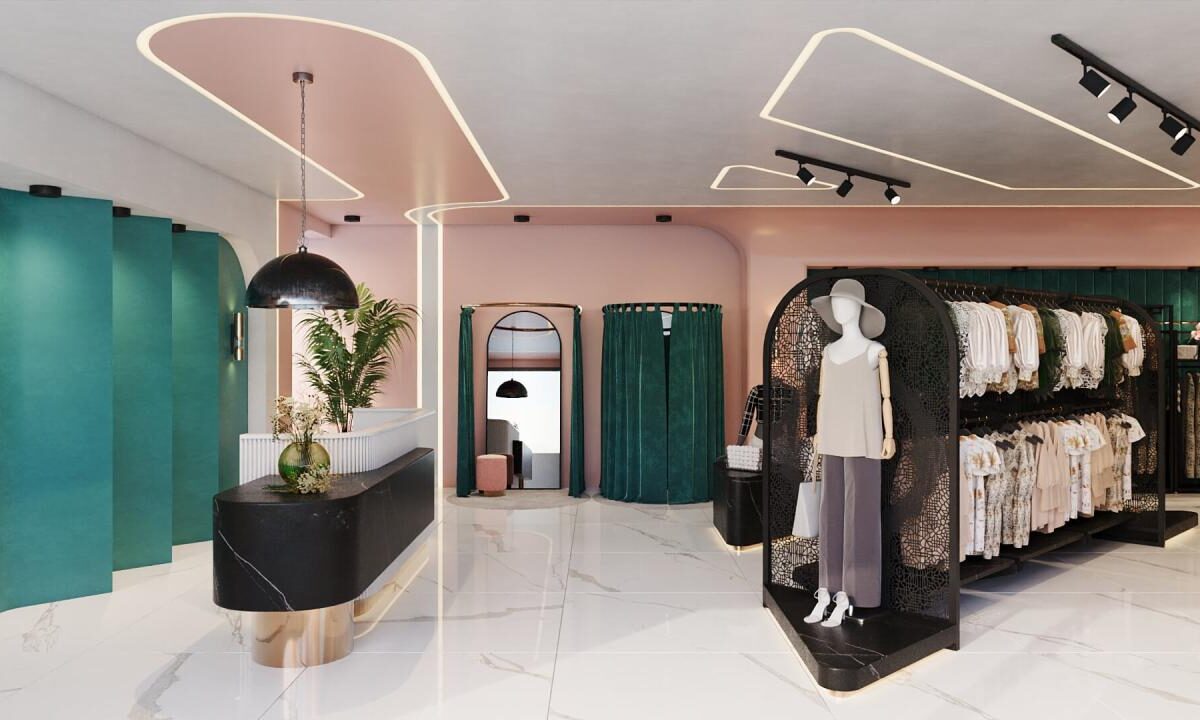
Boutique fashion stands as a vibrant and evolving force in today’s retail landscape, showcasing the artistry of individual designers while providing unique shopping experiences. It invites fashion enthusiasts to explore curated collections that reflect personal style rather than mass-market trends, making each visit to a boutique a delightful adventure filled with surprises.
This concept has roots in history, evolving from small, personalized shops to influential players in the fashion industry. Boutique fashion is characterized by its focus on craftsmanship, cultural storytelling, and sustainable practices, setting it apart from mainstream retail. With the rise of social media, these boutiques have transformed their marketing strategies to reach a broader audience, blending tradition and innovation.
Boutique fashion as a concept in the modern retail landscape
Boutique fashion has carved out a unique and essential niche within the broader retail landscape, evolving significantly over the years. This concept of tailored, often one-of-a-kind clothing and accessories provided by small, independent retailers has transformed from a niche market into a prominent force in the fashion industry, appealing to consumers seeking individuality and quality.
The historical evolution of boutique fashion can be traced back to the mid-20th century when small, independent designers began to offer unique pieces in limited quantities. These boutiques emerged as an alternative to mass-produced clothing, emphasizing craftsmanship, creativity, and personal style. By the 1980s and 1990s, the rise of hipster culture and an increasing appreciation for local artisans propelled boutique fashion into the mainstream. Today, boutique retailers operate alongside larger retail giants, offering consumers a curated selection of styles often characterized by a story, aesthetic, or local influence.
Defining characteristics of boutique fashion
Boutique fashion is distinguished by several defining characteristics that set it apart from mainstream retail offerings. These factors contribute to a shopping experience that is both unique and personalized:
- Curated selection: Boutiques typically offer a carefully chosen collection of garments and accessories, focusing on quality over quantity. The selection often reflects the owner’s personal taste and the latest trends, which can attract fashion-forward consumers.
- Limited availability: Many boutiques stock exclusive pieces or small runs from designers, ensuring that customers can find items that are less likely to be worn by others in their social circles.
- Personalized service: Boutique shopping often includes personalized customer service, with staff who are knowledgeable about the products and can offer styling advice tailored to individual preferences.
- Unique design: Many boutique items are created by independent designers, leading to distinctive styles and innovative designs that stand out from mass-produced items.
- Community connection: Many boutiques emphasize their local roots by featuring regional designers or hosting community events, fostering a sense of connection between the store, its products, and the local culture.
Impact of social media on boutique fashion marketing strategies
Social media has dramatically reshaped how boutique fashion is marketed, providing a platform for engagement, brand building, and direct sales. The impact of social media on boutique fashion marketing strategies includes the following:
- Increased visibility: Platforms like Instagram and Pinterest allow boutiques to showcase their collections visually, reaching a broader audience and attracting new customers through eye-catching images.
- Direct engagement with customers: Social media facilitates two-way communication, allowing boutiques to interact with their audience, gather feedback, and build a loyal community around their brand.
- Influencer collaborations: Collaborating with social media influencers can enhance visibility and credibility for boutiques, as influencers often share authentic experiences with their followers, driving traffic and sales.
- Real-time marketing: Boutiques can leverage trends and current events to create timely marketing campaigns, aligning their brand with what is relevant and engaging to their audience.
- Online sales integration: Many boutiques utilize social media platforms to direct traffic to their e-commerce sites, enabling seamless purchasing and expanding their customer base beyond geographical limitations.
The role of craftsmanship in boutique fashion brands
Craftsmanship is a hallmark of boutique fashion brands, distinguishing them from mass-market retailers. It embodies the meticulous attention to detail and the unique skills that artisans bring to their craft. This dedication to quality not only enhances the aesthetic appeal of clothing but also fosters a deeper connection between the consumer and the brand. When consumers choose boutique fashion, they are often seeking more than just an item—they are investing in a story, a tradition, and a commitment to quality that is evident in every stitch.
Craftsmanship plays a pivotal role in both the design and production processes of boutique fashion. The rigorous standards of handmade garments and the artisanal techniques employed reflect a level of quality that mass-produced items often lack. This commitment to excellence is not just about aesthetics; it is also about durability and sustainability. Consumers increasingly value products that are made to last, and this understanding enhances brand loyalty. When a brand prioritizes quality materials and skilled craftsmanship, it creates a perception of value that resonates with discerning consumers.
Influence of quality materials on consumer perception and brand loyalty
High-quality materials are fundamental to the perception of value in boutique fashion brands. When consumers recognize the difference between synthetic fibers and natural textiles, their appreciation for the brand deepens. Quality materials contribute to a garment’s overall performance, including comfort, durability, and style. This impacts how consumers feel about the brand, often translating into loyalty and repeat purchases.
The following points illustrate the importance of quality materials in fostering brand loyalty:
- Enhanced Longevity: Garments made from high-quality materials not only withstand the test of time but also maintain their appearance and fit longer, encouraging repeat business.
- Comfort and Wearability: Natural fibers like cotton, linen, and wool often provide superior comfort compared to synthetic alternatives, enhancing the overall consumer experience.
- Luxury Perception: The use of premium materials elevates the brand’s image, appealing to consumers who associate high-quality fabrics with luxury and exclusivity.
- Sustainability Factors: Many consumers today prioritize eco-friendly materials, which can enhance brand reputation and attract environmentally conscious shoppers.
Boutique brands like Eileen Fisher and Reformation emphasize the use of sustainable materials in their collections, showcasing their commitment to quality and environmental responsibility. Additionally, Everlane stands out for its transparency regarding material sourcing, ensuring consumers understand the value of the products they purchase.
Examples of brands that emphasize handmade or artisanal techniques
Numerous boutique fashion brands have made their mark by highlighting their craftsmanship through handmade or artisanal techniques. These brands not only prioritize quality but also tell a story through their production methods, which often involve traditional skills passed down through generations.
Consider the following brands that celebrate craftsmanship:
- Isabel Marant: Renowned for her bohemian aesthetic, Marant often incorporates artisanal techniques in her designs, from hand-embroidery to the use of traditional weaving methods.
- Acne Studios: This Swedish brand is known for its innovative approach to fashion, merging contemporary style with traditional craftsmanship, often highlighting unique tailoring techniques.
- The Row: Founded by Mary-Kate and Ashley Olsen, The Row emphasizes the importance of fine fabrics and construction, with each piece reflecting a commitment to craftsmanship and an eye for detail.
- Ganni: This Danish brand combines sustainability with artisanal methods, ensuring that their production processes reflect both quality and environmental consciousness.
These examples illustrate how boutique fashion brands leverage craftsmanship to create unique, high-quality products that resonate with consumers seeking authenticity in their fashion choices.
The influence of local culture on boutique fashion trends
Boutique fashion is a vibrant reflection of the local culture and heritage, weaving narratives that celebrate unique identities. As global fashion seeks individuality, boutiques play a pivotal role in showcasing local craftsmanship, traditional textiles, and cultural motifs. This connection to local culture not only enriches the fashion landscape but also offers consumers an authentic experience that resonates with their values and aesthetics.
Local heritage profoundly shapes boutique fashion collections, as designers draw inspiration from their surroundings, history, and cultural practices. The integration of traditional techniques and materials not only honors local craftsmanship but also creates pieces that speak to a more sustainable and ethical fashion approach. For instance, many boutiques incorporate local artisans’ skills, ensuring that the stories behind their garments are as compelling as their visual appeal.
Regional styles and their global appeal
The unique styles that emerge from various regions have the power to captivate not just local shoppers but also a global audience. This transcends geographical boundaries, allowing consumers worldwide to connect with the cultural significance embedded in these designs.
The appeal of regional styles can be attributed to several factors, including:
- Authenticity: Consumers are increasingly seeking genuine experiences, and regional fashion often carries stories and traditions that resonate deeply.
- Craftsmanship: Local boutiques often highlight handmade items that showcase intricate techniques passed down through generations, appealing to those who value artisanal quality.
- Limited Editions: By producing small quantities influenced by local culture, boutiques create a sense of exclusivity and uniqueness that attracts global consumers.
Boutiques like Anthropologie and Naadam exemplify this trend, successfully incorporating cultural elements into their designs. Anthropologie often features collections inspired by global artisans, showcasing textiles and embroidery techniques from various cultures. Similarly, Naadam focuses on sustainable cashmere sourced from Mongolia, emphasizing the importance of preserving traditional herding practices while providing high-quality fashion.
“Fashion is about expressing identity, and local culture offers a rich tapestry from which to draw inspiration.”
These examples illustrate the powerful intersection of local culture and boutique fashion, highlighting how regional influences not only shape individual collections but also forge deeper connections with a diverse array of consumers worldwide.
Sustainability practices within boutique fashion
Sustainability has become a vital aspect of the fashion industry, especially among boutique brands that prioritize ethical practices and environmental responsibility. These smaller, often independent labels are increasingly adopting sustainable practices to create fashion that not only looks good but also supports the planet.
Many boutique fashion brands are embracing innovative approaches to sustainability, incorporating eco-friendly materials, ethical labor practices, and transparent supply chains. This movement is reshaping the industry landscape and responding to the growing consumer demand for responsible fashion choices.
Common sustainable practices adopted by boutique fashion brands
Boutique fashion brands often implement a variety of sustainable practices to minimize their environmental footprint. Here are some key methods they employ:
- Use of organic and recycled materials: Many boutiques opt for organic cotton, linen, and recycled polyester to reduce the impact on natural resources.
- Ethical labor practices: Boutique designers frequently prioritize fair wages and safe working conditions for their workers, fostering a more humane production process.
- Small-scale production: By producing limited quantities, boutiques can reduce waste and manage resources more efficiently.
- Local sourcing: Many brands source materials and labor locally to support the community and decrease transportation emissions.
- Zero-waste design: Some boutiques incorporate design techniques that minimize fabric waste, such as pattern making that optimizes material use.
Challenges faced by boutique designers in achieving sustainability
While the commitment to sustainability is strong among boutique designers, various challenges can hinder their efforts. These obstacles include:
- Higher costs: Sustainable materials and ethical labor often come with a higher price tag, making it challenging to maintain profitability while offering affordable products.
- Limited resources: Many boutique designers operate with smaller budgets and teams, which can limit their ability to invest in sustainable practices.
- Consumer awareness: Although demand is increasing, some consumers remain unaware of the importance of sustainability, making it difficult to justify price differences.
- Supply chain complexities: Navigating a transparent and ethical supply chain can be complicated, especially for smaller brands without established networks.
Consumer demand for eco-friendly fashion and its impact on boutique strategies
The rise in consumer interest in eco-friendly fashion is significantly influencing the strategies of boutique designers. Many shoppers now prioritize sustainability when making purchasing decisions, pushing boutiques to adapt accordingly.
A growing trend shows that consumers are willing to pay a premium for products that align with their values. This awareness is prompting boutique brands to:
- Develop marketing strategies centered on sustainability: Highlighting eco-friendly practices in marketing materials attracts environmentally conscious consumers.
- Enhance transparency: Providing information about sourcing, production, and labor practices builds trust and loyalty among customers.
- Innovate with sustainable designs: Unique, sustainable collections can set boutiques apart in a crowded market, appealing to consumers seeking individuality.
Marketing strategies unique to boutique fashion establishments
Boutique fashion establishments thrive on their ability to provide a personalized shopping experience and unique product offerings. To stand out in a competitive market, these businesses must implement marketing strategies that resonate with their target audience. This guide delves into effective social media tactics, influencer collaborations, and the significance of personalized customer experiences in boutique marketing.
Effective social media tactics for boutique promotions
Social media platforms serve as powerful tools for boutique fashion marketing. They enable brands to create engaging content that showcases their distinct styles and connects with potential customers. Utilizing the following tactics can enhance boutique promotions:
- Visual Storytelling: Sharing high-quality images and videos that depict products in relatable settings captivates the audience. Utilizing lifestyle photography can help convey the brand’s aesthetic and evoke emotional connections.
- Engaging Content: Regularly posting interactive content, such as polls or question stickers, encourages customer participation and fosters a sense of community around the brand.
- Hashtag Strategy: Employing relevant hashtags can enhance visibility. Creating a unique branded hashtag can also help in tracking customer engagement and building a community.
- Instagram Shopping: Utilizing the shopping features on platforms like Instagram allows boutiques to link directly to products, making it easier for customers to make purchases.
Influencer collaborations to enhance brand visibility
Collaborating with influencers can substantially increase a boutique’s visibility and credibility. By leveraging the reach and trust of influencers, boutiques can connect with new audiences. Consider these points when planning influencer partnerships:
- Identifying the Right Influencers: Choose influencers whose personal style aligns with the boutique’s aesthetic and target demographic. Micro-influencers often have higher engagement rates and can create more authentic connections.
- Creative Campaigns: Develop campaigns that allow influencers to showcase products in their unique style. This could include styling challenges or curated looks that highlight the boutique’s items.
- Exclusive Discounts: Offering influencer followers exclusive discounts or early access to new collections can incentivize purchases and drive traffic to the boutique.
Importance of personalized customer experiences in boutique marketing
Personalization is at the heart of boutique marketing. Customers expect tailored experiences that make them feel valued and understood. Here are critical aspects of fostering personalized customer experiences:
- Customer Data Utilization: Collecting data on customer preferences and purchasing behaviors allows boutiques to personalize marketing efforts. Sending targeted emails with product recommendations can enhance customer satisfaction.
- Unique In-store Experiences: Creating immersive in-store events or private shopping sessions can make customers feel special and encourage loyalty. These experiences can include styling sessions or exclusive previews of new collections.
- Follow-Up Communications: After a purchase, following up with personalized thank-you notes or surveys can enhance customer relationships and encourage repeat business.
“Personalized marketing strategies create a memorable experience, fostering customer loyalty and increasing sales.”
The shopper’s experience in a boutique fashion store
Boutique fashion stores provide a distinctive shopping experience that differs significantly from larger retail environments. The charm of boutique shopping lies in the curated selection, personal service, and inviting atmosphere, which altogether elevate the entire shopping journey. From the moment a customer steps inside, they are enveloped in a world that celebrates unique style and individual expression.
Customer service in boutique settings is typically more personalized compared to larger retailers. Boutique staff are often trained to engage with customers on a more personal level, understanding their preferences and styling needs. This intimate interaction leads to a more tailored shopping experience, where staff can offer specific recommendations based on their knowledge of the store’s offerings and the customer’s individual style.
Elements of a Unique Shopping Experience
A variety of elements contribute to the unique shopping experience found in boutique fashion stores. From the layout to the products, each aspect plays a crucial role in shaping how shoppers feel while browsing. The following points highlight these essential features:
- Curated Selection: Boutiques often feature a carefully chosen assortment of clothing and accessories that reflect current trends while also promoting individuality. This curated approach ensures that shoppers find pieces that resonate with their personal style.
- Personalized Service: Staff members in boutiques typically take the time to know their customers, remembering past purchases and preferences, which fosters loyalty and a sense of community.
- Exclusive Brands: Many boutiques stock unique or lesser-known brands that are not available in larger retail chains, allowing customers to discover new styles that set them apart from mass-market fashion.
- Customizable Shopping Experience: Some boutiques offer personalized styling sessions or appointment-based shopping, where customers can receive one-on-one consultations tailored to their needs.
Interior Design and Ambiance
The interior design and ambiance of a boutique play a pivotal role in attracting shoppers and enhancing their experience. A well-thought-out environment can make a lasting impression and encourage customers to linger longer.
Boutiques often feature thoughtful decor choices, like:
- Inviting Layout: A spacious and well-organized layout allows shoppers to navigate the store easily, creating a stress-free environment that encourages exploration.
- Unique Decor: Artistic elements, such as local artwork, vintage furniture, or themed decor, can create an inviting atmosphere that resonates with the boutique’s brand identity.
- Soft Lighting: The use of soft, flattering lighting enhances the visual appeal of the merchandise, making colors and textures pop and creating a warm, welcoming environment.
- Music and Scents: The right background music and signature scents can evoke emotions and create a memorable shopping experience, leaving customers with a strong sense of attachment to the boutique.
The combination of these factors not only enhances customer satisfaction but also fosters a deeper connection between the shopper and the boutique, making the experience truly unforgettable.
The future of boutique fashion in a digital age
The evolution of boutique fashion is increasingly intertwined with the rise of digital technology and e-commerce. As shopping preferences shift towards online platforms, the boutique fashion industry is adapting to enhance customer experiences while maintaining its unique charm. This transformation is reshaping how consumers interact with boutique brands, offering new opportunities for growth and engagement.
E-commerce is revolutionizing the boutique shopping experience by providing convenience and accessibility. Consumers can now explore curated collections from the comfort of their homes, eliminating geographical barriers. With the integration of immersive technologies like virtual reality (VR) and augmented reality (AR), customers can virtually try on outfits, creating a more interactive shopping experience. Furthermore, social media platforms are becoming vital tools for brand promotion and customer engagement, as influencers and boutique owners showcase trendy styles and unique pieces.
Technology trends influencing boutique fashion retail
Several technological trends are shaping the landscape of boutique fashion retail. Understanding these trends is essential for boutique businesses to remain competitive in an evolving market.
- Artificial Intelligence (AI): AI is streamlining inventory management and personalizing shopping experiences. By analyzing customer data, AI can recommend products tailored to individual preferences, enhancing customer satisfaction.
- Mobile Shopping: The growing use of smartphones has made mobile shopping a crucial aspect of e-commerce. Boutiques are optimizing their websites for mobile users and developing apps to facilitate easy browsing and purchasing.
- Sustainable Fashion Tech: With an increasing focus on sustainability, technology that supports eco-friendly practices is gaining traction. Innovations such as blockchain for supply chain transparency and 3D printing for on-demand production are becoming significant in boutique fashion.
- Social Commerce: The integration of e-commerce into social media platforms allows boutiques to sell directly through channels like Instagram and Facebook, creating seamless shopping experiences for customers.
Adapting to changing consumer behaviors
As consumer behaviors evolve, boutique businesses must adapt to stay relevant and meet the demands of their clientele. Shifting priorities such as sustainability, personalization, and the desire for unique shopping experiences are reshaping the retail environment.
To successfully navigate these changes, boutique owners can adopt various strategies:
- Emphasizing Personalization: Tailoring offerings based on customer preferences can foster loyalty. Utilizing data analytics to understand buying patterns can help boutiques create personalized marketing campaigns.
- Enhancing Online Presence: Establishing a strong online presence through engaging websites and active social media profiles is crucial. Regularly updating content and engaging with followers can help build a community around the brand.
- Focusing on Sustainability: Implementing eco-friendly practices and promoting sustainable products can appeal to conscious consumers. For instance, sourcing materials locally or using biodegradable packaging can enhance the brand’s reputation.
- Creating Unique In-Store Experiences: While online shopping is on the rise, providing memorable in-store experiences can attract customers. Hosting events, offering personalized styling sessions, or collaborating with local artists can create a distinct identity for the boutique.
“The future of boutique fashion lies in blending technology with the personalized touch that consumers crave.”
Final Summary
In conclusion, boutique fashion is more than just a shopping experience; it’s a celebration of individuality, craftsmanship, and cultural richness. As the industry continues to adapt to digital trends and consumer demands for sustainability, boutique brands are poised to redefine the future of fashion, ensuring their relevance and allure in an ever-changing market.
Frequently Asked Questions
What defines boutique fashion?
Boutique fashion is defined by its focus on unique designs, quality craftsmanship, and personalized customer service, setting it apart from larger retail chains.
How do boutiques differ in their marketing strategies?
Boutiques often leverage social media, influencer collaborations, and personalized customer experiences to build brand visibility and engage with their audience.
Are boutique fashion items more expensive?
Generally, boutique items can be more expensive due to their unique designs, quality materials, and the craftsmanship involved in their production.
How can I find local boutiques?
Local boutiques can often be found through social media platforms, community events, or directory websites that focus on small businesses in your area.
What role does sustainability play in boutique fashion?
Sustainability is becoming increasingly important in boutique fashion, with many brands adopting eco-friendly practices in production and sourcing to meet consumer demand.