
 Widya pasha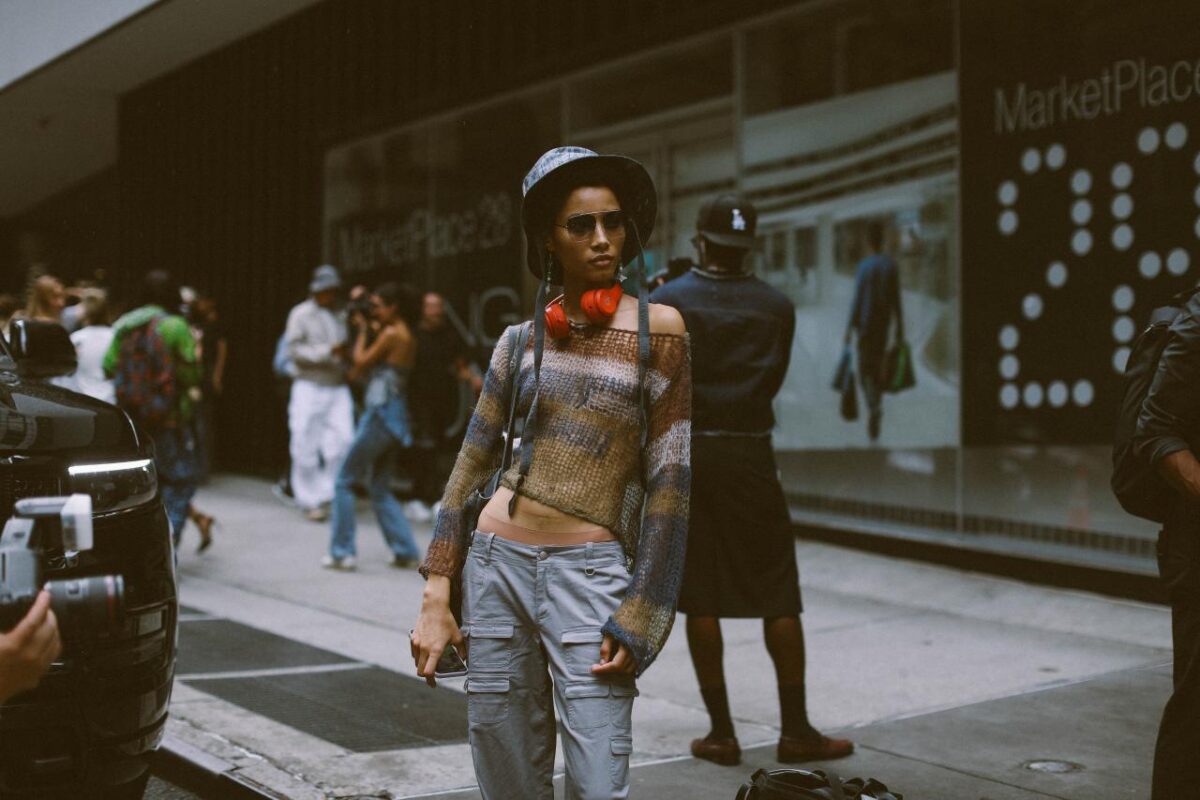
Street style clothing has emerged as a vibrant reflection of cultural identities and social movements, capturing the essence of urban life and individuality. From the bustling streets of New York to the artistic alleyways of Berlin, this fashion domain showcases the diversity and creativity that thrive in urban environments. Street style is not merely about clothing; it represents a lifestyle, a statement, and a canvas for self-expression, deeply intertwined with the cultural narratives of each city.
This phenomenon has shifted the paradigms of traditional fashion, allowing individuals to curate looks that resonate with their experiences and beliefs. As urban centers continue to evolve, so does the street style that defines them, making it a dynamic and ever-changing aspect of the fashion landscape.
Street style clothing as a cultural phenomenon
Street style clothing has emerged as a powerful form of cultural expression that transcends mere fashion trends. It embodies the spirit of urban living, reflecting the identities, aspirations, and social movements of diverse communities. This genre of clothing is not just about the garments themselves but the stories, histories, and values they represent. Street style serves as a canvas for individuals to showcase their cultural backgrounds, beliefs, and affiliations, making it a significant cultural phenomenon in today’s society.
Street style clothing acts as a mirror to the cultural identities and social movements that define urban life. It often draws inspiration from various influences, including music, art, and subcultures, promoting a rich tapestry of expression. For instance, the punk movement of the 1970s, characterized by leather jackets, band tees, and distinctive hairstyles, gave rise to a style that challenged societal norms. This rebellion against conformity highlights how street style often reflects broader social movements, pushing boundaries and advocating for change. Today, streetwear brands collaborate with activists and artists, aligning their collections with social justice causes, thereby reinforcing the connection between fashion and activism.
Influence of Urban Environments on Street Style
Urban environments play a crucial role in shaping street style trends and aesthetics. The dynamic nature of cities fosters a melting pot of cultures, ideas, and influences, encouraging individuals to experiment with their personal style. Each city contributes uniquely to the global street style landscape. For example, Tokyo is renowned for its avant-garde fashion scenes, where individuals blend traditional Japanese elements with futuristic designs. This city demonstrates how historical context can influence contemporary style, creating a distinctive urban aesthetic.
Conversely, New York City’s street style is heavily influenced by its diverse neighborhoods and rich cultural history. The distinctive styles found in areas like Harlem or Williamsburg showcase how different communities interpret fashion, often integrating personal stories and cultural symbols into their looks. Similarly, cities like Berlin have embraced a minimalist, utilitarian approach to streetwear, focusing on functionality and sustainability, reflective of the city’s modern ethos.
In summary, street style is not merely about clothing choices; it is an intricate reflection of cultural identities and social commentary, shaped by the dynamic environments of urban life. Each city offers a unique contribution to this evolving narrative, showcasing the power of fashion as a form of self-expression and cultural dialogue.
The evolution of street style clothing over the decades
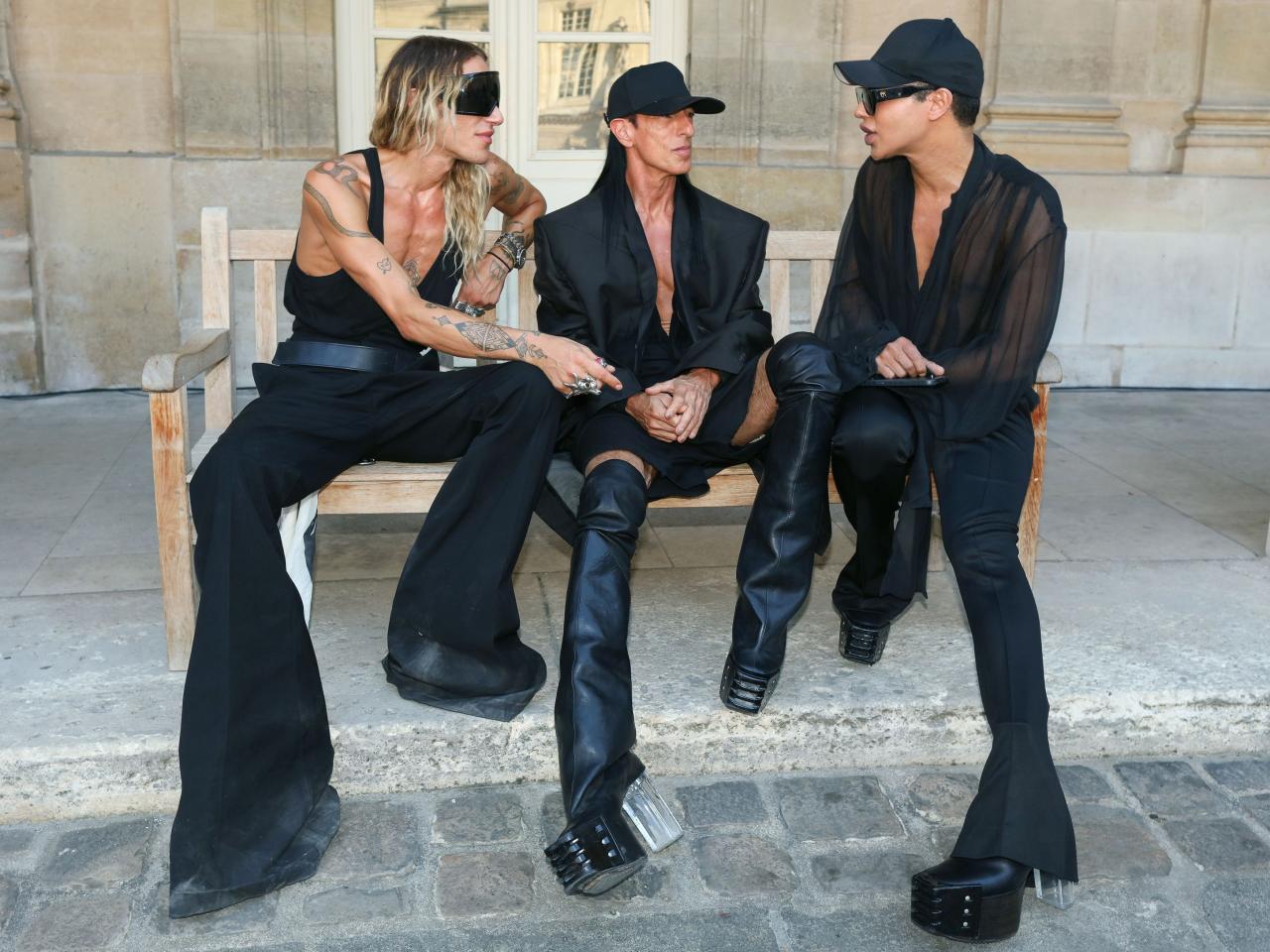
Street style clothing has undergone a remarkable transformation since its emergence in the 1960s. Originating from urban youth culture, street style reflects the attitudes, lifestyles, and creativity of its wearers. Over the decades, it has been shaped by various cultural movements, music genres, and influential personalities, making it a significant part of the modern fashion landscape.
The 1960s marked the dawn of street style as we know it today. The youth-driven counterculture movement embraced a spirit of rebellion, leading to the rise of vibrant and eclectic fashion. Influenced by the hippie movement, clothing featured bold patterns, tie-dye, and loose fits. Key figures like Jimi Hendrix and Janis Joplin became style icons, showcasing the freedom of expression through their unique fashion choices. This era laid the foundation for street style by merging music with fashion.
In the 1970s, punk rock emerged as a radical reaction to mainstream culture, significantly impacting street style. Pioneers like Vivienne Westwood and Malcolm McLaren popularized the punk aesthetic, characterized by leather jackets, ripped jeans, and bold accessories. The DIY ethos of punk culture encouraged individuals to customize their clothing, making fashion more personal and accessible. This decade also saw the emergence of skate culture, where brands like Vans and Converse began to gain traction, further diversifying the street style narrative.
The 1980s introduced hip-hop culture, which brought a new vibrancy and attitude to street style. Artists like Run-D.M.C. and LL Cool J popularized oversized clothing, gold chains, and athletic wear, establishing a look that resonated with urban youth. The influence of hip-hop continued into the 1990s, with the rise of brands like FUBU and Cross Colours, which catered specifically to the African American community. This period also saw the emergence of grunge, with bands like Nirvana influencing a more laid-back style characterized by flannel shirts and combat boots.
As we transitioned into the 2000s, street style became increasingly intertwined with high fashion. Influencers and celebrities began to emerge, shaping trends through their personal styles. The rise of social media platforms like Instagram allowed for a broader reach, with figures like Kanye West and Rihanna influencing millions. This era saw the blending of streetwear with luxury brands, exemplified by collaborations between high-end fashion houses and streetwear icons like Off-White and Supreme.
Today, street style continues to evolve, reflecting ongoing changes in society, culture, and technology. Diversity and inclusivity are now at the forefront, with individuals expressing their unique identities through fashion. Street style icons such as A$AP Rocky, Billie Eilish, and Zendaya challenge traditional norms and continue to redefine what street style means.
Rich in history and cultural significance, street style clothing has grown from a niche expression of youth culture into a global phenomenon. Its evolution over the decades illustrates the dynamic relationship between fashion, music, and social movements, making it a vital element of contemporary style.
Key elements that define street style clothing
Street style clothing epitomizes a blend of casual and edgy fashion that reflects individuality and personal expression. It draws inspiration from urban environments, music, and youth culture, making it a dynamic and ever-evolving wardrobe choice. The essence of street style lies in its ability to showcase a person’s personality through a mix of trendy and classic pieces, allowing for versatility and creativity in everyday wear.
The essential pieces in a street style wardrobe often include a range of clothing items and accessories that embody comfort, functionality, and aesthetic appeal. Key components are often characterized by their ability to be layered and mixed, creating unique outfits that stand out in a crowd. Some staple items include oversized graphic tees, baggy jeans, and stylish sneakers, all of which offer both comfort and style. Accessories play a significant role in enhancing street style looks, with items such as snapback hats, chunky jewelry, and crossbody bags adding personal flair and practicality.
Layering, Prints, and Mixing Styles
Layering is a fundamental technique in street fashion, allowing individuals to create depth and interest in their outfits. By combining various pieces such as hoodies under jackets or turtlenecks with oversized shirts, wearers can effortlessly transition between different temperatures and styles. This approach not only adds visual complexity but also highlights the wearer’s creativity in putting together an ensemble.
Prints and patterns are equally significant in defining street style. Bold graphics, florals, and geometric designs often come together to make striking statements. Mixing styles—such as pairing formal pieces with casual elements—adds an element of surprise and uniqueness. For instance, wearing a tailored blazer over a graphic tee with distressed jeans creates an intriguing juxtaposition that captures attention.
Different fabrics and textures are utilized in diverse ways within street style outfits. Denim is a common choice for its durability and versatility, seen in everything from jeans to jackets. Meanwhile, materials like leather lend an edgy vibe, especially when incorporated into accessories or outerwear. Lightweight cotton blends are favored for their breathability, making them ideal for layering. Street style often embraces a tactile experience, with combinations of smooth, rough, and textured fabrics creating visually compelling looks.
For example, a canvas backpack paired with a leather jacket, or a cotton oversized tee combined with corduroy pants showcases this blend of materials effectively. The juxtaposition of these fabrics not only enhances the aesthetic appeal but also emphasizes the diverse influences that shape street style.
The influence of social media on street style
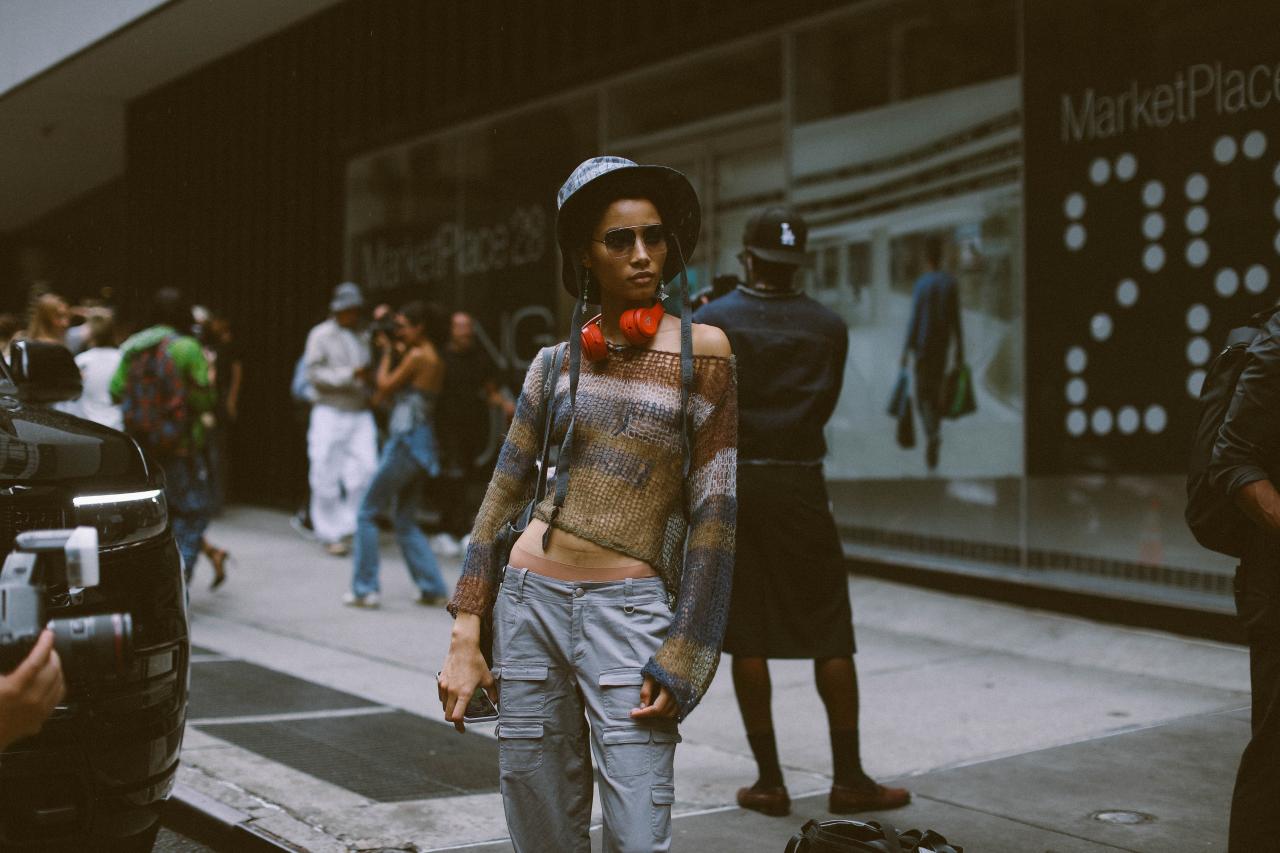
The realm of street style has undergone a profound transformation in the past decade, primarily due to the rise of social media platforms. Specifically, Instagram and TikTok have emerged as powerful tools that shape fashion trends, enabling users to showcase their unique styles and rapidly disseminating these trends across a global audience. This digital landscape has not only democratized fashion but has also created a vibrant community where creativity knows no bounds.
Platforms like Instagram and TikTok have revolutionized the way trends are born and spread. The instantaneous nature of these apps allows fashion enthusiasts to post and share their outfits in real-time, providing a constant influx of inspiration. Users can tap into various hashtags, follow fashion-forward accounts, and discover styles that resonate with their personal aesthetic. This peer-driven model fosters a sense of accessibility and relatability that wasn’t as prevalent in traditional fashion media. Rather than waiting for seasonal runway shows or magazine spreads, consumers now have immediate access to the latest looks, often within days of their emergence on the streets.
Influencer and content creator roles in promoting street style
In this dynamic environment, influencers and content creators play a pivotal role in dictating what’s in vogue. Unlike traditional fashion icons, who were often unattainable figures in high fashion, today’s influencers often come from diverse backgrounds and embody a range of styles. This relatability helps them connect with followers on a personal level, as they showcase how to wear certain pieces in everyday settings.
Their impact can be seen through collaborations with brands, where influencers curate collections that reflect their personal style, often merging high fashion with streetwear. For instance, when a popular influencer showcases a thrifted outfit paired with luxury sneakers, it sends a clear message about the blending of high and low fashion, inspiring their followers to adopt similar approaches. The authenticity projected by these influencers drives consumer engagement and encourages followers to experiment with their style, pushing boundaries that were typically defined by high fashion.
The contrast between traditional fashion media and today’s online landscape is striking. In the past, fashion magazines and runway shows dictated trends from a top-down approach, often focusing on exclusivity and unattainable aesthetics. Now, social media platforms foster a bottom-up approach where street style is heavily influenced by grassroots movements. Users can now become trendsetters overnight, showcasing their unique interpretations of fashion and directly influencing the choices of their peers.
This shift has led to a broader acceptance of diverse styles, breaking down barriers that once confined fashion to narrow definitions. For example, streetwear brands that might have been overlooked by traditional media are now celebrated on social platforms, creating a fertile ground for innovation. As a result, the current online landscape stands as a testament to the evolving nature of fashion, where every individual has the potential to inspire and redefine street style, free from the constraints of conventional fashion hierarchies.
Street style clothing and sustainability
Street style clothing has evolved from casual wear to a powerful expression of individuality and cultural identity. As fashion enthusiasts embrace this movement, the conversation surrounding sustainability has also gained momentum. The push for eco-friendly practices is reshaping the street style landscape, showcasing how fashion can celebrate originality while being mindful of the planet. This growing trend emphasizes that personal style doesn’t have to come at the expense of environmental integrity.
The shift towards sustainability in street style fashion is not merely a fad; it’s a necessary evolution in the industry’s approach to production and consumption. With increasing awareness of environmental issues, brands are adopting more responsible practices that prioritize eco-friendliness. Sustainable street fashion includes upcycled materials, ethical labor practices, and transparent supply chains. The rise of second-hand shopping has also played a significant role, as consumers embrace vintage pieces that tell unique stories while reducing waste.
Leading sustainable brands in street fashion
Numerous brands and designers are at the forefront of the sustainable street fashion movement, setting an example for others to follow. These pioneers are focused on creating stylish clothing without compromising the health of the planet. Here are a few noteworthy names:
- Patagonia: Known for their commitment to environmental activism, Patagonia uses recycled materials and encourages customers to repair and recycle their gear.
- Reformation: This brand combines chic designs with sustainable practices, using eco-friendly fabrics and transparent supply chains to create fashionable pieces.
- Everlane: With a focus on radical transparency, Everlane provides customers with detailed information about their production costs and sourcing methods.
- Girlfriend Collective: This activewear brand utilizes recycled materials and ethical labor practices, promoting body positivity and inclusivity within its marketing.
Incorporating sustainability into personal street style choices can be both impactful and rewarding. Consumers can make a difference with several strategies that promote eco-conscious fashion habits. Firstly, opting for thrift shopping allows individuals to find unique pieces while reducing demand for fast fashion. Secondly, prioritizing quality over quantity ensures that purchases are durable and timeless, thus minimizing waste. Lastly, supporting brands that practice ethical manufacturing contributes to a larger movement towards sustainable fashion.
“Fashion can be a vehicle for change – it’s not just about looking good, but feeling good about what you wear.”
These strategies not only enhance personal style but also foster a sense of responsibility towards the environment, promoting a more sustainable future in the fashion industry.
The global impact of street style clothing
Street style clothing has emerged as a powerful force in the fashion industry, transcending geographical boundaries and influencing global trends. Originating from urban environments, street style reflects the creativity and individuality of local cultures, and its impact is felt worldwide. From the bustling streets of Tokyo to the vibrant avenues of New York, street style is not merely a fashion statement; it encapsulates the essence of diverse lifestyles, social movements, and artistic expressions.
The global phenomenon of street style clothing is characterized by its ability to adapt and integrate various cultural elements. This adaptability is evident as fashion enthusiasts draw inspiration from their local environments while simultaneously embracing global trends. The interplay between local and international influences creates a unique melting pot of styles that resonates with people across continents.
Cultural adaptations of street style
Street style manifests differently in various parts of the world, highlighting the cultural nuances and individual stories behind each look. The following examples illustrate how distinct cultural adaptations shape street style across continents:
- North America: In cities like New York and Los Angeles, street style often embodies a mix of casual and chic elements, with oversized silhouettes, graphic tees, and sneakers dominating the scene. The influence of hip-hop and skate culture is prevalent, reflecting a rebellious spirit and authenticity.
- Europe: European street style is known for its elegance and sophistication. Cities like Paris and Milan showcase a blend of high fashion with everyday wear, where vintage finds meet contemporary designers. Items like tailored coats, designer sneakers, and unique accessories are prevalent.
- Asia: Asian street style, particularly in locations like Tokyo and Seoul, is a vibrant spectacle characterized by bold colors, layered outfits, and a mix of traditional and modern elements. The Korean fashion scene, for instance, emphasizes playful aesthetics and innovative designs.
- Africa: African street style is deeply rooted in traditional textiles and patterns, often featuring bright colors and intricate designs. Countries like Nigeria and South Africa highlight local craftsmanship while merging global trends, showcasing a unique representation of cultural pride.
International street style events play a crucial role in shaping the fashion landscape, providing a platform for influencers, designers, and enthusiasts to showcase their creativity. Events like New York Fashion Week and Paris Fashion Week not only highlight high-fashion collections but also celebrate street style as an integral aspect of contemporary fashion. These gatherings foster a sense of community among fashion lovers, inspiring cross-cultural exchanges and collaborations.
Street style is not just a trend; it is a reflection of the evolving identity of urban life and a celebration of cultural diversity.
As street style continues to evolve, its global impact becomes increasingly pronounced, serving as a visual narrative that captures the essence of modern living and artistic expression. The blending of local styles with international influences ensures that street style remains a dynamic and exciting facet of fashion, continually shaping and reshaping cultural dialogues around the world.
Street style clothing for various body types
Street style has emerged as a vibrant and diverse expression of individuality, characterized by its embrace of various fashion influences and personal flair. One of the most compelling aspects of street style is its adaptability across different body types. This inclusivity not only empowers individuals to express themselves but also promotes body positivity, allowing everyone to feel confident in their skin while enjoying the latest trends.
Recognizing that no two bodies are alike, street style accommodates a wide range of shapes and sizes through innovative design and inclusive sizing. Brands have started to appreciate the importance of catering to diverse body types, resulting in collections that offer extended sizes and styles that flatter various figures. This shift is essential as it encourages representation within the fashion community, enabling individuals from all backgrounds to find clothing that resonates with their personal style.
Styling tips for different body types
To help individuals embrace street style confidently, here are some essential styling tips tailored to various body types:
– Pear Shape: Opt for high-waisted jeans or skirts that accentuate the waist while balancing wider hips. Layering with oversized jackets or long cardigans can create a stylish silhouette. Consider tops with bold prints or embellishments to draw attention upwards.
– Athletic Build: Enhance curves by choosing clothing that adds volume. Oversized tees paired with statement accessories or a structured blazer can create an effortlessly chic look. Experiment with cropped jackets and flared pants to add dimension to the figure.
– Curvy: Emphasize your shape with form-fitting pieces that highlight your waist. A-line skirts or dresses can create a beautiful silhouette, while high-rise jeans paired with crop tops showcase your figure. Don’t shy away from bold colors and prints that express your unique personality.
– Plus Size: Seek out brands that specialize in inclusive sizing, as they often feature trendy cuts and styles that cater to a fuller silhouette. Monochromatic outfits can elongate the body, while statement outerwear can serve as a focal point. Comfort and fit are key, so look for stretchy fabrics that move with you.
– Rectangle Shape: Create curves with layered outfits and belted waists. Experiment with peplum tops and patterned skirts to add interest and body definition. Statement accessories can also elevate a simple look, providing a polished finish.
By focusing on these tips, individuals can confidently express their unique street style, celebrating their bodies while embracing the latest fashion trends. The essence of street style is about personal expression, making it all about how you wear the clothes rather than just what you wear.
The relationship between street style and high fashion
Street style and high fashion have developed a symbiotic relationship that influences trends, shapes consumer preferences, and redefines the boundaries of style. Street style, often rooted in urban culture and individual expression, has become a source of inspiration for high fashion designers. Conversely, the high fashion industry has also found ways to infuse street aesthetics into its collections, creating a dynamic interplay that reflects contemporary culture and lifestyle.
Street style significantly influences high fashion trends by introducing fresh and innovative ideas that may not have been considered within traditional fashion frameworks. Designers frequently look to street fashion for insights into what resonates with everyday consumers. This interaction has led to the emergence of concepts like “normcore,” where simplicity and functionality are prioritized, and “athleisure,” where sportswear is incorporated into everyday outfits. Fashion weeks around the globe now showcase collections that draw directly from street trends, indicating a shift towards more inclusive and accessible fashion.
Collaborations between streetwear brands and luxury fashion houses
The collaboration between streetwear brands and luxury fashion houses has become a hallmark of modern fashion. These partnerships often merge high-end craftsmanship with street culture, resulting in unique collections that attract a diverse audience. Such collaborations not only broaden market reach but also create buzz around both brands involved.
For instance, the collaboration between Off-White and Nike has redefined sneaker culture, where high fashion meets athletic wear, leading to limited-edition releases that generate immense hype. Another prominent example is the partnership between Louis Vuitton and Supreme, which resulted in a collection that fused streetwear iconography with luxury branding. This collaboration demonstrated how street style can elevate a luxury brand’s appeal to younger demographics.
Runway looks inspired by street style aesthetics
Runway shows are increasingly reflecting the influence of street style, with many designers incorporating urban elements into their collections. High fashion events often feature ensembles that mirror the laid-back yet edgy vibe of street fashion.
A notable example is Balenciaga’s Fall/Winter 2016 collection, where oversized silhouettes and exaggerated proportions echoed the relaxed styles often seen in streetwear. Similarly, Gucci’s recent collections have embraced bold graphics and eclectic patterns reminiscent of street style. These influences can also be seen in the use of accessories like bucket hats and chunky sneakers on the runway, showcasing a clear alignment with streetwear aesthetics.
The integration of street style into high fashion not only revitalizes runway presentations but also showcases a cultural evolution where the lines between luxury and everyday wear continue to blur, making fashion more relatable and inclusive.
Epilogue
In summary, street style clothing encapsulates a rich tapestry of cultural influences, evolving trends, and personal expression. Its unique ability to bridge various social movements and global influences makes it a significant player in contemporary fashion. As we embrace the creativity and inclusivity of street style, we recognize its power to not only reflect who we are but also to challenge societal norms and inspire future generations.
Popular Questions
What is street style clothing?
Street style clothing refers to fashion that is inspired by everyday people and their personal styles, often seen in urban settings.
How can I incorporate street style into my wardrobe?
You can start by mixing casual pieces with unique accessories, experimenting with layering, and incorporating bold prints and textures.
Is street style only for young people?
No, street style is inclusive and can be embraced by individuals of all ages, promoting diversity in fashion.
What role do influencers play in street style?
Influencers help popularize street style trends through their platforms, showcasing how to blend personal flair with current fashions.
Are there sustainable brands in street style clothing?
Yes, many brands focus on sustainability by using eco-friendly materials and ethical production practices within the street style realm.