
 Widya pasha
Activewear has become more than just clothing; it embodies a lifestyle choice that encourages movement and promotes health. As fitness culture has evolved, so too has our approach to the clothes we wear during exercise. From early athletic garments to today’s technologically advanced fabrics, activewear has adapted to meet the needs of various sports and fitness routines while responding to cultural trends.
This evolution reflects not only advancements in material science, with features that enhance performance and comfort, but also changes in societal attitudes toward health and well-being. Today, activewear is often worn beyond the gym, merging style with functionality, making it a staple in everyday wardrobes.
The Evolution of Activewear in Modern Fitness Culture
Activewear has undergone a remarkable transformation since its inception, evolving from basic functional garments to a complex mix of fashion and functionality that reflects our changing attitudes towards fitness and lifestyle. The roots of activewear can be traced back to the early 20th century when athletes and sports enthusiasts began to prioritize specialized clothing designed for performance. Initially, these garments were made of heavy materials, limiting movement and breathability. However, with the advent of synthetic fibers in the 1960s and 1970s, activewear started to embrace lighter, more flexible materials that facilitated a wider range of motion. This innovation marked the beginning of a new era where the focus shifted towards comfort and performance.
Today, activewear is not confined to the gym or athletic fields; it has permeated everyday fashion. The rise of the athleisure trend reflects cultural shifts embracing fitness as a lifestyle choice rather than merely a hobby. As society became increasingly health-conscious, activewear designs began to incorporate elements from mainstream fashion, leading to a surge of stylish leggings, trendy sports bras, and chic tank tops. High-profile collaborations between luxury brands and fitness labels further blurred the lines, making activewear a staple in casual and professional wardrobes alike.
Adoption of Activewear in Various Sports and Fitness Routines
Activewear has been widely adopted across various sports and fitness routines, showcasing its versatility and appeal. From yoga to running and weight training, each activity has its unique demands that activewear caters to.
– Yoga: The demand for flexibility and comfort in yoga attire led to the popularity of high-waisted leggings and moisture-wicking fabrics that allow for freedom of movement while keeping practitioners dry. Brands like Lululemon have become synonymous with stylish and functional yoga wear.
– Running: As running evolved into a popular pastime, specialized gear emerged to enhance performance. Lightweight, breathable fabrics, reflective materials for night visibility, and supportive footwear have transformed the running experience, making it safer and more enjoyable.
– CrossFit and HIIT: High-intensity workouts require durable and versatile clothing that can withstand rigorous movements. The adoption of compression wear has gained traction, with garments designed to provide muscle support and reduce fatigue during intense training sessions.
– Team Sports: Activewear in team sports has evolved from simple jerseys to specialized fabrics that manage sweat and enhance mobility. The integration of technology into fabrics, such as moisture management and temperature regulation, has revolutionized how athletes perform.
Cultural shifts have undeniably influenced activewear trends over the decades, reflecting changing attitudes towards fitness, health, and self-expression. The blend of functionality and style continues to define the activewear market, ensuring its place in both athletic and everyday settings.
Fabric Technologies that Enhance Activewear Performance
Activewear has dramatically evolved, not only in style but also in the technology behind the fabrics used. The right fabric can significantly enhance athletic performance, comfort, and overall experience during workouts. Understanding these fabric technologies is essential for athletes and fitness enthusiasts seeking optimal performance.
Fabric technologies in activewear focus on improving moisture management, stretchability, and breathability. These features are crucial for maximizing comfort and performance during physical activities. Effective moisture-wicking materials draw sweat away from the skin, allowing for a cooler and drier experience. In contrast, stretchable materials ensure flexibility and freedom of movement, critical for various sports and exercises.
Moisture-Wicking Materials
Moisture-wicking fabrics are designed to pull moisture away from the skin, helping to regulate body temperature and enhance comfort during workouts. These materials are essential for athletes participating in high-intensity activities where perspiration is abundant.
Key advantages of moisture-wicking materials include:
- Enhanced Comfort: Keeps the skin dry, reducing chafing and discomfort.
- Temperature Regulation: Helps maintain a stable body temperature, crucial for performance in both warm and cool environments.
- Quick Drying: Fabrics dry quickly, allowing for prolonged use without the feeling of dampness.
However, moisture-wicking fabrics can sometimes be less durable than traditional fabrics and may require special care to maintain their properties.
Stretchable Materials
Stretchable materials, such as spandex and elastane, are pivotal in providing the flexibility needed for dynamic movements in sports. These fabrics allow for a full range of motion without restriction, making them a favorite among athletes across many disciplines.
The benefits of stretchable materials include:
- Freedom of Movement: Allows athletes to perform a variety of movements without limitation, essential for sports like gymnastics, cycling, and running.
- Supportive Fit: Offers a snug fit that supports muscle function and reduces fatigue.
- Durability: Often resistant to wear and tear, maintaining their shape and performance over time.
On the downside, over-reliance on stretchable materials can lead to potential over-exertion if not combined with adequate support.
Breathable Fabrics
Breathable fabrics promote airflow to the body, which is vital during intense workouts. These materials allow heat to escape, preventing overheating and ensuring a comfortable workout experience.
Breathable fabrics provide several benefits:
- Improved Airflow: Enhances ventilation, keeping the body cool and comfortable.
- Moisture Management: Works in conjunction with moisture-wicking properties to further enhance the sweat evaporation process.
- Lightweight Feel: Often lighter than traditional fabrics, contributing to a more comfortable fit.
The trade-offs can include reduced insulation properties in colder conditions, which may not be ideal for all weather.
Comparative Analysis of Activewear Fabrics
When comparing different activewear materials, it is essential to consider their specific properties and how they impact performance.
| Fabric Type | Benefits | Drawbacks |
|———————|———————————————–|———————————————|
| Polyester | Durable, moisture-wicking, quick-drying | Can retain odors if not properly maintained |
| Nylon | Strong, lightweight, good stretchability | Less effective at moisture management |
| Cotton | Soft, breathable, comfortable | Absorbs moisture, can become heavy when wet |
| Spandex/Elastane | Excellent stretch, supportive | Less durable over prolonged use |
In conclusion, understanding these fabric technologies helps athletes and fitness enthusiasts select the right gear that complements their performance and comfort needs. Each technology offers unique benefits and potential drawbacks, making the choice crucial to achieving optimal workout results.
The Role of Activewear in Promoting a Healthy Lifestyle
Wearing activewear serves as more than just a fashion statement; it acts as a catalyst for individuals to engage in physical activities and lead healthier lifestyles. Activewear, with its comfortable fit and stylish designs, not only enhances performance but also promotes a mindset geared towards fitness and well-being. This psychological influence plays a significant role in motivating both fitness enthusiasts and casual athletes to prioritize their health.
The psychological effects of wearing activewear can be profound. When individuals put on activewear, they often experience a shift in their mental state that encourages physical activity. This transformation can be attributed to several factors. Firstly, wearing high-quality activewear can boost self-confidence, making individuals feel more attractive and capable, which motivates them to engage in workouts or sports. The act of dressing for exercise can create a sense of commitment and intention, effectively signaling to the mind that it’s time to move. Moreover, studies have shown that individuals who wear activewear are more likely to adopt healthier habits overall, including improved diet and increased physical activity. This phenomenon is often referred to as the “enclothed cognition” effect, where the clothing one wears affects their psychological state.
Activewear brands have strategically aligned their marketing efforts with the health and wellness movement, fostering a lifestyle that resonates with consumers. They often promote not just the product but the associated benefits of a healthy lifestyle. Campaigns frequently emphasize the importance of fitness, mental health, and community through inspirational images and motivational messaging. For instance, brands might use imagery of diverse individuals engaged in various physical activities, showcasing the inclusivity of fitness and the joy it brings. Marketing strategies often include partnerships with fitness influencers, wellness coaches, and athletes, further promoting a culture of health. These brands encourage consumers to perceive their activewear as essential tools for achieving personal fitness goals and making a positive lifestyle change.
In conclusion, the role of activewear in promoting a healthy lifestyle goes beyond functionality; it encompasses motivating factors that influence behavior, well-being, and consumer perceptions, ultimately fostering a culture of health and fitness.
Sustainable Practices in the Activewear Industry
The activewear industry has seen significant growth over the past decade, leading to increased scrutiny regarding its environmental impact. The production processes involved in creating activewear can contribute to pollution, waste, and the depletion of natural resources. As consumers become more environmentally conscious, brands are recognizing the importance of adopting sustainable practices to minimize their carbon footprint and promote eco-friendly alternatives.
The environmental impact of activewear production includes the use of water-intensive materials, synthetic fabrics that contribute to microplastic pollution, and the carbon emissions from manufacturing and distribution processes. In response, many brands are exploring innovative practices and materials that aim to mitigate these adverse effects while still delivering high-performance apparel. By prioritizing sustainability, these companies are not only appealing to eco-conscious consumers but also setting new standards for the industry.
Innovative Practices and Materials in Activewear
Numerous brands are leading the way in sustainable practices, making significant strides toward reducing the environmental footprint of activewear production. These innovations range from the materials used to the manufacturing processes employed. Here are some notable practices and materials being adopted:
- Recycled Fabrics: Brands like Patagonia use recycled polyester made from plastic bottles, significantly decreasing reliance on virgin materials and reducing waste. This approach not only conserves resources but also helps in reducing carbon emissions associated with production.
- Natural Dyes: Companies such as Prana have started using plant-based dyes, which minimize the toxic runoff associated with conventional dyeing processes. This practice reduces water pollution and is safer for both the environment and workers.
- Waterless Dye Technology: Innovative techniques such as digital printing allow for the reduction or elimination of water usage in the dyeing process. Brands like Adidas are experimenting with these technologies to make their production methods more sustainable.
- Eco-friendly Packaging: Many activewear brands are shifting towards biodegradable or recyclable packaging solutions to lessen their overall environmental impact. This small change can significantly reduce plastic waste.
- Closed-loop Recycling: Some brands are focusing on creating a circular economy by offering take-back programs for old gear, ensuring that materials are reused or recycled rather than contributing to landfill waste. An example is Nike’s Move to Zero initiative, which emphasizes sustainability at every stage of the product lifecycle.
“Sustainability is not just a trend; it’s a necessity for the future of our planet.”
Leading brands such as Allbirds and Lululemon have also made commitments to sustainability by incorporating eco-friendly practices into their operations. Allbirds utilizes a unique wool material sourced from ethically raised sheep, while Lululemon has implemented a comprehensive sustainability strategy that includes transparency in sourcing and efforts to reduce their greenhouse gas emissions.
By embracing these innovative practices and materials, the activewear industry is paving the way toward a more sustainable future, encouraging other brands to follow suit in the journey towards eco-consciousness. As the demand for environmentally friendly products continues to rise, the industry is expected to evolve further, setting a strong precedent for sustainable fashion across the board.
Trends Shaping the Future of Activewear
The activewear industry has witnessed a significant transformation in recent years, driven by evolving consumer preferences and advancements in technology. As people increasingly prioritize health and wellness, the lines between athletic apparel and everyday clothing are blurring. This shift has given rise to exciting trends that are set to shape the future of activewear, particularly the rise of athleisure and the integration of technology into design.
Consumer preferences are shifting towards versatility and functionality in activewear. The demand for clothing that can seamlessly transition from workout sessions to casual outings has prompted brands to innovate in both design and materials. Athleisure has gained immense popularity, characterized by stylish yet comfortable pieces that can be worn in various settings. This trend reflects a lifestyle choice that values both fitness and fashion, encouraging brands to rethink their design approach. For example, leggings with moisture-wicking properties paired with fashionable tops allow wearers to move from yoga class to brunch effortlessly.
Technology Integration in Activewear
The integration of technology into activewear is another trend that promises to reshape the industry. Modern consumers are increasingly tech-savvy and seek clothing that enhances their athletic performance and lifestyle. Wearable technology, such as fitness trackers embedded into fabrics, allows users to monitor their health metrics in real-time. Additionally, innovations like smart fabrics that regulate body temperature or provide muscle support are gaining traction.
The potential innovations that could transform activewear in the coming years are vast and varied. Here are a few noteworthy advancements to consider:
- Smart Textiles: These fabrics can monitor heart rates, track calories burned, and even provide feedback on posture during workouts.
- Sustainable Materials: An increased focus on eco-friendly materials, such as recycled polyester and organic cotton, will likely shape consumer choices and influence brand practices.
- Custom Fit Solutions: Technologies like 3D printing may allow for personalized sizing and designs, catering to individual body shapes and preferences.
- Integrated Cooling Systems: Future designs might incorporate built-in cooling mechanisms for enhanced comfort during intense physical activities.
- Augmented Reality Experiences: Virtual fitting rooms and AR applications can revolutionize how consumers shop for activewear, leading to more personalized purchasing experiences.
As the activewear market continues to evolve, the intersection of lifestyle, technology, and sustainability will play a crucial role in shaping the future landscape of this dynamic industry.
The Intersection of Fashion and Functionality in Activewear
The world of activewear has evolved significantly over recent years, merging the realms of fashion and functionality. As fitness enthusiasts seek garments that cater to their performance needs, fashion designers are stepping in to create stylish pieces that do not compromise on utility. This intersection has not only transformed how we view workout attire but has also made activewear a staple in everyday wardrobes. The demand for aesthetically pleasing yet high-performing clothing continues to shape this dynamic industry.
Fashion plays a substantial role in the design of activewear, influencing everything from fabric choices to silhouette styles. As brands compete in a saturated market, they often look to current fashion trends to inform their activewear collections, resulting in pieces that are just as stylish as they are functional. Conversely, functionality drives innovation in fashion, encouraging designers to incorporate advanced materials and ergonomic designs to meet consumers’ performance demands. This continuous exchange fuels a cycle where trends in one area inspire advancements in the other, creating a unique synergy.
Consumer Prioritization of Aesthetics and Performance
Today’s consumers are increasingly discerning, often prioritizing aesthetics alongside performance features when choosing activewear. While high-quality performance attributes such as moisture-wicking fabrics, breathability, and durability are essential for optimal workouts, visual appeal plays a significant role in the purchasing decision. Shoppers seek items that can transition from the gym to social settings, reflecting a lifestyle where health and style go hand in hand.
As the activewear market expands, brands are responding to consumer preferences through thoughtful design. Here are some key trends illustrating how aesthetics and performance coexist in activewear:
-
Bold prints and colors are increasingly popular, allowing wearers to express individuality while remaining functional.
-
Streamlined fits and comfortable silhouettes ensure that garments enhance physical performance while looking chic.
-
Sustainable materials are gaining traction, with eco-friendly options appealing to style-conscious consumers who also prioritize environmental responsibility.
Collaborations Between Designers and Activewear Brands
Collaborations between high-fashion designers and activewear brands have generated significant buzz within the fashion industry. These partnerships often result in innovative collections that blend cutting-edge design with performance-driven features, appealing to a broader audience. Noteworthy examples include:
1. Adidas x Stella McCartney: This collaboration has consistently impressed with its focus on sustainability, utilizing eco-friendly materials while delivering sophisticated designs that resonate with fashion-forward fitness enthusiasts.
2. Nike x Off-White: This partnership led by designer Virgil Abloh has redefined activewear aesthetics, introducing deconstructed styles paired with contemporary streetwear elements that have attracted a diverse fan base.
3. Puma x Rihanna: This collaboration not only brought athleisure into the limelight but also emphasized a bold, edgy aesthetic that appealed to a younger demographic, showcasing how activewear can be at the forefront of fashion.
These collaborations illustrate a growing trend where functionality does not overshadow fashion; rather, it enhances it, producing pieces that excite and inspire consumers in their active lifestyles.
Customization and Personalization in the Activewear Market

The activewear market has seen a noticeable shift towards customization and personalization, catering to the evolving demands of consumers who seek unique products that reflect their individual style and fit preferences. This growing trend not only enhances consumer satisfaction but also elevates brand loyalty, as people are more likely to invest in pieces that feel specifically designed for them. With advances in technology and innovative manufacturing processes, brands are increasingly able to offer tailored solutions that meet diverse consumer needs.
Technology plays a crucial role in enabling personalization in activewear design and fit. With the integration of 3D printing, brands can produce customized garments that cater to specific body shapes and sizes, ensuring a perfect fit. This technology allows for rapid prototyping, enabling designers to create unique pieces without the constraints of traditional manufacturing methods. Additionally, advanced fabric technologies offer consumers the ability to select materials based on their activity level, climate, and personal comfort.
Wearable technology is another aspect contributing to the personalization of activewear. Fitness trackers, smart fabrics, and even augmented reality applications allow consumers to monitor their performance and receive recommendations for suitable attire based on their activity. This data-driven approach not only enhances the user experience but also allows brands to offer tailored recommendations, ultimately leading to a more engaged customer base.
Several key players in the activewear industry are making strides in providing bespoke options that resonate with consumers. Brands like Nike and Adidas have embraced customization features through platforms like Nike By You and miAdidas, respectively. These platforms allow consumers to select everything from colors and materials to personalized text, creating a unique product that reflects their personal style. Smaller brands like Gymshark also capitalize on this trend by offering limited edition pieces and collaborations with influencers, driving exclusivity and a sense of community among their consumer base.
The impact of these bespoke options is evident in consumer satisfaction levels, with many expressing a greater connection to brands that prioritize personalization. As the activewear market continues to evolve, the demand for customized solutions is likely to grow, further solidifying the importance of technology in this sector.
The Importance of Fit and Size Inclusivity in Activewear
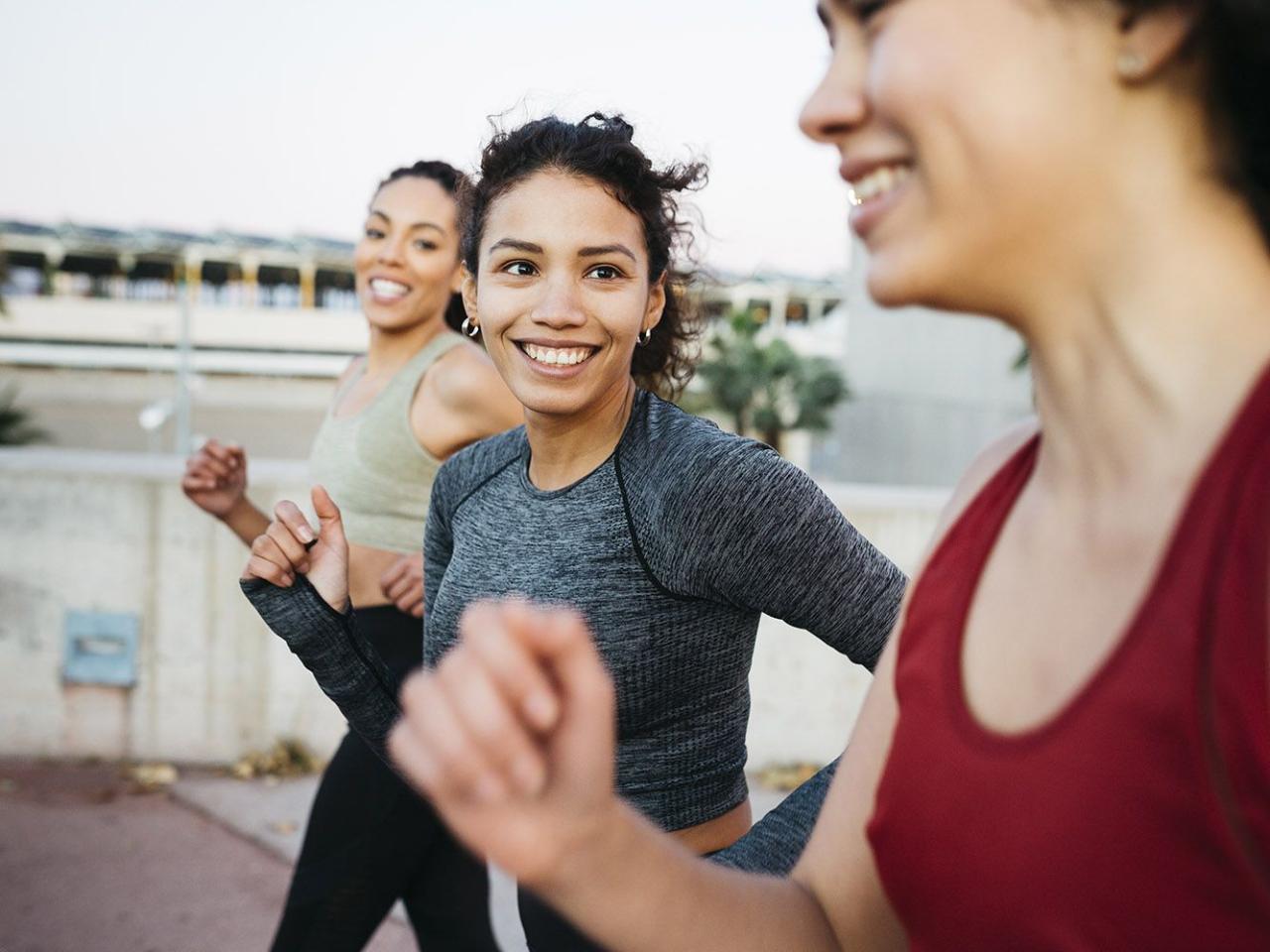
In the expanding world of activewear, fit and size inclusivity have become paramount. Acknowledging and catering to diverse body types not only enhances the customer experience but also fosters a sense of belonging and empowerment among individuals of all shapes and sizes. The right fit can boost performance and facilitate movement, making it essential for brands to prioritize inclusivity in their sizing offerings.
Offering a wide range of sizes in activewear ensures that everyone, regardless of body type, can find apparel that fits well and meets their functional needs. The importance of this inclusivity cannot be overstated, as it plays a critical role in encouraging physical activity and promoting healthy lifestyles among all demographics. However, brands face numerous challenges in catering to diverse body types, such as the need for accurate sizing, design adjustments, and the potential for increased production costs. Nonetheless, these challenges can be addressed through strategic approaches, including utilizing advanced sizing technology, gathering customer feedback, and collaborating with designers who specialize in inclusive fashion.
Challenges and Solutions in Size Inclusivity
Brands that aim for size inclusivity often encounter several challenges. These issues can be tackled through thoughtful strategies. Some of the common challenges and their respective solutions include:
- Limited Size Range: Many brands traditionally offer a narrow size range. Expanding this range requires understanding customer demographics and investing in research to develop sizes that accommodate various body types.
- Design Constraints: Creating stylish and functional activewear for various sizes can be complex. Collaborating with inclusive design experts can help ensure that products are both appealing and practical.
- Manufacturing Costs: Producing a wider range of sizes can lead to higher costs. Brands may consider adopting made-to-order systems or using 3D printing technology to minimize production waste and costs.
- Market Perception: Some brands fear that offering extended sizes may alienate their traditional customer base. Effective marketing that emphasizes the brand’s commitment to inclusivity can combat this misconception.
Examples of successful size-inclusive brands demonstrate the positive impact of prioritizing fit and inclusivity. Companies like Aerie and Fabletics have made significant strides in providing an extensive range of sizes while maintaining style and performance. Aerie, for instance, has embraced body positivity through its #AerieREAL campaign, which celebrates diverse body types and has fostered a loyal customer base. Fabletics, co-founded by actress Kate Hudson, offers sizes from XXS to 3X, emphasizing that fitness is for everyone. These brands not only cater to a wider audience but also contribute to shifting industry standards, encouraging other companies to follow suit in their offerings.
“Inclusive activewear not only meets the physical needs of diverse body types but also champions the spirit of community and acceptance in fitness.”
The Influence of Social Media on Activewear Choices
The rise of social media platforms like Instagram and TikTok has transformed the landscape of activewear consumption, enabling brands to reach consumers in ways that were unimaginable a decade ago. These platforms not only showcase products but also create communities centered around fitness, wellness, and stylish athleisure. By leveraging visual storytelling, brands can engage potential customers and influence purchasing decisions through relatable content and aspirational lifestyles.
The role of influencers in promoting activewear brands and styles is particularly significant. Influencers are individuals who have cultivated a substantial following by sharing their fitness journeys, healthy living tips, and fashion choices. Their authentic representation of products allows them to connect with audiences on a personal level. For instance, fitness influencers often share workout routines, dietary advice, and honest reviews of activewear, making them trusted sources of information. This type of marketing generates higher engagement rates compared to traditional advertising methods.
Additionally, brands are increasingly collaborating with micro-influencers—those with smaller yet highly engaged audiences—because they often yield a more genuine connection with their followers. As an example, a recent campaign by an emerging activewear brand featured several micro-influencers sharing their daily routines while wearing the brand’s apparel. The campaign led to a reported increase in sales and brand awareness by over 30% within a month.
Social media marketing strategies within the activewear sector have evolved to incorporate user-generated content, where customers share their experiences wearing a brand’s clothing. This not only builds community but also fosters brand loyalty. Brands encourage customers to post photos with dedicated hashtags, creating a sense of inclusivity and allowing potential consumers to see real-life applications of the product. Moreover, interactive features such as polls, stories, and challenges on platforms like Instagram and TikTok allow brands to engage directly with their audience, providing feedback and insights that shape future product releases.
Through these innovative approaches, social media has become an essential tool in the activewear industry, influencing consumer behavior and shaping the future of fitness fashion.
Evaluating the Cost Versus Value of Activewear
When it comes to purchasing activewear, consumers often find themselves evaluating the cost versus the value provided by different products. The activewear market offers a wide range of prices, from budget-friendly options to high-end brands, each with unique features and benefits. To make an informed decision, it’s essential to understand what factors contribute to the cost of activewear and how these can translate into value for the user.
Activewear price ranges can vary significantly based on materials, brand reputation, and design technology. While some might be tempted to go for cheaper alternatives, it’s crucial to consider the long-term benefits of investing in high-quality pieces. Cheaper options might save money upfront, but they often lack durability, comfort, and performance features that can enhance your workout experience.
Comparison of Features in Activewear at Different Price Points
Understanding the features of activewear at various price levels can help consumers navigate their choices. High-quality activewear is often designed with advanced materials and technologies that can improve comfort, support, and performance.
Here are some key features to consider across different price points:
- Material Quality: High-end activewear typically utilizes moisture-wicking fabrics, such as polyester blends, that help keep the body dry and comfortable. In contrast, lower-priced options may use basic cotton or blends that retain sweat.
- Durability: Investing in premium activewear usually results in longer-lasting pieces that can withstand intense workouts and frequent washing. Cheaper clothes may fray or lose elasticity more quickly, leading to additional costs.
- Fit and Comfort: Higher-priced brands often offer tailored fits and ergonomic designs that enhance movement, while budget options may have a more generic cut, potentially compromising comfort.
- Performance Features: Features such as anti-odor technology, UV protection, and seamless construction are frequently found in mid to high-end activewear. These enhance the user experience but are less common in budget items.
- Brand Reputation: Established brands often invest in research and development, ensuring their products meet the needs of athletes. This investment can lead to better performance compared to lesser-known, cheaper brands.
“Quality activewear is not just about the price; it’s about the performance, comfort, and longevity that can ultimately save you money in the long run.”
In conclusion, assessing the cost versus value of activewear is essential for making a smart purchase. By understanding what features to look for at varying price points, consumers can choose pieces that not only fit their budget but also enhance their performance and comfort during workouts.
Ending Remarks
In conclusion, the world of activewear is a dynamic intersection of fashion, technology, and health, continually shaped by consumer preferences and environmental considerations. As we look to the future, innovations in design, sustainability, and personalization will further redefine how we engage with our active lifestyles. Whether for casual wear or high-performance activities, activewear is set to remain at the forefront of our daily lives.
Expert Answers
What is activewear?
Activewear is clothing designed specifically for physical activities, providing comfort, flexibility, and support during workouts.
Why is moisture-wicking fabric important?
Moisture-wicking fabric helps draw sweat away from the body, keeping the wearer dry and comfortable during exercise.
Can I wear activewear outside of the gym?
Absolutely! Activewear is versatile and can be worn for casual outings, errands, or lounging at home.
How do I choose the right size in activewear?
Refer to the brand’s size chart and consider trying items on or reading customer reviews for fit guidance.
What makes sustainable activewear different?
Sustainable activewear is made from eco-friendly materials and practices, reducing environmental impact compared to traditional activewear.