
 Widya pasha
Delving into Vintage, this exploration invites you to uncover the rich tapestry of vintage fashion, decor, and culture that has shaped our aesthetic landscape over the decades. From iconic clothing styles that defined generations to unique decor pieces that add character to our homes, vintage is more than just a trend; it’s a celebration of history and craftsmanship.
This discussion will take you through the evolution of vintage across various domains, highlighting its significance in fashion, home design, and even music, while offering practical tips for collectors and enthusiasts alike.
The Evolution of Vintage Fashion Over the Decades
Vintage fashion represents a rich tapestry of cultural history, marked by distinct styles and trends that define each decade. From the flapper dresses of the 1920s to the bohemian vibes of the 1970s, these pieces reflect the social, political, and artistic movements of their times. Understanding the evolution of vintage fashion not only highlights the aesthetic changes but also showcases how these styles resonate in today’s fashion landscape.
Throughout the decades, vintage fashion has been characterized by unique fabric choices, silhouettes, and design elements. Each era has contributed iconic styles that still influence modern fashion. The 1950s, for example, is renowned for its full skirts and tailored dresses, which symbolized post-war femininity. In contrast, the 1980s embraced bold colors and oversized silhouettes that mirrored the decade’s exuberance and economic growth. This evolution underscores how fashion serves as a mirror to society’s changing values and innovations.
Characteristics of Vintage Fashion by Decade
The distinct styles of vintage fashion are not only visually striking but also carry significant cultural weight. Each decade brought forward innovations that reflected the zeitgeist. Exploring these characteristics reveals the intricate relationship between fashion and the sociopolitical climate.
- 1920s: The flapper dress, marked by its loose fit and drop waist, symbolized women’s liberation and the Jazz Age. Fabrics like silk and chiffon became popular, along with embellishments like beads and sequins.
- 1930s: The Great Depression led to more practical designs. Dresses featured defined waists and elegant lines. Fabrics like rayon and wool emerged, emphasizing both affordability and style.
- 1940s: World War II influenced fashion, leading to utility clothing. Women wore tailored suits and dresses that emphasized functionality, often made from limited resources.
- 1950s: A return to femininity saw the rise of the ‘New Look’ by Christian Dior, showcasing voluminous skirts and cinched waists. This decade celebrated glamour and luxury, reflecting post-war optimism.
- 1960s: The era of youth culture and rebellion brought mini skirts and bold patterns. Designers like Mary Quant popularized the new silhouette, symbolizing a break from traditional norms.
- 1970s: Bohemian styles emerged, characterized by flowy fabrics and earthy colors. This decade embraced individuality, with influences from folk music and the counterculture movement.
- 1980s: An explosion of color and extravagance defined this decade. Power dressing became popular, with shoulder pads and bold accessories reflecting a growing emphasis on women in the workforce.
- 1990s: Minimalism emerged as a response to the excess of the 1980s. Grunge and casual styles took center stage, with an emphasis on thrift store finds and DIY aesthetics.
The cultural significance of these vintage styles is profound, as they often represent shifts in societal norms and values. The flapper dress of the 1920s, for instance, symbolizes a pivotal moment in women’s rights, while the power suits of the 1980s mirror the rise of professional women in the workplace. Such examples illustrate how fashion is a continual dialogue with the changing world.
Influence of Vintage Fashion on Modern Trends
Vintage fashion’s resurgence in modern trends highlights its timeless appeal. Many contemporary designers have drawn inspiration from past decades, incorporating classic elements into their collections. The cyclical nature of fashion often sees styles reinterpreted and celebrated.
- Retro prints and silhouettes from the 1970s have made a comeback, with high-waisted jeans and floral patterns dominating current streetwear.
- The minimalist aesthetic of the 1990s has influenced a movement towards simplicity in modern design, with clean lines and neutral palettes gaining popularity.
- Many brands now embrace sustainable practices by producing vintage-inspired lines, reflecting a growing awareness of environmental impact.
The blend of vintage elements into contemporary fashion not only keeps history alive but also offers a unique way to express individuality in today’s fast-paced world. This ongoing interplay between past and present indicates that vintage fashion will continue to hold a significant place in the future of style, resonating with new generations while celebrating its rich heritage.
The Role of Vintage in Home Decor
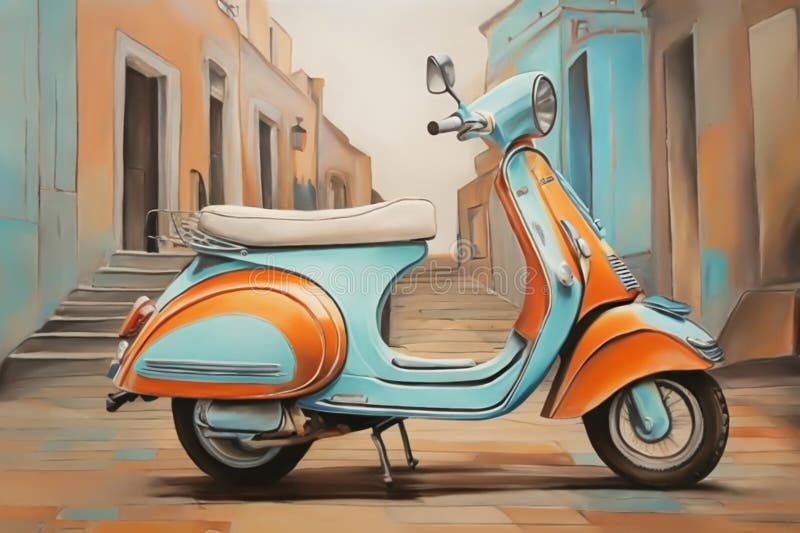
Incorporating vintage pieces into contemporary home design adds a layer of character and authenticity that new items often lack. Vintage decor allows homeowners to infuse their spaces with history and storytelling, making each room feel more personalized and inviting. As people seek to establish a unique aesthetic, vintage items serve as conversation starters and reflect individual tastes and values.
Blending vintage decor within a modern context can be both an art and a science. It requires a thoughtful consideration of styles, colors, and materials to ensure harmony between old and new. Popular vintage styles, such as Mid-Century Modern, Industrial, and Shabby Chic, can be effectively integrated into contemporary designs, creating a balanced atmosphere that feels cohesive.
Popular Vintage Styles in Interior Design
Understanding the various vintage styles in interior design helps to facilitate a smoother integration into modern spaces. Each style brings its unique flair and can be adapted to fit contemporary aesthetics.
– Mid-Century Modern: Characterized by clean lines, organic shapes, and a focus on functionality. This style often features materials like wood and metal, combined with bold colors and geometric patterns. Incorporating a few key pieces, such as a vintage Eames chair or a teak coffee table, can add a sophisticated touch.
– Industrial: Inspired by warehouses and factories, industrial vintage decor utilizes raw materials like exposed brick, metal piping, and reclaimed wood. An old factory cart or a vintage metal stool can serve as striking focal points in a modern setting, providing an edgy contrast to sleek designs.
– Shabby Chic: This style emphasizes a soft, romantic aesthetic with distressed finishes and pastel colors. Vintage furniture, like a weathered white dining table or floral-patterned armchairs, can create a cozy and inviting atmosphere that softens the harsher lines of contemporary decor.
– Art Deco: Known for its bold geometric patterns, rich colors, and luxurious materials, Art Deco pieces can elevate a space to reflect glamour and elegance. Elements such as mirrored furniture or intricate light fixtures can serve as eye-catching accents in a minimalist room.
To effectively blend these styles, consider the following strategies:
1. Focal Points: Use vintage items as focal points in each room. A striking vintage piece can draw attention and provide inspiration for the rest of the decor.
2. Color Palette: Ensure that the colors of vintage items complement the existing color scheme of the room. This creates visual harmony and makes the integration seamless.
3. Layering: Layer vintage pieces with modern accessories. For instance, pairing a vintage rug with contemporary furniture can add depth and interest to the space.
By thoughtfully incorporating vintage decor, homeowners can transform their living spaces into unique expressions of their personal style.
Vintage decor significantly impacts the creation of a unique and personalized living space. Each piece tells a story, contributing to the overall narrative of the home. It encourages creativity and individuality, allowing inhabitants to showcase their personality through carefully curated items. Moreover, vintage pieces often carry a sense of nostalgia and warmth, making spaces feel welcoming and lived-in, unlike the often sterile feel of mass-produced modern items. The key is to select vintage elements that resonate personally while ensuring they fit naturally within the broader design scheme.
Collecting Vintage Items
Starting a vintage collection can be an exciting journey filled with discovery and nostalgia. Vintage items often carry stories that reflect past eras, making them not only collectibles but also conversation starters. The world of vintage collecting can be vast, encompassing everything from furniture and fashion to toys and décor. Understanding how to navigate this realm will enhance your collection experience and help you make informed decisions.
When shopping for vintage items, a keen eye and a bit of research are essential. Look for quality over quantity, focusing on items that resonate with you personally. Familiarize yourself with different eras and styles, as well as the characteristics that define them. This knowledge will help you spot genuine pieces versus reproductions.
Types of Vintage Collectibles
Vintage collectibles span a wide range of categories, each with its unique charm and potential value. Understanding these categories and their historical significance can aid collectors in making purchases that appreciate over time. Here are some popular types of vintage collectibles:
- Furniture: Vintage furniture from the Mid-Century Modern era or Art Deco period can be highly sought after. Pieces from renowned designers typically appreciate significantly in value.
- Fashion: Vintage clothing, especially designer pieces or iconic styles like the flapper dresses of the 1920s, can attract collectors. The condition and rarity greatly influence their value.
- Toys: Classic toys from the 1950s to 1980s, such as original action figures or board games, can become valuable over time. Items in their original packaging fetch higher prices.
- Home Décor: Vintage glassware, ceramics, and artwork can add character to any space. Certain brands or artists, such as Murano glass or Picasso ceramics, command high prices.
- Records: Vinyl records from influential artists or limited editions are often treasured. Albums in mint condition are particularly valuable.
These categories not only illustrate the diversity of vintage collectibles but also highlight how their value can increase with time, particularly when they are well-maintained and preserved.
Maintaining and Caring for Vintage Items
To preserve the value of vintage items, proper care and maintenance are crucial. Many vintage collectibles are delicate and require specific handling and storage practices. Here are several practical tips to ensure longevity and maintain their value:
- Cleaning: Use gentle cleaning methods appropriate for the material. For example, wooden furniture should be cleaned with a soft cloth and suitable wood cleaner, while textiles may require dry cleaning.
- Storage: Store items in a climate-controlled environment to prevent damage from humidity and temperature fluctuations. Use acid-free materials for packaging and storage.
- Handling: Always handle vintage items with clean hands and avoid wearing jewelry that may scratch surfaces. Use gloves when necessary, especially for delicate items.
- Restoration: Be cautious with restoration efforts; original patina often adds value. Consult professionals for items requiring significant repairs.
- Documentation: Keep records of provenance, including purchase details and any relevant history about the item, which can increase its value in the future.
By following these guidelines, collectors can ensure their vintage items remain in excellent condition, preserving their charm and value for future generations.
The Influence of Vintage Music on Today’s Genres
Vintage music has left a lasting imprint on the contemporary music landscape, infusing modern genres with its unique sounds, styles, and emotional depth. From the soulful melodies of the ’60s Motown era to the raw energy of ’70s punk rock, these classic styles continue to inspire today’s artists. The blending of vintage influences with new elements has not only shaped the current music scene but has also given rise to a renewed appreciation for the sounds of the past.
Several vintage music genres have significantly influenced the modern music scene, showcasing how timeless elements can be woven into contemporary sounds. These genres include:
Key Vintage Music Genres Shaping Modern Music
The following genres have played pivotal roles in shaping today’s music, each bringing distinct characteristics that continue to resonate with artists and audiences alike:
- Blues: Originating from African American communities, the blues has influenced countless genres, including rock and roll, jazz, and country music. Its emotive storytelling and guitar-driven melodies can be heard in the works of artists like Eric Clapton and John Mayer.
- Jazz: With its complex harmonies and improvisational nature, jazz has been a foundation for many modern genres. Contemporary artists like Kamasi Washington and Norah Jones incorporate jazz elements into their work, demonstrating its enduring relevance.
- Rock and Roll: Emerging in the 1950s, rock and roll has inspired the sound of modern pop, alternative, and indie rock. Bands like The Beatles and The Rolling Stones continue to influence current artists, as seen in the music of bands like The 1975 and Arctic Monkeys.
- Folk: The folk revival of the ’60s has had a resurgence in contemporary music, with artists like Mumford & Sons and Fleet Foxes drawing on traditional folk elements to create their unique sound.
The resurgence of interest in vintage music is evident across various platforms, with contemporary artists embracing older genres to create fresh, innovative sounds. This revival has led to a flourishing scene where vintage influences are not only acknowledged but celebrated.
Resurgence of Interest in Vintage Music
The growing fascination with vintage music has rejuvenated the musical landscape, resulting in new collaborations and innovative approaches to songwriting and production. Notable trends include:
- Vinyl Revival: The resurgence of vinyl records has played a significant role in rekindling interest in vintage music. Many artists release limited edition vinyl, appealing to collectors and audiophiles alike.
- Collaborations: Artists are increasingly collaborating with musicians from earlier eras, creating a bridge between generations. For instance, Billie Eilish has worked with legendary producers who have had success in the past, merging classic techniques with modern sensibilities.
- Sampling: The practice of sampling vintage tracks continues to thrive, as seen in hip-hop and electronic music. This technique allows artists to pay homage to their musical predecessors while creating something entirely new.
Vintage music serves not only as a source of inspiration but also as a foundation for new creativity in songwriting and production. By examining the techniques and themes of past genres, contemporary artists can unlock fresh ideas for their work.
Creativity in Songwriting and Production
The integration of vintage sounds into modern music has sparked a wave of creativity among artists, leading to innovative songwriting and production techniques. The following points illustrate how vintage influences can inspire new artistic directions:
- Song Structure: Many contemporary artists draw on traditional song structures from vintage genres, such as the verse-chorus format prevalent in rock and pop. This structure provides a familiar framework while allowing for personal expression.
- Instrumentation: The use of vintage instruments—such as analog synthesizers, vintage guitars, and classic drum machines—has become a hallmark of modern production, giving tracks a warm, nostalgic sound.
- Lyricism: Emulating the storytelling techniques of vintage music can lead to more profound and relatable lyrics. Artists like Taylor Swift and Hozier often weave personal narratives reminiscent of classic folk and blues traditions.
Through these influences, vintage music continues to make its mark on today’s genres, enriching the creative landscape and offering endless possibilities for artistic expression.
Exploring Vintage Travel
Vintage travel evokes a unique blend of nostalgia and adventure, allowing travelers to experience destinations through a different lens. The charm of vintage modes of transportation, classic hotels, and time-honored attractions adds layers of depth to the journey, making it not just about the destination, but also about the experience of travel itself. This exploration is not just a mere trip down memory lane but a celebration of the rich history and culture that these vintage experiences embody.
The allure of vintage travel experiences lies in their ability to transport us back to a time when travel was an art form. From the elegance of train journeys on historic railroads to the classic road trips along scenic byways, these experiences often reflect the cultural values and aesthetics of their time. Notable trends include the revival of vintage fashion in travel attire, the popularity of retro-themed motels, and the resurgence of classic car rentals. Each trend serves as a testament to the enduring appeal of bygone eras and the desire to connect with history on a personal level.
Notable Vintage Travel Trends
Vintage travel trends encapsulate the spirit of their times, influencing the way people explore the world. From the glamour of the 1920s to the bohemian vibes of the 1970s, these trends offer insights into societal values, fashion, and lifestyle choices. Here are some notable trends:
- Classic Train Journeys: Scenic train rides, such as the Orient Express, offer luxurious travel experiences that hark back to a time when train travel was the epitome of elegance. Passengers enjoy fine dining and stunning landscapes, reminiscent of the golden age of rail travel.
- Retro Road Trips: The resurgence of vintage cars, like the VW Beetle or classic Mustangs, has led to a renewed interest in road trips. Travelers often seek out iconic routes, such as Route 66, embracing the freedom and adventure of the open road.
- Historic Hotels: Staying in vintage hotels, such as the Chateau Marmont in Los Angeles or The Plaza in New York, allows guests to immerse themselves in the past. These establishments often boast unique architecture and storied histories.
- Vintage Cruise Experiences: Luxury cruises that offer retro-themed events and classic ship designs attract travelers looking for a nostalgic journey across the seas. The experience is enhanced by vintage entertainment and cuisine.
Planning a vintage-themed trip requires careful consideration of elements that enhance the overall experience. Choosing destinations that embody historical significance or classic charm is key. Incorporating vintage-inspired activities, such as themed dinners or attending events like vintage car shows, adds to the authenticity of the journey. Here are some suggestions for planning a vintage-themed trip:
Suggestions for Planning a Vintage-Themed Trip
Emphasizing the importance of creating a cohesive vintage experience, travelers can enrich their journeys by considering the following elements:
- Research Historical Destinations: Identify cities or regions known for their historical significance, such as Charleston, South Carolina, or New Orleans, Louisiana, which are rich in culture and heritage.
- Curate a Vintage Itinerary: Include activities that reflect the era you wish to explore, such as visiting museums featuring vintage exhibits, attending classic film screenings, or dining at retro diners.
- Incorporate Vintage Attire: Dressing in period-appropriate clothing adds a fun element to the experience. Seek out vintage shops or thrift stores for authentic pieces that align with the chosen era.
- Document the Journey: Encourage travelers to maintain a travel journal or blog, capturing the essence of their vintage adventure, which can be a nostalgic keepsake for years to come.
“Traveling through time with vintage experiences allows us to connect with history, making each journey uniquely enriching.”
Vintage Photography
Vintage photography is a captivating art form that transcends time, evoking nostalgia and emotion through its distinctive styles and techniques. This genre often encompasses a range of methods that harken back to earlier eras, including the use of film, specific camera models, and distinct processing techniques that produce a unique aesthetic. The essence of vintage photography lies in its ability to capture fleeting moments, transforming them into timeless treasures reminiscent of the past.
The techniques used in vintage photography are deeply rooted in historical contexts, with each method reflecting the technological advances and artistic movements of its time. Early photography relied on cumbersome equipment, such as large format cameras and glass plates, leading to long exposure times and captivating outcomes. The introduction of color film in the mid-20th century shifted the landscape, but the black-and-white images of the past retained their allure. Techniques like soft focus, grainy textures, and sepia toning are signature characteristics of this style, enhancing the emotional resonance of the captured images.
Techniques and Styles in Vintage Photography
To achieve a vintage look in modern photography, photographers can incorporate various techniques that emulate the aesthetic qualities of historic images. Below are several essential methods to consider for achieving that timeless feel:
- Film Simulation: Utilizing film simulation presets available in many photo editing software programs can recreate the grain and color palettes of older films.
- Soft Focus Lens: Employing a soft focus lens can create a dreamy and nostalgic effect, reminiscent of early portrait photography.
- Black and White Photography: Shooting in black and white or converting color images can evoke a sense of history and nostalgia.
- Vignetting: Adding subtle vignetting can draw attention to the subject and mimic the edges of vintage photographs that often show signs of wear.
- Textural Overlays: Using overlays that add scratches, dust, or film grain can enhance the authenticity of a vintage photograph.
The emotional impact of vintage photographs is profound, as they possess a unique ability to tell stories that resonate across generations. These images often evoke memories tied to family histories, significant life events, or cultural moments, creating a rich tapestry of shared experiences. The aesthetic qualities of vintage photography, such as muted colors and soft lighting, evoke feelings of warmth and nostalgia, allowing viewers to connect on a deeper emotional level.
“Vintage photographs serve as a bridge to the past, showcasing moments that once were and emotions that linger.”
The storytelling potential of vintage photography is amplified through the context of the images captured. Each photograph can represent a specific time and place, encouraging viewers to ponder the narratives behind the scenes. An image of a family picnic from the 1960s might evoke memories of one’s own childhood, while a black-and-white portrait of a couple can spark curiosity about their love story and the era they lived in. The ability of these photographs to convey complex emotions and stories highlights their enduring appeal in contemporary photography.
Crafting with Vintage Materials
In a world where new trends emerge constantly, there’s something beautifully nostalgic about crafting with vintage materials. Incorporating these unique pieces not only adds character to your projects but also allows you to embrace sustainability by repurposing items that might otherwise be discarded. Vintage crafts invite creativity and resourcefulness, encouraging crafters to think outside the box and transform old treasures into modern masterpieces.
Utilizing vintage items in crafts and decor comes with numerous benefits. It fosters creativity, as each piece carries its own story and character, inspiring unique designs. Repurposing vintage materials also promotes sustainability, reducing waste and conserving resources. Furthermore, crafting with vintage items can be budget-friendly, allowing for beautiful decor without breaking the bank.
DIY Projects Using Vintage Materials
Exploring DIY projects with vintage materials opens a world of possibilities. Here are some creative ideas to get started:
- Vintage Photo Frames: Collect old wooden frames and paint them in bright colors or leave them as is for a rustic look. Fill them with your favorite memories or artwork to create a gallery wall.
- Repurposed Furniture: Transform vintage furniture pieces like chairs, tables, or dressers with fresh paint or new upholstery. This not only breathes new life into the items but also creates a unique statement piece for your home.
- Fabric Scrap Bunting: Gather fabric scraps from vintage clothing or linens to create colorful bunting. Cut the fabric into triangles, sew or glue them onto a string, and use it to decorate parties or rooms.
- Vintage Button Magnets: Collect an assortment of vintage buttons and attach magnets to the back. These quirky magnets can brighten up your fridge while showcasing your love for vintage collectibles.
- Upcycled Glass Jars: Use old glass jars as vases or storage containers. Paint the jars or wrap them in twine for a charming look that perfectly combines functionality and aesthetics.
Each of these projects exemplifies how vintage materials can be transformed into beautiful and functional items for the home. When undertaking these crafts, consider the history and story behind each piece.
“Crafting with vintage materials is not just a creative outlet; it’s a way to connect with the past and preserve its beauty for future generations.”
Engaging with vintage crafts not only results in stunning decor but also fosters a sense of accomplishment and connection to history. By embracing resources from the past, crafters can create unique, one-of-a-kind pieces that truly reflect their personal style and values.
The Sustainability of Vintage
Choosing vintage is more than a fashion statement; it is an eco-friendly choice that promotes sustainability in the modern world. With fast fashion contributing significantly to environmental degradation, opting for vintage items presents a viable alternative that benefits both the planet and society. Vintage shopping not only allows individuals to express their unique style but also aligns with a growing commitment to sustainability.
The environmental benefits of selecting vintage over fast fashion are significant. Fast fashion is notorious for its resource-intensive production processes that deplete natural resources and generate substantial waste. In contrast, vintage clothing utilizes pre-existing materials, reducing the need for new production and minimizing environmental impact. By purchasing vintage, consumers help decrease the demand for new garments, which are often produced under harmful conditions, thus conserving water, energy, and raw materials.
Environmental Benefits of Vintage Shopping
Vintage shopping plays a crucial role in supporting sustainability and reducing waste. By opting for second-hand items, individuals contribute to a circular economy that encourages the reuse and repurposing of textiles. This shift not only extends the life cycle of garments but also significantly diminishes landfill waste. The following points highlight how vintage shopping promotes sustainability:
- Reduction of textile waste: The fashion industry is responsible for an estimated 92 million tons of waste generated annually. Vintage shopping diverts clothing from landfills, promoting a zero-waste mindset.
- Conservation of resources: Each vintage item saves the resources needed for new clothing production, including water, energy, and raw materials. For instance, producing one cotton t-shirt requires around 2,700 liters of water—enough for one person to drink for two and a half years.
- Lower carbon footprint: Vintage items have already been produced, which means purchasing them doesn’t contribute to carbon emissions associated with the manufacturing and shipping of new products.
The ethical implications of the vintage market in today’s economy reflect a broader social consciousness about consumption. Unlike fast fashion brands that often exploit labor in developing countries, the vintage market typically involves local businesses and small retailers, fostering community support. Additionally, the vintage movement encourages consumers to value craftsmanship and longevity over fleeting trends, creating a more respectful relationship with fashion and the people who produce it.
“Choosing vintage is not just about style; it’s about making a statement against the throwaway culture of fast fashion.”
The resurgence of interest in vintage clothing indicates a shift towards more conscious consumerism. Brands that embrace sustainability are often seen as more credible and appealing to a growing demographic that prioritizes ethical practices. By supporting the vintage market, consumers are not only making a fashion choice but also endorsing a more sustainable and fair economy.
The Sustainability of Vintage
Choosing vintage fashion is not merely a style statement; it reflects a growing awareness of our planet’s health. Opting for vintage items over fast fashion or new products significantly reduces our environmental footprint. As we dive into the eco-friendly aspects of vintage shopping, it’s essential to recognize how this trend supports sustainable practices while fostering ethical consumption in today’s economy.
Environmental Benefits of Vintage
Vintage clothing offers substantial environmental perks when compared to the fast fashion industry, which is notorious for its resource-intensive processes. Here are a few key benefits:
- Reduced Resource Consumption: Manufacturing new clothing consumes vast amounts of water, energy, and raw materials. Choosing vintage items conserves these resources since they have already been produced and are being reused.
- Lower Carbon Footprint: The transportation and production processes of new fashion generate significant carbon emissions. Vintage items often have a much smaller carbon footprint as they bypass the manufacturing stage.
- Minimized Waste: The fast fashion industry contributes to a staggering amount of textile waste. By purchasing vintage, consumers help divert these garments from landfills, promoting a circular economy.
Sustainability and Waste Reduction
Shopping vintage aids in reducing waste and supports sustainable consumer habits. This sector plays a pivotal role in minimizing the environmental impact of fashion. The following points illustrate this relationship:
- Extending the Lifecycle of Garments: Vintage shopping keeps clothing in circulation longer, reducing the need for new production and encouraging a more sustainable consumption model.
- Promotion of Second-Hand Markets: By supporting second-hand stores and vintage boutiques, consumers contribute to local economies while fostering environmentally friendly shopping habits.
- Awareness of Fashion’s Impact: The vintage market encourages discussions about the environmental implications of fashion, making consumers more mindful of their choices.
Ethical Implications of the Vintage Market
The vintage market operates within an ethical framework that addresses various social and environmental concerns prevalent in today’s economy. Key aspects include:
- Support for Local Businesses: Purchasing vintage items often means supporting small, independent shops, which contributes to local economies rather than large corporations.
- Fair Labor Practices: Unlike fast fashion, which frequently relies on exploitative labor practices, vintage shops often have more transparent sourcing, leading to better ethical standards.
- Encouragement of Conscious Consumerism: The vintage movement promotes mindful consumption, urging buyers to consider the impact of their purchases, thus fostering a more sustainable economy.
“Opting for vintage isn’t just a fashion choice; it’s a statement of values, reflecting our commitment to the planet and ethical consumption.”
Last Point
In conclusion, embracing vintage is not just about nostalgia; it’s a way to connect with the past while making sustainable choices for the future. Whether you’re a collector, a style enthusiast, or someone looking to add a touch of history to your life, the world of vintage is filled with stories waiting to be discovered. So go ahead, explore, and let the charm of vintage inspire your journey.
FAQ Resource
What defines an item as vintage?
An item is generally considered vintage if it is at least 20 years old and reflects the styles and quality of its era, distinguishing it from modern pieces.
How can I tell if vintage clothing is authentic?
Look for labels, tags, and construction details typical of the era, as well as signs of wear that indicate age, alongside expert opinions if in doubt.
Where can I find quality vintage items?
Quality vintage items can often be found at thrift stores, estate sales, flea markets, and specialized vintage shops, as well as online marketplaces.
What are some popular vintage styles for home decor?
Popular vintage styles include Mid-Century Modern, Art Deco, and Shabby Chic, each bringing a unique aesthetic to contemporary living spaces.
How does vintage fashion influence modern trends?
Vintage fashion often inspires contemporary designers who draw upon past styles, leading to cycles of revival and reinterpretation within the fashion industry.