
 Widya pasha
Vegan beauty is not just a trend; it’s a lifestyle choice that transforms how we approach skincare and cosmetics. By prioritizing natural ingredients free from animal products, vegan beauty offers a refreshing alternative to traditional beauty lines that often contain harsh chemicals. This shift toward plant-based formulations significantly benefits skin health, promoting healing and wellness through nourishing botanical extracts.
As awareness grows about the environmental impact of beauty products, vegan beauty’s alignment with sustainable practices makes it even more appealing. With brands continuously innovating and adopting eco-friendly measures, consumers can enjoy effective beauty solutions that respect both their skin and the planet.
The Benefits of Vegan Beauty Products for Skin Health
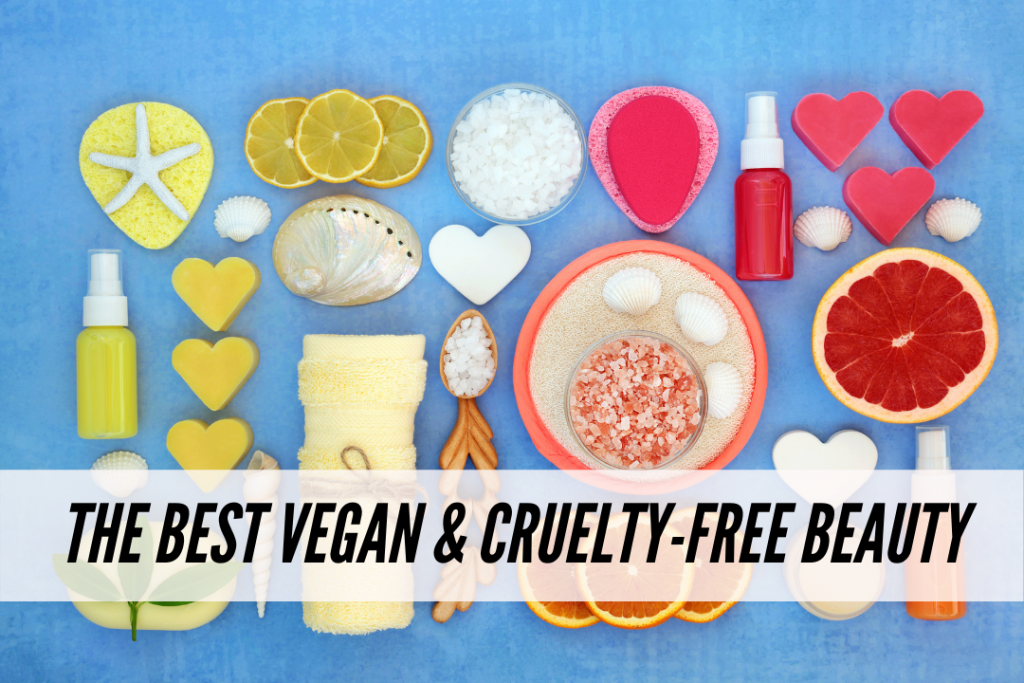
Vegan beauty products have gained significant popularity in recent years, and for good reason. Unlike traditional beauty products, which often contain animal-derived ingredients and harsh chemicals, vegan beauty items are formulated with natural, plant-based components that can provide numerous benefits for skin health. These products not only help in enhancing the skin’s appearance but also promote overall wellness by utilizing the power of nature.
The use of vegan beauty products can lead to improvements in skin health by minimizing the risk of irritation and allergic reactions commonly associated with synthetic ingredients. Many traditional beauty products contain preservatives, artificial fragrances, and other chemicals that can disrupt the skin’s natural barrier and lead to issues like dryness and inflammation. In contrast, vegan products prioritize natural ingredients that nourish and heal the skin. For instance, ingredients like aloe vera and chamomile are known for their calming properties, making them ideal for sensitive skin types. Furthermore, vegan formulations often include antioxidants derived from fruits and vegetables, which help combat free radicals and prevent premature aging.
Natural Ingredients for Skin Wellness
The role of natural ingredients in vegan beauty products is crucial, as they not only enhance the effectiveness of the formulation but also align with a philosophy of sustainability and ethical consumption. Here are some prominent vegan ingredients and their specific benefits for various skin types:
- Aloe Vera: Renowned for its soothing properties, aloe vera hydrates and calms irritated skin, making it perfect for those with sensitive or sunburned skin.
- Shea Butter: This rich, nourishing butter is excellent for dry skin, providing deep moisture and promoting elasticity, which can help reduce the appearance of fine lines.
- Tea Tree Oil: Known for its antibacterial properties, tea tree oil is effective in treating acne-prone skin by reducing inflammation and preventing breakouts.
- Jojoba Oil: Closely resembling the skin’s natural oils, jojoba oil is suitable for all skin types and helps balance oil production while providing hydration.
- Vitamin C: This powerful antioxidant brightens the skin and helps to even out skin tone, making it ideal for those with hyperpigmentation or dull skin.
By choosing vegan beauty products that harness the benefits of these natural ingredients, consumers can care for their skin in a way that is both effective and environmentally conscious. The commitment to using plant-based components ensures that the skin receives the nourishment it needs without harsh additives, promoting a healthy, radiant complexion.
How Vegan Beauty Aligns with Sustainable Practices
The rise of vegan beauty is not just a trend; it represents a significant movement towards ethical consumption and environmental stewardship. As consumers become more conscious of their choices, understanding how vegan beauty products align with sustainable practices has never been more crucial. Vegan beauty products, which are free from animal-derived ingredients, often adopt eco-friendly practices that reduce their impact on the planet, contributing to a more sustainable cosmetics industry.
Vegan beauty aligns with sustainability through several key factors, including the absence of harmful ingredients, eco-conscious sourcing, and responsible production methods. Many conventional beauty products incorporate animal-derived components such as lanolin, collagen, and keratin, which can contribute to environmental degradation through factory farming practices and animal cruelty. By avoiding these ingredients, vegan beauty brands not only promote compassion towards animals but also reduce the carbon footprint associated with raising livestock. The production of plant-based ingredients typically consumes fewer resources and results in lower emissions compared to animal farming, making vegan beauty inherently more sustainable.
Environmentally Harmful Ingredients in Non-Vegan Products
The environmental impact of non-vegan beauty products becomes evident when examining the harmful ingredients often found in these products. The following table highlights common non-vegan ingredients and their vegan alternatives, demonstrating a clear link to sustainability.
| Harmful Non-Vegan Ingredients | Vegan Alternatives |
|---|---|
| Beeswax | Candelilla Wax |
| Lanolin | Plant-based Emollients (e.g., Jojoba Oil) |
| Animal-derived Glycerin | Vegetable Glycerin |
| Keratin | Plant Proteins (e.g., Soy Protein) |
| Collagen | Peptides from Plant Sources |
With an increasing number of brands adopting vegan formulations, the shift towards sustainable practices is evident. Many brands prioritize sourcing ingredients from sustainable farms that emphasize organic and responsible cultivation methods. This approach not only ensures high-quality products but also supports local ecosystems and reduces reliance on harmful pesticides and fertilizers.
Eco-Friendly Practices Adopted by Vegan Beauty Brands
Vegan beauty brands are not just focusing on the ingredients; they are also adopting various eco-friendly practices to enhance their sustainability. Here are some common methods employed in this sector:
1. Sustainable Packaging: Many vegan brands are transitioning to biodegradable, recyclable, or reusable packaging to minimize waste. This shift directly addresses the plastic pollution crisis, which is a major concern in the cosmetics industry.
2. Cruelty-Free Testing: Committed to ethical practices, vegan beauty brands often adhere to cruelty-free testing methods, which do not involve animal testing at any stage of product development.
3. Carbon Offsetting: Some brands are taking steps to offset their carbon emissions by investing in renewable energy projects or tree planting initiatives, thereby contributing positively to the environment.
4. Transparency in Sourcing: Vegan beauty brands are increasingly transparent about their sourcing practices, often providing information about where and how their ingredients are obtained. This transparency builds consumer trust and encourages responsible consumption.
5. Water Conservation: With the growing emphasis on sustainability, many companies are finding ways to minimize water usage in production processes and packaging, recognizing the importance of preserving this vital resource.
Adopting these practices not only supports a healthier planet but also resonates with consumers who are increasingly looking for products that reflect their values. The connection between vegan beauty and sustainability highlights a broader shift towards mindful consumption, where beauty and ethics can coexist harmoniously.
The Rise of Vegan Beauty Brands in the Market
The vegan beauty industry is rapidly gaining momentum, reflecting a significant shift in consumer preferences towards cruelty-free and environmentally conscious products. This trend has been fueled by increasing awareness about animal rights, sustainability, and the potential harmful effects of certain chemicals found in traditional beauty products. As a result, more consumers are seeking options that align with their values, which has led to the emergence of a multitude of vegan beauty brands.
In recent years, the rise of vegan beauty brands has reshaped the landscape of the beauty market. Consumers are now more informed and discerning about the products they use, leading to a greater demand for transparency in ingredient sourcing and ethical practices. This shift has compelled traditional beauty brands to innovate and adapt, with many launching vegan lines or reformulating their products to meet the needs of the eco-conscious consumer. The impact on consumer choices is profound; individuals are opting for products that not only enhance their beauty but also reflect their commitment to ethical consumerism.
Key Players in the Vegan Beauty Market
Several brands have emerged as leaders in the vegan beauty space, each offering unique products that cater to the growing demand. Notable players include:
- Too Faced: Known for its playful packaging and high-quality formulations, Too Faced’s best-seller, the Better Than Sex Mascara, is a fan favorite that is 100% vegan and cruelty-free.
- Fenty Beauty: Launched by Rihanna, Fenty Beauty has made waves with its inclusive range of products. Their Pro Filt’r Foundation offers a vegan option without compromising on performance.
- e.l.f. Cosmetics: This budget-friendly brand has a wide array of vegan products. Their Poreless Putty Primer has garnered attention for its ability to create a flawless base.
- Pacifica: A pioneer in the vegan beauty realm, Pacifica is known for its natural ingredients and commitment to sustainability, with popular products like the Alight Multi-Mineral BB Cream.
In addition to established brands, there has been an influx of new vegan brands in the past year, each introducing innovative offerings that set them apart in the crowded marketplace. The following list highlights some of these newcomers and their unique selling points:
- Bloom & Glow: Focused on clean beauty, this brand features a line of vegan skincare products infused with botanical extracts that promote glowing skin.
- Plantmade: Emphasizing sustainability, Plantmade sources its ingredients from renewable resources and offers a range of vegan hair care products.
- Wildflower: This brand stands out with its eco-friendly packaging and a commitment to zero waste, featuring vegan lip balms and skincare products.
- Pure Anada: With a focus on small-batch production, Pure Anada offers handmade vegan cosmetics that prioritize ethical sourcing and minimal environmental impact.
“The shift towards vegan beauty is not just a trend; it’s a movement towards a more compassionate and sustainable future in the beauty industry.”
The rise of vegan beauty brands is a testament to changing consumer values, highlighting the importance of ethical considerations in purchasing decisions and pushing the beauty industry towards more responsible practices.
Debunking Myths Surrounding Vegan Beauty
Many misconceptions surround vegan beauty products, often leading to skepticism about their effectiveness compared to traditional products. For some, the term “vegan” can evoke images of inferior quality or lack of performance, which is far from the truth. In reality, vegan beauty products are crafted with innovative formulations that prioritize both efficacy and ethical considerations.
One of the most common myths is that vegan beauty products do not perform as well as their non-vegan counterparts. This perception stems from a lack of understanding of the ingredients used in vegan formulations. Many traditional beauty products rely on animal-derived ingredients, which can be effective but often come with ethical and environmental concerns. Vegan beauty products, on the other hand, utilize an array of powerful plant-based ingredients that can deliver comparable or even superior results. For instance, vegan skincare may incorporate botanical oils, antioxidants, and natural extracts that are known for their nourishing and rejuvenating properties.
Ingredient Transparency and Performance
The transparency of ingredients in vegan beauty products is another significant factor that sets them apart from traditional products. Consumers are increasingly seeking clarity about what they apply to their skin; vegan brands often provide detailed information about their ingredient sourcing and formulation processes. This commitment to transparency fosters trust and allows users to make informed choices about the products they use.
Vegan beauty products are often formulated without harmful chemicals like parabens, sulfates, and synthetic fragrances. Instead, they focus on clean, effective, and ethically sourced ingredients that are beneficial for the skin. As a result, many users report experiencing fewer irritations and allergic reactions when switching to vegan options.
To illustrate the effectiveness of vegan beauty products, numerous testimonials showcase the positive experiences of users who have made the switch. For example, one user shared that after transitioning to a vegan skincare routine, her acne significantly improved, and her skin felt more hydrated. She noted, “I was skeptical at first, but now I can’t imagine going back. My skin has never looked better!”
Another case study highlights a vegan makeup brand that utilizes high-quality, natural pigments derived from fruits and vegetables. Many users praised the makeup’s long-lasting wear and vibrant colors, stating that they achieved the same, if not better, results compared to traditional makeup brands.
These real-life experiences underscore that vegan beauty products can indeed rival traditional products in performance and effectiveness, all while promoting ethical and environmentally friendly practices.
How to Transition to a Vegan Beauty Routine
Transitioning to a vegan beauty routine is a rewarding journey that not only benefits your skin but also aligns with a compassionate lifestyle. Embracing cruelty-free products ensures that no animals are harmed in the production process, while also reducing your carbon footprint. This guide Artikels effective strategies for making the switch smoothly and sustainably, helping you to enjoy all the shades and textures that vegan beauty has to offer.
Shifting to a fully vegan beauty routine can seem daunting, but with a systematic approach, it becomes an achievable goal. Start by evaluating your current products, and gradually replace them with vegan-friendly alternatives. This method not only reduces waste but also allows you to make informed choices over time. Here are some steps you can follow to transition seamlessly into a vegan beauty regimen.
Step-by-Step Guide for Transitioning
To effectively transition to a vegan beauty routine, understanding the key steps can make a significant difference. Below is a structured approach that includes simple changes you can implement in your daily skincare and makeup choices.
1. Assess Your Current Products: Begin by taking stock of all your beauty products. Note which items are not vegan, looking for ingredients derived from animals, such as beeswax, lanolin, and carmine, which are commonly found in cosmetics.
2. Research Vegan Brands: Familiarize yourself with brands that are committed to vegan practices. Many companies now offer a wide range of vegan options. Look for brands that explicitly state they are vegan or cruelty-free on their packaging or websites.
3. Start with Essentials: When replacing your products, focus first on daily essentials. For skincare, switch to a vegan cleanser, moisturizer, and sunscreen. For makeup, prioritize foundational products like foundation, mascara, and lip color.
4. Look for Certifications: When shopping, pay attention to certifications. Labels such as the Vegan Society logo or cruelty-free certifications can help you identify vegan products easily.
5. Practice Ingredient Awareness: Learn to read labels effectively. Ingredients like glycerin, squalene, and collagen can be derived from animals or plants. Familiarize yourself with common non-vegan ingredients to make informed choices.
6. Gradual Replacement: Instead of tossing out all your non-vegan products at once, replace them as you run out. This approach is more sustainable and economical.
7. Seek Out Local and Indie Brands: Many local and indie brands offer vegan products. Supporting these brands not only helps you find unique products but also supports small businesses.
8. Join Online Communities: Engage with vegan beauty communities online. Platforms like Instagram and Facebook have groups dedicated to vegan beauty where you can gather tips and product recommendations.
9. Stay Updated: The beauty industry evolves continuously, and new vegan products are frequently launched. Follow vegan beauty blogs and influencers to stay informed about the latest launches and trends.
10. Experiment and Enjoy: Finally, give yourself permission to experiment. The vegan beauty market is rich with options, so try new products and find what works best for you.
Transitioning to vegan beauty is about making conscious choices that reflect your values without compromising on quality or performance.
The Importance of Cruelty-Free Practices in Vegan Beauty
The vegan beauty movement emphasizes not only the use of plant-based ingredients but also the ethical treatment of animals. Cruelty-free practices are integral to this movement, ensuring that no animal testing is conducted during the development of beauty products. This commitment reflects a growing awareness and sensitivity towards animal welfare among consumers and brands alike.
Cruelty-free practices signify a company’s ethical stance, distinguishing those that prioritize animal rights from those that do not. The importance of such practices lies in their ability to advocate for humane treatment of animals, providing consumers with choices that align with their values. The demand for cruelty-free products is rapidly increasing, as more people become aware of the harsh realities of animal testing and seek alternatives that do not harm animals. Moreover, this shift in consumer behavior pressures brands to reconsider their practices, often leading to broader reforms in the industry.
Brands Committed to Cruelty-Free Standards
Several brands have established themselves as leaders in cruelty-free beauty, significantly influencing industry standards. These brands do not engage in animal testing and often work hard to ensure their suppliers adhere to similar practices. Here are a few notable examples:
- Too Faced: Known for their playful branding and high-quality products, Too Faced is fully committed to cruelty-free practices, ensuring that their cosmetics are safe and ethical.
- Tarte Cosmetics: This brand prides itself on its cruelty-free and vegan formulations, sourcing ingredients that align with its values and appealing to conscious consumers.
- Urban Decay: A pioneer in the cruelty-free movement, Urban Decay has long championed the cause, refusing to sell its products in markets where animal testing is required.
The impact of these brands extends beyond their product lines. They inspire other companies to adopt cruelty-free policies, creating a ripple effect throughout the beauty industry. As consumer demand for cruelty-free products grows, brands are increasingly making commitments to remove animal testing from their practices.
Consumer interest in cruelty-free beauty is reshaping brand policies, reflecting a collective desire for products that not only enhance beauty but also adhere to ethical standards. The proliferation of cruelty-free certifications and labels has made it easier for consumers to make informed choices. As a result, the beauty industry is slowly moving towards a more humane model, where the welfare of animals is taken into account at every stage of product development.
Best Vegan Beauty Products for Different Skin Types
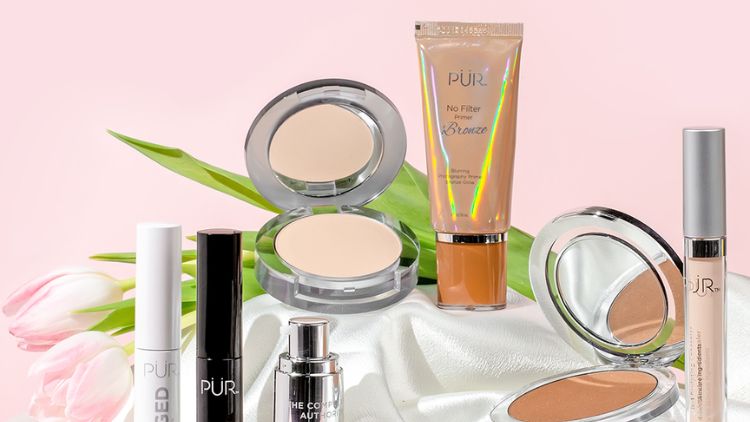
Navigating the world of vegan beauty products can be overwhelming, especially when considering individual skin types. Each skin type has its unique needs, and using the right products can enhance your beauty routine significantly. Here, we will explore some of the best vegan beauty products tailored for various skin types, including oily, dry, and sensitive skin.
Understanding your skin’s specific requirements is essential for achieving the best results. Vegan beauty products not only align with ethical values but also often contain natural ingredients that cater to diverse skin needs. Here’s a look at recommended vegan products for different skin types.
Recommended Vegan Products for Different Skin Types
It’s vital to select products that work harmoniously with your skin type. Below is a table showcasing various product types along with their recommended vegan counterparts:
| Skin Type | Product Type | Recommended Vegan Product |
|---|---|---|
| Oily Skin | Cleanser | Herbivore Botanicals Blemish Banish |
| Oily Skin | Moisturizer | Acure Incredibly Clear Mattifying Moisturizer |
| Dry Skin | Cleanser | Vegan Cleanser by Pacifica Beauty |
| Dry Skin | Moisturizer | First Aid Beauty Ultra Repair Cream |
| Sensitive Skin | Cleanser | Neutrogena Hydro Boost Cleansing Gel |
| Sensitive Skin | Moisturizer | Alba Botanica Hawaiian Moisture Cream |
Each product listed is designed to meet the specific needs of different skin types, ensuring that individuals can find suitable options without compromising their vegan principles.
Customizing your beauty routine according to your individual skin type is essential for optimal results. Each skin type responds differently to ingredients, and using products tailored to your specific needs can prevent issues like dryness, excess oil, or irritation. Embracing vegan beauty allows you to nourish your skin with plant-based, cruelty-free solutions that promote both health and ethical responsibility.
Ultimately, the key to a successful beauty routine is to understand your skin’s needs and to choose vegan products that address those needs effectively. The right products can make all the difference in achieving healthy, radiant skin while staying true to your values.
The Future of Vegan Beauty Innovations
The vegan beauty industry is rapidly evolving, propelled by technological advancements and shifting consumer preferences. As more individuals embrace cruelty-free and sustainable lifestyles, the demand for innovative vegan products continues to grow. This transformation is not just about eliminating animal-derived ingredients; it’s also about leveraging technology and sustainable sourcing to create effective and eco-friendly beauty solutions.
The future of vegan beauty will see an increase in the utilization of biotechnology and sustainable ingredient sourcing. Companies are now exploring lab-grown ingredients that mimic the properties of traditional beauty components without harming animals or the environment. For instance, lab-grown collagen and keratin are becoming popular alternatives to their animal-derived counterparts. This innovation not only satisfies ethical concerns but also offers higher purity and consistency in formulation.
Emerging Trends in Vegan Beauty
Several trends are emerging in the vegan beauty sector, reflecting consumer preferences that prioritize sustainability, transparency, and efficacy. Understanding these trends is crucial for predicting the direction of the industry over the next decade:
- Clean Beauty Movement: There is a growing preference for products that are free from harmful chemicals, artificial fragrances, and synthetic preservatives. The clean beauty trend aligns closely with vegan principles, driving demand for formulations that are both effective and environmentally friendly.
- Personalization: With advancements in data analytics and AI, brands are offering personalized beauty solutions. Consumers now expect products customized to their skin type, concerns, and preferences, which vegan brands are keen to fulfill.
- Transparent Sourcing: Today’s consumers are more educated than ever about ingredients and their origins. Brands that provide detailed information about sourcing, production processes, and environmental impact are likely to gain consumer trust.
- Eco-Friendly Packaging: As sustainability extends beyond products, innovative packaging solutions are gaining traction. Brands are experimenting with biodegradable or refillable containers to reduce waste.
- Inclusive Product Lines: The push for inclusivity has led brands to develop vegan products catering to a diverse range of skin tones and types, ensuring that everyone can find suitable options without compromising their ethical beliefs.
Insights from industry experts underscore the potential growth of the vegan beauty sector. According to a recent report by Grand View Research, the global vegan cosmetics market is projected to reach USD 20.8 billion by 2025, expanding at a CAGR of 6.3%. This growth is attributed to increasing awareness of cruelty-free practices and environmental sustainability among consumers.
Moreover, experts highlight the significance of social media in shaping consumer behavior. Platforms like Instagram and TikTok have become crucial for vegan beauty brands to connect with younger audiences, who are more likely to prioritize sustainability and ethical consumption. This digital engagement will likely drive further innovation as brands seek to resonate with their audience’s values.
As the vegan beauty landscape continues to evolve, the integration of innovative technologies and a focus on consumer preferences will pave the way for a more sustainable, ethical, and inclusive industry.
Final Summary
In conclusion, the world of vegan beauty is expanding and evolving, offering numerous benefits that extend beyond skin health to encompass ethical and sustainable practices. As more consumers embrace this movement, the demand for cruelty-free and environmentally friendly products will continue to shape the future of beauty. Transitioning to a vegan beauty routine not only enhances personal wellness but also contributes to a more compassionate and sustainable world.
Common Queries
What are vegan beauty products made of?
Vegan beauty products are formulated without any animal-derived ingredients, relying instead on plant-based substances, minerals, and synthetic elements that are cruelty-free.
Are vegan beauty products less effective?
No, vegan beauty products can be just as effective, if not more so, than traditional products, offering unique benefits from natural ingredients that promote skin health and healing.
How can I tell if a product is vegan?
Look for labels that specifically state “vegan” or check ingredient lists for animal-derived components. Certifications from recognized organizations can also help verify a product’s vegan status.
Can vegan beauty products be hypoallergenic?
Yes, many vegan beauty products are formulated to be hypoallergenic, often using fewer irritants than conventional products, making them suitable for sensitive skin types.
Do vegan beauty brands test on animals?
Most vegan beauty brands are committed to cruelty-free practices and do not test their products on animals, aligning with the ethical values of the vegan movement.