
 Widya pasha
Trendy jewelry captures the essence of contemporary fashion, blending style with personal expression. From the dazzling allure of gemstones to the sleek finish of sustainable materials, today’s jewelry choices reflect not only aesthetic preferences but also values and cultural significance.
With the rise of social media and celebrity influence, certain pieces have gained unprecedented popularity, making jewelry not just an accessory but a statement of identity. Explore how these trends evolve, the role of personalization, and the exciting new designers shaping the future of jewelry.
Trendy jewelry styles that are currently popular in the fashion world
The world of jewelry is ever-evolving, with new trends emerging seasonally that capture the hearts of fashion enthusiasts. Currently, several jewelry styles are making waves, characterized by their unique designs, materials, and cultural influences. From bold statement pieces to delicate minimalist designs, the options are abundant and cater to a wide range of personal styles.
One of the most notable trends is the rise of layering – where wearers combine multiple necklaces, bracelets, or rings to create a personalized look. This trend allows for creativity and the ability to express individual style while also showcasing various materials and craftsmanship.
Popular jewelry styles
There are several jewelry styles that have gained popularity recently, reflecting current fashion tendencies and societal influences. These styles showcase a blend of contemporary aesthetics and timeless appeal. Below are some key styles currently trending:
- Chunky Chains: Bold, oversized chain necklaces and bracelets are dominating the scene. These pieces often feature metals like gold or silver, presenting a striking contrast against simpler outfits.
- Hoop Earrings: A classic that has been reimagined, hoop earrings are available in various sizes and materials, from sleek metals to embellished designs, making them versatile for any occasion.
- Stacked Rings: Mixing and matching rings of different designs and widths has become fashionable, allowing wearers to express their unique style through various textures and colors.
- Natural Gemstone Jewelry: Pieces featuring raw or polished natural stones are gaining traction. These items often highlight organic shapes and colors that resonate with a love for nature.
- Charms and Personalization: Customizable jewelry options, including charm bracelets or pendants engraved with initials, allow individuals to showcase their identity and personal stories.
Materials used in trendy jewelry
The choice of materials in trendy jewelry not only defines the aesthetic appeal but also influences durability and sustainability. Here are some commonly used materials that are making their mark:
- Precious Metals: Gold, silver, and platinum remain staples in jewelry making. The resurgence of gold-plated and sterling silver pieces reflects a balance between affordability and luxury.
- Gemstones: From diamonds to semi-precious stones like amethyst and turquoise, the use of gemstones adds color and character to jewelry, elevating simple designs.
- Recycled Materials: Sustainability is on the rise, with many designers using recycled metals or ethically sourced materials to create eco-friendly pieces that appeal to environmentally conscious consumers.
- Beads and Natural Elements: Incorporating beads, shells, or organic materials into designs adds texture and a bohemian flair, appealing to those who embrace a relaxed style.
Cultural influences on jewelry trends
Cultural influences play a significant role in shaping current jewelry trends. The fusion of styles from different cultures can be seen prominently in today’s fashion jewelry.
- Global Patterns: Design elements inspired by various cultural motifs, such as African tribal patterns or Asian jade designs, are increasingly popular, often showcased in statement pieces that tell a story.
- Symbolic Jewelry: Many pieces incorporate symbols or motifs that carry cultural significance, such as evil eyes or mandalas, which appeal to both aesthetic and spiritual sensibilities.
- Heritage Craftsmanship: A resurgence in traditional crafting techniques from different cultures highlights the importance of heritage and authenticity, with artisans incorporating these techniques into contemporary designs.
The role of social media in shaping jewelry trends
Social media has become a powerful tool in influencing consumer behavior and preferences, particularly in the realm of fashion and accessories. As people increasingly turn to platforms like Instagram, TikTok, and Pinterest for inspiration, the impact on jewelry trends is undeniable. The visual nature of these platforms allows for rapid sharing and discovery of unique pieces, making them vital in defining what’s trendy in jewelry.
Social media platforms contribute to the popularity of certain jewelry pieces by enabling users to showcase their personal styles and share their finds with a global audience. The ability to tag brands, use hashtags, and create shareable content allows jewelry designers and retailers to reach potential customers more effectively. This exposure often leads to viral moments where particular items gain immense popularity overnight.
Influencers and celebrities shaping trends
Influencers and celebrities play a crucial role in the jewelry market, often setting trends that resonate with their followers. Their endorsements can elevate a piece from obscurity to must-have status within a short time frame. For instance, when A-list celebrities like Beyoncé or Selena Gomez are spotted wearing specific jewelry, it not only garners significant media attention but also prompts fans to seek out similar styles.
A particularly notable example is the rise of minimalist gold hoops, largely popularized by influencers on Instagram and TikTok who showcase them as versatile accessories. The trend exploded, partly due to the sheer volume of content shared under the hashtag #GoldHoops, which features countless styling options that appeal to a wide demographic.
“When a single piece of jewelry is worn by a celebrity, it can become an instant sensation, shaping consumer desires globally.”
Impact of hashtags and online challenges
Hashtags play a pivotal role in increasing jewelry visibility and engagement on social media. They serve as search tools that help users discover content related to specific styles or trends. For jewelry brands, creating a unique hashtag can foster a community around their products and encourage users to share their own posts featuring the jewelry.
Similarly, online challenges have become a popular means of promoting jewelry. These challenges often encourage participants to showcase their favorite pieces or create unique looks, which can generate significant buzz around particular items. The #JewelryChallenge on TikTok is an excellent example, where users display their favorite jewelry combinations, leading to increased engagement and brand awareness.
Understanding the effectiveness of hashtags and challenges can significantly impact how jewelry brands market their products. Their strategic use can lead to enhanced visibility and ultimately drive sales.
“Hashtags and challenges transform individual expressions of style into collective trends, amplifying the reach of jewelry brands.”
Sustainable and ethical practices in trendy jewelry design
In recent years, the jewelry industry has witnessed a significant shift towards sustainability and ethical practices. As consumers become more environmentally conscious and socially responsible, the demand for jewelry that reflects these values has soared. Brands are increasingly recognizing the importance of adopting sustainable practices, not just for compliance but as a core component of their identity. The journey towards sustainable jewelry involves using eco-friendly materials, minimizing environmental impact, and ensuring fair labor practices throughout the supply chain.
Ethically sourced materials are at the forefront of sustainable jewelry design. Unlike traditional methods that often rely on practices that can harm communities and the environment, ethically sourced materials are obtained in a manner that respects human rights and environmental standards. This distinction highlights the commitment to transparency and accountability in sourcing, which is becoming a crucial factor for consumers. For instance, gemstones and metals that are certified by organizations like the Responsible Jewelry Council ensure that they are mined and processed under ethical conditions, unlike materials that may be associated with exploitative labor practices or significant environmental degradation.
Identifying sustainable jewelry brands
Recognizing sustainable jewelry brands involves understanding key indicators of their practices. Consumers can look for specific certifications and transparent business practices that showcase a brand’s commitment to sustainability. Here are some factors to consider when identifying these brands:
- Certifications: Look for brands that have certifications such as Fair Trade, Certified Responsible Jewelry Council, or similar endorsements. These certifications indicate adherence to strict ethical and environmental standards.
- Material sourcing: Brands that provide clear information about where and how their materials are sourced are more likely to be committed to sustainable practices. This includes transparency about the supply chain and the methods used to obtain materials.
- Recycled materials: Jewelry that incorporates recycled metals or repurposed gemstones reflects a brand’s commitment to minimizing waste and its environmental footprint.
- Environmental impact: Look for brands that actively engage in practices to lower their carbon footprint, such as using renewable energy in their production processes or offsetting emissions.
- Labor practices: Brands that emphasize fair labor practices and provide fair wages to their workers play a crucial role in promoting ethical standards in the industry.
Incorporating these elements into their purchasing decisions allows consumers to support brands that prioritize sustainable and ethical practices, contributing to a more responsible jewelry market. Additionally, by advocating for and choosing such brands, consumers can help drive the industry towards more environmentally friendly and socially responsible practices.
How to style trendy jewelry for different occasions
Styling trendy jewelry effectively for various occasions requires an understanding of both the jewelry and the outfits they complement. Jewelry has the power to elevate an outfit, adding a touch of personality and flair. Whether dressing for a casual outing, a formal event, or a festive celebration, knowing how to pair the right pieces can make all the difference in achieving a cohesive look.
The art of pairing jewelry with outfits goes beyond mere selection; it involves an awareness of color coordination and layering techniques that enhance the overall aesthetic. By thoughtfully choosing pieces that resonate with the occasion, individuals can express their style while adhering to the unspoken rules of fashion.
Jewelry combinations for specific occasions
Understanding the specific jewelry combinations that work well for different events assists in making confident styling choices. The following table illustrates effective pairings for casual, formal, and festive occasions, ensuring a polished and fashionable appearance.
| Occasion | Outfit Example | Jewelry Combination |
|---|---|---|
| Casual Outing | Jeans and a T-shirt | Dainty layered necklaces, stud earrings, and a simple bracelet |
| Formal Event | Evening gown or tailored suit | Chandelier earrings, a statement necklace, and a cuff bracelet |
| Festive Celebration | Party dress or festive attire | Bold statement earrings, layered rings, and colorful bangles |
Color coordination and layering play significant roles in successfully styling jewelry. When selecting jewelry, consider the colors of your outfit. Complementary colors can highlight features and create a balanced look, while contrasting colors can make a statement.
“Layering necklaces of varying lengths can add depth to your outfit, while coordinating colors can unify your entire look.”
For instance, pairing gold jewelry with warm-toned outfits creates a harmonious feel, while silver jewelry complements cooler hues. Additionally, layering different textures and lengths of necklaces or stacking rings can introduce an element of playfulness and sophistication. By applying these strategies, anyone can effortlessly transition their jewelry choices from casual to formal to festive occasions, showcasing their unique style at every event.
The influence of celebrity endorsements on jewelry trends
Celebrity endorsements play a pivotal role in shaping jewelry trends, often dictating what becomes fashionable and desirable among consumers. When high-profile figures flaunt certain jewelry pieces, it creates an instantaneous ripple effect through the market. As fans seek to emulate their favorite stars, sales of these items can skyrocket, illustrating the powerful connection between celebrity culture and consumer behavior.
The relationship between celebrities and consumer choices is grounded in the aspirational nature of pop culture. Celebrities serve as style icons, and their jewelry choices often become the focal point of trends. When a well-known figure is spotted wearing a specific piece—be it an extravagant necklace or a simple pair of earrings—there’s a noticeable surge in the demand for similar items. This phenomenon demonstrates how influential celebrities can be when it comes to steering public taste.
Instances of Celebrity Influence on Jewelry Sales
Several specific instances highlight the significant impact celebrity endorsements have had on jewelry sales. Notable examples include:
- Meghan Markle and the Cartier “Love” Bracelet: When Meghan Markle was seen wearing this iconic bracelet, sales reportedly surged by over 50%. Her style choices resonate with a mainstream audience, emphasizing elegance and sophistication.
- Beyoncé and the Lorraine Schwartz Engagement Ring: After Jay-Z gifted Beyoncé a stunning Lorraine Schwartz ring, there was a noticeable increase in diamond engagement ring inquiries, specifically for more intricate and unique designs, reflecting the couple’s extravagant taste.
- Kendall Jenner and the Bvlgari Serpenti Necklace: Jenner’s appearance in a Bvlgari campaign, showcasing their luxurious Serpenti collection, led to a spike in interest in serpent-themed jewelry. Retailers noted a 30% increase in sales of similar styles post-campaign.
The statistics surrounding celebrity influence in fashion marketing provide substantial insight into its effectiveness. Reports indicate that 60% of consumers stated they are likely to purchase a product endorsed by a celebrity they admire. Additionally, a survey conducted by the Fashion Institute of Technology found that nearly 75% of millennials are influenced by celebrity fashion in their purchasing decisions. This data underscores how significantly celebrity endorsements can sway consumer behavior, leading to increased sales and heightened brand awareness in the jewelry industry.
“When a celebrity wears a piece of jewelry, it transforms into a must-have item overnight, demonstrating the immense power of celebrity culture in fashion.”
The intertwining of celebrity endorsements and jewelry trends illustrates a fascinating dynamic where consumer behavior is significantly influenced by the glamour and allure of high-profile personas. This relationship continues to shape the jewelry market, making it essential for brands to align themselves strategically with influential figures.
The evolution of jewelry trends over the decades
Jewelry has been an intrinsic part of human culture for thousands of years, symbolizing wealth, status, and identity. From the intricate designs of ancient civilizations to the bold statements of modern fashion, jewelry trends have transformed dramatically over the decades. This evolution has been influenced by a myriad of factors, including technological advancements, cultural movements, and changing societal values.
One of the most significant impacts on jewelry trends has been technology, which has allowed for new materials and techniques in jewelry making. Additionally, cultural movements, such as feminism and the rise of individualism, have shifted the way jewelry is perceived and worn, fostering a more personal connection to adornments. This historical overview Artikels major jewelry styles that have defined each decade, reflecting broader societal changes.
Timeline of Major Jewelry Styles by Decade
The following timeline highlights key jewelry styles from the 1920s to the present, showcasing how trends evolved in response to cultural shifts and advancements in craftsmanship:
| Decade | Jewelry Style | Key Features |
|---|---|---|
| 1920s | Art Deco | Characterized by geometric shapes, bold colors, and lavish materials like diamonds and platinum. |
| 1930s | Vintage Revival | Influenced by historical styles and featuring intricate craftsmanship, often with pearls and vintage stones. |
| 1940s | Costume Jewelry | Popularized during WWII, affordable materials like plastic and glass imitated fine jewelry. |
| 1950s | Classic Elegance | Timeless pieces with pearls, gold, and diamonds, often worn by celebrities to convey sophistication. |
| 1960s | Bohemian Styles | Reflecting the free-spirited culture, jewelry became colorful and layered, incorporating natural elements. |
| 1970s | Disco and Funk | Bold, oversized designs with bright colors and flashy materials that complemented the disco culture. |
| 1980s | Statement Pieces | Chunky, attention-grabbing accessories with a focus on individuality and personal expression. |
| 1990s | Minimalism | Simplistic designs with clean lines, often utilizing silver and understated elements. |
| 2000s | Trendy and Edgy | Mix of high fashion and street style, including body piercings and unconventional materials. |
| 2010s | Personalized Jewelry | Focus on individual expression, with custom pieces and engraved items gaining popularity. |
| 2020s | Sustainable and Ethical Jewelry | Emphasizing eco-friendly materials and ethical sourcing in response to growing environmental awareness. |
“Jewelry is like the perfect spice; it always complements what’s already there.” – Diane Von Furstenberg
The significance of personalization in trendy jewelry
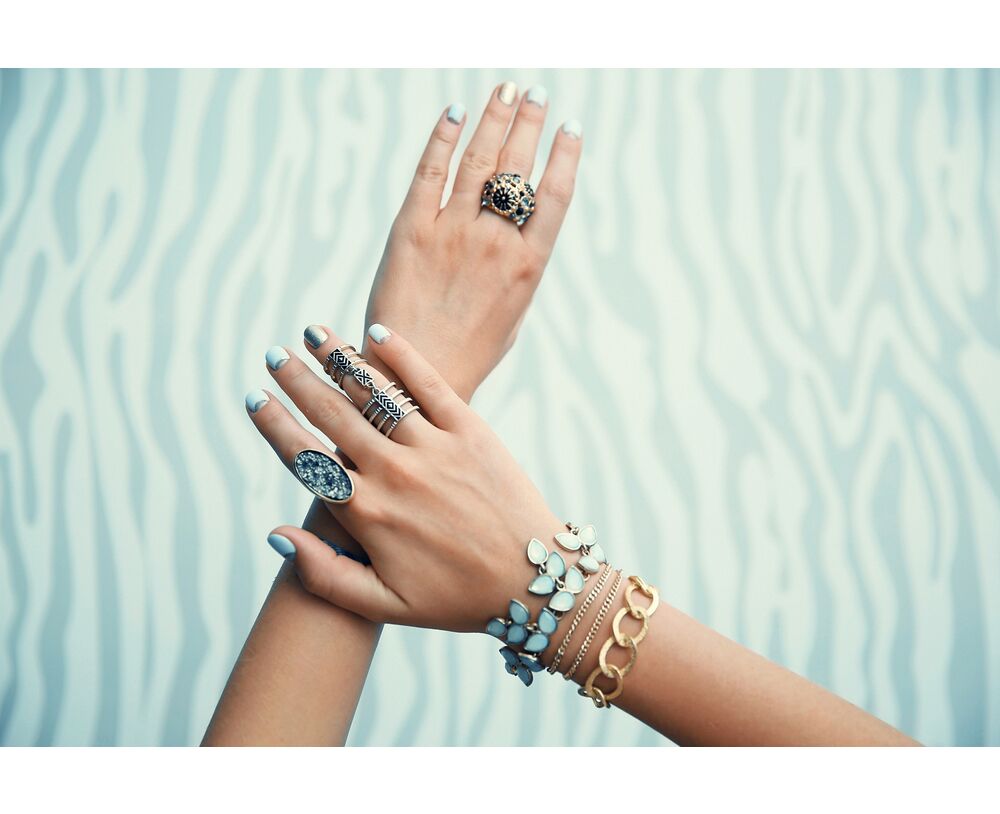
The rise of personalization in jewelry has transformed the industry, making it more than just an accessory. Consumers are increasingly drawn to pieces that tell their unique stories or reflect their individual tastes. Personalization resonates deeply with buyers, allowing them to express their identities and create meaningful connections to the items they wear.
The appeal of personalized jewelry stems from its ability to cater to individual preferences and emotions. Customers can customize their jewelry pieces in various ways, ensuring that they resonate on a personal level. Some popular methods of customization include engraving names or significant dates, selecting unique gemstones, and choosing specific metals or finishes. These options provide a canvas for personal expression, making each piece not only fashionable but also a cherished keepsake.
Methods of customization for jewelry pieces
Personalization options can vary widely, enabling consumers to tailor their jewelry to their liking. Here are several popular methods of customizing jewelry:
- Engraving: This common method allows individuals to inscribe meaningful words, names, or dates onto their jewelry, providing a personal touch.
- Choosing gemstones: Selecting specific stones based on birth months, personal significance, or aesthetic preference adds a unique flair to any piece.
- Metal selection: Consumers can choose from various metals such as gold, silver, or platinum, reflecting their style and durability preferences.
- Design alterations: Custom designs can be created to suit individual tastes, whether it’s modifying an existing piece or crafting something entirely new.
- Interchangeable components: Some jewelry lines offer pieces with interchangeable elements, allowing wearers to change up their look easily.
Personalized jewelry fosters an emotional connection with its owners, serving as a tangible reminder of significant moments or relationships. The act of customizing a piece often involves thoughtful reflection and intention, which can imbue the jewelry with deeper meaning. For instance, a necklace engraved with a loved one’s name or a bracelet featuring a birthstone can evoke memories and emotions that resonate with the wearer.
“Personalized jewelry is not just an adornment; it’s a constant reminder of what matters most in life.”
This emotional attachment is what makes personalized jewelry stand out in a crowded market. As consumers increasingly seek meaningful connections with the items they purchase, the significance of personalization in trendy jewelry continues to grow, blending style with sentiment in ways that truly resonate with the heart.
Emerging designers to watch in the trendy jewelry scene
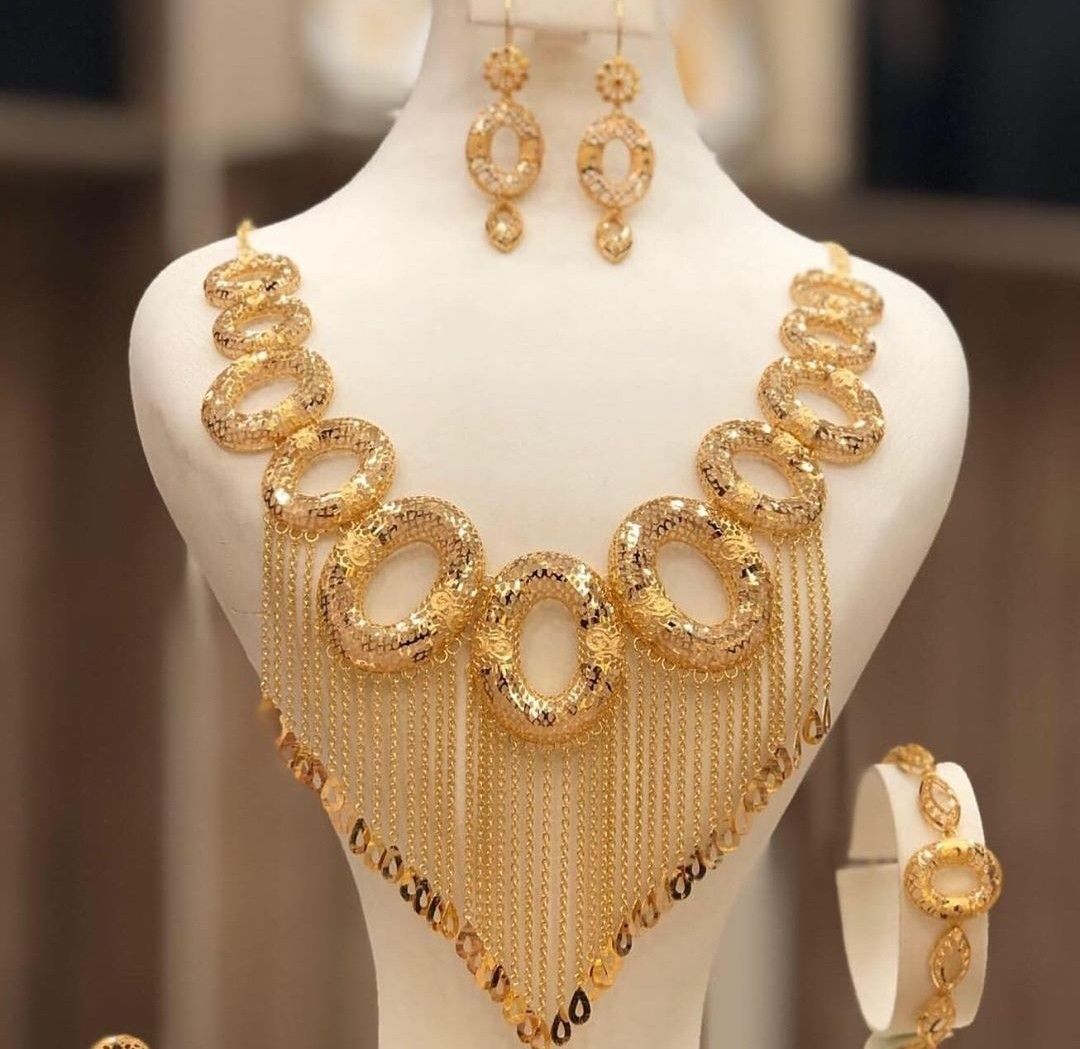
The world of jewelry design is ever-evolving, with fresh talent constantly emerging to challenge the status quo. These up-and-coming designers are not just creating beautiful pieces; they are pushing boundaries and redefining what trendy jewelry means. Their innovative styles and unique approaches are generating buzz within the industry, making them names to watch in the coming years.
A blend of creativity, craftsmanship, and a keen sense of current trends is what sets these designers apart from established brands. They are often inspired by personal stories, cultural heritage, and the desire for sustainability in fashion. Here, we explore some designers who are making waves and what makes their work resonate with modern jewelry enthusiasts.
Notable Emerging Designers
Several emerging designers are quickly gaining recognition for their distinctive styles and impactful designs. Their contributions are shaping future trends in the jewelry scene, and here are a few to keep an eye on:
- Jade Trau – Known for her modern takes on classic designs, Jade Trau merges traditional craftsmanship with contemporary aesthetics. Her use of bold gemstones and intricate settings creates striking pieces that appeal to both young and mature audiences.
- Maria Tash – A pioneer in the world of ear jewelry, Maria Tash has revolutionized how people perceive piercings and fine jewelry. Her designs often incorporate diamonds and unique shapes, allowing for personal expression and customization.
- Alighieri – This brand is inspired by Dante Alighieri’s literary works, resulting in pieces that tell stories through their designs. Each item is handcrafted, featuring organic shapes and textures that evoke a sense of nostalgia and romanticism.
- Hannah Jewett – With a focus on sustainable practices, Hannah Jewett creates delicate pieces from recycled materials. Her minimalist designs resonate with eco-conscious consumers and emphasize the beauty of simplicity.
- Catbird – Based in Brooklyn, Catbird champions ethical sourcing and craftsmanship. Their pieces often feature whimsical designs infused with a vintage charm, appealing to those who appreciate unique, handcrafted jewelry.
As these designers continue to gain visibility, they are likely to influence future jewelry trends significantly. Their dedication to sustainability, personal storytelling, and innovative design is expected to inspire not only consumers but also established brands that must adapt to the shifting landscape of fashion and jewelry.
“Emerging designers are redefining jewelry by merging tradition with modernity, ensuring that each piece tells a story.”
Crafting your own trendy jewelry at home
Creating your own trendy jewelry at home can be a fun and fulfilling experience. Not only does it allow for personal expression, but it also provides an opportunity to make unique pieces that can perfectly match your style. With just a few essential materials and tools, you can dive into the world of DIY jewelry making.
To get started, having the right materials and tools is crucial for crafting beautiful jewelry pieces. Below is a list of what you’ll need to set up your DIY jewelry-making station.
Essential materials and tools for DIY jewelry making
Gathering the necessary materials and tools will streamline your jewelry-making process. Here’s a list that covers the fundamentals:
- Beads: Choose various sizes, shapes, and colors to create diverse designs.
- Jewelry wire: Opt for either beading wire or flexible wire to string beads easily.
- Clasps: These are essential for finishing necklaces and bracelets.
- Jump rings: Useful for connecting different parts of jewelry together.
- Pliers: Round-nose and flat-nose pliers are necessary for bending and cutting wire.
- Scissors: For cutting string or wire to desired lengths.
- Beading mat: Keeps your beads organized and prevents them from rolling off your workspace.
- Adhesives: Strong glue can be helpful for securing certain pieces, particularly in more complex designs.
Making your own jewelry offers numerous benefits, including cost-effectiveness and the ability to customize each piece to match your personal aesthetic. You can create something truly unique that reflects your personality, whether it’s a simple pair of earrings or an elaborate statement necklace.
In addition to the creative aspect, crafting jewelry at home can be more economical than purchasing ready-made items. Many materials are relatively inexpensive, and you can create several pieces without breaking the bank. By sourcing materials in bulk, you can further reduce costs, allowing for more experimentation and creativity in your designs.
“Crafting your own jewelry means you control the design and style, ultimately creating pieces that are uniquely yours.”
Future predictions for the jewelry industry
As we look to the future of the jewelry industry, consumer behavior and evolving design aesthetics play a crucial role in shaping what lies ahead. Current trends reflect a growing preference for personalization, sustainability, and technological integration, which will likely dictate the direction of the market. Additionally, advancements in technology are set to transform how consumers interact with jewelry brands and products.
The future of jewelry design will be heavily influenced by the increasing demand for unique and customized pieces. As consumers become more conscious of their purchasing choices, they will seek out brands that align with their values, including sustainability and ethical sourcing. Furthermore, technological innovations such as augmented reality (AR) and 3D printing are expected to enhance the shopping experience and production capabilities.
Anticipated trends in materials, styles, and consumer preferences
The following trends are projected to shape the jewelry industry in the coming years, driven by shifts in consumer behavior and technological advancements. Each of these points reflects a significant departure from traditional norms, emphasizing a more personalized and responsible approach to jewelry.
- Sustainable materials: There will be an increased use of recycled metals and lab-grown gemstones as consumers prioritize eco-friendly practices. Brands like Brilliant Earth are already leading this charge, offering ethically sourced options.
- Wearable technology: The merging of fashion and technology is set to grow, with smart jewelry gaining traction. Pieces that integrate fitness tracking or notifications will become more common, appealing to tech-savvy consumers.
- Customization: Jewelers will offer heightened opportunities for personalization, allowing customers to design their own pieces or choose from modular designs that can be adapted over time.
- Bold statements: Larger, more distinctive pieces will trend, with consumers gravitating toward jewelry that serves as a statement of individuality, much like the resurgence of the ’80s and ’90s fashion trends.
- Gender-neutral designs: As traditional gender norms continue to blur, jewelry brands are increasingly creating collections that appeal to all genders, promoting inclusivity in design and marketing.
- Minimalism versus maximalism: There will be a continued oscillation between minimalist designs and maximalist expressions, reflecting diverse consumer preferences and allowing for self-expression.
These anticipated trends underscore a significant transformation in the jewelry industry, where consumers are not just buyers but active participants in the creation and personalization of their jewelry experiences. As these developments unfold, the market will continue to adapt, reflecting the ever-evolving landscape of consumer desires and technological possibilities.
Epilogue
In conclusion, the world of trendy jewelry is a vibrant landscape filled with innovation, sustainability, and personal connection. As styles continue to evolve and merge with cultural influences, it’s clear that the jewelry we choose is more than decorative; it’s a reflection of who we are and the values we hold dear.
FAQ Explained
What materials are popular in trendy jewelry?
Popular materials include metals like gold and silver, gemstones, and sustainable options such as recycled materials.
How can I identify sustainable jewelry brands?
Look for certifications, transparent sourcing practices, and brands that prioritize eco-friendly materials.
What role do influencers play in jewelry trends?
Influencers often showcase jewelry pieces on social media, significantly impacting consumer interest and sales.
Can I create my own trendy jewelry at home?
Yes, with basic materials and tools, you can craft trendy jewelry pieces at home for a personal touch.
What are emerging trends in the jewelry industry?
Anticipated trends include personalized pieces, sustainable materials, and innovative designs from new designers.