
 Widya pasha
Streetwear brand has emerged as a powerful cultural force, intertwining fashion, art, and identity in innovative ways. This unique style traces its roots back to the streets and subcultures of urban life, reflecting the voices and experiences of diverse communities. From skateboarding to hip-hop, streetwear has continually evolved, influenced by social movements and global trends, making it a key player in contemporary fashion.
As we delve deeper into the essence of streetwear brands, we uncover the core elements that define their success, from striking designs to the importance of brand identity. The role of collaborations and the impact of social media play crucial roles in shaping trends and visibility in this vibrant industry. This exploration reveals how streetwear transcends geographical boundaries and its cultural significance across the globe, making it a fascinating topic for fashion enthusiasts and cultural observers alike.
Understanding the Evolution of Streetwear Culture
Streetwear culture has undergone a fascinating transformation since its inception in the late 20th century. Originating from the fusion of various subcultures, streetwear has evolved into a global phenomenon that reflects the spirit of youth, individuality, and urban lifestyle. This cultural movement not only influences fashion but also art, music, and social dynamics, making it a significant part of contemporary culture.
The historical development of streetwear can be traced back to the 1980s, when it emerged from the surf and skate cultures of California. Early streetwear brands like Stüssy played a crucial role in defining the aesthetic of casual, comfortable clothing that resonated with youth culture. The fusion of hip-hop, punk, and skateboarding styles further enriched this burgeoning fashion movement. As streetwear grew in popularity, the 1990s saw the emergence of brands such as A Bathing Ape (BAPE) and Supreme, both of which introduced unique designs and limited releases that created a sense of exclusivity and desirability among consumers.
Cultural Movements Influencing Streetwear
Several key cultural movements have significantly influenced the rise and popularity of streetwear. Understanding these influences provides insight into how streetwear has shaped and been shaped by societal trends.
- Hip-Hop Culture: The influence of hip-hop music and its associated lifestyle played a pivotal role in popularizing streetwear. Artists like Run-D.M.C. and later Kanye West and A$AP Rocky not only embraced streetwear styles but also collaborated with brands, bridging the gap between music and fashion.
- Punk and Skate Culture: The punk movement of the 1970s and 80s introduced a rebellious aesthetic characterized by DIY approaches and bold graphics, influencing streetwear designers. Similarly, skate culture brought a relaxed yet edgy style that became synonymous with urban youth.
- Social Media and Digital Culture: The rise of social media platforms in the 2000s allowed streetwear brands to reach global audiences. Influencers and content creators play a significant role in showcasing streetwear trends, making it more accessible and desirable to a wider audience.
Iconic Streetwear Brands and Their Contributions
Numerous brands have made substantial contributions to the streetwear culture, each adding its unique flavor and aesthetic to the landscape. A few notable examples include:
- Supreme: Founded in 1994, Supreme is synonymous with streetwear. Its distinctive logo and limited product releases have created a cult following, elevating the brand to a status symbol.
- A Bathing Ape (BAPE): Established in Japan, BAPE is known for its bold designs and unique camouflage patterns. The brand’s collaborations with artists and other fashion labels have solidified its place in streetwear history.
- Off-White: Founded by designer Virgil Abloh, Off-White blends streetwear with high fashion. The brand’s use of quotation marks and industrial aesthetics has influenced a generation of designers and consumers alike.
“Streetwear is not just a style; it’s a cultural movement reflecting the voice of the youth.”
Identifying the Core Elements of a Successful Streetwear Brand
A successful streetwear brand embodies a unique blend of culture, style, and identity. It reflects the voice of the community it serves while remaining trendy and relevant in a fast-paced fashion landscape. Understanding the core elements that define such a brand is crucial for its development and longevity in the market.
At the heart of every strong streetwear brand are distinctive characteristics that resonate with its target audience. These characteristics not only reflect the brand’s identity but also enhance its appeal in a competitive market. Successful streetwear brands often combine urban aesthetics with high-quality materials, innovative designs, and a deep-rooted cultural connection.
Essential Characteristics of Successful Streetwear Brands
To effectively resonate with consumers, streetwear brands should focus on several essential characteristics:
- Authenticity: Successful streetwear brands maintain a genuine connection to the culture and community they represent, fostering trust and loyalty.
- Creativity: Innovative designs and unique concepts differentiate a brand and keep it fresh and exciting.
- Quality: Using high-quality materials enhances the product’s longevity and perceived value, leading to customer satisfaction.
- Limited Availability: Exclusivity often creates a sense of urgency and desirability among consumers.
- Brand Story: A compelling narrative behind the brand can create an emotional bond with customers, contributing to its overall identity.
Design Elements, Materials, and Styles in Streetwear
The visual identity of streetwear is constructed through a combination of design elements, materials, and styles that appeal to its audience. Understanding these components is vital for creating a successful streetwear line.
- Graphics and Typography: Bold graphics, logos, and unique typography are staples in streetwear, often reflecting urban influences and artistic expression.
- Layering: Streetwear often incorporates multiple layers, such as hoodies over tees, which adds depth and texture to an outfit.
- Street-Inspired Colors: Vibrant colors alongside muted tones are commonly used to create visually striking and versatile collections.
- Functional Materials: Fabrics like cotton, denim, and technical materials ensure comfort and durability, which are essential for everyday wear.
- Casual Silhouettes: Oversized fits, joggers, and relaxed cuts promote comfort while reflecting the laid-back nature of street culture.
The Importance of Brand Identity in Streetwear
Brand identity plays a pivotal role in establishing a successful streetwear brand, as it influences how the audience perceives the brand and its products. A strong brand identity creates a sense of belonging and community, connecting the brand with its target audience on a deeper level.
- Consistency: A cohesive brand identity across all platforms—be it social media, packaging, or advertising—builds recognition and trust.
- Engagement: Actively engaging with the community and listening to their feedback fosters a loyal customer base and encourages brand advocacy.
- Cultural Relevance: Brands that stay attuned to cultural shifts and trends can adapt and evolve, ensuring they resonate with current and emerging audiences.
- Visual Branding: Logos, color schemes, and overall aesthetics should be thoughtfully curated to reflect the brand’s ethos and appeal to its demographic.
- Storytelling: Effective storytelling that highlights the brand’s origins, values, and mission can enhance emotional connections with consumers.
The Role of Collaborations in the Streetwear Industry
Collaborations between streetwear brands and various industries have become a hallmark of the streetwear landscape. These partnerships not only amplify brand visibility but also create unique products that cater to a broader audience. By blending different cultural elements, collaborations bring fresh perspectives to the traditional streetwear ethos, resulting in innovative offerings that resonate with diverse consumer bases.
Collaborations are instrumental in enhancing brand visibility, as they allow streetwear labels to tap into new markets and audiences. By teaming up with renowned individuals or brands from various sectors—such as music, art, sports, and even fashion—streetwear brands can leverage the established fan bases and cultures of their collaborators. This symbiotic relationship often results in heightened media attention, social media buzz, and an influx of consumers eager to engage with the new products.
Successful Collaborations and Their Impact
Numerous collaborations in the streetwear industry illustrate the profound impact these partnerships can have on both parties involved. Some standout examples include:
- Nike x Off-White: The collaboration between Nike and designer Virgil Abloh’s Off-White label has resulted in a series of limited-edition sneakers that have turned into cultural icons. The hype around these releases not only boosted sales for Nike but also solidified Off-White’s status as a leading name in high-fashion streetwear.
- Supreme x Louis Vuitton: This partnership brought together two seemingly different worlds—streetwear and luxury fashion. The collection was met with overwhelming demand, showcasing how streetwear can penetrate high-end markets and vice versa, resulting in a significant increase in brand equity for both brands.
- Adidas x Beyoncé (Ivy Park): The joint venture between Adidas and Beyoncé has created a lifestyle brand that merges athletic wear with high fashion. This collaboration has successfully reached a diverse audience, driven by Beyoncé’s immense influence, while also enhancing Adidas’ reach in the women’s activewear market.
These collaborations not only benefit the brands but also create a cultural dialogue that enriches the streetwear scene. The fusion of styles and ideas often leads to innovative designs that challenge the conventional norms of both streetwear and the collaborating industries.
Strategic Benefits of Limited Edition Releases
Limited edition releases through collaborations offer strategic advantages that can drive demand and exclusivity. The scarcity of these products often leads to a heightened sense of urgency among consumers, encouraging immediate purchases and fostering a collector’s mentality. This phenomenon can be illustrated through the following points:
- Increased Demand: Limited edition items are often perceived as more desirable due to their exclusivity. This perception boosts brand prestige and can create a dedicated following.
- Enhanced Brand Loyalty: By offering unique products, brands can cultivate a stronger emotional connection with consumers, leading to increased brand loyalty and repeat purchases.
- Resale Market Influence: Limited runs often spark a robust resale market, where items can fetch several times their original price. This not only benefits the initial buyers but also enhances the overall brand visibility and desirability.
“Collaborations in streetwear are not just about merging styles; they’re about creating a cultural phenomenon that resonates across global markets.”
Through strategic collaborations and limited edition releases, streetwear brands can not only elevate their visibility but also redefine their positioning in the ever-evolving landscape of fashion and culture.
Exploring the Influence of Social Media on Streetwear Trends
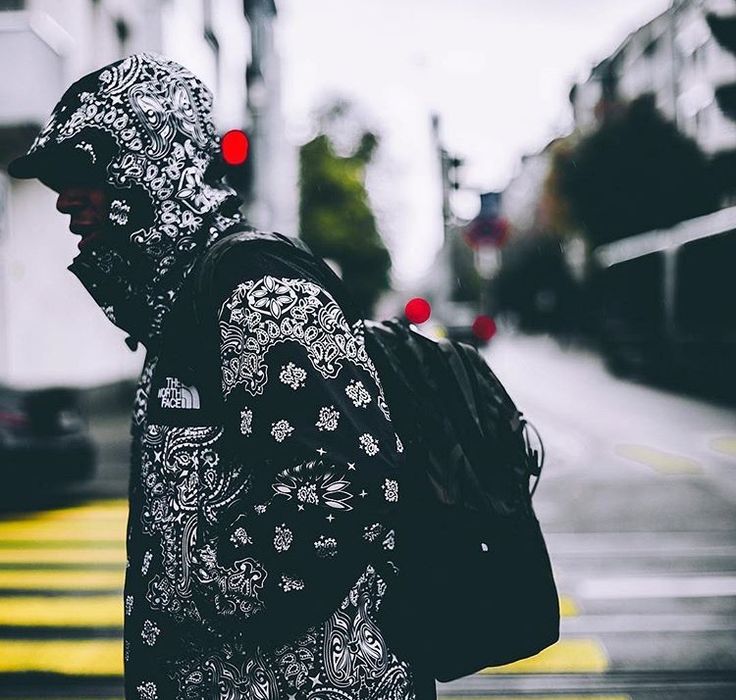
Social media has become a powerful force in shaping streetwear trends, affecting both consumer behavior and brand strategies. Platforms such as Instagram and TikTok have transformed how fashion is marketed, allowing brands to connect with their audiences in unprecedented ways. These digital spaces are not just channels for promotion; they are vibrant communities where trends are born and evolve rapidly.
Streetwear brands have harnessed the power of social media to create buzz and establish their identities. The immediacy of these platforms allows brands to engage with their consumers directly, generating excitement around new releases and collaborations. For instance, the use of Instagram Stories and TikTok videos has enabled brands to showcase their latest collections in a dynamic way, reaching millions instantly.
Successful Brand Campaigns Leveraging Social Media
The impact of social media is evident in various successful brand campaigns that have utilized these platforms to reach their target audiences effectively. Key examples include:
- Supreme: Known for its limited releases, Supreme effectively uses Instagram to announce launch dates, creating massive anticipation and sell-out success. Their posts often feature collaborations with high-profile designers, generating significant conversation and engagement among followers.
- Balenciaga: Balenciaga leveraged TikTok by launching the “Balenciaga Challenge,” encouraging users to showcase their unique interpretations of their latest collection. This campaign not only went viral but also allowed the brand to tap into a younger, trend-savvy audience.
- Off-White: By collaborating with influencers and celebrities on Instagram, Off-White has successfully created a sense of exclusivity and desirability around its products. These partnerships often result in eye-catching content that resonates with followers and drives sales.
Social media provides a platform for brands to engage with their followers in real-time, fostering a community that shares a passion for streetwear culture. As these platforms continue to evolve, brands can explore innovative ways to connect and create authentic experiences for consumers.
Challenges Faced by Streetwear Brands in Social Media Marketing
While social media presents vast opportunities for streetwear brands, it also introduces several challenges that need to be navigated carefully. These challenges can significantly impact brand reputation and consumer engagement.
- Oversaturation: With countless brands vying for attention on platforms like Instagram and TikTok, distinguishing oneself from the competition can be difficult. The risk of dilution of brand identity is high, requiring a clear and unique voice to stand out.
- Consumer Expectations: Social media accelerates trends, leading consumers to expect immediate responses from brands regarding product launches and customer service. Failing to meet these expectations can result in dissatisfaction and negative feedback.
- Negative Feedback Management: The public nature of social media means that negative reviews or backlash can spread rapidly. Brands must have strategies in place to address criticism effectively and maintain a positive image.
Streetwear brands must carefully cultivate their social media presence, balancing promotional content with authentic engagement to foster a loyal community. The dynamics of social media are constantly shifting, and staying ahead of the curve requires adaptability and strategic thinking.
Analyzing the Global Impact of Streetwear
Streetwear has evolved from its niche beginnings into a dominant force in global fashion. This unique blend of art, culture, and casual wear has transcended geographical boundaries, influencing not only clothing styles but also the very fabric of societal norms across various regions. The phenomenon of streetwear encapsulates a lifestyle that resonates with the youth, merging functionality with high fashion, and driving trends that ripple around the world.
The global influence of streetwear can be seen in how it shapes and transforms local fashion scenes. Its ability to adapt and merge with indigenous styles allows it to penetrate diverse markets while retaining a unique identity. The cross-pollination of ideas, aesthetics, and cultural references creates a vibrant tapestry of fashion that reflects the local culture and global zeitgeist.
Regional Cultural Significance of Streetwear
Streetwear holds varying significance across different regions, reflecting the sociopolitical climate and cultural narratives unique to each area. Understanding these nuances is essential to appreciate the broader impact of streetwear on global fashion.
- Tokyo: A city renowned for its avant-garde style, Tokyo’s streetwear scene thrives on individuality and artistic expression. Brands like A Bathing Ape and Comme des Garçons incorporate traditional Japanese aesthetics with modern street culture, leading to a vibrant mix that influences global trends.
- New York: Often considered the birthplace of streetwear, New York’s scene is rooted in hip-hop, skate culture, and art. Brands like Supreme and Off-White emerged from this melting pot, using bold graphics and collaborations to challenge fashion norms and create a unique identity.
- London: London’s streetwear scene is characterized by its eclectic mix of influences, from punk to high fashion. Designers like Palace and A-COLD-WALL* blend urban style with contemporary art, creating dialogues about class, identity, and culture while reflecting the city’s rich history.
Streetwear serves as a canvas for cultural expression, allowing voices from various backgrounds to resonate through fashion.
The diversity in streetwear styles across these cities showcases how regional influences shape the global landscape. Each city brings its unique flavor, further enriching the streetwear culture and inspiring designers and enthusiasts worldwide. The ongoing globalization of these trends signifies not just a fashion evolution but a broader cultural exchange that is reshaping societies and their perceptions of style.
The Future of Streetwear
The streetwear landscape is constantly evolving, influenced by cultural shifts, technological advancements, and changing consumer values. As the industry looks ahead, several emerging trends are poised to redefine the essence of streetwear in the coming years.
Sustainability and ethical fashion are no longer just buzzwords; they are becoming central to the way brands operate. With consumers increasingly prioritizing environmental responsibility, streetwear brands are likely to adapt to these values. Emphasizing transparency in production processes, sourcing materials ethically, and embracing eco-friendly practices will be critical for brands seeking to resonate with the next generation of consumers.
Emerging Trends Shaping Streetwear
As streetwear continues to evolve, several trends are likely to shape its future. These trends include:
- Tech Integration: The rise of smart clothing will integrate technology into apparel, enhancing functionality while maintaining style. Examples include garments with embedded sensors that track fitness metrics or adjust temperature based on the environment.
- Customization: Consumers are seeking unique pieces that reflect their individual style. Brands are likely to adopt more customization options, allowing customers to personalize their clothing through design choices or fabric selections.
- Inclusivity: The push for diversity in fashion is leading streetwear brands to embrace inclusive sizing and gender-neutral designs, catering to a broader audience and fostering a more welcoming community.
- Collaborations and Limited Releases: The trend of exclusive collaborations between streetwear brands and high-fashion labels or popular artists will continue, driving hype and demand through scarcity and unique design concepts.
- Localism: As consumers seek authenticity, there may be a movement towards locally produced streetwear that reflects regional cultures and communities, enhancing the connection between brands and their market.
Sustainability and Ethical Fashion Impact
The integration of sustainability into streetwear will profoundly influence how brands develop their collections. The emphasis on eco-friendly materials, such as organic cotton or recycled fabrics, is already gaining traction. Brands that fail to consider their environmental footprint may find themselves at a disadvantage in a market that increasingly values planet-friendly practices.
“Transparency in the supply chain is more than just a trend; it’s becoming a prerequisite for brand loyalty among conscientious consumers.”
Additionally, practices like upcycling, where waste materials are transformed into new products, are becoming more common, allowing brands to reduce their ecological impact while offering unique pieces. The emphasis on ethical labor practices will also grow, as consumers demand fair treatment of workers involved in the production process.
Forecast for Streetwear Evolution
Looking ahead to the next decade, streetwear is set to evolve with several key characteristics:
- Hybridization with Luxury: The blending of streetwear and luxury fashion is likely to become more pronounced, with high-end brands adopting streetwear aesthetics while streetwear brands strive for elevated quality and craftsmanship.
- Increased Digital Presence: As e-commerce continues to dominate, streetwear brands will likely invest in immersive online experiences, such as virtual try-ons and augmented reality shopping, to attract tech-savvy consumers.
- Community-Driven Initiatives: Brands will increasingly focus on building communities around their products, fostering engagement through social media and local events that reflect shared values and cultural interests.
- Global Influences: Streetwear will continue to embrace global influences, drawing inspiration from various cultures, which will lead to more diverse and eclectic designs that resonate with a worldwide audience.
As streetwear progresses, its connection to societal values, technological evolution, and cultural diversity will be central to its journey, ensuring that it remains a dynamic and relevant force in the fashion industry.
Crafting a Unique Brand Narrative in Streetwear

In the vibrant world of streetwear, storytelling plays a crucial role in shaping a brand’s identity. A powerful narrative not only differentiates a brand from its competitors but also builds a deeper emotional connection with consumers. By weaving a compelling story, streetwear brands can resonate with their audience, creating loyalty and community around their products.
Storytelling in streetwear is significant because it helps convey the values, culture, and ethos behind a brand. The narrative becomes a lens through which consumers view the brand, influencing their perceptions and purchasing decisions. Authenticity is key; when consumers believe in a brand’s story, they are more likely to engage with it. Furthermore, a well-crafted narrative can enhance the perceived value of the product, allowing brands to command premium prices.
Methods for Articulating a Brand Narrative
Crafting a brand narrative involves several strategies that can effectively communicate a brand’s identity to consumers. Here are some methods to articulate this narrative:
- Identify Core Values: A brand should begin by defining its core values and mission. These elements should reflect the brand’s personality and ethos, serving as the foundation for the narrative.
- Engage with the Community: Streetwear thrives on community engagement. Listening to consumer feedback and involving them in the storytelling process can create a narrative that resonates more deeply with the target audience.
- Utilize Visual Storytelling: Visual elements such as graphics, photos, and videos can enhance the narrative. For instance, lookbooks that capture the essence of a collection can tell a story beyond text.
- Leverage Collaborations: Collaborations with artists, influencers, or other brands can introduce new dimensions to the brand narrative. This strategy can attract different audiences and add credibility to the story being told.
- Share Behind-the-Scenes Insights: Providing consumers with a glimpse into the design process or the inspiration behind collections can humanize the brand. This transparency fosters trust and builds a stronger narrative.
Several brands have effectively communicated their stories through innovative marketing strategies. For instance, Supreme has built a powerful narrative around exclusivity and skate culture. Its limited releases and collaborations with notable artists and designers help immerse consumers in its unique story. Another example is A Bathing Ape (BAPE), which draws heavily from street culture and music, creating a narrative that celebrates urban lifestyle and creativity.
“A compelling brand narrative transforms products into cultural artifacts, enabling consumers to connect on a deeper level.”
By understanding and employing these strategies, streetwear brands can not only tell their stories but also foster a connection that transcends traditional consumer relationships, ultimately enhancing brand loyalty and presence in this competitive market.
Closing Summary
In conclusion, the world of streetwear brands is a dynamic landscape rich with history, creativity, and cultural significance. As we look toward the future, the influence of sustainability and ethical practices may reshape the industry, paving the way for innovative trends. By understanding the narrative behind each brand and its unique contributions, we not only appreciate the aesthetic but also recognize the stories that define streetwear culture today and in the years to come.
FAQ Overview
What makes a streetwear brand successful?
A successful streetwear brand typically combines a strong brand identity, unique designs, quality materials, and an understanding of its audience.
How do collaborations impact streetwear brands?
Collaborations can enhance visibility, attract new customers, and create buzz through limited edition releases, benefiting both brands involved.
Why is social media important for streetwear brands?
Social media platforms allow streetwear brands to engage directly with consumers, showcase their latest collections, and stay on top of trends.
How does streetwear reflect cultural movements?
Streetwear often embodies the spirit of various cultural movements, drawing inspiration from music, art, and social issues that resonate with urban youth.
What are some emerging trends in streetwear?
Emerging trends include a focus on sustainability, gender fluidity in fashion, and the integration of technology in design and marketing.