
 Widya pasha
Smartphone cases have become an essential accessory, evolving from basic coverings to advanced protective gear that reflects personal style and preferences. These cases not only safeguard our devices from the inevitable bumps and drops of daily life but also contribute significantly to their longevity and resale value.
As we explore the evolution, types, and environmental implications of smartphone cases, it becomes clear that their role extends beyond mere protection. This journey through the world of smartphone cases will showcase how they allow for customization, highlight safety features, and even address sustainability issues as we look toward the future.
The Evolution of Smartphone Cases and Their Impact on Device Longevity
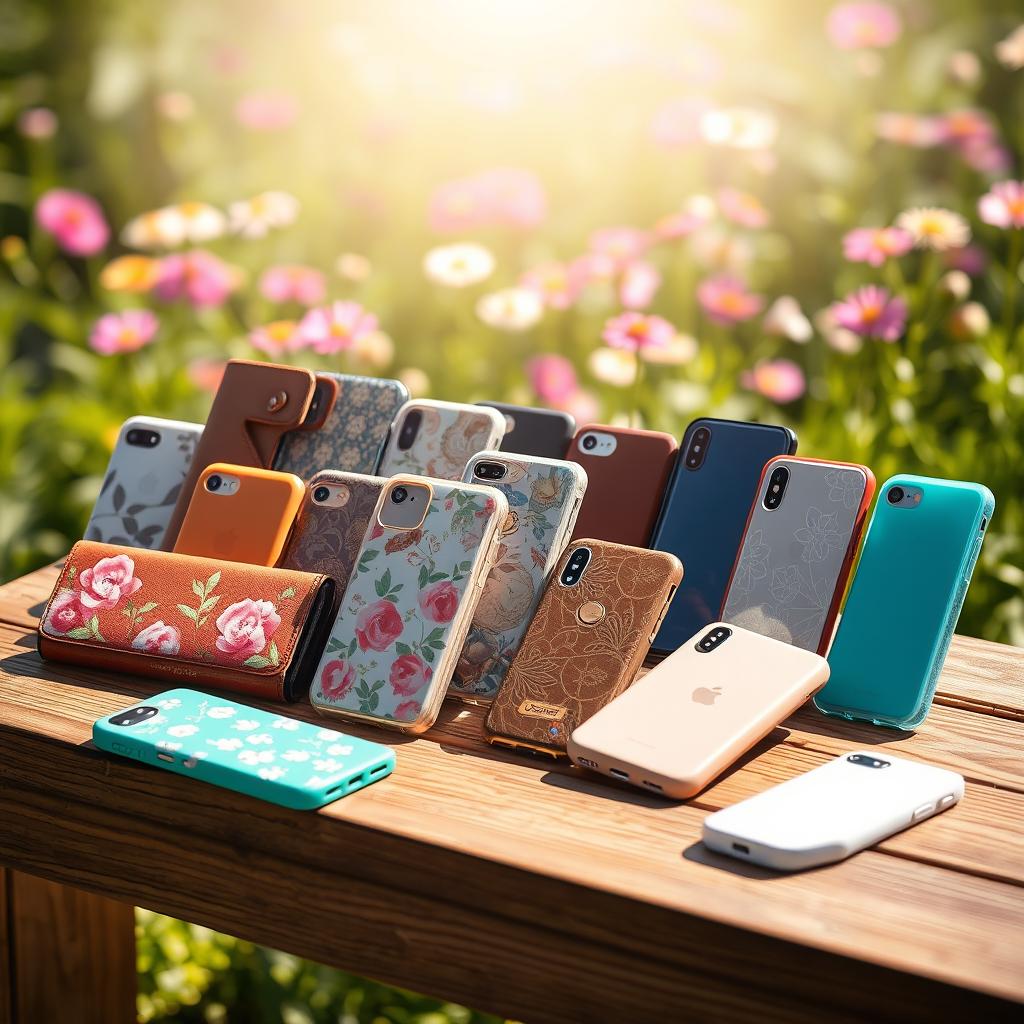
The journey of smartphone cases has been marked by significant advancements in design and technology, reflecting the evolving needs of consumers and the increasing value of mobile devices. As smartphones have become integral to daily life, the importance of protecting them has led to innovations that not only enhance functionality but also contribute to the longevity of the devices themselves.
Historically, smartphone cases started as simple rubber or silicone sleeves designed primarily to prevent scratches. As smartphones became more sophisticated, so did the cases that protected them. The introduction of hard-shell cases made from polycarbonate and later materials like TPU (thermoplastic polyurethane) offered better impact resistance. Today, advanced technologies, including drop-protection mechanisms and multi-layered designs, ensure that cases not only prevent damage from drops but also shield devices from dust, moisture, and other environmental factors.
Material Advancements in Smartphone Cases
The materials used in smartphone cases have evolved dramatically, significantly impacting their protective capabilities. Initially, cases were made from basic materials like plastic or rubber, which provided minimal protection. As the technology progressed, manufacturers began to experiment with a variety of innovative materials that enhanced the durability and protective features of the cases.
Key advancements in materials include:
- Polycarbonate: A lightweight, high-impact plastic that offers excellent protection against shocks and drops.
- TPU (Thermoplastic Polyurethane): Known for its flexibility and resilience, TPU cases provide a snug fit while absorbing impact forces.
- Kevlar: Originally designed for bulletproof vests, Kevlar cases offer outstanding protection while remaining thin and lightweight.
- Carbon Fiber: Combining strength with a sleek aesthetic, carbon fiber cases are highly durable and resistant to scratches.
- Liquid Silicone: Soft to the touch and shock-absorbent, liquid silicone cases provide a comfortable grip and excellent drop protection.
Each of these materials has contributed to improved safety for smartphones, allowing users to feel more secure about their devices during everyday activities.
The role of smartphone cases extends beyond immediate protection; they also play a crucial part in extending the device’s lifespan and maintaining its resale value. When consumers choose high-quality cases, they significantly reduce the likelihood of damage from drops or spills. A well-maintained smartphone in excellent condition can command a higher price in the resale market, making the investment in a durable case worthwhile.
“Smartphone cases not only protect the device but also help preserve its value for future resale.”
Analyzing the Different Types of Smartphone Cases Available in the Market
Smartphone cases have become essential accessories for protecting devices while offering a range of styles and functionalities. With various options available, choosing the right type can enhance user experience, allowing for personal expression and added practicality. This analysis delves into the distinct types of smartphone cases, outlining their features and specific suitability for diverse user needs.
Types of Smartphone Cases
Understanding the types of smartphone cases can help users select the best option that meets their lifestyle and preferences. Here’s an overview of several popular case types, along with their unique features:
- Hard Shell Cases: Characterized by their rigid exterior, hard shell cases are typically made from polycarbonate or plastic materials. They offer excellent protection against drops and scratches, making them ideal for users who prioritize durability. However, they can be bulkier and may lack extra features.
- Soft Shell Cases: Made from flexible materials like silicone or TPU (thermoplastic polyurethane), soft shell cases provide a snug fit and a comfortable grip. They are lightweight and often shock-absorbent, making them suitable for everyday use without adding significant weight. However, they may offer less protection against severe impacts compared to hard shell cases.
- Wallet Cases: Combining protection with functionality, wallet cases feature slots for cards and cash, making them a convenient all-in-one solution. They are typically made from leather or synthetic materials, providing a stylish look. Ideal for users who prefer to carry fewer items, they can be bulkier than standard cases.
- Battery Cases: Equipped with a built-in battery, these cases extend the battery life of smartphones, making them perfect for heavy users or those frequently on the go. While they provide additional power, they often add extra weight and thickness to the phone, which may not appeal to everyone.
The unique features of each case cater to different lifestyles and preferences. Users who are active may lean towards hard shell cases for maximum protection, while those who prefer minimalism might find soft shell cases more appealing. Wallet cases serve a dual purpose, while battery cases are tailored for power users.
| Type of Case | Pros | Cons |
|---|---|---|
| Hard Shell | Excellent protection, durable materials | Can be bulky, limited additional features |
| Soft Shell | Lightweight, comfortable grip, shock-absorbent | Less protection against severe impacts |
| Wallet | Convenient for carrying cards and cash, stylish | Can be bulkier than standard cases |
| Battery | Extends battery life, practical for heavy usage | Added weight, thicker profile |
Choosing the right smartphone case involves considering aspects such as protection, weight, and additional functionality. By analyzing these types, users can make informed decisions that align with their daily needs and personal style.
The Role of Smartphone Cases in Personalization and Style
Smartphone cases have transcended their primary function of protection to become essential fashion accessories that allow users to showcase their unique personalities and style preferences. With an array of designs, colors, and materials available, these cases enable individuals to express themselves in ways that reflect their interests and lifestyles.
The world of smartphone cases is continuously evolving, mirroring current fashion and lifestyle trends. Designers draw inspiration from various sources, including art, nature, and urban culture, resulting in a diverse range of styles that cater to different tastes. As consumers become more fashion-conscious, the demand for cases that combine aesthetics with functionality has surged. This evolution is evident in the shift towards sleek, minimalist designs, as well as bold, statement-making options that demand attention.
Customization Options for Smartphone Cases
Customization has become a key feature in the smartphone case market, allowing users to create personalized designs that resonate with their individual style. The following customization options are popular among consumers:
- Colors: Vibrant shades, pastels, and even gradients allow users to select cases that match their outfits or moods. The ability to mix and match colors adds an extra layer of personalization.
- Patterns: From geometric shapes to floral prints, patterns can significantly influence the overall look of a smartphone case. Many retailers offer a variety of options that align with the latest fashion trends.
- Materials: Different materials like silicone, leather, and wood not only affect the aesthetic but also the feel of the case. For instance, wooden cases convey a rustic vibe, while sleek plastic finishes can appear quite modern.
- Personalized Graphics: Users can often upload their own images or artwork to create unique, one-of-a-kind cases. This level of personalization allows for a deeper connection to the product.
Furthermore, collaborations with artists and designers have led to exclusive collections that resonate with niche audiences. For example, famous brands have teamed up with graphic designers to create limited-edition cases that quickly become collector’s items. In this dynamic market, staying ahead of trends is crucial; thus, consumers are encouraged to explore new designs that resonate with their personal style.
Evaluating the Environmental Impact of Smartphone Cases
The production and disposal of smartphone cases present significant environmental concerns that are becoming increasingly relevant in today’s eco-conscious world. As the smartphone industry continues to grow, so does the demand for accessories that protect these devices. However, the materials and processes involved in creating cases can lead to substantial waste and resource depletion. This discussion explores these environmental impacts, sustainable practices within the industry, and how consumers can make eco-friendly choices.
Environmental Concerns in Production and Disposal
The environmental footprint of smartphone cases is primarily driven by the materials used in their production and the disposal methods employed once they are no longer wanted. Many smartphone cases are made from plastics, such as polycarbonate and thermoplastic polyurethane, which are derived from fossil fuels. The extraction and processing of these materials contribute to greenhouse gas emissions and environmental degradation. Furthermore, when these plastic cases are discarded, they can take hundreds of years to decompose, contributing to landfill overflow and ocean pollution.
In addition to plastics, the production process often involves toxic chemicals that can contaminate local ecosystems. The disposal of cases that are not recyclable exacerbates these issues, as they add to the growing waste crisis. According to the Environmental Protection Agency (EPA), electronics contribute to approximately 70% of the toxic waste in landfills, highlighting the urgency of addressing this issue.
Sustainable Materials and Practices
The smartphone case industry is gradually shifting towards more sustainable materials and practices. Companies are recognizing the need to develop cases that are not only protective but also eco-friendly. The adoption of biodegradable materials, such as bamboo, cork, and recycled plastics, is becoming more common. These materials not only reduce reliance on fossil fuels but also minimize harmful waste.
Additionally, some manufacturers are implementing sustainable practices in their production processes, such as reducing water usage, minimizing energy consumption, and adopting clean manufacturing technologies. For example, brands like Pela Case produce biodegradable cases that break down within a few years instead of persisting in landfills for centuries.
Eco-Friendly Alternatives and Responsible Consumer Choices
Consumers can play a vital role in promoting sustainability in the smartphone case market by opting for eco-friendly alternatives. When purchasing a smartphone case, it’s essential to consider the following options:
- Biodegradable Cases: Look for cases made from materials that can decompose naturally, like plant-based bioplastics.
- Recycled Materials: Choose cases made from recycled plastics or other materials that help reduce the demand for new resources.
- Durability: Invest in high-quality cases that offer long-lasting protection, reducing the need for frequent replacements.
- Brands with a Mission: Support companies that prioritize sustainability in their operations and commit to reducing their environmental impact.
- Second-Hand Options: Consider purchasing used or refurbished cases to extend the life cycle of these products.
By making informed choices, consumers can contribute to a more sustainable future for smartphone accessories. Each purchase can reflect a commitment to reducing waste and promoting eco-friendly practices within the tech industry.
“Our choices as consumers can lead to significant changes in how products are made and disposed of.”
Safety Features in Modern Smartphone Cases
Modern smartphones are integral to our daily lives, and with their sleek designs often comes the risk of damage from accidental drops or bumps. This is where smartphone cases play a vital role. Beyond just aesthetics, modern cases are equipped with a variety of safety features designed to protect your valuable device from potential harm. This discussion delves into the advanced safety technologies present in these cases and highlights real-world scenarios where they have made a significant difference.
Shock Absorption and Drop Protection
Smartphone cases are primarily designed to absorb shock and provide drop protection, which is essential in minimizing damage during accidents. Several technologies are employed in manufacturing these cases, ensuring that the device remains safe even under high-impact conditions.
One of the most effective features is shock-absorbing materials, commonly made from rubber or specialized polymers that are capable of dispersing impact energy. When a smartphone is dropped, the case helps to absorb the shock before it reaches the device, thereby reducing the likelihood of cracks or internal damage.
Moreover, many cases are designed with reinforced corners and edges, which are crucial points during a drop. The corners are often the first parts to hit the ground, and having additional material in these areas can significantly improve the overall protection of the smartphone.
Key Features of Smartphone Case Technologies:
– Air Cushion Technology: This innovative design utilizes air-filled pockets within the case that effectively absorb shocks. The air cushions compress upon impact, providing a barrier between the smartphone and the ground.
– Reinforced Corners: Many cases include thicker padding or hard materials at the corners, which are engineered to withstand impact better than the sides or back of the case.
– Multi-layer Protection: Some cases feature multiple layers of materials, combining hard shells with softer inner linings to provide comprehensive defense against drops and bumps.
Real-life scenarios highlight the effectiveness of these safety features. For instance, a smartphone dropped from a height of six feet onto concrete while encased in a high-quality case with air cushion technology emerged unscathed, while an unprotected device suffered a shattered screen. Similarly, users have reported that cases with reinforced corners have saved their devices from serious damage during accidental falls, reinforcing their importance in daily use.
In summary, modern smartphone cases have advanced significantly to offer robust protection against drops and impacts, employing various technologies that enhance their functionality. These safety features not only prolong the life of the device but also provide peace of mind for users who rely heavily on their smartphones.
The Influence of Brand Loyalty on Smartphone Case Purchases
Brand loyalty plays a significant role in consumer behavior, particularly in how individuals select smartphone cases. Consumers often gravitate towards products that align with their preferred smartphone brand, and this loyalty can influence their decisions on accessories like cases. The strong connection a consumer has with a brand may lead them to overlook alternative options, focusing instead on products that reinforce their brand commitment.
Brand perception significantly impacts consumer choices when selecting smartphone cases. Many customers associate certain attributes with specific brands—quality, style, and protection level, for instance. This perception often stems from the brand’s marketing, reputation, and prior experiences with the product. As a result, consumers are likely to choose smartphone cases that match their brand loyalty rather than seeking cases that may offer better protection or innovative designs from lesser-known companies.
Relationship Between Smartphone Manufacturers and Case Producers
The relationship between smartphone manufacturers and case producers is often characterized by collaboration in product design and marketing strategies. Manufacturers frequently partner with case producers to create accessories that complement their devices, ensuring that the cases fit well and enhance the overall aesthetic of the smartphone. This collaboration can lead to exclusive case designs that resonate with brand loyalists.
Such partnerships can manifest in various ways:
- Co-branded Products: Manufacturers and case producers may release co-branded cases that highlight both brands, appealing to loyal customers of both entities.
- Design Specifications: Smartphone manufacturers may provide specific design guidelines to case makers, ensuring compatibility and enhancing product appeal.
- Joint Marketing Campaigns: Collaborative marketing efforts can strengthen brand positioning and attract dedicated consumers who value both the smartphone and its accessories.
By establishing these partnerships, both smartphone manufacturers and case producers can capitalize on brand loyalty, driving sales in the accessory market while reinforcing consumer attachment to their primary device.
Consumer behavior regarding brand loyalty heavily influences case purchasing decisions. Many customers prioritize brand alignment when selecting cases, as they believe that the quality and design of the case will reflect the standards of their smartphone brand.
“The connection between brand loyalty and accessory purchases emphasizes the importance of brand image in consumer decisions.”
This phenomenon is reflected in various market analyses that indicate brand-loyal customers are more likely to invest in accessories from the same brand as their smartphone. For example, Apple users are often found purchasing Apple-branded cases or authorized third-party cases that follow the premium aesthetic that Apple promotes. This trend indicates a strong alignment between a customer’s brand loyalty and their accessory choices, reinforcing the idea that consumers prefer cases that mirror their smartphone brand’s values and attributes.
Future Trends in Smartphone Case Technology
As smartphones continue to evolve, so too does the technology surrounding their protection. The future of smartphone cases is set to witness incredible advancements, driven by the integration of smart features and innovative materials. Companies are keenly aware of consumer demands for both functionality and style, and they’re rising to the challenge with cutting-edge designs and features that enhance user experience.
Emerging trends indicate a significant shift towards cases that not only protect but also add value through technology and enhanced usability. Many manufacturers are now exploring the use of advanced materials that offer greater protection while being lighter and more environmentally friendly. These innovations are complemented by smart features that could transform how users interact with their devices.
Integration of Smart Features
The integration of smart technology into smartphone cases is anticipated to be a game-changer in the upcoming years. This could include features such as built-in wireless charging capabilities, LED notifications, or even health monitoring sensors. Such advancements will allow users to interact with their devices without the need for physical connectors or additional accessories.
The importance of these innovations lies in their potential to enhance user convenience and functionality. Below are some predicted smart features that could emerge in smartphone cases:
- Wireless Charging: Cases that include Qi-compatible charging functionality, allowing for more seamless charging experiences.
- Built-in Speakers: Cases that integrate audio technology for enhanced sound output during media playback.
- Health Monitoring Sensors: Cases that can track activity levels, heart rate, or other health metrics, connecting to health apps on the smartphone.
- Personalization Features: Cases that change color or design based on user preferences or environmental conditions, adjusting through smart technology.
Challenges in Development
Despite the exciting prospects of smart cases, there are notable challenges that manufacturers face in this evolving landscape. Balancing advanced features with durability, cost, and user-friendliness presents a complex hurdle. Companies must ensure that innovations do not compromise the protective qualities that consumers expect.
Addressing these challenges requires ongoing research and development. Many companies are investing in partnerships with tech firms to enhance their product capabilities while maintaining affordability. The growth of materials science is also pivotal, with manufacturers seeking sustainable, lightweight options that retain strength and functionality.
Innovations in Smartphone Cases: A Visionary Table
The following table Artikels potential innovations in smartphone cases anticipated over the next five years. These innovations are poised to redefine user interaction and functionality:
| Year | Innovation | Description |
|---|---|---|
| 2024 | Self-Healing Materials | Smartphone cases made from materials that can repair minor scratches and dents autonomously. |
| 2025 | Augmented Reality Integration | Cases that provide AR experiences through interactive displays or projections. |
| 2026 | Eco-Friendly Biodegradable Cases | Cases made from materials that break down naturally, reducing environmental impact. |
| 2027 | Modular Cases | Cases that allow users to attach or detach components for additional functionality, like battery packs or extra storage. |
| 2028 | Integrated AI Assistants | Cases with built-in AI capabilities that learn user habits and offer tailored suggestions or applications. |
Innovation in smartphone case technology is not just about aesthetics; it’s a fusion of protection, convenience, and enhanced connectivity.
Closure
In summary, smartphone cases are much more than just protective shells; they represent a blend of fashion, functionality, and environmental consciousness. With advancements in technology and design, the future of smartphone cases promises exciting innovations that will continue to meet the diverse needs of users while ensuring their devices remain safe and stylish.
Questions Often Asked
What materials are commonly used in smartphone cases?
Common materials include silicone, polycarbonate, leather, and TPU, each offering different levels of protection and style.
How can I clean my smartphone case?
Most cases can be cleaned with mild soap and water; however, check the manufacturer’s guidelines for specific care instructions.
Do all smartphone cases provide equal protection?
No, protection levels vary by design and materials; hard shell cases generally offer more protection than soft shell cases.
Can I customize my smartphone case?
Yes, many brands offer customization options, allowing you to choose colors, patterns, and even add personal images.
Are eco-friendly smartphone cases available?
Yes, there are sustainable options made from biodegradable materials or recycled plastics, catering to environmentally conscious consumers.
How do I choose the right smartphone case for my needs?
Consider your lifestyle—if you’re active, opt for rugged cases; if style is a priority, look for customizable or fashionable designs.