 Widya pasha
When it comes to the world of makeup artistry, the right tools can make all the difference. Makeup artist tools are not just about applying products; they are essential for creating stunning looks that stand out. From brushes to sponges and everything in between, having a well-equipped toolkit can enhance your creativity and efficiency as an artist.
This guide will take you through the essential tools every makeup artist should have, how to use them effectively, and tips for maintaining and customizing your toolkit. You’ll discover the innovations in makeup tools that are shaping the industry, as well as insights on sustainability in your artistry. Whether you’re a beginner or a seasoned pro, understanding these tools will elevate your craft.
The Essential Tools Every Makeup Artist Should Have
A well-equipped makeup artist kit is vital for creating stunning looks that enhance the natural beauty of clients. Having the right tools can make a significant difference in the application process, ensuring flawless results. Below, we will discuss the essential tools every makeup artist should have, categorized into face, eyes, and lips.
Face Tools
The foundation of every makeup artist’s kit begins with the tools used for the face. These tools allow for the application of base makeup, highlighting, contouring, and setting products. Here are the crucial items:
| Tool | Purpose |
|---|---|
| Foundation Brush | Used for the smooth and even application of foundation, ensuring a flawless finish. |
| Beauty Blender | Perfect for blending products seamlessly into the skin, especially liquids and creams. |
| Contour Brush | Designed to apply contour products in a way that creates dimension on the face. |
| Powder Brush | Ideal for applying setting powders to keep makeup in place throughout the day. |
| Blush Brush | Specifically shaped to apply blush for a natural-looking flush on the cheeks. |
Eye Tools
Eyes are often the focal point of makeup looks, making the tools used for eye makeup equally important. These tools help define, enhance, and create various eye looks. The essential eye tools include:
| Tool | Purpose |
|---|---|
| Eyeshadow Brushes | Various sizes and shapes are used for applying, blending, and layering eyeshadow. |
| Eyebrow Brush | Used to fill in and shape eyebrows for a polished appearance. |
| Eyeliner Brush | Allows for precise application of gel or cream liners for defined lines. |
| False Lash Applicator | Makes the application of false lashes easier and more precise. |
| Spoolie Brush | Used for grooming brows and separating eyelashes for a clean look. |
Lip Tools
Lip products can transform a look entirely, and having the right tools is essential for achieving the desired lip finish. The tools specifically designed for lip application include:
| Tool | Purpose |
|---|---|
| Lip Brush | Ensures precision when applying lipstick or lip gloss, particularly for detailed work. |
| Lip Liner | Used to define the lip shape and prevent lipstick from feathering. |
| Concealer Brush | Helpful for cleaning up the edges of lip products for a crisp finish. |
| Exfoliating Lip Scrub | Prepares lips for makeup application by removing dead skin and smoothing the surface. |
Having the right tools is just as important as the products used in makeup artistry; they are the instruments that help bring a makeup artist’s vision to life.
Understanding Different Types of Brushes and Their Uses
Makeup brushes are essential tools for achieving a flawless look, and understanding the various types can significantly enhance your application techniques. Each brush is designed for specific purposes, which can elevate the overall quality of your makeup. Knowing the characteristics and uses of these brushes can help you make informed choices, ensuring you achieve the desired results efficiently and effectively.
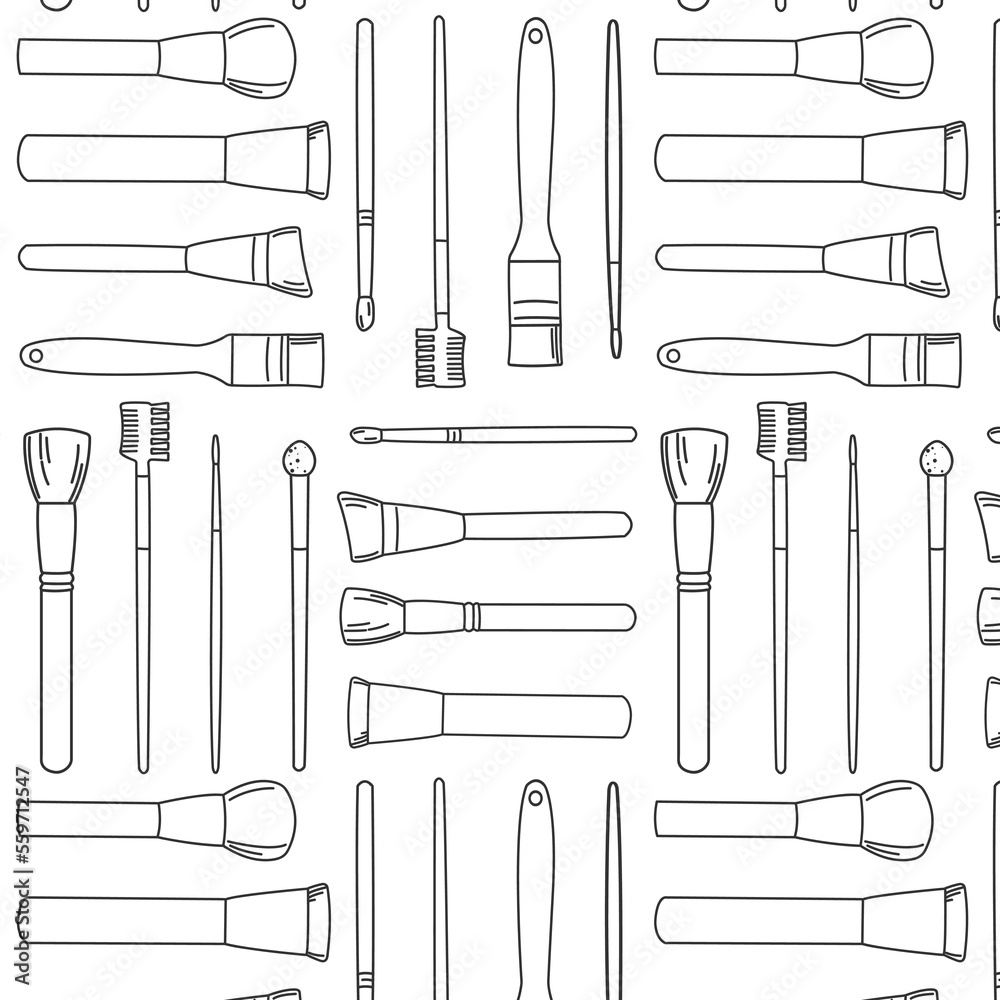
The world of makeup brushes can be quite extensive; however, it primarily consists of various shapes and materials that cater to different applications. For instance, foundation brushes differ from blending brushes, and their usage depends on the makeup technique you’re aiming to achieve. Below, we delve into the different types of brushes, their specific applications, and practical tips for selecting the right one for your makeup needs.
Types of Makeup Brushes and Their Applications
Understanding the characteristics of different makeup brushes is crucial for achieving the desired look. Below is a detailed overview of common brush types and their primary uses:
- Foundation Brush: This brush is typically flat with dense bristles, ideal for applying liquid or cream foundation. It provides even coverage and can help build up product for fuller coverage.
- Buffing Brush: A round brush with densely packed, soft bristles perfect for buffing foundation into the skin for a seamless finish. It works well with both liquid and powder foundations.
- Concealer Brush: A small, flat brush designed to apply concealer precisely on blemishes or dark circles, providing targeted coverage.
- Blending Brush: This brush has fluffy bristles and is essential for blending eyeshadow seamlessly. It can be used to soften harsh lines, creating a more natural look.
- Angled Brush: Often used for applying eyeliner or brow products. Its slanted edge allows for precision and control when defining the eyes or brows.
- Fan Brush: This brush is unique in shape, making it perfect for applying highlighter lightly or sweeping away excess product from the face.
Selecting the right brush can significantly influence your makeup application. Consider the following tips when choosing brushes for different techniques:
– Opt for smaller brushes for detailed work, like applying eyeshadow to the crease or defining the brow area.
– Larger brushes are suitable for applying and blending products over broader areas, such as the cheeks or forehead.
– Pay attention to the bristle density; denser brushes are ideal for full coverage, while softer brushes provide a more diffused look.
Natural vs Synthetic Brushes
When selecting brushes, the choice between natural and synthetic materials is significant. Each type offers distinct advantages and disadvantages, which can influence your experience. The following comparison highlights the key differences:
| Type | Pros | Cons |
|---|---|---|
| Natural Brushes |
|
|
| Synthetic Brushes |
|
|
In summary, understanding the various types of brushes and their applications will empower you to enhance your makeup skills. Selecting the right brush for your techniques will ensure a polished look, whether you’re going for a natural glow or a dramatic effect.
The Role of Sponges in Makeup Application
Makeup sponges play a pivotal role in achieving a smooth, even finish during makeup application. These versatile tools are designed to blend products seamlessly into the skin, providing a professional appearance that enhances the overall makeup look. Their structure allows for both coverage and precision, making them essential for any makeup kit.
The importance of makeup sponges lies in their ability to create a flawless complexion. They absorb excess product while evenly distributing foundation, concealer, and other liquids. This results in a natural-looking finish, minimizing the appearance of pores and imperfections. Effortless blending is key to looking polished, and sponges excel in this area by allowing for building coverage without the risk of streaking.
Types of Makeup Sponges and Their Uses
Understanding the various types of makeup sponges can help in selecting the right tool for different applications. Each sponge has unique features that cater to specific makeup needs. Below are common types of makeup sponges and their intended uses:
- Beauty Blender: This iconic teardrop-shaped sponge is ideal for applying foundation and concealer. Its soft texture ensures a flawless blend, especially when dampened with water before use.
- Flat Sponges: Often used for applying cream products, these sponges provide a smooth application on larger areas of the face.
- Silicone Sponges: These sponges are non-porous and perfect for applying liquid foundations without absorbing any product, which minimizes waste.
- Pointed Sponges: Designed for precision, the pointed end is great for hard-to-reach areas such as around the nose and under the eyes.
- Mini Sponges: Perfect for touch-ups and applying concealer, these smaller sponges are great for detail work.
Cleaning and Maintaining Makeup Sponges
Proper cleaning and maintenance of makeup sponges are essential to ensure longevity and prevent bacterial growth. Regular cleaning extends the life of the sponge and maintains its performance. Here is a guide for keeping your sponges in top condition:
1. Frequency of Cleaning: Clean your sponges after every use if possible. For sponges used with liquid products, this prevents buildup that can affect makeup application.
2. Cleaning Method: Use a gentle soap or a dedicated sponge cleanser. Wet the sponge and apply a small amount of soap, then gently squeeze and massage the sponge to remove makeup. Rinse thoroughly until the water runs clear.
3. Drying: After cleaning, reshape the sponge and allow it to air dry in a clean, dry area. Avoid direct sunlight or heat sources, as these can cause damage.
4. Replacement: Sponges should be replaced every 3-6 months, depending on usage. A worn-out sponge can harbor bacteria and won’t perform as effectively.
Regular maintenance of makeup sponges not only enhances their usability but also contributes to healthier skin.
Must-Have Products for a Professional Makeup Kit
Creating the perfect professional makeup kit is essential for any makeup artist, whether you’re starting your career or looking to refresh your collection. A well-rounded kit should contain versatile products that can cater to various skin types and makeup styles. The right tools can make the difference between an ordinary application and a flawless finish, allowing you to express creativity while ensuring your clients look and feel their best.
When building your kit, it’s important to choose high-quality products that work effectively with different skin types. Consider factors such as skin tone, texture, and any specific concerns like sensitivity or oiliness. This knowledge will help you select products that enhance your clients’ natural beauty while addressing their individual needs.
Essential Makeup Products
Here is a comprehensive list of essential makeup products that every professional makeup artist should include in their kit. These items are not only versatile but are also well-regarded in the industry for their quality and performance.
- Foundation: Choose a range of shades and finishes (liquid, cream, powder) to accommodate various skin types and preferences. Recommended brands include:
- MAC Studio Fix Fluid
- Estee Lauder Double Wear
- Fenty Beauty Pro Filt’r
- Concealer: A good concealer can cover imperfections and brighten the under-eye area. Look for products from:
- NARS Radiant Creamy Concealer
- Too Faced Born This Way Concealer
- Maybelline Instant Age Rewind
- Setting Powder: A translucent setting powder helps to keep makeup in place. Recommended options include:
- Laura Mercier Translucent Loose Setting Powder
- RCMA No-Color Powder
- Fenty Beauty Pro Filt’r Instant Retouch Setting Powder
- Blush: A selection of cream and powder blushes can add warmth to any look. Top brands include:
- NARS Blush
- Tarte Amazonian Clay 12-Hour Blush
- Milani Baked Blush
- Eye Shadow Palette: A versatile palette with a mix of neutrals and bold colors is essential. Consider:
- Urban Decay Naked Palette
- Too Faced Chocolate Bar Palette
- Huda Beauty Obsessions Palette
- Eyeliner: Both pencil and liquid liners should be included for different styles of application. Recommended choices are:
- Kat Von D Tattoo Liner
- Stila Stay All Day Waterproof Liquid Eyeliner
- NYX Professional Makeup Epic Ink Liner
- Mascara: A good mascara can make lashes look voluminous and long. Popular options include:
- Too Faced Better Than Sex Mascara
- L’Oreal Lash Paradise Mascara
- Benefit They’re Real Mascara
- Lip Products: Include a variety of lipsticks, glosses, and liners. Recommended brands are:
- MAC Cosmetics Lipstick
- Fenty Beauty Gloss Bomb
- Charlotte Tilbury Lip Cheat Lip Liner
“Investing in quality products is an investment in your craft as a makeup artist.”
Incorporating these essential products into your professional makeup kit will ensure you’re well-equipped to create stunning looks for any occasion. Quality should always be prioritized, as it not only affects application but also longevity and overall appearance.
Organizing and Maintaining Your Makeup Toolkit
Maintaining an organized and clean makeup toolkit is essential for any makeup artist. It not only enhances your efficiency during application but also ensures that your tools remain in good condition, promoting hygiene and safety for your clients. By implementing effective organizational strategies and regular maintenance routines, you can keep your makeup toolkit in top shape.
Strategies for Organizing Makeup Tools and Products
Efficient organization of makeup tools and products is crucial for a seamless workflow. A well-organized toolkit saves time and enhances the overall application experience. Consider the following strategies to achieve optimal organization:
- Use Clear Storage Containers: Transparent bins or drawers allow you to easily see and access your products and tools. Categorize items by type such as eyes, lips, face, and tools, making it simpler to find what you need.
- Implement a Labeling System: Labeling containers or areas can help you quickly identify what’s inside. Use a label maker or write directly on the container, ensuring that all items have a designated spot.
- Utilize Rolling Carts: A rolling cart can be a flexible solution for moving products from one location to another. Organize products on different shelves according to usage frequency, with everyday essentials on the top shelf for easy access.
- Invest in Tool Holders: Use silicone or acrylic holders for brushes and tools. These holders not only keep your brushes organized but also prevent bristles from being damaged.
- Set Up a Routine for Restocking: Regularly check your supplies and products to ensure you are stocked up. Create a checklist to keep track of frequently used products and reorder before you run out.
Importance of Regular Maintenance and Cleaning of Tools
Regular maintenance and cleaning of makeup tools are paramount for ensuring hygiene and longevity. Dirty brushes and tools can harbor bacteria, leading to skin issues for clients and compromise the effectiveness of your products. Here are essential points regarding maintenance:
- Brush Cleaning: Clean your brushes at least once a week using a gentle brush cleanser or soap. Rinse thoroughly and reshape the bristles before drying them flat to maintain their shape.
- Tool Sanitization: Use alcohol or disinfectant sprays to sanitize tools such as tweezers and scissors after each use. This practice helps prevent cross-contamination between clients.
- Regular Inspection: Frequently check tools for any signs of wear and tear. Replace any damaged tools to ensure quality applications.
- Storage Hygiene: Ensure that storage containers are regularly cleaned to prevent dust and bacteria accumulation. Wipe down surfaces with a disinfectant regularly.
Setting Up a Portable Makeup Kit for On-the-Go Artists
Creating a portable makeup kit is essential for makeup artists who frequently travel for gigs or client appointments. A well-packed kit allows for quick setups and efficient application. Follow this step-by-step procedure to assemble your on-the-go makeup kit:
- Choose the Right Bag: Select a durable and lightweight makeup bag that has multiple compartments. Look for options with a shoulder strap for ease of transport.
- Select Essential Products: Pack only the essentials needed for your makeup looks. This might include a foundation, concealer, blush, mascara, a few eyeshadow palettes, and lip products.
- Include Versatile Tools: Opt for multi-use brushes that can serve different functions, such as a foundation brush that can also be used for cream blush.
- Prepare Travel Sizes: Utilize travel-sized products or decant larger products into smaller containers to save space and weight.
- Organize by Type: Within your bag, organize products by category, keeping face products separate from eye and lip products to minimize the time spent searching.
- Keep a Checklist: Maintain a checklist of items in your portable kit to ensure nothing is forgotten during travel. Update this list based on specific jobs or events.
Innovative Tools Changing the Makeup Industry

The makeup industry is experiencing a technological renaissance with the introduction of innovative tools that are redefining beauty standards and application techniques. These advancements not only enhance the artistry of makeup but also streamline workflows for professional makeup artists, making the process more efficient and enjoyable. As we explore these transformative tools, we will discover how they are reshaping the landscape of makeup application and the future trends that may further elevate the industry.
Emerging Tools in Makeup Application
Recent developments in makeup tools have introduced new functionalities that enhance precision and creativity. One notable innovation is the use of airbrush systems, which deliver a flawless finish by spraying makeup in fine layers. This method not only minimizes product waste but also allows for a more natural look that traditional methods may struggle to achieve. Additionally, smart makeup applicators equipped with sensors can analyze skin tone and texture, offering personalized product recommendations and application techniques.
Another exciting advancement is the integration of augmented reality (AR) in makeup application. AR technology enables users to virtually try on makeup products before purchase, providing a risk-free experience that can significantly influence buying decisions. Brands like L’Oréal and Sephora have embraced AR, allowing customers to experiment with different looks from the comfort of their homes.
Impact on Artist Workflow
Innovative tools are not only about aesthetic improvements; they greatly enhance the workflow of makeup artists. Streamlined processes and high-tech tools free up valuable time, allowing artists to focus on creativity and client interaction. For example, the introduction of multi-functional palettes that combine different product types into a single unit reduces the need for excessive kit organization and cleaning.
Moreover, the rise of automation in certain tasks, such as application techniques or setting sprays, allows artists to achieve consistency in results with minimal effort. This increased efficiency can lead to higher client turnover and satisfaction, ultimately boosting the artist’s reputation and business.
Future Trends in Makeup Tools
As we look ahead, several trends are expected to shape the future of makeup tools. The movement towards sustainable and eco-friendly products is gaining momentum, with brands developing tools made from biodegradable materials or recyclable components. This shift not only appeals to environmentally conscious consumers but also encourages industry-wide changes in manufacturing practices.
Additionally, the fusion of AI and machine learning in makeup tools is anticipated to create highly personalized experiences. Future devices might analyze an individual’s skin conditions in real-time, providing tailored recommendations for products that suit their unique needs. As this technology develops, the potential for enhanced user engagement and satisfaction becomes increasingly promising.
Innovative tools are reshaping the makeup industry by enhancing application techniques, streamlining workflows, and paving the way for sustainable practices. As technology continues to evolve, the possibilities for creativity and efficiency in makeup artistry are boundless.
The Importance of Choosing the Right Makeup Artist Kit
Selecting the right makeup artist kit is crucial for any professional in the beauty industry. The tools you use not only reflect your personal style but also significantly impact the quality of your work. A well-chosen kit allows for versatility, efficiency, and precision, which are essential for achieving stunning results, whether you’re working on a photoshoot, a wedding, or a theatrical production.
When considering what to include in your makeup artist kit, several factors come into play. Quality, durability, and the specific needs of your clientele are paramount. Investing in high-quality tools can elevate your artistry and ensure that your work stands out. The choice of products, from brushes to palettes, can affect texture, blendability, and the overall finish of your makeup applications. A kit that’s not tailored to your style or the demands of your work can lead to subpar results and dissatisfied clients.
Factors to Consider When Selecting a Makeup Artist Kit
There are critical elements to evaluate when curating your makeup artist kit. Understanding these factors can help ensure that you are equipped to meet industry standards.
- Quality of Materials: Ensuring that your tools are made from high-quality materials can enhance application and longevity. Professional brushes, for example, should have durable bristles that retain their shape and performance over time.
- Range of Products: A diverse kit should include a variety of products suitable for different skin tones, types, and occasions. This could range from foundations and concealers to eye shadows and lip products.
- Portability: Consider how you will transport your kit. A well-organized, lightweight kit allows for ease of movement and access during events or sessions.
- Brand Reputation: Researching brands with a solid reputation for quality can ensure better reliability and performance of your tools.
- Personal Style: Your unique artistic style should be reflected in your kit. Choose tools that align with your creative vision, whether that’s bold color palettes or subtle finishes.
Impact of Tool Selection on Work Quality
The tools you choose directly influence the outcome of your makeup applications. Quality brushes can make a significant difference in blending and precision, leading to a flawless finish. Additionally, the formulation of products can determine how well makeup adheres, lasts, and appears under various lighting conditions.
“Using the right tools can transform an average look into a stunning masterpiece.”
Assessing your kit against industry standards is an important practice for any makeup artist. Regular evaluations can help identify gaps in your toolkit and areas for improvement.
Checklist for Evaluating Your Makeup Artist Toolkit
Here’s a checklist to help you determine if your current makeup artist kit meets professional standards:
- Are your brushes clean, well-maintained, and of professional quality?
- Do you have a variety of products to cater to different skin tones and types?
- Is your kit organized for easy access and quick changes during applications?
- Have you invested in iconic products known for their performance and reliability?
- Are you regularly updating your kit to include the latest trends and techniques in makeup?
A thoughtful selection of tools not only enhances your work but also contributes to a positive client experience. By focusing on quality and adaptability, you can ensure your makeup artist kit supports your artistic goals and meets the expectations of your diverse clientele.
Customizing Your Makeup Artistry Toolkit
Creating a personalized makeup artistry toolkit is essential for any artist who wants to stand out and cater to their unique style and clientele. A customized toolkit not only reflects an artist’s personality but also enhances their efficiency and creativity during makeup applications. Personalization allows makeup artists to select tools and products that resonate with their individual techniques and the preferences of their clients.
Each artist can tailor their toolkit by choosing specific tools that enhance their signature style. This might include selecting brushes with unique bristle types, custom palettes with preferred shades, or even personalized cases that showcase their branding. Such choices can significantly impact the overall experience for both the artist and the client, leading to more satisfying results.
Examples of Personalization Options for Tools and Products
Personalizing makeup tools and products can elevate the artistry to a whole new level. By considering customization options, artists can create a toolkit that is genuinely their own.
- Brushes: Many brands offer the option to engrave names or initials on brush handles, making them not only functional but also a reflection of the artist’s identity.
- Palettes: Artists can design their own palettes with preferred colors and textures that align with their makeup philosophy, ensuring that all shades are relevant to their work.
- Cases: Customizable makeup bags and cases can be tailored with personal logos or unique designs, providing practicality and a personal touch.
- Cosmetic Products: Some brands provide the option to create custom foundations or lip colors that match the artist’s unique vision and their client’s needs.
Comparison of Customizable Kits Offered by Various Brands
When considering which customizable toolkit to invest in, artists should evaluate the options available from different brands. The following table compares various customizable kits offered by well-known makeup tool manufacturers.
| Brand | Customization Options | Price Range | Unique Features |
|---|---|---|---|
| Makeup Forever | Engraved brushes, custom palettes | $$$ | Wide range of vegan options |
| MAC Cosmetics | Personalized brush sets, custom lip colors | $$$ | Professional-grade quality with extensive shade range |
| Sigma Beauty | Engraved handles, custom kits | $$ | Lifetime warranty on brushes |
| Sephora Collection | Customizable bags and cases | $ | Affordable prices with trendy designs |
“Investing in a customizable toolkit is investing in your artistry; it allows you to truly express who you are as a makeup artist.”
The Influence of Social Media on Makeup Tools Popularity
Social media has transformed the beauty industry, particularly in how makeup tools gain traction and popularity. Platforms like Instagram, TikTok, and YouTube have become pivotal spaces for trends to emerge, allowing makeup artists and enthusiasts to showcase their creativity and expertise. The visual nature of these platforms plays a crucial role in influencing purchasing decisions and trending products.
The dynamics of social media have made it a powerful tool in shaping the popularity of makeup tools. Influencers and beauty gurus often serve as trendsetters, introducing new products to their followers and creating buzz around them. A notable example includes the rise of the beauty sponge, which gained immense popularity after being featured in numerous tutorials and endorsed by beauty influencers. This tool, once obscure, became a must-have item due to its visibility and effectiveness showcased through social media.
Impact of Influencer Endorsements
Influencer endorsements have a profound impact on the popularity of makeup tools, as their large followings lend credibility to the products they promote. When an influencer demonstrates a tool’s use in a tutorial or review, it can quickly lead to increased sales and brand visibility. The following points illustrate the significance of influencers in shaping makeup tool trends:
-
Influencers often share personal experiences, making their endorsements feel genuine and relatable.
-
Social media challenges and trends, such as “makeup transformations,” often highlight specific tools, driving their popularity.
-
Collaborations between brands and influencers frequently result in limited-edition products that create urgency and excitement among consumers.
Tutorials and reviews play a critical role in influencing makeup artists’ toolkits. They provide aspiring artists with practical demonstrations, showcasing how various tools can be used effectively. Additionally, viewer engagement through comments and shares further amplifies a tool’s popularity. By analyzing the feedback from tutorials, brands gather insights on consumer preferences, enabling them to refine their products and marketing strategies.
Overall, social media has revolutionized the way makeup tools are marketed and consumed, creating a symbiotic relationship between influencers, brands, and consumers. The rapid spread of information and visual evidence on these platforms continues to shape trends and the overall evolution of makeup artistry.
Sustainable and Eco-Friendly Makeup Tools
The beauty industry is increasingly recognizing the need for sustainable practices, especially concerning makeup tools. As consumers become more environmentally conscious, makeup artists are also shifting towards eco-friendly options that reduce waste and promote sustainability. By choosing sustainable tools, artists can create beautiful looks while minimizing their environmental footprint, making a positive impact on both their clients and the planet.
Importance of Sustainability in the Makeup Industry
The makeup industry contributes significantly to environmental degradation through the production and disposal of non-biodegradable products. Sustainable practices aim to mitigate this impact by promoting materials and methods that are kind to the Earth. This includes using biodegradable or recyclable materials in brushes, sponges, and applicators, which are typically made from plastic. By adopting sustainable practices, makeup artists can not only enhance their brand image but also cater to a growing clientele that values eco-conscious choices.
Eco-Friendly Tool Options and Benefits
When selecting eco-friendly makeup tools, artists have a range of options that not only benefit the environment but also enhance the user experience. These tools often feature sustainable materials that provide quality and durability.
- Bamboo Brushes: Made from renewable bamboo, these brushes are biodegradable and provide a soft touch, perfect for blending.
- Recycled Plastic Brushes: Brushes made from recycled materials help reduce landfill waste and keep plastic out of the environment.
- Vegan Makeup Sponges: These sponges are crafted without animal products, offering a cruelty-free option that performs well.
- Organic Cotton Remover Pads: Reusable cotton pads are an excellent alternative to disposable ones, significantly reducing waste over time.
The benefits of choosing these eco-friendly tools are manifold. They often provide superior performance, are gentle on the skin, and contribute to a more sustainable beauty routine. Additionally, many of these products are made with non-toxic materials, ensuring that they are safe for both artists and clients alike.
Incorporating Sustainable Practices into Everyday Makeup Routines
Incorporating sustainability into daily makeup routines is easier than it may seem. Small, intentional changes can lead to significant environmental benefits over time. Here are some strategies that makeup artists and consumers can adopt:
- Use Multi-Functional Tools: Opt for brushes that can serve multiple purposes, reducing the need for multiple tools.
- Clean and Maintain Tools Regularly: Proper care extends the life of brushes and sponges, reducing waste.
- Choose Refillable Products: Look for brands that offer refillable containers for products like foundations and powders.
- Educate Clients: Share the importance of sustainability with clients, encouraging them to make eco-conscious choices.
By implementing these practices, makeup artists can lead by example, promoting a culture of sustainability within the beauty community. The shift towards eco-friendly tools is not just a trend; it’s a vital step towards a healthier planet and a more responsible beauty industry.
Epilogue
In conclusion, investing in quality makeup artist tools is crucial for anyone serious about their craft. The right tools not only improve the application process but also enhance the overall results of your work. As trends evolve and new innovations emerge, staying informed about your toolkit will keep your artistry fresh and relevant.
Answers to Common Questions
What are the best brush types for beginners?
For beginners, a basic set including a foundation brush, a blending brush, and a flat eyeshadow brush is ideal to start with.
How often should I clean my makeup brushes?
It is recommended to clean your makeup brushes at least once a week to maintain hygiene and prevent product buildup.
Are synthetic brushes better than natural brushes?
Synthetic brushes are generally easier to clean and work well with liquid products, while natural brushes are ideal for powders. Your choice depends on personal preference and usage.
What is the best way to store makeup sponges?
Store makeup sponges in a breathable container to keep them dry and prevent the growth of bacteria.
How can I personalize my makeup toolkit?
You can personalize your toolkit by selecting tools that reflect your style, opting for custom colors or designs, and choosing products that cater to your specific clientele.