
 Widya pasha
Lighting fixtures have played a pivotal role in shaping architectural design throughout history, evolving from simple torches and oil lamps to sophisticated LED systems that define modern aesthetics. This evolution reflects not only advancements in technology but also the unique cultural contributions that various civilizations have made to lighting design over the centuries. By exploring the journey of lighting fixtures, we gain insight into how they not only enhance our spaces but also tell stories of our collective heritage.
From ancient Greek temples adorned with oil lamps to contemporary smart lighting solutions in urban lofts, the types and functionalities of lighting fixtures have expanded dramatically. Whether it’s the soft glow of ambient lighting, the focused beam of task lighting, or the dramatic effect of accent lighting, each category serves distinct purposes in both residential and commercial environments, influencing mood, productivity, and aesthetic appeal.
The historical significance of lighting fixtures in architectural design
The evolution of lighting fixtures has played a crucial role in architectural design throughout history. From the flicker of oil lamps in ancient civilizations to the sleek, energy-efficient LED designs of today, lighting has not only illuminated spaces but also enhanced the aesthetic and functional aspects of architecture. As societies progressed, so did their understanding of light, leading to innovative designs that reflect cultural significance and technological advancements.
The historical journey of lighting fixtures can be traced back thousands of years, with each era marking significant milestones. In ancient Egypt, oil lamps made from clay were used in temples, creating mystical atmospheres that highlighted architectural grandeur. The Romans advanced this concept with elaborate bronze lamps, often decorated with intricate designs. These fixtures were not mere sources of light but symbols of wealth and sophistication.
During the Middle Ages, the introduction of stained glass windows in churches allowed natural light to play a pivotal role in the spiritual experience. The vibrant colors of the glass transformed ordinary daylight into a canvas of divine artistry, influencing how structures were perceived and experienced. As the Renaissance emerged, innovations such as candle-lit chandeliers became prominent in palaces and grand homes, signifying a shift towards opulence and comfort.
Cultural contributions to lighting design
Various cultures have made unique contributions to the evolution of lighting fixtures, each reflecting their values and artistry. For instance, Islamic architecture introduced intricate lantern designs, often featuring geometric patterns and calligraphy, which served as both functional and decorative elements in mosques and homes. The use of lanterns in Chinese culture has also been significant, especially during festivals where red paper lanterns symbolize prosperity and good fortune.
In the modern era, the Industrial Revolution brought about mass production of lighting fixtures, leading to the introduction of electric light. Iconic buildings such as the Eiffel Tower and the Chrysler Building in New York City showcased innovative lighting designs that highlighted their architectural features. The dynamic lighting of the Sydney Opera House not only accentuates its unique sail-like structure but also creates a striking visual identity against the backdrop of the harbor.
The impact of lighting fixtures on aesthetic appeal is undeniable. The interplay of light and architecture creates moods and atmospheres that shape human experiences within these spaces. For instance, the use of recessed lighting in contemporary homes creates a clean, minimalist look that enhances the overall design without overpowering it.
Moreover, as sustainability becomes a priority, modern architects are increasingly incorporating energy-efficient lighting solutions, such as solar-powered fixtures and smart lighting systems, that blend functionality with ecological responsibility. This evolution reflects a shift towards creating environments that are not only visually stunning but also aligned with contemporary values of sustainability and innovation.
The different types of lighting fixtures and their functionalities
Lighting fixtures play a crucial role in defining the atmosphere and functionality of any space, whether residential or commercial. Understanding the various types of lighting fixtures can help in selecting the right one for different needs. This discussion focuses on three main categories: ambient, task, and accent lighting, highlighting their unique characteristics and applications.
Categories of Lighting Fixtures
The classification of lighting fixtures serves as a guide for effectively illuminating spaces according to their purpose. Each category fulfills a specific role in enhancing visibility and aesthetics.
- Ambient Lighting: This type provides overall illumination to a space, acting as the primary source of light. Ambient lighting is essential for creating a comfortable environment. Common examples include:
- Ceiling fixtures: Such as chandeliers and flush mounts that distribute light evenly across the room.
- Recessed lighting: Installed into the ceiling, offering a clean look while illuminating areas without protruding fixtures.
- LED strips: Often used to create a warm glow along ceilings or under cabinets, enhancing the ambiance.
- Task Lighting: Designed for specific activities, task lighting focuses light in work areas to enhance visibility and reduce strain. Examples include:
- Desk lamps: Adjustable lamps that provide focused lighting for reading or working.
- Under-cabinet lights: Installed in kitchens to illuminate countertops for food preparation.
- Floor lamps: Often used in living spaces to provide targeted lighting for hobbies like knitting or puzzles.
- Accent Lighting: This type highlights architectural features or artwork, creating focal points in a space. Notable examples are:
- Wall sconces: Mounted on walls to illuminate artwork or specific areas, adding depth to the design.
- Track lighting: Flexible fixtures that can be adjusted to spotlight various features in a room.
- Picture lights: Specifically designed to illuminate artwork, enhancing the visual appeal of framed pieces.
“Lighting can transform a space, bringing it to life and enhancing its functionality.”
Comparing traditional and contemporary lighting fixtures reveals distinct characteristics. Traditional fixtures often feature ornate designs with materials like brass or wrought iron, exuding a classic elegance. In contrast, contemporary fixtures favor minimalist designs and materials such as glass and chrome, focusing on functionality and clean lines. Both styles offer unique advantages, catering to diverse tastes and enhancing the overall aesthetic of any environment.
The role of lighting fixtures in enhancing interior spaces
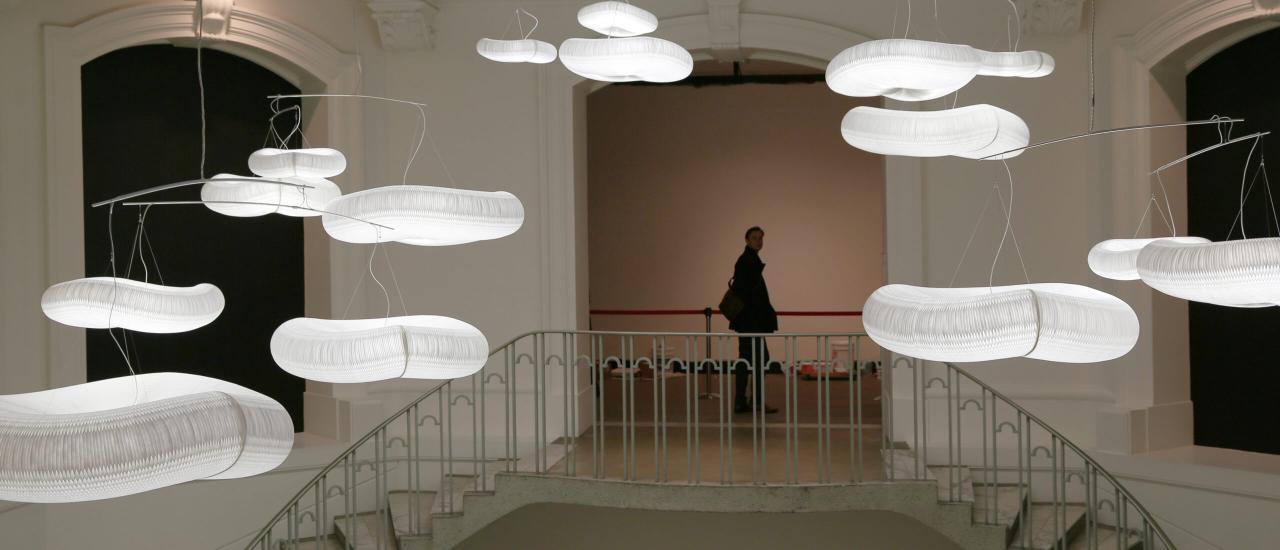
Lighting fixtures play a pivotal role in shaping the atmosphere of interior spaces, influencing both the aesthetics and functionality of a room. The right lighting can elevate a dull environment into a vibrant one, adapting to different activities and moods. With a diverse selection of fixtures, from ambient to task lighting, the way a space feels and functions can be dramatically transformed, making it crucial to understand the impact of lighting in our homes and workplaces.
The choice of lighting fixtures not only illuminates but also enhances the overall design of a room. For instance, pendant lights hung over a dining table create an inviting space for gatherings, while wall sconces can add warmth and elegance to hallways or living areas. The color temperature of the light, whether warm or cool, also plays a major role in determining the room’s ambiance. Warm lights can make spaces feel cozy and intimate, ideal for bedrooms and lounges, while cooler lights are often better suited for workspaces where focus and clarity are paramount.
Psychological effects of lighting on mood and productivity
Lighting dramatically influences both mood and productivity, with scientific studies backing these claims. Bright, well-lit spaces can enhance alertness and concentration, making them conducive for work environments. Conversely, softer lighting can foster relaxation and comfort, essential for home settings. For example, a study from the University of Alberta found that well-lit environments can increase performance in tasks requiring attention to detail.
Mood can shift based on the intensity and quality of the light. Natural light, which mimics daylight, is known to boost serotonin levels, improving mood and energy. This is why offices with large windows or skylights often see higher productivity rates and employee satisfaction. On the other hand, dim or harsh lighting can lead to fatigue and discomfort, negatively impacting both mood and performance.
When choosing lighting fixtures for different rooms, consider these essential tips based on the room’s design and function:
- Assess the Purpose: Identify whether the space is for relaxation, work, or socializing. For example, softer lighting is suitable for bedrooms, while brighter, more focused lighting is essential for home offices.
- Layer Your Lighting: Implement a combination of ambient, task, and accent lighting. This not only ensures adequate illumination but also creates depth and visual interest in a room.
- Choose the Right Fixture Style: Fixtures should complement the room’s decor. A modern pendant light may not suit a vintage-styled kitchen, whereas elegant chandeliers can enhance traditional interiors.
- Consider Dimming Options: Dimmable lights can adjust the ambiance based on the time of day or activity, providing versatility to spaces.
“The right lighting can be the difference between a space that feels inviting and one that feels sterile.”
Understanding the role of lighting fixtures in enhancing interior spaces is essential for creating environments that are not only functional but also uplifting. The right lighting can transform any room, fostering well-being and productivity for all who occupy the space.
Sustainable lighting fixtures and their environmental impact
Sustainable lighting fixtures play a crucial role in addressing environmental challenges, particularly in reducing carbon emissions and conserving energy. With the global push towards sustainability, adopting energy-efficient lighting solutions has become more than just a trend; it is a necessary step to combat climate change. By utilizing advanced technologies, we can significantly lower our carbon footprints while maintaining quality and functionality in lighting design.
Importance of energy-efficient lighting fixtures
The significance of energy-efficient lighting fixtures cannot be overstated, as they directly contribute to the reduction of greenhouse gas emissions. Traditional incandescent bulbs consume a large amount of electricity and convert only a fraction of it into visible light. In contrast, energy-efficient alternatives like LED (Light Emitting Diode) and CFL (Compact Fluorescent Lamp) use far less energy and have a longer lifespan. This shift leads to less electricity demand, reducing the need for fossil fuel-based power generation that contributes to carbon emissions.
By switching to energy-efficient lighting, households and businesses can achieve remarkable savings on energy bills. For instance, a typical LED bulb uses up to 80% less energy than its incandescent counterpart and lasts 25 times longer. This efficiency translates to a substantial decrease in energy consumption, thus playing a pivotal role in lowering individual and collective carbon footprints.
Advances in sustainable lighting technologies
Recent advancements in sustainable lighting technologies have revolutionized how we approach illumination. LED technology stands out as a frontrunner, primarily due to its energy efficiency and versatility. LEDs can be integrated into various designs, including smart lighting systems that adjust brightness based on natural light availability, further enhancing energy savings.
Solar-powered fixtures represent another innovative leap in sustainable lighting. These fixtures harness sunlight during the day, converting it into electricity stored in batteries for nighttime illumination. This technology not only eliminates reliance on grid electricity but also reduces energy costs. One prominent example of solar-powered lighting can be found in many urban areas, where solar streetlights illuminate roads and pathways while reducing the burden on municipal electricity supplies.
Innovative sustainable lighting solutions
Various industries are leading the way in adopting innovative sustainable lighting solutions, showcasing the vast potential of these technologies. For instance, in the retail sector, prominent brands have installed energy-efficient LED displays and fixtures that not only cut energy costs but also enhance the shopping experience with vibrant, adjustable lighting.
In the hospitality industry, hotels are increasingly adopting smart lighting systems that adjust according to occupancy, reducing energy waste in unoccupied areas. Moreover, outdoor spaces, such as parks and gardens, are utilizing solar-powered lighting fixtures that enhance safety while minimizing environmental impact.
“Transitioning to sustainable lighting solutions is not only beneficial for the environment, but it also enhances the aesthetic value and functionality of spaces.”
These examples illustrate the pivotal role of sustainable lighting fixtures in shaping a greener future. As technology continues to evolve, it paves the way for even more innovative solutions that align energy use with environmental stewardship, demonstrating that sustainability and functionality can go hand in hand.
Trends in lighting fixtures for modern homes
In today’s design landscape, lighting fixtures have transcended mere functionality; they now play a pivotal role in defining the aesthetics of modern homes. As interior decor trends evolve, so too do the lighting solutions that complement these styles. The latest lighting trends reflect a blend of innovation and artistry, focusing on creating spaces that are both inviting and functional.
Currently, key elements such as minimalism, smart technology, and mixed materials are defining the landscape of modern lighting fixtures. Minimalism continues to dominate, with sleek, unobtrusive designs that emphasize form and function. Smart technology, which integrates lighting with home automation systems, offers convenience and energy efficiency, allowing homeowners to control their lighting from smartphones or voice-activated devices. Additionally, mixed materials, combining metals, glass, and natural elements like wood, contribute to creating unique fixtures that enhance overall decor while maintaining a cohesive look.
Key elements shaping modern lighting fixtures
The fusion of various design philosophies has led to a plethora of lighting options that cater to contemporary tastes. Understanding these elements is crucial for anyone looking to update their home’s lighting.
Minimalist designs prioritize simplicity, often featuring clean lines and neutral colors. This trend reflects the broader minimalist decor movement, which favors uncluttered spaces and functional items. Smart technology is revolutionizing how we interact with lighting. Fixtures that can be controlled via apps, programmed to adjust based on time or occupancy, and even those that sync with other smart home devices are gaining popularity. These innovations not only enhance convenience but also promote energy efficiency.
Mixed materials are a standout trend, allowing homeowners to express creativity and sophistication. Lighting fixtures that combine brass with glass or wood with metal provide visual interest and texture, making them statement pieces in any room.
Here are some popular lighting fixtures that are trending in today’s market:
- LED pendant lights: Offering energy efficiency and versatile designs, LED pendants are perfect for dining areas and kitchens.
- Smart bulbs: These customizable bulbs can change color and brightness, adapting to different moods and times of day.
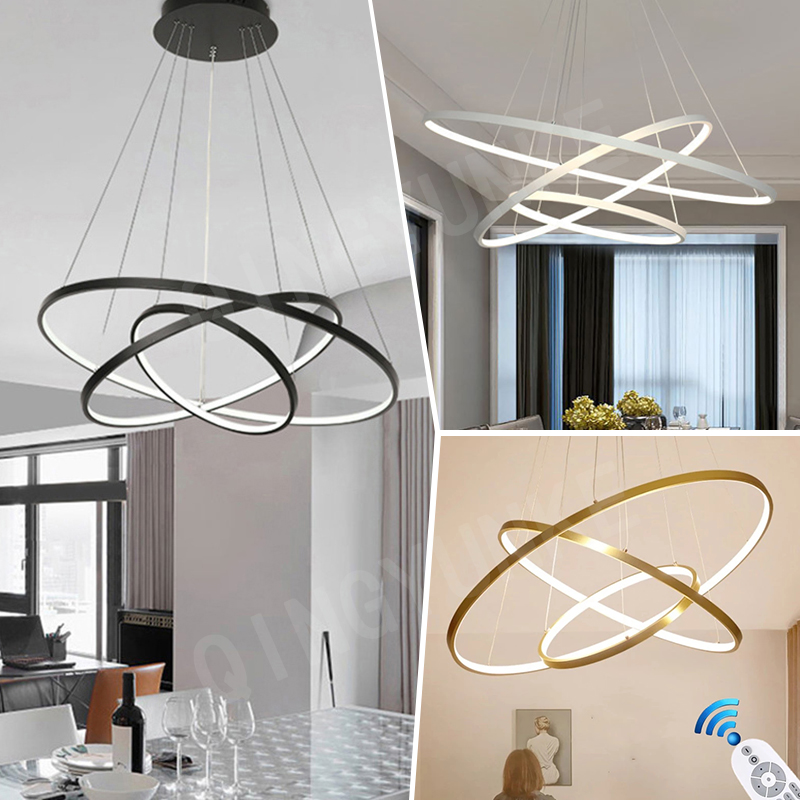
- Geometric chandeliers: With bold shapes and intricate designs, geometric chandeliers serve as focal points, especially in open spaces.
- Wall sconces: Ideal for creating ambient lighting, modern wall sconces come in various styles, from industrial to sleek and contemporary.
- Table lamps with natural materials: Combining wood, ceramic, and metal, these lamps reflect the trend towards organic and sustainable design.
The combination of these elements not only enhances the visual appeal of a space but also contributes to a functional and sustainable living environment. Embracing these trends in lighting design helps to create homes that are both stylish and reflective of modern values.
The DIY aspect of lighting fixtures and creative projects
Creating custom lighting fixtures for personal spaces is a rewarding endeavor that allows individuals to express their creativity while enhancing the aesthetic of their homes. Not only does DIY lighting provide a unique touch, but it also serves practical applications, improving visibility and ambiance. Engaging in such projects can be a fulfilling way to personalize your environment, and it’s often more cost-effective than purchasing pre-made options. With a few materials and tools, anyone can embark on this exciting journey of crafting their own lighting solutions.
When it comes to DIY lighting projects, the variety of materials and tools available can lead to both functional and artistic creations. Here’s a breakdown of essential components you might need, along with safety considerations that should be taken seriously during your projects.
Materials and Tools Needed for DIY Lighting Projects
Before diving into any DIY lighting project, it’s crucial to gather all necessary materials and tools. Understanding what is required not only streamlines the process but also ensures safety and effectiveness in your design. Below is a list of typical items you might consider:
- Light Bulbs: Choose bulbs based on your desired brightness and color temperature, such as LED, incandescent, or fluorescent.
- Light Fixtures: Base structures can include pendant lights, lampshades, or even customized designs using unconventional materials.
- Electrical Components: Essential parts include sockets, wires, and plugs. Make sure they are rated for the wattage of your bulbs.
- Mounting Hardware: Items like hooks, brackets, and screws to secure your fixture safely.
- Decorative Elements: These can include paint, fabric, or other embellishments to personalize your fixture.
- Tools: Basic tools such as screwdrivers, wire strippers, pliers, a drill, and a measuring tape are necessary for assembly.
Safety is paramount when working with electrical components. Always ensure that power is turned off during installation and use wires with adequate insulation to prevent shock hazards. It’s advisable to wear protective gear, such as gloves and goggles, especially while cutting materials or handling wires.
Step-by-Step Process for a Simple Lighting Fixture Design
Creating a simple pendant light fixture can be an excellent starter project. Follow these steps to craft your own:
1. Gather Your Materials: For this project, you will need a light socket, an LED bulb, a pendant light kit (which can include a canopy and cord), and a decorative shade or a creative alternative like a wire basket or a painted bottle.
2. Prepare the Shade: If using a decorative element, ensure it is hollow and can support the bulb without obstruction. For example, if using a wire basket, make sure it is large enough to allow light to shine through.
3. Assemble the Fixture: Attach the light socket to the pendant light kit according to the manufacturer’s instructions. Secure the wire leading from the socket to the canopy.
4. Install the Bulb: Screw in your chosen light bulb securely into the socket. Ensure it is the correct type for your fixture.
5. Mount the Fixture: Choose a location for your fixture, drill holes if necessary, and secure it to the ceiling using the mounting hardware. Ensure it is properly attached before proceeding.
6. Wire the Fixture: Connect the wires from the fixture to the house wiring, ensuring correct polarity—black to black, white to white, and grounding properly. If you are unsure about wiring, it’s best to consult an electrician.
7. Test Your Fixture: Once everything is connected and secured, turn the power back on and test your fixture. Enjoy the warm glow of your custom lighting design!
Crafting your own lighting fixtures can transform a dull space into a cozy retreat while showcasing your personal style. With a few materials, the right tools, and some creativity, you can create functional art that enhances your home’s atmosphere.
The importance of proper installation and maintenance of lighting fixtures
Proper installation and maintenance of lighting fixtures are crucial for ensuring safety, efficiency, and longevity of your lighting systems. Following best practices not only enhances the aesthetic appeal of your space but also ensures the functionality of each fixture. A well-installed and maintained lighting system can significantly reduce energy costs and prevent accidents associated with faulty lighting.
Best Practices for Installing Lighting Fixtures
Installing lighting fixtures involves several key considerations that ensure safety and effectiveness. Whether it’s ceiling lights, wall sconces, or outdoor fixtures, adhering to proper installation techniques is essential. Here are some best practices to follow:
- Read the Manufacturer’s Instructions: Each fixture comes with specific installation guidelines. Follow these instructions closely to avoid mishaps.
- Turn Off Power: Always ensure that the electricity is turned off at the breaker box before beginning any installation to prevent electric shock.
- Use the Right Tools: Having the proper tools—like screwdrivers, wire strippers, and a voltage tester—is vital for a safe and efficient installation.
Common Maintenance Issues and Solutions
Regular maintenance of lighting fixtures helps identify potential issues before they become significant problems. Some common maintenance concerns include:
- Burned-Out Bulbs: Regularly check bulbs and replace them promptly. Consider using LED bulbs for longer lifespans.
- Dirt and Dust Buildup: Clean fixtures periodically with a soft cloth to avoid reduced light output. For outdoor fixtures, ensure that no debris obstructs the light source.
- Loose Wiring: Inspect fixtures for loose connections or signs of fraying wires, which can pose fire hazards.
Selecting Professional Services versus DIY Installation
Choosing between professional installation and DIY can shape the outcome of your lighting setup. While DIY can save costs, it carries risks like improper installation or injury. When opting for professionals, look for licensed electricians with good reviews to ensure quality work. Consider the following factors:
- Complexity of Installation: Fixtures that require extensive electrical work should be left to professionals.
- Local Building Codes: Ensure compliance with local regulations, which professionals are familiar with.
- Warranty Considerations: Professional installation may come with warranty options, protecting your investment.
Proper installation and regular maintenance of lighting fixtures are not merely tasks but essential practices that enhance safety, reliability, and aesthetics in your home or business environments.
Final Wrap-Up
In conclusion, the significance of lighting fixtures transcends mere utility, as they are integral to the ambiance and character of any space. From their historical roots to modern innovations, they continue to evolve, reflecting current trends and sustainability practices. Whether you are looking to enhance your home, embark on a DIY project, or simply understand the nuances of installation and maintenance, the realm of lighting fixtures offers endless opportunities for creativity and expression.
Common Queries
What are the main types of lighting fixtures?
The main types include ambient, task, and accent lighting, each serving different purposes to enhance a space.
How can lighting affect mood?
Lighting can significantly impact mood; warm tones can create a cozy atmosphere, while bright, cool lighting can enhance focus and productivity.
What are the benefits of using LED lighting fixtures?
LED lighting fixtures are energy-efficient, long-lasting, and environmentally friendly, reducing both energy costs and carbon footprints.
Can I install lighting fixtures by myself?
Yes, many lighting fixtures can be installed as DIY projects, but it’s important to follow safety guidelines and consult professionals for complex installations.
What is the importance of lighting fixture maintenance?
Proper maintenance ensures safety, prolongs the life of the fixtures, and maintains optimal performance, preventing issues like flickering or overheating.