
 Widya pasha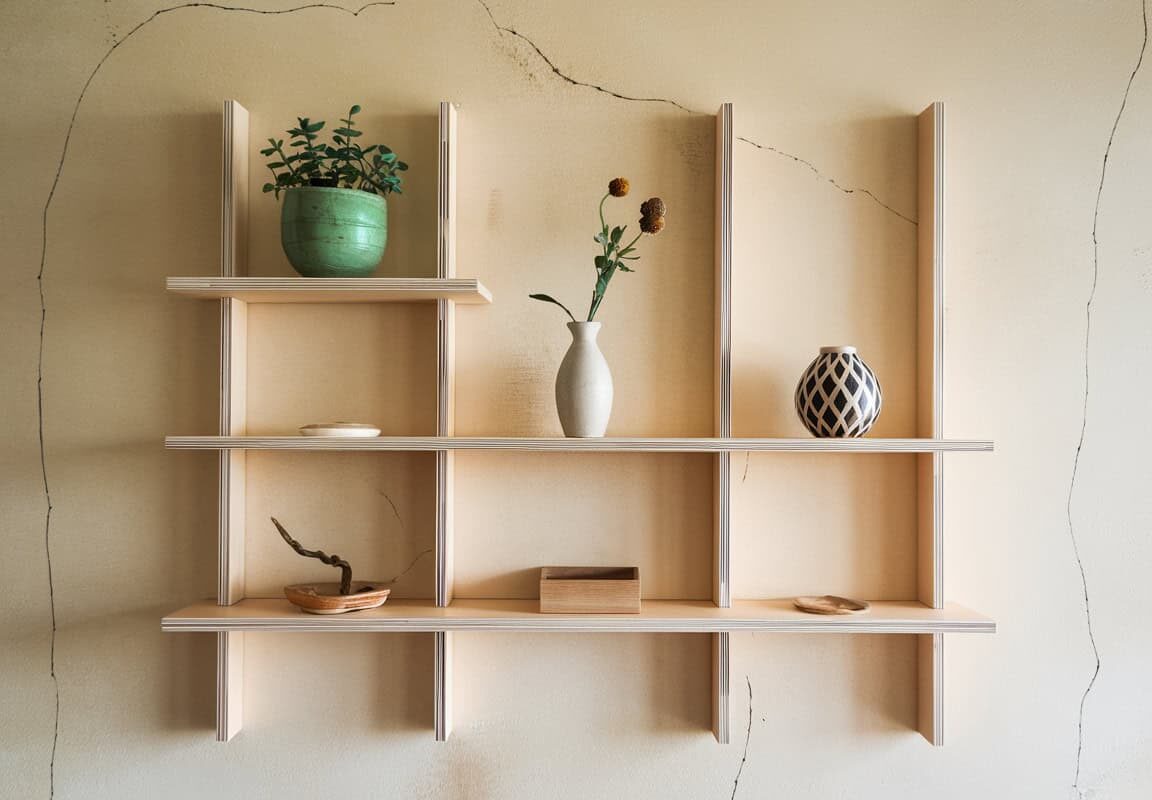
Home decor is more than just arranging furniture; it’s about creating a space that reflects your individuality and enhances your lifestyle. In this engaging exploration, we will delve into the latest trends that are transforming interiors, the intriguing role of color psychology, and the rise of sustainable options that cater to eco-conscious consumers. From cultural influences to the impact of technology, each aspect plays a crucial role in shaping modern home environments.
Additionally, we’ll uncover innovative DIY projects for personalization, effective space-saving solutions for small homes, and the importance of seasonal updates to keep your decor fresh. Whether you’re looking to revamp a single room or your entire home, understanding these elements will empower you to make informed and creative choices that reflect who you are.
Home decor trends that transform spaces
In recent years, home decor has evolved dramatically, with trends that not only reflect personal style but also enhance the functionality and aesthetic of living spaces. From sustainable materials to bold colors, these trends are reshaping how we experience our homes. Embracing these changes can lead to spaces that are not only visually appealing but also create a more comfortable and inviting atmosphere.
One of the prominent trends is the use of natural materials, which brings a calming, organic feel into homes. Wood, stone, and textiles made from natural fibers are becoming staples in modern interior design. This trend emphasizes the connection with nature, promoting wellness and tranquility. Another significant trend is the integration of technology into home decor. Smart devices, automated lighting, and advanced climate control systems are not only practical but also enhance the modern aesthetic of a space.
Natural materials in home decor
The use of natural materials has gained traction as homeowners seek comfort and sustainability in their decor choices. Incorporating these elements can significantly transform a space by creating a warm and inviting environment. Key characteristics of this trend include:
- Wood Accents: Whether it’s reclaimed wood furniture or wooden beams exposed on ceilings, wood adds warmth and character. A rustic dining table made from reclaimed barn wood can serve as a stunning focal point in a dining area.
- Stone Features: Utilizing natural stone in countertops, backsplashes, or accent walls can create an elegant yet earthy feel. For example, a marble backsplash in the kitchen can provide a luxurious touch while maintaining a connection to nature.
- Textiles: Fabrics made from cotton, linen, and wool not only offer comfort but also come in various textures and patterns that can enhance the overall decor. A linen sofa paired with a wool throw can create a cozy, layered look.
Bold colors and patterns
Bold colors and intricate patterns are making a significant comeback, allowing homeowners to express their personalities through vibrant decor choices. This trend encourages mixing and matching, creating spaces that are uniquely individual. Important aspects include:
- Accent Walls: A painted or wallpapered accent wall can dramatically change the mood of a room. For instance, a deep navy wall can evoke sophistication in a living room or bedroom.
- Vivid Accessories: Incorporating colorful accessories, such as cushions, artwork, or rugs, can enliven a space without overwhelming it. A bright yellow rug under a neutral coffee table can add a playful pop of color.
- Patterned Textiles: Mixing patterns, such as floral and geometric designs, creates visual interest. A combination of patterned throw pillows on a solid sofa can enhance the room’s dynamic feel.
Smart home technology integration
The integration of smart home technology into decor is revolutionizing how we interact with our living spaces. This trend not only enhances convenience but also allows for a seamless blend of functionality and style. Key elements include:
- Automated Lighting: Smart lighting systems can be programmed to adjust according to the time of day, enhancing the ambiance of a room. For example, dimming lights during movie nights creates a cozy atmosphere.
- Smart Thermostats: These devices learn your heating and cooling preferences, ensuring comfort while optimizing energy efficiency. A stylish smart thermostat can blend in with modern decor while offering practical benefits.
- Voice-Controlled Assistants: Including smart speakers or displays allows for hands-free control of devices while adding a tech-savvy element to decor. A sleek smart speaker can serve as both a functional device and a decorative piece.
The role of color psychology in home decor
Understanding color psychology is essential in home decor as it significantly influences mood, ambiance, and even behavior within a space. The colors we choose can create feelings of calm, excitement, warmth, or coolness, shaping how we experience our environment. By strategically selecting colors based on their psychological effects, you can enhance the overall atmosphere of your home and promote the desired feelings in each room.
Colors have a profound impact on our emotions and perceptions. For instance, warm colors like reds, oranges, and yellows are known to evoke feelings of warmth and energy, making them ideal for social areas such as living rooms and dining areas. In contrast, cool colors like blues and greens tend to promote relaxation and tranquility, which makes them perfect for bedrooms and bathrooms. Neutral colors can serve as a versatile foundation, allowing for more vibrant accents without overwhelming the senses.
Selecting a color palette based on room purpose
Choosing the right color palette for each room is crucial in creating a harmonious living space that aligns with its intended use. Below are key considerations for selecting colors based on the function of various rooms:
- Living Room: Opt for warm and inviting shades such as soft yellows or earthy tones to promote conversation and warmth.
- Bedroom: Choose calming colors like light blues or soft greens to create a restful atmosphere conducive to relaxation and sleep.
- Kitchen: Bright and lively colors, such as sunny yellows or crisp whites, can stimulate appetite and energy, making the kitchen feel welcoming.
- Home Office: Utilize colors that enhance focus and productivity, such as mid-range blues or subtle greens, while avoiding overly stimulating shades.
- Bathroom: Cool colors like light teal or pale lavender can provide a spa-like atmosphere, promoting serenity and cleanliness.
Pairing colors effectively
Creating a cohesive decor style involves pairing colors thoughtfully to ensure harmony throughout your home. Effective color pairing is essential for achieving a balanced and aesthetically pleasing environment. Here are effective techniques for pairing colors:
To begin, consider the color wheel as a guide. Colors that are opposite each other on the wheel, known as complementary colors, create a striking contrast that can energize a space. For example, pairing a vibrant blue with a warm orange can create a dynamic and inviting atmosphere.
Analogous colors, which are next to each other on the color wheel, can create a more serene and harmonious look. Using shades of blue, green, and teal can evoke a calm and cohesive vibe in a room.
In addition, incorporating varying shades and tints of a single color can add depth and interest. For example, using dark navy, light sky blue, and soft powder blue together can create a sophisticated palette that feels balanced and intentional.
“Color is a power which directly influences the soul.” – Wassily Kandinsky
By understanding the roles of color psychology, selecting appropriate palettes for specific spaces, and mastering the art of color pairing, you can transform your home into a sanctuary that reflects your personality and enhances your daily life.
Sustainable home decor options for eco-conscious consumers
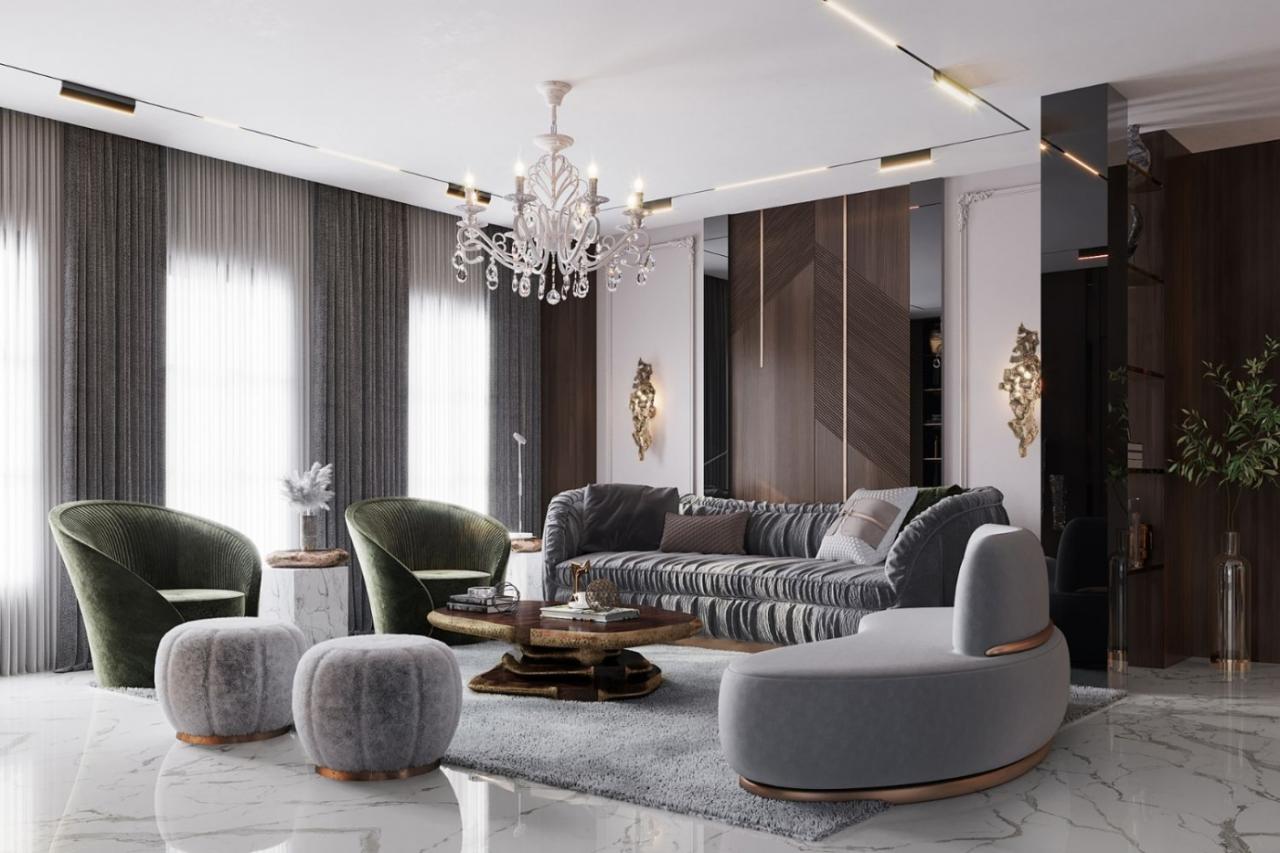
In an era where environmental awareness is more critical than ever, sustainable home decor has emerged as a vital consideration for consumers. The choices we make in decorating our homes can significantly impact the planet, from reducing waste to conserving resources. Eco-conscious consumers are increasingly seeking out options that not only beautify their spaces but also support a healthier planet. This shift towards sustainability encourages the use of materials and practices that minimize harm to the environment while offering stylish and functional design elements.
Sustainability in home decor is essential as it reflects our growing responsibility to protect the environment. Traditional decor often relies on materials that are harmful to ecosystems, such as plastics and non-renewable resources. In contrast, sustainable options prioritize renewable materials, energy-efficient processes, and the overall lifecycle of products. Selecting eco-friendly decor not only enhances the aesthetic appeal of spaces but also promotes a lifestyle that values environmental stewardship.
Materials and products for sustainable decor
When considering sustainable home decor, a variety of materials and products stand out for their eco-friendliness and stylish appeal. Understanding these options can help consumers make informed choices that align with their values.
Some of the most popular sustainable materials include:
- Bamboo: A fast-growing, renewable resource that is strong and versatile, bamboo can be used for furniture, flooring, and decorative accents.
- Recycled materials: Products made from recycled glass, metal, and plastic reduce landfill waste and promote a circular economy.
- Cork: Harvested from the bark of cork oak trees without harming the tree itself, cork is an excellent choice for flooring and wall coverings.
- Organic textiles: Fabrics made from organic cotton, linen, or hemp are produced without harmful chemicals and promote sustainable farming practices.
- reclaimed wood: Furniture made from salvaged wood not only adds character but also reduces the demand for new lumber, making it a sustainable choice.
Utilizing these materials not only enhances the overall design of a space but also represents a commitment to environmental sustainability.
Comparing traditional decor options with sustainable alternatives
The aesthetics and functionality of sustainable home decor can rival their traditional counterparts, often offering unique character and style. While traditional decor options may prioritize convenience or cost over sustainability, eco-friendly alternatives can provide similar, if not superior, benefits.
For instance, traditional furniture often relies on synthetic materials and finishes, while sustainable furniture is more likely to feature natural finishes and responsibly sourced woods. This not only enhances the visual appeal with unique textures but also contributes to healthier indoor air quality.
Additionally, sustainable decor often incorporates multifunctional designs, maximizing space and minimizing waste. For example, a reclaimed wood coffee table might also serve as storage, thereby combining functionality with eco-consciousness.
In summary, the aesthetic appeal and functionality of sustainable home decor provide a compelling alternative to traditional options. By choosing products made from eco-friendly materials, consumers can create beautiful living spaces while supporting sustainable practices that benefit the environment.
Cultural influences on home decor styles
Home decor serves as a reflection of personal tastes, but it is significantly influenced by cultural backgrounds. Different cultures bring their unique aesthetic sensibilities, historical narratives, and traditions to the design table, enriching the global tapestry of home decor. This blending of styles creates a dynamic environment where we can appreciate diverse cultural heritages while personalizing our spaces.
Cultural influences can be seen in various elements such as color palettes, furniture styles, patterns, and decorative motifs. Each culture has its own array of symbols and meanings, which can be cleverly integrated into modern decor to create a sense of harmony and belonging. For instance, incorporating elements from African tribal patterns, Scandinavian minimalism, or Japanese Zen design can add depth and character to a contemporary home.
Specific cultural elements for modern home decor
Integrating cultural elements into modern home decor involves understanding the significance of various styles and how they can complement contemporary aesthetics. Here are some examples of cultural elements that can harmoniously blend into modern decor:
- African Masks: These striking pieces can serve as wall art, striking a balance between rustic and modern. The intricate designs tell stories of heritage and craftsmanship.
- Japanese Shoji Screens: These folding screens provide an elegant way to segment spaces while introducing a sense of tranquility and minimalism, essential to Japanese design philosophy.
- Indian Textiles: Vibrant fabrics and intricate patterns can be used in cushions, throws, or wall hangings, adding color and warmth to a room.
- Scandinavian Wood Elements: Natural wood furniture and decor embody simplicity and functionality, emphasizing a connection with nature while fitting seamlessly into modern designs.
- Middle Eastern Lanterns: With their ornate designs and warm lighting, these lanterns can create an inviting atmosphere and serve as stunning focal points in a room.
Blending different cultural influences harmoniously requires a thoughtful approach. By strategically choosing elements that complement each other, a cohesive look can be achieved. Here are some techniques to facilitate this integration:
Techniques for blending cultural influences
Creating a harmonious decor space that incorporates multiple cultural influences involves a few key strategies. These techniques can help maintain balance while celebrating diversity:
- Color Coordination: Select a common color palette that resonates across the influences you wish to incorporate. For instance, earthy tones can unify African and Scandinavian elements.
- Layering Textures: Combine different textures, such as smooth Scandinavian wood with the intricacy of Indian textiles, to create visual interest while maintaining a cohesive theme.
- Focal Points: Use a standout piece, like a large Mexican pottery vase, to anchor the space and draw the eye, allowing surrounding decor to complement this focal point.
- Symmetry and Balance: Arrange decor items in a way that maintains visual balance, ensuring that no single cultural influence overwhelms the overall design.
- Personal Storytelling: Choose decor pieces that have personal significance or stories connected to your own heritage, creating a meaningful blend that resonates personally.
By employing these methods, the essence of different cultures can be imbued into modern living spaces, making them not only aesthetically pleasing but also rich in narrative and character.
DIY home decor projects to personalize your space
Creating a personalized living space allows you to express your unique style while making your home feel truly yours. Engaging in DIY home decor projects not only adds character to your surroundings but also gives you a sense of accomplishment. Here, we explore several creative projects that any homeowner can undertake, providing a range of materials needed and step-by-step instructions to help you get started.
Customized Wall Art
Personalized wall art can transform a blank wall into a stunning focal point. This project allows you to showcase your creativity using materials that resonate with your personal style.
Materials Needed:
– Blank canvas or wooden board
– Acrylic paints
– Paintbrushes
– Stencils or masking tape
– Mod Podge (for sealing)
Steps:
1. Choose your canvas size and prepare your workspace.
2. Using stencils or masking tape, create patterns or letters on the canvas.
3. Paint the exposed areas with your chosen colors, allowing each layer to dry.
4. Once complete, apply a layer of Mod Podge to seal your artwork.
5. Hang your new creation to add a personal touch to your space.
Customization Tips:
– Experiment with color palettes that match your existing decor.
– Incorporate personal quotes or meaningful phrases for an added layer of sentiment.
Upcycled Furniture Makeover
Breathing new life into old furniture is a sustainable way to enhance your decor. Upcycling allows you to create unique pieces that reflect your style.
Materials Needed:
– Old furniture piece (table, chair, etc.)
– Sandpaper
– Paint or stain
– Paintbrush or roller
– Protective finish (optional)
Steps:
1. Clean and sand the furniture surface to remove old paint and imperfections.
2. Apply a coat of paint or stain and let it dry completely.
3. Add additional coats as needed for desired color depth.
4. Finish with a protective layer to enhance durability.
Customization Tips:
– Consider adding new hardware or upholstery for a completely revamped look.
– Use decoupage techniques to add fabric or patterned paper for a unique touch.
Personalized Throw Pillows
Throw pillows can easily elevate the comfort and style of any room. Creating your own allows for a perfect match with your decor.
Materials Needed:
– Plain pillow covers or fabric
– Fabric paint or markers
– Sewing machine or needle and thread (if making from scratch)
– Pillow stuffing (if needed)
Steps:
1. Choose a fabric that complements your decor.
2. If using plain covers, use fabric paint to create designs or patterns.
3. If making from scratch, sew the fabric into pillow covers and fill them with stuffing.
4. Display your personalized throw pillows on couches or beds.
Customization Tips:
– Incorporate fabric that features your favorite patterns or colors.
– Add embellishments like tassels or pom-poms for extra flair.
Decorative Shelves
Creating decorative shelves offers both functionality and a chance to showcase your favorite items. Customized shelves can enrich your decor with a personal touch.
Materials Needed:
– Wooden boards (for shelves)
– Brackets or wall mounts
– Sandpaper
– Paint or stain
– Drill
Steps:
1. Sand the wooden boards to create a smooth surface.
2. Paint or stain the boards to match your decor.
3. Attach brackets to the wall at your desired height.
4. Secure the shelves onto the brackets.
Customization Tips:
– Arrange the shelves in unique patterns for added visual interest.
– Use decorative items that reflect your hobbies, travels, or interests.
Photo Collage Gallery
Creating a photo collage gallery allows you to personalize your space with cherished memories. This is an excellent way to add warmth and character to your home.
Materials Needed:
– Picture frames (various sizes)
– Photos
– Wall adhesive or nails
– Level (for even placement)
Steps:
1. Select a wall space and lay out your frames on the floor to determine arrangement.
2. Once satisfied, hang the frames on the wall, ensuring they are level.
3. Insert your photos into the frames.
Customization Tips:
– Use a mix of frame styles and colors for an eclectic look.
– Incorporate quotes or artwork in between photos for added interest.
The impact of technology on modern home decor
The integration of technology into home decor has transformed how we design and interact with our living spaces. From smart lighting to automated temperature controls, technology has become a vital part of modern interior aesthetics, enhancing both style and functionality. This evolution not only influences the way we decorate but also how we experience our homes every day.
Smart home devices and their aesthetic integration into traditional decor
Smart home devices have become essential in the modern home, seamlessly blending functionality with design. These devices not only provide convenience but also enhance the overall aesthetic of living spaces. A few notable examples include:
- Smart speakers: Devices like the Amazon Echo or Google Nest can serve as both entertainment hubs and stylish decor elements. Available in various designs and finishes, they can blend with traditional or contemporary decor.
- Smart lighting solutions: Brands such as Philips Hue allow users to customize lighting colors and intensities, providing decorative flexibility while enhancing ambiance. These smart bulbs can be integrated into existing light fixtures, maintaining the traditional look while offering modern capabilities.
- Smart thermostats: Thermostats like the Nest Learning Thermostat are not only functional but also contribute to home decor with their sleek, modern design. They can be mounted on walls to complement the decor while optimizing energy efficiency.
Technology-enabled decor solutions that enhance both style and functionality
Various innovative decor solutions leverage technology to elevate home aesthetics while providing practical benefits. These solutions make spaces more enjoyable and efficient. Some examples include:
- Digital art frames: Devices like Meural or Samsung’s The Frame can showcase art or personal photos, changing the decor dynamically. This allows homeowners to customize their wall art without committing to physical pieces.
- Smart mirrors: Mirrors that integrate touchscreen technology can display information such as weather updates or calendar events while serving as a stylish addition in bathrooms and dressing areas.
- Automated blinds and shades: Smart window coverings like Lutron can be programmed to adjust based on time of day or sunlight, combining functionality with an elegant aesthetic that enhances privacy and energy efficiency.
Technology is not just a tool; it’s a creative partner in the evolution of home decor.
Space-saving home decor solutions for small homes
In an era where urban living is becoming more popular, many homeowners are faced with the challenge of maximizing limited space without sacrificing style. Small homes can often feel cluttered and cramped, hindering both functionality and aesthetic appeal. The right decor can transform a small space into a stylish sanctuary, making it feel larger and more inviting.
To effectively address the challenges posed by small spaces, innovative design ideas and furniture configurations must be utilized. By prioritizing versatility and functionality, homeowners can create environments that not only look great but also serve multiple purposes. Below are some effective strategies and examples that demonstrate how decor can be both space-efficient and stylish.
Innovative design ideas for small homes
Incorporating clever design elements is essential for maximizing space in small homes. Here are some ideas that can make a significant difference:
- Multi-functional furniture: Look for furniture that serves more than one purpose. For example, a sofa bed can provide seating during the day and transform into a bed for guests at night.
- Wall-mounted shelves: These can help free up floor space while providing storage and display options for books and decorative items.
- Foldable tables and chairs: Opt for pieces that can be easily stored away when not in use. Such flexibility is ideal for dining areas or workspaces.
- Built-in storage solutions: Create custom storage that fits seamlessly into your home. For instance, under-bed storage drawers or benches with storage compartments can help declutter.
- Mirrors: Using mirrors can visually enlarge a space while also adding a touch of elegance. They reflect light, making rooms feel brighter and more open.
Decor items that serve dual purposes
Incorporating decor that is both functional and aesthetically pleasing is a smart approach for small living spaces. Here are some examples of dual-purpose decor items:
- Ottomans with storage: These not only provide extra seating but also offer hidden storage for blankets, magazines, or other items.
- Decorative ladder shelves: These can be used to display plants or books while also serving as an additional storage solution.
- Convertible coffee tables: Some coffee tables can be raised to dining height or opened up to provide additional storage, making them perfect for small living rooms.
- Wall art that doubles as storage: Consider wall-mounted organizers that can hold keys, mail, or other small items while enhancing the decor.
- Lighting fixtures with shelves: A lamp with an integrated shelf can illuminate a space while providing a spot for small plants or decorative objects.
Incorporating these innovative space-saving solutions can dramatically alter the functionality of small homes, making them feel more spacious and organized. When carefully selected, decor can enhance the beauty of the space while addressing the practical challenges faced by homeowners.
Seasonal home decor updates to refresh your living space
Changing your home decor with the seasons is a delightful way to keep your living space vibrant and inviting. By updating your decor, you can reflect the unique beauty of each season while creating a warm atmosphere that feels fresh and renewed. This practice not only enhances the aesthetic appeal of your home but also uplifts your mood, making your space feel more harmonious with nature’s rhythms.
The benefits of seasonal decor updates extend beyond mere aesthetics. Incorporating seasonal elements can help you stay connected to the environment and celebrate the changing times of the year. For example, spring might inspire light colors and floral decorations, while fall could encourage the warmth of earthy tones and rustic elements. Transitioning your decor allows you to enjoy variety and keep your space feeling new and exciting throughout the year.
Seasonal color schemes and thematic decor changes
Adopting seasonal color schemes can significantly enhance the atmosphere of your home. Each season brings its own palette inspired by nature’s changes. Below are some recommended color schemes and thematic decor ideas for each season:
– Spring: Emphasize soft pastels such as mint green, blush pink, and lavender. Decorate with floral patterns, light linens, and greenery to symbolize renewal. Incorporate fresh blooms in vases and botanical prints on cushions.
– Summer: Bright and bold colors like sunny yellows, ocean blues, and coral can energize your space. Use lightweight fabrics, tropical-themed decor, and outdoor-friendly accessories to create a breezy, relaxed vibe.
– Autumn: Warm hues such as burnt orange, deep reds, and golden yellows evoke the essence of fall. Utilize rustic elements like wooden accents, cozy throws, and seasonal decorations like pumpkins and leaves to create a welcoming atmosphere.
– Winter: Cool tones like icy blues, silvery whites, and rich jewel tones can bring a sense of calm and coziness. Use layered textiles, twinkling lights, and festive decor to reflect the holiday spirit and winter warmth.
Updating your decor according to these seasonal themes fosters an inviting and cohesive look while allowing you to express your creativity throughout the year.
Storing and rotating decor items effectively
Proper storage and rotation of decor items are essential for maintaining their quality and ensuring ease of access. Here are effective tips for managing your seasonal decor:
1. Organized Storage Bins: Invest in clear, labeled bins for each season. This allows you to quickly identify and access items as needed. Using airtight containers can also protect decorations from dust and moisture.
2. Categorization: Store decor items by type (like textiles, ornaments, or table settings) within each seasonal bin. This method simplifies the process of switching out decor and helps you keep track of what you have.
3. Inventory List: Maintain an inventory list of all decor items, including descriptions and seasonal categories. This will prevent duplication and help you remember what you own when planning for a seasonal update.
4. Rotate Decor Items: As you change your decor seasonally, take the opportunity to rotate items. Move some decor pieces to different rooms or combine them with new items to create fresh arrangements without needing to buy new decorations.
5. Donation and Decluttering: At the end of each season, consider donating items that no longer resonate with your style or are rarely used. This practice keeps your collection manageable and ensures that your decor remains relevant to your taste.
By following these guidelines, you can make your seasonal decor updates enjoyable and straightforward, ensuring that your home remains a reflection of the beauty each season brings.
The significance of furniture arrangement in home decor
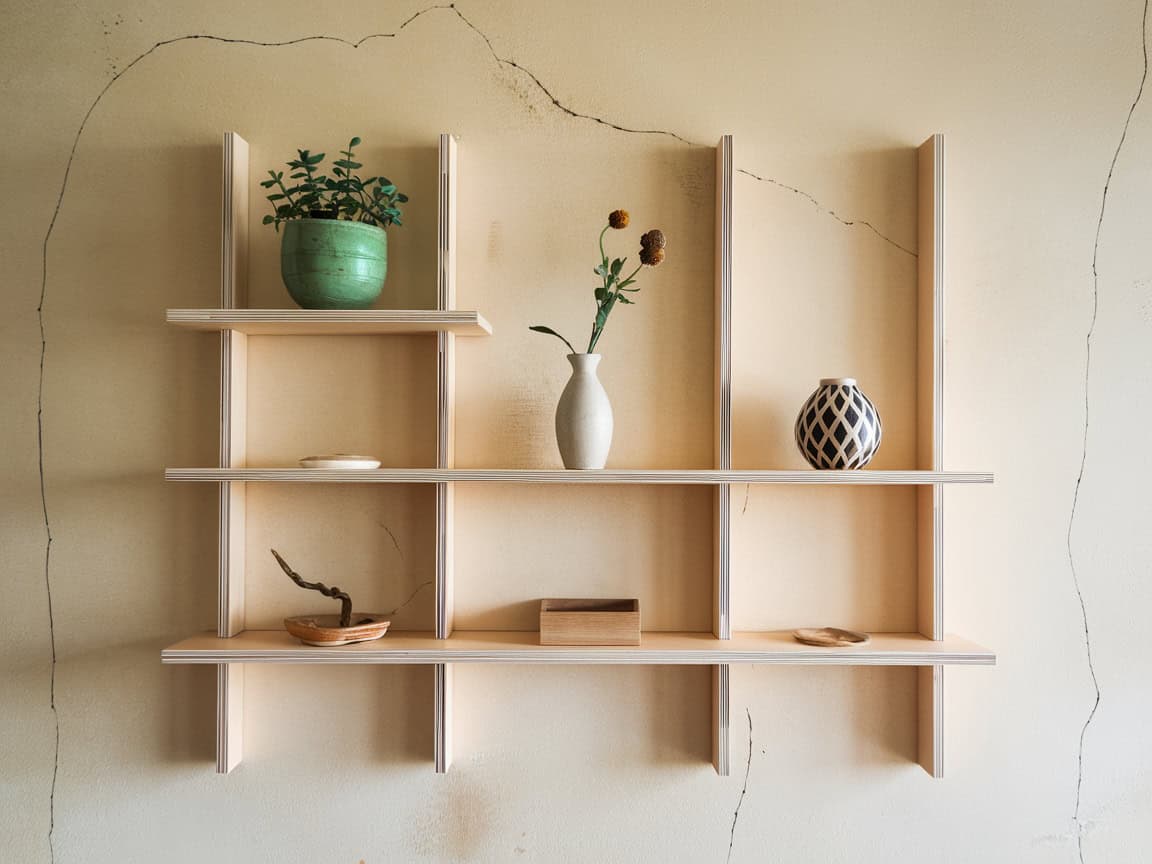
Furniture arrangement plays a crucial role in home decor, influencing not only the aesthetics of a space but also its functionality and flow. The way furniture is laid out can create a sense of openness or intimacy, establish focal points, and affect how people interact within the room. A well-considered arrangement enhances the overall ambiance, ensuring that a space feels both inviting and efficient.
The layout of furniture can greatly impact the overall decor and flow of a space. For instance, an open floor plan benefits from strategic zoning, where furniture pieces like sofas and rugs delineate areas for conversation, dining, and relaxation. Conversely, a more compact room may require careful placement to optimize every square foot while maintaining a sense of comfort.
Effective furniture arrangements for various room types
Different rooms serve distinct purposes, and their furniture arrangements should reflect this. Here are some effective layouts for common spaces:
- Living Room: A common layout involves positioning a sofa facing a focal point, such as a fireplace or television, with side chairs angled inward. This arrangement encourages conversation and creates a cozy atmosphere.
- Dining Room: A rectangular table positioned centrally in the room allows for easy access from all sides. Surrounding the table with comfortable chairs invites guests to linger, enhancing the dining experience.
- Bedroom: The bed should be the primary focal point, ideally placed against the wall opposite the entrance. Nightstands on either side create symmetry, while a bench at the foot of the bed adds functionality and style.
- Home Office: Positioning the desk facing the door can provide a sense of control and visibility. Adding shelves behind the desk can maximize storage while maintaining a clean workspace.
Strategic furniture placement enhances both aesthetics and functionality. Here are some strategies to consider when arranging furniture in your home:
- Consider Traffic Flow: Ensure there are clear pathways for movement throughout each space, allowing people to navigate easily without obstacles.
- Create Conversation Areas: Group furniture to facilitate easy conversations, such as arranging chairs around a coffee table.
- Use Scale and Proportion: Select furniture that fits the scale of the room; oversized pieces can overwhelm a small space, while tiny furniture may feel lost in a larger room.
- Incorporate Multi-Functional Pieces: Items like ottomans with storage or sofa beds can maximize the utility of smaller spaces.
“A well-arranged room is not just about style, but also about how it feels and functions.”
By thoughtfully arranging furniture, homeowners can create spaces that are not only visually appealing but also enhance daily living experiences. The right layout can transform a room, making it feel more spacious, comfortable, and inviting.
Choosing the right decor accessories to complement your home
Accessories play a crucial role in defining the character and ambiance of your living space. They are not just decorative items; they bring warmth, personality, and a sense of completion to your home’s decor scheme. Selecting the right accessories can transform a basic room into an inviting and stylish haven, reflecting your individual style and taste.
When it comes to decor accessories, understanding the different types available can enhance your home’s aesthetic. Key accessory types include textiles, art, and decorative objects. Each of these categories offers unique opportunities to express your style while harmonizing with the overall decor theme.
Types of Decor Accessories
The right accessories can elevate your decor, making it feel complete and thoughtfully curated. Here’s a closer look at the essential types of decor accessories:
- Textiles: Fabrics like cushions, throws, and curtains add layers of texture and comfort. They can introduce colors and patterns that tie the room together.
- Art: Artwork, whether it’s paintings, prints, or sculptures, serves as a focal point and a conversation starter. Choosing pieces that resonate with you creates a personal connection to your space.
- Decorative Objects: Items such as vases, candles, and figurines can add character. These objects can provide visual interest and become storytelling pieces that reflect your interests or travels.
To effectively select accessories that align with your overall decor style and add a personal touch, consider the following tips. First, ensure that the colors and patterns of your accessories complement the existing palette of your room. For instance, if your decor features neutral tones, consider adding pops of color through vibrant cushions or a statement piece of art.
Moreover, balance is key. Incorporating accessories of varying sizes can create depth; for example, a large wall art piece paired with smaller decorative objects on a shelf can establish a pleasing visual hierarchy.
“Accessories are the finishing touches that turn a house into a home.”
Finally, don’t shy away from showcasing personal elements, such as family photos in unique frames or souvenirs from your travels, as they tell your story and make your space uniquely yours. By thoughtfully selecting decor accessories that resonate with your personal style, you not only enhance the beauty of your home but also create an environment that feels authentically yours.
Last Recap
In summary, home decor is a beautiful blend of creativity, functionality, and personal expression. By embracing the latest trends, understanding color psychology, and exploring sustainable options, you can transform your space into a harmonious sanctuary. Whether through DIY projects or smart technology integration, the possibilities are endless. So go ahead, let your home tell your story and create an environment that resonates with your unique style.
Answers to Common Questions
What are some popular home decor trends right now?
Some popular trends include biophilic design, minimalism, and the use of sustainable materials.
How can I choose a color palette for my home?
Consider the mood you want to create in each room and choose colors that reflect that, while also ensuring they complement each other.
What are eco-friendly materials for home decor?
Materials like bamboo, reclaimed wood, and recycled metals are great eco-friendly choices that add style and sustainability.
How can I incorporate cultural elements in my decor?
Use textiles, artwork, or furniture pieces that reflect your cultural background or interests to create a unique blend in your home.
What are some easy DIY projects for home decor?
Simple projects include creating custom wall art, upcycling furniture, or making decorative planters.
How can I maximize space in a small home?
Use multi-functional furniture, wall-mounted shelves, and mirrors to create the illusion of more space.
Why is furniture arrangement important in home decor?
Proper furniture arrangement enhances the flow of a space, making it more functional and visually appealing.
What accessories can enhance my home decor?
Textiles, artwork, and decorative objects like vases or books can significantly elevate your decor style.