
 Widya pasha
Gaming keyboard has come a long way from its humble beginnings, evolving into sophisticated devices that enhance the gaming experience. These keyboards have transformed not only in design but also in technology, catering to the diverse needs of gamers worldwide.
With advancements incorporating mechanical switches, customizable features, and ergonomic designs, modern gaming keyboards stand as essential tools for competitive play. Understanding their evolution helps highlight the significance of these peripherals in achieving optimal performance.
The Evolution of Gaming Keyboards Over the Years
Gaming keyboards have undergone a remarkable transformation since their inception, evolving from simple input devices to sophisticated peripherals tailored specifically for gamers. Initially, standard keyboards were the primary tools for gaming, lacking the specialized features that modern gamers now expect. Over the years, technological advancements and a growing understanding of user needs have driven the development of gaming keyboards, resulting in a diverse range of options that cater to various preferences and playstyles.
The evolution of gaming keyboards can be traced back to the introduction of mechanical switches in the mid-1980s. These switches provided tactile feedback and durability, which was a significant improvement over the rubber dome switches found in many standard keyboards. The rise of competitive gaming in the late 1990s and early 2000s catalyzed further enhancements, pushing manufacturers to innovate and differentiate their products. Notable milestones include the introduction of customizable RGB lighting, programmable keys, and advanced features like anti-ghosting and N-key rollover, which allow multiple key presses without conflict.
Key Innovations in Gaming Keyboard Technology
The advancements in gaming keyboards are largely attributed to several key innovations that have significantly improved user experience. These innovations have not only enhanced performance but also provided gamers with the versatility they need for various gaming scenarios.
One of the most notable innovations is the integration of mechanical switches, which have become the standard in gaming keyboards. Mechanical switches, such as Cherry MX, Razer, and Romer-G, offer different tactile responses, allowing users to choose switches that align with their preferences, whether they prefer a clicky sound or a quieter experience.
Another major development is the incorporation of customizable RGB lighting. This feature allows gamers to personalize their keyboards with a spectrum of colors and effects, enhancing the immersive experience of gaming. Brands like Logitech and Corsair have pushed these features further by enabling synchronization with in-game actions, creating a visually engaging atmosphere during gameplay.
The implementation of programmable keys has also had a significant impact on gaming efficiency. Gamers can assign complex macros or functions to specific keys, streamlining commands and enhancing gameplay. This is particularly beneficial in fast-paced games where timing and precision are critical.
The introduction of wireless technology has further changed the landscape. Modern gaming keyboards now offer a reliable wireless connection without the dreaded latency, allowing for more freedom of movement. Manufacturers like Razer have developed advanced wireless protocols ensuring that performance remains comparable to wired models.
In addition, features such as onboard memory have made it easier for gamers to save their profiles and settings directly on the keyboard, enabling hassle-free transitions between different computers or gaming setups.
Overall, the evolution of gaming keyboards reflects the continuous pursuit of performance, customization, and user comfort, making them essential tools for gamers around the world. As technology advances, the future of gaming keyboards promises even more innovative features and enhancements that will further elevate the gaming experience.
Understanding Mechanical vs. Membrane Gaming Keyboards
When it comes to choosing a gaming keyboard, understanding the differences between mechanical and membrane options is crucial. Each type offers unique benefits and drawbacks that can significantly impact your gaming experience. This discussion will delve into the characteristics of these keyboards, focusing on their mechanisms, performance, user preferences, and suitability for various gaming styles.
Mechanical keyboards utilize individual mechanical switches for each key, providing a distinct tactile feedback that many gamers appreciate. The key actions can vary based on the switch type, including linear, tactile, or clicky responses. Membrane keyboards, on the other hand, use a softer rubber dome beneath the keys that compresses when pressed. This results in a quieter typing experience but often sacrifices the tactile feedback that mechanical keyboards provide.
Advantages and Disadvantages of Mechanical and Membrane Keyboards
The choice between mechanical and membrane keyboards often hinges on the advantages and disadvantages associated with each type. Here’s an overview of their characteristics:
- Mechanical Keyboards:
- Advantages: Exceptional durability, often rated for millions of keystrokes. They provide excellent tactile feedback and customizable options, especially for gamers who prefer different switch types for varied gameplay.
- Disadvantages: Generally more expensive than membrane keyboards and can be quite loud, which may not suit all environments.
- Membrane Keyboards:
- Advantages: More affordable and quieter compared to mechanical options. They are often lighter and more portable, making them a good choice for gamers on the go.
- Disadvantages: Limited durability and less tactile feedback, which can lead to mispresses over time. The overall responsiveness is typically lower than that of mechanical keyboards.
User preferences vary significantly based on gameplay styles and ergonomic needs. For instance, competitive gamers often lean towards mechanical keyboards due to their faster response times and precision, allowing for quicker actions in fast-paced games. In contrast, casual gamers who prioritize comfort and affordability might prefer membrane keyboards, especially for long gaming sessions where noise could be a distraction.
Additionally, ergonomic considerations play a vital role in the decision-making process. Mechanical keyboards often offer a range of ergonomic designs, including wrist rests and adjustable heights, which can enhance comfort during extended use. Membrane keyboards, while lighter, may lack these features, potentially leading to discomfort over time.
“A keyboard is an extension of the gamer’s hands; the right choice can enhance performance and enjoyment.”
The Importance of Key Features in Gaming Keyboards
Gaming keyboards are designed with specific features that significantly enhance the overall gaming experience. These features set them apart from standard keyboards and can greatly influence gameplay performance. With the right set of capabilities, gamers can enjoy improved responsiveness, customization, and convenience that caters to their unique gaming styles. Key features such as customizable RGB lighting, programmable keys, and anti-ghosting play crucial roles in elevating the gaming experience and providing a competitive edge.
One of the standout features of modern gaming keyboards is customizable RGB lighting. This allows players not only to personalize their keyboards to fit their aesthetic preferences but also to create dynamic lighting effects based on in-game actions. For instance, certain games can trigger specific lighting patterns, creating an immersive atmosphere. In addition, customizable lighting can help enhance visibility in low-light environments, ensuring players can locate keys quickly during intense gaming sessions. Popular models like the Razer Huntsman Elite and Corsair K100 RGB exemplify this feature with rich color options and advanced lighting effects.
Another essential feature is programmable keys, which enable gamers to assign specific commands or macros to designated keys. This provides quick access to complex actions, reducing the time taken to execute maneuvers during gameplay. For example, the Logitech G Pro X keyboard allows gamers to program multiple commands into a single key, streamlining the gameplay and making it more efficient. This is particularly beneficial in competitive gaming scenarios where milliseconds can make a significant difference in performance.
Anti-ghosting is another critical feature in gaming keyboards. This technology ensures that multiple keys can be pressed simultaneously without causing any missed inputs or “ghosting.” This is essential in fast-paced games where players may need to execute complex combinations of keys quickly. Keyboards like the SteelSeries Apex Pro utilize advanced anti-ghosting technology to guarantee that every keystroke registers accurately, allowing for seamless gameplay.
In summary, the combination of customizable RGB lighting, programmable keys, and anti-ghosting technology makes gaming keyboards an essential tool for any serious gamer. With models like the Razer Huntsman Elite, Corsair K100 RGB, Logitech G Pro X, and SteelSeries Apex Pro leading the market, gamers can find options that not only meet their performance needs but also provide a level of personalization and efficiency tailored to their gaming style.
Customization Options for Gaming Keyboards
Gaming keyboards have evolved significantly over the years, providing gamers with not just the functionality they need but also a level of customization that enhances their gaming experience. From adjustable lighting to personalized key layouts, the options available cater to every gamer’s unique style and requirements. This level of customization not only allows for improved performance but also fosters a sense of ownership and personalization, which is crucial for many gamers.
One of the standout features of modern gaming keyboards is the extensive customization options they offer. This includes not only physical aspects like keycap replacements and switch types but also significant digital customization, allowing users to tailor their keyboard to their exact preferences. Gaming keyboards often come equipped with software that enables users to modify their keyboards extensively. This includes options such as changing key assignments, creating personalized macros, and adjusting backlighting effects. With many keyboards featuring RGB lighting, users can set their keyboards to display a myriad of colors, sync lighting effects with in-game actions, or even create unique lighting profiles for different gaming sessions.
Creating Personalized Macros and Key Layouts
The ability to create personalized macros and key layouts can significantly enhance the gaming experience. Macros are programmable sequences that allow a gamer to perform complex actions with a single keypress, streamlining gameplay and providing a competitive edge. The process of creating these macros typically involves accessing the keyboard’s customization software, where users can assign specific commands or sequences of actions to chosen keys. For instance, in a fast-paced shooter, a player might create a macro that combines crouching and shooting actions into a single keystroke, allowing for quicker responses in high-stress situations.
The customization process generally includes the following steps:
1. Accessing the Software: Open the gaming keyboard’s configuration software, often provided by the manufacturer.
2. Selecting the Key: Choose the key you wish to customize for your macro.
3. Recording the Macro: Activate the macro recording function and perform the sequence of actions you want to include; this could involve multiple key presses or commands.
4. Assigning the Macro: Save the recorded macro and assign it to the chosen key.
5. Testing the Macro: Ensure that the macro works as intended by testing it in a game environment.
Beyond functionality, the aesthetic aspects of a gaming keyboard play a crucial role in gamer satisfaction. Customization options like switch types, keycap designs, and RGB lighting can significantly impact the keyboard’s overall visual appeal, contributing to a gaming setup that feels cohesive and tailored. Enthusiasts often opt for unique keycap designs that reflect their favorite games or personal style, while others may prefer a minimalist approach with clean lines and subtle lighting.
The visual appeal of a keyboard can also evoke emotional responses, leading to increased satisfaction and pride in one’s gaming station. A well-designed keyboard that matches a gamer’s aesthetics can enhance the overall gaming experience, making each session not just about playing but also about enjoying the environment. Therefore, investing in a gaming keyboard that offers both functional and aesthetic customization options is key to achieving maximum satisfaction.
The Role of Ergonomics in Gaming Keyboards
Ergonomics plays a crucial role in the design of gaming keyboards, emphasizing comfort and efficiency during prolonged gaming sessions. With gamers often spending hours in front of their screens, the physical strain that can arise from poor keyboard design becomes a significant concern. The right ergonomic features can enhance gameplay, reduce fatigue, and prevent long-term injuries.
Comfort during extended gaming sessions is vital, making it essential to identify features that contribute to ergonomic design. A well-engineered gaming keyboard should incorporate several elements to support the user’s hands and wrists while maximizing performance. Key features often include:
Key Features for Comfort
Understanding the importance of ergonomic features can help gamers make informed choices. These characteristics contribute significantly to a more comfortable and enjoyable gaming experience:
- Wrist Rests: Integrated or detachable wrist rests provide essential support, helping to reduce strain on the wrists during prolonged use.
- Adjustable Tilt: A keyboard that allows for angle adjustment enables users to find their most comfortable typing position, promoting a natural wrist posture.
- Mechanical Switches: The choice of switches matters. Mechanical switches with lower actuation force can lessen finger fatigue, enhancing responsiveness without excessive effort.
- Compact Layout: Compact keyboards can minimize forearm strain by allowing for a more natural positioning of the arms, reducing the distance needed to reach the mouse.
- Soft-touch Materials: Keyboards made with soft-touch materials can enhance grip and comfort, providing a pleasant tactile experience during long sessions.
With numerous ergonomic gaming keyboards on the market, certain models stand out for their exceptional design and comfort features. Recommended options that excel in ergonomic design include:
- Logitech G915: This wireless mechanical keyboard offers a low-profile design, customizable RGB lighting, and a comfortable wrist rest.
- Razer BlackWidow V3: Featuring a sturdy build and plush wrist rest, this keyboard uses Razer’s tactile switches for a satisfying typing experience.
- HyperX Alloy Elite 2: Known for its durable construction and comfortable layout, it includes a detachable wrist rest for added support.
- Ducky One 2 Mini: This compact keyboard features a minimalist design that promotes a comfortable arm position while still delivering high performance.
Incorporating these ergonomic features can significantly elevate the gaming experience, allowing players to focus on their performance without the distraction of discomfort or potential injury.
Budget-Friendly Gaming Keyboards that Don’t Compromise Quality
In the ever-evolving world of gaming, having the right equipment can make all the difference. For many gamers, finding a keyboard that balances performance and affordability is essential. Fortunately, several budget-friendly gaming keyboards have emerged that offer impressive features without breaking the bank. These keyboards combine functionality, durability, and aesthetic appeal, allowing gamers to enjoy a top-notch experience while sticking to a budget.
Several affordable gaming keyboards have garnered positive reviews for their performance and value. These options often come equipped with features that rival more expensive counterparts, making them worthy of consideration for budget-conscious gamers. Below are some of the standout models that have been well-received in the gaming community:
Highlighted Budget-Friendly Models
Many gamers have shared their experiences with budget keyboards, highlighting their key features and performance metrics. Here’s a comparison of a few popular models:
- Redragon K552 Kumara: Priced around $30, this compact mechanical keyboard features customizable RGB backlighting and Outemu blue switches, providing tactile feedback that many gamers prefer. The sturdy design and anti-ghosting technology make it a great choice for any gamer.
- Logitech G413: At approximately $70, the G413 offers a premium feel with its aluminum top case and Romer-G switches. While slightly higher than other budget options, its responsive keys and backlighting make it worth the investment for serious gamers.
- HyperX Alloy FPS Pro: Available for around $70, this tenkeyless design is portable and features Cherry MX keyswitches. Gamers appreciate its solid steel frame and customizable lighting options, making it ideal for both casual and competitive play.
- Razer Cynosa Chroma: Retailing at about $50, this membrane keyboard offers customizable RGB lighting and programmable macros. Users have praised its comfortable feel and quiet operation, ideal for late-night gaming sessions.
User reviews reflect satisfaction with these keyboards, emphasizing that affordability does not equate to a lack of quality. For example, many gamers have noted that the Redragon K552 Kumara surprisingly competes with high-end keyboards in terms of responsiveness. Another user mentioned that switching to the Logitech G413 significantly improved their gaming performance, attributing it to the keyboard’s superior build quality and key responsiveness.
“Finding a budget keyboard that performs like a high-end model is a game-changer. The Redragon K552 is a steal for the quality it offers.”
Overall, gamers looking for budget-friendly options should consider these models, which successfully deliver quality performance without the hefty price tag. With the right choice, users can enhance their gaming experience without stretching their finances, ensuring that every gaming session is as thrilling as it should be.
The Future of Gaming Keyboards
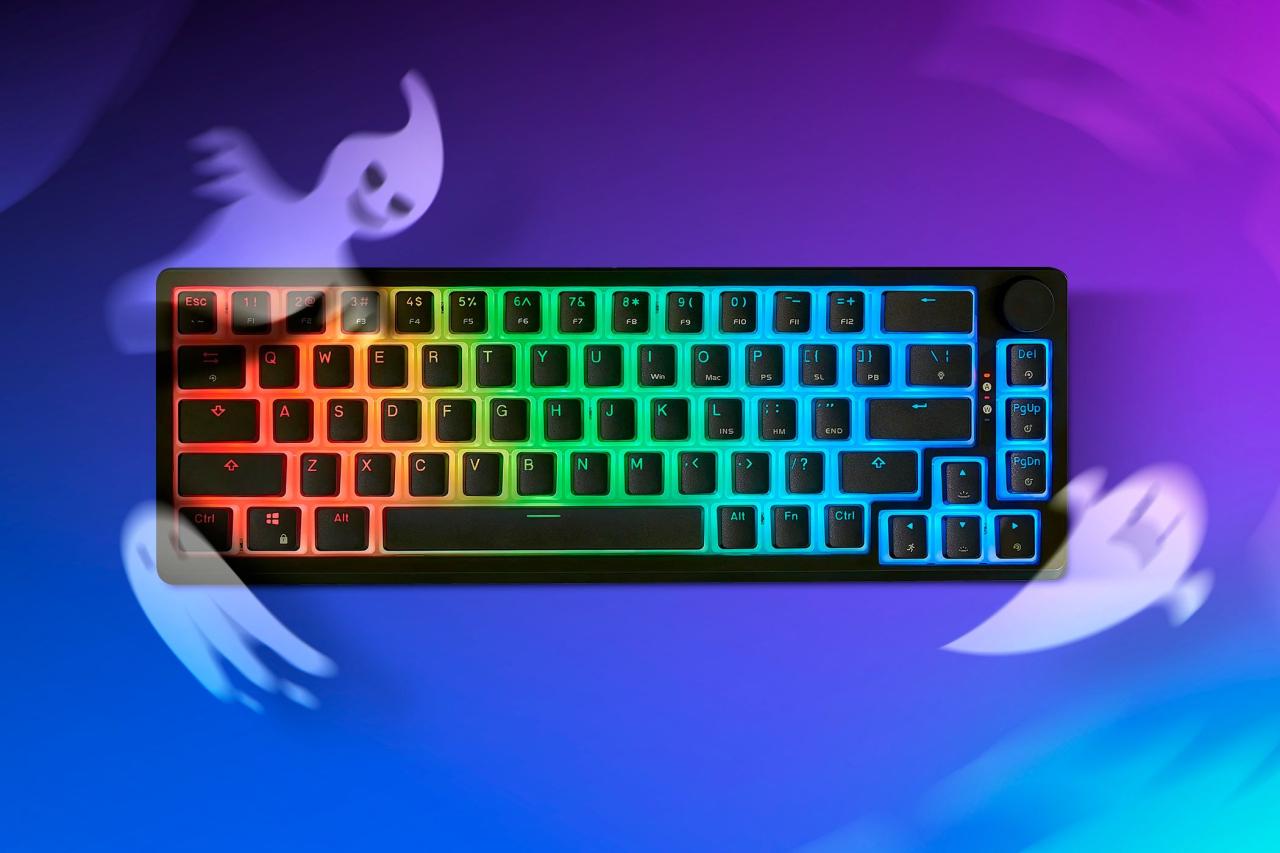
As gaming technology continues to evolve, so too does the equipment that enhances the experience, with gaming keyboards at the forefront of these advancements. The future promises to bring exciting innovations and trends that not only prioritize performance but also user experience and customization. With this in mind, we’ll explore the anticipated changes in gaming keyboard technology, the integration of smart technologies, and how the needs of gamers will influence upcoming designs.
Predicted Innovations in Gaming Keyboards
The gaming keyboard market is set to undergo a transformative period, driven by technological advancements and changing gamer preferences. Key trends expected to shape the future of gaming keyboards include:
- Mechanical Switch Evolution: As gamers become more discerning, the demand for mechanical switches that offer enhanced tactile feedback and faster response times is on the rise. We may see hybrids that combine the best aspects of mechanical and membrane switches, providing gamers with speed without sacrificing the satisfying click.
- Wireless Capabilities: The shift towards a more cable-free gaming setup will see wireless gaming keyboards gaining popularity. Improvements in battery technology and low-latency connections will make wireless keyboards as reliable as their wired counterparts, allowing for greater flexibility in gameplay.
- Customizable RGB Lighting: Personalization will take center stage, with keyboards featuring advanced RGB lighting options that can be programmed to respond to in-game events. This could create an immersive atmosphere, enhancing the overall gaming experience.
- Ergonomic Designs: As gaming sessions grow longer, ergonomic keyboards that reduce strain on the wrists and hands will become essential. Future designs may incorporate adjustable palm rests and split layouts to cater to a wider range of ergonomic needs.
Integration with AI and Smart Technology
The potential integration of artificial intelligence and smart technology into gaming keyboards is set to redefine the user experience. AI can facilitate enhanced adaptability, allowing keyboards to learn a player’s habits and preferences, thereby optimizing their performance over time. Here are some anticipated features that could arise from this integration:
- Dynamic Key Mapping: Using machine learning algorithms, gaming keyboards could automatically adjust key mappings based on the games played most frequently, ensuring that key placements are always optimal for the user’s gameplay style.
- Performance Analytics: Future keyboards may come equipped with built-in analytics tools that track a player’s performance, providing insights into their gameplay strategy and areas for improvement.
- Voice Command Capabilities: With the rise of smart technology, keyboards may support voice commands, allowing gamers to execute complex commands hands-free, thus streamlining the gaming experience and enhancing multitasking capabilities.
Evolving Gamer Needs Shaping Design
As the gaming community expands and diversifies, so do the needs and preferences of gamers. Upcoming models of gaming keyboards will likely be influenced by several factors that reflect these changing demands:
- Accessibility Features: Future designs will likely include features that cater to gamers with disabilities, such as adjustable key sensitivity, customizable layouts, and even visual aids for visually impaired users.
- Cultural and Genre-Specific Features: As gaming genres become more varied, keyboards may incorporate features catering to specific genres, like dedicated keys for MOBA games or customizable layouts for FPS, reflecting the unique needs of different gaming communities.
- Environmental Considerations: With a growing focus on sustainability, the production of gaming keyboards may shift towards eco-friendly materials and energy-efficient manufacturing processes, resonating with environmentally conscious consumers.
Last Word
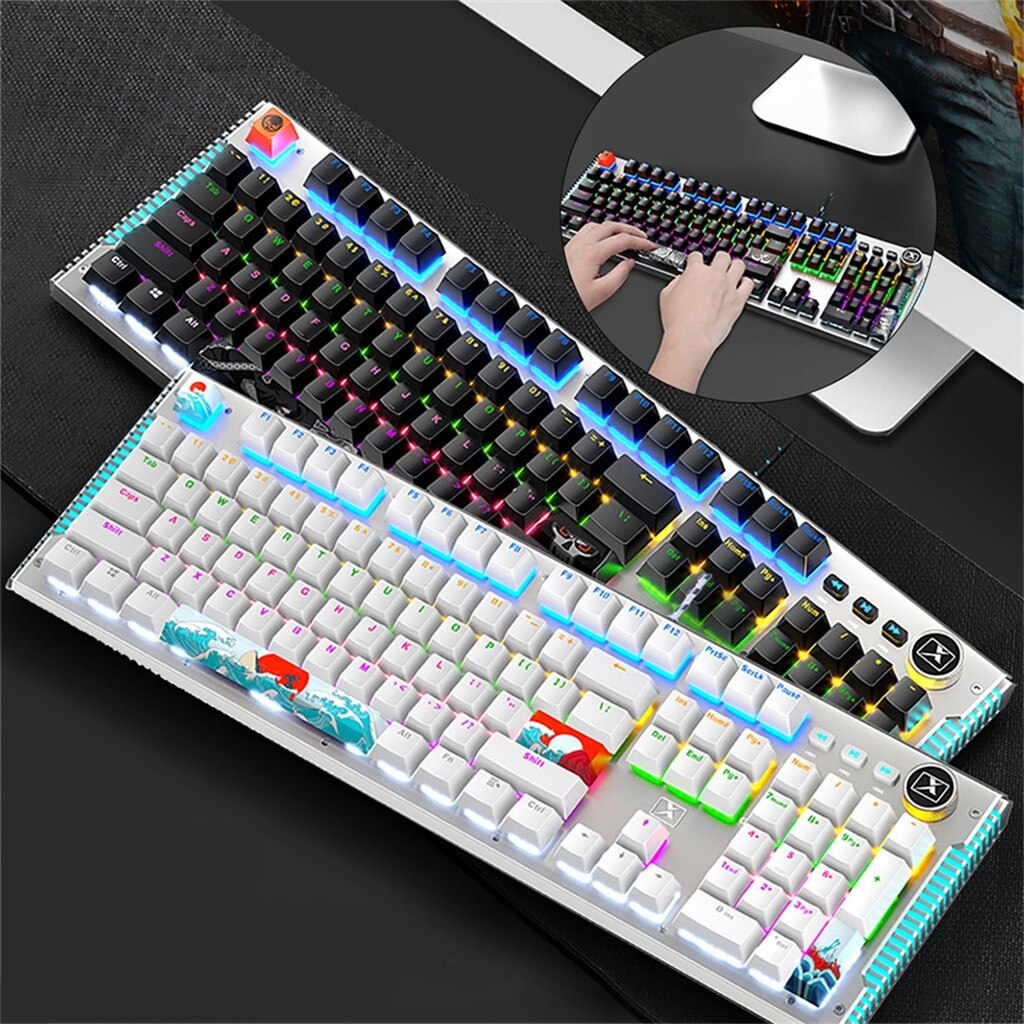
In conclusion, gaming keyboards are more than just accessories; they significantly impact gameplay and user satisfaction. As technology continues to advance, the future promises even more exciting innovations that will reshape how gamers interact with their virtual worlds.
General Inquiries
What is the difference between mechanical and membrane keyboards?
Mechanical keyboards use individual switches for each key, providing tactile feedback and durability, while membrane keyboards have a more quiet operation but less tactile response.
Are gaming keyboards worth the investment?
Yes, gaming keyboards often offer better performance, durability, and features that can enhance the gaming experience, making them a worthwhile investment for serious gamers.
Can gaming keyboards be used for typing?
Absolutely! While they are designed for gaming, many gaming keyboards also provide a comfortable typing experience.
What features should I look for in a gaming keyboard?
Key features to consider include mechanical switches, customizable RGB lighting, programmable keys, and anti-ghosting capabilities for better performance.
How often should I clean my gaming keyboard?
It’s recommended to clean your gaming keyboard every few months, or more frequently if you notice buildup of dust or debris.