
 Widya pasha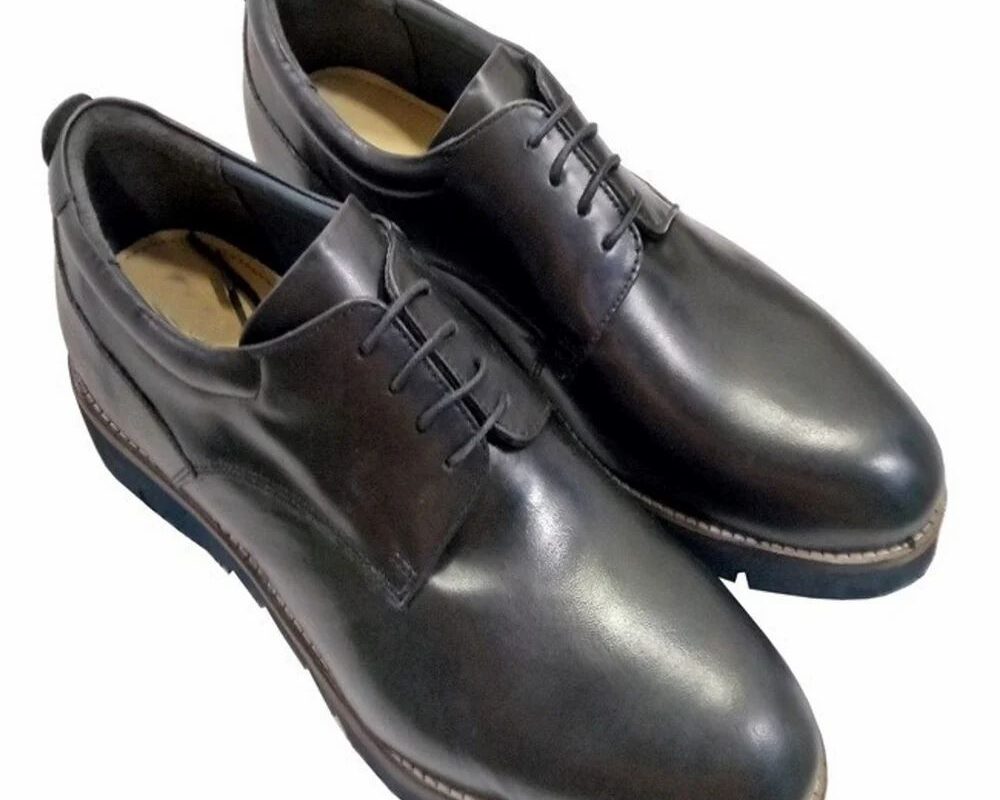
Formal shoes have been an essential element of style and sophistication for centuries. From their origins in ancient civilizations to modern-day designs, these shoes reflect not only fashion trends but also cultural evolutions. As we explore this fascinating journey, we uncover how formal footwear has shifted in style, material, and purpose, adapting to the demands of both professional and social environments.
Understanding the intricate details of formal shoes involves delving into their historical significance and the various types available today. Each style, be it Oxfords, Derbies, Brogues, or Loafers, serves a unique purpose and conveys a certain level of formality. Choosing the right pair for an occasion, ensuring a proper fit, and maintaining your shoes are key to making a lasting impression. Join us as we navigate through the elegant world of formal footwear.
Understanding the Evolution of Formal Shoes
The evolution of formal shoes is a fascinating journey that reflects the culture, technology, and social norms of various eras. From their humble beginnings to the sophisticated designs of today, formal footwear has undergone significant transformations. Over time, these changes have not only been influenced by fashion trends but also by advancements in materials and manufacturing techniques which have shaped their appearance and functionality.
Throughout history, formal shoes have served not only as footwear but also as an expression of status and identity. The earliest recorded formal shoes date back to ancient Egypt, where sandals made from papyrus and leather were worn by the elite. As civilizations progressed, the styles evolved; during the Roman Empire, footwear became more structured with the introduction of closed shoes and more intricate designs. Fast forward to the Middle Ages, and we see pointed-toed shoes called “poulaines,” which were often exaggerated in length, signifying the wearer’s social standing.
The Renaissance brought about notable changes in formal shoe design, emphasizing elegance and craftsmanship. This era saw the emergence of the ankle boot and brogue styles, where decorative perforations became a hallmark of sophistication. The Industrial Revolution marked a pivotal point in shoe manufacturing. With the advent of machinery, mass production transformed the way shoes were made, making them more accessible to the general public. Leather became the primary material used, favored for its durability and comfort.
Cultural Influences on Formal Footwear
The cultural narratives surrounding formal shoes have significantly impacted their design and usage over the decades. During the 20th century, societal changes reflected in the footwear worn by different classes. Post-World War II, the rise of the business professional led to the popularity of oxford shoes, characterized by their closed lacing system, symbolizing authority and formality.
A notable shift occurred in the 1960s and 1970s with the introduction of the loafer, which embodied a more relaxed yet classy vibe, appealing to a younger generation. The influence of pop culture and music icons, like The Beatles, also played a significant role in shaping footwear trends, pushing the boundaries of traditional formal styles.
Materials and techniques have also seen remarkable changes. The introduction of synthetic materials in the late 20th century provided new avenues for creativity in design, allowing for a variety of textures and colors previously unavailable. Today, formal shoes are often made with a blend of traditional leather, sustainable materials, and advanced textile technologies, enhancing both comfort and style.
In summary, formal shoes are not merely items of fashion but a reflection of historical, cultural, and technological narratives that continue to evolve. Their journey from ancient sandals to contemporary designs encapsulates the dynamic interplay of society’s values and innovations in craftsmanship.
Distinguishing Different Types of Formal Shoes
Formal shoes are an essential part of any wardrobe, especially for occasions that call for a polished and sophisticated appearance. Understanding the various types of formal shoes available can help individuals choose the appropriate footwear that complements their outfit and suits the specific occasion. This knowledge is crucial for making a lasting impression in professional settings, social gatherings, or formal events.
Formal shoes can be categorized into distinct types, each with unique characteristics that define their style and functionality. Below is a detailed description of four popular types of formal shoes: Oxfords, Derbies, Brogues, and Loafers. Each type varies in design and suitability, making it essential to know when to wear them.
Oxfords
Oxfords are characterized by their closed lacing system, where the eyelet tabs are sewn under the vamp, creating a sleek and tidy appearance. This traditional style is generally considered the most formal among shoe types, making them ideal for business settings and formal events.
– Occasions: Oxfords are perfect for job interviews, formal business meetings, and weddings.
– Style pairing: They pair well with suits and tailored trousers, enhancing a polished look.
Derbies
Derbies, also known as Bluchers, feature an open lacing system where the eyelet tabs are sewn on top of the vamp. This design allows for a more relaxed fit compared to Oxfords, making them versatile for both formal and semi-formal occasions.
– Occasions: Suitable for casual Fridays at work, dinner parties, and less formal weddings.
– Style pairing: Derbies can be worn with chinos, dress pants, or smart-casual attire.
Brogues
Brogues are distinguished by their decorative perforations and wingtip designs. They can come in both Oxford and Derby styles, which adds nuance to their versatility. Brogues offer a stylish twist that can dress up or down an outfit, depending on the occasion.
– Occasions: Ideal for smart-casual environments, networking events, and creative workspaces.
– Style pairing: They complement blazers, tailored shorts, and even denim for a sophisticated yet approachable look.
Loafers
Loafers are slip-on shoes that boast a more relaxed style, often featuring decorative elements like tassels or penny straps. They are considered less formal than the previous types, making them suitable for a range of occasions while still maintaining elegance.
– Occasions: Perfect for summer events, casual office environments, and social gatherings.
– Style pairing: Loafers pair well with rolled-up trousers, polo shirts, and lightweight blazers for a chic, effortless vibe.
Choosing the right type of formal shoe not only enhances your outfit but also reflects your understanding of the event’s dress code.
Choosing the Right Formal Shoe for Various Occasions
Selecting the perfect formal shoe can elevate your overall appearance and confidence in various settings. Whether attending a business meeting, a wedding, or any formal event, understanding the nuances of footwear selection is crucial. This guide will delve into the essential factors to consider when choosing formal shoes, ensuring you make an informed decision that reflects your personal style while aligning with the occasion.
Factors to Consider for Different Occasions
When choosing formal shoes, several key factors come into play, depending on the nature of the event. The right shoe not only complements your outfit but also suits the setting. Here are the primary considerations:
- Business Meetings: Opt for classic styles like Oxfords or brogues in leather. A polished black or brown finish enhances professionalism.
- Weddings: Consider the dress code specified in the invitation. For formal weddings, a sleek patent leather shoe works well, while a more casual celebration may allow for suede options.
- Formal Events: Choose shoes that align with the overall theme of the event. For black-tie events, tuxedo shoes or formal loafers are appropriate.
Color Coordination in Formal Shoe Selection
The color of formal shoes plays a significant role in achieving a cohesive look. Coordinating your footwear with your outfit not only enhances your appearance but also projects a sense of attention to detail. Here are important color considerations:
- Black Shoes: Ideal for formal occasions, black shoes pair well with dark suits and evening wear.
- Brown Shoes: Versatile for both business and casual settings; lighter shades can complement lighter suits and summer attire.
- Oxblood or Burgundy Shoes: These colors add a touch of personality and flair while still maintaining formality; suitable for creative industries or less traditional events.
“Matching your shoes with your outfit is more than a trend; it’s a statement of style.”
Impact of Personal Style on Footwear Choice
Your personal style should influence your choice of formal footwear, allowing for individuality while adhering to the event’s formality. Comfort and confidence are paramount, as the right shoe should reflect who you are. Here’s how to integrate personal style into your selection:
- Classic vs. Trendy: If you favor classic styles, opt for timeless designs that never go out of fashion. Conversely, if you lean toward the trendy side, consider shoes that incorporate contemporary elements.
- Material Choice: Leather denotes elegance, while suede can offer a more relaxed vibe. Choose materials that resonate with your personal aesthetic.
- Unique Details: Look for shoes with distinctive features, such as stitching patterns or embellishments, to showcase your individuality without compromising formality.
“Footwear is an extension of your personality; let it speak for you in every occasion.”
The Significance of Proper Fit in Formal Shoes
Finding the right size in formal shoes is crucial not only for aesthetics but also for comfort and foot health. A proper fit ensures that the shoes feel good during extended wear, allowing you to focus on your activities, whether it’s a business meeting, a wedding, or any formal occasion. This section will delve into the importance of correctly measuring foot size to achieve that ideal fit, the potential consequences of wearing shoes that do not fit well, and some practical tips for ensuring the best fit, whether shopping in-store or online.
Measuring Foot Size for Proper Fit
To ensure a proper fit for formal shoes, accurately measuring your foot size is essential. Here are the key steps to follow:
1. Gather Materials: You’ll need a piece of paper, a pencil, and a ruler or measuring tape.
2. Trace Your Foot: Place the paper on a flat surface. Stand on the paper and trace around your foot, keeping the pencil upright.
3. Measure the Length: Use the ruler to measure the distance from the heel to the longest toe. This measurement in inches or centimeters will help determine your shoe size.
4. Measure the Width: To check the width, measure the widest part of your foot. Typically, shoe sizes come with width indicators (e.g., D for standard, E for wide).
5. Consider Both Feet: It’s common for one foot to be slightly larger than the other. Always fit the shoe to your larger foot.
Taking these steps ensures that you are informed of your exact measurements, leading to a more precise shoe fitting.
Consequences of Improperly Fitting Formal Shoes
Wearing shoes that do not fit correctly can lead to several complications, affecting not just comfort but overall foot health. Poorly fitting shoes can cause:
– Blisters and Calluses: Shoes that are too tight or too loose can rub against your skin, leading to painful blisters and hard calluses.
– Foot Pain: Ill-fitting shoes often result in discomfort, which can affect your gait and posture, leading to pain in the feet, knees, or back.
– Nail Problems: Tight shoes can cause ingrown toenails and other nail issues, which may require medical attention.
– Long-term Deformities: Over time, wearing the wrong size can lead to conditions like bunions or hammertoes, which may necessitate surgery.
Maintaining proper foot health is essential, and ensuring that your formal shoes fit correctly can help prevent these issues.
Tips for Trying on Shoes In-Store or Online
Achieving the best fit possible when purchasing formal shoes involves strategic steps, whether you are shopping in-store or online. When trying shoes in-store, consider the following:
– Time of Day: Try on shoes later in the day when your feet are slightly swollen, mimicking the conditions of a typical wear period.
– Wear Appropriate Socks: Bring or wear the socks you plan to use with the shoes, as thickness can affect fit.
– Walk Around: Don’t just stand; take a short walk around the store to assess comfort and fit. Pay attention to any pinching or discomfort.
For online shopping, the following tips can help ensure a suitable fit:
– Check Sizing Charts: Different brands may have varying size charts. Always consult the sizing guide before making a purchase.
– Read Reviews: Customer reviews often provide insight regarding the fit and comfort of specific styles.
– Return Policy: Ensure the retailer has a flexible return policy, allowing you to exchange or return shoes that do not fit as expected.
By following these practices, you can enhance your chances of finding the perfect fitting formal shoes, thereby ensuring both comfort and style.
Caring for and Maintaining Formal Shoes
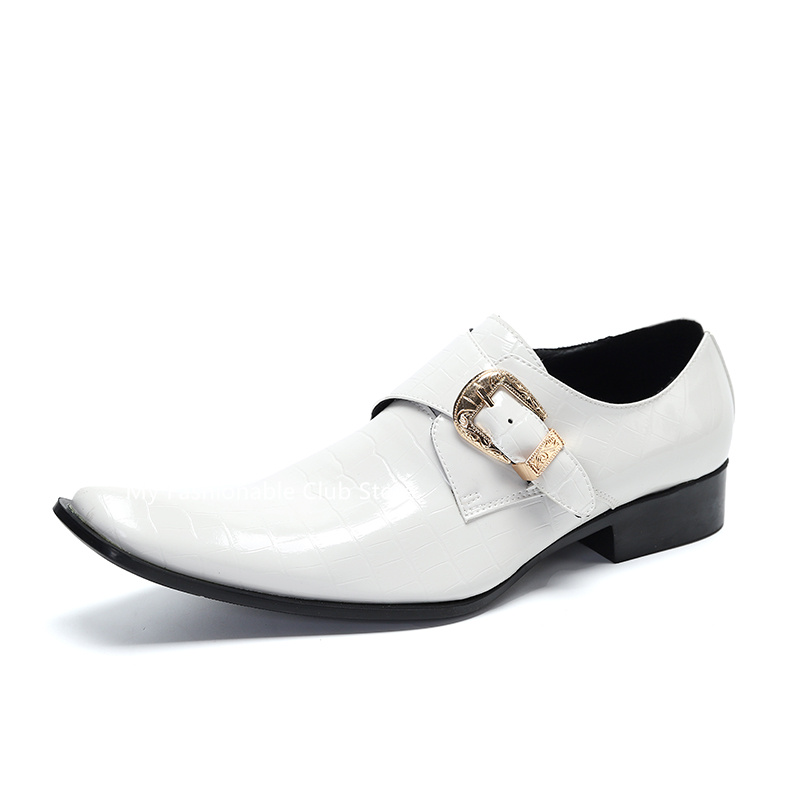
Caring for formal shoes is essential not only for maintaining their aesthetic appeal but also for extending their lifespan. Proper maintenance practices can prevent damage and keep your footwear looking as good as new. Knowing how to care for different materials, such as leather and suede, will ensure that you can enjoy your formal shoes for years to come.
Cleaning and Polishing Leather Shoes
Leather shoes are a classic choice for formal occasions, but they require regular cleaning and polishing to maintain their shine and protect them from wear. Here’s a step-by-step guide to cleaning and polishing leather shoes:
1. Gather Supplies: You will need a soft brush, damp cloth, leather cleaner, polish, and a soft cloth for buffing.
2. Remove Dirt and Dust: Use the soft brush to gently remove dirt and dust from the shoe’s surface. This step is crucial to avoid scratching the leather during the cleaning process.
3. Clean the Leather: Apply a small amount of leather cleaner to a damp cloth and gently wipe the entire surface of the shoe. Ensure that any stains or marks are addressed during this step.
4. Dry the Shoes: Let the shoes air dry for about 15-20 minutes. Avoid placing them near direct heat sources, as this can damage the leather.
5. Apply Polish: Using a clean cloth, apply a small amount of leather polish to the surface. Choose a color that matches the leather.
6. Buff the Shoes: Once the polish has dried, use a soft cloth to buff the shoes in circular motions, enhancing the shine.
7. Final Touch: For extra shine, you can finish with a damp cloth for a high-gloss finish.
Cleaning and Caring for Suede Shoes
Suede shoes, while stylish, are more delicate than their leather counterparts. Proper cleaning and maintenance are essential to avoid permanent stains or damage.
1. Brush Off Dirt: Use a suede brush to gently remove dirt and grime. Brush in one direction to maintain the fabric’s texture.
2. Address Stains: For light stains, use a clean eraser or a specific suede cleaner. Rub gently to lift the stain without damaging the material.
3. Store Properly: Store suede shoes in a cool, dry place away from direct sunlight. Consider using a shoe tree to maintain shape.
4. Protect with Spray: Applying a water and stain repellent specifically designed for suede can help protect your shoes from moisture and dirt.
Importance of Regular Maintenance
Regular maintenance of formal shoes is crucial for several reasons. It prevents permanent damage, preserves the shoe’s structure, and enhances comfort. By dedicating time to care for your shoes, you can avoid costly replacements and ensure they remain in excellent condition.
“A well-maintained pair of shoes can last for years, showcasing both style and sophistication.”
Proper Storage of Formal Shoes
Storing formal shoes correctly is vital to prevent damage and maintain their shape. Here are some best practices for shoe storage:
– Use Shoe Trees: Insert cedar shoe trees into your shoes when not in use. They help absorb moisture and retain the shape of the shoe.
– Avoid Direct Sunlight: Store shoes in a cool, dry area away from direct sunlight to prevent fading and cracking.
– Use Dust Bags or Boxes: Place formal shoes in their original boxes or fabric dust bags to keep them protected from dust and scratches.
– Maintain Airflow: Ensure that shoes are not tightly packed together in a closet, as this can lead to moisture buildup and odor.
By following these steps and tips for cleaning, polishing, and storing your formal shoes, you can maintain their elegance and functionality for many years to come.
The Role of Formal Shoes in Professional and Social Settings
Formal shoes are more than just a requirement for dressing up; they play a significant role in shaping perceptions and influencing confidence in both professional and social environments. The psychological impact of wearing formal shoes can enhance one’s self-image and affect how colleagues, clients, and peers perceive an individual.
The choice of formal footwear is often dictated by unwritten rules that vary across different business cultures and settings. Understanding these nuances is essential for navigating professional landscapes effectively.
Psychological Effects on Confidence and Perception
Wearing formal shoes can significantly boost an individual’s confidence. The right pair can instill a sense of authority and professionalism, leading to improved performance in workplace interactions. Studies indicate that people who dress well, including wearing formal shoes, tend to exhibit greater self-assurance and assertiveness in their roles. This phenomenon is often referred to as “enclothed cognition,” where the physical experience of wearing certain types of clothing affects the wearer’s psychological state.
“Your shoes reflect your personality and impact how you feel about yourself, which in turn influences others’ perceptions of you.”
The perception of formality associated with shoes can vary widely among different cultures. For example:
- In many Western business environments, black leather shoes are considered the standard for formal occasions, signaling respect and professionalism.
- In contrast, some Asian cultures might prioritize a polished appearance, where shoes are expected to be impeccably clean and well-maintained to reflect personal discipline.
- In creative industries, there may be more flexibility regarding footwear, allowing for personal expression while still maintaining an air of professionalism.
Unwritten Rules in Business Cultures
The unwritten rules concerning formal footwear can dictate the appropriateness of various styles based on the workplace environment. Adhering to these norms is crucial for success in professional settings.
In some sectors, such as finance and law, strict guidelines apply. Here, the emphasis tends to be on traditional styles, like oxfords for men and classic pumps for women. Failure to conform can lead to perceptions of unprofessionalism. Conversely, tech startups might embrace a more relaxed approach, allowing for trendy loafers or even stylish sneakers, as long as they maintain a polished appearance.
Understanding these cultural nuances helps in navigating professional engagements. Here are some considerations:
- Research the company culture before attending interviews or meetings to understand the expected footwear style.
- Observe senior colleagues to gauge accepted practices regarding formal shoes and adapt accordingly.
- In global organizations, be mindful of regional variations in formal shoe expectations.
Social Status and Style in Communities
The choice of formal shoes often reflects social status and personal style, particularly within various communities. In some circles, high-end brands serve as status symbols, while in others, the emphasis may be on sustainability or handmade craftsmanship.
The relationship between formal shoes and social standing can be profound. For example, luxury brands such as Gucci or Prada are often associated with wealth and exclusivity, making them sought after in affluent communities. In contrast, communities that value ethical fashion may prioritize brands that focus on sustainability and fair trade, influencing their choice of formal footwear.
“Footwear can be a silent communicator of one’s social standing and lifestyle choices in any community.”
Among younger generations, the rise of social media has also influenced perceptions of style, making it essential to stay current with trends while maintaining professionalism. This interplay between formal shoes and social status highlights the complexity of how we navigate our identities in both professional and social contexts.
Current Trends in Formal Shoe Fashion
The world of formal footwear is rapidly evolving, with contemporary designs that marry elegance with comfort and innovation. As workplaces become more relaxed and style-conscious, the definition of formal shoes has expanded, leading to a wave of creative expressions. Today’s formal shoes incorporate new materials, craftsmanship techniques, and aesthetic choices that cater to both traditionalists and modernists alike, allowing wearers to make bold statements while maintaining professionalism.
In comparing traditional formal shoe styles with modern adaptations, it becomes evident that there is a blend of classic finesse with contemporary flair. While traditional styles like Oxfords and Brogues maintain their place in formal settings, they are now often seen paired with non-traditional fabrics and colors. The rise of loafers and other slip-on styles reflects a shift towards comfort without sacrificing style, highlighting the demand for versatile footwear that can transition from office to evening events seamlessly.
Innovations and Stylish Adaptations in Formal Footwear
Recent trends in formal shoe fashion showcase a variety of innovative designs and materials that reflect current consumer preferences. Notably, the use of sustainable materials has gained traction, with brands focusing on eco-friendly options that do not compromise on style or quality.
Leading brands such as Allen Edmonds, Cole Haan, and Clarks have embraced this shift, introducing collections that feature responsibly sourced leathers and recycled materials. Furthermore, the integration of technology in shoe design has also been a significant trend. Many formal shoes now include comfort-enhancing features such as cushioned insoles and breathable linings, making them suitable for all-day wear.
The aesthetic aspect of formal footwear has also seen significant changes. Bright colors, unique textures, and patterns are becoming more accepted in formal attire. For example, shoes with subtle prints or metallic finishes allow wearers to express their individuality while maintaining a professional appearance.
Another noteworthy trend is the resurgence of bold silhouettes, such as chunky soles and platform designs, which provide a modern twist to traditional shapes. This juxtaposition not only elevates the wearer’s height but also adds a contemporary edge to classic formal styles.
The current market leaders in formal shoe fashion are not just creating shoes but are also shaping the future of formal wear through innovative design and thoughtful production practices. Brands like Paul Smith and Hugo Boss are at the forefront, offering collections that reflect a sophisticated yet modern interpretation of formal footwear. This evolution highlights how formal shoes are no longer just a necessity for work, but a canvas for personal expression in the business world.
The Future of Formal Shoes in Fashion
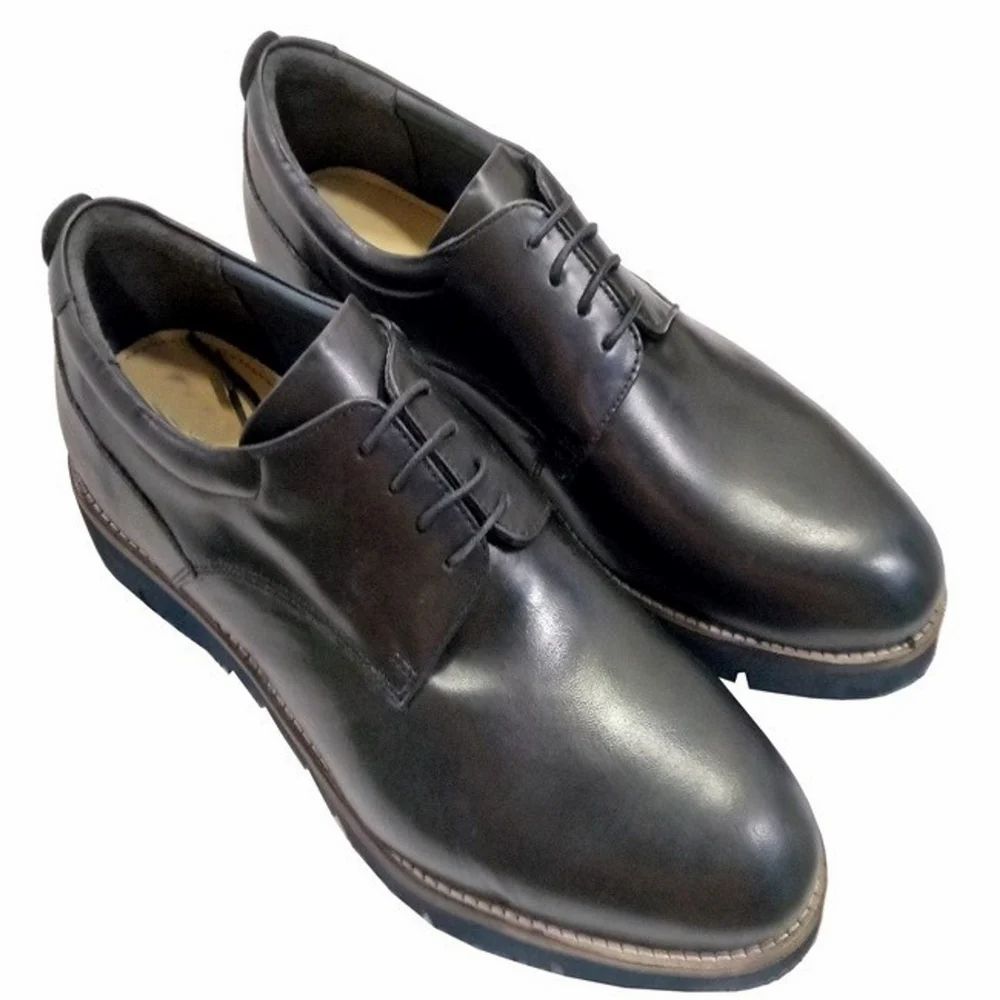
As we look towards the future of formal shoes, several exciting trends are emerging that will reshape the landscape of this industry. The interplay between sustainability, technology, and evolving fashion norms is becoming increasingly significant. It is essential for brands and consumers alike to keep pace with these changes, as they will dictate the direction of formal footwear.
The integration of sustainability into the formal shoe industry is gaining momentum. As awareness of environmental issues grows, consumers are increasingly seeking products that not only meet their style preferences but also align with their values. Brands are responding by adopting eco-friendly materials, like recycled plastics and organic textiles, while also implementing sustainable production processes. These shifts not only cater to ethical consumerism but also open up avenues for innovation in design.
Sustainable Practices and Technology in Footwear
The future of formal shoes is likely to be heavily influenced by advancements in technology and a commitment to sustainable practices. The development of biodegradable materials and 3D printing technology offers potential solutions to traditional manufacturing challenges. As these technologies mature, they may redefine how formal shoes are produced, reducing waste and energy consumption. This shift towards sustainability can lead to more efficient supply chains and lower costs, making eco-friendly formal footwear accessible to a broader audience.
Additionally, brands are embracing technology in other aspects, such as smart footwear. Features like integrated sensors for comfort tracking and temperature control may become standard, enhancing the user experience.
Customizable Formal Shoes and Consumer Choice
The rise of customizable formal shoes is transforming consumer engagement in the footwear industry. More brands now allow customers to personalize their styles, colors, and materials, leading to a unique product that reflects individual preferences. This trend not only caters to the demand for exclusivity but also enhances customer satisfaction and loyalty.
By providing options for customization, brands tap into the growing desire for personal expression. Innovations in online design platforms enable consumers to visualize their creations in real-time, making the shopping experience interactive and enjoyable. Customization can also extend to fit, allowing customers to choose sizes or widths that cater to their comfort, which is particularly important in formal footwear.
Changing Dress Codes and Their Impact on Formal Footwear
The evolution of dress codes in professional and social settings is significantly influencing the design and functionality of formal shoes. With the rise of remote work and casual office environments, traditional definitions of formal wear are being challenged. This shift is prompting designers to innovate, blending classic styles with modern aesthetics to create versatile footwear that can transition seamlessly from formal to casual settings.
As dress codes continue to evolve, formal shoes may see a rise in hybrid designs. For instance, sleek dress sneakers or loafers that incorporate athletic elements could become standard in professional wardrobes. This trend not only enhances comfort but also allows individuals to express their personal style within the confines of a professional setting.
In summary, the future of formal shoes is poised for transformation through sustainability, technology, and changing cultural norms, creating an exciting landscape for consumers and manufacturers alike.
Final Thoughts
In conclusion, formal shoes are more than just a wardrobe staple; they symbolize professionalism, confidence, and personal style. As we’ve discussed, understanding their evolution, the variety available, and their care can greatly enhance your footwear choices. With ever-changing trends and a push towards sustainable practices, the future of formal shoes looks promising, encouraging both innovation and customization. Step into your next event with the right pair, and let your shoes tell your story.
FAQ Insights
What are the best materials for formal shoes?
High-quality leather is the most recommended material, but suede and synthetic options can also be suitable for certain styles and occasions.
How often should I polish my formal shoes?
It’s best to polish your shoes every few weeks, or whenever they start to look dull, to maintain their appearance and longevity.
Can I wear formal shoes with casual attire?
Yes, depending on the shoe style, some formal shoes can complement smart-casual outfits, but it’s essential to consider the overall look.
How do I prevent my formal shoes from creasing?
Using shoe trees when not in use can help maintain the shape and prevent creasing in your formal shoes.
What’s the difference between Oxfords and Derbies?
The main difference lies in the lacing system; Oxfords have a closed lacing system, while Derbies feature an open lacing system, granting them a slightly more relaxed appearance.