
 Widya pasha
Drone technology has rapidly transformed from a niche concept into an integral part of various industries, captivating the imagination of enthusiasts and professionals alike. As we delve into the evolution of drones, we discover not just their history but also how advancements have reshaped their capabilities, allowing them to perform an array of tasks previously thought impossible.
From agriculture to emergency services, drones are revolutionizing the way we approach challenges in numerous fields. Their efficiency and cost-effectiveness compared to traditional methods highlight their growing significance, paving the way for a future where drones are commonplace in our daily lives.
The evolution of drones and their technology advancements
The journey of drone technology has been nothing short of remarkable, evolving from basic radio-controlled aircraft to sophisticated flying machines used in various sectors, including military, commercial, and recreational applications. This evolution reflects significant technological advancements over the decades, paving the way for the modern drones we see today.
The inception of drone technology can be traced back to World War I when the first rudimentary unmanned aerial vehicles (UAVs) were developed for military reconnaissance. The Kettering Bug, designed in the 1910s, is often regarded as the first true drone, utilizing a simple autopilot system to navigate its flight path. Fast forward to the late 20th century, the development of more advanced UAVs occurred, primarily for military purposes. The introduction of the RQ-1 Predator in the 1990s marked a significant breakthrough, as it combined sophisticated sensors and the ability to conduct long-range missions.
Technological breakthroughs in drone capabilities and design
Several key technological breakthroughs have greatly influenced the capabilities and design of drones, making them more versatile and user-friendly. These advancements include:
- GPS Integration: The incorporation of Global Positioning System (GPS) technology has allowed drones to navigate with precision, significantly improving their functionality in various applications, from aerial photography to agriculture.
- Improved Battery Technology: The development of lithium polymer batteries has greatly increased flight times and payload capacities, enabling drones to carry heavier payloads over longer distances.
- Advanced Sensors: Drones now come equipped with high-resolution cameras and thermal imaging sensors, enhancing their capabilities for surveillance, search and rescue operations, and environmental monitoring.
- Autonomous Flight Systems: Innovations in artificial intelligence and machine learning have led to autonomous flight systems that enable drones to make decisions during flight, such as avoiding obstacles and optimizing flight paths.
- Cloud Computing: Cloud-based systems allow for data storage and processing, enabling real-time analysis and collaboration among users, enhancing operational efficiency.
The drone industry is characterized by several key players who have significantly contributed to its technological evolution. Companies such as DJI have pioneered consumer drones, providing advanced technology at accessible price points. In the military sector, manufacturers like Northrop Grumman and General Atomics have developed cutting-edge UAVs that enhance national security capabilities. Additionally, companies like Parrot and senseFly have pushed the boundaries in commercial applications, setting the stage for drones in sectors like agriculture, construction, and disaster management.
“The rapid evolution of drone technology illustrates the powerful convergence of engineering, software development, and user demand.”
The various applications of drones across different industries
Drones have rapidly evolved from military tools to versatile instruments that are transforming various industries. Their ability to access hard-to-reach areas, collect real-time data, and perform tasks with precision has made them invaluable across sectors such as agriculture, construction, and emergency services. This discussion delves into the specific applications of drones in these industries, highlighting their advantages and comparing them with traditional methods.
Agriculture Applications
Drones are revolutionizing agricultural practices by enhancing efficiency and crop management. They are used for crop monitoring, soil analysis, and even precise pesticide application. Here are some key ways drones are utilized in agriculture:
- Crop Monitoring: Drones equipped with multispectral cameras can capture high-resolution images that help farmers assess plant health, monitor growth patterns, and detect diseases early on.
- Soil Analysis: Drones can conduct aerial surveys to map soil conditions, allowing farmers to make informed decisions about fertilization and irrigation.
- Pesticide Application: Using drones for pesticide spraying reduces the amount of chemicals used and minimizes the exposure of workers to hazardous substances.
For instance, a case study involving a vineyard in California demonstrated that drones improved yield prediction accuracy by 20% compared to traditional methods. This not only saved time but also significantly reduced operational costs.
Construction Applications
In the construction industry, drones provide a range of functionalities that enhance project planning, monitoring, and safety. Their applications include:
- Site Surveys: Drones can quickly survey large construction sites, creating detailed maps and 3D models that facilitate project planning and progress tracking.
- Progress Monitoring: Regular aerial inspections offer insights into construction progress, helping project managers ensure timelines are met.
- Safety Inspections: Drones can inspect hard-to-reach areas, reducing the risk to workers and increasing safety on construction sites.
A construction firm in New York utilized drones to complete site surveys in one-tenth of the time it would take using traditional surveying methods, illustrating a clear efficiency advantage.
Emergency Services Applications
Drones have become indispensable tools in emergency services, providing critical support in various scenarios such as search and rescue operations, disaster response, and firefighting. Their applications include:
- Search and Rescue: Drones equipped with thermal imaging cameras can locate missing persons in challenging terrains, providing timely assistance and reducing recovery times.
- Disaster Response: In the aftermath of natural disasters, drones can assess damage and identify areas requiring urgent aid, enabling faster response efforts.
- Firefighting: Drones assist firefighters by providing real-time aerial views of fire spread and hotspots, improving strategy and resource deployment.
In 2017, during Hurricane Harvey, drones helped emergency services map flood zones and assess damage, which expedited relief efforts significantly compared to conventional methods.
Drones not only enhance efficiency but also reduce costs and improve safety across various industries.
Regulatory challenges facing drone usage
The rapid growth of drone technology has brought forth a complex web of regulatory challenges across the globe. As drones become increasingly integrated into various sectors such as agriculture, logistics, and surveillance, the need for a robust legal framework becomes paramount. Regulatory bodies are tasked with ensuring safety, privacy, and efficient airspace management, which can be quite challenging given the diverse interests and rapid advancements in drone technology.
The legal framework governing drone operations varies significantly by region, influenced by factors such as airspace classification, safety standards, and privacy laws. Countries like the United States, European Union member states, and Australia have established their frameworks, yet the differences can create hurdles for drone operators. In the U.S., the Federal Aviation Administration (FAA) oversees drone regulations, mandating registration, pilot certification, and adherence to operational limitations. In contrast, the European Union’s EASA (European Union Aviation Safety Agency) sets out regulations that apply to all member states, focusing on harmonization and safety across borders.
Airspace regulations and privacy issues
Navigating airspace regulations is one of the foremost challenges faced by drone operators. The airspace is classified into various categories, each with specific rules that dictate where and how drones can operate. Operators often encounter restrictions near airports, military installations, and urban areas, which can limit operational flexibility. Furthermore, compliance with these regulations is closely monitored, and violations can lead to significant penalties.
The issue of privacy has also become increasingly pertinent as drones become capable of capturing high-resolution images and videos. Operators must be vigilant about privacy concerns, especially in densely populated areas. Various jurisdictions have implemented laws that restrict the recording of individuals without their consent, complicating the use of drones for surveillance or media purposes. For example, in some U.S. states, legislation has been introduced to protect individuals from unsolicited aerial surveillance, mandating drone operators to respect privacy and obtain permission before capturing images of private properties.
Recent legislative changes have had a profound impact on drone usage and the industry’s growth trajectory. In 2020, the FAA introduced new regulations that required remote identification for drones, akin to a “license plate” for UAVs, enhancing accountability and operational transparency. This shift is expected to facilitate more complex operations, such as drone deliveries and urban air mobility, while ensuring safety and security. Similarly, the EU’s updated drone regulations, effective from January 2021, have streamlined operations across member states, eliminating the need for individual national permits for drone operations in many cases.
Overall, the regulatory landscape for drone operations is dynamic and continually evolving. Operators must stay informed of changes and adapt to new requirements to navigate the complexities of compliance effectively.
The future of drones and potential innovations on the horizon
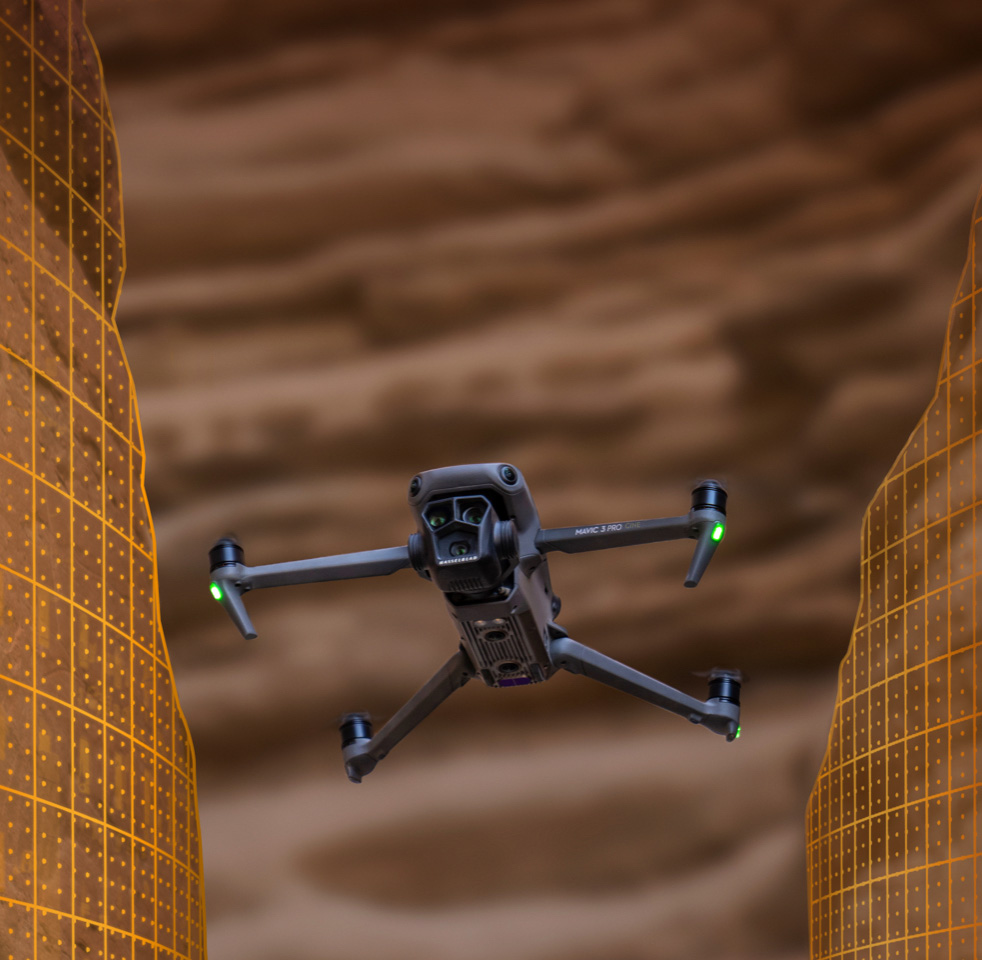
As drone technology continues to evolve, we are witnessing an exciting wave of innovations that promise to reshape various industries. The future of drones is poised for remarkable advancements, driven by emerging trends in technology and creative applications across diverse fields. These developments not only enhance operational efficiencies but also introduce new possibilities that could revolutionize how we perceive and utilize drones in our daily lives.
Advancements in drone technology are taking shape through increased automation, enhanced connectivity, and improved data analytics. This evolution is not just limited to hardware improvements; software innovations, particularly in artificial intelligence (AI) and machine learning, are charting new territories. Drones today are becoming smarter, capable of autonomous decision-making, and integrating with other technologies to create a seamless operational ecosystem.
Emerging trends in drone technology
The landscape of drone technology is rapidly evolving, with several key trends gaining traction. Understanding these trends is essential for grasping the scope of future drone applications. Below are some noteworthy trends that are shaping the future of drones:
- Increased automation: Drones are being equipped with advanced navigation systems and autonomous capabilities, allowing them to operate with minimal human intervention. This trend is anticipated to boost efficiency in sectors like logistics and agriculture.
- Integration with IoT: As drones increasingly connect to the Internet of Things (IoT), they can share data in real-time, enhancing their functionality. This can lead to improved monitoring in areas such as wildlife conservation and infrastructure inspection.
- Swarm technology: The development of drone swarms offers a new dimension in operational capabilities. Swarms can communicate and coordinate with one another, optimizing tasks such as delivery services and search-and-rescue missions.
- Urban air mobility: With the push for urban air mobility solutions, drones are being explored as potential transportation options in congested metropolitan areas, promising to alleviate traffic and improve logistics.
- Enhanced payload capacity: Future drones are expected to carry larger payloads, enabling more complex applications such as emergency response, disaster relief, and medical deliveries.
Advancements in AI and machine learning
The next generation of drones will heavily rely on AI and machine learning technologies, which can significantly enhance their capabilities. These advancements will allow drones to process vast amounts of data, learn from their environments, and make informed decisions.
The following points illustrate how AI and machine learning are set to transform drone technology:
- Real-time data processing: AI algorithms can analyze data from various sensors in real-time, enabling drones to adapt their flight paths based on changing conditions, such as weather or obstacles.
- Predictive maintenance: Machine learning models can forecast potential failures by analyzing historical performance data, thereby minimizing downtime and maintenance costs.
- Improved image and video analysis: Drones equipped with AI can autonomously recognize objects and patterns in imagery, leading to applications in security surveillance, agriculture, and wildlife monitoring.
Ethical considerations associated with drone usage
As drone technology advances, it is crucial to address the ethical implications that may arise from their widespread use. The potential for misuse and privacy concerns necessitate a thoughtful approach to drone governance and regulations. Important considerations include:
- Privacy issues: Drones equipped with cameras can inadvertently infringe on individuals’ privacy rights. Clear regulations are needed to establish boundaries around surveillance and personal data protection.
- Safety and liability: As drones become more autonomous, questions about accountability in the event of accidents or malfunctions arise. Defining liability is essential for fostering public trust in drone technology.
- Environmental impact: The increased use of drones for deliveries and other applications may have an environmental footprint that needs assessment, including noise pollution and energy consumption.
The future of drones will not only depend on technological advancements but also on how society navigates the ethical and regulatory landscape that accompanies them.
Safety and security concerns related to drone operations
The rapid advancement in drone technology has brought about numerous benefits, but it also raises significant safety and security concerns. As drones become more integrated into various sectors, understanding the risks associated with their operation is essential to ensure safe and responsible use. This section explores common safety issues related to drone operations, security threats they pose, and real-life incidents that underscore the need for stringent safety protocols.
Common safety issues and risk mitigation measures
Drones can pose various safety challenges, particularly when operated in crowded areas or near critical infrastructure. Some common safety issues include:
- Collision with obstacles: Drones may collide with buildings, trees, or other aircraft, leading to accidents. To mitigate this risk, operators should conduct pre-flight checks, utilize GPS and obstacle avoidance systems, and maintain visual line-of-sight during operations.
- Loss of control: Technical failures or operator error can lead to loss of control. Regular maintenance and software updates, as well as thorough pilot training, are crucial to minimizing this risk.
- Battery failure: Sudden battery depletion can cause a drone to crash. Operators should monitor battery levels closely and implement safe landing practices when power is low.
Security threats posed by drones
Drones can also present significant security threats, including unauthorized surveillance and potential attacks. Their ability to capture high-resolution images and video makes them attractive tools for malicious actors. Security concerns include:
- Unauthorized surveillance: Drones can be used to monitor private properties or sensitive installations without consent. This poses privacy issues and can lead to data breaches. Implementing no-fly zones and anti-drone technologies can help mitigate these threats.
- Weaponization: There have been instances where drones have been modified to carry explosives or other harmful payloads. This highlights the need for regulations to ensure that drones are used safely and that their capabilities are not exploited for malicious purposes.
- Interference with emergency services: Drones can interfere with firefighting efforts, medical transport, and law enforcement operations. Establishing strong communication protocols and airspace management is vital to prevent such incidents.
Real-life incidents highlighting safety protocol needs
Several incidents have occurred that underscore the necessity for improved safety measures in drone operations:
- Gatwick Airport disruption (2018): Reports of drones flying near the airport caused significant disruptions, leading to the cancellation of over 1,000 flights and affecting thousands of passengers. This incident highlighted the need for better surveillance and control measures in urban airspace.
- Drone crashes in populated areas: There have been numerous reports of drones crashing into buildings or pedestrians, leading to injuries and property damage. Such incidents stress the importance of strict operating guidelines and public awareness campaigns.
- Security breaches at military installations: There have been cases where drones were flown into restricted areas, demonstrating the risks associated with drone technology in terms of national security. Increased enforcement of airspace regulations and technological countermeasures are crucial to prevent such breaches.
Environmental impact of drones
The deployment of drone technology has significantly influenced various sectors, particularly in environmental monitoring and conservation. Drones offer unique advantages that allow us to better understand and protect our natural habitats. However, the ecological effects of their use warrant careful consideration, balancing the benefits against potential drawbacks.
Drones have emerged as powerful tools in the realm of environmental monitoring and conservation efforts. They facilitate data collection over large and often inaccessible areas with minimal disruption to ecosystems. Equipped with high-resolution cameras and sensors, drones can monitor wildlife populations, track deforestation, and assess the health of natural resources. They are instrumental in gathering real-time information that enhances conservation strategies and helps in responding to environmental changes proactively.
Positive and negative ecological effects of drones in natural habitats
The application of drones in environmental tasks brings about both beneficial and detrimental effects on ecosystems. Understanding these impacts is crucial for implementing responsible drone usage.
- Positive effects:
- Precision monitoring of wildlife populations, reducing the need for intrusive field studies.
- Enhanced data collection for mapping and tracking changes in land use, facilitating better resource management.
- Rapid assessment capabilities allow for quick responses to environmental threats like poaching or illegal logging.
- Negative effects:
- Potential disturbances to wildlife, particularly during breeding seasons or in sensitive habitats.
- Invasive species risks if drones are not properly sanitized between locations.
- Noise pollution, which may lead to stress in certain animal populations.
Comparison of drone technology versus traditional environmental monitoring methods
When evaluating the effectiveness of drone technology against traditional methods, it becomes evident that drones provide distinct advantages. Traditional environmental monitoring often relies on ground surveys, which can be time-consuming, labor-intensive, and limited in scope.
| Criteria | Drone Technology | Traditional Methods |
|---|---|---|
| Data Collection Speed | High; can cover large areas quickly. | Low; limited by manpower and time. |
| Access to Remote Areas | Excellent; can easily reach difficult terrains. | Poor; often requires extensive logistics. |
| Cost Efficiency | Cost-effective in the long run; reduced labor costs. | Higher initial costs and ongoing expenses for personnel. |
| Data Quality | High-resolution imagery and precise data collection. | Varies widely; can be less accurate. |
The integration of drone technology into environmental monitoring has proven to be a game-changer, offering innovative solutions while also prompting a need for responsible usage to mitigate potential ecological impacts.
Designing drone prototypes for specific tasks
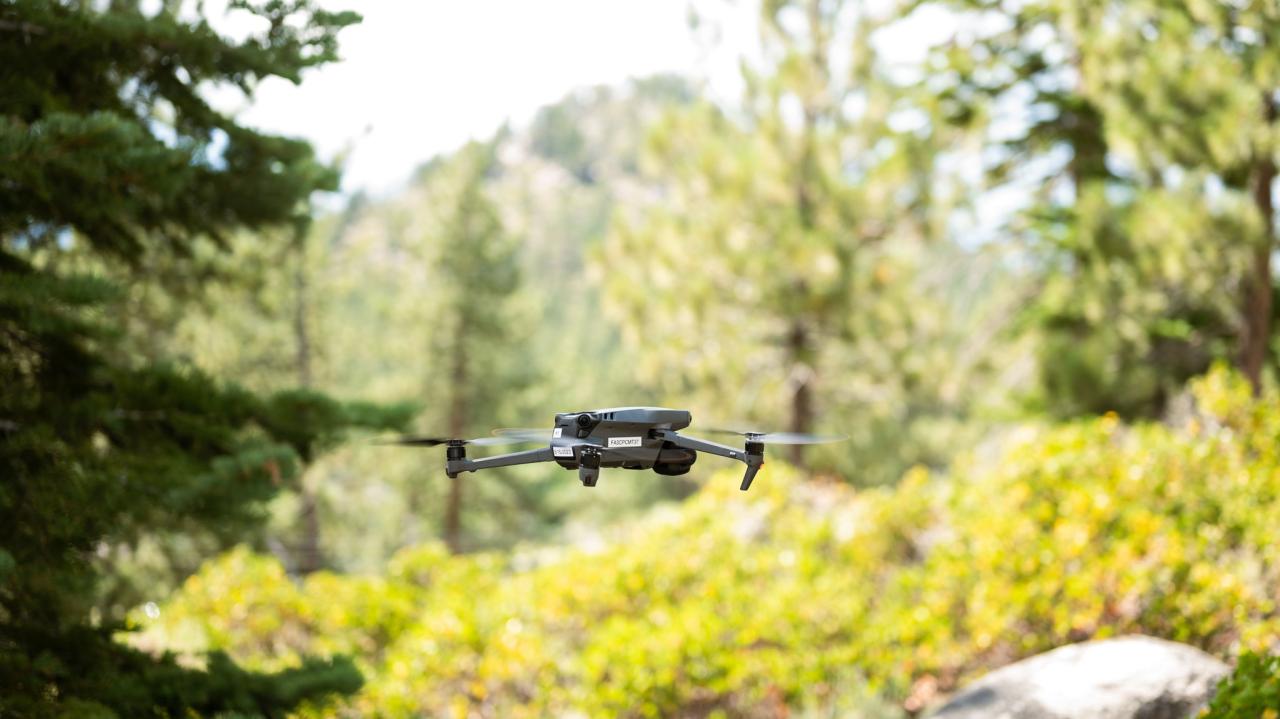
Designing drone prototypes tailored for specific tasks involves understanding the unique requirements of various applications and industries. Each industry has distinct needs that influence the design process, from agricultural monitoring to search and rescue operations. By focusing on the essential elements, designers can create effective drone solutions that enhance productivity and efficiency in their intended tasks.
When designing a drone for a particular application, several key factors must be considered. These include the payload capacity, flight time, range, control mechanisms, and environmental conditions. Understanding these factors helps in selecting the appropriate components and technologies essential for meeting the demands of the specific task.
Key factors for drone design
The following points illustrate the important factors to keep in mind when designing a drone prototype for a specific application:
- Payload Capacity: The ability to carry specific tools or equipment is vital. For example, agricultural drones may need to carry sensors or sprayers, while delivery drones require enough space for packages.
- Flight Time: Depending on the task, longer flight times may be necessary. For instance, surveillance drones require extended periods of operation, while racing drones focus on speed over long endurance.
- Range: The distance a drone can travel is critical, especially for applications like delivery or search missions. A longer range allows for a wider operational area.
- Control Mechanisms: The choice between manual, semi-autonomous, or fully autonomous systems can affect the drone’s usability in various tasks. Autonomy can enhance efficiency in tasks like mapping and monitoring.
- Environmental Considerations: Drones must be designed to operate effectively in specific weather conditions, such as rain or high winds, affecting material choice and design structure.
Different types of drones are suited for diverse tasks within various industries. Each category showcases distinct characteristics that cater to specific operational requirements.
Types of drones and their applications
Understanding the variety of drones available and their applications can maximize their utility. Here are some common types of drones used across different industries:
- Multi-Rotor Drones: Ideal for aerial photography and surveillance due to their ability to hover and maneuver easily. They feature multiple rotors for stability and control.
- Fixed-Wing Drones: These are suitable for long-range reconnaissance and mapping. Their design allows for extended flight times and covering vast areas efficiently.
- Hybrid Drones: Combining features of both multi-rotor and fixed-wing drones, these are versatile and can switch between vertical and horizontal flight modes, making them practical for varied tasks.
- Single-Rotor Drones: Often used for heavy payload applications, such as carrying large sensors or agricultural equipment. They require more skill to operate but offer longer flight times.
- Nano Drones: Small drones useful for indoor environments and tasks requiring stealth, such as surveillance in tight spaces.
Creating a simple drone prototype for educational purposes can be a rewarding experience. Here’s a step-by-step guide to facilitate the process:
Step-by-step guide to creating a simple drone prototype
Building a drone prototype provides hands-on learning about aerodynamics and electronics. Here’s how you can create a basic model:
- Gather Materials: You will need a frame (can be made from lightweight materials like plastic or wood), motors, propellers, a flight controller, battery, and remote controller.
- Assemble the Frame: Construct the frame according to your design, ensuring it is sturdy yet lightweight to facilitate better flight performance.
- Install Motors: Attach the motors to the frame securely. Ensure that they are positioned correctly to optimize thrust.
- Attach Propellers: Install propellers onto the motors, ensuring they are tightened properly to avoid detachment during flight.
- Connect the Flight Controller: Wire the motors to the flight controller, ensuring all connections are secure and correctly matched for functionality.
- Add Battery: Securely attach the battery to the drone, ensuring it is well-balanced to enhance stability during flight.
- Test Flight: Conduct initial tests in a safe environment. Adjust settings as necessary for optimal flight performance.
Final Thoughts
In conclusion, the journey of drones from rudimentary devices to sophisticated machines illustrates their profound impact on modern society. As we anticipate future innovations and navigate regulatory landscapes, it’s clear that drones will continue to enhance various sectors while also sparking important discussions on safety and ethics.
FAQs
What are the main types of drones?
The main types of drones include multi-rotors, fixed-wing, single-rotor, and hybrid drones, each serving different purposes based on design and functionality.
Can drones be used for personal purposes?
Yes, drones can be used for personal purposes such as photography, recreational flying, and even as delivery systems for small packages.
How does weather affect drone operations?
Weather conditions like strong winds, rain, or snow can significantly impact drone performance, affecting stability and battery life during flight.
Are there any limits on where drones can fly?
Yes, there are regulations that restrict drone flights in certain areas, such as near airports, military bases, and other no-fly zones for safety and privacy reasons.
What is the average flight time of a drone?
The average flight time for consumer drones typically ranges from 20 to 30 minutes, depending on battery capacity and load.