
 Widya pasha
Welcome to the thrilling world of Cyber Monday deals, where online shopping reaches its peak and consumers hunt for the best bargains of the year. This day, which has rapidly evolved since its inception, brings a unique blend of excitement and savings, making it a must-know event for savvy shoppers.
As we delve into the origins of Cyber Monday and the changes in consumer behavior that have shaped it, you’ll discover valuable insights into how to navigate this shopping extravaganza effectively and make the most of the incredible offers available.
Understanding the Origins of Cyber Monday Deals
Cyber Monday, which falls on the Monday after Thanksgiving, has transformed into a cornerstone of the holiday shopping season. Initially created to encourage online shopping, this day has now become a phenomenon that retailers and consumers alike eagerly anticipate. Its historical significance reflects the evolution of the digital marketplace and the changing behaviors of shoppers across the globe.
The concept of Cyber Monday was first coined by Ellen Davis and Scott Silverman in 2005. It came about as a strategic marketing term to promote online sales, particularly targeting consumers who returned to work after the Thanksgiving holiday. As broadband internet became more accessible and online shopping grew in popularity, retailers recognized an opportunity to capture the attention of consumers who were eager to find deals from the comfort of their homes. The rise of e-commerce giants like Amazon and eBay further catalyzed this trend, as they offered competitive prices and convenience, leading to an explosion of online shopping events.
Evolution of Online Shopping Trends
The landscape of online shopping has undergone significant transformations since the inception of Cyber Monday. Various trends have shaped consumer behavior and expectations over the years:
1. Increased Internet Accessibility: The widespread availability of high-speed internet has made online shopping more accessible than ever, allowing consumers to browse and purchase products from anywhere.
2. Mobile Shopping Growth: With the advent of smartphones, mobile shopping has surged. Consumers now prefer to shop on-the-go, leading to a rise in mobile app usage for retail.
3. Social Media Influence: Platforms like Instagram and Facebook have become vital for retail marketing. Brands use targeted ads and influencer partnerships to promote Cyber Monday deals directly to consumers.
4. Consumer Expectations for Discounts: Shoppers have grown accustomed to significant discounts on Cyber Monday, often anticipating deals that rival those of Black Friday.
5. Shift Towards Sustainability: Increasingly, consumers are considering the environmental impact of their purchases. Brands that highlight sustainable practices during Cyber Monday promotions are finding favor among eco-conscious shoppers.
As a result of these trends, retailers have adapted their strategies, often starting their Cyber Monday sales earlier and extending them throughout the week, creating a more fluid shopping experience. Additionally, insights into consumer behavior indicate a greater reliance on online reviews and social proof, further influencing purchase decisions during this critical shopping event.
Cyber Monday has evolved into a digital shopping extravaganza, reflecting the dynamic interplay of technology and consumer behavior.
Popular Categories of Products on Cyber Monday
Cyber Monday is renowned for offering consumers a chance to snag exceptional deals across various product categories. Retailers leverage this day to attract shoppers with significant discounts, making it one of the most anticipated shopping events of the year. Understanding which categories see the biggest markdowns can help buyers make informed decisions and maximize their savings.
Electronics consistently dominate Cyber Monday sales, but several other categories also experience substantial discounts. Retailers across sectors adjust their marketing strategies and inventory to cater to consumer demand, often emphasizing flash sales and limited-time offers to create urgency. Notably, many brands roll out exclusive deals that are only available for a short time, enticing shoppers to act quickly.
Electronics and Technology Products
Electronics remain a staple for Cyber Monday shoppers, with many consumers eagerly awaiting deals on the latest gadgets and devices. High-ticket items like televisions, laptops, and smart home devices generally see the steepest discounts. Retailers often promote these products as doorbusters to draw customers in.
- Smartphones: Popular models, especially those from Apple and Samsung, often see promotions that can reduce prices by hundreds of dollars during Cyber Monday.
- Televisions: Major brands like LG and Sony frequently slash prices on 4K and OLED TVs, catering to consumers looking to upgrade their home entertainment systems.
- Laptops: Brands such as Dell and HP provide significant markdowns on a variety of models, appealing to students and professionals alike.
- Home Assistants: Devices like Amazon Echo and Google Nest are often bundled with discounts or promotional offers, making them attractive gifts.
Fashion Discounts and Apparel
The fashion sector also witnesses substantial sales on Cyber Monday. Retailers use this opportunity to clear out inventory and usher in new seasonal trends. Promotions can be particularly enticing, often featuring site-wide discounts or buy-one-get-one offers.
- Clothing: Retailers such as Macy’s and Nordstrom provide up to 50% off on various apparel, including winter coats and holiday dresses.
- Shoes: Brands like Nike and Adidas frequently offer special promotions, particularly on athletic wear, attracting fitness enthusiasts.
- Accessories: Items such as handbags and jewelry are often heavily discounted, with notable brands participating in flash sales.
Home Goods and Furniture
Home goods also experience a surge in sales on Cyber Monday. As consumers prepare for the new year, many look to refresh their living spaces with new furniture, décor, and appliances. Retailers often promote these items through bundled offers and significant markdowns.
- Furniture: Stores like IKEA and Wayfair generally offer discounts on popular items, making it an excellent time to purchase larger pieces.
- Appliances: Deals on kitchen gadgets and major appliances from brands such as Whirlpool and KitchenAid are common, often with incentives for bundled purchases.
- Bedding and Decor: Retailers frequently offer steep discounts on bedding sets, curtains, and decorative items to entice shoppers.
Cyber Monday serves as a pivotal day for various sectors to attract consumers with unbeatable deals, making it a prime opportunity for savvy shoppers.
Strategies for Finding the Best Cyber Monday Deals
Cyber Monday is a significant shopping event, providing consumers the opportunity to score amazing discounts on a wide range of products. To truly maximize your savings, it’s essential to have a strategy in place. With a little planning and the right tools, you can navigate the chaos of Cyber Monday and find the best deals that suit your needs.
Researching and comparing prices across different retailers is crucial for ensuring that you’re getting the most bang for your buck. Start by creating a list of items you want to purchase and the retailers that stock them. This will help streamline your search and keep your focus sharp as you look for the best prices. Timing can also significantly impact your ability to secure a great deal, so be sure to stay vigilant and act quickly when you spot a good offer.
Effective Price Comparison Techniques
To effectively compare prices, consider the following steps that can aid in making informed purchasing decisions:
1. Set Up Price Alerts: Use tools like Honey or CamelCamelCamel that allow you to set up alerts for specific products. You’ll be notified when prices drop, ensuring you don’t miss a deal.
2. Utilize Price Comparison Websites: Websites like Google Shopping, PriceGrabber, or ShopSavvy let you compare prices from various retailers instantly, helping you make quick decisions on where to buy.
3. Check Historical Price Trends: Understanding the price history of an item can help you determine if the current deal is genuinely a bargain. Tools like CamelCamelCamel provide price history charts for products sold on Amazon.
4. Follow Retailer Newsletters and Social Media: Many retailers announce exclusive deals through their newsletters or social media channels. Subscribing or following can give you early access to limited-time offers.
5. Use Browser Extensions for Coupons: Extensions like Rakuten or RetailMeNot automatically apply coupon codes at checkout, maximizing savings without additional effort.
Tools and Websites for Tracking Deals
Several tools and websites can make your Cyber Monday shopping experience smoother and more fruitful. The following list Artikels essential resources that can help you track and find the best deals:
– Honey: This browser extension automatically finds and applies coupon codes at checkout, ensuring you get the best possible price.
– Flipp: This app aggregates weekly ads from various retailers, allowing you to browse sales and coupons in one place.
– RetailMeNot: A popular platform for finding coupon codes and cashback offers, it regularly updates its database with the latest deals.
– Slickdeals: A community-driven platform where users post and vote on the best deals available online. It’s an excellent resource for finding limited-time offers.
– CamelCamelCamel: Specifically for Amazon, this website tracks price history and alerts you when items you want drop below a specified price.
By implementing these strategies and utilizing these tools, you’ll be well-equipped to navigate Cyber Monday and take full advantage of the incredible deals available. Whether it’s electronics, fashion, or home goods, smart shopping can lead to significant savings.
The Role of Social Media in Promoting Cyber Monday

Social media plays a pivotal role in shaping consumer behavior during Cyber Monday, acting as a dynamic platform for brands to connect with potential buyers. It serves as a marketplace where various marketing strategies converge, allowing companies to engage directly with audiences and create buzz around their offers.
Brands leverage social media optimization techniques to maximize visibility and drive traffic during the Cyber Monday sales frenzy. Marketing strategies such as eye-catching visuals, engaging videos, and interactive content capture consumer attention effectively. Platforms like Instagram, Facebook, and Twitter are particularly influential, offering brands a variety of tools to promote their sales events.
Marketing Strategies on Social Media Platforms
Effective marketing strategies employed on social media platforms during Cyber Monday involve targeted advertisements, countdowns, and exclusive sneak peeks. These tactics encourage consumers to act quickly and create a sense of urgency around deals.
– Visual Storytelling: Brands use high-quality images and videos to showcase their products in a compelling way. For instance, a fashion retailer might post a series of styled-outfits featuring their latest items, tagged with Cyber Monday discounts.
– Live Streams and Real-Time Engagement: Companies host live streaming events to reveal special offers and discounts, allowing real-time interaction with viewers. This creates a sense of exclusivity and encourages immediate purchases.
– User-Generated Content: Encouraging customers to share their own experiences and purchases enhances brand credibility. For example, a beauty brand may create a hashtag for customers to showcase their looks using their products, amplifying reach and creating a community feel.
Successful Campaigns and Posts
Several campaigns have successfully harnessed social media’s potential to promote Cyber Monday, leading to impressive sales increases.
One notable example is the “Unlock the Deal” campaign by a major electronics retailer, where followers on Twitter were encouraged to retweet promotional posts to reveal exclusive discounts. This tactic not only increased engagement but also expanded the reach of the campaign beyond the brand’s existing follower base.
Another effective strategy was employed by a popular home goods store that utilized Instagram Stories to feature limited-time offers. By employing countdown stickers, the brand created urgency, resulting in higher viewer engagement and significant traffic to their online store.
Influencer Marketing Impact
Influencer marketing has drastically changed the landscape of consumer purchasing decisions during Cyber Monday. Brands collaborate with influencers who resonate with their target audience, creating authentic endorsements that drive sales.
For instance, a lifestyle influencer might share their favorite products from a particular brand, complete with discount codes for their followers. This tactic not only builds trust but significantly impacts purchasing behavior, as followers are more likely to buy products recommended by someone they admire.
– Authenticity Over Celebrity: Micro-influencers, those with smaller yet engaged followings, often yield higher engagement rates compared to traditional celebrity endorsements. Their content tends to feel more relatable, leading to increased conversion rates during promotional events.
– Cross-Promotion Across Platforms: Influencers often promote deals across multiple social media platforms, enhancing visibility. A campaign launched on Instagram might seamlessly transition to YouTube, increasing reach and reinforcing the message.
Overall, social media serves as a powerful driver of consumer engagement and sales during Cyber Monday, leveraging innovative marketing strategies and influencer collaborations to create impactful shopping experiences.
Cyber Monday Deals vs. Black Friday Deals
Cyber Monday and Black Friday have become synonymous with massive sales events, each drawing distinct consumer behaviors and marketing strategies. While both events offer substantial discounts, they cater to different shopping preferences and product categories, creating a unique landscape for savvy shoppers.
Black Friday is traditionally focused on in-store shopping, with retailers offering doorbuster deals to drive foot traffic. Discounts on electronics, home appliances, and seasonal items are prevalent. In contrast, Cyber Monday is exclusively online, showcasing tech gadgets and apparel at enticing prices. This distinction leads to variations in pricing strategies, as Cyber Monday deals often include significant markdowns on last year’s models or excess inventory, while Black Friday may introduce new product lines at competitive prices.
Comparison of Deal Types and Consumer Preferences
It’s essential to understand how the types of deals differ between these two shopping events and what drives consumer preferences. Here are the main contrasts:
- Type of Products: Black Friday typically emphasizes larger, high-ticket items such as televisions, laptops, and furniture. In contrast, Cyber Monday focuses on tech products like software, gadgets, and fashion items.
- Discount Depth: Black Friday deals may feature more aggressive discounts on featured items, while Cyber Monday often showcases a wider range of discounts across numerous categories.
- Shopping Experience: Black Friday encourages in-store experiences with limited-time offers, whereas Cyber Monday promotes convenience through online shopping with fast shipping options.
- Consumer Behavior: Many consumers prefer Black Friday for the thrill of in-person shopping, while others favor Cyber Monday for the ease of browsing from home.
The marketing strategies for each event reflect these different consumer preferences, with Black Friday focusing on urgency and scarcity, while Cyber Monday plays on the convenience and variety of online shopping.
Price Fluctuations of Popular Items
Analyzing price trends during these shopping events reveals how much consumers can save. The following table illustrates the typical price fluctuations of popular items during Black Friday and Cyber Monday:
| Product Category | Black Friday Average Price | Cyber Monday Average Price | Price Change (%) |
|---|---|---|---|
| Televisions | $800 | $750 | -6.25% |
| Laptops | $600 | $550 | -8.33% |
| Smartphones | $900 | $850 | -5.56% |
| Fashion Apparel | $100 | $80 | -20% |
“Cyber Monday deals are perfect for those looking to purchase fashion items and tech at significant savings from the comfort of their home.”
This data highlights how savings can vary depending on the product type and the shopping event, guiding consumers on when to purchase specific items for the best deal.
Trends Shaping the Future of Cyber Monday Shopping
As we move further into the digital age, Cyber Monday continues to evolve, driven by innovative trends and consumer demand. The rapid advancement of technology and a growing awareness of sustainability significantly influence how deals are structured and what consumers expect. Understanding these trends is crucial for retailers aiming to capture attention and drive sales during this pivotal shopping event.
Emerging Trends Influencing Cyber Monday Deals
The landscape of Cyber Monday shopping is shifting dynamically, with several emerging trends that are set to reshape the future of this annual event. Retailers are increasingly focusing on personalization and the integration of technology to enhance customer experiences.
- Personalized Shopping Experiences: Many retailers are leveraging data analytics to provide tailored recommendations based on past purchases and browsing behaviors. This level of personalization helps in engaging consumers more effectively, leading to higher conversion rates.
- Seamless Omnichannel Shopping: Consumers now expect a seamless experience across all platforms—be it online, mobile, or in-store. Retailers who can synchronize their channels are more likely to retain customer interest and drive sales.
- Flash Sales and Limited-Time Offers: To create a sense of urgency, many retailers are resorting to short-lived deals that encourage immediate purchases. This trend is particularly effective when combined with strong marketing efforts on social media platforms.
Impact of Technology Advancements on Consumer Experience
Technological advancements, particularly in artificial intelligence (AI) and augmented reality (AR), are playing a pivotal role in enhancing the shopping experience during Cyber Monday. These technologies not only streamline the shopping process but also provide innovative ways for consumers to engage with products.
- Artificial Intelligence: AI chatbots are becoming a common feature on retail websites, offering instant assistance and personalized product recommendations. This immediate support improves customer satisfaction and reduces shopping cart abandonment rates.
- Augmented Reality: AR applications allow consumers to visualize products in their own space before making a purchase. For instance, furniture retailers are using AR to enable customers to see how a couch would look in their living room, leading to more informed purchasing decisions.
- Machine Learning Algorithms: By analyzing consumer behavior and preferences, machine learning can help retailers adjust their pricing strategies dynamically, ensuring they remain competitive while maximizing profits.
Sustainable Practices Shaping Cyber Monday Offerings
As consumers become more environmentally conscious, sustainable practices are increasingly influencing Cyber Monday offerings. Retailers are starting to recognize the importance of sustainability and are adapting their operations accordingly to meet consumer expectations.
- Eco-friendly Products: There is a growing demand for products that are sustainably sourced or made from recycled materials. Retailers who promote such offerings during Cyber Monday can attract eco-conscious consumers.
- Carbon Offset Initiatives: Some brands are introducing programs that offset carbon emissions generated during shipping. By promoting these initiatives, retailers can appeal to customers who value sustainability.
- Transparent Supply Chains: Consumers are increasingly interested in understanding the sourcing and manufacturing processes behind their purchases. Retailers that provide transparency about their supply chains are likely to build trust and loyalty among consumers.
{The Importance of Planning Ahead for Cyber Monday}
Planning ahead for Cyber Monday is essential to maximize your savings and ensure that you secure the best deals available. With countless retailers offering discounts and the competition for popular items becoming fierce, having a strategy can make all the difference between snagging the best bargains or missing out entirely. This guide will help you prepare effectively for this shopping extravaganza.
Setting a budget and creating a wishlist are foundational steps in your Cyber Monday preparation. A budget helps you avoid overspending while a wishlist allows you to focus on the items that genuinely matter to you. By prioritizing your purchases, you can streamline your shopping experience and reduce the stress that often accompanies such a bustling event.
{Step-by-Step Guide for Cyber Monday Preparation}
To make the most of Cyber Monday, follow these steps to ensure you’re ready to shop smartly:
1. Research and Identify Deals: Start by researching your favorite retailers and their typical Cyber Monday offerings. Look for early promotions or teaser deals to get an idea of what to expect.
2. Create a Wishlist: List the items you want to buy, focusing on both needs and desires. This list will help you prioritize and avoid impulse spending on less important items.
3. Set a Realistic Budget: Establish a budget that is realistic based on your financial situation. Decide how much you are willing to spend in total, and consider allocating specific amounts for each item on your wishlist.
4. Sign Up for Newsletters and Alerts: Subscribe to newsletters from retailers that interest you. Many retailers send exclusive deals to their subscribers ahead of Cyber Monday. Additionally, set alerts on websites or apps to be notified when deals go live.
5. Follow Social Media Channels: Stay updated with retailers on social media platforms. Many brands announce flash sales or special promotions on their channels.
6. Check Return Policies: Before making purchases, familiarize yourself with the return policies of the retailers. This will help you feel more secure about your purchases and make returns easier if needed.
7. Prepare Your Payment Methods: Make sure your payment methods are ready and that you have access to any necessary accounts. Consider using secure payment options for safety.
8. Shop Early: Some deals may start before Cyber Monday, offering early access discounts. Keep an eye out for those opportunities to get a head start on your shopping.
By following these steps, you can navigate Cyber Monday with confidence, ensuring that you land the best deals while remaining within your budget.
{The Role of Newsletters and Alerts in Deal Awareness}
Newsletters and alerts play a significant role in keeping consumers informed about upcoming deals. By subscribing to retailer newsletters, you gain early access to exclusive discounts, limited-time offers, and special promotions that may not be widely advertised.
Utilizing alerts can further enhance your shopping strategy. Many websites and apps allow you to set up notifications for specific products or categories. This means you’ll be one of the first to know when a deal goes live, giving you a competitive advantage over other shoppers.
“Staying informed is key to maximizing savings on Cyber Monday.”
Finally, the combination of newsletters and alerts not only boosts your awareness of deals but also helps you plan and strategize your purchases effectively. As the shopping frenzy approaches, make it a point to leverage these tools for the best possible outcomes this Cyber Monday.
Ultimate Conclusion
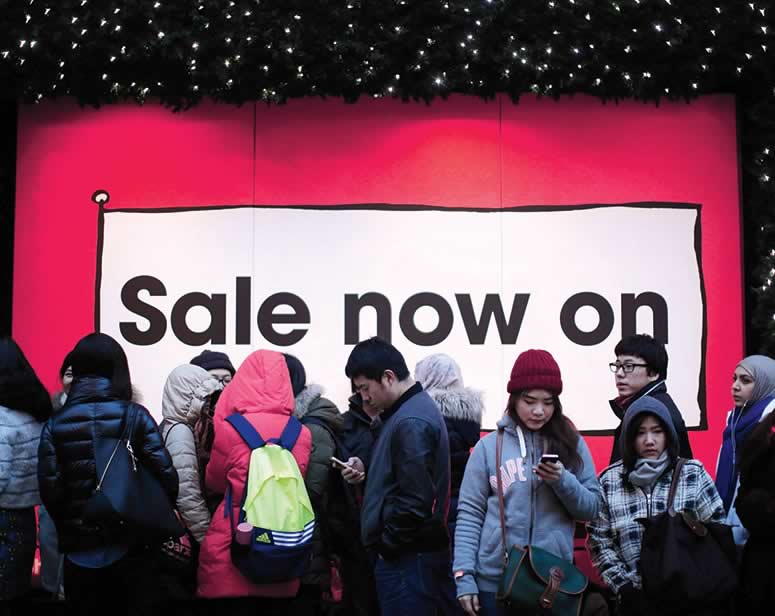
In conclusion, Cyber Monday deals not only represent a chance to score great discounts but also reflect the dynamic nature of shopping in a digital age. With proper planning and an understanding of the trends, shoppers can enjoy a rewarding experience while keeping an eye on future developments that will continue to shape this event.
FAQs
What is the best time to shop on Cyber Monday?
The best time to shop on Cyber Monday is early in the morning when most deals go live. Be sure to check the retailers’ websites for specific launch times.
Are Cyber Monday deals better than Black Friday deals?
It often depends on the product category; some items may be cheaper on Cyber Monday, while others are better priced during Black Friday.
Do I need to sign up for newsletters to get the best deals?
While not necessary, signing up for newsletters can provide early access to deals and exclusive promotions that are not available to the general public.
How can I track Cyber Monday deals?
You can track deals using price comparison websites, deal aggregator apps, and following retailers on social media for live updates.
Will shipping be free on Cyber Monday?
Many retailers offer free shipping on Cyber Monday, but it’s always good to check the specific terms of each retailer.