
 Widya pasha
Coffee tables have transcended their humble beginnings to become essential pieces of furniture in modern homes. From their historical significance as cultural symbols to their evolution in design, these tables serve not only as functional surfaces but also as expressions of personal style. Understanding the different design styles, multifunctional uses, and cultural contexts surrounding coffee tables enriches our appreciation of this versatile furniture.
Throughout history, coffee tables have reflected societal trends and changes in aesthetic preferences. From mid-century modern masterpieces to rustic designs full of character, the coffee table remains a vital aspect of interior decor. With options that cater to both practical needs and artistic expressions, there’s a coffee table for every taste and space.
The Historical Significance of Coffee Tables
The coffee table, a staple of modern living spaces, has a rich history that reflects changes in culture, design, and social interaction. Originating in the 19th century, coffee tables were initially simple functional pieces intended for serving coffee and snacks. Over the decades, they have evolved into significant elements of interior design, often serving as focal points within a room and embodying the style and preferences of different eras.
The coffee table’s design has undergone remarkable transformations influenced by cultural shifts, technological advances, and artistic movements.
Evolution of Coffee Table Design
The evolution of coffee tables mirrors broader societal trends, with each era introducing distinctive styles that reflect the cultural zeitgeist. Below are notable examples of coffee table designs from various periods:
- Victorian Era (1837-1901): Coffee tables during this time were often ornate, featuring intricate woodwork and heavy upholstery. They served as social hubs for Victorian tea and coffee gatherings, embodying the elegance of the period.
- Art Deco (1920s-1930s): Characterized by bold geometry and luxurious materials, Art Deco coffee tables often featured glass tops with metallic accents. These pieces showcased the lavish lifestyle of the Roaring Twenties, emphasizing glamour and sophistication.
- Mid-Century Modern (1940s-1960s): This era saw a shift toward minimalism and functionality. Coffee tables were designed with clean lines and organic shapes, often made from teak or walnut. They reflected the post-war optimism and desire for simplicity in home design.
- Contemporary (1970s-Present): Modern coffee tables vary widely in style, including minimalist designs, multifunctional pieces, and artistic sculptures. Today’s coffee tables often serve as statement pieces, showcasing unique materials like acrylic, marble, and metal, reflecting the individuality of contemporary homeowners.
The transition from basic utility items to centerpiece statement pieces illustrates the coffee table’s place in modern decor. As interior design has become more personalized, coffee tables now play a crucial role in defining a living space’s atmosphere, often tailored to match the homeowner’s style and preferences.
“The coffee table has transformed from a mere functional object into a canvas for personal expression and style.”
In summary, the historical significance of coffee tables encompasses not just their functional role but also their deep-rooted connection to cultural and social dynamics throughout history. Their evolution continues to be a fascinating reflection of changing tastes and lifestyles.
Design Styles of Coffee Tables
Coffee tables serve as both functional pieces and decorative elements in living spaces. The design style of a coffee table can significantly influence the overall ambiance of a room. Understanding various design styles helps homeowners select a piece that aligns with their personal aesthetic and complements existing decor. This section explores several popular coffee table styles, detailing their unique characteristics and offering guidance on selection to enhance room design.
Mid-Century Modern Coffee Tables
Mid-century modern coffee tables are known for their clean lines, organic shapes, and minimal ornamentation. These pieces often feature natural wood finishes and tapered legs, reflecting the era’s emphasis on functionality and simplicity. Common materials include walnut, teak, or plywood, often showcased in minimalist designs. The shapes can vary from rectangular to round, but they typically maintain a low profile, creating an unobtrusive look in any setting. When choosing a mid-century modern coffee table, consider its alignment with other furniture styles in the room to ensure a cohesive design.
Rustic Coffee Tables
Rustic coffee tables bring a sense of warmth and charm to any space, often characterized by their use of reclaimed wood, rough-hewn materials, and natural finishes. These tables can vary in shape and size but generally have a sturdy, robust appearance that evokes a cozy, farmhouse aesthetic. Accessories such as metal hardware or distressed finishes can enhance their rustic appeal. When selecting a rustic coffee table, it is essential to consider the overall room theme; pairing it with soft textiles and natural colors can create an inviting environment.
Industrial Coffee Tables
Industrial coffee tables embody a raw, urban aesthetic that often incorporates materials like metal, glass, and reclaimed wood. They are characterized by their bold, utilitarian design and often feature exposed hardware such as bolts and screws. The shapes can range from geometric to asymmetrical, making them versatile options for modern living spaces. Finishes are typically matte or distressed, adding to their rugged appeal. For a balanced look, consider pairing industrial coffee tables with softer furnishings, such as plush sofas or colorful cushions, to mitigate their hardness.
Contemporary Coffee Tables
Contemporary coffee tables are defined by their sleek designs and innovative materials. They often feature unusual shapes, such as sculptural forms or multifunctional designs that might include storage capabilities. Materials such as glass, metal, and acrylic are commonly used, often resulting in a light and airy appearance. Finishes are usually glossy or polished, contributing to a modern aesthetic. When choosing a contemporary coffee table, consider its role in the room—whether as a statement piece or a subtle addition—and ensure it aligns with other contemporary items within the decor.
Choosing the Right Coffee Table for Your Space
Selecting the perfect coffee table involves considering both the design style and the overall room theme. The following tips can guide your decision-making process:
- Assess Room Size: The table size should be proportional to the seating and space available. A large table can overwhelm a small room, while a tiny table might get lost in a larger area.
- Match Styles: Look for a coffee table that complements existing furniture styles. Mixing styles can add interest but should be done thoughtfully to avoid a chaotic look.
- Consider Functionality: Think about how the table will be used. If you entertain often, consider a table with additional storage or one that can be easily moved.
- Choose Materials Wisely: Select materials that will withstand the wear and tear of daily use. Consider how the material will interact with the room’s lighting and decor.
- Think About Color: The color of the coffee table should either complement or contrast with the room’s color palette. Neutral tones can blend seamlessly, while bold colors can serve as focal points.
Functional Uses Beyond Holding Drinks
Coffee tables have evolved far beyond their traditional role of merely serving drinks. With innovative designs and multifunctional features, modern coffee tables are becoming essential pieces of furniture that serve a variety of purposes in our living spaces. They not only enhance the visual appeal of a room but also provide practical solutions to everyday needs, making them indispensable in contemporary home design.
Multifunctional Aspects of Coffee Tables
The versatility of coffee tables is evident in their ability to serve multiple functions. They can be transformed into workspaces, storage units, or even dining surfaces when needed. This adaptability makes them particularly useful in smaller living areas where space is at a premium. Here are some noteworthy features that illustrate the multifunctionality of modern coffee tables:
- Storage Solutions: Many coffee tables come equipped with built-in storage options such as drawers and shelves. These compartments are perfect for stashing away books, magazines, remote controls, or other living room essentials, keeping the space tidy and organized.
- Workspace Use: Certain designs feature extendable surfaces that can easily turn a coffee table into a makeshift workspace. This feature is especially beneficial for those who work from home or need a spot to pay bills and manage household tasks.
- Convertible Designs: Some coffee tables can be adjusted in height or converted into dining tables, making them ideal for hosting guests or enjoying meals in a casual setting.
Innovative Designs Incorporating Features
The market has seen a surge in innovative coffee table designs that incorporate unique features to enhance usability while maintaining aesthetic appeal. These designs often blend style with practicality, resulting in pieces that are both functional and visually striking. Consider the following innovative elements found in modern coffee tables:
- Lift-Top Coffee Tables: These tables have a top that lifts up to reveal hidden storage or to create an elevated surface for dining or working. This design combines function with elegance, making them a popular choice for modern homes.
- Nested Tables: A set of smaller tables that can be stored together or separated for use in various rooms can provide flexibility. Nested tables are perfect for accommodating guests or creating additional surfaces when needed.
- Integrated Technology: Some contemporary tables come with built-in charging ports, wireless charging pads, or even Bluetooth speakers, making them a tech-savvy choice for the modern lifestyle.
Comparing Traditional and Modern Designs
When comparing traditional coffee tables to their modern, multifunctional counterparts, we can see significant differences in both practicality and aesthetics. Traditional coffee tables often focus more on form than function, serving a singular purpose without any additional features. Conversely, modern designs embrace a more holistic approach, marrying style with a variety of functional aspects. Here’s a closer look at the contrasts:
- Practicality: Traditional tables are typically less versatile, whereas modern designs offer numerous functionalities like storage, workspace conversion, and tech integration, meeting the diverse needs of today’s homeowners.
- Aesthetics: While traditional coffee tables may lean towards classic styles with ornate details, modern tables often feature minimalist designs, clean lines, and innovative materials that complement contemporary decor.
- Space Utilization: Modern coffee tables are designed to maximize utility in limited spaces, providing smart solutions that help maintain an organized environment, unlike many traditional options that may occupy space without offering additional benefits.
Coffee Tables in Different Cultural Contexts

Coffee tables serve as more than just functional furniture; they play a significant role in cultural expressions and social interactions across the globe. The design, materials, and usage of coffee tables vary widely, reflecting the traditions and communal practices of different regions. Understanding these variations offers insights into how people connect, share, and create memories around such a central piece of furniture.
In the Middle East, coffee tables often embody a sense of hospitality and warmth. These tables are typically lower and adorned with intricate designs, often made of wood or metal, showcasing the craftsmanship of the region. They are central during social gatherings, where coffee is served in small cups alongside dates and sweets. The act of serving coffee is a ritual that signifies respect and friendship, creating a welcoming atmosphere.
Middle Eastern Coffee Table Traditions
The importance of coffee tables in Middle Eastern cultures can be highlighted through several key aspects of their use and design:
- Materials: Many coffee tables feature beautiful inlays or intricate carvings, often using materials such as mahogany or walnut. Decorative metalwork adds an elegant touch, reflecting the rich artistic heritage.
- Rituals: Coffee is served in a specific manner, often involving the use of a traditional dallah (coffee pot) and small cups. The serving process is a cherished ritual, emphasizing generosity and hospitality.
- Social Gatherings: Coffee tables are the heart of social interactions, with guests often seated around them for discussions, storytelling, or enjoying meals together.
In Asia, the design and use of coffee tables can differ significantly, often influenced by the local culture and traditions. For instance, in Japan, low coffee tables known as “chabudai” are common in homes. These tables are typically used while sitting on tatami mats, promoting a more casual and intimate dining experience.
Asian Coffee Table Practices
The cultural nuances of coffee tables in Asian contexts can be understood through the following elements:
- Design and Height: Japanese chabudai are usually low, facilitating a floor-sitting arrangement, which fosters a sense of closeness among family members and guests.
- Dining Experiences: Meals are often served on these tables, highlighting the importance of communal dining and the connection between food and relationships.
- Decorative Elements: Many Asian coffee tables feature minimalistic designs with natural materials, reflecting the aesthetic values of simplicity and harmony with nature.
The differences in coffee table designs and practices around the world not only highlight the uniqueness of each culture but also reveal the shared value of togetherness and connection that transcends borders. This rich diversity enhances our understanding of how such a simple piece of furniture can embody deep cultural meanings and social customs.
DIY Coffee Table Projects
Creating a unique coffee table is a rewarding DIY project that allows you to showcase your creativity while adding a personal touch to your living space. With reclaimed materials or upcycled furniture, the possibilities are endless. Not only can you save money, but you also contribute to sustainability by giving new life to old items. Below is a comprehensive guide to help you embark on this exciting journey of crafting your coffee table.
Step-by-Step Guide for Creating a Coffee Table
Before diving into the project, gather the necessary tools and materials. The right preparation ensures a smooth DIY experience. The following list highlights what you’ll need:
- Materials:
- Reclaimed wood or old furniture pieces
- Wood glue
- Sandpaper (various grits)
- Wood stain or paint
- Sealer or varnish
- Legs or bases (metal, wood, or repurposed furniture)
- Tools:
- Saw (hand saw or circular saw)
- Drill
- Screwdriver
- Measuring tape
- Clamps
- Paintbrush or roller
- Safety Precautions:
- Wear safety goggles to protect your eyes.
- Use hearing protection when operating loud tools.
- Ensure proper ventilation when using paint or stains.
- Keep a first aid kit nearby for any mishaps.
To start your project, follow these steps:
1. Design Planning: Sketch your design. Consider the dimensions and style that will fit your space.
2. Material Preparation: Clean and sand your reclaimed wood or furniture pieces to remove any old finishes and ensure a smooth surface.
3. Assemble the Base: If you’re using legs, attach them to the bottom of your tabletop securely. If repurposing, ensure all parts are stable.
4. Finishing Touches: Apply wood stain or paint for the desired finish. After drying, seal the surface to protect it from spills and scratches.
Inspirational Examples of DIY Coffee Tables
Many DIY enthusiasts have created stunning coffee tables that reflect their unique tastes. Here are a few examples to inspire your project:
– Rustic Barn Door Coffee Table: A popular choice involves using old barn doors for the tabletop. The weathered wood adds charm, while sturdy legs provide stability. Enthusiasts often describe the satisfaction of transforming a forgotten door into a functional piece of art.
– Industrial Pipe Coffee Table: Combining wooden tops with metal pipe bases creates a modern industrial look. Many have shared their experiences of sourcing pipes from hardware stores and assembling them for a sturdy, stylish table.
– Vintage Suitcase Table: A creative way to upcycle is to convert vintage suitcases into coffee tables. By placing a piece of glass on top, you can enjoy a functional surface while showcasing the suitcase’s character. This project often involves stories of finding the perfect vintage piece at local thrift stores.
In each of these examples, DIY enthusiasts not only showcased their skills but also highlighted the importance of creativity and sustainability in design. The process of building, customizing, and personalizing their coffee tables provides not just functional decor but also a narrative behind each piece.
The Role of Coffee Tables in Small Spaces
In small living areas, every piece of furniture counts and serves a purpose. Coffee tables, often seen as mere decorative elements, play a crucial role in enhancing functionality without compromising space. When chosen wisely, coffee tables can provide utility, style, and comfort, even in the tightest of spaces.
Selecting the right coffee table for limited living areas involves careful consideration of design and functionality. Space-saving designs such as nesting tables or those with storage options are particularly effective. These designs not only minimize the footprint but also offer additional functionality. When opting for a coffee table, look for pieces that can double as storage solutions—like those with drawers or shelves—allowing you to reduce clutter and maintain an organized environment.
Comparing Round and Rectangular Coffee Tables
The shape of a coffee table can significantly influence the overall flow and usability of a small room. Each shape has its distinct advantages that can enhance the functionality of your living space.
Round coffee tables are ideal for small areas as they create a softer look and reduce the risk of bumping into sharp corners. This makes them particularly suitable for family spaces or homes with children, providing a safer environment. Their shape also encourages easier movement around the table, facilitating better conversation and interaction among guests.
On the other hand, rectangular coffee tables often offer a larger surface area, making them excellent for serving snacks or displaying items. They are versatile and can be placed against a wall or in the center of a seating arrangement, maximizing the use of available space. In narrow rooms, a rectangular table can fit snugly without overwhelming the area, providing ample utility.
- Round Coffee Tables:
Round shapes eliminate sharp edges, enhancing safety and flow.
- Rectangular Coffee Tables:
Rectangular designs provide greater surface area for functionality.
Arranging Furniture Around a Coffee Table
Effective arrangement of furniture around a coffee table is key to maximizing functionality and flow. A well-placed coffee table can serve as a central hub that enhances the usability of the surrounding furniture.
Begin by ensuring that there is adequate space between the coffee table and seating arrangements. A distance of 18 inches is typically recommended to allow for comfortable movement and accessibility. Strategically positioning seating around the coffee table creates an inviting space for conversation and relaxation.
Additionally, consider using the coffee table as a focal point. This can be achieved by incorporating decorative elements or using it as a surface for games or activities. Opt for multi-functional furniture that complements the coffee table, such as ottomans that can double as additional seating or storage.
- Maintain Adequate Space:
A distance of 18 inches enhances comfort and accessibility.
- Use as a Focal Point:
Incorporate decor to draw attention and invite interaction.
- Multi-functional Furniture:
Choose items that complement your coffee table and optimize space.
Coffee Tables as a Reflection of Personal Style
Coffee tables have transcended their functional purpose to become a significant expression of personal style in our living spaces. As the centerpiece of a room, a coffee table can showcase individual tastes, preferences, and even lifestyle choices, allowing homeowners to curate a unique atmosphere that resonates with their identity.
The choice of coffee table—its design, material, and placement—can draw the eye and set the tone for the entire room. Whether it’s a minimalist glass table, a rustic wooden piece, or an eclectic vintage find, the coffee table can serve as a focal point that reflects personal aesthetics and complements surrounding decor. Moreover, the accessories placed upon it can further enhance its character, transforming a simple table into a storytelling platform showcasing interests and hobbies.
Enhancing the Coffee Table with Accessories
Incorporating accessories into your coffee table display is essential for adding personality while maintaining a cohesive look. Thoughtfully selected items can elevate its visual appeal and create a harmonious environment. Here are some key accessories to consider:
- Books: A stack of books, whether they’re coffee table books or cherished novels, can add depth and invite conversation. Choose titles that resonate with your interests, and feel free to mix genres or themes.
- Decorative Items: Unique decorative items, such as sculptures, vases, or artisanal objects, can serve as focal points. Select pieces that reflect your taste—perhaps a handcrafted vase from a local artisan or a quirky sculpture that sparks joy.
- Candles: Candles not only provide warmth and ambiance but can also serve as decorative elements. Choose a variety of shapes and sizes to create visual interest, and opt for scents that enhance the room’s atmosphere.
- Plants: Adding greenery with small potted plants or succulents can bring life to your coffee table. They serve as a refreshing contrast to inanimate objects and can symbolize your love for nature.
- Trays: A stylish tray can organize items on your coffee table while adding texture. Use it to corral smaller items or to create a designated area for specific accessories, enhancing the overall visual order.
Creating a cohesive yet personal display involves a careful balance of these elements. While diversity in shapes, sizes, and colors can provide interest, maintaining a unifying theme—such as a color palette or material choice—will ensure that your coffee table arrangement feels intentional and curated.
“Your coffee table is not just a piece of furniture; it’s a reflection of who you are and what you love.”
By thoughtfully curating your coffee table accessories, you can create an inviting space that welcomes guests and showcases your unique style. Embrace the opportunity to express your individuality through this central piece in your home, and let it be a canvas for your personality and lifestyle.
Outcome Summary
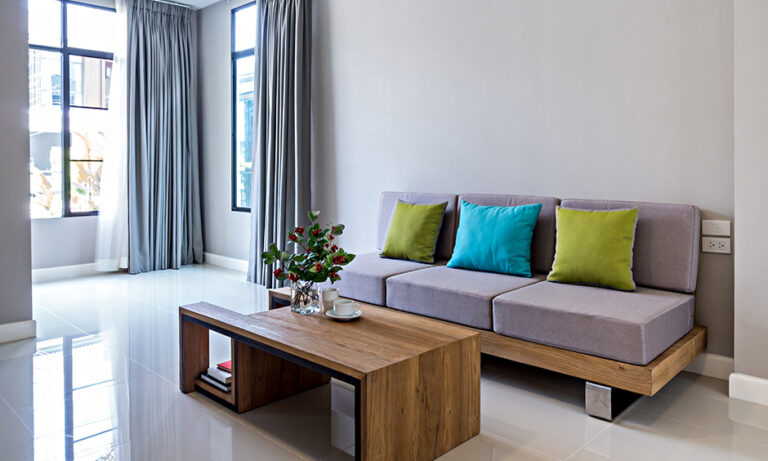
In conclusion, the coffee table is much more than a mere piece of furniture; it is a reflection of our lifestyle, preferences, and the way we interact with our spaces. Whether you’re opting for a chic design that showcases your personality or a functional piece that provides storage and workspace, a coffee table can enhance the ambiance of any room. Ultimately, choosing the right coffee table involves understanding its historical significance, design diversity, and cultural implications, allowing us to appreciate this everyday item in a whole new light.
FAQ Summary
What materials are commonly used for coffee tables?
Common materials include wood, glass, metal, and stone, each offering different aesthetics and durability.
How do I style my coffee table?
Layer items like books, decorative objects, and plants while ensuring a balanced look that reflects your taste.
Can a coffee table be used for dining?
Yes, some coffee tables are designed to extend or convert for dining purposes, making them multifunctional.
What is the ideal height for a coffee table?
The ideal height is usually between 16 to 18 inches, aligning with the height of the seating around it.
How do I choose a coffee table for a small space?
Opt for round or oval shapes and consider tables with storage options to maximize functionality without crowding the room.