
 Widya pasha
Athleisure blends athletic wear with everyday fashion, creating a unique style that caters to comfort and versatility. Over the years, this trend has revolutionized how we perceive fitness attire, shifting it from purely functional to a staple in modern wardrobes. With roots in the increasing emphasis on health and wellness, athleisure has become a cultural phenomenon embraced by diverse demographics.
The rise of athleisure is not just about clothing; it signifies a lifestyle change where fitness is seamlessly integrated into daily life. From the gym to social gatherings, this trend encourages individuals to express their personalities while promoting an active lifestyle.
The History and Evolution of Athleisure
Athleisure has transformed from a niche category of clothing focused purely on sports and fitness to a dominant fashion trend embraced by millions. With its roots in functional athletic apparel, athleisure represents a blend of style and comfort, reflecting modern lifestyle choices that prioritize health, fitness, and versatility. This evolution showcases how societal attitudes towards fitness and casual dressing have changed over time.
The journey of athleisure can be traced back to the 1970s when fitness culture began to gain traction, fueled by the popularity of jogging and aerobics. This era saw the emergence of brands like Nike and Adidas, which introduced sleek, functional athletic wear designed for performance. As fitness became a more mainstream pursuit, everyday clothing began to shift towards comfort-centric designs. The cultural backdrop of the 1980s and 1990s, characterized by the rise of casual Fridays and a general shift towards more relaxed dress codes, further blurred the lines between athletic and everyday wear.
Key Cultural Influences on Athleisure Acceptance
Several cultural shifts have played a significant role in the acceptance and popularity of athleisure in daily fashion. The following points highlight the major influences that helped athleisure to gain mainstream popularity:
- The rise of fitness influencers on social media platforms has driven interest in athleisure as more individuals seek out stylish yet functional apparel.
- Health and wellness trends have encouraged people to incorporate more physical activity into their lives, increasing the demand for versatile clothing that can transition from workout to casual outings.
- The advent of casual workplaces and the decline of formal dress codes have allowed individuals to opt for comfortable clothing, further popularizing athleisure in everyday settings.
Athleisure brands have capitalized on these cultural trends, crafting collections that resonate with consumers looking for style that does not compromise on functionality. Notable brands such as Lululemon, Gymshark, and Athleta have emerged as frontrunners in this space, effectively blending performance with everyday wear.
Milestones in Athleisure Trends
The evolution of athleisure has seen several key milestones that marked its rise to prominence in the fashion industry. Some of these milestones include:
- In the early 2000s, yoga pants became a staple in women’s wardrobes, setting the stage for the athleisure craze.
- The launch of Lululemon in 1998, which popularized high-quality yoga wear, marked a significant turning point, as the brand became synonymous with athleisure.
- The 2010s brought major collaborations between high-fashion designers and athletic brands, such as Stella McCartney’s partnership with Adidas, further legitimizing athleisure in the fashion world.
These milestones illustrate how athleisure has moved from the gym to the streets, continuously evolving as a reflection of lifestyle changes and societal attitudes towards health, fitness, and fashion.
“Athleisure is not just a trend; it is a lifestyle that embraces comfort and versatility in every aspect of life.”
As the lines between casual and athletic wear continue to blur, the history and evolution of athleisure remain a testament to the changing dynamics of fashion and lifestyle in the modern world.
The Impact of Athleisure on Fitness Culture
The rise of athleisure has significantly transformed fitness culture, blending style with functionality in a way that encourages more individuals to engage in physical activities. No longer is workout attire confined to the gym; instead, athleisure has made it socially acceptable to wear fitness clothing in a variety of settings, from brunch to casual office environments. This shift reflects a broader cultural acceptance of active lifestyles and enhances participation in fitness routines.
Athleisure has changed the way individuals approach their exercise routines by promoting comfort and accessibility. Many people feel that wearing stylish, yet practical clothing can enhance their workout experiences. When individuals have access to clothing that is both fashionable and functional, they are more likely to engage in activities such as yoga, running, or gym workouts. The combination of performance fabrics and trendy designs fosters a sense of belonging and motivation within fitness communities, leading to increased participation in group classes and fitness events.
Relationship Between Clothing and Motivation
The connection between fitness attire and motivation plays a crucial role in exercise habits. The way one dresses can profoundly influence their mindset and performance during workouts. Athleisure clothing is designed to be both comfortable and aesthetically pleasing, which can lead to a psychological boost during physical activities.
When individuals wear outfits that make them feel good, they often exhibit enhanced self-confidence and determination. This can be observed in various settings, such as:
-
Individuals who wear fitted workout gear report greater motivation to exercise regularly.
-
Bright colors and dynamic patterns in athleisure clothing can energize individuals and improve mood, making workouts feel less like a chore.
-
Fashionable athleisure can encourage individuals to transition from workout to social settings seamlessly, reducing the barrier to working out.
The motivation derived from wearing stylish athleisure can lead to a more consistent fitness routine and can motivate individuals to try new activities, pushing them out of their comfort zones.
Psycho-Social Effects of Wearing Athleisure
The psychological effects of wearing athleisure extend beyond motivation and performance. Athleisure not only serves functional purposes but also fulfills social desires for connection and community. Many people find that wearing athleisure fosters a sense of unity among those who prioritize fitness and health.
Moreover, the comfort associated with athleisure can lead to a more positive mental state during workouts. Research suggests that clothing can affect one’s self-perception and psychological state. For instance:
-
Wearing athleisure can enhance feelings of empowerment and readiness to tackle fitness challenges.
-
Individuals may experience reduced levels of anxiety and stress when dressed in comfortable, performance-oriented clothing, making it easier to focus on their goals.
-
Athleisure can serve as a reminder of one’s commitment to health and wellness, bolstering the mental aspect of fitness culture.
In conclusion, athleisure has created a dynamic impact on fitness culture by making exercise more appealing and accessible. With a focus on style, comfort, and community, athleisure continues to redefine how individuals engage with their health and fitness journeys.
Fabric Technologies and Innovations in Athleisure
Athleisure wear has revolutionized the way we think about active and casual clothing, largely due to the innovative fabric technologies that enhance both comfort and performance. The materials used in this clothing category not only cater to aesthetic appeal but also serve functional purposes, enabling wearers to transition seamlessly between workouts and everyday activities.
Recent advancements in fabric technology have led to the development of materials that are lightweight, moisture-wicking, and highly breathable. These innovations allow for greater flexibility and support during physical activity, while also ensuring that the garments feel comfortable against the skin. Furthermore, many of these fabrics incorporate features such as odor resistance and UV protection, making them even more appealing for daily wear.
Common Materials Used in Athleisure
Several types of materials are commonly used in the production of athleisure wear, each offering unique benefits that elevate the functionality of the clothing. Understanding these materials can help consumers make informed choices in their athletic fashion selections.
- Polyester: This synthetic fabric is prevalent in athleisure due to its durability, moisture-wicking properties, and quick-drying capabilities. It maintains its shape well and resists shrinking, making it an ideal choice for activewear.
- Nylon: Renowned for its strength and elasticity, nylon is often blended with other fabrics to improve stretch and comfort. Its smooth texture feels soft against the skin, making it perfect for fitted styles.
- Spandex: Also known as elastane, spandex is used to provide stretch and flexibility. Garments containing spandex allow for a full range of motion, which is essential for athletic activities.
- Merino Wool: A natural fiber, merino wool is praised for its temperature regulation and moisture-wicking properties. It is soft, breathable, and odor-resistant, making it suitable for a variety of conditions.
- Recycled Fabrics: Eco-friendly options like recycled polyester and nylon are gaining popularity, as brands aim to reduce their environmental impact. These materials retain the performance qualities of their virgin counterparts while promoting sustainability.
Advancements in Fabric Technology
Innovations in fabric technology are continually shaping the athleisure market, leading to better performance and comfort for users. Notable advancements include the introduction of fabrics that offer enhanced breathability and thermal regulation, allowing athletes to perform comfortably in varying temperatures.
“The future of athleisure wear is driven by technology that not only improves performance but also promotes sustainability.”
Examples of these advancements can be seen in moisture management systems, which utilize advanced weaving techniques to create fabrics that wick sweat away from the body, keeping the wearer dry during intense workouts. Additionally, some brands are now incorporating anti-microbial treatments in their fabrics to prevent the growth of bacteria and odors, which is particularly beneficial for gym-goers.
Brands Utilizing Innovative Materials
Several leading brands have embraced innovative materials in their athleisure collections, setting benchmarks in the industry for performance and sustainability.
- Lululemon: Known for its high-quality fabrics, Lululemon employs proprietary materials such as Luon and Nulu, which combine softness with stretch and moisture-wicking capabilities. Their commitment to research and development ensures that their products remain at the forefront of fabric technology.
- Patagonia: With a strong emphasis on sustainability, Patagonia utilizes recycled materials in their activewear line. Their Capilene fabric is designed for breathability and moisture management, catering to environmentally-conscious consumers.
- Nike: Nike’s Dri-FIT technology is a hallmark of their athletic apparel, featuring fabrics that draw moisture away from the skin for quick evaporation, thus enhancing comfort during workouts.
- Adidas: The use of ocean plastic in their Parley collection exemplifies Adidas’ commitment to innovation and sustainability. Their moisture-absorbing fabrics offer superior performance while reducing environmental impact.
- Under Armour: With their HeatGear and ColdGear technology, Under Armour designs fabrics that adapt to the wearer’s temperature, ensuring comfort in various weather conditions.
Athleisure as a Fashion Statement
Athleisure has evolved significantly over the years, morphing from merely functional athletic wear to a prominent fashion trend that permeates everyday life. Originally designed for workouts, athleisure garments now serve as a stylish option for various settings, from casual outings to social events. This transformation showcases not just a change in consumer preferences, but also a broader cultural shift towards comfort and versatility in style.
The emergence of athleisure as a fashion trend can be largely attributed to the influence of celebrities and social media personalities. These figures have played a significant role in popularizing athleisure styles, showcasing how they can be seamlessly integrated into various aspects of life. Influencers often pair luxe sportswear with trendy accessories, bridging the gap between the gym and the runway. This visibility has encouraged fans to embrace athleisure not just as a practical choice but as a fashionable one as well.
Styling Athleisure for Various Occasions
Athleisure is not just confined to the gym; it can be styled for numerous occasions, making it a versatile addition to any wardrobe. Here are some tips on how to elevate your athleisure looks for different settings:
To achieve a chic look for casual outings, consider the following:
- Pair high-waisted joggers with a fitted crop top and a denim jacket for a relaxed yet stylish outfit.
- Opt for sleek leggings and a longline hoodie, complemented by statement sneakers for an effortlessly cool vibe.
- Add minimalist jewelry and a crossbody bag to elevate your ensemble without compromising comfort.
For a more polished appearance suitable for casual workplace environments:
- Choose tailored joggers made from high-quality fabric and pair with a fitted blazer for a sophisticated touch.
- Layer a breathable athleisure tank under a structured cardigan or light sweater to balance comfort with professionalism.
- Complete the look with sleek loafers or chic ankle boots for a smart and stylish finish.
For social gatherings or brunch with friends:
- Wear a trendy athleisure dress, paired with a leather jacket and ankle boots for an edgy, fashion-forward look.
- Mix and match patterns by combining printed leggings with a solid oversized tee and stylish sneakers.
- Accessorize with a stylish hat and oversized sunglasses to add flair and personality to your outfit.
“Athleisure is the bridge between function and fashion, providing comfort without sacrificing style.”
In conclusion, athleisure serves as more than just a functional wardrobe staple; it represents a lifestyle choice that embodies comfort, style, and versatility. By embracing its potential for various occasions, individuals can express their personal style while enjoying the benefits of activewear.
The Sustainability Movement within Athleisure
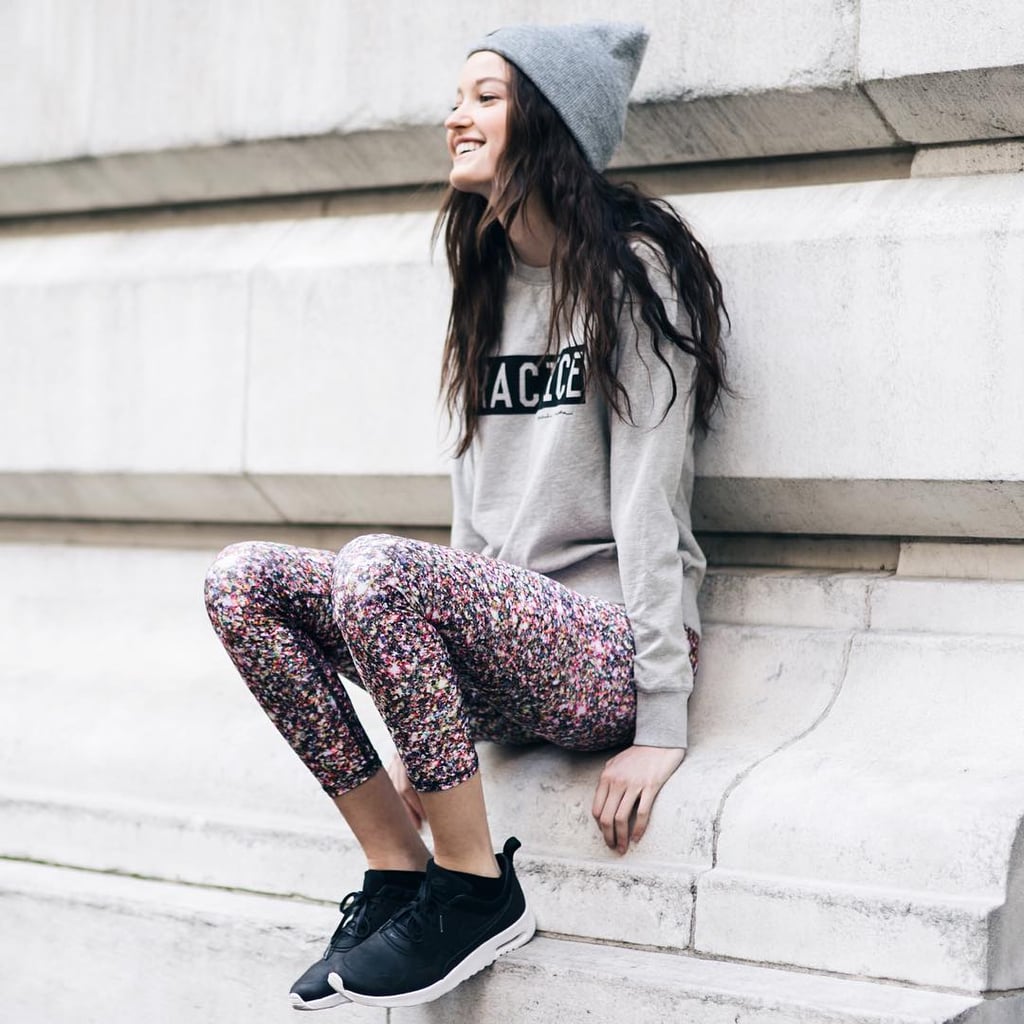
The athleisure industry is increasingly embracing sustainability as a core value, reflecting a growing consumer demand for environmentally responsible products. As awareness of climate change and environmental issues rises, brands are adapting their practices to meet this expectation, leading to innovative approaches that balance style, comfort, and eco-friendliness.
Emerging trends in sustainable practices within the athleisure industry focus on the use of recycled materials, ethical manufacturing processes, and the promotion of circular economies. Companies are now prioritizing eco-friendly materials such as organic cotton, bamboo, and recycled polyester in their collections. Not only does this reduce reliance on virgin resources, but it also minimizes waste and lowers carbon emissions associated with production.
Eco-Friendly Brands and Their Contributions
Numerous brands are leading the charge in sustainable athleisure by implementing practices that significantly reduce waste and promote environmental responsibility. These brands are setting examples for the industry by creating stylish, functional products without compromising ethical standards.
Some notable examples include:
- Patagonia: Renowned for its commitment to environmental activism, Patagonia uses recycled materials in its clothing lines. The brand also encourages customers to repair and recycle their gear through initiatives like the Worn Wear program, which helps extend the life of its products.
- Nike’s Move to Zero: This initiative aims for zero carbon and zero waste. Nike incorporates sustainable materials in its products and has developed a line of shoes made from recycled materials. Their sustainable practices also include reducing water usage in manufacturing.
- Reformation: This brand is known for its trendy and eco-conscious athleisure wear. Reformation employs sustainable practices in sourcing materials and has a transparent supply chain that emphasizes ethical production methods.
- Allbirds: Famous for its eco-friendly footwear, Allbirds uses natural materials like merino wool and eucalyptus tree fibers in its designs. The brand focuses on carbon-neutral production, providing consumers with a guilt-free option for their athletic needs.
Consumer awareness regarding sustainable athleisure products has grown significantly, with many shoppers actively seeking brands that align with their values. Research indicates that consumers are willing to pay a premium for eco-friendly products, demonstrating the market potential for sustainability-focused brands. This shift in consumer behavior is not only influencing purchasing decisions but also pressuring larger brands to adopt more sustainable practices in their operations.
“Sustainable fashion is not a trend; it’s the future of the industry.”
The Global Appeal of Athleisure
The athleisure trend has transcended borders, making its mark across various regions and cultures. This versatile style, which combines athletic wear with everyday fashion, has garnered popularity for its comfort and aesthetic appeal. From urban centers to rural communities, athleisure is becoming a staple in wardrobes around the globe, reflecting local tastes while embracing global fashion influences.
Athleisure’s rise in different parts of the world showcases an intriguing blend of cultural preferences and global trends. In the United States, the trend emerged from a growing interest in health and fitness, where gym culture heavily influences casual attire. In contrast, Europe has embraced athleisure with a focus on chic, polished looks that often incorporate high-end brands. Meanwhile, in Asia, particularly in countries like South Korea, a unique fusion of streetwear and sporty aesthetics is evident, with vibrant colors and bold designs. These variations highlight how global fashion influences have shaped the athleisure trend while adapting to local customs.
Regional Variations in Athleisure
Exploring how different regions interpret athleisure reveals the diverse ways this trend is integrated into local lifestyles. Each culture brings its own flair, influenced by social norms and environmental factors.
- United States: Here, athleisure is synonymous with comfort and practicality. Brands like Lululemon and Nike dominate, promoting a casual lifestyle that prioritizes fitness and wellness.
- Europe: In major cities like Paris and London, athleisure is often paired with sophisticated pieces. The focus shifts towards tailored fits and luxury fabrics, presenting a refined take on sporty wear.
- Asia: Countries such as Japan and South Korea feature athleisure that combines fashion-forward designs with functionality. Bright colors and innovative materials reflect local youth culture and trends.
Local customs significantly impact athleisure choices, shaping preferences for styles and materials. For instance, in warmer climates, lighter fabrics and breathable designs are favored, while in colder regions, layering becomes essential. Moreover, cultural values, such as modesty or fashion-forwardness, can dictate the types of athleisure items embraced in various contexts.
Athleisure is more than just a fashion trend; it’s a reflection of the shifting lifestyle preferences that prioritize comfort without sacrificing style.
The global appeal of athleisure illustrates how a single trend can adapt and thrive across diverse cultures, creating a unique tapestry of style that resonates with individuals everywhere. As the lines between athletic wear and everyday clothing continue to blur, we can expect further evolution in how athleisure is perceived and worn around the world.
The Role of Athleisure in Gender Equality
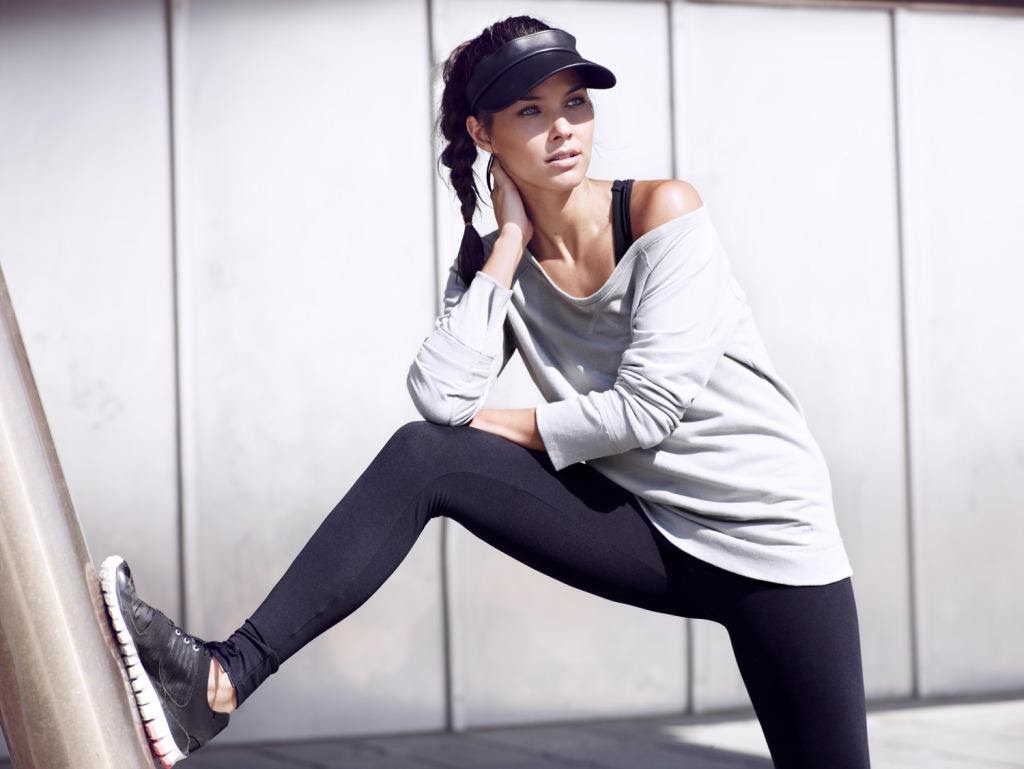
Athleisure, the fusion of athletic wear and casual clothing, has significantly transformed the landscape of fashion and fitness. Its rise to prominence has not only redefined how we view comfort and style but has also played a pivotal role in challenging traditional gender norms. As more individuals embrace athleisure, the conversation around gender equality in fashion continues to evolve.
This evolution is marked by a growing acknowledgment of the need for inclusivity in sizing and styles, allowing people with diverse body types to find fashionable and functional options. The shift towards gender-neutral and body-positive designs has led to a more equitable representation within the athleisure market.
Influence on Gender Norms in Fashion and Fitness
The impact of athleisure on gender norms is profound, as it has blurred the lines between traditionally male and female clothing. This shift has empowered individuals to express themselves freely without the constraints of societal expectations. Athleisure encourages participation in fitness activities across genders, promoting a more inclusive and diverse environment. Here are key points that illustrate this influence:
- Women are increasingly seen in performance-driven clothing, breaking the stereotype that fitness gear is solely designed for men.
- Men are embracing styles traditionally considered feminine, such as fitted joggers and crop tops, showcasing a shift in societal perceptions.
- Fashion shows and campaigns are featuring models of all genders in athleisure, further normalizing a blend of styles across gender lines.
Impact of Inclusive Sizing and Styles on Diverse Body Types
Inclusivity in sizing and style is a vital aspect of the athleisure movement, as it acknowledges the diverse range of body types that exist. This commitment to inclusivity means that brands are more mindful of creating clothing that fits various shapes and sizes. The significance of offering inclusive options can be seen in several ways:
- Brands are expanding their size ranges to accommodate more consumers, allowing individuals of all sizes to participate in athletic activities and feel confident in their attire.
- Styles are designed not just for aesthetics but for functionality, considering the specific needs of different body types during physical activities.
- Inclusive marketing campaigns feature individuals of various body types, promoting body positivity and encouraging self-acceptance.
Brands Prioritizing Gender Equality in Athleisure Offerings
Several brands have taken significant steps to ensure gender equality in their athleisure lines, focusing on inclusivity and representation. By championing gender-neutral designs and diverse sizing, these brands are at the forefront of the movement:
- Lululemon – Known for its commitment to body positivity, Lululemon offers a range of sizes and styles that cater to athletes of all shapes. The brand emphasizes community and inclusivity in its marketing campaigns.
- Nike – With its “Equality” campaign, Nike has made strides to promote gender equality in sports. The brand offers a wide range of sizes and unisex designs, striving to make athletic wear accessible to everyone.
- Athleta – A subsidiary of Gap Inc., Athleta focuses on empowering women through its inclusive sizing and commitment to promoting a healthy body image. The brand actively supports various body types and showcases diverse models in its advertisements.
“Athleisure is not just a trend; it’s a movement pushing for inclusivity and redefining how we perceive gender in fashion and fitness.”
Outcome Summary
In summary, athleisure represents much more than just a trend; it encapsulates a cultural shift towards blending fitness and fashion. As we see continued innovations in fabric technology, sustainability efforts, and diverse representation, athleisure is set to remain a driving force in both the fashion industry and our everyday lives. Embracing athleisure means embracing a lifestyle that values comfort, style, and inclusivity.
Questions and Answers
What is athleisure?
Athleisure is a fashion trend that combines athletic wear with casual clothing, allowing for stylish outfits suitable for both workouts and everyday activities.
Can athleisure be worn in professional settings?
Yes, athleisure can be styled appropriately for professional settings by pairing with tailored pieces or accessories to maintain a polished look.
Is athleisure suitable for all body types?
Absolutely! Athleisure is designed in various styles and sizes to accommodate all body types, promoting inclusivity in fashion.
How do I care for my athleisure wear?
Most athleisure items can be machine washed; however, it’s best to follow the care instructions on the label to maintain the fabric’s integrity.
Are there eco-friendly options in athleisure?
Yes, many brands are increasingly offering sustainable athleisure options made from recycled materials and eco-friendly production methods.