
 Widya pasha
VR headsets have drastically changed how we experience digital content, transporting users into immersive worlds that were once confined to imagination. From their humble beginnings to the cutting-edge technology we have today, VR headsets have evolved remarkably, influencing not only gaming but also various other industries.
The journey of VR headsets is marked by significant technological advancements that enhance realism and interaction, making virtual experiences more engaging than ever. As we explore the evolution, applications, and future of VR headsets, we uncover the incredible potential they hold for reshaping our reality.
The evolution of VR headset technology over the years
Virtual reality (VR) headsets have undergone a remarkable transformation since their inception, revolutionizing how we interact with digital environments. From the early prototypes that laid the groundwork to the sophisticated devices we have today, each stage of development has contributed significantly to enhancing user experience and expanding applications across various fields, including gaming, education, and healthcare.
The journey of VR technology can be traced back to the mid-20th century, with notable milestones marking its progress. The 1960s saw the creation of the first head-mounted display (HMD) by Ivan Sutherland, which, albeit rudimentary, set the stage for future advancements. The introduction of the term “virtual reality” in the 1980s, coupled with the development of systems like the VPL Research DataGlove, illustrated the growing interest in immersive experiences. The release of the Oculus Rift in 2012 heralded a new era, rekindling interest in VR and paving the way for contemporary headsets. These advancements have undoubtedly shaped user experience, making VR more accessible and enjoyable.
Key technological advancements
Technological advancements have played a crucial role in the evolution of VR headsets, significantly enhancing their performance and user experience. These innovations encompass various aspects of hardware and software integration, leading to a more immersive and engaging environment.
Some of the most significant advancements include:
- Display Technology: The transition from low-resolution screens to high-definition OLED and LCD panels has drastically improved visual fidelity. Modern VR headsets often feature resolutions above 2000×2000 pixels per eye, providing sharper images and reducing the “screen door” effect.
- Field of View (FOV): The field of view has expanded from about 60 degrees to over 110 degrees in contemporary models. This increase allows for a more natural and immersive experience, making users feel as though they are part of the virtual environment.
- Motion Tracking: The introduction of inside-out tracking systems has eliminated the need for external sensors, allowing for more freedom of movement and ease of setup. Advanced sensors and algorithms track head and hand movements with remarkable precision.
- Haptic Feedback: The integration of haptic feedback technology enhances the sense of presence in VR. Users can feel vibrations and textures through controllers and gloves, enriching the interaction with virtual objects.
- Wireless Connectivity: The evolution towards wireless headsets has liberated users from the constraints of cables, promoting a more immersive and unrestricted experience.
The design and functionality of VR headsets have also evolved dramatically over the years, emphasizing ergonomics and user comfort. Initial headsets were bulky and cumbersome, often causing discomfort during prolonged use. Modern designs prioritize lightweight materials, adjustable straps, and improved weight distribution to enhance comfort. Additionally, built-in audio systems have become standard, providing spatial sound that complements the visual experience.
“The combination of advanced optics, lightweight design, and immersive audio has transformed VR headsets into essential tools for entertainment, education, and training applications.”
As VR technology continues to advance, the focus on user experience and accessibility remains paramount, ensuring that virtual reality becomes an integral part of our digital lives.
The impact of VR headsets on gaming and entertainment
The advent of virtual reality (VR) headsets has significantly altered the landscape of gaming and entertainment. Offering an unprecedented level of immersion and interactivity, VR technology invites players into a digital world where they can engage with both the environment and the narrative on a more personal level. This transformation not only enhances the gaming experience but also redefines how we perceive entertainment in general.
Traditional gaming experiences typically involve a screen where interactions are largely limited to the controller. In contrast, VR headsets provide a 360-degree view of the digital environment, enabling users to look around and interact as if they were physically present within the game. This difference in immersion creates a profound emotional connection to the gameplay and enhances the overall experience. Players can engage in activities like reaching out to pick up objects, dodging virtual threats, or even socializing with other players in a shared space, all of which are far more engaging than traditional gaming setups.
Comparison of Traditional Gaming with VR Gaming
The distinction between traditional gaming and VR gaming lies primarily in the level of immersion and the interaction methods available to players. Traditional gaming usually relies on handheld controllers which limit the player’s engagement to button presses and joystick movements. Here are some critical aspects that highlight these differences:
- Immersion: VR headsets fully envelop the player, creating a sense of presence within the game world that traditional gaming cannot match. Players can physically turn their heads to explore environments, making the experience feel real.
- Interaction: In VR, players can use their hands to manipulate objects in the game, often using motion controllers that translate physical actions into the virtual space. This hands-on approach is a stark contrast to the button-based interactions of traditional gaming.
- Social Engagement: VR gaming often includes social features that allow players to meet and interact in virtual spaces, fostering a sense of community that enhances the overall experience, unlike traditional gaming which may limit social interaction to voice chats or messaging.
Examples of Popular VR Games and Their Features
Several VR games have emerged, showcasing the unique capabilities of VR technology and enhancing the gaming experience in remarkable ways. These games not only leverage the immersive qualities of VR but also incorporate innovative gameplay mechanics. Some notable examples include:
- Beat Saber: This rhythm game challenges players to slash through incoming blocks to the beat of the music while physically moving in a way that promotes fitness and coordination.
- Half-Life: Alyx: A flagship VR title that utilizes spatial audio and interactive environments, allowing players to solve puzzles, engage in combat, and experience a rich narrative in a fully realized world.
- The Walking Dead: Saints & Sinners: This game combines survival horror elements with realistic interactions, where players can scavenge for resources and make critical choices that affect the outcome of the story.
“Virtual reality has the power to transport players into entirely new worlds, enabling experiences that go beyond what traditional gaming can offer.”
Applications of VR headsets beyond gaming
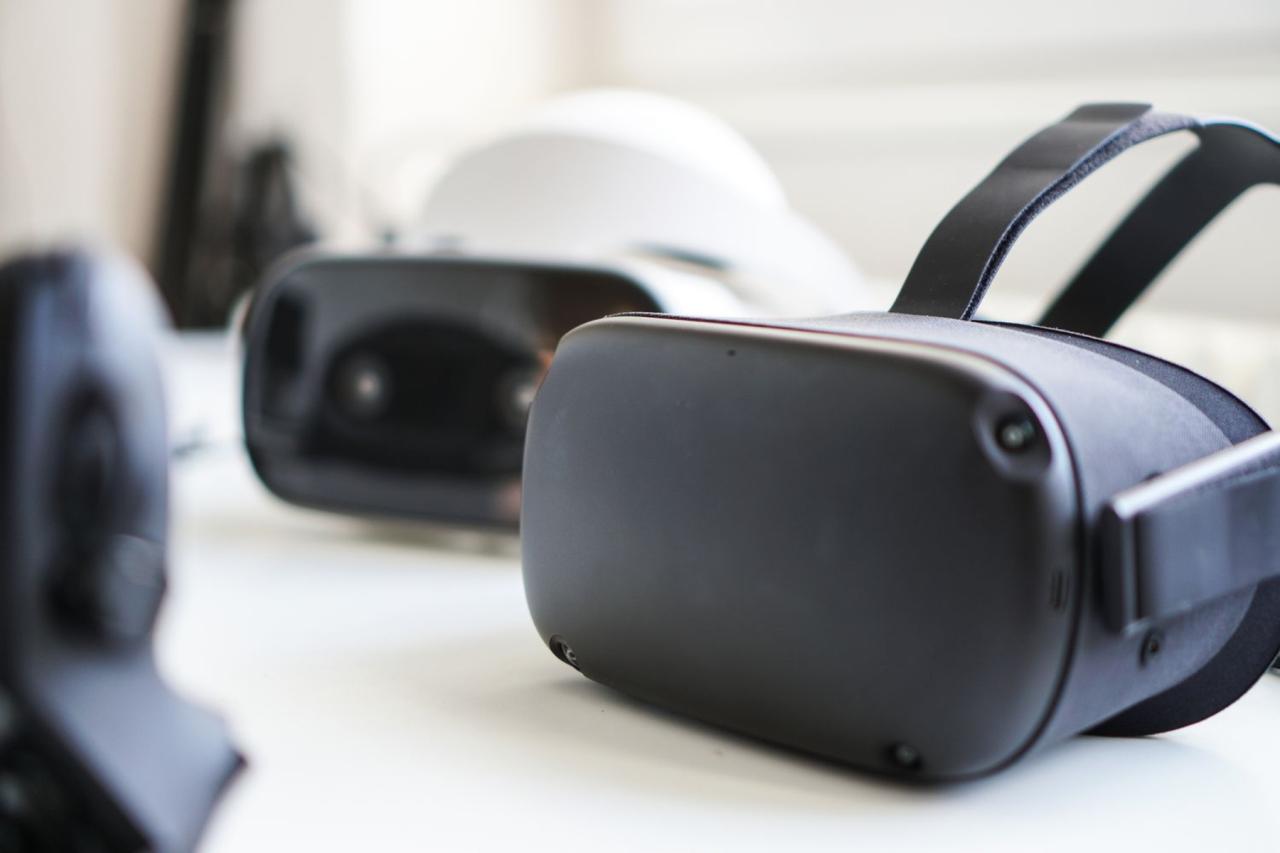
Virtual Reality (VR) headsets have transcended their initial association with gaming, emerging as transformative tools across various sectors. Industries such as education, healthcare, and real estate are harnessing the immersive power of VR to create innovative solutions that enhance learning experiences, medical training, and property visualization. This discussion will delve into how VR is being integrated into training programs and highlight successful case studies that showcase its effectiveness beyond entertainment.
Education and Training
In education, VR technology is revolutionizing traditional learning methods by offering immersive experiences that engage students more effectively. Schools and universities are utilizing VR to create simulations that allow learners to explore complex subjects in a hands-on manner. For instance, medical students can practice surgical procedures in a risk-free virtual environment, gaining valuable experience without the consequences of real-life mistakes.
Prominent educational institutions have adopted VR for teaching subjects like history and science, allowing students to “visit” historical sites or conduct virtual lab experiments. This approach enhances understanding and retention of knowledge by providing experiential learning opportunities.
Healthcare Applications
The healthcare sector is witnessing substantial advancements through the application of VR technology. Medical professionals are using VR for both training and therapeutic purposes. For example, VR simulations help train surgeons in a controlled setting, enabling them to refine their skills before operating on actual patients.
Moreover, VR is being utilized in patient treatment, particularly for those suffering from PTSD, anxiety, and phobias. By exposing patients to controlled virtual environments, therapists can gradually desensitize them to their fears, significantly improving their treatment outcomes. Notably, the “Bravemind” system developed by the University of Southern California has proven effective in treating veterans with PTSD.
Real Estate Visualization
In real estate, VR has transformed the way properties are marketed and sold. Virtual tours allow potential buyers to explore properties remotely, providing an immersive experience that static photos cannot match. This innovative approach has proven to be particularly beneficial during the COVID-19 pandemic, where physical property visits became challenging.
Real estate companies are now investing in VR technology to offer high-quality visualizations of properties under construction, allowing clients to envision their future homes before they are built. This not only enhances client engagement but also helps in making informed purchasing decisions.
Case Studies of Successful VR Applications
The effectiveness of VR technology across various sectors can be highlighted through several case studies.
1. Kaiser Permanente: In their healthcare facilities, Kaiser Permanente implemented VR training programs for medical staff. The immersive simulations have reported improved surgical skills and teamwork among healthcare providers.
2. Ford Motor Company: Ford has integrated VR into their design and manufacturing processes. By using VR for prototyping, they can visualize and test new car designs before physical production, significantly reducing development times and costs.
3. The New York Times: The media outlet utilized VR for storytelling, allowing readers to experience news events in a more impactful way. Their project “The Displaced,” which focused on children affected by war, effectively engaged audiences and raised awareness through immersive storytelling.
The integration of VR in these sectors illustrates its potential to not only enhance training and education but also to revolutionize processes and customer engagement, demonstrating that the applications of VR extend far beyond gaming.
The future trends in VR headset development
The landscape of virtual reality (VR) technology is rapidly evolving, with advancements in hardware and software paving the way for more immersive experiences. As the demand for VR applications grows across various sectors, including gaming, education, healthcare, and training, several emerging trends are shaping the next generation of VR headsets. This exploration delves into the future of VR headset development, highlighting potential innovations, challenges, and capabilities expected in the coming decade.
Emerging hardware advancements
One of the most significant trends in VR headset development is the continuous improvement of hardware capabilities. These advancements not only enhance user experience but also broaden the potential applications of VR technology. Key areas of innovation include:
- Lightweight and ergonomic designs: Future VR headsets are expected to be more comfortable for extended use, with advancements in materials and design that reduce weight while maintaining durability.
- Increased field of view (FOV): Manufacturers are likely to expand the FOV, providing a more immersive experience that mimics human peripheral vision, allowing users to engage more fully with virtual environments.
- Higher resolution displays: The next generation of VR headsets will feature displays with higher pixel density, reducing the ‘screen door effect’ and providing a clearer, more realistic visual experience.
- Advanced tracking technologies: Improved inside-out tracking systems will allow for more precise movement detection without external sensors, enhancing the overall interactivity of VR applications.
Innovations in software and applications
In parallel with hardware advancements, software development plays a crucial role in the evolution of VR headsets. Emerging trends in software include:
- Cross-platform compatibility: Future VR applications will focus on compatibility across devices, enabling seamless experiences for users regardless of their hardware, thus expanding user bases.
- Artificial intelligence integration: AI will be increasingly integrated into VR applications, enabling more responsive environments that adapt to user behavior and preferences, creating personalized experiences.
- Improved social interactions: Social VR platforms will become more sophisticated, allowing users to interact in shared virtual spaces, fostering connections that mimic real-life social interactions.
- Enhanced accessibility features: Developers will prioritize inclusivity, ensuring that VR technology is usable for individuals with disabilities through tailored interfaces and adaptive controls.
Challenges to widespread adoption
Despite the exciting advancements in VR technology, several challenges may hinder its widespread adoption across various sectors:
- Cost of entry: High prices for cutting-edge VR headsets may restrict access for many consumers and businesses, limiting market growth.
- Content availability: The success of VR technology relies heavily on engaging content. The lack of quality applications and experiences may deter potential users.
- Health concerns: Issues such as motion sickness and eye strain can impact user experience, necessitating solutions to ensure comfort and safety during use.
- Integration with existing systems: Businesses may face challenges incorporating VR technology into their current workflows, requiring significant investment in terms of training and infrastructure.
Projected capabilities in the next decade
Looking ahead to the next decade, the capabilities of VR headsets are expected to expand significantly. Future projections highlight:
- Fully wireless experiences: Advancements in battery technology and wireless protocols will lead to truly wireless headsets that offer freedom of movement without sacrificing performance.
- Mixed reality functionalities: The lines between virtual and augmented reality may blur, with headsets providing mixed reality experiences that overlay digital content onto the real world.
- Advanced haptic feedback: Future headsets will likely incorporate sophisticated haptic feedback systems, allowing users to feel virtual objects, enhancing the sense of presence and realism.
- Comprehensive biometric tracking: Future devices may include biometric sensors that monitor user responses, providing insights into emotional states and improving user engagement.
“The future of VR technology is not just about the visuals; it’s about creating experiences that resonate deeply with users.”
The role of social interaction in VR environments
Virtual reality (VR) headsets have transformed the landscape of social interaction by enabling users to engage in immersive, shared experiences that transcend geographic limitations. These environments foster a sense of presence and connection that traditional digital communication methods often lack. As users navigate through virtual spaces, they engage with others in a way that feels immediate and impactful, making social interactions more meaningful.
In VR, social interactions take on new dimensions, allowing users to not only communicate but also collaborate, play, and create together in real time. This is crucial as it enhances the user experience and strengthens the emotional connections formed between individuals. Research indicates that users often experience heightened feelings of presence—an illusion of ‘being there’—which can significantly influence their emotional and psychological well-being. Social VR experiences provide users with a platform to build relationships, share experiences, and feel a stronger sense of community.
Psychological impacts of social VR experiences
The psychological benefits of social interaction in VR environments are profound and multifaceted. Users often report increased feelings of belonging, reduced feelings of loneliness, and improved mood when engaging in social VR platforms. This emotional uplift stems from the immersive nature of VR, which allows for a greater sense of connection compared to standard online interactions.
Key psychological impacts include:
-
Enhanced feelings of presence: Users feel as if they are truly in the virtual space, interacting with others in a more genuine manner.
-
Stronger connection: Engaging with avatars in shared experiences can lead to deeper emotional bonds than text or voice interactions alone.
-
Community building: VR provides a space for users to connect over shared interests, fostering communities that can lead to long-term friendships.
These psychological effects emphasize the importance of social interaction in VR, as they contribute to the overall satisfaction and enjoyment users derive from these experiences.
Designing social experiences in VR platforms
Developers are increasingly focusing on creating VR platforms that prioritize social experiences and community-building features. This includes designing environments that encourage interaction and collaboration among users. Innovations in avatar customization, voice communication, and interactive spaces are just a few examples of how developers are enhancing social connectivity in VR.
Notable design elements include:
-
Diverse avatar options: Customization options allow users to express their identity and feel more comfortable in social settings.
-
Interactive environments: Spaces designed for activities such as games, art creation, or discussions encourage users to interact and engage meaningfully.
-
Voice and gesture recognition: Realistic communication methods enhance interactions, making them feel more natural and engaging.
Developers are also implementing community features such as events, social hubs, and user-driven content creation, which help to foster a sense of belonging and encourage ongoing participation. By focusing on these aspects, VR platforms can create more vibrant and engaging social experiences that resonate with users on a deeper level.
Accessibility and inclusivity in VR headset design
As virtual reality (VR) becomes increasingly mainstream, the importance of designing VR headsets that accommodate a diverse range of users, including those with disabilities, cannot be overstated. Ensuring that everyone can experience the immersive world of VR is essential for both user satisfaction and market growth. By prioritizing accessibility and inclusivity, companies can not only expand their user base but also foster a culture of innovation that benefits all.
The design of VR headsets should take into account various physical and cognitive disabilities to create environments that enhance the user experience for everyone. Incorporating accessibility features allows users with different abilities to fully engage with VR applications, thus broadening the scope of who can benefit from this technology. Features like adjustable interfaces, voice controls, and customizable environments are vital for creating an inclusive experience.
Essential Accessibility Features in VR Headsets
To effectively create inclusive VR experiences, specific features can significantly enhance accessibility for users with disabilities. Some important considerations include:
- Adjustable Headsets: The ability to modify the size and fit of VR headsets ensures comfort for users with varying head shapes and sizes, including those who wear glasses.
- Voice Recognition: Integrating voice commands allows users with limited mobility to navigate VR environments without relying solely on hand controls.
- Visual Modifications: Features such as text enlargement, high-contrast settings, and customizable color palettes help users with visual impairments engage more effectively.
- Haptic Feedback: This technology can be vital for users with hearing impairments by providing tactile sensations that correspond to auditory cues in the VR environment.
- Customizable Control Schemes: Allowing users to define their own control preferences can accommodate various physical limitations, ensuring that everyone can interact comfortably.
Companies are increasingly recognizing the value of inclusivity in their VR products. For example, Oculus has included features like customizable controls and adjustable headset sizes, providing an accessible experience to a wider audience. Similarly, Sony’s PlayStation VR has made strides in accommodating users with disabilities, incorporating options for both visual and auditory modifications.
“Inclusive design is not just about compliance; it’s about enriching the user experience for everyone.”
Safety and health considerations when using VR headsets
The increasing popularity of virtual reality (VR) headsets has transformed the way we engage with digital content, but it’s essential to address potential health and safety concerns associated with their use. Prolonged exposure to VR environments can lead to various health effects, and understanding these risks is crucial for a safe and enjoyable experience.
The potential health effects of prolonged VR headset use can include eye strain, headaches, dizziness, and motion sickness. These issues arise from the immersive nature of VR, which can confuse the brain regarding spatial orientation. Users may experience discomfort from prolonged sessions without breaks, leading to fatigue and decreased overall well-being. To mitigate these risks, users should adopt best practices for VR use.
Health Effects and Best Practices
Understanding the possible health effects of VR usage can help users take necessary precautions. Here are some of the commonly reported effects and recommended practices to enhance the VR experience while minimizing risks:
- Eye Strain: Extended use of VR headsets can cause discomfort due to the close proximity of screens to the eyes. Users should take regular breaks, aiming for 10-15 minutes off after every 30-60 minutes of use.
- Motion Sickness: Some users may feel nauseous or dizzy due to the disconnect between physical movement and visual stimulation. Gradually acclimating to VR environments can help, as well as using VR content designed to minimize motion sickness.
- Neck and Back Discomfort: The weight of the headset can strain neck and back muscles. Ensuring a proper fit and adjusting the headset’s position can alleviate discomfort. Users should also maintain good posture.
Manufacturers are aware of these concerns and are taking proactive measures to enhance the safety of VR headset users. Advances in technology and design have led to several impactful changes.
Manufacturer Safety Measures
To ensure user safety, manufacturers are implementing various features within VR headsets. These developments reflect a commitment to health and usability:
- Reduced Weight: Many headset designs focus on lightweight materials, making it more comfortable for users to wear the device for extended periods.
- Adjustable Lenses: Features that allow users to adjust the lens distance and focal points help to accommodate individual vision needs and reduce eye strain.
- Integrated Health Monitoring: Some headsets now come with features that monitor usage time and remind users to take breaks, promoting healthier habits.
To maintain a healthy VR experience, users should incorporate specific recommendations into their routine. These can greatly enhance comfort and enjoyment while using VR technology.
User Recommendations for Healthy VR Use
Following guidelines can significantly improve user experience and safety:
- Set Time Limits: Establishing a maximum duration for VR sessions can help prevent overuse. A common recommendation is to limit sessions to no more than 60 minutes.
- Take Frequent Breaks: Adopt a routine that includes regular breaks, allowing the eyes and body to rest and reducing fatigue.
- Stay Hydrated: Drink water before and during usage to prevent dehydration, especially during longer sessions.
- Maintain a Comfortable Environment: Ensure that the play area is well-lit and free from obstacles to prevent accidents while using the headset.
By being mindful of health considerations and following recommended practices, users can enjoy immersive VR experiences while prioritizing their well-being.
Final Wrap-Up
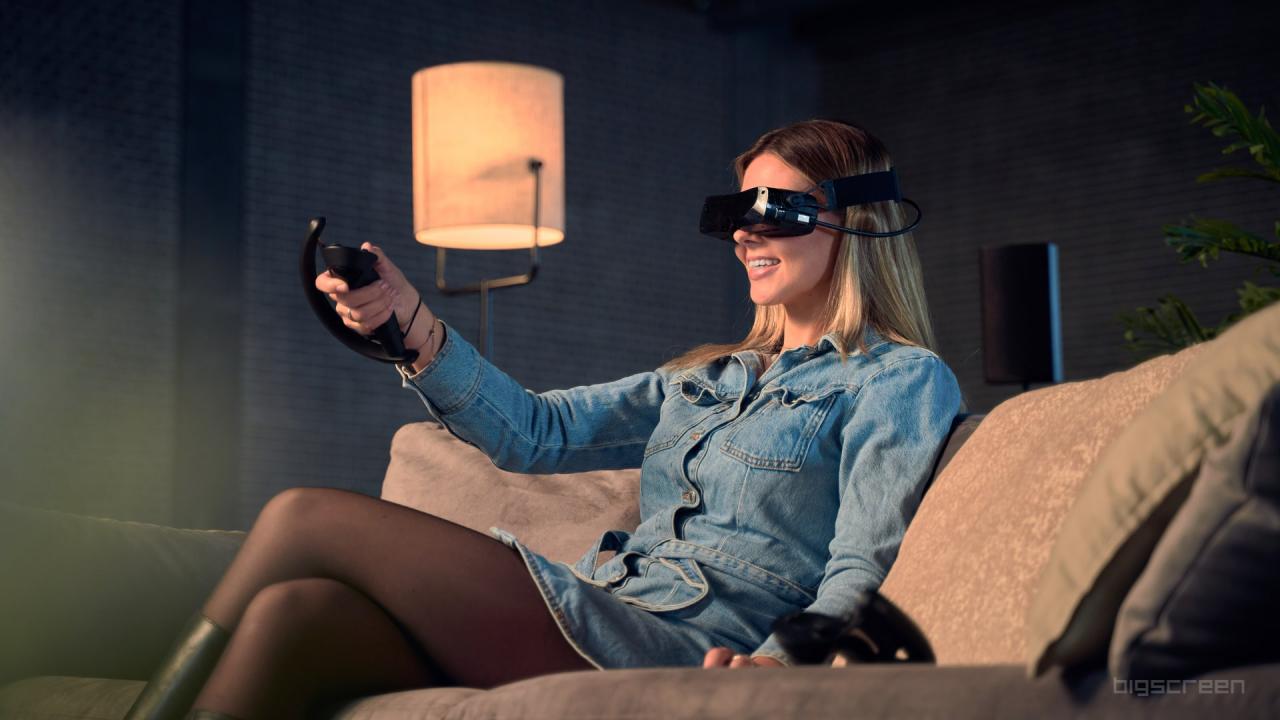
As we look to the horizon, the future of VR headsets promises even more exciting developments that will further integrate these devices into our daily lives. By understanding the evolution and applications of VR technology, we can appreciate how it enhances not only entertainment but also education, healthcare, and social interaction. The ongoing journey of VR headsets continues to inspire innovation and creativity, inviting us to imagine what lies ahead.
FAQ Section
What types of VR headsets are available?
There are several types of VR headsets, including tethered, standalone, and mobile headsets, each offering varying levels of performance and immersion.
Can VR headsets be used for fitness?
Yes, many VR applications are designed specifically for fitness, providing interactive workouts that make exercising more enjoyable and engaging.
Are there any age restrictions for using VR headsets?
Most manufacturers recommend age limits, typically suggesting VR headsets are suitable for users aged 12 and above, but parental guidance is advised for younger users.
How do I prevent motion sickness while using a VR headset?
To minimize motion sickness, take regular breaks, start with shorter sessions, and choose VR experiences that match your comfort level.
Can VR headsets be used with prescription glasses?
Most VR headsets are designed to accommodate prescription glasses, or they may include removable faceplates for added space, but it’s best to check specific guidelines for each model.