
 Widya pasha
Cameras have revolutionized how we capture and share our world, evolving from bulky film devices to sleek digital marvels. With each technological advancement, photography has transformed from a niche hobby to a universal means of expression.
In this exploration of cameras, we’ll delve into their historical development, the diverse types available today, and the impact of camera quality on your photos. From understanding essential settings for optimal performance to examining the role of cameras in the age of social media, we provide insights into what makes a camera right for you and how to care for it.
The Evolution of Cameras in Modern Technology
The journey of photography has been nothing short of remarkable, influenced by numerous technological milestones that have shaped its development. From the earliest pinhole cameras to the sophisticated digital devices of today, cameras have continuously evolved, making photography more accessible and impactful.
The inception of photography can be traced back to the early 19th century when the first permanent photograph was produced in 1826 by Joseph Nicéphore Niépce. This marked a significant turning point, as it demonstrated the potential of capturing moments in time. The introduction of daguerreotypes in the 1830s by Louis Daguerre further popularized photography, providing sharper images. Over the decades, advancements such as the introduction of roll film by George Eastman in 1888 and the development of the Leica camera in the early 20th century laid the groundwork for modern photography.
Key Technological Advancements in Photography
Several transformative technologies have revolutionized photography and changed how images are captured and shared. These advancements have enhanced not only the quality of photographs but also the ease of use and creativity involved in the process.
- Digital Photography: The transition from film to digital captured a significant moment in photography’s evolution, enabling instantaneous image viewing and editing capabilities.
- Image Sensors: The development of CCD and CMOS sensors has allowed for greater light sensitivity, dynamic range, and resolution, making high-quality images accessible for consumer cameras.
- Smartphone Cameras: With the integration of powerful cameras into smartphones, photography became ubiquitous, empowering millions to capture and share their world in real time.
- Editing Software: Programs like Adobe Photoshop and Lightroom have transformed the post-processing of images, allowing for professional-grade adjustments and enhancements to be made easily.
- Mirrorless Technology: The rise of mirrorless cameras has offered photographers lighter and more compact options without compromising quality, revolutionizing both professional and amateur photography.
“The digital age has democratized photography, allowing everyone to be a storyteller.”
The transformation brought about by digital cameras has been profound, not only in the mechanics of photography but also in its cultural implications. As digital cameras replaced film, photographers experienced a surge in creativity, unrestricted by the limitations of film rolls. The immediacy of digital photography allowed for quicker feedback and experimentation, leading to new styles and techniques. Furthermore, the capacity for storage increased exponentially, enabling photographers to capture thousands of images without the cost associated with film.
In conclusion, the evolution of cameras has been a journey marked by significant innovation, fundamentally transforming photography from a niche hobby into a widespread form of expression. As technology continues to advance, the future of photography holds even more exciting possibilities.
Different Types of Cameras and Their Unique Features
Digital photography has transformed the way we capture and share moments, leading to a diverse array of camera types, each with its own distinct characteristics. Understanding these categories is essential for selecting the right camera for your specific needs, whether you’re an amateur or a seasoned professional. From DSLRs to compact cameras, each type offers unique features that cater to different styles of photography.
Categories of Cameras
The major categories of cameras include DSLRs, mirrorless cameras, and compact cameras. Each type serves different purposes and appeals to various users based on their photographic needs and skill level.
-
DSLR Cameras:
DSLR cameras offer excellent image quality and versatility.
These cameras feature a mirror mechanism that allows for optical viewfinding, leading to faster shutter speeds and reliable performance in low light. They typically come with interchangeable lenses, providing greater flexibility for various shooting scenarios.
-
Mirrorless Cameras:
Mirrorless cameras are known for their lightweight design and advanced technology.
Lacking a mirror mechanism, these cameras are generally more compact and lighter than DSLRs. They use electronic viewfinders or LCD screens to compose images, often featuring faster autofocus and higher video capabilities.
-
Compact Cameras:
Compact cameras are ideal for casual photography and portability.
Compact cameras, or point-and-shoots, are user-friendly and designed for convenience. They typically have fixed lenses and automatic settings, making them perfect for everyday use and travel.
Advantages and Disadvantages of Each Camera Type
When choosing a camera, it’s important to weigh the advantages and disadvantages of each type. Here’s a comparison to help you make informed decisions.
| Camera Type | Advantages | Disadvantages |
|---|---|---|
| DSLR |
|
|
| Mirrorless |
|
|
| Compact |
|
|
Specialized Cameras
In addition to the standard categories, there are specialized cameras tailored for unique photography needs.
-
Action Cameras:
Action cameras are built for adventure, offering durability and portability.
These cameras are typically small, lightweight, and waterproof, making them perfect for capturing high-energy activities like surfing, skiing, or cycling. They often come with wide-angle lenses and can record high-definition video.
-
Instant Film Cameras:
Instant film cameras provide immediate results, appealing to those who enjoy tangible memories.
These cameras use self-developing film to produce physical photographs instantly. Their nostalgic appeal and the excitement of watching a photo develop in real-time make them popular among enthusiasts and casual users alike.
The Impact of Camera Quality on Photography Results
The quality of a camera plays a significant role in determining the final output of photographs. This encompasses various aspects such as sensor size, resolution, lens specifications, and even the surrounding lighting conditions. Understanding these elements can elevate your photography skills and help produce stunning images.
Sensor size and resolution are cornerstone factors that greatly influence image quality. The sensor is essentially the heart of a camera, capturing light and converting it into an image. A larger sensor can gather more light, which results in better image quality, especially in low-light situations. Additionally, higher resolution sensors provide more detail, allowing for larger prints without sacrificing clarity. For example, a full-frame sensor, which is about 36mm x 24mm in size, can capture significantly more detail compared to an APS-C sensor that measures approximately 22mm x 15mm.
Role of Lenses in Photograph Quality
Lenses are equally crucial in achieving high-quality images. They determine how light is directed onto the sensor and affect factors such as sharpness, distortion, and depth of field. The specifications of a lens, including focal length, aperture, and optical design, play pivotal roles in image quality.
Understanding the importance of lens specifications can greatly impact the outcomes of your photography. Here are some key aspects to consider:
- Focal Length: The distance from the lens to the sensor affects the field of view. For instance, a 50mm lens provides a natural perspective akin to the human eye, while a 200mm lens allows for detailed close-ups, compressing background and foreground elements.
- Aperture: Measured in f-stops, aperture controls the amount of light entering the lens. A wider aperture (lower f-number like f/1.8) creates a shallow depth of field, blurring the background and isolating subjects. Conversely, a smaller aperture (higher f-number like f/16) increases depth of field, keeping more of the image in focus.
- Optical Quality: The construction and materials of a lens impact sharpness and color rendition. High-quality lenses often incorporate special glass elements to reduce optical aberrations and improve clarity.
High-quality lenses are often more than just glass; they are finely engineered systems that can dramatically alter the outcome of an image.
Influence of Lighting Conditions on Camera Performance
Lighting conditions are paramount in photography as they dictate how a camera performs and the clarity of the resulting images. Different lighting environments can either enhance or hinder the ability to capture crisp and vibrant photographs.
In challenging lighting situations, such as during golden hour or at night, the camera’s performance can be tested. Here’s how lighting impacts image quality:
- Dynamic Range: The ability of a camera to capture details in both the highlights and shadows is crucial. Cameras with larger sensors generally offer better dynamic range, allowing for greater detail in high-contrast scenes.
- ISO Performance: In low-light settings, increasing the ISO can help in capturing images without flash. However, higher ISO settings can introduce noise. Understanding your camera’s limits with ISO can help you achieve cleaner images.
- Natural vs. Artificial Light: The quality of light can greatly affect the mood and tone of a photograph. Natural light often produces softer shadows and warmer tones, whereas artificial lighting can create harsh shadows and cooler hues.
Mastering the interplay between camera quality and lighting conditions can significantly enhance your photography results.
Understanding Camera Settings for Optimal Performance
To capture stunning photographs, understanding the fundamental camera settings is crucial. This knowledge allows photographers to manipulate light and exposure creatively to achieve the desired aesthetic. Three primary settings play a significant role in this process: ISO, shutter speed, and aperture. Mastering these settings can elevate your photography from basic snapshots to stunning works of art.
Essential Camera Settings
ISO, shutter speed, and aperture are the three pillars of exposure in photography. Each setting influences how light interacts with the camera sensor, thus affecting the final image.
- ISO – This setting determines the camera sensor’s sensitivity to light. A lower ISO (e.g., 100) is ideal for bright conditions, while higher ISO values (e.g., 1600 or more) are suitable for low-light environments. However, increased ISO can introduce noise in images, which detracts from clarity.
- Shutter Speed – This refers to the duration the camera shutter is open, allowing light to reach the sensor. Faster shutter speeds (e.g., 1/1000 s) can freeze motion, while slower speeds (e.g., 1/30 s) can create a motion blur effect. The choice of shutter speed impacts how movement is captured in a scene.
- Aperture – Represented by f-numbers (e.g., f/2.8, f/8), aperture controls the amount of light entering the lens and affects depth of field. A wider aperture (lower f-number) produces a shallow depth of field, highlighting the subject while blurring the background, whereas a narrower aperture (higher f-number) increases the depth of field, keeping more of the scene in focus.
Using Manual Mode for Desired Effects
Manual mode provides photographers with complete control over ISO, shutter speed, and aperture settings. This flexibility allows for tailored exposure adjustments to create specific photographic effects.
In manual mode, adjusting one setting affects the others. For example, if you increase the shutter speed to freeze motion, you may need to compensate by raising the ISO or widening the aperture to maintain proper exposure. Understanding the exposure triangle—how these three settings interrelate—is essential for achieving the desired look in your images.
Mastering the exposure triangle enhances the creative possibilities in photography.
Common Mistakes and How to Avoid Them
Beginners often encounter pitfalls when adjusting camera settings, which can lead to less-than-ideal photographs. Recognizing and avoiding these mistakes can significantly improve your photography skills.
- Neglecting the Exposure Triangle – Many novice photographers overlook the relationship between ISO, shutter speed, and aperture. To ensure balanced exposure, always consider how changes to one setting affect the others.
- Inappropriate ISO Settings – Using too high an ISO in well-lit conditions can lead to grainy images. Always adjust ISO according to the lighting conditions to maintain image quality.
- Overlooking Depth of Field – Failing to understand how aperture affects depth of field can result in undesirable focus in images. Pay attention to your subject’s positioning and desired background blur when selecting aperture settings.
These insights into camera settings provide a solid foundation to enhance your photography. By understanding and applying these principles, you can control the aesthetic and technical aspects of your images, leading to more impactful photography.
The Role of Cameras in Social Media and Content Creation
Cameras have significantly transformed the landscape of social media and content creation. With the rise of platforms like Instagram, TikTok, and YouTube, high-quality visual content has become essential for engagement and connection. Today, everyone from casual users to professional influencers leverages the power of cameras to craft compelling narratives and share experiences with their audiences, reshaping how visual storytelling is perceived and consumed online.
The quality of the camera plays a pivotal role in audience engagement and the effectiveness of content creation. High-resolution images and videos capture attention more effectively, fostering a deeper connection with viewers. The advancements in camera technology have made it accessible for creators to invest in equipment that enhances their visual storytelling. A well-shot video can evoke emotions, convey messages clearly, and ultimately lead to higher interaction rates, such as likes, shares, and comments.
Popular Camera Setups Used by Influencers and Content Creators
Content creators often utilize specific camera setups tailored to their niche and objectives. The choice of equipment can significantly impact the quality of produced content. Below are some commonly used camera setups in the industry:
- DSLR Cameras: Popular among vloggers and photographers, DSLRs like the Canon EOS 90D and Nikon D850 offer great versatility and exceptional image quality, ideal for both photos and videos. Their interchangeable lenses allow for creative shots and depth of field adjustments.
- Mirrorless Cameras: Lightweight and compact, models such as the Sony A7 series and Fujifilm X-T4 are favored for their superior autofocus capabilities and video quality. These cameras are perfect for creators who prioritize portability without sacrificing quality.
- Smartphones: With advancements in camera technology, smartphones like the iPhone 14 Pro and Samsung Galaxy S23 Ultra are increasingly used for content creation. They offer high-quality cameras with features like portrait mode and enhanced low-light performance, making them convenient for on-the-go shooting.
- Action Cameras: Devices like the GoPro HERO series are ideal for adventure and travel content. Their durability and ability to capture high-resolution video in dynamic environments make them a favorite among extreme sport enthusiasts.
- Webcams: For live streaming and video calls, high-quality webcams such as the Logitech C920 and Elgato Facecam are essential. They provide impressive image clarity, which is crucial for engaging online audiences during live broadcasts.
Incorporating these camera setups allows influencers and content creators to elevate their storytelling capabilities. The choice of equipment not only affects visual quality but also influences audience perception, engagement, and overall effectiveness of the content shared.
The Future Trends of Camera Technology
The camera technology landscape is rapidly evolving, driven by advancements in artificial intelligence, augmented reality, and changes in consumer behavior. These innovations are reshaping how we capture and interact with images, suggesting a future where cameras become even more integrated into our daily lives.
Emerging technologies are creating exciting opportunities in the camera industry, particularly through the integration of AI and augmented reality. As cameras become smarter, they will not only capture images but also analyze and enhance them in real-time. This shift allows for features such as automatic scene recognition, enhanced low-light performance, and even the ability to suggest optimal settings based on the environment. Furthermore, augmented reality cameras will provide users with immersive experiences, overlaying digital information onto the physical world, which could transform photography and videography into interactive storytelling tools.
Shifts in Consumer Preferences
The evolution of camera technology is influencing consumer preferences, leading to a notable increase in the demand for multifunctional devices. This trend reflects a preference for convenience and versatility in photography. Today’s consumers increasingly favor devices that can effortlessly transition between photography and videography, driven by social media platforms that value engaging visual content.
Key aspects of this shift include:
- Increased demand for compact, high-quality cameras that can deliver professional-grade results without the bulk.
- A growing interest in user-friendly interfaces that allow for seamless capturing and sharing of content across social media.
- Preference for cameras with advanced connectivity options, enabling instant uploads and live streaming capabilities.
Implications of Smartphone Cameras
Smartphone cameras have significantly impacted the traditional camera market, leading to a decline in sales of dedicated cameras. The convenience of having a powerful camera integrated into a device that fits in your pocket has changed the landscape of photography. High-quality smartphone cameras equipped with multiple lenses, advanced image processing, and AI capabilities are now often seen as adequate substitutes for traditional cameras.
This trend carries several implications:
- Brands are increasingly focusing on enhancing their smartphone camera technologies, integrating features like optical zoom, improved low-light performance, and computational photography.
- Traditional camera manufacturers are pivoting towards niche markets, focusing on professional-grade cameras for enthusiasts and filmmakers.
- Collaborations between smartphone and camera manufacturers are emerging, leading to hybrid devices that offer the best of both worlds.
“The future of photography lies in the seamless fusion of hardware and software, creating tools that enhance creativity while simplifying the process.”
Tips for Choosing the Right Camera for Your Needs
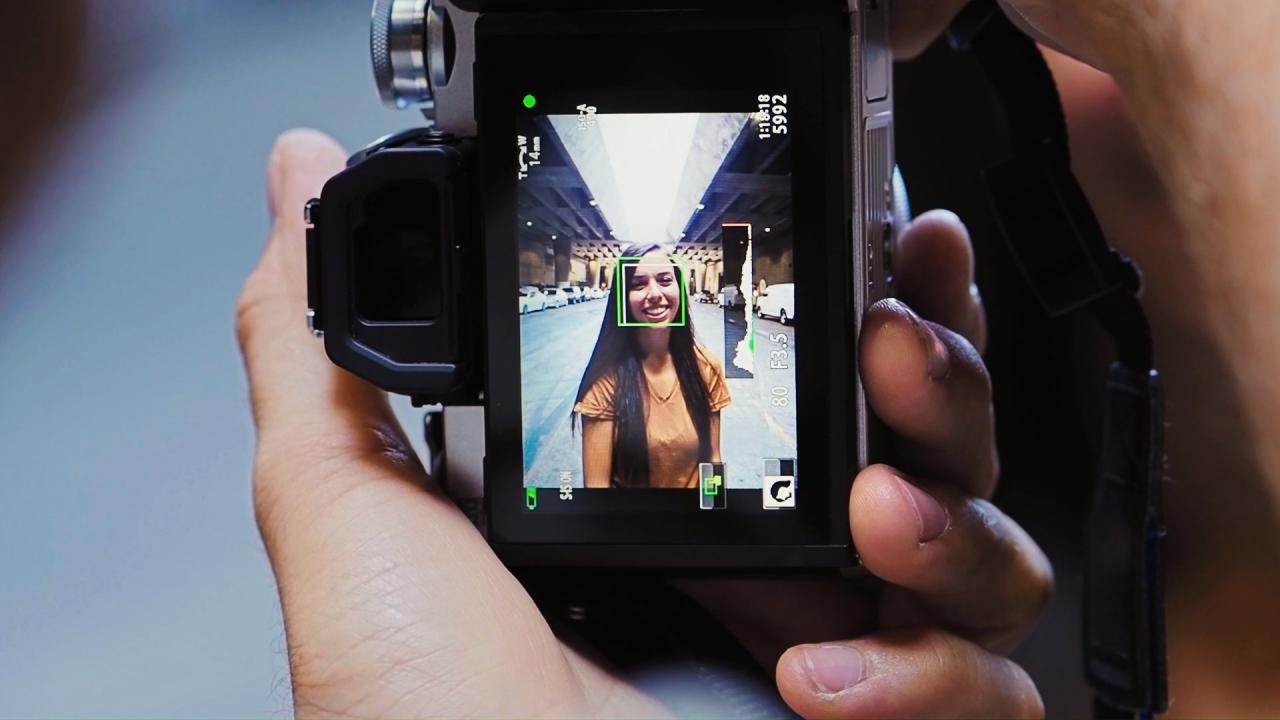
Selecting the right camera is crucial for anyone interested in photography, whether you are a beginner or a seasoned pro. With numerous options available, understanding your specific requirements helps you make an informed decision. This guide offers practical tips to evaluate your photography goals and select the camera that best fits your needs.
Assessing Photography Goals
Identifying your photography goals is the first step in choosing the right camera. Consider the types of photography you want to pursue, as different cameras cater to various styles and techniques. For example, if you are interested in action photography, you might need a camera with fast autofocus and high burst rates, while landscape photographers may prioritize resolution and dynamic range.
- Type of Photography: Understand what you want to capture—portraits, landscapes, wildlife, or events. Each category has unique requirements.
- Skill Level: Your experience level will dictate whether you need an entry-level camera with automatic settings or a professional model that offers manual controls and advanced features.
- Portability: If you plan on traveling or shooting on the go, a compact camera or mirrorless system may be more suitable than a bulky DSLR.
Budget Considerations
Budget plays a significant role when purchasing a camera. Cameras range from affordable entry-level models to high-end professional gear, and it is essential to establish how much you are willing to spend. Consider not only the initial cost but also the long-term investment required for lenses, accessories, and maintenance.
“You often get what you pay for in photography equipment; investing a bit more can yield significantly better results.”
- Initial Cost: Set a budget that includes the camera body and necessary lenses. Entry-level cameras can range from $400 to $800, while professional models can exceed $3,000.
- Accessories: Factor in the cost of essential accessories such as tripods, memory cards, and camera bags that enhance your shooting experience.
- Future Upgrades: Consider the potential for future upgrades. Some brands allow for lens compatibility across different models, making it easier to expand your kit over time.
Brand Reputation and Customer Service
When choosing a camera, brand reputation is crucial, as it often reflects the reliability and quality of the product. Well-established brands typically offer better customer service and support, which can be invaluable if issues arise.
- Research Brands: Look into user reviews and expert opinions about various brands. Popular brands like Canon, Nikon, Fujifilm, and Sony have built strong reputations over decades.
- Warranty and Support: Check the warranty period and support services available. A good warranty can provide peace of mind regarding repairs and replacements.
- Community and Resources: Some brands offer extensive online resources, tutorials, and community forums that can be helpful as you learn and grow in your photography journey.
Maintenance and Care for Long-Lasting Camera Performance
Proper maintenance and care are crucial for photographers who wish to ensure their camera equipment remains in optimal condition for years to come. By focusing on effective cleaning techniques, proper storage practices, and routine maintenance, photographers can prevent common issues that lead to diminished performance and equipment failure. This section dives into essential practices that will help extend the lifespan of your camera and maintain its performance.
Effective Cleaning Techniques for Camera Lenses and Bodies
Regular cleaning of your camera lenses and body is vital to maintaining image quality and functionality. Dust, fingerprints, and smudges can all negatively affect your photos. Here are effective techniques for cleaning:
- Lens Cleaning: Use a lens brush or blower to remove loose dust particles. Follow up with a microfiber cloth and a lens cleaning solution specifically designed for camera lenses. Apply the solution to the cloth, not directly on the lens, to avoid liquid damage.
- Body Cleaning: Use a soft, dry microfiber cloth to wipe down the camera body. For stubborn spots, slightly dampen the cloth with water or isopropyl alcohol. Avoid using household cleaners, as they can damage the camera finish.
- Sensor Cleaning: If you notice dust spots in your images, it may be time to clean the sensor. Use a specialized sensor cleaning kit, or seek professional help if unsure. Always consult your camera’s manual for specific sensor cleaning instructions.
Importance of Proper Storage to Extend the Life of Camera Equipment
Proper storage conditions can significantly impact the longevity of your camera gear. Avoid exposing your equipment to extreme temperatures, humidity, or direct sunlight. Here are key points to consider for effective storage:
- Temperature and Humidity: Store your camera in a cool, dry place. Consider using a dehumidifier or silica gel packs to absorb moisture in storage containers or bags.
- Camera Bags: Invest in a quality camera bag with padded compartments to protect your equipment from physical damage and environmental factors.
- Avoiding Batteries in Storage: Remove batteries from your camera when not in use for extended periods to prevent leakage and corrosion.
Regular Maintenance Routines for Optimal Camera Function
Establishing a regular maintenance routine can help identify potential issues before they become significant problems. Here’s a checklist that can guide your maintenance practices:
- Weekly: Clean your lens and body after every shoot to prevent buildup of dirt and oils.
- Monthly: Check all camera settings, update firmware if applicable, and inspect battery health.
- Seasonally: Conduct a thorough inspection of all equipment, including tripods and accessories. Clean filters and check for wear and tear.
- Annually: Consider a professional service to inspect and clean your camera, ensuring all components are functioning correctly.
Regular maintenance not only preserves the functionality of your camera but also enhances your photographic experience by providing reliable performance.
Ultimate Conclusion
As we wrap up our journey through the captivating world of cameras, it’s clear that these devices not only document our lives but also shape how we interact with the world around us. Whether you’re a professional photographer or a casual hobbyist, understanding cameras and their features is essential for maximizing your creative potential.
Questions and Answers
What is the best camera for beginners?
A compact or entry-level DSLR or mirrorless camera is ideal for beginners as they offer user-friendly settings with room for growth.
How often should I clean my camera?
Do I really need a tripod for photography?
How can I improve my photography skills?
What is the difference between a DSLR and a mirrorless camera?