
 Widya pasha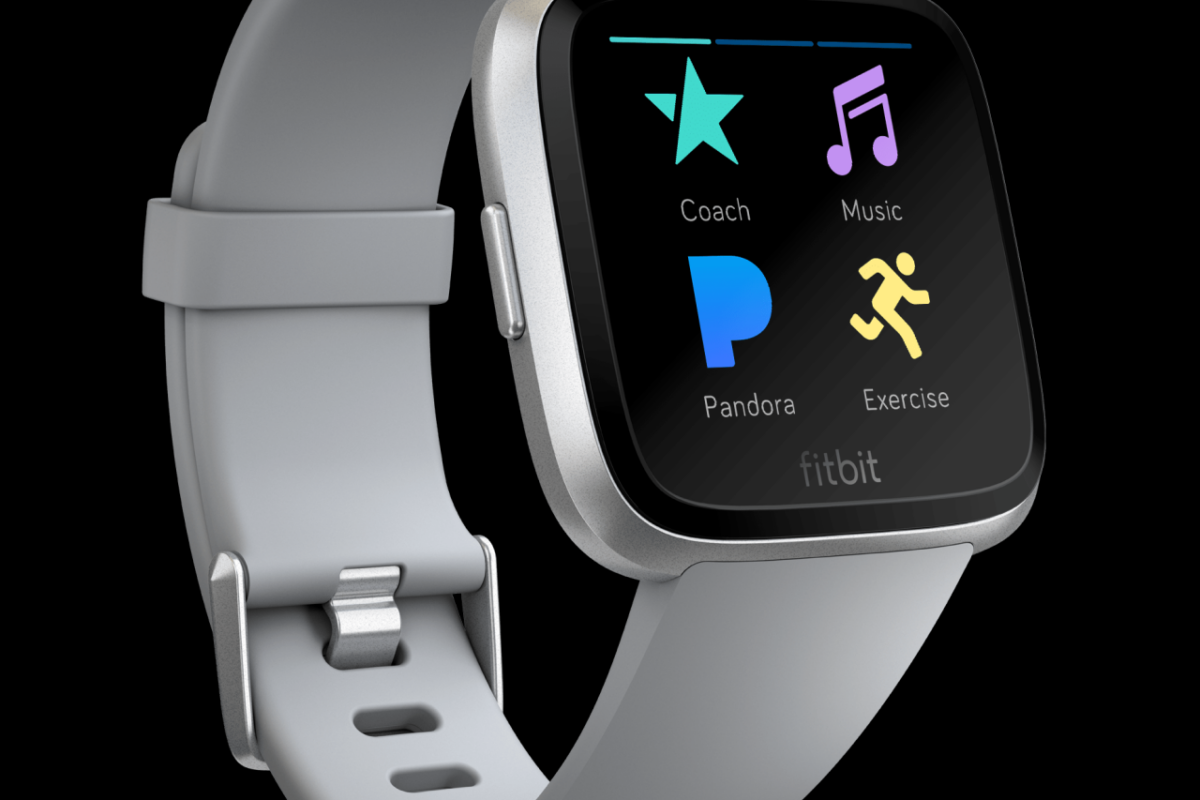
Smartwatch technology has rapidly evolved, reshaping how we interact with our daily routines and monitor our health. From early innovations to cutting-edge features, these devices have seamlessly integrated into our lives, offering convenience and connectivity at our fingertips.
As we explore the journey of smartwatches, we’ll uncover their significant impact on health and fitness, operating systems that power them, and the role they play in enhancing productivity and communication. With advancements continuing to emerge, the future of smartwatches holds exciting potential for both users and developers alike.
The Evolution of Smartwatch Technology
The journey of smartwatch technology is a fascinating tale of innovation and consumer demand. From the early concepts to today’s sophisticated devices, smartwatches have transitioned from mere gadgets to essential wearable technology that integrates seamlessly into our daily lives. As society embraced digital connectivity, the evolution of smartwatches reflected the growing need for convenience, functionality, and style.
The inception of smartwatches can be traced back to the 1970s with the introduction of the Seiko Data 2000, which allowed users to store data and communicate with computers. However, it wasn’t until the release of the Pebble in 2013 that smartwatches gained significant traction in the consumer market. The Pebble offered basic functions like notifications and fitness tracking, paving the way for future developments. Following this, major tech companies began entering the smartwatch arena, leading to a rapid evolution in design and functionality.
Key Technological Advancements
Several key advancements have profoundly shaped the smartwatches we see today, each contributing significantly to their popularity and usability. These include:
- Touchscreen Technology: The introduction of responsive touchscreen interfaces made navigation intuitive and engaging, allowing users to interact with apps easily.
- Fitness and Health Tracking: Sensors for heart rate monitoring, step counting, and sleep tracking have transformed smartwatches into essential health tools, meeting the growing consumer demand for health awareness.
- Mobile Connectivity: The integration of cellular connectivity has enabled users to make calls, send messages, and access the internet directly from their wrist, reducing the need to rely on smartphones.
- App Ecosystems: Platforms like Apple’s watchOS and Google’s Wear OS have fostered a diverse range of applications, enhancing the functionality of smartwatches beyond basic features.
- Battery Life Improvements: Advances in battery technology have extended usage times significantly, allowing devices to last longer on a single charge, which is crucial for enhancing user experience.
With these advancements, user expectations have evolved dramatically. Consumers now look for smartwatches that not only provide basic functionalities but also offer personalized experiences, attractive designs, and seamless integration with their other devices. The demand for advanced health monitoring features, customizable interfaces, and long-lasting battery life reflects a shift toward smartwatches being viewed as lifestyle companions rather than simple accessories. This evolution continues to shape the future of wearable technology, with each innovation setting new standards for what consumers expect from their devices.
The Impact of Smartwatches on Health and Fitness
Smartwatches have transformed how individuals monitor their health and fitness, merging technology with wellness in unprecedented ways. With features designed to track various health metrics, these devices empower users to take charge of their well-being. The convenience of having health monitoring tools on their wrists has made fitness tracking more accessible and inclusive for a broader audience.
Smartwatches come equipped with a plethora of health monitoring features that cater to users’ diverse fitness needs. These functionalities include heart rate monitoring, sleep tracking, step counting, and even advanced capabilities like ECG and SpO2 monitoring. The continuous heart rate tracking allows users to observe their cardiovascular health, providing insights into resting heart rates and exercise intensity. Sleep tracking functionalities analyze sleep patterns, giving users valuable feedback on the quality and duration of their rest, which is crucial for recovery and overall health.
One of the standout features is the ability to monitor blood oxygen levels (SpO2), which has gained significant attention, especially during the COVID-19 pandemic. Users can track their oxygen saturation levels, offering an important indicator of respiratory health. Furthermore, the ECG feature, available on some smartwatches, enables users to conduct simple heart rhythm assessments, which can help in early detection of potential heart issues.
Effectiveness of Smartwatch Health Tracking Compared to Traditional Fitness Devices
The effectiveness of health tracking through smartwatches has become a focal point of discussion among fitness enthusiasts and health professionals. While traditional fitness devices like pedometers and heart rate monitors have served their purpose, smartwatches provide a more comprehensive health overview.
Smartwatches not only track individual metrics but also integrate various data points, which allows for a more nuanced understanding of a user’s health. For instance, while a traditional heart rate monitor might only provide heart rate data, a smartwatch correlates that information with physical activity levels, sleep quality, and even stress metrics, resulting in a holistic approach to health management.
Additionally, the convenience of having multiple functions in one device enhances user engagement. Users are more likely to consistently track their health when they have easy access to data through a familiar interface, promoting a proactive approach to fitness. The integration of smartphone applications further enriches this experience, allowing users to set goals, receive reminders, and even connect with a community for support and encouragement.
Studies have shown that users who engage with health tracking devices are 30% more likely to achieve their fitness goals compared to those who do not.
Psychological Effects of Using Smartwatches for Health Management
The psychological impact of using smartwatches for health management is significant, influencing behavior and motivation. Many users report increased awareness of their health, which can lead to positive lifestyle changes. The immediate feedback from health metrics can serve as a powerful motivator. For instance, seeing progress in daily step counts or improvements in sleep quality can enhance motivation to maintain or intensify fitness routines.
Moreover, the gamification of health tracking—such as earning badges or completing challenges—can create a sense of accomplishment and encourage users to strive for their goals. Social features, such as sharing achievements with friends or competing in challenges, can foster a sense of community and accountability, further enhancing motivation.
In some cases, the reliance on constant health monitoring can lead to anxiety, particularly among users who become overly focused on their metrics. This phenomenon, termed “quantified self,” can sometimes lead to stress, particularly if users set unrealistic expectations based on their data. However, overall, the psychological benefits of improved motivation and engagement in health management generally outweigh the negatives, making smartwatches a valuable tool in modern health and fitness journeys.
Smartwatch Operating Systems and Their Features
Smartwatches have evolved significantly, integrating advanced functionalities that go beyond merely telling time. At the heart of this evolution are the operating systems that power these devices. The right operating system can greatly enhance user experience by offering a variety of features tailored to different needs and preferences. Let’s delve into the most popular smartwatch operating systems currently on the market.
Overview of Popular Smartwatch Operating Systems
The most prevalent smartwatch operating systems today include Wear OS, watchOS, and Tizen. Each system carries distinct features, target audiences, and compatibility factors, influencing user choice and experience. Understanding these differences is crucial for consumers looking to optimize their smartwatch experience.
Wear OS, developed by Google, aims to integrate Android devices with a user-friendly interface. It supports a range of apps from the Google Play Store, facilitating a versatile experience. This OS is particularly favored for its compatibility with Android smartphones, offering notifications and app functionalities directly from the wrist. Notably, Wear OS supports voice commands through Google Assistant, allowing for hands-free operation.
On the other hand, watchOS is Apple’s exclusive operating system for the Apple Watch. Renowned for its seamless integration with the iOS ecosystem, it offers a host of health tracking features, including heart rate monitoring and an ECG app. Moreover, watchOS boasts a rich app ecosystem, enabling users to access various third-party applications specifically designed for the Apple Watch. The intuitive interface and smooth navigation contribute to a premium user experience.
Tizen, developed by Samsung, serves as another popular choice, particularly for Samsung’s Galaxy Watch lineup. This operating system is known for its robust health and fitness features, coupled with decent battery life. Tizen also supports a variety of customization options, allowing users to personalize their watch faces and apps. Its compatibility with both Android and iOS devices makes it a versatile option for many consumers.
Comparison of Smartwatch Operating Systems
The following table illustrates the key features and compatibilities of Wear OS, watchOS, and Tizen, providing a clear overview for consumers to compare their options:
| Feature | Wear OS | watchOS | Tizen |
|---|---|---|---|
| Platform Compatibility | Android | iOS | Android & iOS |
| Health Tracking | Basic Health Metrics | Advanced Health Metrics, ECG | Fitness and Sleep Tracking |
| Voice Assistant | Google Assistant | Siri | Bixby |
| App Ecosystem | Google Play Store | App Store | Samsung Galaxy Store |
| Customization | Moderate | High | High |
Importance of App Ecosystems in Smartwatch Usability
The app ecosystem surrounding a smartwatch operating system is essential for its usability. A diverse range of applications enhances the functionality of smartwatches, allowing users to tailor their devices to fit personal preferences and needs. For instance, health and fitness apps can significantly aid users in tracking their workouts and health metrics, while productivity apps help in managing tasks efficiently.
Moreover, a robust app ecosystem often signifies a strong community of developers, which can lead to frequent updates and feature enhancements. This ability to expand the watch’s functionality through third-party applications is a key consideration for potential buyers. A limited app selection can restrict the user experience, making a smartwatch less appealing.
In conclusion, the operating system of a smartwatch plays a vital role in shaping its features and functionalities. Consumers should consider not only the OS itself but also the app ecosystem it supports when choosing the perfect smartwatch for their lifestyle.
The Role of Smartwatches in Daily Life
Smartwatches have quickly evolved from a mere tech accessory to an integral part of our daily routines. They provide a seamless blend of functionality and convenience, allowing users to manage tasks, monitor health, and communicate right from their wrist. As lifestyle habits shift towards a more connected and active approach, smartwatches have risen to meet these demands, changing how we live, work, and interact with one another.
The integration of smartwatches into daily life has significantly transformed our personal and professional routines. From tracking fitness goals to facilitating communication, these devices serve numerous purposes that enhance productivity. One key area where smartwatches excel is in health monitoring. They provide features such as heart rate tracking, sleep analysis, and even ECG readings, which empower users to take control of their health. Moreover, reminders for physical activity help motivate individuals to stay active throughout the day.
Applications of Smartwatches for Productivity and Communication
Smartwatches are versatile tools that streamline various aspects of life, making them invaluable for productivity and communication. Below are several primary applications:
- Task Management: Users can receive reminders and notifications for upcoming meetings or deadlines, helping them stay organized.
- Message Notifications: Notifications for texts, emails, and social media alerts allow for quick responses, ensuring users remain connected without needing to check their phones constantly.
- Calendar Syncing: Smartwatches can sync with calendars, providing users with alerts for events or appointments directly on their wrists.
- Voice Assistants: Many smartwatches come equipped with voice assistants, allowing users to set reminders, ask for weather updates, or even control smart home devices with voice commands.
The social implications of smartwatch usage are notable across various demographics. For younger users, smartwatches serve as a fashion statement and a social tool, enhancing connectivity without the need for constant phone access. Conversely, older adults may find them beneficial for health monitoring and reminders for medication, fostering a sense of security and independence. The widespread adoption of smartwatches also encourages a culture of wellness, where individuals are more conscious of their health and fitness, promoting an active lifestyle.
Smartwatches are not just a trend; they represent a paradigm shift in how we manage our time, health, and communication.
Future Trends in Smartwatch Design and Functionality
As technology continues to evolve at a rapid pace, smartwatches are poised to undergo significant advancements that will reshape their design and functionality. These future trends promise to enhance user experience, integrate more seamlessly into daily life, and redefine the role of wearable technology in a connected world.
One of the most exciting prospects for the future of smartwatches is the advancement of their functionalities. Enhanced health tracking capabilities are likely to become standard, with features such as continuous blood glucose monitoring and improved ECG sensors. The integration of artificial intelligence will allow smartwatches to analyze user data more efficiently, delivering personalized health insights and recommendations. This evolution will empower users to take proactive steps in managing their health.
Emerging Materials and Design Trends
The aesthetic aspect of smartwatches is equally important as technology. The use of innovative materials will play a crucial role in shaping future designs.
Key trends in materials and design include:
- Bio-compatible Materials: Companies are increasingly exploring eco-friendly and skin-friendly materials, like bio-based plastics and recycled metals, to attract environmentally conscious consumers.
- Flexible Displays: The development of flexible OLED technology will enable watches to take on unique shapes, providing more comfort and versatility in style.
- Lightweight Alloys: Future smartwatches may incorporate new lightweight alloys that enhance durability without compromising comfort, appealing to active users.
- Customizable Faces: Advances in digital watch faces will allow users to personalize their watch aesthetics, enabling the display of dynamic designs that match their mood or outfit.
Anticipating the future means recognizing the trend toward personalization and self-expression in technology, making smartwatches not just functional devices but also fashion statements.
Integration with IoT Ecosystem
The integration of smartwatches with other smart devices in the Internet of Things (IoT) ecosystem is a pivotal trend that will enhance their utility. As smart homes and connected devices gain popularity, smartwatches will serve as central hubs for managing various functions.
This integration will result in:
- Seamless Device Control: Smartwatches will enable users to control home appliances, lighting, and security systems directly from their wrist, streamlining daily tasks.
- Unified Notifications: Users can expect notifications from all their connected devices to be consolidated within the smartwatch, providing a more organized view of alerts and updates.
- Enhanced Collaboration: Smartwatches will facilitate better communication and collaboration among devices, allowing for synchronized responses to user commands.
- Smart Health Monitoring: Integration with home health monitoring systems will allow users to track their health metrics in real-time, providing a comprehensive view of their well-being.
The future of smartwatches is undeniably bright, characterized by innovative materials, advanced functionalities, and a stronger connection within the IoT ecosystem.
The Market Landscape of Smartwatches
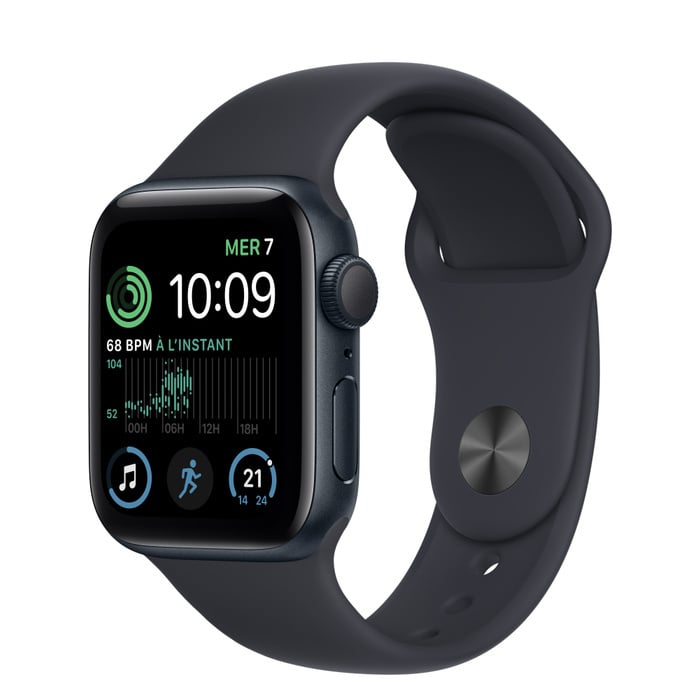
The smartwatch market has rapidly evolved over the last decade, becoming a pivotal segment in the broader wearables category. As consumer technology continues to advance, major players have emerged, each adopting distinct strategies to capture market share and meet diverse consumer preferences.
Major players in the smartwatch market include Apple, Samsung, Garmin, Fitbit, and Huawei. Apple leads the market with its Apple Watch series, leveraging its robust ecosystem of devices and services to create a seamless user experience. The company focuses on health and fitness features, integrating ECG and blood oxygen monitoring into its devices, which attracts health-conscious consumers. Samsung, through its Galaxy Watch series, emphasizes customization and compatibility with Android devices, appealing to a broader audience. Garmin targets fitness enthusiasts, offering specialized features for various activities such as running, swimming, and biking, ensuring their products remain a top choice for serious athletes. Fitbit, now a part of Google, promotes health and wellness tracking, making it particularly popular among budget-conscious users. Meanwhile, Huawei aims to capture the market with its feature-rich watches at competitive price points, appealing to consumers in emerging markets.
The competitive landscape is illustrated in the following table, which compares the market shares of different brands along with their flagship models:
| Brand | Market Share (%) | Flagship Model |
|---|---|---|
| Apple | 30 | Apple Watch Series 8 |
| Samsung | 20 | Galaxy Watch 5 |
| Garmin | 15 | Garmin Forerunner 955 |
| Fitbit | 10 | Fitbit Sense 2 |
| Huawei | 8 | Huawei Watch GT 3 |
| Others | 17 | N/A |
Consumer preferences play a significant role in shaping future product development and marketing strategies within the smartwatch industry. There is an increasing demand for health and fitness tracking capabilities, with features like heart rate monitoring, sleep tracking, and stress management becoming standard expectations among users. This shift is prompting manufacturers to innovate and enhance their health monitoring systems continuously.
Additionally, the push for greater connectivity, including features like Bluetooth calling and mobile payments, is influencing design and functionality. With the rise of lifestyle-oriented smartwatches that blend technology with fashion, brands are focusing on aesthetics, offering customizable bands and watch faces. The trend toward sustainability is also gaining traction, as consumers are becoming more environmentally conscious, prompting brands to explore eco-friendly materials and practices in their production processes. This evolving landscape suggests that future smartwatches will be more integrated, versatile, and tailored to meet the holistic needs of consumers.
Challenges Facing Smartwatch Adoption
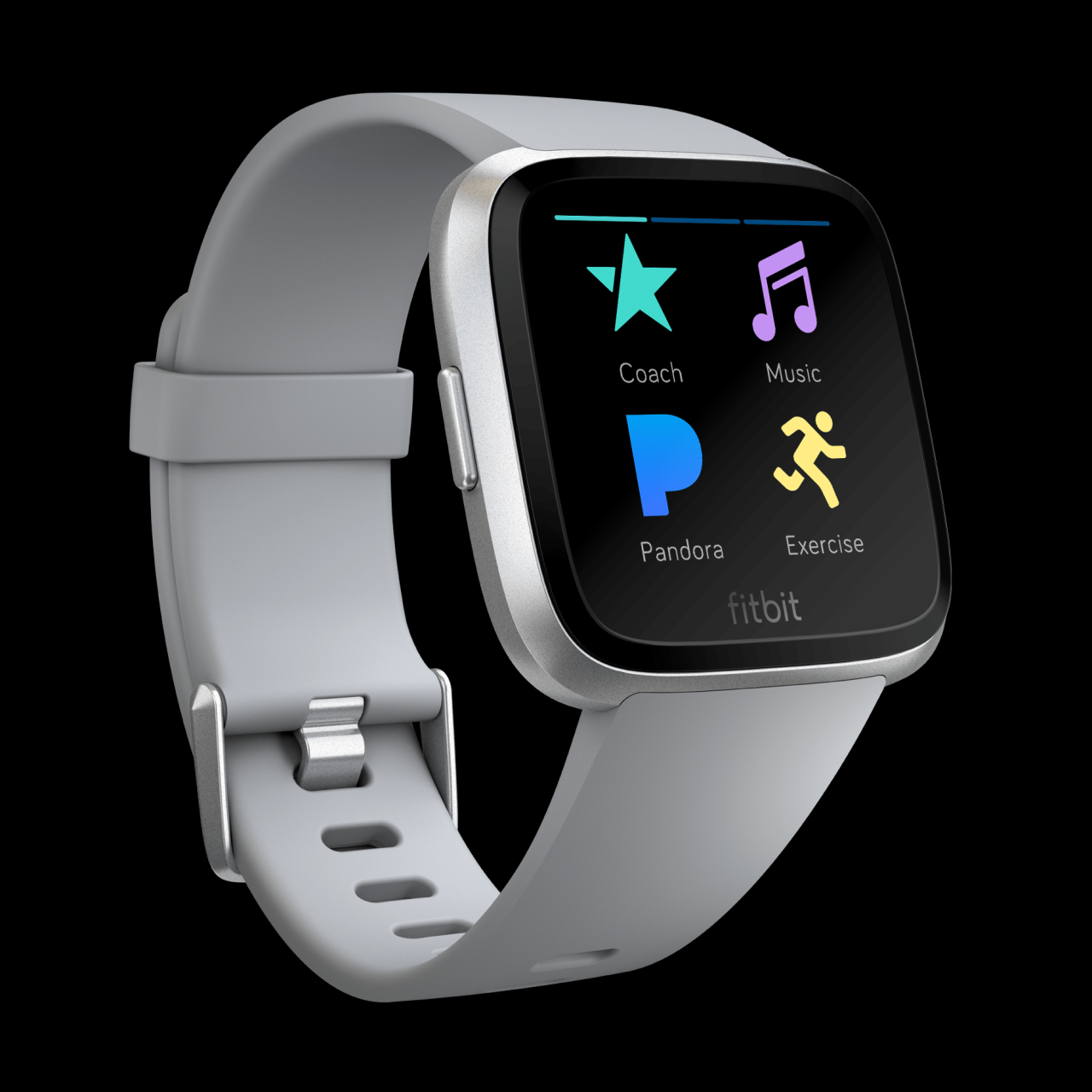
The adoption of smartwatches has been influenced by various challenges that potential users encounter. Despite the advancements in technology and growing interest, several barriers hinder widespread acceptance and usage. Understanding these challenges is vital for manufacturers to improve their products and meet consumer needs effectively.
Smartwatches face significant hurdles, particularly concerning battery life, compatibility, and user interface design. One of the most pressing issues is battery life; many users expect their devices to last throughout the day without requiring a recharge. However, many smartwatches struggle to deliver this, leading to frustration among consumers who prefer devices that support their active lifestyles without frequent charging interruptions.
Compatibility is another major concern. Smartwatches often require specific apps or operating systems to function optimally. If a potential user’s smartphone is not compatible with a smartwatch, they may face limitations in functionality, thus deterring them from making a purchase. Moreover, the user interface of many smartwatches does not always cater to the diverse range of users. Complicated or unintuitive interfaces can overwhelm potential users, especially those who are not tech-savvy.
To overcome these challenges, manufacturers can adopt several strategies. Improving battery technology is crucial; investing in new materials or innovative charging solutions could enhance battery performance. For instance, companies could explore solar charging features or the incorporation of energy-efficient components to extend battery life significantly.
Ensuring compatibility with a wide range of devices is equally essential. Manufacturers could work on creating cross-platform applications that allow their smartwatches to function seamlessly with various operating systems. This approach would widen their market reach and cater to a more extensive user base.
Enhancing user interface design is also vital. By focusing on simplicity and user-friendliness, manufacturers can ensure that individuals, regardless of their tech experience, find the device accessible and enjoyable to use. Incorporating user feedback during the design process can lead to more intuitive designs that cater to the needs of a broader audience.
In summary, addressing these challenges requires a proactive approach from manufacturers, focusing on battery efficiency, compatibility, and user experience to facilitate greater smartwatch adoption.
Personalization and Customization in Smartwatches
The rise of smartwatches has led to an increasing demand for personalization and customization features that allow users to tailor their devices to suit their preferences and lifestyles. Each smartwatch model offers a variety of options, enabling users to express their individuality and enhance their daily experiences.
Personalization in smartwatches can manifest in several ways, from altering the appearance of the watch face to selecting specific apps that cater to personal needs and interests. Users can choose from a wide array of watch faces, which can be designed to reflect personal style, mood, or even daily activities. This customization not only makes the smartwatch more visually appealing but also improves functionality. For instance, users can opt for a minimalist watch face for a formal setting or a vibrant, playful design for casual outings.
Significance of Customizable Watch Faces and App Selections
The significance of customizable watch faces and app selections in enhancing user experience cannot be overstated. These features allow users to engage with their smartwatches in a way that resonates with their personal tastes and daily routines. Customizable watch faces can display critical information such as time, date, and notifications in a format that is not only functional but also aesthetically pleasing.
The ability to choose apps that align with one’s interests further enriches the smartwatch experience. For instance, fitness enthusiasts can prioritize health apps that track workouts, heart rates, and other vital metrics, while those interested in mindfulness can opt for meditation and relaxation apps. This flexibility fosters a more meaningful interaction with the device.
Several brands exemplify excellence in providing customization options. Apple Watch allows users to choose from thousands of watch faces and customize complex complications, providing a highly personalized experience. Samsung’s Galaxy Watch series also offers a diverse range of watch faces and the ability to download third-party apps, enhancing user engagement. Fitbit emphasizes health and fitness features, allowing users to personalize their dashboards with specific metrics that matter most to them.
In summary, personalization and customization are essential aspects of the smartwatch experience, enabling users to create a device that mirrors their identities and meets their individual needs, ultimately enhancing satisfaction and usability.
Last Point
In summary, the smartwatch has transformed from a simple gadget to an essential tool that blends technology and lifestyle. As we look ahead, innovations in design and functionality will continue to shape our interactions with these devices, making them even more integral to our daily lives.
Quick FAQs
What are the primary functions of a smartwatch?
Smartwatches typically track fitness, provide notifications, allow for communication, and support various apps for enhanced functionality.
Can smartwatches be used without a smartphone?
Yes, some smartwatches can operate independently with built-in cellular capabilities, but many require a smartphone for full functionality.
How do smartwatches track health metrics?
Smartwatches use sensors to monitor heart rate, steps, sleep patterns, and sometimes even blood oxygen levels to provide health insights.
Are smartwatches waterproof?
Most smartwatches come with varying degrees of water resistance, but it’s essential to check the specifications for specific models.
How long does the battery of a smartwatch last?
Battery life varies by model and usage, ranging from one day to several weeks, depending on features and power management.