
 Widya pasha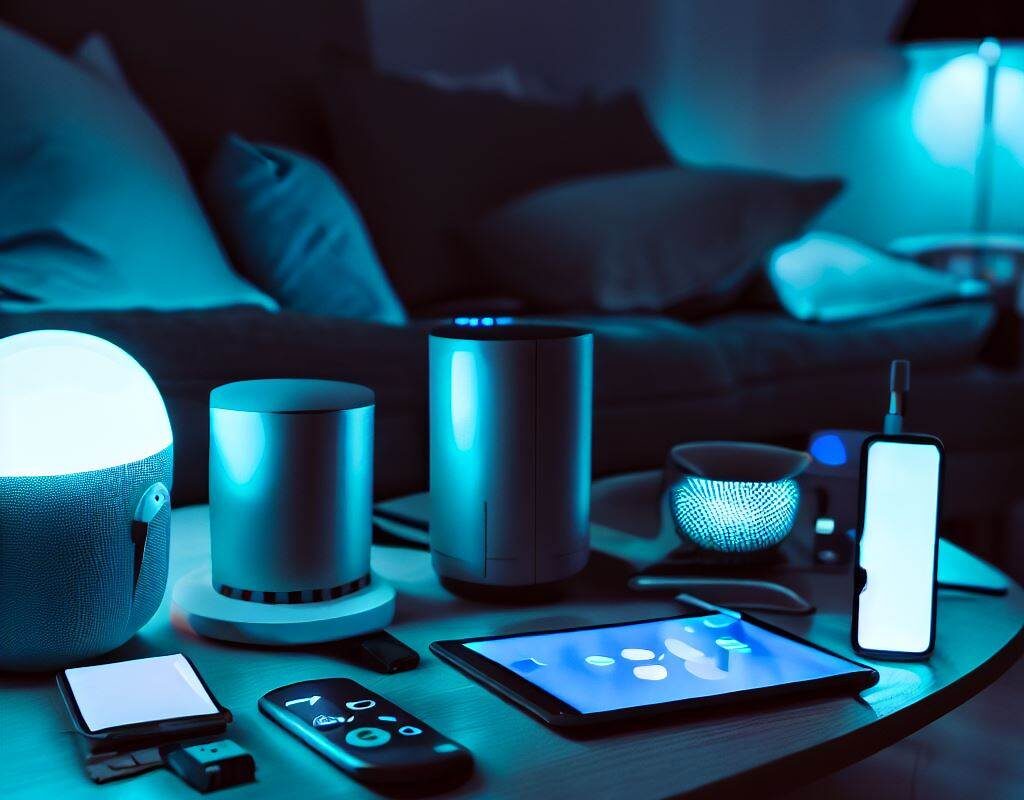
Smart home gadgets have transformed the way we live, making our homes more connected and convenient. Over the past decade, technological advancements have driven significant innovations in this sector, leading to a wide array of devices designed to enhance our daily routines. From smart speakers that respond to our commands to security cameras that offer peace of mind, these gadgets are not just trends; they are reshaping the future of home living.
As we delve into the world of smart home gadgets, we’ll explore their evolution, the latest trends, and how they can streamline our lives. Along the way, we’ll highlight popular models, their functionalities, and the benefits of integrating such technology into our homes. This discussion will provide insights into how smart home gadgets can enhance convenience, efficiency, and even sustainability.
Explore the evolution of smart home gadgets over the last decade
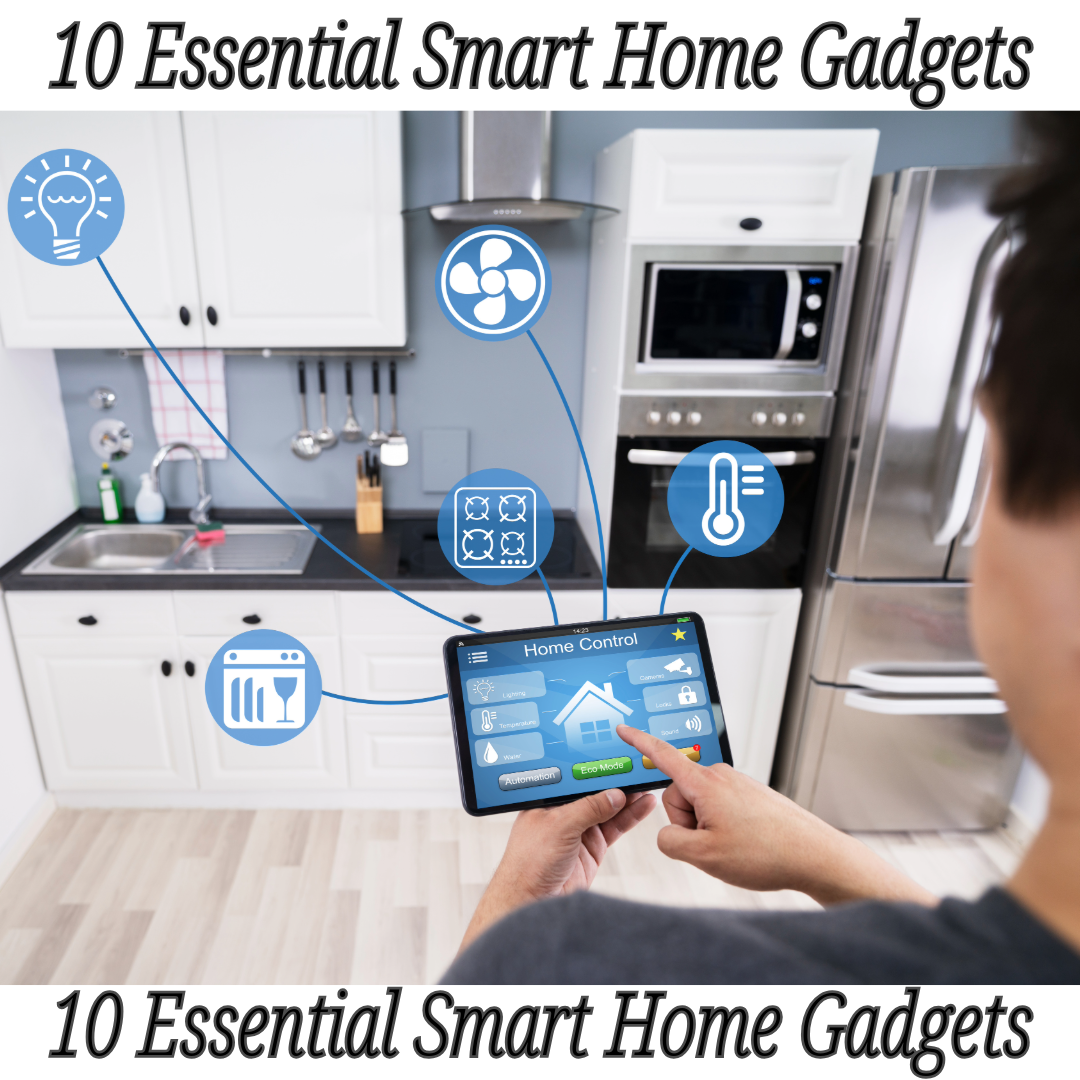
The last decade has witnessed a remarkable transformation in the realm of smart home gadgets, driven largely by rapid technological advancements and shifting consumer demands. Ten years ago, the concept of a “smart home” was still in its infancy, with most gadgets offering basic functionalities under a rudimentary framework of connectivity. Today, the landscape is vibrant with an array of sophisticated gadgets that seamlessly integrate into our daily lives, enhancing convenience, security, and energy efficiency.
Advancements in artificial intelligence, machine learning, and the Internet of Things (IoT) have been pivotal in shaping the development of smart home gadgets. Early models, such as basic smart bulbs and Wi-Fi-enabled plugs, primarily offered remote control functionality, allowing users to turn devices on and off via mobile apps. However, modern gadgets, like smart thermostats and intelligent security cameras, come equipped with features such as voice recognition, adaptive learning, and real-time monitoring. For example, devices like the Nest Learning Thermostat adjust heating and cooling based on user behavior, optimizing energy consumption without requiring constant user input.
Impact of consumer demand on innovation
Consumer demand has played a significant role in driving innovation in the smart home sector. As individuals increasingly seek convenience and efficiency, manufacturers have responded by enhancing the capabilities of their products. The surge in popularity of home automation has led to a competitive market, encouraging brands to focus on user-centric design and functionality.
Notable trends influenced by consumer preferences include:
- Interoperability: Early smart home gadgets often operated on isolated platforms, creating a fragmented experience. Today, consumers expect devices to work seamlessly together, prompting the development of ecosystems like Google Home and Amazon Alexa.
- Enhanced Security Features: With rising concerns about home security, manufacturers have innovated by integrating advanced features such as two-factor authentication and facial recognition in smart cameras and doorbells, significantly improving user trust.
- Sustainability: Eco-conscious consumers are driving demand for energy-efficient gadgets. Smart home devices now often feature energy monitoring capabilities, allowing users to track and reduce their energy consumption.
- Customization and Personalization: Users are looking for gadgets that can adapt to their lifestyles. The ability to customize settings, scenes, and routines has become a key selling point, leading to more intelligent and responsive devices.
The impact of consumer demand is evident in the rapid iteration and enhancement of existing technologies. Manufacturers are continually releasing updates and new models that address user feedback, ensuring that innovation in the smart home gadget sector remains dynamic and aligned with evolving consumer expectations. As this trend continues, one can anticipate even more exciting developments in the years to come, paving the way for increasingly intelligent and integrated living spaces.
Identify the most trending smart home gadgets on the market today
In the ever-evolving landscape of technology, smart home gadgets have become essential for creating a seamless and efficient living environment. Today’s consumers are increasingly looking for devices that offer convenience, security, and energy efficiency. This shift in lifestyle has led to the emergence of several trending smart home gadgets that cater to varying needs and preferences. Here, we will explore the top five smart home gadgets currently popular among consumers, delving into their key features and functionalities.
Top Five Trending Smart Home Gadgets
As the popularity of smart home gadgets continues to rise, it’s essential to recognize the products that have captured the attention of consumers. Below is a detailed exploration of the top five gadgets leading the market today.
- Amazon Echo (4th Gen)
The Amazon Echo has evolved significantly, with its latest version featuring a sleek, spherical design that fits seamlessly into any room. Equipped with Alexa, it can control smart home devices, play music, set alarms, and answer queries. Enhanced audio performance and built-in privacy controls make it a favorite among users.
- Google Nest Hub (2nd Gen)
This smart display not only shows the weather and your calendar but also functions as a control center for your smart devices. With voice assistant capabilities, it can answer questions, stream music, and even monitor sleep patterns. The new sleep sensing feature is particularly popular among health-conscious consumers.
- Philips Hue Smart Bulbs
Philips Hue offers a range of smart lighting products that allow users to control the ambiance of their homes via a smartphone app or voice commands. The versatility of these bulbs, including the ability to change colors and set schedules, enhances the mood and functionality of any space.
- Ring Video Doorbell 4
Providing enhanced security, the Ring Video Doorbell 4 features high-definition video, advanced motion detection, and two-way audio. It allows homeowners to see and speak with visitors from their smartphones. The easy installation and integration with other smart home devices make it a must-have for those prioritizing security.
- Roomba iRobot 980
The Roomba iRobot 980 is a robotic vacuum that utilizes intelligent mapping and navigation to clean effectively. Users can control it via an app, schedule cleanings, and even set no-go zones. Its efficient suction power and ability to adapt to different floor types make it a favorite for busy households.
The popularity of these smart home gadgets can be attributed to several factors that resonate with consumers today. First and foremost, the growing emphasis on convenience plays a crucial role. Products like the Amazon Echo and Google Nest Hub allow users to control multiple devices with simple voice commands, making daily tasks much more manageable.
Moreover, the integration of artificial intelligence in these gadgets enhances user experience. Gadgets equipped with machine learning capabilities can adapt to user preferences over time, personalizing their functions and improving efficiency. For instance, the Roomba learns the layout of your home, optimizing its cleaning paths based on previous cleans.
Another significant reason for the surge in popularity is the heightened awareness of home security. The rise in home automation has led consumers to invest in devices like the Ring Video Doorbell, which not only offers peace of mind but also serves as a deterrent against potential intruders.
Lastly, the shift towards energy efficiency is driving consumers to embrace smart home technology. Devices like the Philips Hue Smart Bulbs allow users to monitor and reduce their energy consumption, contributing to both environmental sustainability and lower utility bills.
In summary, the trend towards smart home gadgets reflects a broader lifestyle change focusing on convenience, security, and sustainability, making them indispensable tools in modern living.
Discuss the benefits of integrating smart home gadgets into daily life
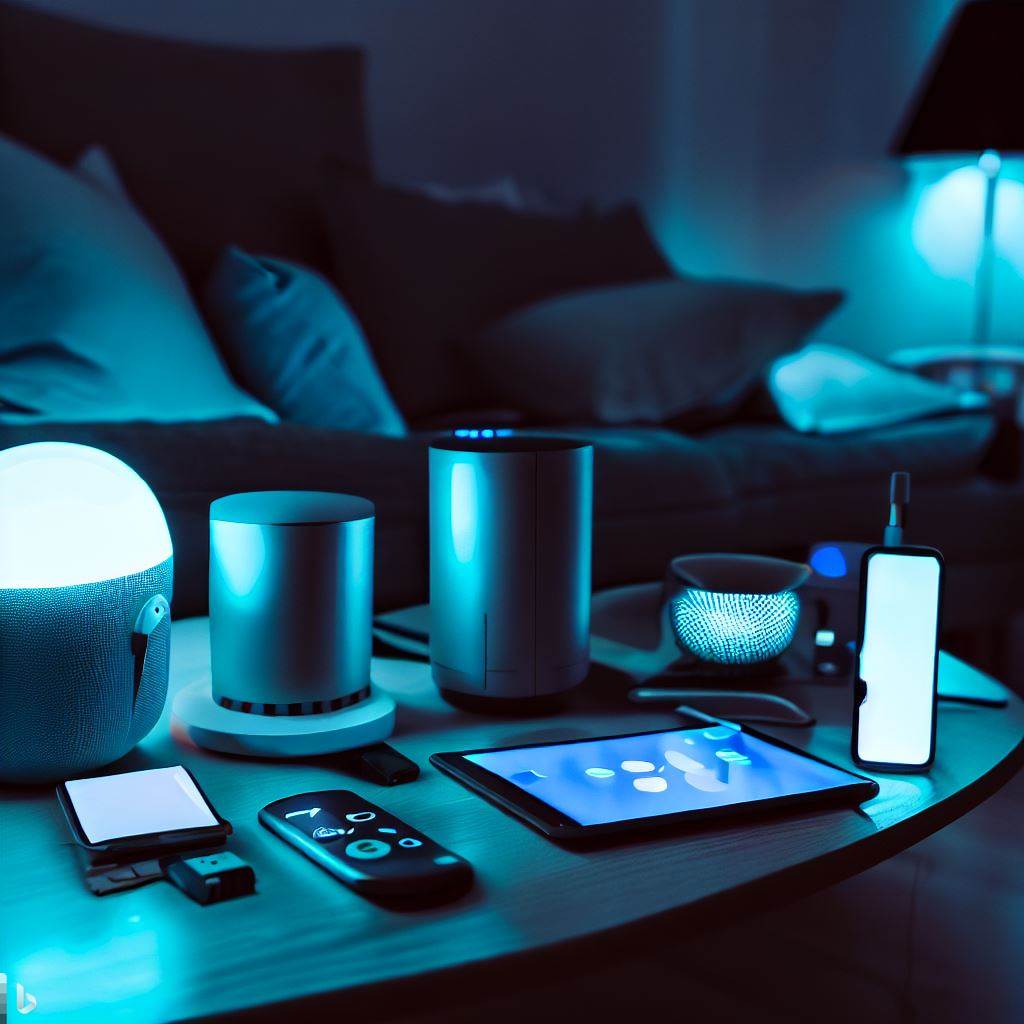
Integrating smart home gadgets into daily life brings a wealth of benefits that enhance the overall living experience for homeowners. These devices not only make day-to-day tasks more manageable but also contribute positively to energy efficiency and security, making them an invaluable addition to modern households.
Enhancement of Convenience and Efficiency
Smart home gadgets significantly improve convenience by automating routine tasks. For instance, smart thermostats can learn your schedule and adjust the temperature accordingly, ensuring your home is always at the desired comfort level without manual adjustments. Similarly, smart lighting systems allow homeowners to control the brightness and color of their lights with a simple voice command or through a mobile app, creating the perfect ambiance for any occasion.
The efficiency of smart devices also extends to time management. Smart appliances, such as refrigerators that can monitor food inventory and suggest recipes based on available ingredients, streamline meal preparation. In the realm of home cleaning, robotic vacuums can be programmed to clean floors on a schedule, allowing homeowners to focus on more important tasks while their home stays clean.
Energy Savings Through Smart Technology
One of the most impactful benefits of smart home technology is its potential for energy savings. Smart gadgets can help homeowners reduce their energy consumption and lower utility bills in various ways:
– Smart Thermostats: These devices optimize heating and cooling schedules based on occupancy, ensuring energy is not wasted when no one is home. For example, a homeowner might save up to 15% on heating and cooling costs by utilizing a smart thermostat effectively.
– Smart Lighting: Utilizing LED smart bulbs, which can be programmed to turn off automatically when a room is unoccupied, can lead to significant energy savings. These smart bulbs use up to 80% less energy than traditional incandescent bulbs.
– Energy Monitoring Systems: These systems allow homeowners to track energy usage in real-time, identifying areas where they can cut back. For instance, a family could discover that their old washing machine consumes far more energy than a newer model, prompting an upgrade that saves money over time.
Improvements in Security and Safety
The integration of smart devices also enhances home security and safety, providing peace of mind for homeowners. Smart security cameras, motion detectors, and doorbell cameras enable real-time monitoring of one’s property from anywhere through smartphone apps. These devices can send alerts if unusual activity is detected, allowing homeowners to take immediate action. For example, many smart doorbell cameras come equipped with two-way audio, enabling homeowners to communicate with visitors or delivery personnel without opening the door.
Additionally, smart locks offer advanced security features that traditional locks lack. Homeowners can lock or unlock their doors remotely, grant temporary access to guests, and receive notifications when someone enters or exits their home. This can be particularly beneficial for families with children or elderly relatives who may require additional supervision.
Smart smoke detectors and carbon monoxide detectors enhance safety by providing alerts directly to your smartphone. If a smoke alarm goes off while the homeowner is away, they can receive a notification and take necessary actions, such as contacting emergency services.
In summary, the integration of smart home gadgets into daily life not only enhances convenience and efficiency but also significantly contributes to energy savings and improvements in home security and safety, making them an essential investment for modern homeowners.
Compare the different types of smart home systems available
Smart home systems have transformed the way we interact with our living spaces, allowing users to control a multitude of devices from a centralized hub. The landscape of smart home ecosystems is primarily dominated by three major players: Amazon Alexa, Google Home, and Apple HomeKit. Each of these platforms offers unique features, compatibility options, and functionalities that cater to different user preferences and needs.
Distinctions between Smart Home Ecosystems
Understanding the distinctions among Amazon Alexa, Google Home, and Apple HomeKit is crucial when selecting a smart home system. Each ecosystem is built around its own voice assistant and application, which influences the compatibility of devices and the overall user experience.
Amazon Alexa is known for its extensive compatibility with various smart home devices. With thousands of compatible gadgets, you can control everything from lights to security cameras using simple voice commands. Alexa’s open system encourages third-party integration, allowing users to create personalized routines and automate tasks. However, while Alexa excels in versatility, its privacy policies have raised concerns among users about data security.
Google Home offers a seamless integration with Google services, making it suitable for users who rely on Google Assistant for tasks like managing calendars and accessing information. The ecosystem supports a decent range of smart home devices, though it may not be as extensive as Alexa. Google Home is recognized for its natural language processing capabilities, making it efficient in understanding complex queries. Still, its selection of compatible devices is growing but lags behind Alexa’s offerings.
Apple HomeKit stands out with its focus on security and privacy. Devices compatible with HomeKit typically require strict security standards, which can limit the range of available gadgets compared to Alexa and Google Home. However, this dedication to privacy ensures that user data is protected. HomeKit integrates well with iOS devices, offering a user-friendly experience for Apple enthusiasts. While HomeKit is known for its stability and security, the ecosystem’s limited compatibility might deter those seeking a wider selection of devices.
Compatibility and Interoperability
When evaluating smart home systems, compatibility and interoperability among different gadgets are paramount. Each ecosystem’s ability to support various devices primarily impacts the user experience and functionality.
For Amazon Alexa, compatibility is robust, supporting a variety of brands and products. This wide-ranging support enables users to mix and match devices from different manufacturers. The interoperability within Alexa’s ecosystem allows for the creation of complex routines, such as automatically adjusting the thermostat when you leave home. However, users might face challenges with devices from lesser-known brands or those that do not prioritize Alexa integration.
Google Home also offers an impressive range of compatible devices, and its tight integration with Google services enhances the overall smart home experience. Users can synchronize devices to function cooperatively, but some may find limitations with less popular brands. Google’s focus on artificial intelligence further enhances the voice assistant’s ability to understand and execute commands effectively.
Apple HomeKit’s compatibility is more selective, focusing on certified devices that meet its security standards. While this ensures high quality and security, it may lead to a limited selection of devices. Apple users can benefit from the seamless integration of HomeKit with other Apple services, but those who seek a broader array of options may find it constraining.
In summary, each smart home ecosystem presents a unique set of advantages and drawbacks. Choosing the right one ultimately depends on your individual needs, preferences, and existing technology. It’s essential to consider factors such as device compatibility, privacy concerns, and the specific functionalities that matter most to you when making this decision.
Design a smart home setup for a typical family
Creating a smart home environment is increasingly becoming a standard choice for families looking to enhance their daily lives. Smart home gadgets not only provide convenience but also contribute to safety and efficiency, making them essential for modern living. By incorporating various devices, families can streamline routines, monitor their homes, and improve overall quality of life.
A comprehensive list of smart home gadgets suitable for a typical family includes devices that cater to different needs and preferences. The following gadgets are crucial components of a family-oriented smart home setup:
- Smart Speakers: These devices, like Amazon Echo or Google Nest Hub, serve as a central control hub for other smart gadgets in the home. They can stream music, provide information, and control compatible devices via voice commands.
- Smart Thermostats: Devices such as the Nest Learning Thermostat allow families to monitor and control heating and cooling efficiently. They can learn user habits and adjust settings to save energy and reduce costs.
- Smart Security Cameras: Cameras like Ring or Arlo provide real-time monitoring of the home, ensuring safety and security. They can send alerts to family members when motion is detected, allowing for peace of mind.
- Smart Lighting: Philips Hue lights can be customized for different moods and times of day. Families can control them remotely, set schedules, or adjust brightness and color through an app.
- Smart Doorbell: Devices like the Ring Doorbell enable families to see who is at the door through their smartphones. They enhance security and allow for interaction with visitors without opening the door.
- Smart Plugs: These devices can turn any regular appliance into a smart device, allowing families to control them remotely or set schedules. They help in managing energy consumption effectively.
- Smart Locks: Smart locks like August allow families to control access to their homes securely. They can provide keys to guests or service providers without needing physical keys.
To effectively integrate these gadgets for seamless operation, it’s essential to ensure they are compatible with each other, preferably within a single ecosystem, such as Google Assistant or Amazon Alexa. This centralization helps in creating a cohesive smart home experience.
Begin by setting up a dedicated Wi-Fi network for your smart devices to improve connectivity and security. Organize devices into groups based on their function, like security or comfort, and create routines for automation, such as turning off all lights when leaving home. Utilize smart speakers as the central control point; voice commands can simplify operations significantly. For instance, saying “Goodnight” can trigger a routine that locks doors, dims lights, and adjusts the thermostat.
Additionally, regular updates and maintenance of the devices ensure they work optimally. Monitor energy usage through smart plugs or thermostats to encourage energy-saving habits among family members. Integrating family schedules can also enhance efficiency, allowing control of devices when they are most needed. This level of thoughtful integration can transform a house into a smart home, enriching the family’s quality of life through enhanced convenience, security, and comfort.
Share considerations for security and privacy when using smart home gadgets
In an era where convenience meets technology, smart home gadgets have become an essential part of our daily lives. However, while they bring numerous benefits, they also raise valid concerns regarding security and privacy. Understanding the vulnerabilities associated with these devices and adopting measures to protect personal data is key to ensuring a safe smart home experience.
Common security vulnerabilities associated with smart home devices
Smart home devices often present specific vulnerabilities that can be exploited by malicious actors. Recognizing these weaknesses can help users take proactive steps to safeguard their homes. Common vulnerabilities include:
- Weak Passwords: Many users do not change the default passwords, making devices easy targets for hackers.
- Insecure Networks: Connecting devices to unsecured Wi-Fi networks can expose them to unauthorized access.
- Lack of Encryption: Data transmitted without encryption can be intercepted, putting sensitive information at risk.
- Outdated Software: Devices running outdated firmware may lack necessary security patches, leaving them vulnerable to attacks.
By being aware of these vulnerabilities, users can better understand the importance of robust security practices.
Tips to safeguard personal data and privacy
Implementing effective security measures is vital to protecting personal information when using smart home gadgets. Here are several essential tips:
- Change Default Passwords: Always replace factory-set passwords with strong, unique ones.
- Secure Your Wi-Fi: Use strong encryption protocols (like WPA3) and a complex router password.
- Enable Two-Factor Authentication: Where available, activate two-factor authentication for an additional layer of security.
- Regularly Review Device Permissions: Periodically check which applications and services have access to your devices.
These strategies will help create a more secure environment for your smart home gadgets.
Importance of regularly updating software and firmware for smart gadgets
Keeping software and firmware up to date is imperative for the continued security of smart home devices. Manufacturers frequently release updates to address vulnerabilities that have been discovered since the device’s initial release. These updates may include patches for security flaws, enhancements in functionality, and improvements in performance.
Regularly updating devices not only protects against known vulnerabilities but also enhances user experiences by adding new features or fixing bugs. In fact, a survey indicated that nearly 60% of data breaches were linked to unpatched software vulnerabilities. Failing to apply these updates can leave devices exposed to potential threats.
To ensure that your devices are protected:
- Enable Automatic Updates: Whenever possible, set devices to automatically download and install updates.
- Check for Updates Manually: Regularly look for software updates in the device settings if automatic updates are not available.
- Stay Informed: Follow the manufacturer’s website or trusted tech news sources for announcements regarding security updates.
By making a habit of updating software and firmware, users can significantly reduce their risk of becoming victims of cyberattacks, thereby safeguarding their privacy and personal data in the smart home ecosystem.
Elaborate on the future trends in smart home technology
The evolution of smart home technology is at an exciting juncture, with innovations on the horizon that promise to revolutionize how we interact with our living spaces. As technology continues to advance, we can expect smart home gadgets to become more integrated, intuitive, and essential to daily life. Over the next five years, several key trends are anticipated to shape this dynamic landscape, driven largely by advancements in artificial intelligence (AI) and the shifting needs of consumers.
Innovations and Advancements in Smart Home Gadgets
The next five years will witness remarkable innovations in smart home technology, primarily fueled by the integration of AI and the Internet of Things (IoT). Consumers can expect gadgets that not only perform specific tasks but also learn from user behaviors and preferences to provide a more personalized experience. For instance, smart thermostats will become increasingly sophisticated, utilizing AI algorithms to predict heating and cooling needs based on historical data and real-time weather updates.
Smart security systems are also set to evolve, incorporating facial recognition technology and anomaly detection to offer enhanced safety. These systems will not only alert homeowners to potential threats but also differentiate between familiar faces and strangers, significantly reducing false alarms. Additionally, the integration of smart appliances with voice-activated assistants will simplify everyday tasks. Users will be able to control everything from their ovens to washing machines with verbal commands, making home management more efficient than ever.
The role of AI in enhancing smart home capabilities will be profound. AI will enable devices to communicate with one another through a centralized hub, leading to greater automation. For example, when a user leaves home, the security system will automatically lock doors, the thermostat will adjust to an energy-saving mode, and lights will be turned off, all without requiring manual input. This seamless integration will not only enhance convenience but also reduce energy consumption, aligning with growing environmental consciousness among consumers.
The evolving needs of consumers are central to the future of smart home technology. As lifestyles change, particularly with an increasing number of people working from home, there is a rising demand for devices that enhance comfort, security, and productivity. Smart lighting systems will be developed to adapt to varying work conditions, providing optimal brightness for video calls or focused tasks while changing to warmer tones during relaxation periods. Furthermore, health and wellness gadgets, such as air quality monitors and smart sleep devices, will gain popularity as people prioritize their well-being in a fast-paced world.
As the market expands, the emphasis will shift toward interoperability among devices, allowing users to choose from a wider range of products that work harmoniously together. This demand for compatibility will push manufacturers to develop standardized protocols, ensuring that devices from different brands can communicate effectively.
In summary, the future of smart home technology is bright, characterized by innovative gadgets that are smarter, more autonomous, and tailored to meet the evolving needs of consumers. The integration of AI will not only enhance functionality but also redefine how we approach home living, making it more efficient, secure, and responsive to individual lifestyles.
Demonstrate the impact of smart home gadgets on sustainability
Smart home technology is reshaping the way we live, offering innovative solutions that not only enhance convenience but also promote sustainability. As concerns about environmental degradation grow, smart home gadgets emerge as essential tools in the quest for a more eco-friendly lifestyle. By integrating these technologies into our daily routines, we can reduce waste, conserve energy, and ultimately contribute to a healthier planet.
At the core of sustainability in smart homes is the ability to monitor and manage energy consumption effectively. Many smart devices are designed to provide real-time data, allowing users to track their energy usage and identify areas for improvement. These innovations lead to better resource management and can result in significant reductions in utility bills and carbon footprints. For instance, smart thermostats learn household patterns, adjusting temperatures automatically to save energy when no one is home. Similarly, smart lighting systems can be programmed to turn off automatically when rooms are unoccupied.
Examples of Gadgets that Help Monitor and Reduce Energy Consumption
Implementing smart home gadgets can drive energy efficiency in multiple ways. Below are examples of devices that contribute to a sustainable living environment:
- Smart Thermostat: Devices like the Nest Learning Thermostat optimize heating and cooling schedules based on user behavior, reducing energy waste.
- Smart Plugs: These allow users to control and schedule the operation of appliances remotely, ensuring they aren’t consuming power when not in use.
- Smart LED Bulbs: Energy-efficient bulbs that can be dimmed or scheduled to turn off at specific times, maximizing efficiency.
- Energy Monitoring Systems: Devices that provide insights into energy usage patterns, helping users make informed decisions about their consumption.
The potential of smart homes extends beyond energy savings and includes promoting eco-friendly practices among families. By adopting these technologies, households can foster a culture of sustainability. For example, children can learn about energy conservation through interactive devices that show the impact of turning off lights or reducing the thermostat setting.
In addition, smart irrigation systems for gardens can be programmed to water only when necessary, reducing water waste and enhancing plant health. Such systems use weather data to determine the best times for irrigation, ensuring optimal water use without the risk of overwatering.
The integration of smart home technologies can lead to a significant decrease in overall household waste. Smart refrigerators can track food inventory and expiration dates, helping families plan meals and reduce food waste.
As society shifts towards more sustainable practices, the role of smart home gadgets becomes increasingly vital. By adopting these technologies, families not only benefit from economic savings but also contribute actively to a more sustainable world. The blend of convenience and environmental responsibility exemplifies a new era of living that prioritizes both our needs and the health of our planet.
Epilogue
In conclusion, smart home gadgets represent a remarkable evolution in how we interact with our living spaces. They offer a blend of convenience, safety, and energy efficiency that can significantly enhance our quality of life. As technology continues to advance, the future of smart homes looks promising, with innovations expected to further transform our daily experiences. Embracing these gadgets not only makes life easier but also paves the way for a more sustainable and connected future.
FAQ Corner
What are smart home gadgets?
Smart home gadgets are devices that connect to the internet and can be controlled remotely, enhancing convenience and efficiency in home management.
Are smart home gadgets easy to install?
Most smart home gadgets are designed for easy installation, often requiring minimal technical skills, with many offering user-friendly apps for setup.
Do smart home gadgets require a stable internet connection?
Yes, a stable internet connection is essential for smart home gadgets to function properly and communicate effectively with each other.
Can smart home gadgets improve energy efficiency?
Absolutely! Many smart home devices, like smart thermostats and energy monitors, help track and reduce energy consumption, leading to lower utility bills.
Are smart home gadgets secure?
While they offer many benefits, security can be a concern; it’s crucial to use strong passwords and keep software updated to protect your devices from vulnerabilities.
What types of smart home systems are available?
Popular smart home systems include Amazon Alexa, Google Home, and Apple HomeKit, each with its own ecosystem and compatibility with various devices.
How can I ensure my privacy with smart home gadgets?
To protect your privacy, regularly update device firmware, review privacy settings, and limit the amount of personal information shared with these devices.