
 Widya pasha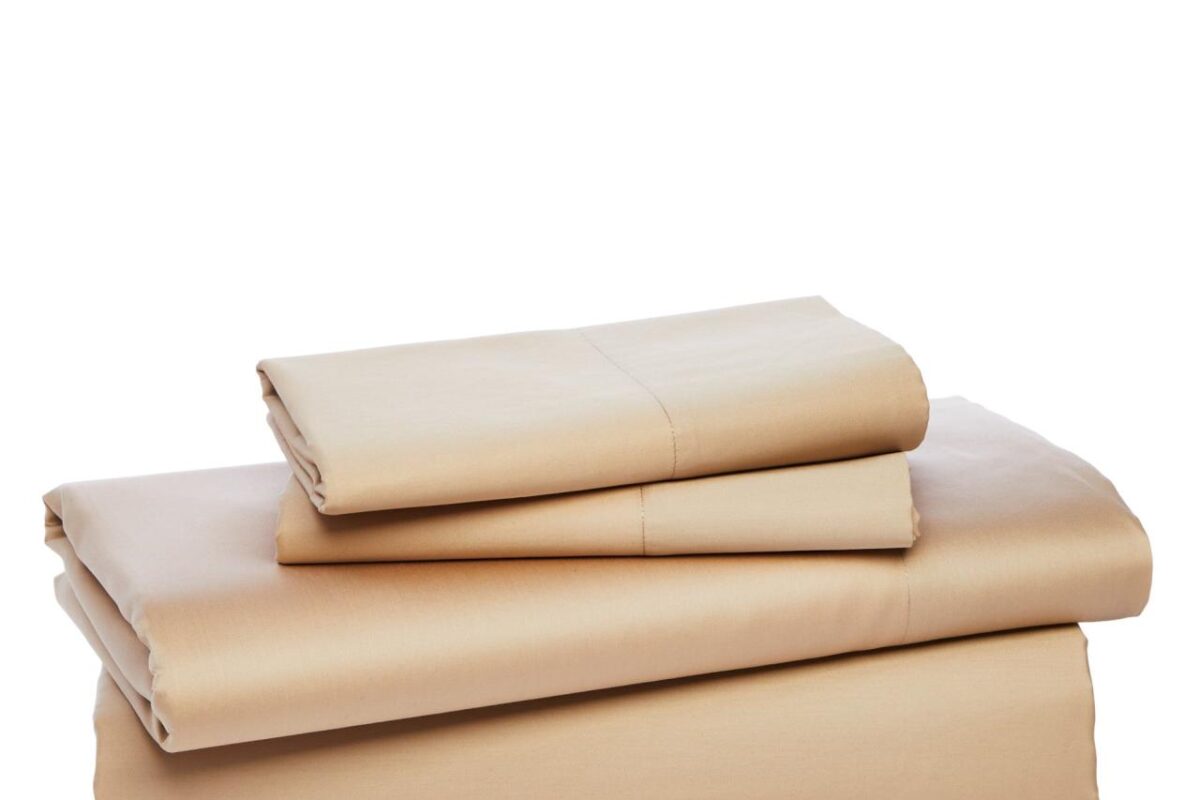
Bed sheets are more than just fabric covering your mattress; they play a crucial role in ensuring a restful night’s sleep. The right bed sheets can enhance comfort, regulate temperature, and contribute to the aesthetic of your sleeping space. Understanding the materials, thread counts, and care methods is vital to making informed choices that suit your preferences and needs.
This guide dives into the many facets of bed sheets, from their impact on sleep quality to their role in bedroom hygiene and décor. Whether you’re curious about the best materials for comfort, how to maintain your sheets, or the environmental implications of your choices, this comprehensive overview will equip you with the knowledge to elevate your sleep experience.
The significance of choosing the right bed sheets for a restful sleep
Choosing the right bed sheets is crucial for enhancing sleep quality, as they play a significant role in comfort and overall sleep experience. The fabric and thread count of bed sheets can directly influence how well you sleep, impacting factors such as temperature regulation, softness, and durability. When selecting bed sheets, understanding these aspects can lead to a more restful night.
The fabric of bed sheets can vary widely, each with its unique properties that cater to different preferences and needs. For instance, cotton is renowned for its softness and breathability, making it a popular choice for many. The thread count, which indicates the number of threads woven into a square inch of fabric, often correlates with the sheet’s softness and durability. Higher thread counts, typically ranging from 400 to 800, are commonly associated with luxury sheets that feel smooth against the skin. However, it’s essential to note that a higher thread count doesn’t always equate to better quality if the fabric is of lower grade.
Material comparisons and their properties
Understanding different materials can help you make informed decisions about your bedding. Each fabric comes with its distinct benefits, which can enhance your sleep experience. Here are some notable examples:
- Cotton: This natural fiber is praised for its softness, breathability, and ability to wick moisture away from the body. Egyptian cotton, known for its long fibers, offers enhanced durability and comfort, making it a premium option.
- Linen: Made from flax fibers, linen is highly breathable and has excellent moisture-wicking properties, allowing heat to escape, which is beneficial for hot sleepers. Its textured feel can add a rustic charm to your bedding.
- Microfiber: A synthetic material, microfiber is lightweight and soft, providing a silky feel at a lower cost. While it can retain heat, making it less ideal for warm climates, its resilience makes it a popular choice for everyday use.
Breathability is essential in maintaining a comfortable sleep environment. Bed sheets that allow air circulation can prevent overheating, aiding in a more restful sleep. In addition, moisture-wicking properties help keep the skin dry and comfortable, particularly for those who tend to sweat during the night. This becomes critical for ensuring that you stay asleep longer without interruptions caused by discomfort.
In summary, the choice of bed sheets significantly impacts sleep quality. By understanding the effect of fabric, thread count, and material properties, you can select sheets that cater to your sleeping preferences, ultimately contributing to a more rejuvenating sleep experience.
How to care for and maintain bed sheets to ensure longevity
Taking good care of your bed sheets can significantly extend their lifespan and keep them looking fresh and comfortable. Different materials require specific washing techniques, drying methods, and maintenance strategies to preserve their quality. Understanding these details will help you create a cozy and inviting sleep environment that lasts.
Washing Techniques and Temperatures for Different Materials
Different bed sheet materials have distinct washing requirements that impact their longevity. Here’s a quick guide to ensure your sheets remain in top condition:
- Cotton: Machine wash in warm water (30-40°C) using mild detergent. Avoid bleach, as it can weaken the fibers over time.
- Polyester: Wash in cold water (up to 30°C) to prevent shrinkage and fading. Use a gentle cycle for best results.
- Linen: Hot water (up to 60°C) can be used for washing linen sheets as they become softer with each wash. However, avoid prolonged exposure to direct sunlight when drying.
- Satin: Hand wash or use a delicate cycle in cold water. Use a gentle detergent to maintain the fabric’s sheen and prevent snagging.
“Regular washing not only maintains cleanliness but also enhances the softness of the fabric.”
Drying and Ironing Bed Sheets
Drying and ironing techniques also play a crucial role in preserving the quality of bed sheets. Proper methods can prevent wrinkles and fabric damage.
- Drying: Air drying is usually best, especially for cotton and linen, to maintain their structure and softness. If using a dryer, choose a low heat setting and remove sheets promptly to minimize wrinkles.
- Ironing: Ironing cotton sheets while slightly damp helps eliminate wrinkles effectively. For satin, use a low heat setting and place a cloth between the iron and the fabric to prevent damage.
“Proper drying and ironing techniques not only preserve the fabric but also enhance the overall appearance of your bed sheets.”
Rotating Bed Sheets and Replacement Frequency
To ensure even wear and maintain freshness, it’s essential to rotate your bed sheets regularly. Using multiple sets allows you to extend the life of each one.
- Rotation: Aim to switch out your sheets every one to two weeks, allowing each set to rest and recover. This practice helps minimize the wear and tear that comes from constant use.
- Replacement Frequency: Bed sheets should generally be replaced every three to five years, depending on the quality and frequency of washing. Signs of wear, fading, or fraying indicate that it’s time for a new set.
“Regular rotation and timely replacement are key components in ensuring your bed sheets provide comfort and durability for years.”
The impact of bed sheet colors and patterns on bedroom aesthetics
Choosing the right bed sheets goes beyond mere comfort; it significantly influences the overall aesthetic of a bedroom. The colors and patterns of bed sheets can establish a mood, enhance the decor, and create a sense of balance within the space. Understanding these elements can help you curate a restful and visually appealing environment.
Different colors evoke varied emotional responses and can dramatically alter the atmosphere of a bedroom. For instance, soft pastel shades like light blue or pale pink can create a serene and calming environment, perfect for relaxation. In contrast, vibrant colors such as deep red or bright yellow can energize the space and instill a sense of warmth. Neutral tones like beige, gray, or white offer versatility, allowing for easy integration with existing decor while promoting a clean and minimalistic vibe.
Effects of Popular Patterns on Interior Design
Patterns on bed sheets can also play a crucial role in the overall aesthetic of a bedroom. Each pattern brings its unique flair, contributing to the room’s character and style. Here’s a look at some popular patterns and their effects:
- Stripes: Horizontal stripes can make a room appear wider, while vertical stripes can add height. This classic pattern works well in both modern and traditional settings.
- Floral Prints: Floral designs infuse a touch of nature into the bedroom, promoting freshness and tranquility. They are especially popular in vintage or cottage-style decor.
- Geometric Shapes: Geometric patterns lend a contemporary feel, often adding a sense of sophistication and structure. These patterns are favored in minimalist and modern interiors.
- Abstract Designs: Abstract prints can serve as statement pieces, drawing attention and sparking conversation. They work well in eclectic or artistic spaces.
When selecting bed sheet designs, it’s essential to consider how they will complement your existing bedroom decor. Here’s a guide to assist you in making the right choice:
- Analyze Your Color Palette: Take a look at the dominant colors in your bedroom. Choose bed sheets that either match or provide a pleasing contrast. For example, if your walls are painted in a cool blue, consider sheets in white or a complementary navy.
- Determine the Ambiance: Decide on the mood you want to create. For a relaxed atmosphere, opt for soft, muted colors and delicate patterns. For a lively vibe, bold colors and dynamic patterns can elevate the energy.
- Consider Texture: The texture of the bed sheets can affect how patterns appear. Crisp, smooth fabrics can make patterns look sharper, while softer, more textured materials can create a more subtle visual effect.
- Layering Options: Think about layering with throws or decorative pillows. This can amplify the impact of your chosen sheets, allowing for more creativity in your decor.
Colors and patterns in bed sheets can dramatically influence the mood and style of a bedroom, making them essential elements in interior design.
Exploring the various types of bed sheets available on the market
When it comes to choosing bed sheets, understanding the different types available can significantly enhance your sleep experience. The market offers a variety of bed sheets designed to meet diverse preferences and needs. From basic styles to specialty options, each type serves a unique purpose that contributes to comfort and functionality.
Fitted sheets, flat sheets, and duvet cover sheets are the three primary categories of bed sheets. Fitted sheets are designed with elasticated corners that allow them to snugly fit over the mattress. They are ideal for preventing the sheet from slipping off during the night, ensuring a smooth sleeping surface. Flat sheets, on the other hand, are rectangular pieces of fabric that can be layered over the fitted sheet or used as a lightweight blanket. They are versatile and often used in combination with other bedding items. Duvet cover sheets serve as protective covers for duvets or comforters. They usually feature button or zipper closures, making it easy to remove and wash them, while also adding a decorative touch to the bedding ensemble.
Benefits of specialty sheets
Specialty sheets have gained popularity due to their unique features, tailored to enhance sleep quality. Cooling sheets are designed to wick away moisture and regulate temperature, making them perfect for individuals who tend to sleep hot. They are often made from breathable materials such as bamboo or specialized synthetic fabrics. Hypoallergenic sheets, on the other hand, are crafted to resist allergens and irritants. These sheets are typically made from materials like organic cotton or microfiber, which are less likely to harbor dust mites or other allergens, making them suitable for sensitive individuals.
To further illustrate the differences among various types of bed sheets, here’s a comparative table showcasing features and price ranges:
| Type of Sheet | Features | Average Price (USD) |
|---|---|---|
| Fitted Sheet | Elastic corners, snug fit | $20 – $100 |
| Flat Sheet | Versatile, used as a layer or lightweight blanket | $15 – $80 |
| Duvet Cover Sheet | Protective, decorative, often washable | $30 – $150 |
| Cooling Sheet | Moisture-wicking, temperature-regulating | $25 – $120 |
| Hypoallergenic Sheet | Resists allergens, gentle on sensitive skin | $30 – $100 |
The environmental impact of bed sheets production and sustainable options
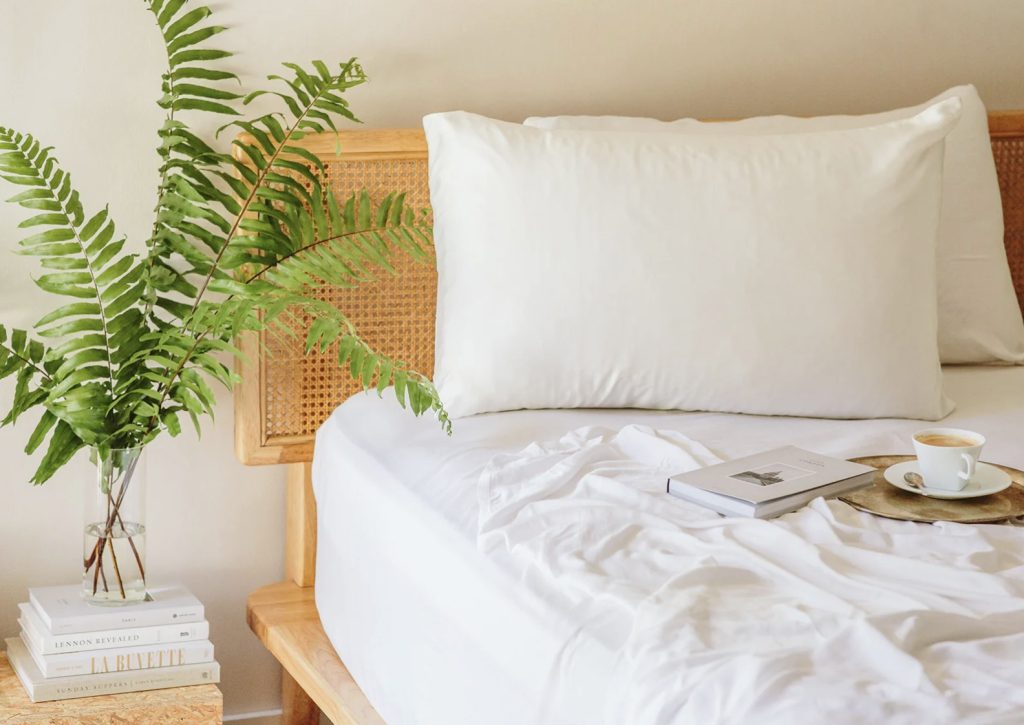
The production of bed sheets involves various processes that can significantly impact the environment. From the cultivation of raw materials to manufacturing and transportation, conventional bed sheet production poses several environmental concerns, particularly in terms of resource consumption and pollution. Understanding these issues is crucial for consumers looking to make informed choices that contribute to sustainability.
The production of bed sheets often relies on cotton, polyester, and other synthetic fibers, which can involve heavy pesticide use, high water consumption, and significant carbon emissions. Conventional cotton farming uses around 11% of the world’s pesticides, resulting in soil degradation and a negative impact on local ecosystems. Moreover, the manufacturing processes for synthetic fibers typically involve fossil fuels and generate substantial waste. Consumers are increasingly aware of these issues and are seeking out more sustainable options that mitigate the environmental impact associated with traditional bedding materials.
Eco-friendly materials and certifications
Choosing bed sheets made from eco-friendly materials can significantly reduce their environmental impact. There are several sustainable materials and certifications that consumers should be aware of when selecting bedding options:
– Organic Cotton: Grown without synthetic fertilizers or pesticides, organic cotton is cultivated using methods that maintain soil health and biodiversity. Look for certifications such as the Global Organic Textile Standard (GOTS) to ensure you are purchasing truly organic products.
– Bamboo: Bamboo is a highly sustainable material due to its rapid growth and minimal resource requirements. It requires less water than cotton and can be processed into soft fabric known as bamboo rayon. Certifications like OEKO-TEX guarantee that the bamboo fabric is free from harmful substances.
– Linen: Made from the flax plant, linen is an environmentally friendly choice as flax requires fewer resources to grow compared to cotton. Linen is also biodegradable and becomes softer with every wash.
– Recycled Fabrics: Some brands utilize recycled materials, such as recycled polyester, which reduces waste and the need for virgin resources. Look for certifications that indicate the material has been processed sustainably.
Brands prioritizing sustainability in bed sheet production
Many brands are stepping up to offer sustainable alternatives in bed sheet production. These companies not only focus on eco-friendly materials but also commit to ethical manufacturing practices. Here are a few notable examples:
– Boll & Branch: This brand is known for its organic cotton bed sheets that are GOTS certified. They prioritize fair labor practices and sustainable sourcing.
– Coyuchi: With a strong emphasis on sustainability, Coyuchi offers organic and Fair Trade certified bedding. Their products are designed to minimize environmental impact throughout their lifecycle.
– Brooklinen: While primarily known for luxury bedding, Brooklinen has made strides toward sustainability with their use of eco-friendly materials and transparent sourcing practices.
– Parachute: This company focuses on using natural materials, such as linen and cotton, and offers Oeko-Tex certified products to ensure safety and sustainability in their bedding.
Choosing sustainable bed sheets contributes to a healthier planet and promotes ethical practices within the textile industry.
The influence of bed sheets on allergies and skin sensitivities
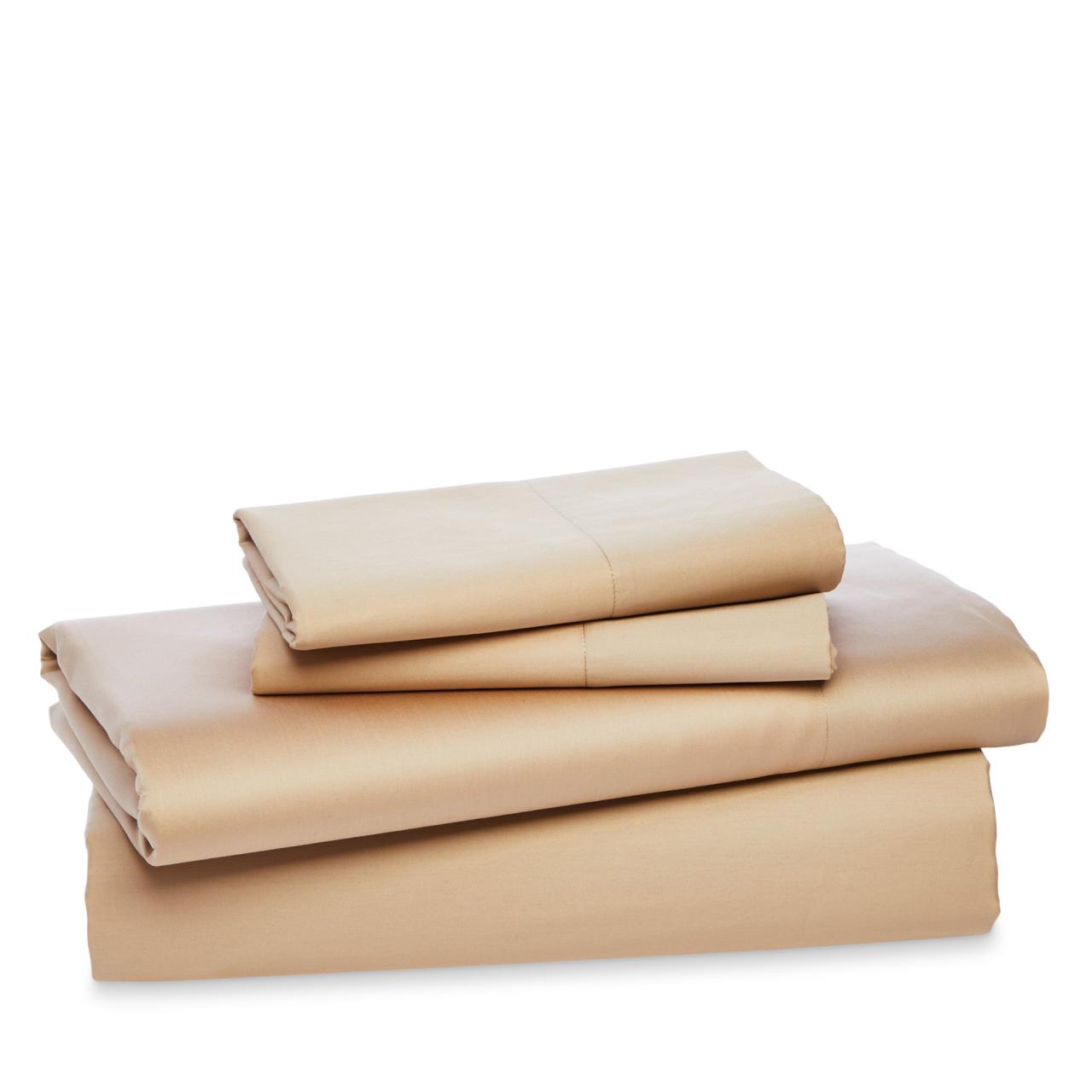
Bed sheets play a crucial role in our sleep environment, especially for those with allergies or sensitive skin. The materials we choose for our bedding can either mitigate or exacerbate skin reactions and allergic responses. Understanding the impact of different fabrics can lead to healthier and more comfortable sleeping conditions.
Certain materials used in bed sheets can trigger allergies or skin reactions due to their composition or the chemicals used in their processing. Common allergens include dust mites, pet dander, and certain synthetic fibers. For sensitive skin, natural fibers like cotton, bamboo, and linen are often recommended because they are less likely to irritate the skin and are breathable, helping to regulate temperature and moisture. However, even these materials can harbor allergens if not properly maintained.
Hypoallergenic bed sheets for sensitive individuals
For individuals with allergies or skin sensitivities, hypoallergenic bed sheets are a vital choice. These sheets are designed to minimize the accumulation of common allergens, making it easier for sensitive individuals to enjoy a good night’s sleep. Hypoallergenic sheets are typically made from tightly woven fabrics that prevent dust mites and other allergens from becoming embedded in the material.
When selecting hypoallergenic sheets, consider the following factors:
- Material: Look for sheets made of 100% cotton, bamboo, or Tencel, which are known for their hypoallergenic properties.
- Treatments: Some bed sheets undergo special treatments to resist allergens, mold, and mildew.
- Thread Count: A higher thread count can indicate a tighter weave, which may help keep allergens at bay.
Using hypoallergenic bed sheets can significantly reduce allergic reactions and improve overall sleep quality for sensitive individuals.
The role of bed sheets in dust mites and other allergens
Bed sheets are a breeding ground for dust mites, which can trigger allergic reactions in many individuals. Dust mites thrive in warm, humid environments, and bed linens provide an ideal habitat. Regular washing of bed sheets is critical to controlling dust mites and other allergens. Washing in hot water (at least 130°F or 54°C) can help kill dust mites and remove their waste products, which are common triggers for allergies.
To mitigate the effects of allergens in bed sheets, consider the following practices:
- Frequent Washing: Wash bed sheets every one to two weeks to reduce allergen buildup.
- Protective Covers: Use allergen-proof covers on pillows and mattresses to create a barrier against dust mites.
- Temperature Control: Maintain a cool, dry environment in the bedroom to prevent dust mite proliferation.
By implementing these strategies, individuals can significantly reduce their exposure to allergens and enjoy a healthier sleeping environment.
Regular maintenance and the right material choices in bed sheets can greatly enhance sleep quality for individuals with allergies and sensitivities.
A guide on customizing bed sheets for personal preferences
Customizing bed sheets allows you to create a sleeping environment that reflects your personal style and comfort needs. From selecting the right dimensions for your mattress to choosing personalized designs, the process can elevate your bedroom aesthetic while ensuring a perfect fit. Understanding these elements will help you make informed decisions that enhance your sleeping experience.
Selecting Dimensions for Bed Sheets
Choosing the correct dimensions for your bed sheets is crucial for both comfort and aesthetics. The dimensions must correspond not only to the size of your mattress but also to its depth. Standard mattress sizes include twin, full, queen, and king, but variations in mattress thickness can affect fit. For instance, a deep-pocket sheet is recommended for thicker mattresses, as it offers extra fabric to accommodate the additional height.
To select the right dimensions, measure your mattress width, length, and depth, and compare these measurements against standard sheet sizes. It’s important to consider factors like mattress toppers or encasements that may alter the depth.
Options for Personalized Designs and Monogramming
Personalized designs and monogramming can transform ordinary bed sheets into unique pieces that showcase your individual taste. Custom options include selecting colors, patterns, and fabrics that resonate with your décor style.
For instance, you might opt for classic white sheets adorned with a monogram in a sophisticated font, or vibrant prints that reflect your personality. Monograms can be placed subtly in a corner or boldly across the center, depending on your preference.
Factors to Consider When Choosing Custom Bed Sheets
When selecting custom bed sheets, various factors play a role in ensuring that your choice meets personal preferences and practical needs. Below are key considerations to keep in mind:
Consideration of fabric is essential; materials like cotton, linen, or microfiber each offer varying levels of comfort, breathability, and care. For example, cotton sheets are known for their softness and durability, while linen offers a more textured finish and excellent temperature regulation.
Thread count also impacts the quality of bed sheets. A higher thread count generally provides a softer feel, but finding a balance is important, as excessively high counts can lead to stiffness.
Durability is a crucial factor, especially if you prefer sheets that withstand frequent washing. Choosing fabrics that maintain their quality over time will enhance your investment.
Style preference plays a significant role in your selection process. Take into account your existing bedroom décor, and ensure that your chosen sheets complement the overall aesthetic.
Budget is always a significant factor when customizing bed sheets. Prices can vary greatly based on fabric quality and design intricacy, so it’s wise to set a budget that aligns with your expectations without compromising on quality.
Investing in custom bed sheets not only enhances the visual appeal of your bedroom but also improves your overall comfort during sleep.
The role of bed sheets in enhancing bedroom hygiene
Maintaining clean bed sheets is vital for ensuring a healthy sleeping environment. Bed sheets act as the primary barrier between our bodies and the mattress, accumulating sweat, skin cells, dust mites, and various allergens over time. Recognizing the importance of this layer can significantly enhance overall bedroom hygiene and, consequently, personal health.
The relationship between clean bed sheets and overall health is significant. Dirty sheets can harbor bacteria, fungi, and dust mites, which can exacerbate allergic reactions and respiratory problems, such as asthma. Regularly washing bed sheets helps eliminate these irritants, promoting a cleaner, healthier space for rest and recovery. Moreover, fresh sheets can improve sleep quality by providing a more comfortable and inviting surface, ultimately contributing to better physical and mental well-being.
Frequency of washing bed sheets for optimal hygiene
To maintain optimal hygiene, it is essential to understand how often bed sheets should be washed. The frequency can vary based on factors such as personal hygiene habits, allergies, and living conditions. Here are some guidelines to consider:
- Weekly washing: Ideally, bed sheets should be washed once a week. This frequency effectively removes dirt, oils, and allergens, ensuring a fresh sleeping environment.
- Bi-weekly washing: If you have a lower dust mite sensitivity or do not sweat excessively during sleep, washing every two weeks may suffice.
- Monthly washing: For guests or infrequently used beds, washing sheets at least once a month can help maintain an acceptable level of cleanliness.
Regular washing not only promotes hygiene but also extends the lifespan of your bedding by preventing fiber wear caused by accumulated dirt and oils.
Health risks of neglecting bed sheet cleanliness
Neglecting the cleanliness of bed sheets can lead to several health risks that may affect sleep quality and overall well-being. The following points highlight the potential dangers associated with unwashed bedding:
- Increased allergies: Dust mites thrive in unclean sheets, leading to heightened allergy symptoms and discomfort for sensitive individuals.
- Skin irritations: Bacteria and fungi present in dirty sheets can cause or exacerbate skin conditions, such as acne and eczema.
- Respiratory issues: Accumulated dust and allergens can trigger asthma attacks and other respiratory problems, particularly in susceptible individuals.
Regularly changing and washing bed sheets is essential in preventing health issues and ensuring a restful, hygienic sleeping environment.
Ending Remarks
In conclusion, the journey through the world of bed sheets reveals their significance far beyond mere aesthetics. By carefully choosing the right materials, maintaining them properly, and considering their influence on your health and environment, you can create a sanctuary for restful sleep. Investing time in understanding bed sheets will ultimately lead to improved comfort and well-being in your personal retreat.
Common Queries
What is thread count and why does it matter?
Thread count refers to the number of threads woven into a square inch of fabric; a higher thread count usually indicates a softer, more durable sheet, promoting better sleep quality.
How often should I wash my bed sheets?
It is generally recommended to wash bed sheets every one to two weeks to maintain hygiene and prevent allergens.
Can different colors of bed sheets affect sleep?
Yes, different colors can create various moods; for example, calming colors like blue can promote relaxation, while brighter colors might energize a space.
How should I store my bed sheets?
Store bed sheets in a cool, dry place, ideally in a breathable cotton bag to keep them fresh and prevent mildew.
Are there hypoallergenic bed sheets available?
Yes, hypoallergenic bed sheets are made from materials designed to minimize allergens, making them suitable for sensitive individuals.