
 Widya pasha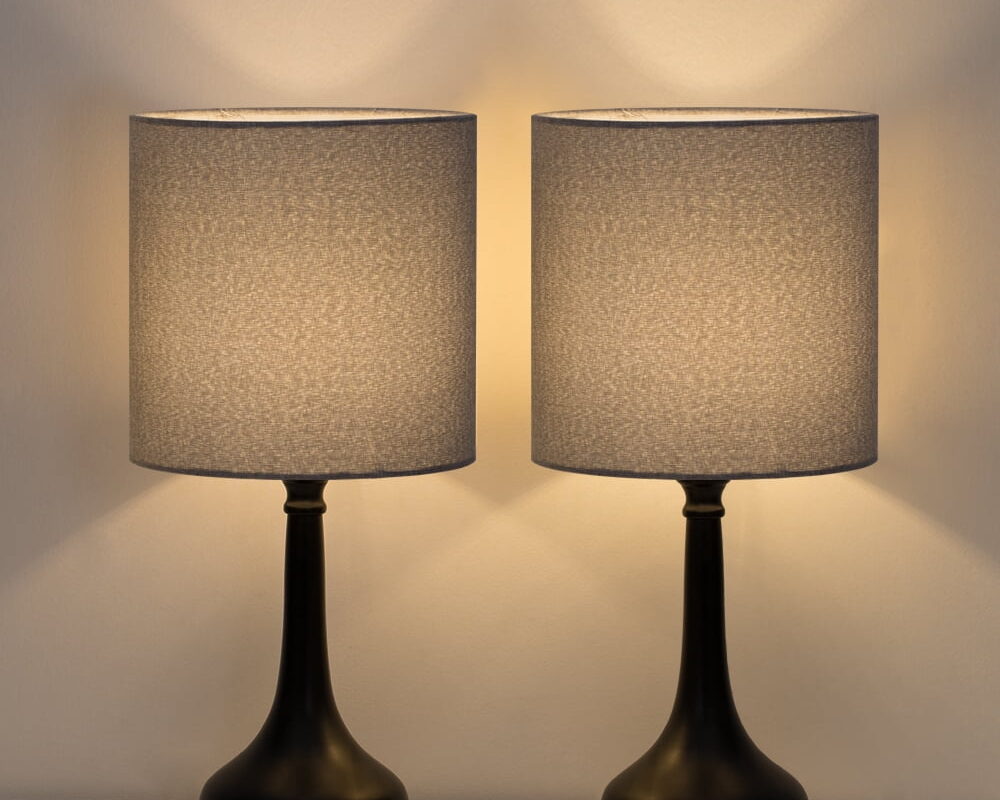
Table lamps have become an integral part of home decor, blending functionality with style. These versatile lighting fixtures not only illuminate our spaces but also reflect personal taste and enhance the overall ambiance of a room.
From their humble beginnings to the modern smart technologies we see today, table lamps have evolved significantly. Their history is rich with innovation, showcasing how shifts in design and technology have led to a wide array of styles, ensuring that there is a perfect lamp for every home.
The history and evolution of table lamps as essential home decor items
Table lamps have long been a staple in home decor, providing both functionality and aesthetic appeal to various spaces. Their history dates back to ancient times when early civilizations utilized simple oil lamps for light. As society progressed, table lamps evolved in design, materials, and technology, transforming into the beautiful decor items we see today.
The origins of table lamps can be traced back to the early 19th century, during the time when gas and oil lamps became popular in households. These lamps not only served the purpose of illuminating a space but also began to reflect the tastes and styles of their time. As electricity became widely accessible in the early 20th century, the design and functionality of table lamps underwent significant transformations. The introduction of electric bulbs allowed for more intricate designs and expanded the range of materials used in lamp manufacturing.
Key milestones in the development of table lamps
Throughout history, several key milestones have marked the evolution of table lamps, showcasing the interplay between technology and design. These milestones highlight the changing aesthetics and advancements in lighting technology that have shaped table lamps into modern decor items.
- The kerosene lamp (1850s): The introduction of kerosene lamps revolutionized home lighting. They allowed for brighter, more efficient lighting and provided a level of convenience that surpassed oil lamps.
- The electric table lamp (early 1900s): With the advent of electricity, table lamps became more popular and varied in design. This period saw the emergence of Art Nouveau and Arts and Crafts styles, emphasizing craftsmanship and organic forms.
- The invention of the shade (1920s): The addition of lampshades significantly changed table lamp design. Shades controlled light diffusion and added decorative elements, leading to iconic designs such as the Tiffany lamp, which featured stained glass.
- Mid-century modern style (1950s-1960s): This era introduced minimalist designs with clean lines and geometric shapes. Materials such as plastic and metal became increasingly popular, reflecting the technological advancements of the time.
- Smart lighting technology (2000s-present): With the rise of smart home technology, table lamps now feature LED bulbs, adjustable brightness, and smart connectivity. This innovation not only enhances functionality but also allows for user customization in design and lighting ambiance.
“Table lamps are more than just sources of light; they are reflections of personal style and innovations in design.”
The evolution of table lamps illustrates how these objects have transcended their original purpose. They have become essential decor items that blend practicality with artistry, showcasing the rich history of human ingenuity in home lighting.
The impact of table lamp designs on interior aesthetics
Table lamps serve as more than mere sources of light; they are pivotal elements in defining the ambiance and style of a room. The right table lamp can complement decor, enhance functionality, and create a mood, thereby significantly impacting the overall aesthetic of an interior space. This discussion delves into how various table lamp designs can transform environments and the considerations that come into play when selecting these decorative pieces.
Influence of Different Table Lamp Styles on Room Ambiance
The style of a table lamp can either harmonize with or contrast against existing decor, thereby influencing the room’s overall feel. Factors such as material, shape, and color play crucial roles in this transformation. For instance, a sleek metal lamp with clean lines can add a contemporary edge to a minimalist room, while a vintage ceramic lamp with intricate patterns can evoke a sense of nostalgia in a more traditional setting.
Below are some popular table lamp styles and their effects on interior aesthetics:
- Modern/Contemporary: Featuring materials like glass and metal with geometric designs, these lamps often lend a sophisticated air to spaces, making them feel sleek and uncluttered.
- Industrial: Lamps incorporating raw materials such as exposed bulbs and distressed finishes provide a rugged charm, perfect for lofts or urban-inspired interiors.
- Traditional: These often showcase ornate bases and fabric shades, creating a classic, warm atmosphere that invites relaxation in spaces like living rooms or bedrooms.
- Artisan/Crafted: Unique, handcrafted lamps made from sustainable materials can serve as statement pieces, showcasing individuality and artistic flair in an interior design scheme.
“The right table lamp can create a focal point in a room, enhancing both its beauty and functionality.”
Comparison of Contemporary and Traditional Table Lamp Designs
When comparing contemporary and traditional table lamp designs, significant differences arise in materials, shapes, and functions. Contemporary designs are often characterized by their use of innovative materials such as acrylic, metal, and even smart technologies that allow for adjustable lighting settings. In contrast, traditional designs frequently utilize wood, glass, and fabric, favoring ornamental styles over minimalistic forms.
Contemporary lamp shapes tend to emphasize sleek lines and asymmetry, reflecting a modern aesthetic that aligns with current design trends. For example, a contemporary lamp might feature an abstract, sculptural base, whereas traditional lamps might have detailed embellishments and classic shapes such as urns or candlesticks.
Conversely, traditional designs focus on functionality while offering a sense of timelessness. They often rely on warm light sources to create inviting atmospheres, making them ideal for creating cozy spaces.
| Aspect | Contemporary Designs | Traditional Designs |
|---|---|---|
| Materials | Acrylic, Metal, Glass | Wood, Glass, Fabric |
| Shape | Sleek, Geometric, Asymmetrical | Ornate, Classic, Symmetrical |
| Functionality | Smart Features, Adjustable Light | Warm Light, Focus on Ambiance |
Popular Design Trends Influencing Consumer Choices
Current trends in table lamp design significantly affect consumer preferences, often driven by a desire for personalization and sustainability. For example, the trend towards minimalism has led to a surge in demand for lamps that are not only functional but also aesthetically pleasing without being overwhelming. Additionally, the rise of eco-friendly materials has made lamps crafted from recycled or sustainably sourced materials increasingly popular.
Another notable trend is the integration of technology into lighting designs. Smart lamps that connect to home automation systems allow users to control lighting from their devices, blending modern convenience with traditional decor.
As consumers become more discerning, they gravitate towards lamps that reflect their personal style, whether it be through bold colors, eclectic designs, or custom options. This personalization trend is a testament to the evolving role of table lamps in home decor, where they are no longer just functional items but also key pieces of artistic expression within a space.
The role of table lamps in promoting functional lighting
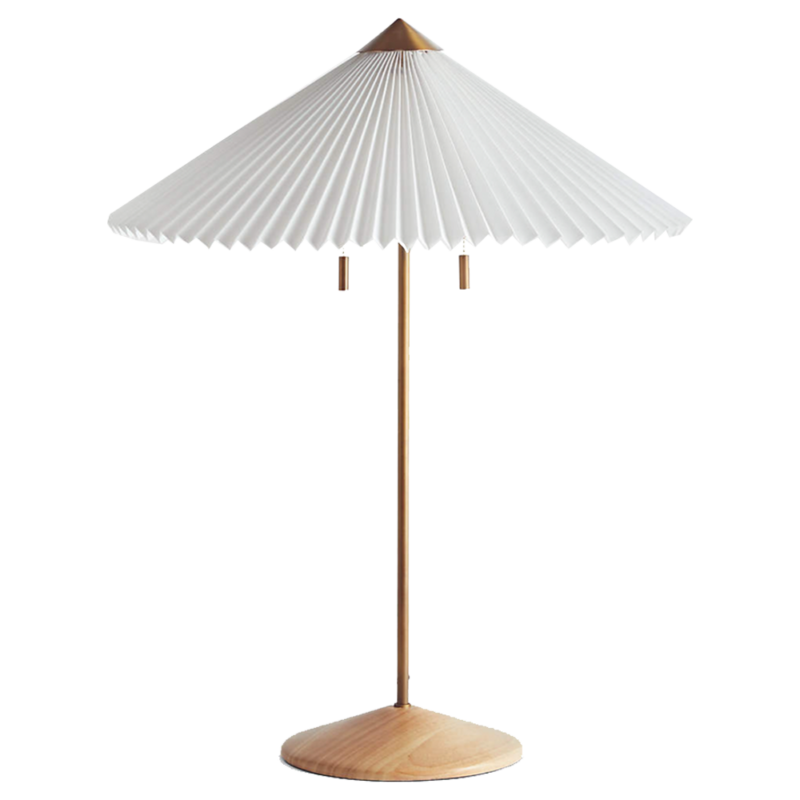
Table lamps serve a pivotal role in enhancing the functionality of lighting within our living spaces. By providing targeted illumination, they can transform any room to meet specific lighting needs while adding a layer of style and comfort. Understanding how to utilize table lamps effectively can greatly enhance our daily activities, whether it’s reading, working, or unwinding after a long day.
Different rooms in a home have distinct lighting requirements, and table lamps can adeptly fulfill these needs by offering versatility in style and brightness. In a living room, for instance, a warm-toned table lamp can create a cozy atmosphere suited for relaxation or socializing. In contrast, a brighter, cooler-toned lamp in a home office can facilitate focus and productivity.
Identifying Lighting Needs in Various Rooms
Each room in a home has specific functions that dictate its lighting needs. Understanding these can help you choose the appropriate table lamps.
- Living Room: This space often requires ambient lighting for relaxation and socialization. Lamps with adjustable brightness can enhance the mood without overpowering the room.
- Bedroom: Table lamps here should provide soft, soothing light for reading or winding down. Dimmable options allow for customized brightness levels for different activities.
- Home Office: A well-lit desk is crucial for productivity. Selecting a task lamp with a focused beam can help reduce eye strain while providing ample light for work tasks.
- Dining Room: A table lamp can create an inviting atmosphere during meals. Choosing a lamp with a warm glow fosters a cozy dining experience, especially during evening gatherings.
The ability to adjust brightness levels is integral in enhancing the functionality of table lamps. Many modern lamps come with features that allow users to control the intensity of light based on their activities, which can significantly improve both comfort and productivity in various settings.
Adjusting Brightness Levels for Enhanced Functionality
Brightness control plays an essential role in ensuring that lighting is suitable for different tasks. Specific table lamps are designed with adjustable features that allow users to change brightness according to their needs.
- Dimmable Switches: These lamps offer several brightness settings, making them ideal for transitioning between tasks throughout the day.
- Smart Lamps: With technology advancements, smart lamps can be controlled via smartphone apps, allowing users to adjust brightness levels even from a distance.
- Color Temperature Options: Some table lamps allow users to choose the color temperature, ranging from warm to cool light, which can affect mood and focus.
To select the right type of table lamp based on usage and room layout, several key considerations should be taken into account.
Methodologies for Selecting Table Lamps
Choosing the right table lamp involves understanding the function of the lamp within a space, its compatibility with room aesthetics, and its practical features. Here are essential factors to consider:
- Height and Scale: The lamp should be proportionate to the surrounding furniture and room size, ensuring it provides adequate illumination without becoming a visual distraction.
- Style and Design: The lamp should complement the existing decor. For instance, a vintage lamp may enhance a traditional setting, while a sleek, modern lamp fits a contemporary space.
- Light Source: Consider whether the lamp uses LED, incandescent, or fluorescent bulbs, as each has different brightness and energy consumption characteristics.
- Functionality: Evaluate if the lamp includes features such as USB ports for charging devices, which can add convenience in a modern home.
“Choosing the right table lamp not only enhances the aesthetic of a room but also profoundly influences its functionality, allowing for a tailored lighting experience.”
Innovations in table lamp technology and smart features
The evolution of table lamps has reached remarkable heights with the advent of smart technology. These modern lamps not only serve the practical purpose of illumination but also enhance the ambiance and functionality of living spaces. As we delve into the intricacies of this innovation, we’ll explore how these advancements are shaping consumer preferences and the future of home lighting.
Integration of Smart Technology
The infusion of smart technology into table lamps has revolutionized how we interact with lighting in our homes. Smart table lamps can be controlled through smartphones, voice assistants, or home automation systems, allowing users to adjust brightness, color, and even scheduling with ease. This level of control offers significant benefits, including:
- Convenience: Control lighting from anywhere using a smartphone app, enhancing the ease of managing home environments.
- Customization: Change colors and brightness levels to match moods or occasions, providing a more personalized lighting experience.
- Energy Efficiency: Some smart lamps can automatically adjust based on time of day or occupancy, contributing to lower energy consumption.
Smart lamps can be integrated with other devices to create comprehensive smart home systems.
Energy-efficient Options
Energy-efficient table lamp options, such as LED and CFL bulbs, are becoming increasingly popular due to their lower environmental impact and cost-effectiveness. Compared to traditional incandescent bulbs, these modern alternatives offer:
- Longer Lifespan: LED bulbs can last up to 25,000 hours, while CFLs last about 10,000 hours, compared to only 1,000 hours for incandescents.
- Lower Energy Consumption: LEDs use up to 80% less energy than incandescent bulbs, significantly reducing electricity bills.
- Heat Reduction: LEDs emit very little heat, minimizing the risk of overheating and enhancing safety.
The shift towards energy-efficient lighting not only benefits consumers economically but also supports global efforts towards sustainability.
Future Trends in Lamp Technology
As technology continues to evolve, several trends are emerging that may influence consumer choices in table lamp design and functionality. Key trends to watch include:
- Integration of AI: Future lamps may incorporate artificial intelligence to learn and adapt to user preferences, further enhancing user experiences.
- Health-Oriented Features: Innovations such as circadian rhythm lighting that mimics natural light patterns could become standard, promoting better sleep and overall well-being.
- Design Innovations: As aesthetics play a major role in consumer choices, we can expect a rise in versatile designs that blend seamlessly with modern decor while integrating advanced lighting technologies.
The continuous advancements in lamp technology are not just about lighting; they are about creating environments that enhance the quality of life while being energy-conscious and user-friendly.
A guide to selecting the perfect table lamp for your space
Selecting the right table lamp is essential for enhancing both the functionality and aesthetic of a room. A well-chosen lamp not only illuminates your space but also serves as a design statement. This guide delves into the key factors to consider when choosing the perfect table lamp for your home or office.
Critical factors to consider when selecting a table lamp
When selecting a table lamp, several critical factors come into play. These include size, style, and purpose. Each of these elements contributes to how well the lamp integrates into your space and serves your needs.
- Size: The size of the lamp should be proportionate to the space it occupies. A large lamp can overwhelm a small side table, while a tiny lamp may get lost on a large desk. Ensure the height of the lamp is appropriate for the surface height and the intended use, typically between 24 to 32 inches for table lamps.
- Style: The style of the lamp should align with your existing decor. Whether your space is modern, traditional, or eclectic, your lamp should complement the overall aesthetic. Choose materials that resonate with your existing furniture, such as wood, metal, or ceramic.
- Purpose: Consider what you need the lamp for. Is it for reading, ambient lighting, or decorative purposes? If the lamp is primarily for reading, a model with an adjustable arm or shade might be beneficial to direct light precisely where needed.
Importance of matching lamps with existing decor and color schemes
Matching your table lamp with the existing decor and color scheme of your space creates a cohesive look. It’s important to assess colors, textures, and patterns already present in the room.
“A well-chosen lamp can either enhance a room’s decor or create an eye-catching focal point.”
When integrating a table lamp, consider the following aspects:
- Color palette: Select colors that harmonize with the room’s palette. A brightly colored lamp can act as a statement piece, while neutral tones blend seamlessly.
- Textures: Incorporate textures that match or contrast interestingly with your furnishings. A matte finish lamp can be paired with glossy surfaces for a dynamic effect.
- Patterns: If your room features busy patterns, opt for a simpler lamp design to avoid visual clutter. Conversely, a patterned lamp can add interest to a minimalist space.
Checklist for selecting a table lamp
To simplify your decision-making process, here’s a handy checklist to keep in mind while selecting a table lamp:
- Determine the intended purpose of the lamp: reading, ambiance, or decoration.
- Measure the space where the lamp will be placed to ensure proper size.
- Consider the style of the lamp and how it fits with existing decor.
- Evaluate the color schemes and textures present in the room.
- Check the type of bulb and wattage for appropriate lighting needs.
- Research materials and finishes for durability and ease of maintenance.
- Look for features like adjustable arms or dimmer switches, if necessary.
- Set a budget and explore options within that range.
By considering these factors and utilizing the checklist, you can confidently select the perfect table lamp that complements your space while fulfilling your lighting needs.
The cultural significance of table lamps in different societies
Table lamps are more than mere functional items; they often embody the essence of cultural values and traditions. Across various societies, the designs, uses, and meanings associated with table lamps reflect distinct artistic styles and social practices. The ways in which these lamps are incorporated into daily life reveal much about a culture’s relationship with light, space, and craftsmanship.
Table lamps serve as focal points in home decor, symbolizing warmth, comfort, and sometimes even spirituality. The act of lighting a lamp can signify a welcoming gesture in many cultures, transforming a house into a home. The craftsmanship behind table lamps is not only about functionality but also about the stories and heritage that each piece carries. For instance, the intricate designs found in Asian table lamps often reflect deep-rooted philosophies and historical significance.
Perceptions and Uses in Various Cultures
Table lamps hold unique meanings and usages around the globe. In many Western cultures, they are seen as essential elements for creating a cozy atmosphere, often used in living rooms or bedrooms.
- Middle Eastern Cultures: In countries like Morocco, table lamps are crafted from colored glass and intricate metalwork, often used during gatherings to create a warm, inviting glow that enhances social interaction.
- Asian Traditions: In Japan, paper lanterns and table lamps are used during festivals and ceremonies, symbolizing purity and the transient nature of life. They often feature natural motifs that connect to Zen philosophies.
- Scandinavian Design: In Nordic countries, table lamps are minimalistic, focusing on function and form, reflecting a design ethos that values simplicity and harmony with nature.
The importance of light in these cultures often transcends mere illumination; it plays a role in ritual, social interactions, and even personal reflection.
Symbolic Meanings of Lighting
Lighting is imbued with various symbolic meanings across cultures, often representing hope, guidance, and enlightenment.
“Light is the source of life and knowledge, guiding human existence through darkness.”
In many traditions, a lit table lamp can symbolize the presence of a welcoming spirit.
- Hinduism: Lighting a lamp during prayers signifies the removal of darkness and ignorance, inviting divine light into the space.
- Judaism: The lighting of candles during Shabbat is a way to usher in peace and holiness, emphasizing the importance of light in spiritual observance.
- Christianity: In many Christian households, lamps are lit to symbolize the light of Christ, representing faith and guidance in everyday life.
These symbols manifest through the designs of the lamps, with materials and shapes chosen to reflect the underlying cultural beliefs.
Craftsmanship and Cultural Implications
The craftsmanship of table lamps varies widely, showcasing different regional techniques and aesthetics.
- Artisan Techniques: In Italy, table lamps are often hand-blown glass creations, each piece telling a story of skilled artisanship that has been passed down through generations.
- Indigenous Crafts: Native American tribes often produce lamps that incorporate traditional motifs, using natural materials that reflect their connection to the land.
- Modern Innovations: In contemporary design hubs, like Denmark and Sweden, there is a focus on combining traditional craftsmanship with modern technology, resulting in sustainable and innovative lighting solutions.
The cultural implications of these unique designs highlight the value placed on artistic expression, heritage, and community in the making of table lamps.
DIY projects for creating personalized table lamps
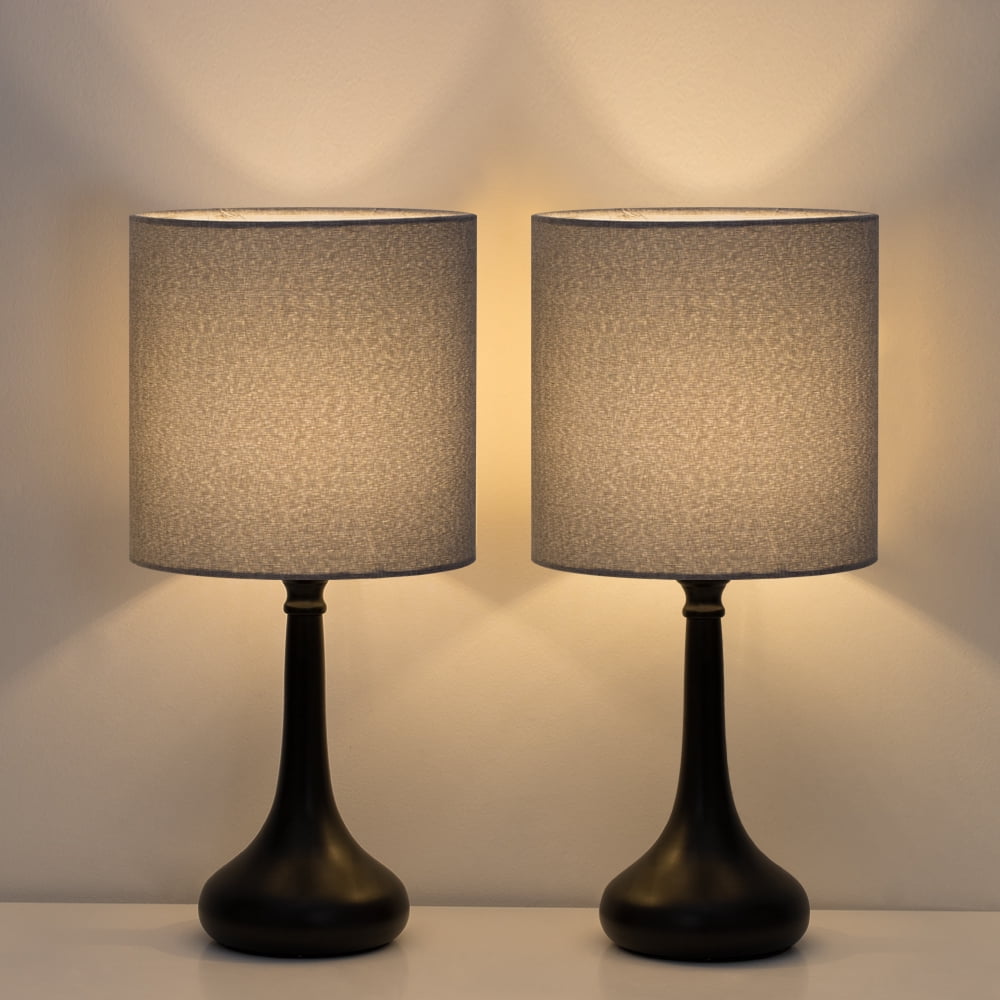
Creating personalized table lamps offers a unique way to enhance your home decor while reflecting your individual style. With just a few simple materials and methods, you can craft a lamp that not only illuminates a space but also becomes a conversation piece. Engaging in DIY lamp projects allows for creativity and can be a fun activity whether you’re working alone or with family and friends.
When it comes to crafting custom table lamps, the possibilities are vast. You can repurpose old items or utilize readily available materials to create something entirely new. A few common materials that can be used include mason jars, wooden bases, fabric, and paint. By incorporating personal touches, you can ensure that your lamp represents your taste and fits seamlessly into your home’s aesthetic.
Crafting a Mason Jar Table Lamp
One popular DIY project is creating a table lamp from a mason jar. This project is straightforward and requires minimal tools. Here’s a step-by-step guide to help you along the way:
1. Materials Needed:
– A mason jar (any size)
– A lamp socket kit (available at hardware stores)
– A light bulb (LED works best for energy efficiency)
– A decorative item (like fairy lights or colored stones)
– A drill with a glass drill bit
– Safety goggles
– A power source extension cord (if necessary)
2. Preparation:
Begin by ensuring your work area is clean and well-lit. Safety is paramount; wear safety goggles to protect your eyes from glass shards.
3. Drilling the Hole:
Carefully measure and mark the spot on the mason jar lid where you will insert the lamp socket. Use the drill with a glass drill bit to create a hole, taking your time to avoid cracking the jar.
4. Assembling the Lamp:
Insert the lamp socket through the hole in the lid. Secure it in place according to the instructions provided with your socket kit. If you’re using decorative items, fill the jar with them before sealing the lid.
5. Final Assembly:
Attach the light bulb to the socket and connect the lamp to the power source. If using a plug-in cord, ensure all connections are secure.
6. Testing:
Once your lamp is assembled, turn it on to test the functionality. Ensure there are no exposed wires and that the light source works correctly.
“Personalized DIY lamps can seamlessly integrate into any decor style while showcasing your creativity.”
Personalizing your table lamp allows for greater expression in your home’s design. Consider your favorite colors, textures, and themes when selecting materials. For instance, if you prefer a rustic aesthetic, you could opt for distressed wood or burlap for a cozy, farmhouse feel. Alternatively, sleek metal and vibrant colors can suit a modern, contemporary look. By taking the time to create a custom lamp, you not only enhance your living space but also cultivate a warm, inviting atmosphere that speaks to your personal style.
The environmental impact of table lamp manufacturing and disposal
The production and disposal of table lamps significantly affect the environment. From the materials used in manufacturing to the energy consumed during production, the entire lifecycle of a lamp contributes to its carbon footprint. Understanding these impacts is essential for making informed choices and promoting sustainable practices.
Carbon footprint of table lamp production and sustainable alternatives
The carbon footprint associated with table lamp manufacturing primarily stems from the extraction of raw materials, energy-intensive production processes, and transportation. For instance, metals like aluminum and copper, commonly used in lamp components, require significant energy for extraction and production. The process emits greenhouse gases, contributing to climate change.
To mitigate these effects, consumers and manufacturers can consider sustainable alternatives. For example:
- LED technology: LED lamps use significantly less energy than traditional incandescent lamps, leading to lower carbon emissions over their lifespan.
- Eco-friendly materials: Using recycled materials or sustainably sourced wood reduces the need for new raw materials and decreases environmental impact.
- Energy-efficient manufacturing: Opting for manufacturers that use renewable energy sources during production minimizes the overall carbon footprint.
Implementing such alternatives can lead to a considerable reduction in the carbon footprint associated with table lamps.
Importance of recycling and proper disposal methods
Recycling and proper disposal of old lamps play a critical role in minimizing environmental harm. Many table lamps contain hazardous materials, such as lead in solder and mercury in fluorescent bulbs, which can leach into the environment if not disposed of correctly.
Consumers should be aware of the following points regarding lamp disposal:
- Recycling programs: Many communities offer recycling programs specifically for electronic waste, including lamps. Participating in these programs ensures harmful materials are handled responsibly.
- Retail take-back initiatives: Some retailers provide take-back programs for old lamps, allowing consumers to return them for proper recycling or disposal.
- Avoiding landfills: Disposing of lamps in the regular trash can lead to environmental contamination. Always seek out designated disposal methods.
Being informed about these disposal options contributes to a healthier environment.
Eco-friendly choices in lamp purchasing
When purchasing table lamps, consumers can make eco-friendly choices that not only reduce their carbon footprint but also promote sustainability. It is essential to consider the following factors when selecting a lamp:
- Energy efficiency ratings: Look for lamps with high energy efficiency ratings, such as ENERGY STAR certified products, which use less electricity.
- Durability: Choose lamps made from durable materials that have a longer lifespan, minimizing the need for replacements.
- Design for longevity: Select lamps that allow for easy replacement of bulbs and components, supporting extended use and reducing waste.
By prioritizing these features, consumers can contribute to a more sustainable future while enjoying their table lamps.
Closing Notes
In conclusion, table lamps are more than just sources of light; they are essential decor elements that can transform a space. Whether you’re drawn to traditional designs or the latest smart features, the right table lamp not only meets your functional needs but also enhances your interior aesthetic.
FAQ Resource
What types of bulbs are best for table lamps?
LED bulbs are highly recommended for table lamps due to their energy efficiency and long lifespan, while incandescent bulbs offer warmer light but consume more energy.
How do I choose the right size table lamp?
A good rule of thumb is to choose a lamp that is about 1.5 times the height of the table or surface it will be placed on, ensuring it complements the space without overwhelming it.
Can I use table lamps for ambient lighting?
Absolutely! Table lamps are excellent for creating ambient lighting, especially when placed strategically throughout a room.
What materials are commonly used for table lamps?
Table lamps can be made from a variety of materials, including metal, ceramic, glass, and wood, each offering unique aesthetic qualities and durability.
Are there table lamps that can be used outdoors?
Yes, there are specially designed outdoor table lamps that are weather-resistant and suitable for patios or gardens, allowing for stylish outdoor lighting.