
 Widya pasha
Modern furniture is not just about aesthetics; it embodies a lifestyle shift that embraces simplicity, functionality, and innovation. As we delve into the world of modern furniture, we’re invited to explore the fascinating intersection of design and everyday life, where each piece tells a story and enhances the way we live.
From sleek lines and minimalist forms to the use of sustainable materials, modern furniture reflects our evolving needs and preferences. This style prioritizes functionality while maintaining an artistic edge, making it integral to contemporary interior design. Today’s modern furniture is characterized by its use of diverse materials, bold colors, and an emphasis on maximizing space, catering to the dynamic lifestyles of urban dwellers.
Modern furniture trends influencing interior design choices

The evolution of modern furniture reflects not just aesthetic preferences but also deep-seated shifts in lifestyle and functionality. As we navigate through an increasingly fast-paced and technologically driven world, the way we design our living spaces has transformed significantly. Modern furniture trends cater to these lifestyle changes, offering solutions that prioritize comfort, minimalism, and sustainability, all while making a bold statement in interior design.
Key elements that define modern furniture design hinge on simplicity, functionality, and the use of high-quality materials. At its core, modern furniture is characterized by clean lines, geometric forms, and a harmonious balance between form and function. This design ethos stems from the modernist movement, which emphasizes the idea that the aesthetic of a piece should be a reflection of its purpose.
In modern furniture, materials play an essential role. Popular choices include natural woods like oak and walnut, metals such as stainless steel and aluminum, and innovative synthetic materials that enhance durability and ease of maintenance. These materials not only contribute to the visual appeal but also align with modern consumers’ preferences for sustainability.
Color palettes in modern furniture have also seen a notable shift. The trend is moving towards neutral tones—think whites, greys, and beiges—punctuated by bold accent colors such as deep blues, greens, and vibrant yellows. This approach allows for flexibility in interior design, enabling homeowners to easily refresh their spaces with accessories or artwork that complement the base color scheme.
Popular materials and colors in modern furniture
The choice of materials and colors in modern furniture significantly influences the overall ambiance of interior spaces. Each element contributes to creating a cohesive and inviting environment.
The following are key materials and colors that are shaping modern furniture today:
- Natural Wood: Warmth and texture are added to spaces with pieces made from oak, walnut, and teak, providing a timeless appeal.
- Metal: Stainless steel and aluminum are favored for their sleek finish and industrial look, often used in frames and decorative elements.
- Glass: Clear and frosted glass surfaces enhance light and space, allowing for a seamless visual flow throughout the room.
- Sustainable Materials: Eco-friendly options like bamboo and reclaimed wood are gaining popularity, appealing to environmentally conscious consumers.
Color choices are equally important in modern furniture. Neutral tones serve as a foundation, while bold accents allow for personal expression:
- Neutral Colors: Shades of white, grey, and beige provide a calm backdrop, enhancing the perceived size of rooms.
- Accent Colors: Deep blues, greens, and vibrant yellows create focal points and can easily be updated with accessories.
“Modern furniture is not just about aesthetics; it’s about creating a lifestyle that values simplicity and functionality.”
The evolution of modern furniture from mid-century to contemporary styles
The evolution of modern furniture has been a fascinating journey, reflecting broader social, technological, and artistic changes over time. Starting from the mid-20th century, the design landscape has undergone significant transformations, influenced by various movements and iconic designers. This progression has led to a diverse array of styles that blend functionality with aesthetic appeal, catering to the evolving tastes and needs of consumers.
The historical context of modern furniture design can be traced back to the aftermath of World War II, when there was a burgeoning need for affordable housing and furnishings, coupled with a desire for innovation and simplicity. The mid-century modern movement emerged during this time, characterized by clean lines, organic forms, and a focus on integration with nature. This period saw the rise of plywood and molded plastics, which allowed designers to create innovative forms that were both stylish and practical.
Comparison of mid-century modern and contemporary furniture designs
Mid-century modern designs and contemporary pieces share a foundation of minimalist principles, yet they exhibit distinct differences in materials, aesthetics, and functionality. Mid-century modern furniture often features warm woods, bold colors, and geometric shapes, emphasizing craftsmanship and individuality. In contrast, contemporary designs tend to incorporate a wider range of materials, including metal and glass, and often embrace a more eclectic and global aesthetic.
Key differences include:
- Materials: Mid-century modern furniture typically utilizes natural materials such as teak and walnut, while contemporary designs often incorporate synthetic materials and mixed media for a more industrial look.
- Form: The forms of mid-century pieces are usually characterized by organic curves and sharp angles, promoting a sense of movement. Contemporary designs, however, can vary widely, with some embracing angularity and others adopting fluid, free-form shapes.
- Color Palette: Mid-century modern furniture is known for its vibrant colors and playful patterns, while contemporary designs may lean towards neutral tones with occasional bold accents.
Influential designers in the evolution of modern furniture
Numerous designers have played pivotal roles in shaping modern furniture, each contributing unique philosophies and styles that have influenced generations. Their innovative approaches have not only redefined aesthetics but also challenged conventions in design and functionality.
Notable designers include:
- Charles and Ray Eames: Renowned for their pioneering use of molded plywood and their iconic Eames Lounge Chair, which combines comfort and modern design seamlessly.
- George Nelson: A key figure in the mid-century modern movement, he is famous for his imaginative storage solutions and the Marshmallow Sofa, which exemplifies playful design.
- Eero Saarinen: Known for his Tulip Table and Womb Chair, Saarinen’s work emphasized organic shapes and the elimination of the traditional leg structure, creating a more fluid aesthetic.
“Design is a plan for arranging elements in such a way as to best accomplish a particular purpose.” – Charles Eames
The contributions of these designers demonstrate the innovative spirit of the mid-century modern movement and its lasting impact on contemporary styles, as they sought to create functional art that resonates with people’s lifestyles and environments.
The impact of technology on modern furniture design and production
Advancements in technology are revolutionizing the furniture industry, enhancing both the design and manufacturing processes. The integration of digital tools and innovative materials has led to significant improvements in efficiency, creativity, and sustainability. As designers embrace new technological capabilities, the possibilities for modern furniture are expanding, transforming how we interact with our living spaces.
The evolution of furniture manufacturing processes can be largely attributed to automation and digital fabrication techniques. Technologies such as computer-aided design (CAD) and 3D printing have streamlined workflows, allowing for rapid prototyping and customization. This means that furniture can now be designed and produced with greater precision and speed, reducing waste and production costs. For example, companies like IKEA are utilizing advanced software to optimize their designs, enabling a more adaptive approach to consumer preferences and market trends.
Smart furniture in modern living spaces
Smart furniture represents a significant shift in how technology is integrated into our daily lives. This type of furniture not only serves a functional purpose but also enhances the user experience through connected technology. Smart furniture often incorporates features such as charging ports, built-in speakers, and adjustable settings that can be controlled via smartphones or voice assistants.
The rise of smart furniture is largely driven by the growing demand for convenience and efficiency in modern homes. For instance, a smart coffee table might come equipped with wireless charging pads and Bluetooth speakers, allowing for an uninterrupted entertainment experience. Moreover, items like modular sofas can be reconfigured effortlessly to adapt to various social settings, catering to both relaxation and gatherings.
Environmental considerations of new technologies in furniture design
The adoption of new technologies in furniture design also raises important environmental considerations. As the industry pushes towards sustainability, manufacturers are increasingly focusing on eco-friendly materials and production methods. The use of renewable resources, such as bamboo and recycled plastics, is gaining popularity.
Innovative technology plays a vital role in minimizing waste and energy consumption during the production process. For example, machinery that utilizes less energy and produces minimal byproducts is being integrated into factories. Additionally, software can optimize material use, ensuring that every piece is utilized effectively, thereby reducing waste.
“Sustainability is not just a trend; it’s a necessity in modern furniture design.”
Incorporating these environmentally friendly practices not only helps reduce the carbon footprint of furniture production but also appeals to increasingly conscious consumers. Brands that prioritize sustainability, like West Elm and Herman Miller, are setting new standards in the industry, showing that modern furniture can be both stylish and responsible.
Sustainability practices within modern furniture manufacturing
Sustainability has become a cornerstone of modern furniture manufacturing, reflecting the growing awareness of environmental issues. As consumers increasingly prioritize eco-conscious choices, furniture brands are adapting to meet these demands by integrating sustainable practices into their production processes. This shift not only benefits the planet but also caters to a market that values responsibility and innovation.
The importance of sustainable materials in modern furniture production cannot be overstated. Using eco-friendly materials not only reduces the carbon footprint of the manufacturing process but also ensures that the furniture is safe for consumers and the environment. Materials like reclaimed wood, bamboo, and recycled metals are becoming increasingly popular due to their minimal environmental impact. These options provide durability and aesthetic appeal while supporting the principles of sustainability.
Brands Known for Eco-Friendly Practices
Several brands stand out for their commitment to eco-friendly practices in furniture design, demonstrating that sustainability and style can go hand in hand. Here are a few notable examples:
- IKEA: Famous for its flat-pack furniture, IKEA has implemented various sustainability initiatives, including sourcing wood from responsibly managed forests and using recycled materials in many of its products.
- West Elm: This brand focuses on sustainable sourcing, partnering with artisans worldwide to create unique pieces while ensuring fair labor practices and using materials like reclaimed wood.
- HAY: Based in Denmark, HAY emphasizes longevity in design, utilizing sustainable materials and production methods that align with their commitment to reducing waste and promoting a circular economy.
- Muji: Known for its minimalist designs, Muji incorporates eco-friendly materials and encourages consumers to think about the lifecycle of products, promoting sustainability in everyday living.
The lifecycle of sustainable furniture encompasses various stages, from production to disposal, highlighting the importance of considering environmental impact at each phase. Sustainable furniture begins with the careful selection of materials, prioritizing those that are renewable, recyclable, or made from waste.
During the manufacturing process, practices such as energy-efficient production methods and reducing water waste are critical. Furthermore, brands often focus on creating furniture that is designed for longevity, minimizing the need for frequent replacements.
When it comes to the usage phase, sustainable furniture often incorporates designs that can be easily repaired or refreshed, extending their life. At the end of their lifecycle, eco-friendly furniture can be recycled, composted, or repurposed, reducing waste in landfills.
The holistic approach to sustainability in modern furniture manufacturing not only enhances the appeal of the products but also encourages consumers to make conscious choices that benefit the environment and society at large.
The role of modern furniture in maximizing small living spaces
In today’s urban environments, small living spaces are becoming increasingly common. Modern furniture plays a crucial role in optimizing these spaces, making them more functional and aesthetically pleasing. By leveraging innovative designs and multipurpose options, individuals can transform even the coziest apartments into efficient and inviting homes.
Design strategies utilizing modern furniture
Effective design strategies are essential for maximizing small living spaces. Modern furniture emphasizes clean lines, minimalism, and versatility, which help create a sense of openness and fluidity. One significant strategy is selecting furniture that serves multiple functions. This approach not only saves space but also reduces clutter. For instance, a stylish sofa bed can serve as both a comfortable seating area during the day and a cozy sleeping space at night.
Another effective strategy is the use of modular furniture, which can be rearranged or expanded according to needs. Modular shelving units, for example, can be tailored to fit various wall sizes and configurations, allowing homeowners to display books or decorative items while keeping the floor area clear. The incorporation of transparent materials, such as acrylic or glass, in tables and chairs can also create an illusion of more space, as they do not visually obstruct the room.
Examples of multipurpose furniture ideal for compact living
When it comes to compact living, multipurpose furniture is a game-changer. Here are some prime examples that illustrate the versatility of modern furniture:
- Coffee tables with storage: Many contemporary coffee tables come with hidden compartments or shelves, providing extra space for magazines, remote controls, or blankets without compromising style.
- Convertible dining tables: These tables can expand or retract based on the number of diners, making them perfect for hosting guests in small apartments.
- Murphy beds: This classic solution folds into the wall when not in use, freeing up valuable floor space and maintaining an open layout.
- Storage ottomans: These versatile pieces serve as footrests, additional seating, and storage for toys or other items, combining functionality with contemporary design.
Creating the illusion of space with modern furniture
Modern furniture design can significantly contribute to creating the illusion of more space in small living areas. Using light colors and reflective surfaces plays a pivotal role in this design philosophy. For instance, light-colored furniture can make a room feel larger and more airy, while mirrors strategically placed on walls can enhance depth and brightness.
Color coordination is another vital element; choosing a monochromatic color palette can seamlessly blend furniture with the walls, minimizing visual distractions and providing a more expansive atmosphere. Additionally, incorporating vertical storage solutions, such as tall bookshelves or hanging wall units, draws the eye upward, making the ceilings feel higher.
Ultimately, the thoughtful incorporation of modern furniture not only enhances functionality but also creates a visually appealing environment that feels more spacious, allowing homeowners to maximize every square inch of their living spaces.
Cultural influences shaping modern furniture styles around the world
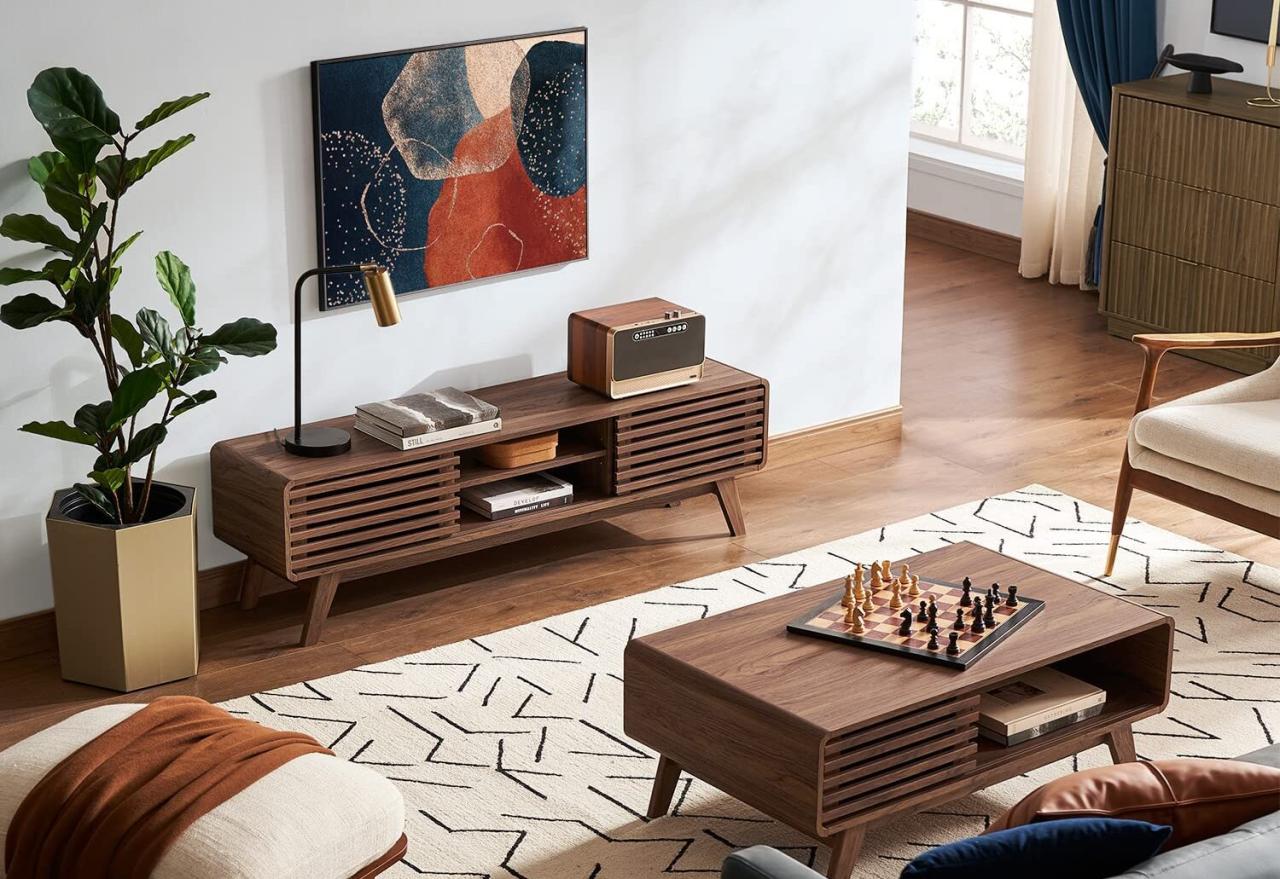
Modern furniture design is a rich tapestry woven from the diverse cultural aesthetics that span the globe. Each region brings its unique history, craftsmanship, and artistic expression, contributing to the evolution of contemporary styles. This cultural amalgamation has not only defined individual designs but has also fostered a global dialogue within the realm of furniture, enabling innovative blends and hybrid styles that resonate in homes worldwide.
As the world becomes increasingly interconnected, the influences on furniture design have expanded beyond local traditions to encompass a myriad of global inspirations. From the minimalist aesthetics of Scandinavian design to the intricate craftsmanship of Japanese joinery, various cultural elements have shaped modern furniture styles. Globalization plays a crucial role in this process, as it facilitates the exchange of ideas and aesthetics, leading to an intriguing fusion of styles.
Diverse cultural aesthetics influencing modern furniture
The influences of different cultures on modern furniture design are significant, and understanding these influences provides insight into the evolution of contemporary aesthetics. Below are some key cultural influences that have shaped modern furniture styles:
- Scandinavian Design: Known for its clean lines, simplicity, and functionality, Scandinavian design emphasizes minimalism and natural materials. Designers like Hans Wegner and Alvar Aalto have been pivotal in popularizing this aesthetic, showcasing the beauty of craftsmanship and practicality.
- Japanese Aesthetics: The principles of wabi-sabi, which embrace imperfection and transience, play a crucial role in modern Japanese furniture design. Craftsmen like Tansu Hoshino have contributed to this narrative, creating pieces that are both functional and reflective of nature.
- Mid-Century Modernism: This movement, which emerged in the United States, is characterized by organic shapes, vibrant colors, and innovative materials. Designers such as Charles and Ray Eames and George Nelson have left an indelible mark, influencing contemporary design with their playful yet functional pieces.
- Italian Design: Renowned for its boldness and flair, Italian furniture design often showcases artistic expression. Designers like Ettore Sottsass and the Memphis Group have brought a sense of avant-garde style, blending art with everyday functionality.
- Indian Craftsmanship: With a rich heritage of intricate carvings and textiles, Indian artisans have impacted modern furniture through the use of traditional techniques combined with contemporary designs. Designers like Rajeev Sethi have sought to bring Indian craftsmanship to the global stage.
“Cultural exchange in furniture design fosters creativity, innovation, and a deeper appreciation for craftsmanship across borders.”
The influence of globalization has further transformed these cultural aesthetics, leading to shared design languages and collaborations that transcend geographic boundaries. Contemporary furniture now often features a blend of styles that reflect the globalized world we inhabit, where consumers seek unique pieces that tell a story beyond their immediate culture. This cross-pollination enriches the furniture landscape, making it more diverse and inclusive.
Popular materials used in modern furniture and their characteristics
Modern furniture design embraces a variety of materials that not only define its aesthetic appeal but also contribute to functionality and durability. Understanding the unique properties of these materials helps in making informed choices when decorating contemporary spaces. The leading materials in modern furniture include wood, metal, glass, and fabric, each offering distinct characteristics that cater to diverse tastes and needs.
Properties and Benefits of Wood, Metal, Glass, and Fabric
Wood is a timeless material known for its warmth and natural beauty. It offers excellent durability and can withstand wear over time, making it a popular choice for furniture. Different types of wood, like walnut, oak, and maple, each carry unique grains and colors, providing a range of aesthetic options.
Metal, on the other hand, is celebrated for its strength and modern appeal. It is often used in contemporary furniture for frames, legs, and accents. Aluminum and stainless steel are particularly favored for their lightweight nature and resistance to rust, making them excellent choices for both indoor and outdoor furniture.
Glass brings an element of elegance and spaciousness to modern designs. It is easily incorporated into tables, shelving, and cabinetry. Tempered glass is particularly strong and safe, while its transparency allows for an open feel in interiors.
Fabric plays a critical role in adding comfort and texture to modern furniture. Upholstered chairs and sofas in various materials—such as leather, cotton, or synthetic blends—enhance the visual interest and tactile experience of a space. The variety in patterns, colors, and textures available in fabrics allow for personalization and creativity in design.
- Wood: Offers warmth, durability, and unique aesthetics based on type. Examples include the timeless elegance of a walnut dining table or the rustic charm of reclaimed wood coffee tables.
- Metal: Provides strength and a modern look, ideal for minimalist designs. Metal chairs or tables can add a sleek touch to any room.
- Glass: Enhances light and openness in spaces. A glass-top dining table can create an illusion of more space while remaining stylish and functional.
- Fabric: Adds comfort and personalization. Vibrantly upholstered lounge chairs or sectional sofas can transform a living room into a cozy retreat.
Durability and Aesthetics Comparison of Different Materials
When comparing materials, durability and aesthetics often go hand in hand. Wood, while durable, may require maintenance to prevent scratches and water damage. Metal is extremely long-lasting, often outlasting other materials, but its coldness can sometimes be off-putting in cozy settings. Glass, while visually stunning, is susceptible to shattering and may require careful handling. Fabric’s comfort is unmatched, yet it can stain and wear over time, depending on the fiber used.
Innovative Material Combinations in Furniture Design
Contemporary furniture designers are increasingly experimenting with innovative combinations of materials to create unique pieces. For instance, a coffee table might feature a reclaimed wood top with a sleek metal base, merging rustic charm with industrial strength.
Another example could be a sofa that combines a sturdy wooden frame with soft leather upholstery, providing both durability and comfort. Additionally, furniture pieces that incorporate glass and metal, such as a glass dining table supported by sculptural metal legs, highlight the elegance of modern design while ensuring structural integrity.
“The interplay of materials in modern furniture design not only enhances beauty but also serves functional purposes, making each piece a testament to creativity and innovation.”
Understanding the psychology behind modern furniture choices
Modern furniture is not just about aesthetics; it plays a significant role in influencing mood and behavior within a living space. The design, color, and form of furniture can evoke emotions and create an atmosphere that enhances or detracts from our daily experiences. When individuals make choices regarding their furniture, they often subconsciously consider how these pieces will affect their well-being and comfort. Understanding the psychology behind these choices can help consumers make informed decisions that align with their personal style and emotional needs.
Color and form in modern furniture significantly impact perception, creating an immediate emotional response upon entering a space. For instance, warm colors such as reds and yellows can evoke feelings of warmth and energy, while cooler tones like blues and greens tend to promote calmness and relaxation. The choice of color extends beyond mere aesthetics; it affects how people interact with their surroundings. Studies suggest that colorful environments can influence creativity and productivity, making vibrant furniture an excellent choice for home offices or creative spaces. Conversely, neutral colors can establish a sense of balance and tranquility, ideal for bedrooms and living areas where relaxation is a priority.
The shape and form of furniture also contribute to the psychological impact of a space. Curved forms tend to create a softer, more inviting atmosphere, promoting comfort and ease of interaction, while sharp angles may evoke a sense of modernity and sophistication. This aspect of design aligns with consumer psychology, where individuals are drawn to shapes that resonate with their lifestyle and personality. When consumers shop for furniture, they often seek pieces that not only fit their functional needs but also convey their values and aspirations.
Understanding these psychological components can greatly influence purchasing decisions. Consumers may be more inclined to invest in furniture that aligns with their emotional responses and enhances their living environment, reflecting their identity and personal taste. As a result, modern furniture has become an expression of self, where choices are informed by both aesthetic appeal and the desire to cultivate a specific mood or atmosphere within the home.
Conclusion
In summary, modern furniture serves as a canvas for creativity and practicality in today’s living environments. As we navigate through the trends, technology, and sustainability within this realm, it becomes evident that modern furniture is more than just decor; it’s a pivotal element shaping our experiences and interactions within our spaces. Embracing modern furniture allows us to merge style with functionality, creating homes that are not only beautiful but also aligned with our values.
Query Resolution
What defines modern furniture design?
Modern furniture design is characterized by simplicity, clean lines, and a focus on functionality, often utilizing innovative materials and techniques.
How can modern furniture enhance small spaces?
Modern furniture often includes multipurpose designs that maximize functionality while creating an illusion of space, making it perfect for small living areas.
What materials are commonly used in modern furniture?
Popular materials include wood, metal, glass, and fabric, each offering unique properties and aesthetic appeal.
How has technology influenced modern furniture?
Technology has transformed furniture design and manufacturing, introducing smart furniture that enhances usability and integrating sustainable practices through advanced materials.
Why is sustainability important in modern furniture?
Sustainability in modern furniture ensures that products are eco-friendly, promoting responsible consumption and reducing environmental impact throughout their lifecycle.