
 Widya pasha
Essential oils have a fascinating history that spans across cultures and centuries, serving not just as aromas but as powerful tools for healing and spirituality. From ancient Egypt, where oils like frankincense were used in rituals, to modern-day aromatherapy, these concentrated plant extracts have made significant impacts on health and well-being.
In this exploration of essential oils, we’ll delve into their historical significance, various extraction methods, and the roles they play in mental health and skincare. Understanding these aspects can deepen our appreciation for these natural wonders and their potential benefits in our daily lives.
Essential oils and their historical significance in various cultures
The use of essential oils dates back thousands of years, deeply intertwined with the cultural practices and medicinal traditions of ancient civilizations. These aromatic substances, extracted from plants, not only enhanced the quality of life through their fragrances but also played a pivotal role in healing and spiritual rituals. Understanding the historical significance of essential oils sheds light on their enduring relevance in contemporary society.
Various ancient cultures utilized essential oils in unique ways, often blending their medicinal properties with spiritual beliefs. The Egyptians, for instance, were known for their sophisticated use of oils in both health and funerary practices. They created elaborate perfumes and oils for anointing the body, believing that these scents could appease the gods and provide comfort in the afterlife. Similarly, essential oils were integral to ancient Chinese medicine, where they were used to balance the body’s energies and promote healing.
Notable Essential Oils in History
Several essential oils have held significant prominence throughout history, each with its unique applications and cultural importance. The following examples illustrate the varied uses of these oils in ancient practices:
- Frankincense: Revered in many cultures, including the Egyptians and Romans, frankincense was used in religious ceremonies and as a medicinal remedy. Its resin was burned as incense, believed to bring one closer to the divine.
- Myrrh: Often paired with frankincense, myrrh was utilized by ancient Egyptians for embalming, as well as in perfumes and medicines. It was known for its healing properties, particularly in treating wounds and infections.
- Lavender: Used by the Romans for calming baths and to ward off pests, lavender has a long history as a soothing agent. It was also employed in traditional medicine to alleviate headaches and anxiety.
- Tea Tree Oil: Indigenous Australians have used tea tree oil for centuries due to its antibacterial properties. It was applied to treat various ailments, including cuts and skin infections, long before its popularity spread to Western medicine.
- Cedarwood: In ancient civilizations like the Sumerians and Egyptians, cedarwood oil was used for its fragrant properties in temple rituals and as an antiseptic for various ailments.
The historical significance of these essential oils highlights not only their therapeutic potential but also their profound impact on cultural and spiritual practices. The legacy of these oils continues to influence modern wellness and healing traditions across the globe, demonstrating their timeless value throughout human history.
The extraction methods of essential oils and their impact on quality
Essential oils are highly concentrated plant extracts that capture the natural aroma and properties of their source. The process of extraction is crucial as it determines the quality and characteristics of the essential oil. Different methods can yield variations in aroma, therapeutic benefits, and overall quality of the oils. This discussion delves into the primary extraction techniques and their influence on the final product.
Primary extraction methods
The most common methods for extracting essential oils include steam distillation, cold pressing, and solvent extraction. Each approach has its own unique advantages and influences the quality and properties of the resulting oil.
- Steam Distillation: This is the most widely used method for extracting essential oils. It involves passing steam through plant material, causing the essential oils to evaporate. The vapor is then cooled, and the oil is collected. This method is preferred for its ability to preserve the integrity of the oil, often resulting in a high-quality product.
- Cold Pressing: Primarily used for citrus fruits, this method involves mechanically pressing the rind to extract the oil. Cold pressing retains the natural aroma and flavor of the fruit, making it ideal for oils like orange and lemon. The quality of oils from this method can be exceptional, as no heat is applied during extraction.
- Solvent Extraction: This technique employs solvents to dissolve the essential oils from plant materials. While it can produce a wider variety of scents, the use of solvents may leave traces in the final product, potentially affecting purity and quality. This method is often reserved for delicate flowers where other extraction methods might not be viable.
Impact on quality and therapeutic properties
The extraction method significantly influences both the aroma and therapeutic properties of essential oils. The way in which oils are extracted can affect the chemical composition, thus altering their efficacy and scent profile.
“High-quality essential oils should be free from synthetic additives and retain the natural characteristics of the plant.”
The differences in extraction techniques can lead to various quality outcomes:
- Aroma: Oils extracted through steam distillation typically have a purer scent profile compared to those obtained through solvent extraction, which may contain residual solvent notes that detract from the natural fragrance.
- Therapeutic Properties: The chemical constituents of essential oils are vital to their therapeutic benefits. For example, the therapeutic properties of lavender oil can vary significantly depending on the extraction method. Steam distillation tends to preserve more of the beneficial compounds, making it more effective for relaxation and sleep enhancement.
- Purity: Cold pressed oils are often regarded as purer since they do not involve heat or chemicals. This purity enhances their appeal for therapeutic use, where users seek natural and unmodified plant properties.
The role of essential oils in aromatherapy and mental health
Essential oils have long been celebrated for their therapeutic benefits, particularly within the realm of aromatherapy. This holistic practice utilizes the natural properties of essential oils to enhance emotional well-being, reduce stress, and promote overall mental health. Through various methods of application, such as diffusion, topical use, and inhalation, these oils can create a calming atmosphere, alleviate anxiety, and uplift mood, making them a valuable tool in mental health care.
Essential oils are often incorporated into aromatherapy practices to evoke specific emotional responses and create a soothing environment. The olfactory system, which is closely linked to the brain’s limbic system, plays a crucial role in how scents affect our emotions and memory. By inhaling the aroma of essential oils, individuals may experience mood improvements and a reduction in negative feelings. The following essential oils are particularly known for their calming and uplifting effects, each with unique properties that cater to emotional well-being.
Calming and uplifting essential oils
Understanding the specific oils that are beneficial for mental health can enhance the practice of aromatherapy. The following essential oils are recognized for their calming or uplifting properties:
- Lavender: Known for its relaxing effects, lavender essential oil can help reduce anxiety and promote restful sleep. It is commonly used in diffusers or added to bathwater for a calming experience.
- Bergamot: This citrus oil is celebrated for its uplifting properties, often used to alleviate stress and anxiety. A few drops in a diffuser can brighten mood and create a positive atmosphere.
- Chamomile: Often associated with soothing effects, chamomile essential oil can help ease tension and promote relaxation. It is frequently used in massage oils or inhaled directly.
- Frankincense: Known for its grounding properties, frankincense can help calm the mind and enhance meditation practices. It is often used in spiritual or mindfulness sessions.
- Ylang Ylang: This sweet-scented oil is used to reduce stress and promote a sense of joy and peace. It can be combined with carrier oils for topical applications or diffused for an uplifting atmosphere.
Scientific studies underscore the benefits of essential oils in reducing stress and anxiety levels. Research has shown that certain essential oils can significantly affect mood and mental well-being. For instance, a study published in the *Journal of Clinical Psychology* found that participants who inhaled lavender essential oil reported lower anxiety levels compared to those who did not. Other studies indicate that aromatherapy can aid in decreasing cortisol levels, the body’s primary stress hormone, leading to an overall sense of calm.
“Essential oils can serve as an effective complementary approach in the management of stress and anxiety, as evidenced by numerous studies highlighting their positive impact on mental health.”
The incorporation of essential oils into daily routines, whether through diffusion, topical application, or bath soaks, can provide significant emotional support. These oils, with their diverse aromas and therapeutic benefits, help create a sanctuary of peace and balance for individuals seeking to enhance their mental health through natural means.
The potential health benefits and risks of using essential oils
Essential oils have become increasingly popular for their perceived health benefits and aromatic qualities. These concentrated extracts from various plants are touted for their potential to enhance physical and emotional well-being. While many individuals incorporate essential oils into their daily routines, it’s essential to be aware of both the benefits and possible risks associated with their use.
Essential oils are known for their diverse therapeutic properties, which can range from alleviating pain to reducing inflammation. Understanding these benefits can help users make informed decisions about their use, while also recognizing that there may be downsides and contraindications that need to be considered.
Health Benefits of Essential Oils
Essential oils offer a wide array of health benefits, many of which are backed by scientific research. Here are some notable examples:
- Pain Relief: Certain oils, such as peppermint and eucalyptus, are commonly used for their analgesic properties. They can help relieve headaches and muscle pain when applied topically or inhaled.
- Anti-inflammatory Effects: Oils like lavender and tea tree are recognized for their ability to reduce inflammation, potentially aiding conditions like arthritis or skin irritations.
- Anxiety and Stress Reduction: Aromatherapy with oils like bergamot and chamomile has been shown to lower stress levels and promote relaxation, enhancing mental well-being.
- Antimicrobial Properties: Some essential oils, including oregano and thyme, possess antimicrobial qualities, making them effective in fighting infections.
Potential Risks and Contraindications
While essential oils can have numerous benefits, they also come with certain risks that users should be cautious of. Understanding these risks can help prevent adverse reactions.
- Skin Irritation: Some essential oils can cause allergic reactions or skin irritation, especially when applied directly without dilution. A patch test is recommended before full application.
- Respiratory Issues: Inhaling certain oils may trigger respiratory problems in sensitive individuals or those with preexisting conditions, such as asthma.
- Medication Interactions: Essential oils can interact with medications, potentially altering their effects. Individuals on medication should consult healthcare professionals before using essential oils.
- Not Suitable for Everyone: Pregnant women, children, and individuals with certain health conditions should use caution and consult with a healthcare provider before use.
Safe Incorporation of Essential Oils
To safely incorporate essential oils into personal wellness routines, it is important to follow specific guidelines that ensure both effectiveness and safety.
- Dilution: Always dilute essential oils with a carrier oil, such as coconut or jojoba oil, before topical application to reduce the risk of skin irritation.
- Quality Assurance: Use high-quality, pure essential oils from reputable sources to minimize harmful additives and contaminants.
- Consultation: Seek advice from a qualified aromatherapist or healthcare professional, especially if you have existing health concerns or are pregnant.
- Start Slowly: Introduce one essential oil at a time to monitor for any adverse reactions before adding more to your routine.
Creating DIY essential oil blends for personal use
Creating your own essential oil blends can be a rewarding and therapeutic practice. Not only does it allow you to customize scents according to your preferences, but it also enables you to target specific needs, such as relaxation or energy boosts. This guide will help you understand the basics of blending essential oils, providing you with a straightforward pathway to creating these aromatic concoctions.
When crafting essential oil blends, it’s essential to know the properties of each oil and how they can work together harmoniously. The following sections will Artikel the step-by-step process for creating your blends, suggest specific ratios for different purposes, and offer tips on how to store them effectively.
Step-by-step guide to creating essential oil blends
Creating a personalized essential oil blend involves a few simple steps. Begin by selecting your base oils and then follow the process Artikeld below:
1. Gather Your Materials: You will need essential oils, a carrier oil (if desired), a small glass bottle or rollerball, and a dropper for precision.
2. Choose Your Oils: Select essential oils based on the desired effect. For example:
– Relaxation: Lavender, chamomile, and bergamot.
– Energy: Peppermint, lemon, and eucalyptus.
3. Determine the Ratios: A typical ratio for blending is 3:1:1 or 4:2:1 (base oil to secondary oils), depending on the strength of the scent desired.
4. Blend the Oils: Start with the base oil and add the secondary oils one drop at a time. Blend well after each addition, testing the scent as you go.
5. Store Properly: Once your blend is complete, store it in a dark glass bottle away from sunlight and heat.
Specific ratios and combinations for various purposes
The effectiveness of your essential oil blend can greatly depend on the selected ratios and combinations. Here are some proven blends to cater to specific needs:
– Relaxation Blend:
– 4 drops Lavender
– 2 drops Bergamot
– 1 drop Chamomile
– Energy Blend:
– 3 drops Lemon
– 2 drops Peppermint
– 1 drop Eucalyptus
– Focus Blend:
– 3 drops Rosemary
– 2 drops Lemon
– 1 drop Basil
By adjusting the number of drops, you can customize the strength of your blend to your liking.
Storing and preserving essential oil blends
To maintain the effectiveness of your essential oil blends, proper storage is crucial. Consider the following tips for optimal preservation:
– Use Dark Glass Bottles: Essential oils are sensitive to light; therefore, amber or cobalt blue bottles can help protect the oils from UV rays.
– Keep in a Cool, Dry Place: Store your blends away from heat sources and humidity to prevent degradation.
– Seal Tightly: Ensure the caps are secured tightly to prevent evaporation and contamination.
– Check Expiry Dates: Essential oils can last from 1 to 5 years, depending on the type. Regularly check the aroma and consistency of your blends.
“Proper storage of essential oils can significantly enhance their longevity and potency.”
Essential oils in skincare and their therapeutic properties
The integration of essential oils into skincare routines has gained popularity due to their remarkable therapeutic properties and natural origins. These concentrated plant extracts not only enhance the sensory experience of skincare but also provide a myriad of benefits tailored to various skin types. From promoting hydration to alleviating skin concerns, essential oils can be a powerful addition to your beauty arsenal.
Essential oils are known for their diverse chemical compositions, which contribute to their efficacy in skincare. The right essential oil can provide moisture, balance oil production, soothe irritation, and combat signs of aging. When incorporating these oils into your skincare routine, it is essential to understand their unique properties and how they interact with different skin types to achieve optimal results without adverse effects.
Benefits of essential oils for different skin types
Different skin types can benefit from specific essential oils, each offering unique properties that cater to various concerns. Here are some essential oils that are particularly beneficial for a range of skin types:
- Lavender Oil: Renowned for its calming properties, lavender oil is excellent for sensitive and irritated skin. It aids in reducing redness and promotes a soothing effect.
- Tea Tree Oil: This oil is a powerhouse for oily and acne-prone skin due to its antibacterial and anti-inflammatory properties. It helps to reduce breakouts and minimize excess oil.
- Frankincense Oil: Known for its anti-aging benefits, frankincense oil enhances skin elasticity and helps combat the appearance of fine lines, making it suitable for mature skin.
- Geranium Oil: Geranium balances oily skin and enhances overall skin tone. It also aids in diminishing the appearance of scars and blemishes.
- Rosehip Oil: Packed with antioxidants and essential fatty acids, rosehip oil is ideal for dry or damaged skin, promoting hydration and repair.
When using essential oils, it is crucial to dilute them properly to avoid skin irritation. Essential oils are highly concentrated and should never be applied directly to the skin without a carrier oil. Common carrier oils include jojoba oil, sweet almond oil, and coconut oil. The general guideline for dilution is to mix 1-2 drops of essential oil with a teaspoon of carrier oil. This ensures that the potent properties of the essential oils are safely delivered to the skin while minimizing the risk of adverse reactions.
“Essential oils can enhance your skincare routine by providing targeted solutions for specific skin concerns when used correctly.”
For effective topical application, it’s recommended to perform a patch test before widespread use, especially if you have sensitive skin. Apply a diluted mixture on a small area of skin, such as the inner forearm, and observe for any reactions over 24 hours. If no irritation occurs, the oil can be safely incorporated into your routine.
Using essential oils in skincare not only offers numerous benefits but also enhances the overall experience with their delightful fragrances and potential therapeutic effects. With proper knowledge and care, they can transform your skincare regimen into a holistic ritual.
Essential oils and their environmental impact
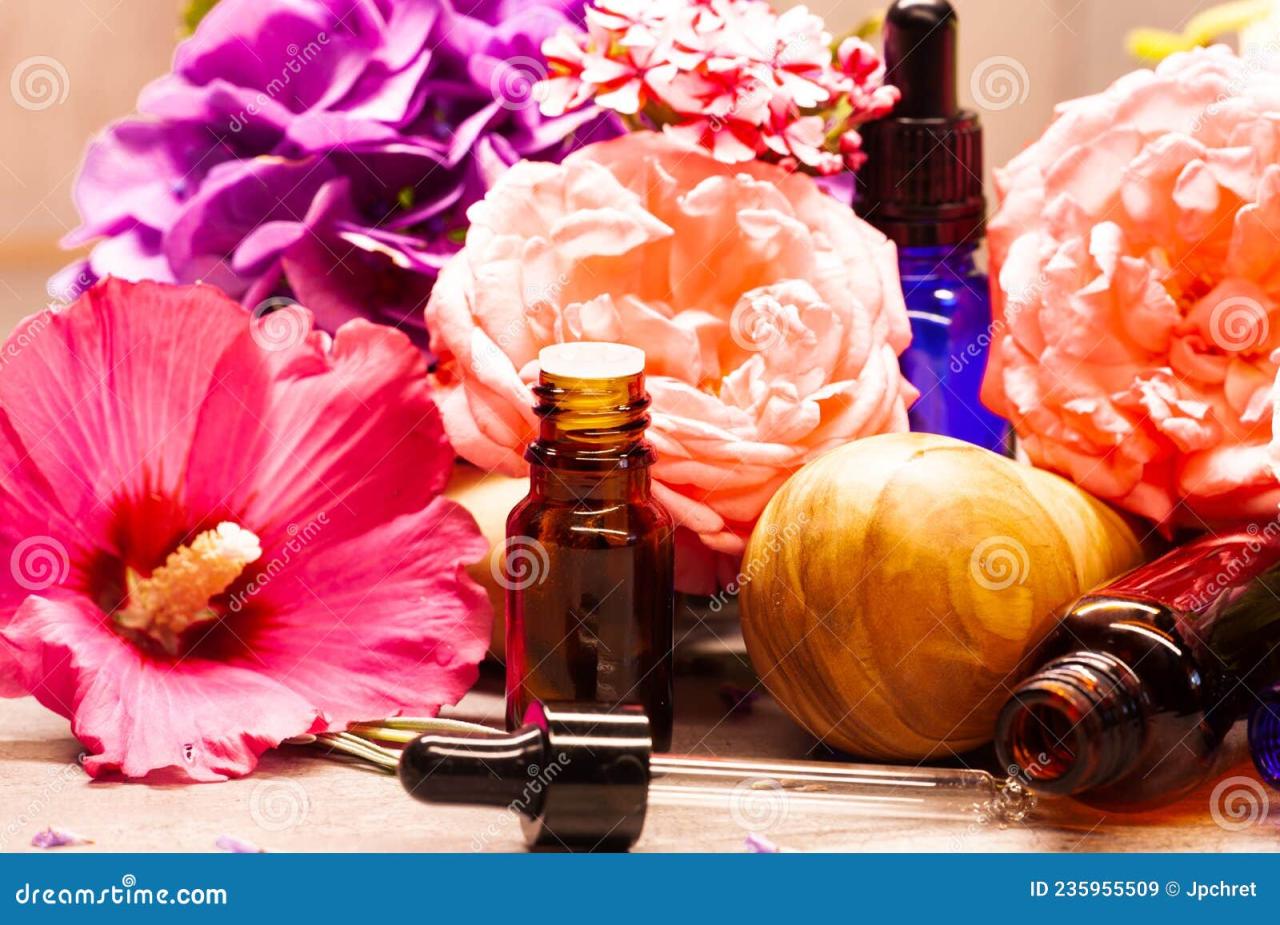
The growing popularity of essential oils has raised important questions about their environmental impact, particularly concerning the sustainability of their sourcing. As consumers become more conscious of the ecological footprints of their purchases, it’s crucial to explore how essential oils can be produced in a manner that is kind to the planet while still meeting the demand for these natural products.
The extraction of essential oils often involves the harvesting of large quantities of plant material, which can lead to habitat destruction and biodiversity loss if not managed sustainably. Many plants used for essential oils are grown in regions with delicate ecosystems, making responsible sourcing vital to protect wildlife and plant diversity. Unsustainable practices can lead to soil degradation, water depletion, and the disruption of local communities that depend on these ecosystems for their livelihoods.
Sustainability of sourcing essential oils
The sustainability of sourcing essential oils hinges on several key practices that can help mitigate the negative impacts on the environment. It is essential to adopt methods that promote ecological balance and support local communities. Here are some practices that can be embraced:
- Organic farming techniques reduce the use of synthetic pesticides and fertilizers, promoting soil health and biodiversity.
- Permaculture systems utilize natural ecosystems to create sustainable agricultural practices that can provide a habitat for wildlife while also yielding essential oils.
- Wild harvesting ensures that plants are gathered from their natural habitats, but this must be done in a way that allows for regeneration and does not threaten the species’ survival.
- Agroforestry integrates the cultivation of essential oil plants with forest conservation, allowing for a more diverse and resilient ecosystem.
Brands promoting sustainable and ethical sourcing
Several brands and initiatives are leading the way in promoting sustainable and ethical sourcing of essential oils, setting industry standards for environmental responsibility. By supporting these brands, consumers can make a positive impact. Notable examples include:
- doTERRA, which partners with local farmers around the world, emphasizing fair trade practices and sustainability in their sourcing methods.
- Young Living, known for its Seed to Seal program, ensures that their essential oils are produced sustainably and ethically, with a focus on environmental stewardship.
- Plant Therapy, which sources its essential oils from suppliers who adhere to sustainable agricultural practices, prioritizing organic and eco-friendly methods.
- Terra Firma, a brand committed to transparency and sustainability in essential oil production, focusing on reducing carbon footprints and supporting local economies.
“Sustainable sourcing of essential oils not only nurtures the planet but also enriches communities and maintains the delicate balance of ecosystems.”
The future trends and innovations in the essential oils market
The essential oils market is poised for significant transformation as it adapts to evolving consumer preferences and technological advancements. As the focus on natural and holistic wellness grows, essential oils are becoming integral in various sectors, including beauty, healthcare, and aromatherapy. This section explores emerging trends, innovations, and consumer demands that are shaping the future of essential oils.
Emerging products and applications
The landscape of essential oils is diversifying with the introduction of innovative products and applications that cater to specific consumer needs. Manufacturers are developing blends that target particular health concerns, such as stress relief, sleep enhancement, and immune support.
Innovative products like essential oil-infused supplements and food-grade oils are gaining popularity, expanding their use beyond traditional aromatherapy. Additionally, the rise of ready-to-use essential oil blends in roll-on applicators or sprays makes them more accessible for everyday use.
Some notable trends include:
- Personal care products incorporating essential oils, such as skincare creams, haircare, and deodorants, highlighting their therapeutic benefits.
- Aromatherapy diffusers equipped with smart technology, allowing users to control settings via smartphones for enhanced convenience.
- Functional beverages infused with essential oils, catering to health-conscious consumers looking for natural wellness solutions.
Technological advancements in production and marketing
Technological innovations are revolutionizing the production and marketing of essential oils. Advances in extraction methods, such as supercritical CO2 extraction, enhance yield and purity, ensuring higher quality oils. Moreover, sustainable practices are increasingly being adopted to meet eco-friendly consumer demands.
Digital marketing technologies are also transforming how essential oils reach consumers. Brands are leveraging AI and big data analytics to understand market trends and consumer behavior, enabling personalized marketing strategies. For instance, targeted advertising based on user preferences and purchase history is becoming commonplace, enhancing customer engagement.
The following technological trends are noteworthy:
- Blockchain technology is being utilized for traceability, assuring consumers of the authenticity and ethical sourcing of essential oils.
- Virtual reality (VR) experiences are being crafted to educate consumers on the benefits and uses of essential oils, creating immersive brand experiences.
- Subscription services offering curated essential oil boxes are gaining traction, providing consumers with new products tailored to their preferences.
Consumer demands shaping the market
As consumer awareness about health and wellness continues to rise, there is a growing demand for high-quality, sustainably sourced essential oils. Consumers are increasingly favoring brands that prioritize transparency and ethical practices in production.
The popularity of DIY products is also influencing consumer purchasing decisions. Many individuals are seeking pure essential oils for creating their own blends at home, driving demand for versatile oils that can be used in various applications, from cleaning to personal care.
Key consumer trends include:
- Preference for organic and non-GMO certified essential oils, reflecting concerns about chemical exposure and environmental impact.
- Increased interest in educational content regarding the safe and effective use of essential oils, leading brands to provide resources that empower consumers.
- The rise of social media influencers promoting essential oils, which is shaping product trends and driving market growth.
Concluding Remarks
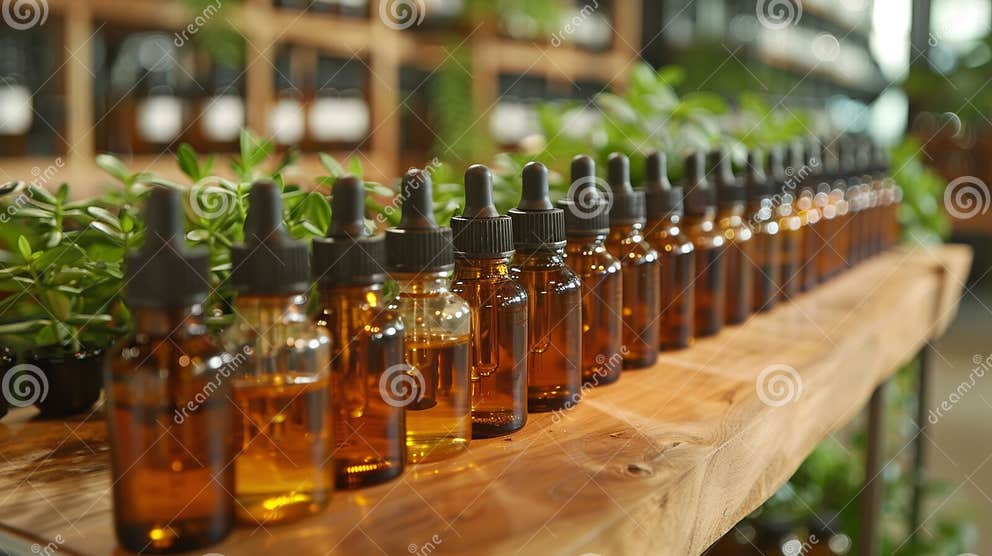
In summary, essential oils offer a rich tapestry of benefits ranging from emotional well-being to skincare solutions, making them a valuable addition to our wellness routines. As we embrace the future of essential oils, it’s essential to consider sustainability and ethical sourcing, ensuring that these treasures from nature continue to be available for generations to come.
Questions and Answers
What are essential oils made from?
Essential oils are extracted from various parts of plants, including leaves, flowers, bark, and roots, capturing the plant’s natural fragrance and properties.
Can essential oils be ingested?
While some essential oils are safe for ingestion in small amounts, it’s crucial to consult with a healthcare professional before doing so, as many can be toxic if consumed improperly.
How should essential oils be stored?
Essential oils should be stored in a cool, dark place, away from direct sunlight and heat, preferably in dark glass bottles to preserve their potency.
Are there any specific essential oils suitable for children?
Yes, some essential oils like lavender and chamomile are generally safe for children when properly diluted, but it’s important to research or consult a professional for safety guidelines.
How can I tell if an essential oil is pure?
Look for oils that have a high level of transparency regarding sourcing and production, and check for certifications such as organic or therapeutic grade.