
 Widya pasha
Shampoo for hair loss has become a focal point in the quest for healthier, fuller hair. As more individuals grapple with the emotional and physical challenges of hair thinning, the role of shampoo is evolving into a crucial element of hair care routines. With a plethora of products on the market claiming to combat hair loss, it’s essential to understand the underlying causes of hair thinning and how the right shampoo can play a part in promoting a healthier scalp and hair growth.
Hair loss can be triggered by various factors such as genetics, hormonal fluctuations, and environmental stresses. In this comprehensive discussion, we’ll delve into the physiological processes that lead to hair thinning and explore how selecting an appropriate shampoo can help mitigate these issues. From understanding beneficial ingredients to considering your unique hair type, we’ll navigate the world of anti-hair loss shampoos and their effectiveness in restoring your hair’s vitality.
Understanding the Causes of Hair Loss
Hair loss is a complex issue that can stem from a variety of factors, both intrinsic and extrinsic to the individual. Understanding the root causes is crucial for selecting the right shampoo and treatment options. While genetics plays a significant role, hormonal changes and environmental influences also contribute to the thinning of hair. By recognizing these factors, individuals can tailor their hair care routines to improve scalp health and mitigate hair loss.
The physiological processes behind hair thinning often revolve around the hair growth cycle, which includes the anagen (growth), catagen (transition), and telogen (resting) phases. A disruption in this cycle can lead to accelerated hair shedding and thinning. For example, androgenetic alopecia, commonly known as male or female pattern baldness, is mostly driven by genetics and hormonal changes, particularly dihydrotestosterone (DHT). This hormone can shrink hair follicles, shortening the anagen phase and leading to thinner hair over time.
Scalp health is equally important in this discussion; an unhealthy scalp can exacerbate hair loss issues. Factors such as excessive oil, dandruff, and inflammation can block hair follicles and hinder growth. Therefore, selecting a shampoo that promotes scalp health and addresses specific concerns is vital.
Common Medical Conditions Associated with Hair Loss
Understanding the medical conditions related to hair loss can guide individuals in choosing effective hair care products. Here are some common conditions that may result in hair loss:
- Alopecia Areata: An autoimmune disorder that causes sudden hair loss in patches. This condition can change the way hair grows back, making it essential to use gentle shampoos that do not irritate the scalp.
- Thyroid Disorders: Conditions such as hypothyroidism or hyperthyroidism can lead to hair thinning. A shampoo that supports scalp health may help, but addressing the underlying thyroid issue is crucial.
- Iron Deficiency Anemia: Low iron levels can result in weak hair follicles and increased shedding. Shampoos containing nourishing ingredients can aid in scalp vitality, but diet changes are also necessary.
“Choosing the right shampoo can make a significant difference in managing scalp health, particularly when dealing with underlying medical conditions.”
In conclusion, recognizing the causes of hair loss, including genetic, hormonal, and environmental factors, is pivotal for effective treatment. Additionally, understanding associated medical conditions can assist in selecting shampoos that not only cleanse but also nourish the scalp, promoting healthier hair growth.
The Role of Shampoo in Preventing Hair Loss
Shampoo plays a crucial role in maintaining hair health and can significantly influence hair loss prevention. By selecting the right products, individuals can support hair growth and mitigate further hair loss. The effectiveness of a shampoo often lies in its formulation, specifically the active ingredients that work to nourish the scalp and strengthen hair follicles.
Shampoos designed for hair loss prevention often contain a variety of beneficial components. Each ingredient serves a specific purpose in promoting hair health and preventing thinning. Understanding these ingredients and their effects can empower consumers to make informed choices when selecting shampoos for their hair care routine.
Beneficial Components in Anti-Hair Loss Shampoos
The following list includes some of the most common and effective ingredients found in shampoos aimed at preventing hair loss. Each component has unique properties that contribute to hair growth or scalp health:
- Biotin: Known as vitamin H, biotin helps strengthen hair and prevent breakage. It promotes the production of keratin, a key protein in hair structure.
- Caffeine: Caffeine is believed to stimulate hair follicles, promoting circulation to the scalp and potentially revitalizing hair growth.
- Niacin (Vitamin B3): Niacin improves blood circulation to the scalp, enhancing the delivery of nutrients to hair follicles, which may encourage growth.
- Ketoconazole: This antifungal agent addresses dandruff and scalp inflammation, which can contribute to hair loss by creating an unhealthy environment for hair growth.
- Essential Oils (e.g., Rosemary, Peppermint): These oils can improve circulation and provide a soothing effect on the scalp, promoting a healthier growth environment.
- Saw Palmetto Extract: This natural extract may help block the effects of DHT (dihydrotestosterone), a hormone linked to hair loss, thereby preserving hair density.
- Amino Acids: Building blocks of proteins, amino acids are essential for hair structure and strength, aiding in overall hair health.
- Panthenol (Provitamin B5): This ingredient hydrates and strengthens hair, making it more resilient against breakage and damage.
- Collagen: Collagen can improve hair elasticity and hydration, contributing to overall hair appearance and health.
- Vitamins E and C: These vitamins are powerful antioxidants that protect hair from oxidative stress, contributing to a healthier scalp and hair.
Maintaining the proper pH balance in shampoos is essential for optimal hair health. A balanced pH level, typically around 4.5 to 5.5, helps to keep the scalp’s natural oils intact and prevents dryness or irritation. Products with a too high or too low pH can strip hair of its natural moisture, leading to damage and increased hair loss. Shampoos formulated with a balanced pH help maintain the cuticle layer of the hair, ensuring that hair remains smooth, shiny, and less prone to breakage.
“The right shampoo not only cleanses but also nourishes the scalp, helping to create an environment conducive to healthy hair growth.”
Choosing shampoos with the right ingredients and maintaining proper pH levels are vital steps in an effective hair care regimen. This awareness can empower individuals to take proactive measures against hair loss, ultimately leading to healthier, more vibrant hair.
Comparing Different Types of Shampoos for Hair Loss
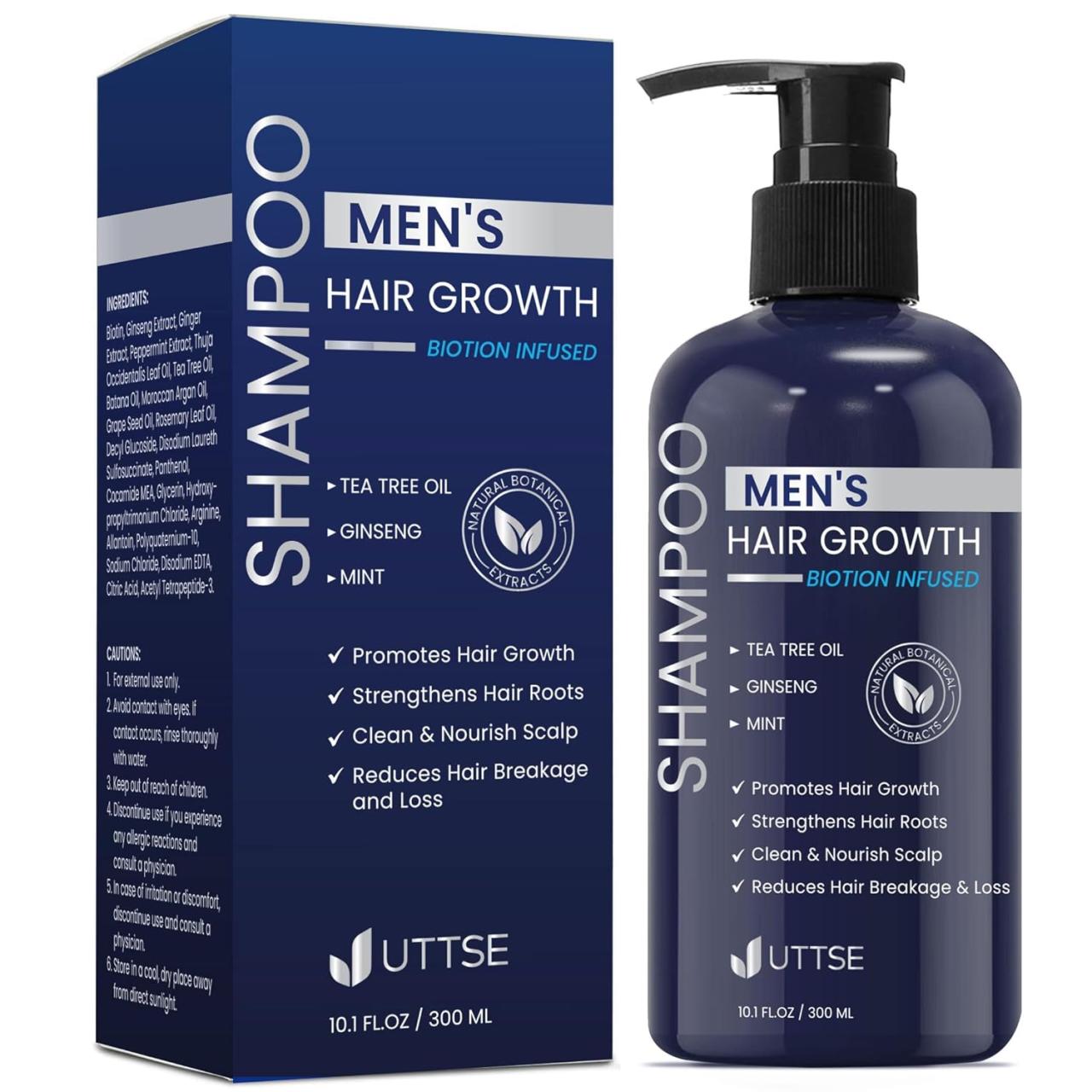
The market for hair loss shampoos has expanded significantly, offering a plethora of options designed to address various types of hair loss. Understanding the differences between these shampoos is crucial for anyone looking to mitigate hair thinning or balding. This guide compares natural and synthetic formulations, explores the effectiveness of medicated versus over-the-counter options, and highlights the benefits and drawbacks of popular hair loss shampoos available today.
Comparison of Formulations: Natural vs Synthetic Ingredients
When selecting a hair loss shampoo, one of the main considerations is the type of ingredients used. Natural shampoos often rely on botanical extracts and essential oils, which can be gentler on the scalp and suitable for sensitive skin. For instance, ingredients like saw palmetto and pumpkin seed oil are frequently cited for their ability to inhibit DHT, a hormone linked to hair loss.
On the other hand, synthetic shampoos might include active ingredients like ketoconazole or minoxidil, which are scientifically proven to promote hair growth. These ingredients often have a more direct impact on hair loss but can lead to irritation for some users.
- Natural Shampoos: Generally safer for sensitive scalps, may take longer to show results.
- Synthetic Shampoos: Tend to deliver quicker results but can cause scalp irritation or allergic reactions.
Effectiveness of Medicated Shampoos Versus Over-the-Counter Options
Medicated shampoos are often prescribed by dermatologists and contain higher concentrations of active ingredients intended to treat specific scalp conditions causing hair loss. User experiences suggest that these shampoos can be particularly effective for individuals suffering from conditions like seborrheic dermatitis, which can contribute to hair thinning.
Conversely, over-the-counter options provide a broader range of products that can be easily accessed. While they may not have the same potency as prescription shampoos, many users have reported satisfactory results with consistent use over time.
- Medicated Shampoos: Often exhibit clinically proven effectiveness for specific issues but require a doctor’s guidance.
- Over-the-Counter Shampoos: Convenient and accessible with varying efficacy based on individual usage.
Benefits and Drawbacks of Popular Hair Loss Shampoos
Several popular hair loss shampoos dominate the market, each coming with its unique set of benefits and drawbacks. Understanding these can assist users in making informed choices.
Many shampoos, such as Nizoral and Rogaine, are well-known for their effectiveness but may have side effects like dryness or flaking. Additionally, products like Pura D’or and Biolage offer natural alternatives that might appeal to those seeking organic solutions, although they may not work as rapidly as medicated options.
| Shampoo Brand | Benefits | Drawbacks |
|---|---|---|
| Nizoral | Contains ketoconazole; clinically proven to reduce hair loss. | May cause scalp irritation in some users. |
| Rogaine | Minoxidil can stimulate hair regrowth effectively. | Potential for side effects like unwanted hair growth. |
| Pura D’or | Natural ingredients; promotes overall scalp health. | Results may vary; often takes longer to see effects. |
| Biolage | Moisturizing properties; suitable for dry hair. | May not specifically target hair loss effectively. |
“Choosing the right shampoo for hair loss hinges on individual scalp conditions, sensitivity, and preferences regarding natural versus synthetic ingredients.”
How to Choose the Right Shampoo for Your Hair Type
Choosing the right shampoo is crucial for maintaining healthy hair and addressing specific needs, such as hair loss. Each hair type has unique characteristics that determine how it reacts to various products. Understanding these characteristics is the first step toward selecting a shampoo that can effectively cater to your hair’s needs.
Identifying your hair type involves assessing various factors, including texture, thickness, oiliness, and overall health. Tailoring hair care products to individual needs is significant as it ensures optimal results, minimizes damage, and enhances hair’s natural beauty. Using a shampoo not designed for your hair type can lead to various issues, such as dryness, oiliness, and even hair loss, as certain ingredients may exacerbate existing problems. Here’s a breakdown of different hair types and suitable shampoos:
Types of Hair and Suitable Shampoos
Each hair type benefits from specific ingredients and formulations. Understanding the unique characteristics of each type helps in selecting the most effective shampoo.
- Fine Hair: Fine hair tends to be limp and lacks volume. A volumizing shampoo that is lightweight and free of heavy silicones is ideal. Look for products containing ingredients like rice protein that can add body without weighing hair down.
- Curly Hair: Curly hair requires moisture and definition. A hydrating shampoo with natural oils, such as coconut or jojoba oil, will help maintain moisture and reduce frizz. Products designed specifically for curls often contain nourishing ingredients that enhance curl formation.
- Thick Hair: Thick hair can often handle heavier products. A sulfate-free shampoo with rich emollients like shea butter or argan oil provides the necessary hydration and control without stripping hair of its natural oils.
- Oily Hair: Oily hair benefits from clarifying shampoos that can effectively remove excess oil without over-drying the scalp. Look for shampoos with tea tree oil or charcoal, which can help balance oil production.
- Color-Treated Hair: Color-treated hair needs protection from fading. Use a sulfate-free shampoo with color-protecting ingredients that help lock in moisture and vibrancy, such as aloe vera and green tea extracts.
“Selecting the right shampoo based on hair type is essential for achieving healthy, vibrant hair and preventing issues such as hair loss.”
The condition of the scalp is equally important when selecting a shampoo, particularly for those experiencing hair loss. A healthy scalp promotes hair growth, while conditions like dandruff, psoriasis, or excessive oiliness can hinder it. Shampoos containing soothing ingredients such as salicylic acid or tea tree oil can help manage scalp issues, while those designed for hair loss often include active ingredients like biotin or caffeine, which stimulate hair follicles and promote growth. Tailoring shampoo choices to both hair type and scalp condition significantly contributes to effective hair care routines and overall hair health.
DIY Shampoo Recipes for Hair Loss Prevention
Homemade shampoos can be an excellent alternative to commercial products, especially for those concerned about hair loss. By utilizing natural ingredients, you can create effective formulations that nourish the scalp, promote hair growth, and prevent further loss. These DIY recipes are not only budget-friendly but also customizable to suit your hair type and needs.
Creating your own shampoo allows you to have full control over the ingredients, ensuring they are free from harsh chemicals and synthetic additives. Below are a selection of homemade shampoo recipes that target hair loss, along with an explanation of the benefits of each ingredient used.
Coconut Oil and Aloe Vera Shampoo
This shampoo is rich in moisture and nutrients, making it ideal for dry and brittle hair, which is often more prone to falling out.
– Ingredients:
– 1 cup liquid castile soap
– 1/2 cup coconut oil
– 1/2 cup aloe vera gel
– 10 drops of rosemary essential oil
– Process:
1. In a bowl, mix the liquid castile soap and coconut oil until well combined.
2. Add the aloe vera gel and blend until smooth.
3. Incorporate the rosemary essential oil, known for its ability to stimulate hair growth.
4. Transfer the mixture into a clean bottle and shake well before each use.
The coconut oil provides deep hydration, reducing hair breakage, while aloe vera soothes the scalp and promotes healthy hair growth. Rosemary essential oil has been shown to improve circulation to the scalp, further encouraging hair vitality.
Egg and Olive Oil Shampoo
Packed with protein, this shampoo strengthens hair and reduces loss due to brittleness.
– Ingredients:
– 2 eggs
– 1/4 cup olive oil
– 1 cup water
– A squeeze of lemon juice
– Process:
1. Beat the eggs in a bowl until frothy.
2. Mix in the olive oil and add water gradually, stirring continuously.
3. Finish by adding a squeeze of lemon juice, which helps balance scalp pH and adds shine.
4. Store in a bottle and use it within a week.
The eggs are an excellent source of protein that fortifies hair, while olive oil adds moisture. The lemon juice acts as a natural cleanser, removing excess oil and buildup.
Herbal Green Tea Shampoo
This refreshing shampoo harnesses the antioxidant properties of green tea to combat hair loss and promote growth.
– Ingredients:
– 1 cup brewed green tea (cooled)
– 1/2 cup liquid castile soap
– 1 tablespoon honey
– 5 drops of peppermint essential oil
– Process:
1. Brew green tea and let it cool completely.
2. Combine the green tea with liquid castile soap and mix thoroughly.
3. Stir in the honey and peppermint essential oil, known for its invigorating effects.
4. Store in a container and shake before use.
Green tea contains powerful antioxidants that strengthen hair follicles. Honey acts as a humectant, attracting moisture, while peppermint essential oil stimulates blood flow to the scalp, enhancing hair growth.
Safety Tips for DIY Hair Care Products
While experimenting with DIY shampoos can be fun and rewarding, it’s crucial to keep safety in mind.
– Always perform a patch test on a small area of skin to rule out any allergic reactions to the ingredients.
– Use clean utensils and containers to prevent contamination.
– Store homemade shampoos in a cool, dark place and use them within a week or two for optimal freshness.
– If any irritation occurs during use, discontinue application immediately.
By taking these precautions, you can enjoy the benefits of DIY shampoos while minimizing the risk of adverse effects. With these recipes, you’re well on your way to healthier hair that not only looks good but feels strong and nourished.
Lifestyle Changes to Complement Shampoo for Hair Loss Treatment
Incorporating lifestyle changes can significantly enhance the effectiveness of hair loss shampoos, paving the way for healthier hair growth. Simple adjustments in daily routines and dietary habits can support scalp health and improve hair strength. Understanding these lifestyle choices is essential for anyone dealing with hair loss.
Healthy Dietary Choices
A well-balanced diet plays a crucial role in hair health, as certain nutrients directly support hair strength and growth. Foods rich in vitamins, minerals, and proteins can nourish hair follicles, promoting thicker and stronger hair. Incorporating hair-friendly foods into your meals can make a noticeable difference.
- Leafy Greens: Vegetables like spinach and kale are packed with iron and vitamins A and C, crucial for hair growth.
- Fatty Fish: Salmon and mackerel provide omega-3 fatty acids, which promote scalp health and reduce inflammation.
- Nuts and Seeds: Almonds and sunflower seeds are rich in vitamin E and zinc, essential for maintaining healthy hair.
- Legumes: Beans and lentils offer a great source of protein and iron, vital for hair structure.
- Fruits: Berries are high in antioxidants and vitamins that can help protect hair follicles from damage.
Stress Management Techniques
Managing stress effectively is vital for preventing hair loss, as prolonged stress can lead to conditions like telogen effluvium, where hair falls out more rapidly than usual. By minimizing stress levels, you can improve your overall hair health and well-being.
Implementing stress management techniques can significantly benefit your hair. Activities such as yoga, meditation, and regular exercise can help lower stress hormones in the body. Engaging in hobbies or spending time with loved ones can also provide essential emotional support.
“Reducing stress is not just beneficial for your mental health; it can also be crucial for maintaining healthy hair.”
Practicing mindfulness and relaxation techniques can create a positive cycle of health that reflects in your hair’s vitality. Focusing on your overall well-being reinforces the effects of hair loss treatments and shampoos, leading to better results over time.
Expert Opinions on Shampoo Efficacy for Hair Loss
In the realm of hair loss treatments, shampoos have emerged as a popular option among individuals seeking effective solutions. Dermatologists and trichologists frequently provide insights into the efficacy of these products. While shampoos alone may not be a panacea for hair loss, their role in a comprehensive hair care regimen is supported by expert recommendations and research findings.
Among the insights shared by professionals, the importance of selecting the right ingredients in shampoos cannot be overstated. Ingredients such as ketoconazole, biotin, and saw palmetto have gained attention for their potential benefits in combating hair loss. A notable study published in the Journal of Dermatological Treatment highlighted that shampoos containing ketoconazole could significantly reduce hair loss in individuals experiencing androgenetic alopecia. Such findings emphasize the need for consumers to look for scientifically-backed components in their hair care products.
Best Practices for Using Shampoo as a Treatment
When integrating shampoo into a hair loss treatment plan, experts suggest following specific best practices to maximize its effectiveness. These recommendations serve to enhance the overall health of the scalp and hair while addressing hair loss concerns:
1. Regular Use: Using hair loss shampoos consistently, at least three times a week, can help maintain the benefits over time. Regular application ensures that the beneficial ingredients have adequate contact with the scalp.
2. Proper Application: Apply shampoo directly to the scalp rather than just the hair. This ensures that the active ingredients target the hair follicles effectively. Massaging the scalp gently during application can also promote circulation, potentially improving hair growth.
3. Complementary Products: Pairing shampoo with conditioners and treatments that include ingredients like minoxidil or essential oils can amplify results. A holistic approach often yields better outcomes compared to using shampoo alone.
4. Avoiding Harsh Chemicals: Steer clear of shampoos that contain sulfates, parabens, or artificial fragrances, as these can irritate the scalp and may exacerbate hair loss. Opt for gentle formulations instead.
5. Consultation with Professionals: Engaging with a dermatologist or trichologist can provide personalized advice tailored to individual hair loss conditions. They can recommend specific products and treatment plans based on a thorough scalp and hair analysis.
“Choosing the right shampoo is just one piece of the puzzle; it should be part of a broader strategy for managing hair loss.”
Research has unveiled promising testimonials from users who have experienced success through the use of specific shampoos. For instance, a case study documented a woman in her late 30s who incorporated a ketoconazole-based shampoo into her routine. After consistent use over six months, she reported visible improvements in hair density and a reduction in shedding. Such anecdotal evidence aligns with clinical findings and underscores the potential efficacy of targeted shampoos.
Furthermore, a survey conducted among users of hair loss shampoos revealed that approximately 70% found their hair appeared healthier and fuller after three months of usage. While individual results may vary, these testimonials highlight a significant interest in the role of shampoos in hair loss management.
In summary, expert opinions highlight the importance of product selection, application techniques, and overall treatment strategies in effectively using shampoo as a tool against hair loss. By following these guidelines, individuals may enhance their success in managing hair loss and achieving healthier hair.
Common Myths About Shampoo and Hair Loss
Many individuals believe that shampoo plays a critical role in hair loss, leading to widespread misconceptions that can influence consumer choices in hair care. Understanding the history and context of these myths is essential for making informed decisions about hair care products. As we navigate through the landscape of hair loss, it becomes clear that separating fact from fiction can lead to better choices and healthier hair.
The connections people make between shampoo and hair loss often stem from anecdotal evidence and outdated beliefs. Historically, shampoos were formulated with harsher chemicals that could strip hair of its natural oils, leading to dryness and breakage. This was perhaps the origin of the myth that shampoo directly causes hair loss. However, contemporary formulations have evolved, utilizing milder ingredients designed to cleanse without damaging the hair structure. The misconception has persisted, affecting consumer choices often leading people to avoid shampoos altogether or seek out “gentle” alternatives that may not effectively cleanse the scalp.
One prevalent myth is that frequent shampooing leads to hair thinning. In reality, maintaining a clean scalp is essential for healthy hair growth. When dirt, oil, and product build-up accumulate, they can block hair follicles, potentially leading to weaker hair. Another common belief is that using a certain brand of shampoo can trigger hair loss, whereas the key factors affecting hair health often lie in genetics, hormonal fluctuations, and overall health rather than specific products.
Understanding these myths can significantly impact hair care decisions. By recognizing that not all shampoos are harmful and that cleanliness contributes to healthier hair, individuals can choose products that suit their needs without the fear of exacerbating hair loss. Selecting a shampoo with nourishing ingredients, tailored to one’s specific hair type, can promote hair health instead of detracting from it.
“Good hair care starts with understanding the products you use and the myths surrounding them.”
By debunking these myths, consumers can focus on effective hair care practices that foster a thriving scalp environment, ultimately leading to improved hair health and reduced anxiety surrounding hair loss.
Last Recap
In summary, finding the right shampoo for hair loss involves a multifaceted approach that considers individual hair types, ingredients, and lifestyle factors. By debunking common myths and highlighting expert opinions, we aim to empower you with the knowledge necessary to make informed decisions for your hair care. Remember, while shampoo plays a vital role in your hair health journey, it should be complemented by a holistic approach encompassing diet, stress management, and proper scalp care.
Essential FAQs
Can shampoo really help with hair loss?
Yes, shampoos formulated with specific ingredients can help promote hair growth and strengthen existing hair, addressing various causes of hair loss.
How often should I wash my hair with anti-hair loss shampoo?
It’s generally recommended to use anti-hair loss shampoo two to three times a week, but this can vary based on individual hair types and needs.
Are natural shampoos more effective than synthetic ones?
Natural shampoos can be effective for some individuals, but the effectiveness may depend on specific hair concerns and personal preferences.
Do I need to change my shampoo if my hair type changes?
Yes, it’s essential to adjust your shampoo choice based on changes in your hair type, texture, or scalp condition for optimal results.
Can diet impact the effectiveness of shampoo for hair loss?
Absolutely! A balanced diet rich in vitamins and minerals can significantly enhance hair health and the overall effectiveness of hair loss shampoos.