
 Widya pasha
Moisturizing lotion is more than just a beauty product; it’s a vital component of healthy skin care. In today’s fast-paced world, our skin faces numerous challenges from environmental factors, making proper hydration crucial. The right moisturizing lotion can bring life back to dull and dehydrated skin, ensuring it remains supple and youthful.
Understanding the various benefits of moisturizing lotions helps in appreciating their role in daily skincare routines. Regular use can significantly improve skin elasticity, enhance appearance, and combat common skin problems like dryness and irritation. This guide will explore the types of moisturizing lotions available, how to choose the right one for your skin type, and even some DIY recipes to create your own at home.
Understanding the Importance of Moisturizing Lotion for Skin Health
Moisturizing lotion plays a pivotal role in maintaining healthy skin. Every day, our skin is exposed to various environmental factors such as pollution, sun exposure, and harsh weather conditions that can strip away its natural moisture. Regular use of a moisturizing lotion helps to combat these effects, ensuring that the skin remains hydrated, resilient, and youthful.
One of the primary benefits of using moisturizing lotion regularly is its ability to enhance and maintain skin hydration levels. Well-hydrated skin is not only softer but also more flexible, which significantly improves skin elasticity. This elasticity is crucial; as we age, our skin naturally loses moisture and the ability to bounce back, leading to sagging and wrinkles. By incorporating a quality moisturizer into your daily routine, you can effectively slow down this process, maintaining a smoother complexion for longer periods.
Impact of Hydration on Skin Elasticity and Appearance
Understanding the relationship between hydration and skin elasticity is essential. When the skin is properly hydrated, it appears plumper and healthier. Dehydration, on the other hand, can lead to a dull, rough complexion, and visible fine lines. The skin’s natural barrier function, which protects against environmental aggressors, is also compromised when moisture levels drop, leading to a range of skin issues.
Inadequate moisture can result in several common skin problems, including:
- Dryness: Lack of moisture can lead to flaky, itchy skin, which is uncomfortable and often requires more intensive care.
- Redness and Irritation: Dehydrated skin may become more reactive, leading to redness and heightened sensitivity.
- Accelerated Aging: As mentioned earlier, insufficient hydration can contribute to premature aging signs like fine lines and wrinkles.
- Acne: Paradoxically, dry skin can lead to increased oil production, as the skin tries to compensate for the lack of moisture, often resulting in breakouts.
Incorporating a moisturizing lotion rich in humectants, such as glycerin or hyaluronic acid, can significantly improve skin hydration levels. These ingredients draw moisture from the environment into the skin, promoting a healthy, plump appearance. Regular application not only addresses immediate dryness but also contributes to long-term skin health, ensuring that your skin remains both beautiful and resilient.
The Different Types of Moisturizing Lotions Available in the Market
Moisturizing lotions are essential for maintaining skin hydration and overall health. With a variety of formulations available, each type offers unique benefits and ingredients suited for different skin types and needs. Understanding the different types can help individuals select the most appropriate product for their skin care routine.
Moisturizing lotions can be broadly categorized into creams, gels, and traditional lotions. Each type has distinct characteristics and ingredient profiles that cater to specific skin conditions, preferences, and environmental factors.
Types of Moisturizing Lotions
The following sections delve into the three primary types of moisturizing lotions, highlighting their unique features, ingredients, and benefits.
| Type | Description | Common Ingredients | Best For |
|---|---|---|---|
| Creams | Thicker, richer formulations ideal for very dry skin. | Oils (e.g., jojoba, coconut), butters (e.g., shea, cocoa), humectants (e.g., glycerin) | Dry, flaky skin or colder climates. |
| Lotions | Lighter than creams, easily absorbed, providing moderate hydration. | Water, emulsifiers, light oils (e.g., almond oil), preservatives | Normal to slightly dry skin, daily use. |
| Gels | Water-based, lightweight, and refreshing, perfect for oily skin. | Aloe vera, hyaluronic acid, water, light oils | Oily or acne-prone skin, humid climates. |
Creams are typically thicker and contain a higher concentration of oils, which makes them ideal for individuals with severely dry skin or those living in colder climates. These formulations often include rich emollients like shea butter or cocoa butter, providing a protective barrier that locks in moisture.
In contrast, lotions are more fluid and contain a greater proportion of water, which allows for quicker absorption. They usually include lighter oils, making them suitable for normal to slightly dry skin. Lotions are versatile and can be used daily without feeling heavy on the skin.
Gels stand out for their light, refreshing feel, making them an excellent choice for oily or acne-prone skin. They typically feature water-based ingredients like aloe vera and hyaluronic acid, which hydrate without adding extra oil to the skin. This makes gels ideal for warmer or humid conditions, where heavier products may feel uncomfortable.
Understanding the differences between these types of moisturizing lotions helps consumers make informed decisions. Each product is formulated to address specific skin types and concerns, ensuring that everyone can find a suitable option for their skin care needs.
How to Choose the Right Moisturizing Lotion for Your Skin Type
Selecting the right moisturizing lotion is essential for maintaining healthy skin. Different skin types have unique needs, and understanding these differences is key to enhancing your skincare routine. This guide will help you navigate the selection process based on your specific skin type and ingredient preferences.
Specific Needs of Different Skin Types
Each skin type has its unique characteristics which determine the kind of moisturizing lotion that will work best. Identifying your skin type is the first step towards selecting an effective moisturizer.
- Oily Skin: People with oily skin often struggle with excess sebum production, which can lead to breakouts. A lightweight, oil-free moisturizer that contains ingredients like hyaluronic acid or glycerin can help hydrate without clogging pores.
- Dry Skin: Those with dry skin typically experience flakiness and tightness. A thicker lotion with rich emollients like shea butter or ceramides will provide the necessary moisture and create a barrier against moisture loss.
- Sensitive Skin: Sensitive skin can react negatively to many products. Opting for fragrance-free, hypoallergenic lotions with soothing ingredients like aloe vera or chamomile can reduce irritation and provide hydration safely.
- Combination Skin: Combination skin may be dry in some areas and oily in others. A balancing moisturizer that hydrates without overwhelming oily areas, such as a gel-cream hybrid, can be ideal.
Reading and Interpreting Ingredient Labels
Understanding ingredient labels on moisturizing lotions can empower you to make informed choices. The order of ingredients is significant, as they are listed from highest to lowest concentration.
- Active Ingredients: Look for key hydrating agents like hyaluronic acid, glycerin, and lanolin near the top of the ingredient list for effective hydration.
- Avoid Harmful Additives: Steer clear of products containing alcohol, parabens, or synthetic fragrances that can irritate the skin or cause dryness.
- Know Your Skin Needs: Familiarize yourself with ingredients that cater specifically to your skin type, as discussed previously. For example, look for salicylic acid in lotions for oily skin.
The Role of Dermatologists in Recommendations
Consulting a dermatologist can provide personalized insights into the best moisturizing products for your skin type. They can offer tailored recommendations based on skin concerns, sensitivities, and individual needs.
- Expertise in Skin Conditions: Dermatologists can identify specific skin issues such as eczema or rosacea and recommend appropriate products that alleviate symptoms.
- Customized Skincare Routines: A dermatologist can help create a comprehensive skincare routine that includes the right moisturizing lotion along with complementary products.
- Access to Professional-Grade Products: Dermatologists often have access to medical-grade products that may not be available over the counter but can be more effective for certain skin types.
Choosing the right moisturizing lotion based on your skin type can significantly enhance your skin’s health and appearance.
DIY Moisturizing Lotion Recipes for Skin Care Enthusiasts
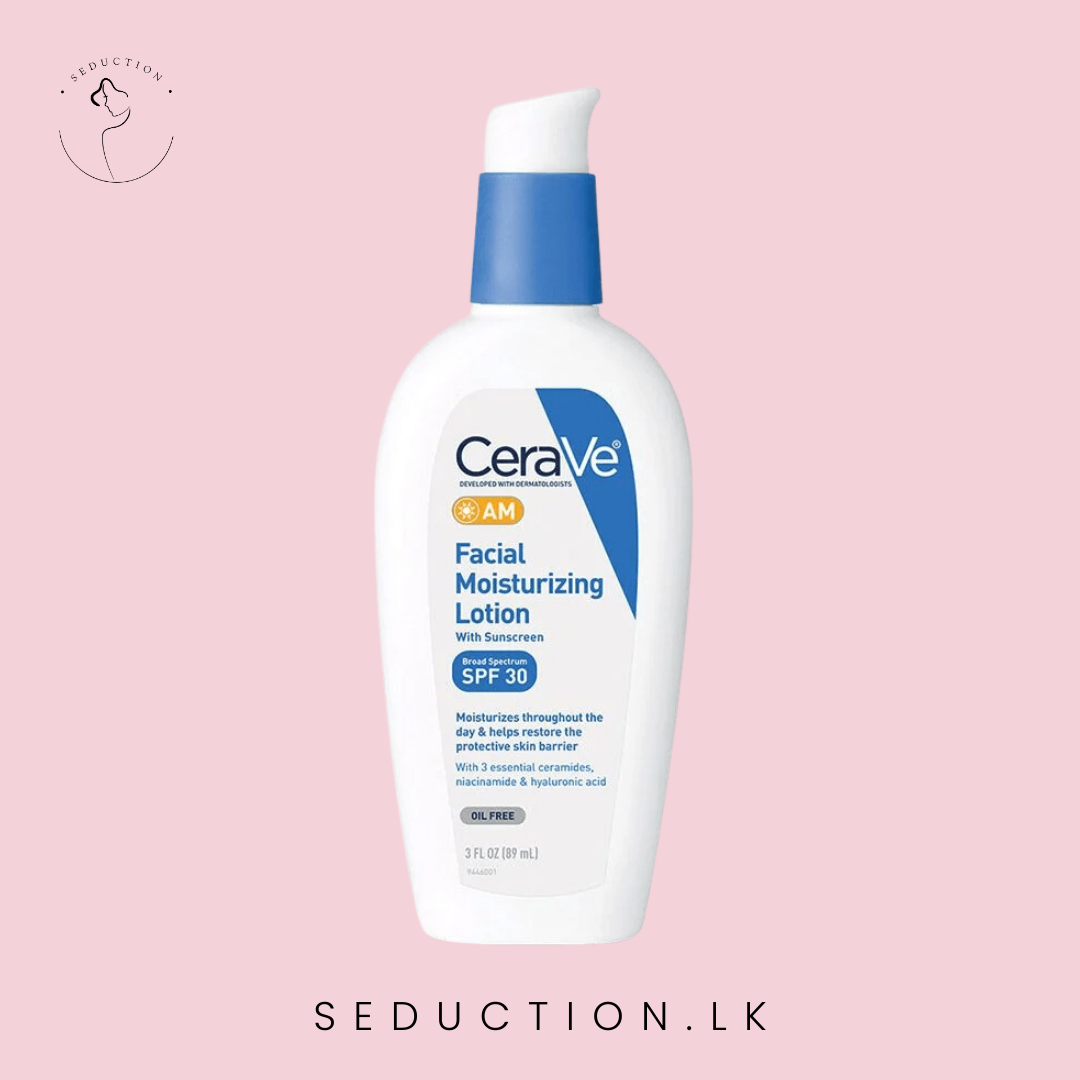
Creating your own moisturizing lotion at home is a rewarding experience that allows you to customize formulations to suit your unique skin needs. Not only can you control the ingredients going into your skin care, but you also get to enjoy the benefits of natural components that promote hydration and nourishment. This guide will provide simple recipes and some creative ideas to help you whip up your own lotions effortlessly.
Homemade lotions can be tailored to various skin types, be it dry, oily, or sensitive. The beauty of DIY lotions lies in the versatility of the ingredients you can use, many of which come from your kitchen or local health store. By choosing natural components, you ensure that your skin receives the gentle care it deserves without harsh chemicals.
Basic Moisturizing Lotion Recipe
To start your journey into homemade skincare, here’s a straightforward recipe for a basic moisturizing lotion. This simple formulation uses common ingredients that are effective and easy to find.
Ingredients:
– 1/4 cup coconut oil
– 1/4 cup shea butter
– 1/4 cup almond oil
– 1 teaspoon vitamin E oil (optional)
– Essential oils (optional for fragrance)
Instructions:
1. Begin by melting the coconut oil and shea butter together in a double boiler. Stir continuously until fully melted to create a smooth blend.
2. Remove the mixture from heat and allow it to cool slightly.
3. Mix in the almond oil and vitamin E oil for added nourishment.
4. If desired, add a few drops of your chosen essential oils for fragrance and additional skin benefits. Popular options include lavender for calming effects or tea tree oil for its antibacterial properties.
5. Pour the mixture into a clean glass jar and let it set at room temperature. It will solidify into a creamy lotion.
This basic lotion is rich and deeply moisturizing, perfect for dry skin.
Unique Recipes Incorporating Natural Ingredients
Innovative and unique variations of moisturizing lotion can be created by incorporating special ingredients known for their skin benefits. Here are two noteworthy recipes:
1. Aloe Vera and Green Tea Lotion
– Benefits: Aloe vera is renowned for its soothing properties, while green tea provides antioxidants.
– Ingredients:
– 1/4 cup aloe vera gel
– 1/4 cup coconut oil
– 1/4 cup brewed green tea (cooled)
– Instructions: Mix all the ingredients in a blender until smooth, then transfer to a container.
2. Honey and Oatmeal Lotion
– Benefits: Honey is a natural humectant, and oatmeal is excellent for sensitive skin.
– Ingredients:
– 1/4 cup honey
– 1/4 cup oatmeal (ground into powder)
– 1/4 cup almond oil
– Instructions: Blend all ingredients until creamy and store in a jar.
Customizing DIY Lotions to Individual Skin Needs
Personalizing your lotion can enhance its effectiveness based on your skin’s unique requirements. Consider the following guidelines for customization:
– For Dry Skin: Incorporate heavier oils such as avocado or jojoba oil, and add ingredients like glycerin for extra hydration.
– For Oily Skin: Use lighter oils like grapeseed or hazelnut oil. Adding a few drops of tea tree oil can help with acne-prone skin.
– For Sensitive Skin: Focus on soothing ingredients like chamomile or calendula. Avoid essential oils that could irritate.
– For Aging Skin: Include ingredients rich in antioxidants, such as rosehip oil or vitamin C, to promote skin elasticity.
“Customize your DIY lotion by understanding your skin’s needs and responding with the right ingredients for the best results.”
By experimenting with these recipes and tips, you can create a personalized skincare experience that not only nourishes your skin but also reflects your preferences and lifestyle. Each batch can be a unique blend, tailored to your specific skin care goals, making your skincare routine both effective and enjoyable.
The Role of Moisturizing Lotion in a Daily Skin Care Routine
Incorporating a moisturizing lotion into your daily skin care regimen is essential for maintaining healthy, hydrated skin. Whether you have dry, oily, or combination skin, a good moisturizer plays a critical role in sealing in moisture and protecting your skin barrier. This guide will explore how to effectively integrate moisturizing lotion into both your morning and evening routines, emphasizing the proper order of application and the influence of seasonal changes on your skin’s moisture needs.
Incorporating Moisturizing Lotion into Daily Skin Care
To achieve optimal hydration, it’s important to apply moisturizing lotion in the correct order within your skin care routine. In the morning, start by cleansing your face to remove any impurities that have built up overnight. Following cleansing, apply any treatment products like serums or spot treatments, which should be absorbed into the skin first. After these products, it’s time to apply your moisturizing lotion to lock in hydration.
In the evening, the routine is similar but allows for additional steps that target skin repair. After cleansing, you may choose to apply treatments or retinols, followed by your moisturizing lotion. This ensures that the moisture is sealed in, promoting skin healing and hydration overnight.
It’s vital to understand that moisturizing should always be the last step in your routine. This is because the primary function of a moisturizer is to create a barrier that prevents water loss. If applied before serums or treatments, it can hinder their absorption and effectiveness.
Moisturizing lotion acts as a protective layer, locking in moisture and enhancing the efficacy of the products applied beforehand.
Adjusting Moisturizing Needs for Seasonal Changes
With the changing seasons, your skin’s moisture requirements may fluctuate significantly. In colder months, the air is typically drier, which can lead to increased moisture loss from the skin. To counteract this, consider using a richer, more emollient moisturizing lotion with ingredients like ceramides or hyaluronic acid, which attract moisture and create a barrier.
Conversely, during warmer months, when humidity levels rise, your skin may require lighter lotions or gel-based moisturizers that provide hydration without feeling heavy. It’s essential to listen to your skin and adjust your products accordingly, ensuring it remains hydrated and healthy throughout the year.
In conclusion, the role of moisturizing lotion in skin care is pivotal, especially when considering the application order and adapting to seasonal changes. By thoughtfully integrating moisturizing lotion into your routine, you can maintain optimal skin hydration and health regardless of external conditions.
Addressing Common Misconceptions About Moisturizing Lotion
Many people hold various misconceptions about moisturizing lotions that can hinder their skincare routines. Understanding the facts behind these myths is crucial for achieving healthy, hydrated skin. This section clarifies common myths versus truths regarding moisturizing lotions, ensuring that everyone can make informed decisions about their skincare.
Myths Versus Facts About Moisturizing Lotions
In the world of skincare, misinformation can lead to ineffective routines and frustrated individuals. Below are some prevalent misconceptions about moisturizing lotions, each debunked to provide clarity on their actual effectiveness:
- Myth: Moisturizing lotions are only for dry skin.
Fact: All skin types, including oily and combination skin, benefit from moisturizing. Proper hydration helps balance oil production.
- Myth: Using moisturizer makes oily skin worse.
Fact: Many believe that adding moisture to already oily skin will exacerbate its condition. However, using the right lightweight, oil-free moisturizers can actually help control oil production.
- Myth: You don’t need to moisturize if you have acne-prone skin.
Fact: Skipping moisturizer can lead to increased dryness, prompting the skin to produce more oil, which can worsen acne. Non-comedogenic moisturizers are specifically formulated to hydrate without clogging pores.
- Myth: Moisturizing lotions are only necessary in winter.
Fact: Skin requires hydration year-round. Environmental factors like sun exposure, air conditioning, and pollution can dehydrate the skin, making moisturizers essential in any season.
- Myth: Natural ingredients mean better moisturizers.
Fact: While natural ingredients can be beneficial, they’re not always more effective. The formulation and concentration of active ingredients play a more significant role in a moisturizer’s effectiveness.
Understanding the Impact on Oily Skin
Despite the common belief that moisturizing lotions exacerbate oily skin, the reality is that hydration is a crucial component of a balanced skincare routine. Oily skin can still suffer from dehydration, leading to an overproduction of oil. The key is to select the right products that cater to oily skin without adding excess grease.
People often misinterpret the feel of a lotion on their skin, believing that any product that feels heavy is detrimental to their oil production. Lightweight, gel-based moisturizers are specifically designed to provide hydration without the added weight, helping to maintain moisture levels without increasing oiliness.
In summary, dismantling these misconceptions allows individuals to make better choices for their skin. By understanding the science behind moisturizers and their effects on different skin types, everyone can enjoy the benefits of a well-hydrated complexion.
The Connection Between Moisturizing Lotion and Anti-Aging
Moisturizing lotion serves as a fundamental component in the quest for youthful skin. As we age, our skin’s natural moisture levels decrease, leading to the development of fine lines and wrinkles. Regular use of moisturizing lotions not only hydrates the skin but also helps to restore its elasticity and resilience, ultimately reducing the appearance of aging.
One of the primary benefits of moisturizing lotions is their ability to prevent and diminish the visibility of wrinkles and fine lines. Well-hydrated skin tends to be plumper and smoother, which can mask the signs of aging. Additionally, moisturizing lotions often contain specific ingredients that promote skin health and combat aging.
Anti-Aging Ingredients in Moisturizing Lotions
The effectiveness of a moisturizing lotion in anti-aging largely depends on its active ingredients. Here are some key components known for their rejuvenating properties:
- Hyaluronic Acid: This powerful humectant attracts moisture from the environment and can hold up to 1,000 times its weight in water, providing intense hydration and plumping effect to the skin.
- Retinol: A derivative of Vitamin A, retinol stimulates collagen production and accelerates cell turnover, reducing the appearance of fine lines and improving skin texture.
- Peptides: These small chains of amino acids help to rebuild and repair the skin, boosting its firmness and reducing sagging.
- Vitamin C: Known for its antioxidant properties, Vitamin C protects the skin from environmental damage while brightening the complexion and stimulating collagen production.
- Niacinamide: Also known as Vitamin B3, niacinamide improves skin elasticity, enhances the barrier function, and evens out skin tone.
Including these ingredients in your daily skincare routine can significantly enhance the efficacy of moisturizing lotions in combating signs of aging.
“The right moisturizer can turn back the clock on your skin, helping to maintain a youthful glow.”
Real-life testimonials affirm the transformative power of moisturizing lotions. For instance, a 55-year-old user of a hyaluronic acid-infused moisturizer reported a noticeable reduction in the depth of her wrinkles after just four weeks of consistent use. Similarly, a case study highlighted a 60-year-old woman who incorporated a retinol-based lotion into her regimen, leading to a significant improvement in skin texture and elasticity over time.
These examples underscore the importance of choosing effective moisturizing lotions as part of an anti-aging strategy, showcasing how the right ingredients can yield visible results for aging skin.
Tips for Maximizing the Benefits of Moisturizing Lotion Usage
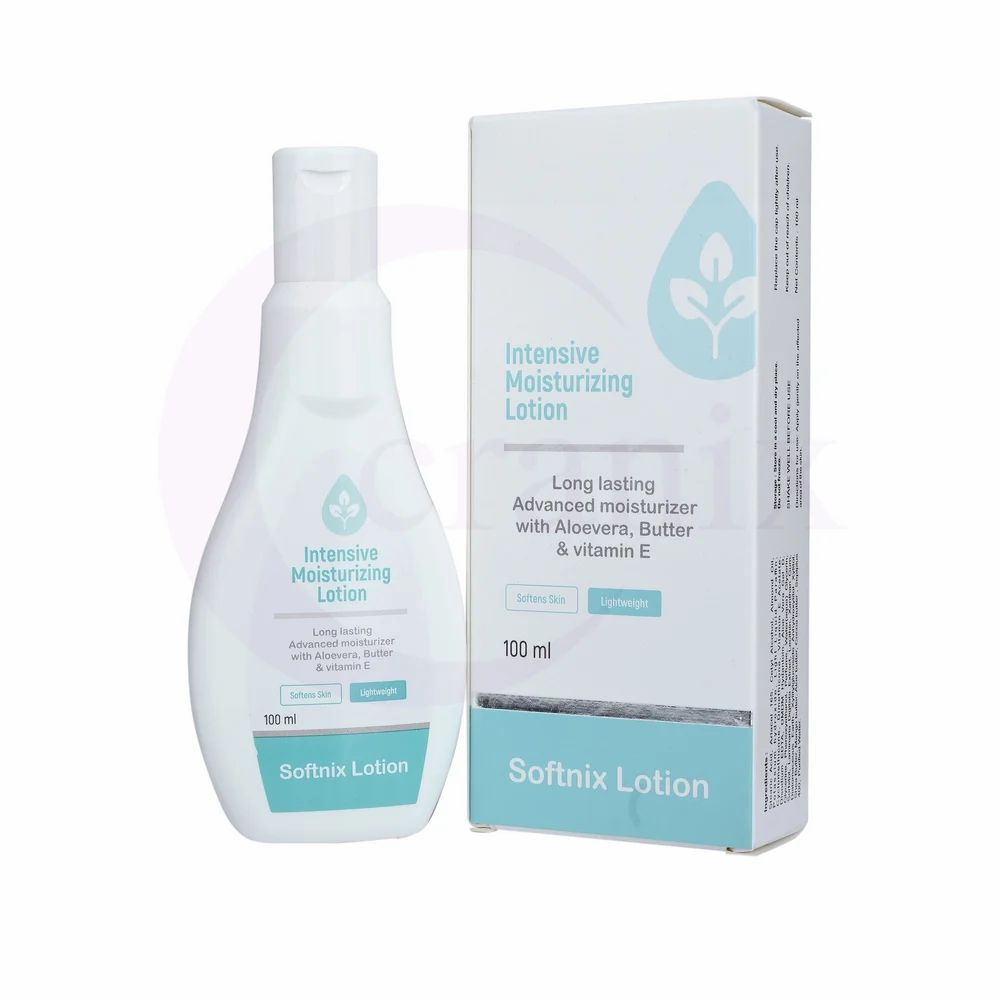
To truly harness the power of moisturizing lotions, applying them correctly and at the right times is essential. The benefits of these products can be significantly amplified when users adhere to specific best practices. Understanding how to effectively apply moisturizing lotion can make a notable difference in skin hydration and overall health.
Best Practices for Applying Moisturizing Lotion
Applying moisturizing lotion requires more than just slathering it on. Here are some effective techniques to enhance absorption and efficacy:
– Apply on Damp Skin: Moisturizing lotion works best when applied to slightly damp skin, such as after a shower or bath. This helps lock in moisture, enhancing the lotion’s hydrating effects.
– Use Gentle Massaging Motions: When applying the lotion, use gentle, circular motions to stimulate blood flow and promote absorption. This can also enhance the lotion’s effectiveness.
– Target Areas of Concern: Focus on areas that are particularly dry or prone to irritation, such as elbows, knees, and heels. These areas may require a more generous application.
Timing of Application
The timing of when you apply your moisturizing lotion can greatly influence its effectiveness. Consider the following:
– After Showering: The best time to apply moisturizer is right after showering or bathing. Your skin is more receptive to moisture when it’s still damp.
– Before Bed: Applying lotion before sleep allows for overnight hydration, ensuring your skin remains moisturized while you rest.
– Throughout the Day: For those with particularly dry skin, reapplying lotion throughout the day can help maintain moisture levels, especially in dry environments or during seasonal changes.
Dos and Don’ts of Moisturizing Lotion Usage
To ensure optimal results when using moisturizing lotions, follow this checklist of dos and don’ts:
– Do use a lotion suitable for your skin type, whether oily, dry, or sensitive. Different formulations are designed to address specific skin needs.
– Do read the product labels for ingredients that can enhance moisture levels, such as hyaluronic acid, glycerin, or ceramides.
– Do store your lotion in a cool, dry place to maintain its integrity.
– Don’t apply lotion to dirty skin; this can block pores and reduce efficacy.
– Don’t overuse products containing heavy fragrances or alcohol, as these can irritate the skin and lead to dryness.
– Don’t forget to patch test new products to avoid allergic reactions.
“Applying moisturizing lotion effectively can significantly improve skin hydration and health.”
Final Summary
In conclusion, moisturizing lotion is an essential ally in the quest for healthy, radiant skin. By incorporating the right lotion into your daily regimen and dispelling common myths, you can effectively combat dryness and aging. Remember, whether you opt for a store-bought product or a homemade blend, the key is to keep your skin hydrated and happy.
Questions Often Asked
What is the ideal time to apply moisturizing lotion?
The best time to apply moisturizing lotion is after cleansing your skin, ideally while it’s still slightly damp to lock in moisture.
Can moisturizing lotions cause breakouts?
Some moisturizing lotions may clog pores, especially if they contain heavy oils. It’s essential to choose non-comedogenic products if you’re prone to breakouts.
How often should I use moisturizing lotion?
For optimal results, use moisturizing lotion twice daily, in the morning and evening, to maintain hydration.
Are natural ingredients better in moisturizing lotions?
Natural ingredients can be beneficial, but it’s important to ensure they are suitable for your skin type and are of high quality.
Can I use moisturizing lotion on my face and body?
Yes, but be cautious; facial skin is more sensitive, so choose a lotion specifically formulated for the face to avoid irritation.