
 Widya pasha
Anti-aging cream has become a staple in skincare routines, often touted as the ultimate solution to maintaining youthful skin. With a plethora of options available, understanding the science behind these creams can empower consumers to make informed choices. From innovative ingredients that work at the cellular level to lifestyle factors that complement their effectiveness, the journey to healthier skin is multifaceted and exciting.
This exploration delves into the active ingredients that define anti-aging creams, such as retinoids, peptides, and antioxidants. It will also consider the impact of lifestyle choices, the importance of sun protection, and the latest innovations in skincare technology that enhance these products’ efficacy. By equipping yourself with this knowledge, you’ll be better prepared to choose the right anti-aging solutions for your skin.
The Science Behind Anti-aging Creams Explaining the active ingredients commonly found in anti-aging creams and their effects on the skin.
Anti-aging creams have gained immense popularity for their potential to reduce the visible signs of aging. These products are formulated with a variety of active ingredients that target specific skin concerns, such as wrinkles, fine lines, and loss of elasticity. Understanding the science behind these components helps in appreciating their effectiveness in promoting youthful skin.
The active ingredients in anti-aging creams work at a cellular level, stimulating various biological processes that contribute to skin rejuvenation. Among these ingredients, retinoids, peptides, and antioxidants are the most notable. Retinoids, derived from vitamin A, are renowned for their ability to accelerate cell turnover and boost collagen production, resulting in smoother skin texture. Peptides, on the other hand, are short chains of amino acids that signal the skin to produce more collagen and elastin, enhancing its firmness and elasticity. Antioxidants, like vitamin C and E, protect the skin from oxidative stress caused by free radicals, which can accelerate aging.
Active Ingredients in Anti-aging Creams
The effectiveness of anti-aging creams largely hinges on the specific ingredients used. Below are three key categories of ingredients that play significant roles in combating signs of aging:
- Retinoids: These compounds promote skin renewal by increasing cell turnover. They help to diminish fine lines and improve skin texture by enhancing collagen synthesis. Common forms include retinol and tretinoin.
- Peptides: Peptides help to signal the skin to produce more collagen and elastin. This leads to improved skin firmness and a reduction in the appearance of wrinkles. A well-known example is palmitoyl pentapeptide-4, which has shown efficacy in clinical studies.
- Antioxidants: These ingredients neutralize free radicals that contribute to skin aging. Vitamin C, for instance, not only protects against environmental damage, but also enhances collagen production, while vitamin E aids in skin repair and hydration.
Natural and synthetic ingredients also play distinct roles in anti-aging formulations. Natural ingredients, such as botanical extracts, tend to be gentler on the skin and are often rich in antioxidants. Ingredients like green tea extract and hyaluronic acid are examples of natural substances that effectively hydrate and protect the skin. Conversely, synthetic ingredients are frequently engineered for enhanced potency and stability. They may deliver more immediate results but can sometimes cause irritation in sensitive skin types.
Natural ingredients provide gentle nourishment, while synthetic ingredients can offer powerful, targeted solutions.
In summary, the science behind anti-aging creams encompasses a range of active ingredients each contributing uniquely to skin health and vitality. Understanding the roles of retinoids, peptides, and antioxidants, as well as the difference between natural and synthetic formulations, can empower consumers to make informed choices for their skincare routines.
The Impact of Lifestyle Choices on Skin Aging
The way we live our lives significantly affects our skin’s aging process. Factors such as diet, sleep, and stress play a crucial role in determining how effective an anti-aging cream can be. Understanding these lifestyle choices can help optimize the benefits of skincare products, leading to healthier, more youthful skin.
Diet is a key player in skin health. Consuming nutrient-rich foods can enhance the skin’s vitality and appearance. Foods rich in antioxidants, vitamins, and healthy fats can combat oxidative stress and promote overall skin resilience.
Foods that Promote Healthy Skin
Incorporating certain foods into your diet can greatly influence skin health. The following are examples of foods that are beneficial:
- Berries: Blueberries, strawberries, and raspberries are rich in antioxidants, which help protect skin cells from damage.
- Fatty Fish: Salmon and mackerel contain omega-3 fatty acids that keep skin moisturized and may reduce inflammation.
- Nuts: Almonds and walnuts are packed with vitamins and healthy fats that support skin elasticity.
- Leafy Greens: Spinach and kale provide essential vitamins and minerals that help maintain healthy skin structure.
- Avocados: They are high in healthy fats, which contribute to skin hydration and elasticity.
Hydration is another critical factor in maintaining youthful skin. Drinking enough water helps to keep the skin plump and elastic, preventing dryness and the formation of fine lines. Dehydrated skin can appear dull and aged, emphasizing the importance of adequate fluid intake.
Importance of Hydration for Skin Elasticity
Maintaining optimal hydration levels is essential for skin health. Hydration affects skin elasticity and overall appearance. Here are the key aspects to consider:
- Skin Barrier Function: Sufficient hydration helps maintain the skin’s natural barrier, preventing moisture loss and protecting against environmental damage.
- Elasticity: Hydrated skin retains its elasticity better, making it less prone to sagging and wrinkles.
- Healing Process: Adequate hydration supports the skin’s healing process, aiding in recovery from blemishes and other damage.
Stress management techniques can also enhance skin health. Chronic stress triggers the release of cortisol, which can lead to skin conditions like acne, eczema, and psoriasis. Implementing stress-reduction strategies can not only improve mental well-being but also positively impact skin appearance.
Techniques for Stress Management
Adopting effective stress management techniques can be beneficial for skin health. Here are some methods to consider:
- Meditation: Practicing mindfulness or meditation can lower stress levels, which in turn may improve skin conditions.
- Regular Exercise: Physical activity boosts circulation and helps regulate stress hormones, promoting a healthier skin complexion.
- Quality Sleep: Prioritizing restful sleep allows the body to repair and regenerate, which is essential for maintaining youthful skin.
- Breathing Exercises: Simple breathing techniques can substantially reduce stress in the moment, helping to keep skin issues at bay.
Evaluating Anti-aging Cream Efficacy Analyzing how to assess the effectiveness of an anti-aging cream before purchasing.
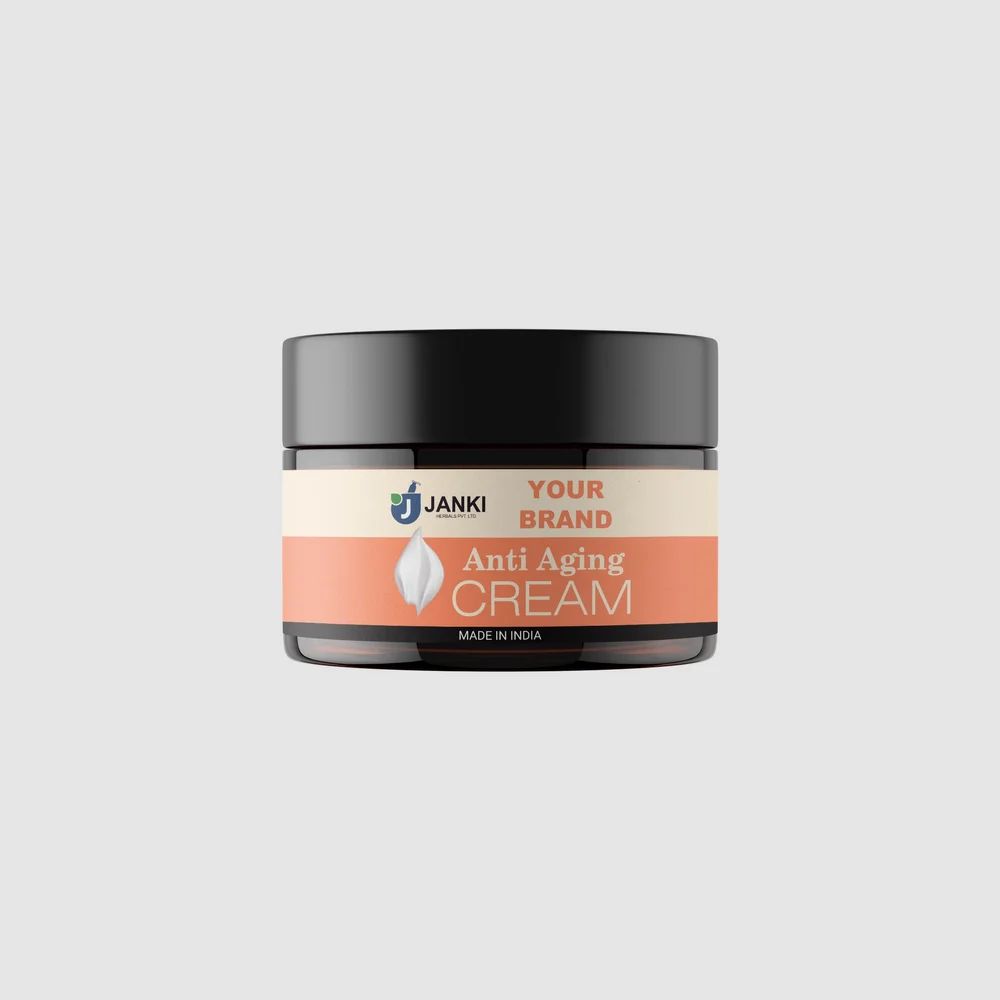
In today’s beauty market, the sheer variety of anti-aging creams can be overwhelming. With numerous claims and dazzling packaging, it’s essential to know how to evaluate an anti-aging cream’s effectiveness before making a purchase. Understanding the criteria to consider, alongside the significance of clinical trials and consumer reviews, can lead to better choices and satisfactory results.
Assessing the efficacy of an anti-aging cream involves a thorough examination of various factors that contribute to its potential benefits. It’s crucial to understand what to look for to ensure you’re investing in a product that delivers on its promises. The following criteria can serve as a benchmark when selecting an anti-aging cream:
Criteria for Choosing an Anti-aging Cream
When choosing an anti-aging cream, consider the following key aspects to gauge its effectiveness:
- Active Ingredients: Look for scientifically-backed ingredients like retinoids, hyaluronic acid, peptides, and antioxidants. These components have proven benefits in reducing wrinkles and improving skin texture.
- Skin Type Compatibility: Different skin types react differently to various ingredients. Choose a cream formulated for your specific skin type (oily, dry, combination, or sensitive) to maximize efficacy.
- SPF Protection: Sun damage is a significant factor in skin aging. A cream with built-in SPF can protect against UV rays, preventing further skin damage while offering anti-aging benefits.
- Concentration of Active Ingredients: Check for the concentration level of active ingredients in the formulation. Higher concentrations generally indicate a more potent product.
- Packaging: Products in opaque, air-tight containers help preserve the integrity of the ingredients, avoiding oxidation and degradation.
Understanding these criteria can significantly influence your purchasing decision, ensuring that the anti-aging cream you choose meets your skin’s needs.
Importance of Clinical Trials and Consumer Reviews
Clinical trials and consumer reviews play a pivotal role in validating the effectiveness of anti-aging creams. Clinical trials involve rigorous testing under controlled conditions, allowing researchers to gather data on the product’s safety and efficacy. They provide insights into how well a product performs in real-world scenarios and establish credibility.
Consumer reviews, on the other hand, offer anecdotal evidence from individuals who have used the product. They can provide valuable insights into how the cream performed over time, side effects, and overall satisfaction levels. A combination of both clinical data and personal experiences leads to a more comprehensive understanding of a product’s efficacy.
User Testimonials
Personal testimonials can offer unique perspectives on the effectiveness of anti-aging creams. Here are a few experiences shared by users:
“After using [Brand X] for six months, I’ve noticed a significant reduction in fine lines. My skin feels firmer, and I get compliments on my complexion!” – Sarah, 45
“I was skeptical about [Brand Y] at first, but after three weeks, my skin looks brighter and more youthful. I love the texture of the cream!” – Jenna, 38
“Having sensitive skin, I was worried about irritation. Thankfully, [Brand Z] was gentle yet effective; I’ve seen visible changes in my wrinkles.” – Mike, 50
These testimonials highlight the range of experiences users have had, emphasizing the importance of considering real-life feedback when evaluating anti-aging products. By paying attention to clinical trials, consumer reviews, and testimonials, you can navigate the market more effectively and select an anti-aging cream that fulfills your skincare goals.
The Role of Sun Protection in Anti-aging Explore the importance of daily sun protection in the context of aging skin.
Daily sun protection is a crucial component of any effective anti-aging skincare routine. As we age, our skin becomes more susceptible to damage from ultraviolet (UV) rays, which can lead to premature aging signs like wrinkles, fine lines, and age spots. Incorporating a reliable sunscreen into your daily regimen not only helps preserve the youthful appearance of your skin but also protects it from harmful rays.
Understanding UV rays is essential for effective skin care. There are two main types of UV rays: UVA and UVB. UVA rays penetrate deep into the skin and are primarily responsible for aging and long-term skin damage, while UVB rays are the primary cause of sunburn and can lead to skin cancer. Both types can contribute to the breakdown of collagen and elastin, essential proteins that keep skin firm and elastic.
Types of UV Rays and Their Effects on Skin
The distinction between UVA and UVB rays is critical for anyone concerned with skin health.
– UVA Rays: These rays account for up to 95% of the UV radiation reaching the Earth’s surface. They can penetrate the skin more deeply, causing long-term damage such as wrinkles and age spots. Studies have shown that regular exposure to UVA radiation can lead to the formation of free radicals, which accelerate skin aging.
– UVB Rays: These rays are primarily responsible for sunburn and have a shorter wavelength, affecting the outer layer of the skin. UVB rays are more intense, especially during the summer months and at higher altitudes. They play a significant role in the development of skin cancer due to their ability to damage the DNA in skin cells.
By understanding these effects, individuals can take proactive steps to protect their skin.
Pairing Anti-aging Creams with Sunscreen for Optimal Results
Utilizing anti-aging creams in conjunction with sunscreen is vital for achieving the best results in skin protection and rejuvenation. While anti-aging creams often contain ingredients like retinol, peptides, and antioxidants that combat signs of aging, they do not shield the skin from UV damage.
Combining these products ensures that skin is not only nourished but also protected. For instance, applying a broad-spectrum sunscreen with at least SPF 30 over your anti-aging cream provides a protective barrier against both UVA and UVB rays. This synergistic approach helps maintain the integrity of the skin while minimizing the risk of premature aging.
Selecting a Broad-Spectrum Sunscreen
Choosing the right sunscreen can greatly enhance your anti-aging efforts. Here are some essential tips for selecting a broad-spectrum sunscreen:
– Look for SPF 30 or Higher: A sunscreen with an SPF of 30 or higher effectively blocks about 97% of UVB rays. Higher SPF ratings provide slightly more protection but remember that no sunscreen can block 100% of UV rays.
– Broad-Spectrum Protection: Ensure that the label clearly states “broad-spectrum” to protect against both UVA and UVB rays.
– Water Resistance: If you plan on swimming or sweating, opt for water-resistant formulas that remain effective for 40 to 80 minutes.
– Skin Type Consideration: Choose a formulation that suits your skin type, whether it be oily, dry, or sensitive. Non-comedogenic options are ideal for acne-prone skin.
– Check for Active Ingredients: Look for physical blockers like zinc oxide or titanium dioxide, which provide a physical barrier against UV rays, or chemical absorbers like avobenzone and octisalate for effective absorption of UV radiation.
Incorporating these guidelines into your sun protection strategy will significantly contribute to maintaining youthful skin and combating the visible effects of aging.
Myths and Misconceptions About Anti-aging Products Identifying common myths surrounding anti-aging creams and the truths behind them.
Many people harbor misunderstandings about anti-aging creams, believing in myths that can mislead them in their skincare journey. It’s essential to demystify these misconceptions so that consumers can make informed choices and maximize the effectiveness of their skincare routines. Let’s take a look at some of these common misconceptions and the truths that debunk them.
Expensive Products Are Always More Effective
A prevalent myth surrounding anti-aging products is the belief that a higher price tag equates to better results. While luxury brands often market their products with impressive packaging and alluring advertising, price does not necessarily reflect efficacy. Many affordable creams contain similar active ingredients to their expensive counterparts, making them just as effective.
“Effective anti-aging ingredients like retinol, hyaluronic acid, and vitamin C can be found in both affordable and high-end products.”
When selecting an anti-aging cream, consumers should focus on the ingredient list rather than the price. A well-formulated product with potent, clinically proven ingredients can yield better results than an overpriced one with minimal active components.
Age Appropriateness for Using Anti-aging Creams
Another common misconception is that anti-aging products are only for older individuals. In reality, signs of aging can begin to manifest in your twenties and thirties due to environmental factors, lifestyle choices, and the natural aging process. Starting a proactive skincare routine early can be beneficial in preventing premature aging.
“Preventative skincare is often more effective than corrective measures later on.”
Using anti-aging creams that contain antioxidants, sun protection, and hydrating ingredients can help maintain youthful skin and prevent significant aging signs down the line.
Consistency in Use Is Crucial for Results
The effectiveness of anti-aging creams is greatly influenced by consistency in application. Many users expect immediate results, but this is generally unrealistic. Anti-aging products require a regular, dedicated routine to show meaningful changes over time.
“Patience and regular use of anti-aging products are key to achieving desired results.”
For instance, ingredients like retinol may take weeks to show visible effects, and users should apply them consistently for optimal results. Establishing a daily regimen that includes cleansing, treatment, and moisturizing can significantly enhance the benefits of anti-aging creams, ultimately leading to healthier, more youthful-looking skin.
Innovations in Anti-aging Technology Discuss the latest advancements in skincare technology related to anti-aging creams.
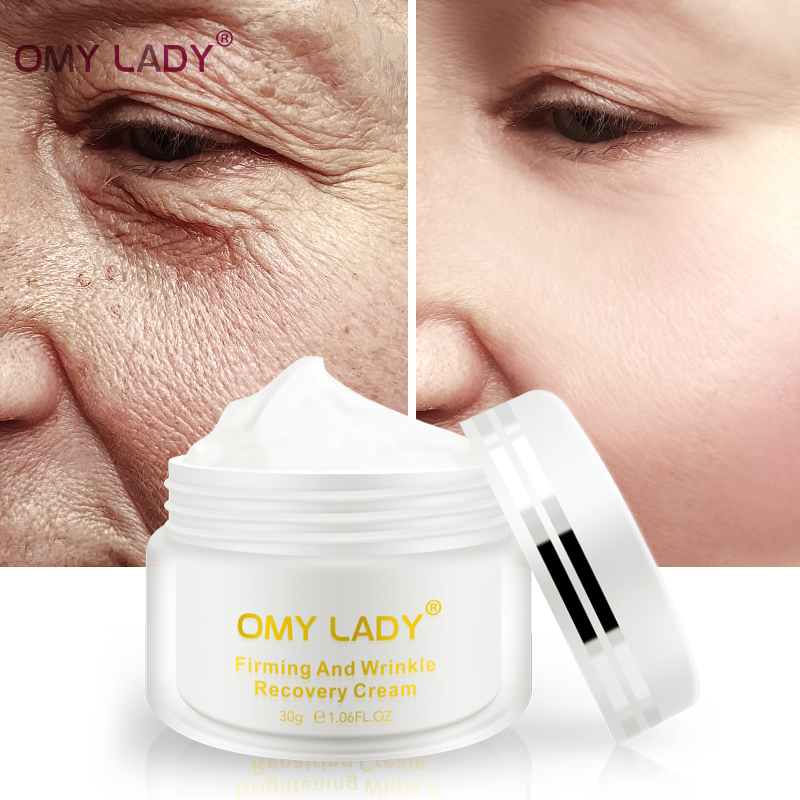
The landscape of anti-aging skincare is rapidly evolving, driven by scientific advancements and a deeper understanding of skin biology. Innovations in technology are leading to more effective anti-aging solutions, ensuring that consumers benefit from formulations that not only promise results but also deliver them more efficiently.
Recent developments in skincare technology have focused on enhancing the absorption of active ingredients in anti-aging creams. One of the most significant advancements is the implementation of new delivery systems, which play a vital role in how effectively these creams penetrate the skin barrier. Technologies such as nano-encapsulation allow for smaller particles to transport potent ingredients deeper into the skin, thereby increasing their efficacy. This innovative approach ensures that key components like peptides, antioxidants, and hyaluronic acid are more readily absorbed by the skin, resulting in improved hydration and reduced appearance of fine lines and wrinkles.
Biotechnology in Anti-aging Formulations
Biotechnology is transforming the formulation of anti-aging creams by utilizing biological processes to create more effective ingredients. This approach not only enhances the purity and potency of the active compounds but also allows for the development of complex molecules that mimic natural skin structures. For instance, the use of lab-grown collagen and other biomimetic ingredients is becoming increasingly popular. These ingredients are designed to interact with skin cells, promoting regeneration and repair.
Emerging trends in personalized skincare are also gaining traction within the anti-aging sector. Personalized formulations are tailored to individual skin types and concerns, guided by factors such as genetics, age, and environmental exposure. Companies are leveraging artificial intelligence and data analytics to create customized skincare regimens that target specific aging signs. An example includes brands that offer skin assessments through mobile applications, enabling consumers to receive recommendations based on their unique skin profile.
The integration of these technologies is not just a trend but a shift towards more scientific and individualized skincare, leading to better outcomes and satisfaction among users. As research continues, the future of anti-aging products looks promising, with potential breakthroughs on the horizon that could redefine how we approach aging.
Budget-Friendly Alternatives to High-End Anti-aging Creams Suggest affordable options that can produce similar results to high-end products.
Finding effective anti-aging solutions doesn’t have to break the bank. Many budget-friendly alternatives offer excellent results comparable to their high-end counterparts. Here, we’ll explore some drugstore brands known for their anti-aging properties and share some easy DIY recipes for creating your own creams at home. Additionally, we’ll provide tips on how to layer these affordable products effectively to maximize their benefits.
Drugstore Brands Praised for Anti-aging Properties
Several drugstore brands have developed a strong reputation for delivering quality anti-aging products without the hefty price tag. The following list highlights some of the most effective options available:
- CeraVe – Known for its hydrating properties, CeraVe’s products contain ceramides and hyaluronic acid that support the skin barrier and retain moisture.
- Neutrogena – Their Rapid Wrinkle Repair line features retinol, which is effective in reducing fine lines and improving overall skin texture.
- Olay – Olay Regenerist offers an array of products formulated with amino-peptides that help promote skin elasticity and reduce the appearance of wrinkles.
- L’Oreal Paris – The Revitalift line includes products enriched with pro-retinol and hyaluronic acid, targeting signs of aging effectively.
- RoC – This brand specializes in retinol-based products that have clinically proven results in reducing wrinkles and improving skin firmness.
The affordability and accessibility of these brands make them great options for individuals looking to combat aging without high costs.
DIY Recipes for Creating Anti-aging Creams at Home
Creating your own anti-aging cream at home can be both cost-effective and enjoyable. Here are a couple of simple recipes you can try:
- Coconut Oil and Lavender Cream: Mix 1/4 cup of coconut oil with 10 drops of lavender essential oil. Coconut oil is a natural moisturizer, while lavender can help promote skin healing and relaxation. Apply it nightly for best results.
- Aloe Vera and Vitamin E Serum: Combine 1/2 cup of fresh aloe vera gel with the contents of 2 vitamin E capsules. Aloe vera is known for its soothing properties, and vitamin E is an antioxidant that helps protect the skin from aging. Use this serum daily for a refreshing boost.
These DIY recipes utilize natural ingredients known for their anti-aging benefits, allowing you to customize your skincare while saving money.
Tips for Layering Products Effectively for Budget-conscious Consumers
Maximizing the efficacy of your skincare products is crucial, especially when working with a budget. Here are some tips on how to layer your budget-friendly products effectively:
- Start with Clean Skin: Always cleanse your face thoroughly before applying any products. This ensures that the active ingredients can penetrate the skin effectively.
- Use Thinner to Thicker: Apply products in order of thickness. For example, start with serums, then move to creams, allowing each layer to absorb before applying the next.
- Be Consistent: Regular use of your chosen products is key to seeing results. Establish a daily routine that you can stick to.
- Don’t Overdo It: Focus on 2-3 core products instead of layering too many different items, which can lead to irritation and decreased effectiveness.
By following these layering tips, budget-conscious consumers can get the most out of their skincare routine and maintain healthy, youthful skin without overspending.
Concluding Remarks
In conclusion, understanding anti-aging creams and their role in maintaining youthful skin is key to making smart skincare choices. By considering the ingredients, lifestyle impacts, and ongoing advancements in skincare technology, you can find the perfect formula that suits your needs. Whether you’re exploring high-end options or budget-friendly alternatives, the journey towards vibrant skin is within your reach.
Key Questions Answered
What age should I start using anti-aging creams?
It’s generally recommended to start using anti-aging creams in your late 20s to early 30s, but it can vary based on individual skin concerns.
Are there natural anti-aging creams?
Yes, many brands offer natural formulations that include plant-based ingredients known for their anti-aging properties.
How often should I apply anti-aging cream?
Most experts recommend applying anti-aging cream twice daily, in the morning and evening, for best results.
Can anti-aging creams replace sunscreen?
No, while some anti-aging creams contain SPF, they should not replace dedicated sunscreen for optimal sun protection.
Do I need to use anti-aging products year-round?
Yes, consistent use of anti-aging products year-round helps maintain skin health and combat visible signs of aging.