 Widya pasha
Cruelty-free makeup is more than just a trend; it’s a movement that reflects our growing awareness of the ethical implications of beauty products. As consumers become increasingly conscious of the impact their choices have on animals, the demand for cruelty-free alternatives continues to rise. This shift in mindset not only promotes compassion but also encourages innovation within the beauty industry.
The concept of cruelty-free makeup revolves around ensuring that no animals are harmed during the testing and production of beauty products. It’s vital to understand the significance of this practice, especially as it contrasts with traditional methods that often involve animal testing. Furthermore, distinguishing between cruelty-free and vegan formulations can enhance your knowledge as a consumer and guide you toward more ethical purchases.
Understanding the Concept of Cruelty-Free Makeup
Cruelty-free makeup represents a significant shift in the beauty industry towards ethical practices that prioritize the well-being of animals. This term specifically refers to products that are developed without any testing on animals, ensuring that no creatures are subjected to harmful practices in the name of beauty. The significance of cruelty-free makeup lies not only in consumer preferences but also in the growing awareness of animal rights and sustainable practices in product development.
The ethical considerations surrounding animal testing are profound, as they challenge the necessity and morality of inflicting suffering on animals for the sake of cosmetics. Many consumers are increasingly concerned about the impact of their purchasing decisions on animal welfare. As a result, brands that adopt cruelty-free practices often experience a stronger connection with their audience, leading to brand loyalty and trust.
Differences Between Cruelty-Free and Vegan Makeup Formulations
Understanding the distinction between cruelty-free and vegan makeup is essential for consumers who are mindful of their beauty choices. While both categories emphasize ethical considerations, they differ fundamentally in their definitions and implications for product formulation.
Cruelty-free makeup refers to products that have not been tested on animals at any stage of development. This means that neither the finished product nor its ingredients have undergone testing on animals. On the other hand, vegan makeup goes a step further by ensuring that no animal-derived ingredients are used in the formulation. This includes common components such as beeswax, lanolin, and certain colorants derived from insects.
The importance of these distinctions can be highlighted through the following points:
- Animal Testing: Cruelty-free products avoid animal testing but may still contain animal-derived ingredients, while vegan products do not involve any animal testing and exclude all animal-derived ingredients.
- Ingredients: Consumers seeking a completely plant-based option will choose vegan makeup, while those focusing on ethical testing methods might prefer cruelty-free products regardless of ingredients.
- Labeling and Certification: Brands can be certified cruelty-free by various organizations, and many vegan products will also carry certifications confirming their status, enabling consumers to make informed choices.
- Consumer Demand: The demand for both cruelty-free and vegan formulations has surged in recent years, pushing brands to adopt ethical practices and cater to the preferences of conscientious consumers.
In summary, understanding the nuances between cruelty-free and vegan makeup is crucial for anyone looking to support ethical practices in the beauty industry, ensuring their purchases align with their values.
“Choosing cruelty-free products is not just a trend; it’s a commitment to compassion for all beings.”
The Impact of Cruelty-Free Makeup on Consumer Choices
The rise of cruelty-free makeup has significantly shifted consumer behavior and purchasing decisions in the beauty industry. As awareness about animal welfare grows, so does the demand for ethical beauty products. Consumers are increasingly prioritizing cruelty-free options, leading to notable changes in market dynamics and brand strategies.
The growing interest in cruelty-free makeup has not only influenced individual choices but has also had broader implications for the beauty industry. According to a study conducted by Statista, the global cruelty-free cosmetics market is projected to grow at a compound annual growth rate (CAGR) of 6.2% from 2020 to 2027. This statistic underscores the rising consumer demand for products that align with ethical considerations.
Demographics of Cruelty-Free Makeup Consumers
Understanding the demographics driving the cruelty-free movement is essential for brands aiming to connect with this audience. The following groups are most likely to seek out cruelty-free beauty products:
- Millennials: This generation leads the charge in advocating for animal rights and sustainable practices. Studies show that over 50% of millennials prefer brands that are cruelty-free.
- Generation Z: Known for their strong stance on social issues, Gen Z consumers are highly influenced by brand ethics. Research indicates that 60% of Gen Z prefers to buy from cruelty-free brands.
- Women: Female consumers remain the primary demographic for beauty products. A survey revealed that 70% of women consider cruelty-free claims when purchasing makeup.
- Urban Consumers: Individuals living in urban areas tend to have greater access to information and more exposure to ethical beauty campaigns, leading to a higher likelihood of choosing cruelty-free options.
- Health and Environment-Conscious Shoppers: This group prioritizes products that are not only cruelty-free but also environmentally friendly, reflecting a broader trend towards sustainable living.
The impact of cruelty-free makeup on purchasing choices is clear. Many consumers now actively research brands and their practices, often opting for those that align with their personal values. This shift is evident in the increasing number of brands adopting cruelty-free policies, further indicating that ethical consumerism is here to stay.
As consumers become more informed, their purchasing decisions reflect their values, leading to a significant shift in the beauty landscape.
Certifications and Labels for Cruelty-Free Makeup
In the world of cosmetics, understanding which products are truly cruelty-free can be a daunting task for consumers. Various organizations have developed certification standards that signify a commitment to ethical practices in the beauty industry. These certifications provide assurance that no animal testing was involved in the development or production of the makeup products. Familiarizing oneself with these labels can significantly simplify the shopping experience for ethical beauty enthusiasts.
Different certifications exist, each with its own criteria and trustworthiness. The most recognized among them include the Leaping Bunny, PETA’s Beauty Without Bunnies, and the Choose Cruelty-Free (CCF) certification. Understanding what each of these labels entails can help consumers make informed choices when searching for cruelty-free products.
Overview of Certifications
These certifications help establish a product’s cruelty-free status and vary in their criteria and rigor. Here’s a comparative overview:
- Leaping Bunny: This certification is recognized globally and requires companies to adhere to strict standards regarding animal testing. It not only covers finished products but also the ingredients used, making it one of the most comprehensive certifications available.
- PETA’s Beauty Without Bunnies: PETA’s certification focuses on companies that do not test their products on animals or allow others to do so on their behalf. While it is a reputable label, it may have less stringent requirements compared to Leaping Bunny, particularly regarding ingredient sourcing.
- Choose Cruelty-Free (CCF): This certification is offered by an Australian organization, ensuring that companies do not conduct or commission animal testing at any stage of product development. CCF also emphasizes transparency and ethical sourcing of ingredients.
Understanding these certifications is crucial for consumers dedicated to purchasing cruelty-free products. They serve as a reliable guide in a market that increasingly prioritizes ethical considerations.
Identifying Cruelty-Free Products
To effectively identify cruelty-free products, consumers should look for specific certifications on packaging. Additionally, many brands publish their cruelty-free status on their websites, often alongside detailed information about their testing policies.
“Certifications not only help consumers make ethical choices but also encourage brands to adopt cruelty-free practices.”
As awareness of animal welfare continues to rise, more brands are committing to cruelty-free practices. By staying informed and vigilant about certifications, consumers can contribute to a more humane beauty industry.
Popular Brands and Their Commitment to Cruelty-Free Practices
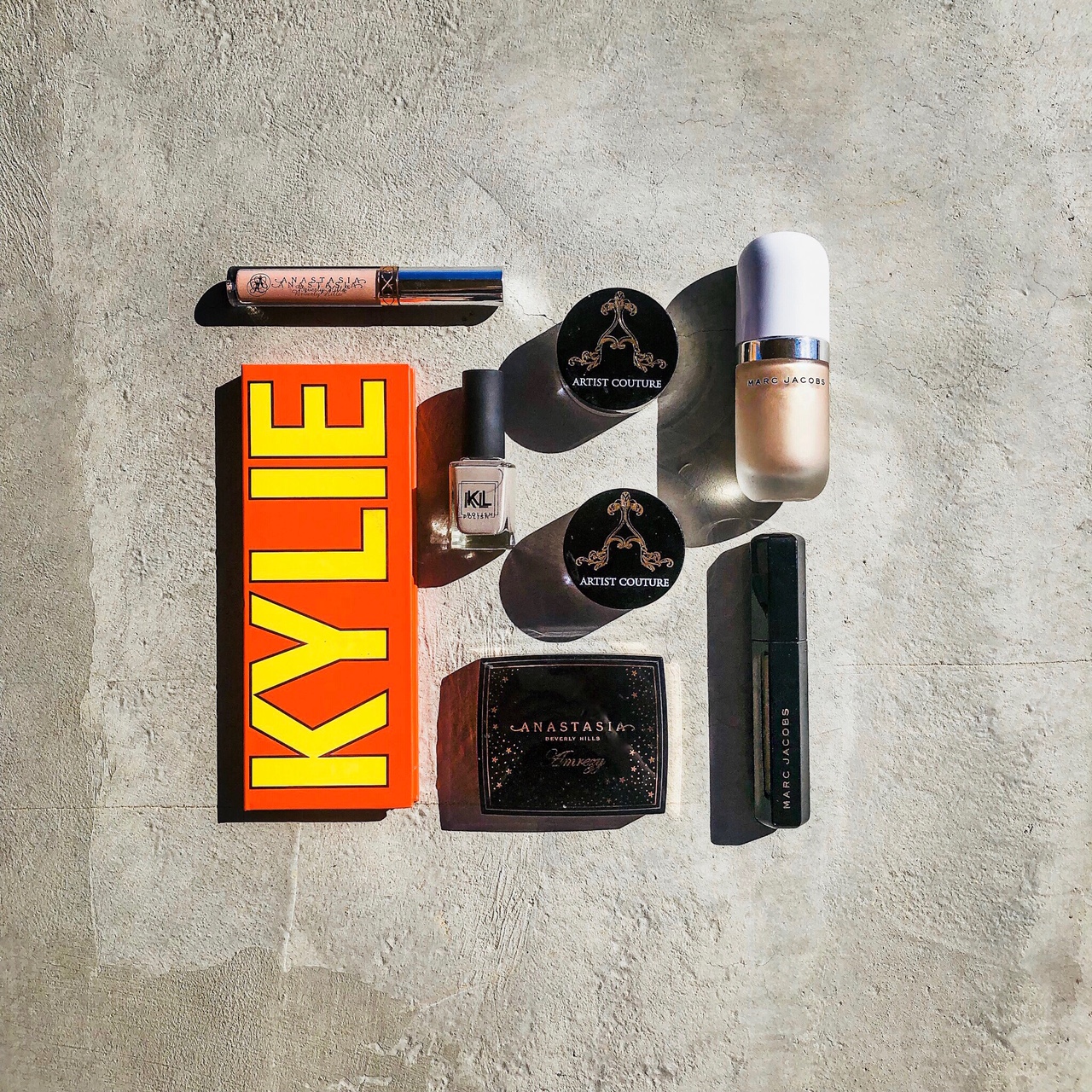
With a growing demand for ethical beauty, many makeup brands have taken a firm stance against animal testing, committing to cruelty-free practices. These brands not only prioritize the welfare of animals but also aim to promote sustainable and responsible beauty choices. Their philosophies often encompass comprehensive initiatives that ensure their products are ethical from start to finish.
The following brands are recognized for their unwavering commitment to cruelty-free practices, showcasing their unique philosophies and product offerings that reflect their dedication to ethical beauty.
Notable Cruelty-Free Brands
The commitment to cruelty-free practices varies among brands, but several notable names consistently stand out in the beauty industry. Below are some prominent brands that have embraced cruelty-free principles, along with a brief overview of their philosophies and initiatives.
- Too Faced: Known for its playful and innovative makeup, Too Faced has a long-standing commitment to being cruelty-free. The brand actively advocates against animal testing and supports organizations that promote animal rights.
- Tarte Cosmetics: Tarte is celebrated for its eco-conscious approach and use of natural ingredients. The brand is committed to being cruelty-free and even provides transparency about their sourcing and manufacturing processes.
- Urban Decay: Urban Decay is notorious for its bold products and commitment to cruelty-free beauty. The brand actively campaigns for animal rights and is involved in various initiatives to promote ethical practices within the beauty industry.
- e.l.f. Cosmetics: e.l.f. is recognized for its affordability without compromising on quality or ethics. The brand is entirely cruelty-free and often educates consumers about the importance of animal welfare.
- Fenty Beauty: Founded by Rihanna, Fenty Beauty is dedicated to inclusivity and cruelty-free practices. The brand not only offers a wide range of products for various skin tones but also ensures that their products are not tested on animals.
These brands illustrate how the beauty industry can evolve to prioritize ethical practices while still delivering high-quality products. Their diverse offerings range from skincare-infused foundations to vibrant lip colors, allowing consumers to make informed choices that align with their values.
“By choosing cruelty-free products, consumers can support brands that prioritize compassion and sustainability in the beauty industry.”
The Challenges Faced by Cruelty-Free Makeup Brands
Cruelty-free makeup brands have gained significant traction in recent years, driven by consumer demand for ethical and sustainable beauty products. However, these brands face numerous challenges that can hinder their growth and impact within the cosmetics industry. Navigating a market dominated by traditional beauty companies often poses difficulties that require innovative solutions and strategic approaches.
One of the primary obstacles cruelty-free makeup brands encounter is the pushback from conventional beauty companies. Established brands that have long utilized animal testing practices often view cruelty-free brands as direct competitors. This can lead to aggressive marketing tactics intended to undermine the credibility of cruelty-free products. Additionally, these traditional companies may lobby for regulations that favor their longstanding practices, creating an uneven playing field for newer, more ethical brands.
Innovation and Adaptation Strategies
To combat these challenges, many cruelty-free makeup brands have embraced innovation and adaptability as core tenets of their business models. This section Artikels several strategies they employ to thrive in a competitive marketplace.
Firstly, cruelty-free brands often focus on transparency and education. By openly sharing their sourcing practices and the science behind their products, they build trust with consumers. For instance, brands like e.l.f. Cosmetics provide detailed information about their ingredients and animal testing policies, enhancing their credibility.
Secondly, these brands often leverage social media and influencer marketing to create communities around their values. By engaging directly with consumers through platforms like Instagram and TikTok, they can foster brand loyalty and encourage word-of-mouth marketing. The strategy has been particularly effective for brands like Too Faced and Urban Decay, which have cultivated strong followings through authentic storytelling.
Another notable strategy involves the development of unique formulations and sustainable packaging. Many cruelty-free brands prioritize eco-friendly materials, aligning their products with consumers’ growing environmental concerns. Brands like Bite Beauty and Fenty Beauty are leading the charge in creating high-performance, vegan formulations while minimizing their ecological footprint.
In addition, cruelty-free brands often collaborate with non-profit organizations and advocacy groups to strengthen their brand image and promote ethical practices. These partnerships not only enhance credibility but also provide opportunities for increased visibility and support within the beauty community.
“Innovation is key for cruelty-free brands to overcome the challenges posed by traditional beauty companies and establish themselves in the market.”
Through these innovative approaches, cruelty-free makeup brands are not only surviving but thriving. Their commitment to ethical practices and consumer education continues to resonate with a growing audience, highlighting the importance of integrity in the beauty industry.
DIY Cruelty-Free Makeup Recipes for Eco-Conscious Consumers
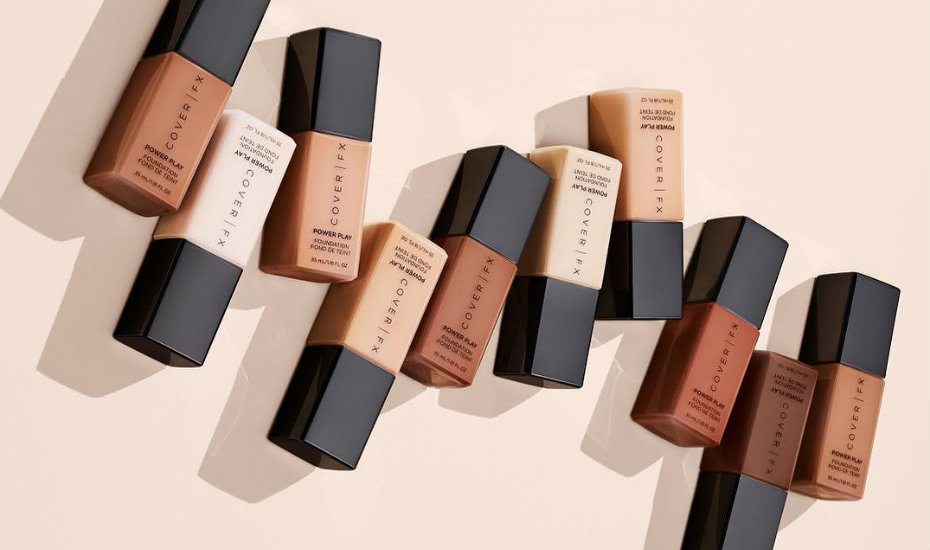
Creating your own makeup at home can be a rewarding and environmentally friendly practice. By using natural ingredients, you not only ensure that your products are cruelty-free, but you also avoid harmful chemicals often found in store-bought cosmetics. This guide will provide you with simple recipes for making your own makeup, empowering you to choose what goes on your skin while contributing to eco-conscious living.
Homemade makeup allows you to personalize the colors and textures to suit your preferences. Additionally, crafting beauty products at home reduces packaging waste and minimizes the carbon footprint associated with manufacturing and transportation. Below are some easy recipes for popular makeup items that you can create in your own kitchen, starting with lip balm and foundation.
Homemade Lip Balm Recipe
Lip balm is essential for keeping your lips hydrated and protected. Here’s a simple recipe to make your own cruelty-free lip balm using natural ingredients.
Ingredients needed:
- 2 tablespoons of beeswax or a vegan alternative like candelilla wax
- 2 tablespoons of coconut oil
- 2 tablespoons of shea butter
- Essential oils for flavor (like peppermint or vanilla)
- A small container for storage (like a lip balm tube or jar)
Step-by-step guide:
- In a double boiler, gently heat the beeswax, coconut oil, and shea butter until fully melted.
- Remove from heat and add a few drops of your chosen essential oil for fragrance.
- Pour the mixture into your container and allow it to cool completely before sealing.
The benefits of making your own lip balm include knowing exactly what ingredients are being used, avoiding synthetic additives, and creating a product that’s tailored to your specific preferences. Plus, it’s a fun project to do at home!
Homemade Foundation Recipe
Creating your foundation at home can provide you with a perfect match for your skin tone while utilizing ingredients that nourish your skin. Below is a straightforward recipe for a powder foundation.
Ingredients required:
- 2 tablespoons of arrowroot powder
- 1 tablespoon of cocoa powder (adjust for darker skin)
- 1 teaspoon of cinnamon (optional, for warmth)
- 1 teaspoon of turmeric (optional, for yellow undertones)
- A small container for storage
Step-by-step guide:
- In a mixing bowl, combine arrowroot powder with cocoa powder, adjusting the amounts until you reach your desired shade.
- Add cinnamon and turmeric if you want to customize the undertones.
- Mix thoroughly and store in a container with a lid.
Using homemade foundation allows for complete control over the ingredients, ensuring that your makeup is free of harsh chemicals. Additionally, the natural powders are often less irritating to the skin compared to conventional foundations, making them a great choice for sensitive skin types.
By crafting your own beauty products, you not only embrace a more sustainable lifestyle but also enjoy the peace of mind that comes with knowing exactly what you’re applying to your skin. With a little creativity and experimentation, you can discover the joy of DIY cruelty-free makeup that meets your personal standards and preferences.
The Future of Cruelty-Free Makeup Trends
As the beauty industry evolves, cruelty-free makeup is becoming more than a trend—it’s a movement. Consumers are increasingly aware of the impact their choices have on animals and the environment. This shift is leading to exciting innovations and sustainable practices that redefine what cruelty-free means in makeup.
The cruelty-free makeup sector is witnessing a wave of emerging trends that focus on innovation and sustainability. Brands are rethinking their product formulations, packaging, and sourcing methods to align with ethical consumerism. This commitment to cruelty-free practices is reshaping the landscape and creating opportunities for growth.
Emerging Trends and Innovations
Innovative practices in cruelty-free makeup are not just about avoiding animal testing; they also incorporate new technologies and ingredients that enhance product performance while adhering to ethical standards. Some notable trends include:
- Biodegradable Packaging: Many brands are developing packaging from sustainable materials that decompose naturally, reducing environmental impact.
- Plant-Based Ingredients: Formulations are increasingly utilizing plant-derived ingredients that not only perform well but also minimize harm to the environment.
- Vegan Formulations: The rise of vegan makeup products is significant, with brands eliminating all animal-derived ingredients to appeal to a broader ethical consumer base.
- Transparency in Sourcing: Consumers demand to know where ingredients come from. Brands are responding by providing detailed information about their sourcing processes.
Sustainability in Product Development
Sustainability is becoming integral to the development of cruelty-free makeup products. Companies are embracing eco-friendly practices that not only focus on ethical treatment of animals but also on reducing their carbon footprint. This involves:
- Ingredient Sourcing: Brands prioritize responsibly sourced ingredients, ensuring that they support sustainable farming and production methods.
- Energy-Efficient Manufacturing: Many companies are investing in energy-efficient processes during production to minimize greenhouse gas emissions.
- Water Conservation: The beauty industry is exploring ways to reduce water usage in manufacturing processes, leading to less environmental strain.
- Recycling Initiatives: Some brands are launching recycling programs for used packaging, encouraging consumers to participate in sustainable practices.
Changing Consumer Behavior
Consumer behavior towards cruelty-free makeup is undergoing significant transformation. As awareness grows, more consumers are willing to pay a premium for cruelty-free products. Predictions for the coming years suggest:
- Increased Demand for Transparency: Consumers will increasingly prefer brands that are open about their sourcing and testing practices, leading to a demand for certifications.
- Shift Towards Multi-Use Products: The trend of multifunctional makeup will gain momentum, as consumers seek products that simplify their routines while remaining ethical.
- Community Engagement: Brands that foster community and engage with their audience on social media are likely to gain loyalty, as consumers seek brands that align with their values.
- Rise of Indie Brands: Independent brands focused on cruelty-free practices will thrive, challenging larger companies to adopt ethical standards.
“The future of beauty lies in the choices we make today; embracing cruelty-free is just the beginning.”
How to Transition to a Cruelty-Free Makeup Routine
Transitioning to a cruelty-free makeup routine is a rewarding journey that aligns your beauty practices with your ethical values. By making informed choices, you can enjoy high-quality makeup products while supporting companies that prioritize compassion towards animals. This guide provides practical steps to help you assess your current makeup collection and replace products with cruelty-free alternatives.
Assessing Current Makeup Products
To begin your transition, it’s essential to take stock of your current makeup products. Knowing what you have and whether they are cruelty-free lays the groundwork for change.
Start by checking the labels on your cosmetics. Look for certifications or phrases like “not tested on animals.” A comprehensive list of brands that are cruelty-free can often be found on websites like PETA or Leaping Bunny.
Next, create a list of the products you own, noting their animal testing policies. This will help you identify which products need to be replaced.
Replacing Non-Cruelty-Free Products
After assessing your collection, it’s time to start replacing products. Here’s a structured approach to make the transition smoother:
1. Prioritize Essentials: Start with the makeup products you use daily, such as foundation, mascara, and lipstick. These are the items that have the most impact on your routine.
2. Research Alternatives: Look up cruelty-free brands that offer high-quality products in the categories you need. Websites dedicated to cruelty-free beauty often feature reviews and recommendations.
3. Purchase Gradually: Transitioning doesn’t have to happen overnight. Replace one product at a time as you run out or feel inspired to try something new. This method helps spread out cost and allows for thoughtful choices.
4. Test New Products: Before committing to a new brand or product, consider sampling smaller sizes or swatching in-store when possible. This ensures that you find the right shades and formulations.
Finding Quality Cruelty-Free Makeup
Finding high-quality cruelty-free alternatives is crucial in making the switch enjoyable and sustainable. Here are some tips to guide your search:
– Read Reviews: Online reviews from beauty enthusiasts can provide insights into the performance and quality of cruelty-free products. Look for feedback on specific attributes like longevity, pigmentation, and blendability.
– Follow Influencers: Many beauty influencers focus on cruelty-free products and often share tutorials, reviews, and recommendations. Their experiences can help you discover brands you might not have encountered otherwise.
– Check Ingredients: Familiarizing yourself with ingredients commonly used in cruelty-free makeup can enhance your understanding of product quality. Brands that prioritize cruelty-free practices often also emphasize using safe and effective ingredients.
– Visit Local Stores: Explore local beauty shops that specialize in cruelty-free products. These stores often have knowledgeable staff who can assist you in finding the right products and brands.
Transitioning to cruelty-free makeup not only enhances your beauty routine but also supports ethical practices in the beauty industry.
Final Conclusion
As we look to the future of cruelty-free makeup, it’s clear that the landscape of beauty is evolving. With a growing number of brands committed to ethical practices and the rise of innovative DIY solutions, consumers are not just passive buyers but active participants in shaping the industry. By embracing cruelty-free options, we can contribute to a more compassionate world while enjoying high-quality beauty products.
FAQ Explained
What does cruelty-free mean in makeup?
Cruelty-free means that the makeup products were not tested on animals at any stage of production.
Are all vegan makeup products cruelty-free?
Not necessarily; vegan products do not contain animal-derived ingredients, but they may still be tested on animals.
How can I identify cruelty-free makeup brands?
Look for certifications from organizations like Leaping Bunny or PETA on the packaging of the products.
Is cruelty-free makeup more expensive?
While some cruelty-free brands may be pricier due to ethical sourcing and production, there are affordable options available as well.
Can I make my own cruelty-free makeup at home?
Yes, there are many simple recipes available for making DIY cruelty-free makeup using natural ingredients.