
 Widya pasha
Minimalist fashion is more than just a trend; it’s a lifestyle that invites individuals to simplify their wardrobes and, in turn, their lives. By focusing on clean lines, neutral colors, and high-quality materials, minimalist fashion encourages a personal style that reflects one’s values and identity. This approach not only enhances personal expression but also fosters a sense of clarity and calm, allowing individuals to navigate their daily lives with less clutter and stress.
The philosophy behind minimalist fashion promotes sustainable living, as it advocates for fewer, but better, wardrobe choices that are consciously made. With roots deeply embedded in various cultural and artistic movements, minimalist fashion has evolved into a significant statement about consumer behavior and societal values, making it a compelling topic for anyone interested in the intersection of style and personal growth.
Minimalist fashion as a lifestyle choice transforms personal expression.
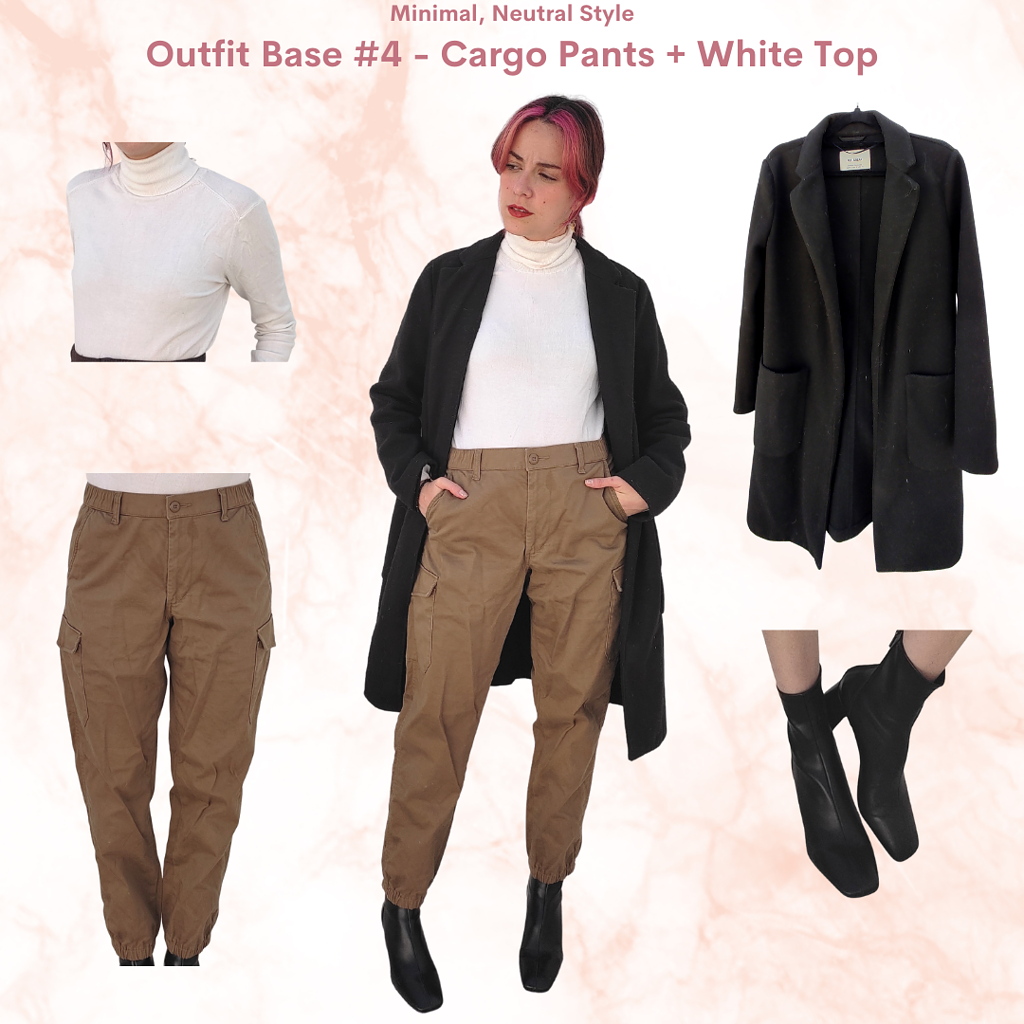
Minimalist fashion transcends mere clothing choices; it embodies a lifestyle that prioritizes authenticity, simplicity, and intention. By stripping away excess and focusing on the essentials, individuals find a medium through which they can express their values and personal identity. This intentional approach to fashion encourages individuals to curate their wardrobes mindfully, fostering a deeper connection between the clothes they wear and who they are as people.
The influence of minimalist fashion on personal identity is profound. By adopting a minimalist wardrobe, individuals are often able to focus on quality over quantity. This shift not only reflects a preference for well-crafted pieces but also communicates a commitment to sustainability and conscious consumerism. Minimalist fashion encourages individuals to define their style based on their values rather than fleeting trends, leading to a more authentic personal expression. For example, wearing a simple, high-quality white shirt and well-fitted jeans can convey confidence and a refined aesthetic without the noise of overly complex outfits. This clarity in choice allows individuals to present themselves in a manner that aligns with their true selves, often leading to increased self-esteem and satisfaction.
Psychological benefits of adopting a minimalist wardrobe
Adopting a minimalist wardrobe brings about significant psychological benefits, primarily through the promotion of clarity and stress reduction. A cluttered space can often lead to a cluttered mind; thus, a minimalist approach to fashion creates a calming environment. When individuals reduce the number of items in their wardrobe, they experience less decision fatigue. Instead of feeling overwhelmed by choices, they can quickly select outfits that resonate with their style and comfort.
The psychological advantages are further enhanced by the sense of freedom that comes from owning fewer clothes. This can lead to improved emotional well-being, as individuals often feel a sense of liberation from societal pressures to conform to ever-changing fashion trends. By focusing on a curated selection of versatile pieces, individuals can enjoy a simplified morning routine and lower stress levels related to dressing.
“Clarity comes from simplicity; a minimalist wardrobe brings a peaceful mind.”
Contribution to sustainable living practices and environmental awareness
Minimalist fashion plays a crucial role in promoting sustainable living practices and enhancing environmental awareness. By embracing a minimalist wardrobe, individuals contribute to reducing the negative impacts of fast fashion, which is notorious for its environmental degradation. The emphasis on quality over quantity means that consumers are more likely to invest in ethically produced, durable garments that have a lower environmental footprint.
Moreover, minimalism encourages thoughtful consumption. As people become more aware of the environmental consequences of their purchasing decisions, they are more inclined to support brands that prioritize sustainable practices, such as using organic materials and implementing fair labor policies. This shift not only diminishes waste but also fosters a culture of responsibility and care for the planet.
In practice, minimalist fashion acts as a catalyst for broader changes in lifestyle, urging individuals to consider how their choices affect the environment. For instance, by choosing to buy second-hand clothing or engage in clothing swaps, individuals can extend the lifecycle of garments and reduce textile waste. This conscious approach to fashion signifies a growing movement towards a more sustainable future, where personal expression and environmental stewardship go hand in hand.
The history and evolution of minimalist fashion reveal its cultural significance.
Minimalist fashion has emerged as a powerful movement that transcends mere aesthetics, reflecting broader cultural shifts and evolving societal values. Its roots can be traced back to various artistic movements and cultural moments, each contributing to its development and significance within the fashion landscape.
The evolution of minimalist fashion has been marked by key moments and influential figures that have shaped its identity over the decades. From the Bauhaus movement to contemporary designers, minimalist fashion reflects a pursuit of simplicity and functionality, often serving as a response to the complexities of modern life.
Timeline of Key Moments in Minimalist Fashion
Understanding the historical context of minimalist fashion is essential for appreciating its cultural relevance. The following timeline highlights pivotal moments in its development:
- 1920s: The Bauhaus movement emphasizes functionality and simplicity in design, influencing early minimalist aesthetics in fashion.
- 1960s: Designers like Yves Saint Laurent introduce clean lines and understated designs, marking the beginning of a minimalist trend in haute couture.
- 1980s: American designers such as Calvin Klein and Donna Karan popularize minimalist styles in ready-to-wear collections, emphasizing basic silhouettes and neutral palettes.
- 1990s: The rise of minimalist brands, such as Jil Sander and Helmut Lang, showcases a focus on tailoring and high-quality fabrics, pushing the boundaries of fashion simplicity.
- 2000s: Minimalism evolves into a lifestyle choice, with brands like Cos and Uniqlo focusing on sustainable practices and versatile clothing that caters to a modern audience.
- 2010s – Present: The resurgence of minimalist aesthetics in streetwear and luxury fashion continues, with an emphasis on inclusive sizing and ethical production, representing a shift towards conscious consumerism.
Influential Designers in Minimalist Fashion
Several designers have significantly impacted the minimalist fashion movement, each contributing unique perspectives and innovations that define the style.
- Yves Saint Laurent: Known for his modern and iconic pieces, Laurent’s work in the 1960s introduced tailored silhouettes that blurred the lines between masculine and feminine, paving the way for minimalist fashion.
- Jil Sander: Often referred to as the “Queen of Less,” Sander’s designs are characterized by their architectural feel, bringing precision and clarity to minimalist fashion throughout the 1990s.
- Calvin Klein: His focus on clean lines and understated elegance in both ready-to-wear collections and advertising campaigns fundamentally shaped public perception of minimalist fashion.
- Isabel Marant: Marant’s infusion of effortless chic into minimalist aesthetics allowed for a more accessible interpretation of the style, making it appealing to a broader audience.
- Helmut Lang: Lang’s minimalist approach combined innovative fabrics with deconstruction techniques, challenging traditional garment construction and emphasizing form over decoration.
Impact of Art and Architecture on Minimalist Fashion
The relationship between minimalist fashion and the broader realms of art and architecture has played a crucial role in its development. Influences from various artistic movements have imbued minimalist fashion with cultural significance.
- Bauhaus Movement: The principles of Bauhaus—functionality, simplicity, and a rejection of ornamentation—are foundational to minimalist fashion, inspiring designers to create garments that prioritize utility and form.
- Japanese Aesthetics: The Japanese concept of ‘wabi-sabi,’ which embraces imperfection and simplicity, has influenced designers like Rei Kawakubo and Yohji Yamamoto, adding a unique depth to minimalist fashion narratives.
- Modern Architecture: The clean lines and open spaces of modernist architecture have directly influenced fashion design, as seen in the works of designers who favor geometric shapes and unadorned silhouettes.
- Conceptual Art: Minimalist art movements have inspired fashion designers to explore themes of identity and self-expression through stripped-down aesthetics, allowing deeper emotional connections with garments.
“Minimalism in fashion is not just about reducing the number of items in your wardrobe; it’s about choosing pieces that resonate with your personal style and values.”
Essential wardrobe pieces define the core of minimalist fashion.
Minimalist fashion revolves around the concept of simplicity and functionality, focusing on a curated selection of essential pieces that can be mixed and matched to create a variety of looks. This wardrobe philosophy emphasizes versatility, quality, and the art of selecting items that serve multiple purposes. By building a minimalist wardrobe, individuals can streamline their fashion choices, reduce clutter, and express their personal style with ease and elegance.
The core of minimalist fashion comprises a few essential wardrobe pieces that serve as the foundation for countless outfits. Each item is chosen not just for its aesthetic appeal but also for its ability to adapt to different situations and styles. Below is a detailed list of must-have items that embody the essence of minimalist fashion, showcasing their versatility and practicality.
Must-have items for a minimalist wardrobe
A minimalist wardrobe should consist of timeless pieces that blend seamlessly with one another while enhancing personal style. The following items are crucial for anyone looking to embrace this fashion philosophy:
- Classic White Button-Down Shirt: This versatile staple can be dressed up with tailored trousers for the office or paired with jeans for a casual day out, making it suitable for various occasions.
- Tailored Blazer: A well-fitted blazer elevates any outfit, whether it’s worn over a simple t-shirt and jeans or with a dress for a more formal event.
- High-Quality Jeans: A pair of well-fitting, durable jeans is a must. They can easily transition from day to night and work with virtually any top.
- Neutral Turtleneck: Ideal for layering, a neutral turtleneck provides warmth and style. It works well under blazers, coats, or on its own for a chic look.
- Little Black Dress: This timeless piece can be styled in various ways with accessories, making it perfect for both casual and formal settings.
- Versatile Footwear: A pair of quality ankle boots or classic loafers can complement almost any outfit, providing comfort without sacrificing style.
- Minimalist Tote Bag: A spacious, stylish tote can hold all essentials for work or leisure, combining functionality with a sleek design.
Quality over quantity is crucial in minimalist fashion. Selecting fewer, high-quality items ensures durability and longevity, which is essential for sustaining a minimalist wardrobe. Investing in pieces made from premium materials not only enhances the overall aesthetic but also reduces the need for frequent replacements, ultimately leading to a more sustainable approach to fashion.
When curating a minimalist wardrobe, consider the following practical tips to maintain a streamlined collection:
- Assess Your Needs: Before shopping, evaluate your lifestyle and dress code to identify which pieces will be most beneficial for your daily activities.
- Choose Timeless Styles: Opt for classic silhouettes that won’t go out of style, ensuring that each piece remains relevant through changing fashion trends.
- Prioritize Versatility: Select items that can be easily paired with multiple outfits, allowing for a greater variety of looks with fewer pieces.
- Regularly Edit Your Wardrobe: Periodically review your collection to remove items that no longer serve a purpose, keeping your wardrobe fresh and functional.
- Care for Your Pieces: Maintain the quality of your clothing through proper washing, storing, and repairs to prolong their lifespan and appearance.
Embracing minimalism in fashion is about making intentional choices that reflect personal style while promoting sustainability and simplicity.
Minimalist fashion trends reflect broader societal shifts and consumer behavior.
Minimalist fashion has emerged as a significant trend that embodies more than just aesthetic choices; it reflects deeper cultural values and the evolving priorities of consumers. This movement stems from a desire for simplicity and functionality, resonating with a modern audience that increasingly values sustainability, quality, and ethical consumption over mere quantity.
Current minimalist fashion trends showcase a shift towards timeless designs and versatile pieces, allowing consumers to curate versatile wardrobes that prioritize quality over quantity. This approach aligns with a growing awareness of environmental issues and the impact of consumerism. By choosing fewer items that serve multiple purposes, individuals not only express their personal style but also contribute to a more sustainable fashion ecosystem.
Contrast between Minimalist Fashion and Fast Fashion
The contrast between minimalist fashion and fast fashion highlights two opposing philosophies. Fast fashion focuses on rapid production and consumption, often leading to waste and environmental degradation. In contrast, minimalist fashion emphasizes sustainability and intentionality.
Key differences include:
- Production Practices: Fast fashion brands produce large quantities of inexpensive garments to keep up with rapidly changing trends, while minimalist brands prioritize quality and ethical production processes.
- Consumer Mindset: Fast fashion encourages impulse buying and frequent wardrobe changes, while minimalist fashion promotes thoughtful purchases and investment in enduring pieces.
- Environmental Impact: Fast fashion significantly contributes to pollution and waste, whereas minimalist fashion aims to reduce the carbon footprint through sustainable practices.
- Longevity of Style: Minimalist fashion often embraces timeless designs that transcend seasons, creating a wardrobe that endures, unlike fast fashion pieces that quickly fall out of style.
Influence of Social Media on Minimalist Fashion
Social media plays a pivotal role in shaping and promoting minimalist fashion. Platforms such as Instagram and Pinterest have become vital spaces for influencers and brands to share their minimalist aesthetics, making the trend more accessible to a wider audience.
The impact of social media is evident in several ways:
- Visual Inspiration: Users are exposed to a plethora of minimalist looks and styling ideas, encouraging them to adopt similar styles in their wardrobes.
- Community Building: Online communities centered around minimalism allow individuals to share experiences, tips, and curated collections, fostering a sense of belonging.
- Brand Storytelling: Minimalist brands use social media to communicate their values and transparency, attracting consumers who prioritize ethical consumption.
- Consumer Choices: Influencers who embody minimalist principles can significantly affect their followers’ purchasing decisions, promoting sustainable brands and practices.
The growing popularity of minimalist fashion reflects societal shifts towards sustainability and conscious consumerism, ultimately reshaping the fashion landscape.
Accessories in minimalist fashion enhance simplicity while adding personality.
In minimalist fashion, accessories play a pivotal role in achieving a refined look while maintaining a sense of individuality. The goal is to enhance simplicity without overwhelming the overall aesthetic. This balance allows for an outfit that is both stylish and functional, demonstrating that less truly can be more.
Choosing the right accessories requires a mindful approach. When selecting items to complement a minimalist outfit, consider pieces that reflect clean lines and understated elegance. Aim for accessories that add interest without distracting from the simplicity of the clothing. Look for subtle variations in color and texture, as these elements can elevate a minimalist look without compromising its essence.
Choosing Accessories Wisely
The selection of accessories is crucial in minimalist fashion. Here are key factors to consider when choosing accessories to complement your outfit:
- Simplicity: Opt for streamlined designs that don’t overpower your outfit. Think of subtle hoop earrings or a sleek bracelet.
- Size: Choose accessories that are proportional to your outfit. For instance, a delicate necklace pairs well with a high-neck top.
- Functionality: Select accessories that also serve a purpose, such as a stylish watch or a functional handbag.
- Quality over quantity: Invest in fewer, high-quality pieces that can withstand changing trends and remain timeless.
In minimalist accessories, the role of color and texture is significant. Earthy tones, monochromatic palettes, and muted hues are common choices that enhance sophistication. Incorporating different textures, such as matte finishes or soft fabrics, can add depth without being overwhelming. For instance, a soft leather bag can contrast beautifully with a smooth cotton dress, providing visual interest while staying true to minimalist principles.
Brands Emphasizing Minimalist Designs
Several accessory brands focus on minimalist designs and sustainable materials, ensuring that you can accessorize with both style and conscience. Here are some noteworthy examples:
- Everlane: Known for its transparent pricing and sustainable practices, this brand offers a range of minimalist accessories including classic leather bags and simple jewelry.
- Muji: With a philosophy centered around simplicity, Muji offers a variety of functional and minimalist accessories that emphasize practicality and clean design.
- Marais USA: This brand specializes in chic, minimalist shoes made from sustainable materials, proving that style can align with eco-consciousness.
- COS: For those seeking timeless jewelry pieces, COS provides sleek designs that perfectly embody minimalist aesthetics while using high-quality materials.
By carefully selecting accessories that resonate with minimalist values, you can enhance your style while remaining true to the core principles of simplicity and elegance.
Minimalist fashion for different occasions showcases versatility and practicality.
Minimalist fashion is not just about simplicity; it reflects a versatile and practical approach to dressing for a range of occasions. From casual outings to formal events, minimalist outfits can easily be adapted to fit various settings while maintaining a stylish aesthetic. This adaptability makes minimalist fashion a smart choice for anyone looking to streamline their wardrobe while staying fashionable.
When creating minimalist outfits, it’s essential to consider the occasion and the elements that make each look appropriate. The key is to focus on quality pieces that can be mixed and matched effortlessly, allowing for a smart yet effortless ensemble. Here are some guidelines to help curate outfits suitable for different events.
Guidelines for Minimalist Outfits
Choosing the right minimalist outfit requires a thoughtful consideration of the event and its dress code. Here are some practical tips to ensure you’re dressed appropriately:
- Casual Outings: Opt for a basic tee or a fitted turtleneck paired with tailored trousers or high-waisted jeans. A simple pair of sneakers or loafers can complete the look, ensuring comfort without sacrificing style.
- Office Wear: A structured blazer over a monochromatic blouse with well-fitted trousers can create a polished, professional appearance. Stick to neutral colors, and consider adding a pair of classic pumps or ankle boots.
- Evening Events: Elevate your minimalist look with a sleek slip dress layered with a long coat. Accessorize with understated jewelry to maintain the minimalist ethos while looking elegant.
- Formal Occasions: A tailored jumpsuit in a solid color can be a chic alternative to traditional dresses. Pair it with statement heels and a refined clutch for a sophisticated finish.
Adapting minimalist principles for different seasons and climates is crucial in maintaining comfort and style. The essence of minimalist fashion lies in its versatility, allowing you to remain stylish regardless of the weather.
Seasonal Adaptations
Adjusting your minimalist wardrobe to align with seasonal changes enhances its functionality. Consider the following aspects when selecting outfits for different climates:
- Spring: Incorporate lightweight fabrics such as linen or cotton. Layering a simple t-shirt with a soft cardigan and adding a pair of tailored shorts can create a breezy outfit.
- Summer: Choose breathable materials and stick to lighter colors. A simple maxi dress paired with sandals is an effortless way to stay chic and cool.
- Fall: Layering becomes essential. A fitted turtleneck with a wool coat and tailored trousers provides warmth while keeping the look streamlined.
- Winter: Focus on layering with quality cashmere sweaters, tailored coats, and structured boots. Stick to a monochrome palette to maintain a cohesive minimalist look.
The capsule wardrobe concept plays a vital role in minimalist fashion, emphasizing the effectiveness of limited yet versatile clothing choices. By curating a selection of essential pieces, you can create a variety of outfits with minimal effort.
Understanding Capsule Wardrobes
A capsule wardrobe revolves around the idea of having a small collection of clothing items that can be mixed and matched, allowing for maximum outfit combinations. This approach reduces decision fatigue and encourages mindful purchasing. Here’s how to effectively create a capsule wardrobe:
- Select Key Pieces: Choose timeless items such as a white button-up shirt, black trousers, a versatile dress, and quality outerwear. These pieces should complement each other and be suitable for various occasions.
- Limit the Color Palette: Sticking to neutral colors with a few accent shades allows for easy pairing, ensuring that everything in your wardrobe works together harmoniously.
- Invest in Quality: Each item should be made from durable materials that withstand the test of time. Investing in quality over quantity ensures that your minimalist wardrobe remains functional and stylish.
- Regularly Assess and Update: Periodically review your capsule wardrobe to remove items that no longer fit or reflect your style. This keeps your collection fresh and relevant.
By embracing these guidelines for minimalist fashion, you’ll discover the joy of versatility in your wardrobe while staying practical for any occasion.
The future of minimalist fashion is shaped by innovation and technology.
As we look ahead, the intersection of innovation and technology is set to redefine minimalist fashion. This future promises a blend of sustainability, efficiency, and creativity that aligns with the core principles of minimalism—functionality and simplicity. Emerging technologies are paving the way for more sustainable practices while offering consumers a streamlined shopping experience that emphasizes quality over quantity.
Emerging technologies supporting sustainable minimalist fashion practices
Innovations in technology are crucial for the evolution of minimalist fashion, enabling brands and consumers to adopt more sustainable practices. Various technologies are coming to the forefront, enhancing the way fashion is produced, marketed, and consumed:
- 3D Printing: This technology allows for the on-demand production of clothing, significantly reducing waste associated with excess inventory. Brands can create custom pieces tailored to individual tastes, promoting a more personal relationship with fashion.
- Sustainable Materials: Innovations such as bio-fabrication and recycled textiles play a significant role. For example, companies are now using materials derived from organic substances, such as mycelium and recycled plastics, which help minimize environmental impact.
- AI and Data Analytics: Brands utilize AI to predict trends and customer preferences, optimizing inventory and reducing overproduction. This technology enables a more thoughtful collection of minimalist pieces that resonate with consumers.
- Blockchain Technology: Blockchain provides transparency in the supply chain, allowing consumers to verify the sustainability practices of brands. This technology fosters trust and encourages responsible consumerism.
Comparative effectiveness of traditional shopping experiences and digital platforms
The shopping experience has drastically transformed with the rise of digital platforms tailored for minimalist fashion. The effectiveness of these platforms can be contrasted with traditional retail in several key areas:
- Convenience: Digital platforms offer 24/7 access to curated collections, allowing consumers to shop at their convenience without the constraints of store hours.
- Personalization: Many digital minimalist fashion platforms employ algorithms that tailor recommendations based on user behavior, enhancing the shopping experience by presenting relevant options.
- Sustainability Metrics: Digital platforms often provide detailed information about a product’s sustainability, allowing consumers to make informed choices. This contrasts with traditional shopping, where such information may be less accessible.
- Community Engagement: Online platforms frequently foster communities around minimalist fashion, enabling users to share experiences and insights. This level of engagement is often lacking in traditional retail spaces.
Challenges and opportunities for minimalist fashion growth
While the future of minimalist fashion is promising, it is not without challenges. Recognizing potential hurdles alongside emerging opportunities is vital for brands and consumers alike.
- Consumer Awareness: A significant challenge is educating consumers about the benefits of minimalist fashion and sustainable practices. Brands must actively communicate these values to cultivate a loyal customer base.
- Market Saturation: As minimalist fashion gains popularity, new brands are entering the market. Differentiating oneself while maintaining quality and sustainability will be crucial in this competitive landscape.
- Technological Adoption: Not all brands have the resources to adopt the latest technologies. Smaller brands may struggle with the investment required, limiting their ability to compete.
- Collaboration with Tech Innovators: Opportunities exist for collaborations between fashion brands and tech companies to innovate new solutions, leading to exciting advancements in sustainable fashion practices.
Last Word
In conclusion, minimalist fashion represents a powerful shift towards intentional living, where every piece in one’s wardrobe is chosen with care and purpose. As we look to the future, the principles of minimalism in fashion will likely continue to influence not only how we dress but also how we perceive ourselves and our impact on the world around us. Embracing this movement means committing to a lifestyle that celebrates simplicity, quality, and sustainability, making it a relevant choice in today’s fast-paced society.
FAQ Summary
What defines minimalist fashion?
Minimalist fashion is characterized by simplicity, clean lines, neutral colors, and a focus on high-quality materials, often emphasizing fewer but more versatile pieces.
How can I start a minimalist wardrobe?
Begin by assessing your current wardrobe, removing items that don’t fit or you don’t wear, then focus on acquiring versatile, timeless pieces that can be mixed and matched.
Is minimalist fashion suitable for all body types?
Absolutely! Minimalist fashion can be tailored to fit any body type by choosing cuts and styles that enhance personal comfort and confidence.
Can minimalist fashion be stylish?
Yes, minimalist fashion can be incredibly stylish; it emphasizes quality and simplicity, allowing individuals to express their unique style with elegance.
How does minimalism contribute to sustainability?
By promoting fewer purchases and encouraging the selection of durable, ethically made items, minimalist fashion significantly reduces waste and environmental impact.