
 Widya pasha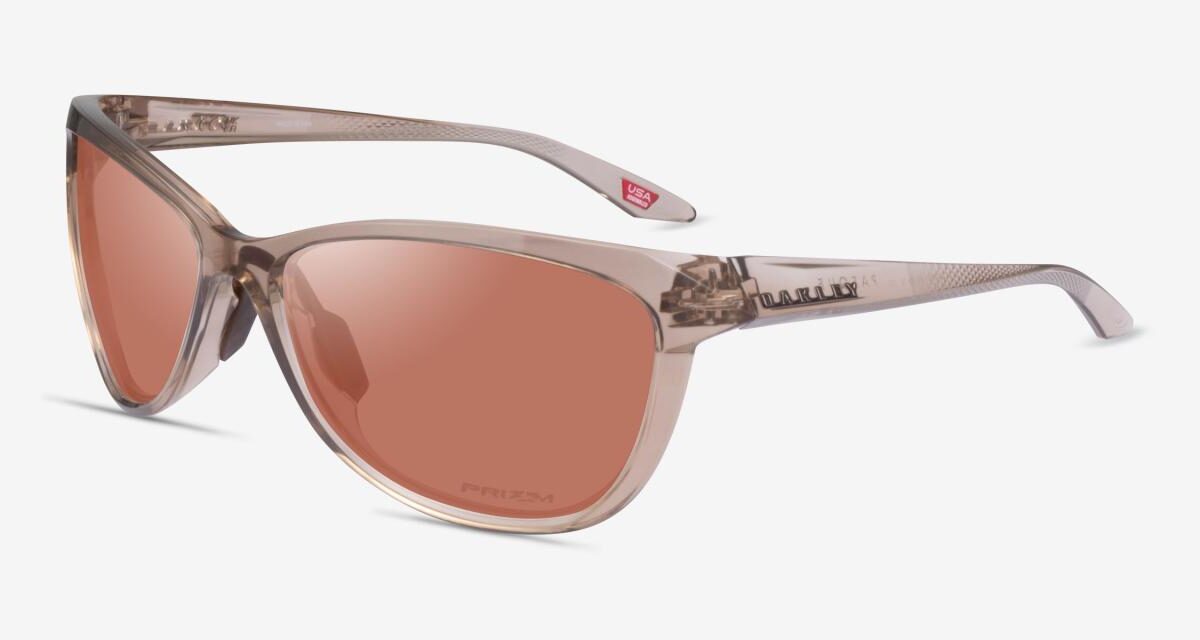
Sunglasses are more than just a stylish accessory; they embody culture, fashion, and technology. Initially designed for functionality, they have transformed into essential fashion statements that carry significant cultural meanings across various societies. This exploration delves into the rich tapestry of sunglasses, highlighting their evolution, cultural significance, and the latest innovations that make them a staple in modern wardrobes.
From the glamorous cat-eyes of the 50s to the high-tech smart glasses of today, sunglasses have undergone remarkable transformations in design and purpose. They play a vital role in protecting our eyes from harmful UV rays while also acting as a medium for self-expression and social perception. Let’s uncover how these stylish frames have shaped not only fashion trends but also our health and the environment.
The Cultural Significance of Sunglasses in Different Societies
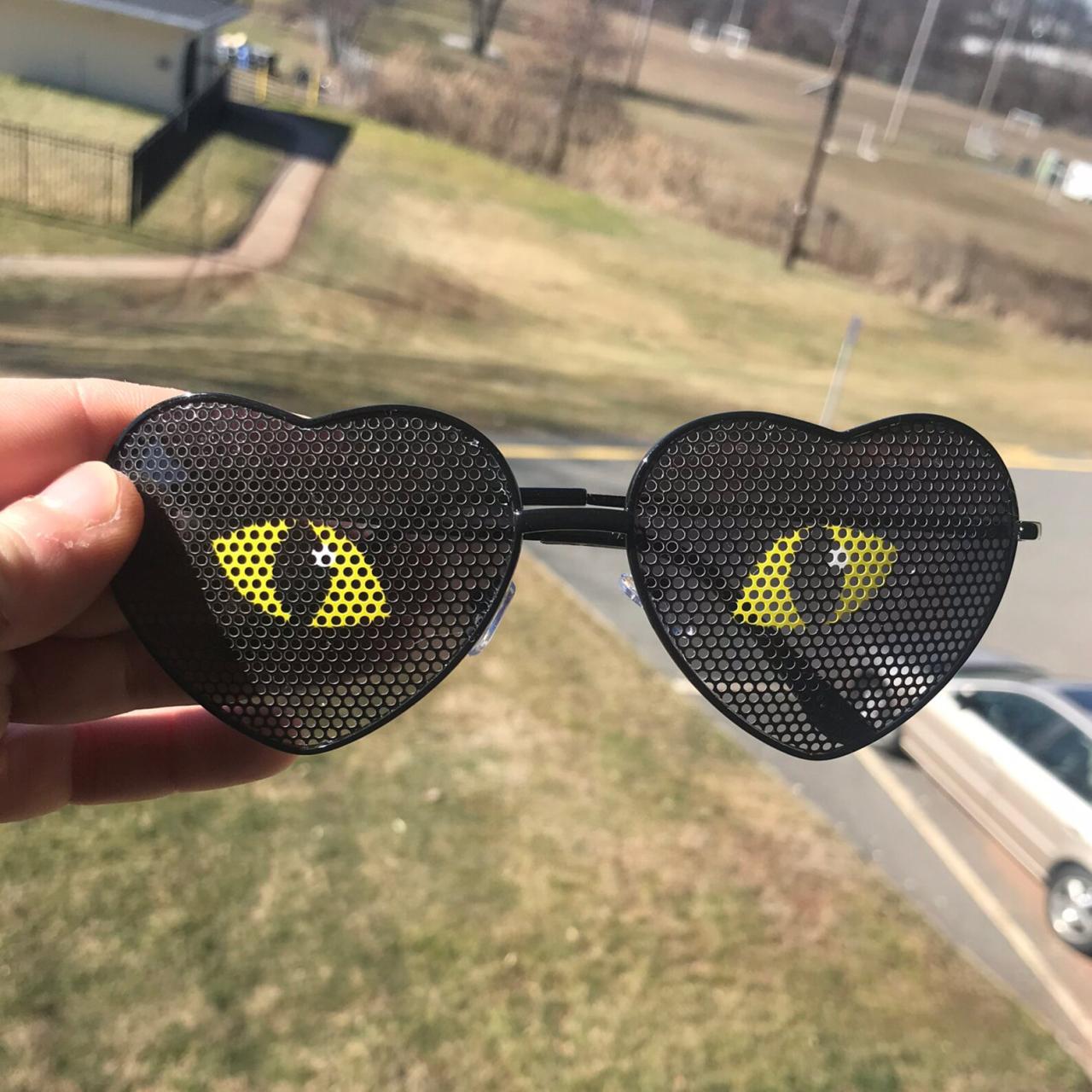
Sunglasses are more than a mere accessory; they encapsulate a variety of cultural meanings across the globe. Their evolution from functional eyewear to a fashion statement reflects the values and norms of different societies. Throughout history, sunglasses have been adopted in diverse ways, shedding light on their significance within various cultural contexts.
Symbolism in Various Cultures
Sunglasses symbolize different concepts across cultures, ranging from protection to status and identity. Here are three distinct cultural perspectives on their meanings:
- Western Fashion and Celebrity Culture: In Western societies, particularly in the United States, sunglasses are often linked to celebrity culture and glamour. Fashion icons like Audrey Hepburn and modern stars like Rihanna have popularized oversized sunglasses as a symbol of sophistication and allure. Events such as the Cannes Film Festival see celebrities donning luxurious sunglasses, which convey their status and style.
- Traditional Japanese Aesthetics: In Japan, sunglasses often reflect a blend of practicality and fashion. While they serve to protect against the sun, they also represent a level of self-awareness regarding personal appearance. During the summer festival season, many individuals wear sunglasses as part of their yukata ensemble, merging modernity with tradition while showcasing individual style.
- Functional Use in Indigenous Cultures: Among certain Indigenous communities, sunglasses serve a practical purpose, protecting eyes from intense sunlight in arid climates. For example, the Inuit people have utilized eyewear made from materials such as ivory and fur for centuries to shield themselves from the sun’s glare on snow-covered landscapes. This cultural practice emphasizes the functional aspect of sunglasses, demonstrating their deep-rooted significance in survival and adaptation to the environment.
“Sunglasses are not just a fashion statement; they encapsulate cultural identity and personal expression across the globe.”
The Evolution of Sunglass Designs Through the Decades
Sunglasses have transformed from functional eye protection to essential fashion accessories over the decades. This evolution encapsulates shifts in style, materials, and cultural significance. By examining the trends from the 1950s to today, we can appreciate how this humble accessory has become a symbol of individuality and status.
The journey of sunglasses reflects broader cultural changes, advancements in technology, and shifts in fashion. Each decade has brought its own distinct styles and innovations, shaping not only how sunglasses look but also how they function. From the bold designs of the 1960s to the minimalist chic of the 2000s, sunglasses have continuously adapted to societal trends and personal expressions.
Design Trends from the 1950s to Today
The trends in sunglasses design have consistently mirrored the styles and sentiments of their respective eras. Below is a detailed overview of the major design trends from the 1950s to the present day:
- 1950s: The classic cat-eye shape emerged, often associated with the glamour of Hollywood actresses like Audrey Hepburn. This decade favored bold colors and oversized frames, embodying a sense of sophistication and elegance.
- 1960s: This period saw the rise of mod fashion, leading to wider frames and geometric shapes. Icons like John Lennon popularized round sunglasses, while oversized styles became synonymous with celebrities like Jackie Kennedy.
- 1970s: A shift towards more playful and eclectic designs characterized this era. The aviator style gained prominence, influenced by military designs and popularized by stars like Tom Cruise in “Top Gun.” Mirrored lenses also became a trend.
- 1980s: The bold and colorful designs of this decade cannot be overlooked. Styles such as the wraparound sunglasses and neon colors represented the exuberance of the time, often seen on pop icons like Madonna.
- 1990s: Minimalism took center stage with smaller frames, including the iconic tiny sunglasses made famous by celebrities like Kate Moss. This era also embraced the return of vintage styles, blending old and new aesthetics.
- 2000s: The decade marked a revival of oversized frames, with designers like Chloe and Gucci leading the way. Shapes varied from oversized squares to exaggerated cat-eyes, reflecting a continuation of personal expression through eyewear.
- 2010s to Present: Contemporary designs have leaned towards sustainability and functionality, with the rise of eco-friendly materials and tech-infused sunglasses. Styles range from retro revivals to futuristic designs, appealing to a diverse audience.
Key Innovations in Materials and Shapes
The evolution of sunglasses has also been significantly influenced by innovations in materials and lens technology. These advancements have enhanced both the functionality and aesthetic appeal of sunglasses.
- Materials: Early sunglasses were made of glass, which provided adequate UV protection but was prone to shattering. Over the years, plastics like polycarbonate and nylon have been developed, offering lightweight, durable options that are also shatter-resistant.
- Polarized Lenses: Introduced in the 1930s but gaining popularity in the late 20th century, polarized lenses reduce glare from reflective surfaces, making them ideal for outdoor activities.
- Photochromic Lenses: These lenses darken in response to sunlight, providing versatility for wearers in varying light conditions. This innovation gained traction in the late 20th century.
- Blue Light Blocking Technology: As screens became prevalent, sunglasses began incorporating lenses that filter out blue light, offering protection against digital eye strain.
Notable Fashion Icons and Their Influence
Throughout the decades, various fashion icons have played a pivotal role in popularizing specific sunglass styles. Their influence often set trends that resonated with the public.
- Audrey Hepburn: Known for her iconic cat-eye sunglasses in “Breakfast at Tiffany’s,” Hepburn’s style encouraged women to embrace bold eyewear as a fashion statement.
- Jackie Kennedy: A symbol of elegance, her oversized sunglasses became synonymous with sophistication and grace, influencing countless designs moving forward.
- John Lennon: His round glasses became a symbol of peace and love, marking a significant cultural shift in the late 1960s and 1970s.
- Madonna: In the 1980s, her colorful and eclectic style showcased how sunglasses could be both bold and a canvas for self-expression.
- Kanye West: In the modern era, West’s designs have pushed boundaries, introducing innovative styles that blend fashion with music culture.
Understanding UV Protection and Its Importance in Sunglasses
Sunglasses are more than just a stylish accessory; they play a crucial role in protecting our eyes from harmful ultraviolet (UV) radiation. Understanding the science behind UV protection is essential for maintaining eye health, especially in today’s sun-drenched world. With our increasing exposure to sunlight, the right pair of sunglasses can provide significant benefits beyond mere aesthetics.
The sun emits three different types of UV rays: UVA, UVB, and UVC. Each type has varying effects on our eyes. UVA rays penetrate deeply into the skin and can contribute to cataracts and other eye disorders over time. UVB rays are primarily responsible for causing sunburn and can lead to more immediate issues such as photokeratitis, a painful condition akin to sunburn of the eye. UVC rays, while mostly absorbed by the Earth’s ozone layer, can still pose risks in situations where artificial sources are present, such as in welding or certain medical procedures. Prolonged exposure to these rays without proper eye protection can lead to serious long-term damage, making the choice of sunglasses critical in safeguarding visual health.
Types of UV Protection in Sunglasses
When selecting sunglasses, it’s important to look for features that ensure optimal UV protection. Not all sunglasses provide the same level of defense against UV radiation. Here are key factors to consider:
- 100% UV Protection: Always check for sunglasses labeled as providing 100% UVA and UVB protection. This ensures that harmful rays are effectively blocked.
- Lens Material: Polycarbonate and high-index plastic lenses offer excellent UV protection while also being impact-resistant, making them a great choice for active individuals.
- Polarized Lenses: These lenses reduce glare from reflective surfaces, enhancing visual comfort and clarity, although they do not inherently provide UV protection unless specified.
- Wrap-Around Styles: Sunglasses that wrap around the face provide additional coverage, preventing UV rays from entering around the edges of the lenses.
Investing in high-quality sunglasses with proven UV protection is essential not only for comfort but also for preventing long-term eye issues. Eye care professionals recommend wearing sunglasses year-round, even on cloudy days, as UV rays can penetrate clouds and still reach your eyes.
“The right sunglasses protect your eyes from harmful UV radiation, reducing the risk of serious eye conditions down the line.”
The Role of Sunglasses in Modern Fashion Trends
Sunglasses have transcended their practical purpose of protecting the eyes from sunlight to become pivotal elements in the fashion landscape. Today, they are not only accessories but also vital tools for personal expression, allowing individuals to elevate their style and make bold fashion statements. With their diverse designs, colors, and shapes, sunglasses can transform an outfit from mundane to striking, highlighting the wearer’s personality and taste.
The influence of sunglasses in modern fashion is evident in various contexts, particularly on runways and red carpets. Fashion designers increasingly incorporate sunglasses into their collections, advocating that they enhance the overall presentation of an outfit. Notable fashion shows, like those of Gucci and Prada, have featured oversized, avant-garde sunglasses that captured attention and set trends for the season. Celebrities, including Rihanna and Gigi Hadid, are often spotted in statement eyewear, showcasing how sunglasses can complement their outfits and elevate their status as fashion icons.
Impact of Sunglasses on Personal Style
The ability of sunglasses to enhance personal style is significant, as they can serve as focal points in an ensemble. The right pair can tie together various elements of an outfit, creating a cohesive look. For instance, an elegant evening gown paired with classic cat-eye sunglasses can add a vintage touch, while sporty shades can lend a casual vibe to streetwear.
-
Oversized sunglasses are a statement piece often worn to exude confidence and glamour, especially at high-profile events.
-
Mirrored lenses provide a modern, edgy look, frequently highlighted in urban fashion, appealing to a younger demographic.
-
Round frames have regained popularity, showcasing a retro aesthetic that resonates with contemporary trends.
The relationship between sunglasses and other fashion accessories is crucial in achieving a well-rounded style. Sunglasses can work in harmony with hats, jewelry, and bags, enhancing the overall aesthetic of an outfit. For example, pairing wide-brimmed hats with sleek sunglasses can create a chic summer look, while bold statement jewelry can complement oversized frames, creating a balanced and stylish appearance. Furthermore, fashion icons often demonstrate how layering accessories, like scarves and belts alongside sunglasses, can lead to innovative and personalized styles.
In conclusion, sunglasses play a multifaceted role in modern fashion trends, offering not just protection but also the ability to make striking fashion statements. Their integration into personal style and interaction with other accessories illustrate their significance in creating cohesive and fashionable looks.
The Environmental Impact of Sunglasses Production
The production of sunglasses may seem like a minor industry in the grand scheme of global manufacturing, yet it contributes to various environmental issues that warrant attention. From the materials used to the lifecycle of the product, sunglasses embody a spectrum of sustainability challenges that impact our planet.
A wide variety of materials are commonly utilized in the production of sunglasses, with plastic and metal being the most prevalent. Polycarbonate and acetate are frequently used for the frames, while glass is often chosen for the lenses. However, the production of these materials poses significant sustainability issues. For instance, the petroleum-based plastics require extensive fossil fuel extraction, contributing to greenhouse gas emissions. Acetate, while derived from wood pulp, often undergoes chemical processes that can be harmful to the environment.
Eco-friendly Brands Leading Sustainable Sunglass Production
Several brands are making strides towards more sustainable practices in the sunglasses industry. These companies prioritize eco-friendly materials and ethical production processes. Highlighted below are some notable examples:
- Warby Parker: This brand not only offers stylish eyewear but also focuses on sustainability through its “Buy a Pair, Give a Pair” program, which donates glasses to those in need. They use reusable materials and prioritize carbon-neutral production.
- Maui Jim: Utilizing eco-conscious packaging and promoting the recycling of their products, Maui Jim is committed to sustainability while providing high-quality sunglasses that protect against harmful UV rays.
- Proof Eyewear: Made from sustainably sourced materials, including reclaimed wood and biodegradable materials, Proof Eyewear champions environmental responsibility while offering unique designs.
- Zeal Optics: This brand emphasizes the use of plant-based materials and biodegradable frames, ensuring that their products have a lower impact on the environment.
The importance of recycling and the lifecycle of sunglasses cannot be overstated. Many consumers are unaware that sunglasses can have a long-lasting impact even after their initial use. Typically, sunglasses end up in landfills, where non-biodegradable materials persist for hundreds of years. Implementing a recycling program can significantly mitigate this issue. Brands that take back old sunglasses and recycle them into new products not only reduce waste but also promote a circular economy.
“Every pair of sunglasses that is recycled means one less pair going to a landfill.”
The lifecycle of sunglasses involves multiple stages, from raw material extraction to production, distribution, use, and ultimately, disposal. By choosing brands that focus on sustainable practices and recycling initiatives, consumers can influence the industry towards more environmentally friendly options. Greater awareness regarding the environmental impact associated with sunglasses production empowers consumers to make informed choices, leading to a healthier planet.
The Psychology Behind Sunglasses as a Fashion Accessory
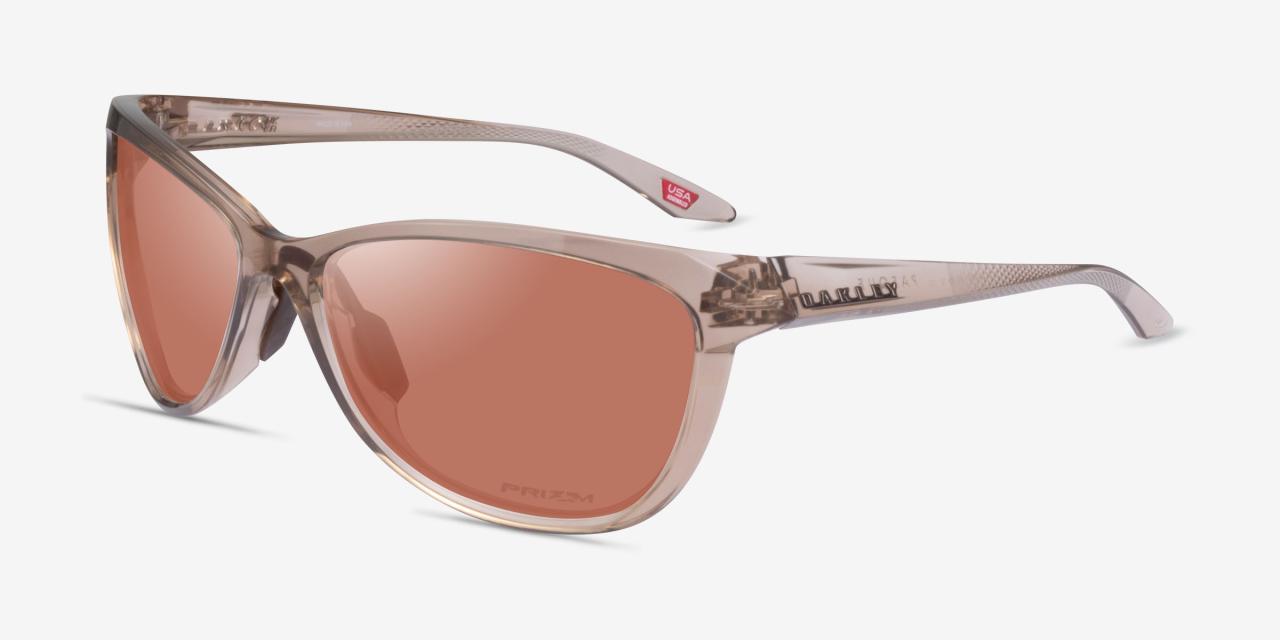
Sunglasses are more than just a practical accessory for shielding our eyes from the sun; they have significant psychological implications that shape our self-perception and influence social interactions. Wearing sunglasses can evoke feelings of confidence and create an aura of mystery. This duality in function elevates them from mere eye protection to powerful fashion statements that affect how we view ourselves and how others perceive us.
The psychological effects of wearing sunglasses can often manifest in various social contexts. When individuals don sunglasses, they may feel empowered, leading to enhanced self-esteem. This sense of increased confidence can translate into more assertive behaviors in social interactions. On the other hand, people may also perceive those wearing sunglasses as more aloof or unapproachable, creating a complex dynamic in social exchanges. The tension between personal identity and external perception is fascinating, as it highlights how a simple accessory can reshape interactions.
Influence on Self-Perception and Social Interactions
Wearing sunglasses can enhance self-image and alter behavior in profound ways. This change in self-perception often stems from the way sunglasses modify our appearance. The reflective lenses and stylish frames can create an image of sophistication or coolness, altering how we carry ourselves. In various scenarios, the effect of sunglasses on behavior can be observed:
– Social Events: At gatherings, individuals wearing sunglasses may exude an air of confidence, which can make them more appealing to others. The sunglasses provide a shield, allowing wearers to engage more freely without the pressure of direct eye contact.
– Public Spaces: In bustling environments, like city streets or festivals, sunglasses can help individuals feel more anonymous. This sense of privacy can encourage bolder behavior, such as striking up conversations or trying out new social dynamics.
– Professional Settings: In some professional contexts, wearing sunglasses can convey authority and self-assurance. For instance, a businessperson stepping out of a meeting wearing fashionable sunglasses may project an image of control and confidence, impacting the perceptions of colleagues and clients alike.
The ability of sunglasses to transform how we feel and how others see us underlines their power as a fashion accessory.
Understanding these dynamics can help individuals navigate various social landscapes, leveraging the psychological effects of sunglasses to enhance their interactions and self-representation. The interplay of confidence, perception, and social behavior demonstrates that sunglasses are not just about style; they are key players in the complex arena of human psychology.
Innovations in Sunglass Technology
The world of sunglasses is undergoing a remarkable transformation, driven by cutting-edge technology that enhances both functionality and user experience. Innovations in eyewear are not only about style but also about integrating advanced features that make sunglasses smarter and more versatile than ever before. From augmented reality capabilities to adaptive lenses, these developments are elevating the standard of what sunglasses can do.
Recent advancements in sunglasses technology have paved the way for incredible features that merge practicality with style. The introduction of smart glasses, equipped with features such as built-in audio, voice assistants, and augmented reality (AR), has redefined the traditional eyewear experience. These innovations provide users with seamless connectivity and various functionalities, such as navigation and fitness tracking, all while offering UV protection and comfort.
Smart Sunglasses and Augmented Reality
Smart sunglasses are at the forefront of innovation, blending technology with fashion. These glasses often incorporate features that enhance daily life by integrating digital functions into a stylish package.
The significance of smart sunglasses lies in their ability to offer various functionalities without compromising user comfort or style. Some examples of these innovations include:
- Snap Spectacles: Known for their stylish design, these glasses allow users to capture photos and videos hands-free, share them on social media, and even interact with augmented reality experiences.
- Ray-Ban Stories: A collaboration between Ray-Ban and Facebook, these smart glasses provide built-in speakers and microphones, enabling users to take calls and listen to music while enjoying a chic aesthetic.
- Vuzix Blade: These smart glasses feature a see-through display, allowing users to access information like navigation and notifications while maintaining their awareness of the surroundings, making them ideal for outdoor activities.
Innovative lens technologies are also making waves in the sunglasses industry. Adaptive lenses that automatically adjust tint levels to changing light conditions are becoming more prevalent. This technology not only enhances visual comfort but also protects the eyes from harmful UV rays without requiring users to switch between multiple pairs of sunglasses.
“Smart sunglasses are more than just a fashion accessory; they are a gateway to a connected lifestyle.”
Overall, the evolution of sunglasses technology is a testament to the growing demand for multifunctional eyewear that aligns with modern lifestyles. As brands continue to innovate, we can expect to see even more exciting developments that will redefine how we use sunglasses in our daily lives.
End of Discussion
In conclusion, sunglasses serve as a powerful symbol of both individual style and cultural significance. Their journey from practical eye protection to a status symbol highlights their versatility and importance in our daily lives. As we embrace innovations in technology and sustainability, the future of sunglasses promises to be as exciting as their past, making them not just a fashion statement, but a vital accessory for well-being and style.
Popular Questions
What are the different types of sunglasses lenses?
Sunglasses lenses can be polarized, photochromic, mirrored, or gradient, each providing unique benefits such as glare reduction, UV protection, or adaptability to light conditions.
How often should I replace my sunglasses?
It’s recommended to replace sunglasses every one to two years, or sooner if they show signs of wear, such as scratches or a decrease in UV protection.
Can sunglasses really protect against UV rays?
Yes, quality sunglasses can block up to 100% of harmful UVA and UVB rays, which is essential for protecting your eyes from damage.
Are expensive sunglasses worth the investment?
Expensive sunglasses often offer better UV protection, durability, and style, making them a worthwhile investment for eye health and fashion.
Do all sunglasses provide adequate UV protection?
No, not all sunglasses offer sufficient UV protection. It’s important to check for a label indicating 100% UV protection before purchasing.