
 Widya pasha
Backpacks have become an indispensable part of modern travel, offering versatility and convenience whether you’re hiking through the wilderness or navigating a bustling city. With countless designs tailored to various needs, it’s crucial to understand the features that make a backpack ideal for your adventures.
As we explore the world of backpacks, we will delve into their evolution over the years, the different types suited for specific activities, and how sustainability is becoming a key factor in their production. From stylish options to practical features, there’s much to discover about these essential travel companions.
Backpacks as Essential Travel Gear
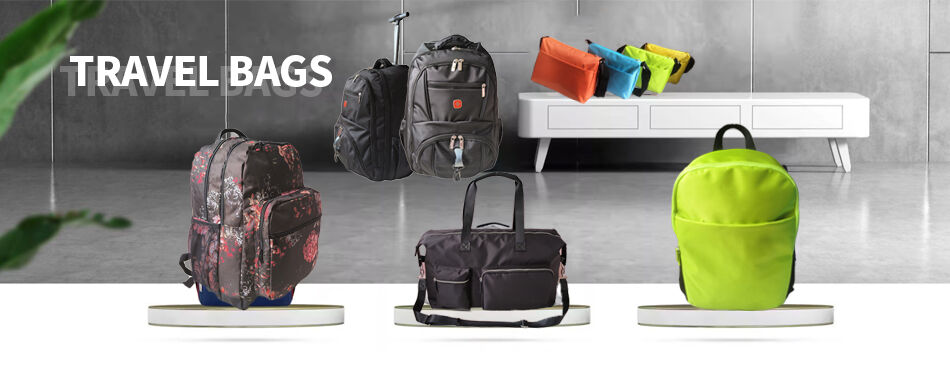
Backpacks have become a cornerstone of modern travel, providing practical solutions for transporting essentials while allowing travelers to remain hands-free. Whether you’re trekking through a national park, exploring a bustling city, or embarking on a weekend getaway, a reliable backpack is indispensable for convenience and comfort. The versatility and functionality of backpacks cater to various needs, making them a staple for travelers of all kinds.
The significance of a backpack in travel lies in its ability to efficiently distribute weight across your back and shoulders, allowing for ease of movement. A well-designed backpack can enhance the travel experience by featuring compartments for organization, hydration systems, and durable materials that withstand the rigors of traveling. Key features that make a backpack suitable for travelers include waterproof fabrics, padded shoulder straps, adjustable harness systems, and external attachment points for gear.
Types of Travel Backpacks and Their Uses
Different travel scenarios call for specific types of backpacks, each offering unique features tailored to the demands of the journey. Understanding the various types of travel backpacks can help travelers choose the right one for their specific activities.
- Daypacks: Ideal for short excursions, daypacks typically range from 15 to 30 liters in capacity. They’re designed for day hikes, city sightseeing, or carrying essentials to the beach. A good daypack will have a comfortable fit and accessible pockets for quick access to items.
- Hiking Backpacks: Ranging from 30 to 70 liters, these backpacks are built for longer adventures. They often include features like external storage for trekking poles, hydration reservoirs, and reinforced suspension systems to carry heavier loads comfortably.
- Travel Backpacks: Multi-functional and often equipped with organizational features, travel backpacks are perfect for longer trips. They can include compartments for clothing, electronics, and travel documents, and many models come with secure zippers and lockable compartments for added security.
- Rolling Backpacks: Combining the convenience of wheels with the functionality of a backpack, rolling backpacks are suitable for urban travel. They allow for ease of transport in airports and city environments while still offering the option to carry them on your back when navigating stairs or uneven terrain.
- Camera Backpacks: Specifically designed for photographers, these backpacks come with padded compartments to protect camera gear. They often include customizable storage options, making it easy to organize lenses, tripods, and other photography equipment.
“The right backpack can transform your travel experience, providing comfort and accessibility that enhances your adventure.”
Each type of backpack serves a distinct purpose, ensuring that travelers have the proper gear to meet the demands of their journeys. By selecting the right backpack, travelers can ensure their essentials are stored securely and within easy reach, allowing them to focus on creating memorable experiences.
The Evolution of Backpacks Over the Decades
Backpacks have transformed significantly from their early beginnings into the versatile and functional designs we see today. Understanding this evolution not only highlights changes in materials and styles but also reflects broader societal shifts in how we carry our essentials.
Throughout the years, backpacks have adapted to various needs, from simple canvas bags to technologically advanced carriers. Initially, early versions of backpacks were made from animal skins or simple cloth, primarily serving the purpose of transporting goods for nomadic tribes. As time progressed, the design and function of backpacks began to shift dramatically, influenced by advancements in technology and changes in lifestyle.
Historical Development of Backpacks
Backpacks have a rich history that showcases their development over various periods. Here’s a timeline of significant changes:
- Early Beginnings: The earliest backpacks can be traced back to indigenous cultures using animal hides to create bags for carrying tools and food.
- The World Wars Era: During World War I and World War II, backpacks were designed for military use, featuring durable materials and multiple compartments for soldiers’ equipment.
- The 1960s and 70s: The rise of hiking and outdoor activities led to the introduction of lightweight, ergonomic designs featuring padded straps and adjustable features.
- The 1990s Boom: The introduction of synthetic materials such as nylon and polyester revolutionized backpack design, allowing for water-resistant and lightweight options.
- Modern Innovations: Today’s backpacks often incorporate technology, such as built-in charging ports and compartments designed for laptops and tablets, reflecting the digital age.
Significant Innovations in Backpack Design and Materials
Innovations in material and design have greatly influenced the functionality of backpacks. Notable advancements include:
- Material Technology: The shift from cotton and canvas to nylon, polyester, and specialized fabrics has made backpacks lighter and more durable. Many modern backpacks also feature water-resistant coatings.
- Ergonomic Designs: Advances in ergonomics have led to the creation of backpacks with padded back panels, contoured designs, and adjustable shoulder and hip straps for better weight distribution.
- Modular Systems: Some backpacks now feature adjustable and removable components, allowing users to customize their bag according to their specific needs, such as adding or removing sections for travel or daily use.
Influence of Different Eras on Backpack Styles
The styles of backpacks have been largely influenced by cultural trends and technological advancements. Each era brought its unique characteristics:
- The 1980s: A surge in casual wear and the popularity of brands like JanSport led to colorful and branded backpacks becoming a fashion statement among students.
- The 2000s: The rise of urban exploration and streetwear led to a boom in stylish, multifunctional backpacks that catered to both practical use and aesthetic appeal.
- The 2010s Onwards: The focus on sustainability has prompted brands to explore eco-friendly materials and ethical manufacturing practices, resulting in backpacks that appeal to environmentally conscious consumers.
“The evolution of backpacks is a testament to our changing lifestyles, reflecting our needs for functionality, sustainability, and style.”
Choosing the Right Backpack for Your Needs
Selecting the right backpack can enhance your experience, whether you’re hiking in the mountains, commuting to work, or traveling the world. With countless options available, understanding your specific needs and preferences is crucial in making the perfect choice. This guide will help you navigate through various styles, sizes, and features to find the backpack that truly fits your lifestyle.
When it comes to backpacks, they come in many different shapes and sizes, catering to various activities and personal styles. To narrow down your options, it’s important to consider the primary purpose of the backpack. Below are some common types of backpacks and their typical uses:
Types of Backpacks by Activity
There are several categories of backpacks designed for specific activities. Understanding these can simplify your selection process:
- Daypacks: Ideal for short hikes or daily use, these typically range from 15 to 30 liters in capacity. They are lightweight and often include a hydration reservoir.
- Hiking Backpacks: Designed for longer treks, these backpacks usually have capacities of 30 liters or more and feature advanced suspension systems for comfort.
- Travel Backpacks: Featuring multiple compartments and often a clamshell opening, these are designed for travelers wanting easy access to their belongings.
- School Backpacks: With various sizes and a focus on organization, these backpacks often have padded compartments for laptops and tablets.
- Technical Backpacks: Tailored for specific sports like climbing or skiing, these packs often include features like gear loops and reinforced areas for added durability.
When comparing sizes, features, and styles, it’s important to assess how each aspect relates to your personal preferences. Backpacks vary not just in size but also in the way they distribute weight and ease of access. Consider the following aspects when comparing options:
Sizes, Styles, and Features
The size of the backpack is determined by its capacity, measured in liters. Choosing the right size largely depends on how much you plan to carry. Some key points to help you understand this further include:
- Small (15-30 liters): Best for carrying essentials during a short trip or daily errands.
- Medium (30-50 liters): Suitable for weekend trips, allows for some extra gear.
- Large (50+ liters): Excellent for extended journeys or camping trips where more equipment is required.
It’s also important to note the various styles of backpacks, such as top-loading versus panel-loading designs. The choice between these can affect how easily you can access your items during your activities.
Assessing Comfort and Fit
When trying on a backpack, comfort and fit are paramount. A poorly fitting backpack can ruin your experience, especially during prolonged use. Here are guidelines to ensure that your backpack fits correctly:
- Adjust the Straps: Make sure the shoulder straps are snug but not too tight. They should allow for a comfortable range of motion.
- Check the Hip Belt: Proper support comes from the hip belt. It should sit comfortably on your hips, distributing weight away from your shoulders.
- Load Weight: Test the backpack with weight similar to what you plan to carry. This helps in assessing comfort under realistic conditions.
- Body Type Compatibility: Different brands and models cater to different body types. Ensure you try on various styles to find the best fit.
Adjustments and fit are crucial to ensuring that you remain comfortable while carrying your load, allowing you to focus on your activities without distraction. Properly fitted backpacks can significantly enhance your experience, whether on a city commute or a rugged hike.
The Role of Backpacks in Outdoor Activities
Backpacks play a crucial part in enhancing the experience of outdoor activities such as hiking, camping, and various other pursuits. They serve not just as carriers for essential gear but also contribute to convenience, comfort, and safety during these adventures. With the right backpack, outdoor enthusiasts can focus more on enjoying nature rather than worrying about their supplies or equipment.
Outdoor backpacks are designed with specific features tailored to different activities. For instance, a hiking backpack may prioritize lightweight materials and ergonomic fit, while a camping backpack needs to accommodate larger loads and additional items like sleeping bags and cooking gear. Understanding these features helps in choosing the right backpack for the right outdoor activity, ensuring a more enjoyable and efficient experience.
Key Features of Outdoor Backpacks
When selecting an outdoor backpack, it’s essential to consider several key features that can significantly impact the overall experience. These features not only enhance comfort but also improve functionality for the specific outdoor activity.
- Capacity: Outdoor backpacks come in various sizes, typically measured in liters. A day hike may require a pack ranging from 20 to 30 liters, while extended trips might need 50 liters or more to accommodate all gear.
- Weight Distribution: A proper backpack should have adjustable straps and a supportive frame to distribute weight evenly. This feature minimizes strain and fatigue on the back and shoulders during prolonged use.
- Water Resistance: Most outdoor backpacks are made from water-resistant materials or include a rain cover to protect gear from moisture. This feature is especially important when hiking or camping in unpredictable weather.
- Pockets and Compartments: Multiple compartments and pockets enable organization and quick access to essential items like water bottles, snacks, and first aid kits. This design is particularly beneficial during emergencies.
- Ventilation: Backpacks with mesh back panels improve airflow, reducing sweat accumulation and enhancing comfort on warm days, making them ideal for summer hikes.
Safety and Preparedness Essentials
Packing the right safety and preparedness essentials in a backpack ensures that outdoor enthusiasts are ready for unexpected situations. Prioritizing these items can make a significant difference in times of need.
A well-prepared backpack should include the following essentials:
- First Aid Kit: A compact first aid kit with bandages, antiseptics, and pain relievers is essential for treating minor injuries on the trail.
- Map and Compass: Even in the age of GPS technology, a physical map and compass serve as reliable navigation tools in case of technology failure.
- Emergency Shelter: Lightweight emergency bivy bags or space blankets can provide protection from the elements in unforeseen situations.
- Multi-tool or Knife: A versatile multi-tool or knife can assist with various tasks, from meal preparation to equipment repairs.
- Extra Food and Water: Carrying additional snacks and a reliable water filtration system ensures hydration and energy levels are maintained during longer excursions.
Sustainable Practices in Backpack Production
In recent years, the backpack industry has increasingly embraced sustainability, responding to growing consumer demand for eco-friendly products. Manufacturers are recognizing the need to minimize their environmental impact throughout the production process. This shift not only helps preserve our planet but also aligns with the values of many consumers who prioritize sustainability when making purchasing decisions.
Backpack manufacturers are implementing several eco-friendly practices to reduce their carbon footprint. This includes optimizing manufacturing processes to minimize waste, using renewable energy sources, and adopting recycling initiatives. Moreover, many brands are now committed to transparency in their supply chain, ensuring ethical labor practices and responsible sourcing of materials.
Materials Used in Sustainable Backpack Designs
The choice of materials is paramount in sustainable backpack production. Manufacturers are increasingly utilizing innovative, environmentally friendly materials that enhance durability while reducing environmental damage. Key materials include:
- Recycled Fabrics: Many brands are using fabrics made from recycled plastics, such as PET (polyethylene terephthalate), which reduces the need for virgin resources. For example, brands like Patagonia and The North Face have pioneered the use of recycled materials in their products.
- Organic Cotton: Unlike conventional cotton, which requires large amounts of pesticides and water, organic cotton is grown without harmful chemicals, making it a more sustainable choice for canvas and other applications.
- Hemp: Known for its durability and low environmental impact, hemp is often used in sustainable backpacks. It requires minimal water and no pesticides, making it an eco-friendly alternative to traditional materials.
- Biodegradable Materials: Some manufacturers are exploring the use of biodegradable plastics and materials that can decompose naturally, reducing long-term waste in landfills.
- Cork: Sourced from the bark of cork oak trees, cork is a renewable resource that is lightweight, durable, and has natural water-resistant properties, making it an excellent choice for eco-conscious backpack designs.
The importance of sustainability is increasingly influencing consumer choices when it comes to backpacks. As environmental concerns become more pressing, consumers are looking for products that reflect their values. Sustainable backpacks not only provide functionality but also signify a commitment to reducing environmental harm. This growing awareness drives brands to innovate and adopt greener practices, ultimately contributing to a more sustainable future.
“Choosing sustainable products is not only about the product itself but also about supporting a movement towards environmental responsibility.”
Customization Options for Personalizing Backpacks
Backpacks have evolved beyond mere functional items; they now serve as personal statements reflecting one’s style and individuality. The ability to customize a backpack allows users to tailor it to their specific needs and preferences, enhancing both its utility and aesthetic appeal. From color choices to added features, customization opens up a world of possibilities for backpack enthusiasts.
Customization can significantly enhance both the functionality and aesthetics of a backpack. Functional enhancements may include additional pockets, adjustable straps, or integrated tech features like charging ports. Aesthetic improvements could involve unique colors, patterns, or monograms that make a backpack stand out in a crowd. This personal touch not only makes the backpack more suited to individual tastes but also fosters a sense of ownership and pride.
Available Customization Options
There are various customization options available that cater to different preferences and needs. These options allow users to personalize their backpacks in ways that resonate with their lifestyles.
- Color and Pattern Selection: Many brands offer a wide range of colors, prints, and patterns to choose from, ensuring that individuals can find something that matches their style.
- Pockets and Compartments: Customizable backpacks often come with options to add or remove pockets and compartments, allowing for personalized organization based on what the user carries.
- Embroidery and Monograms: Personalized embroidery can add initials or custom designs, giving a unique flair to the backpack.
- Strap Customization: Users may choose different strap styles, lengths, and materials for comfort and functionality, catering to specific activities like hiking or commuting.
- Tech Integration: Some brands allow for the addition of tech features such as USB charging ports or anti-theft designs, enhancing the practicality of the backpack for modern users.
Brands that excel in offering personalized backpack services include:
- Eastpak: Known for their vibrant color options and customizable designs, Eastpak allows users to choose patterns, colors, and additional features.
- Fjällräven: Offers customization for their iconic Kånken backpacks, letting customers choose the color, add patches, and select accessories.
- Vans: Their customizable backpacks allow users to select colors, patterns, and even add embroidered names, reflecting personal style.
- Osprey: Provides an option for customers to customize their backpacks with specific features tailored to outdoor activities, like additional pockets for gear.
- Minaal: Focuses on travel backpacks that can be personalized for functionality, including removable compartments and tech integration.
Backpacks for School vs. Backpacks for Work
When it comes to selecting a backpack, the intended use plays a crucial role in determining the right design, features, and overall functionality. School backpacks and professional backpacks are tailored to meet the distinct needs of students and working professionals respectively. Understanding the differences between these two types of backpacks can help individuals choose the right one for their lifestyle.
School backpacks are typically designed with a focus on comfort and accessibility for students who carry books, supplies, and sometimes even sports gear. In contrast, professional backpacks aim to provide a more polished aesthetic while accommodating technology and work-related materials. Each type of backpack incorporates specific features tailored to its user.
Features of School Backpacks
School backpacks generally emphasize practicality and versatility. They often come with the following essential features:
- Multiple Compartments: Designed to hold textbooks, notebooks, and personal items, school backpacks have various pockets for easy organization.
- Padded Straps: These ensure comfort during long school days while preventing strain on the shoulders.
- Reflective Elements: Many school backpacks include reflective materials for safety during early morning or late evening commutes.
- Durable Fabrics: Materials are often water-resistant to protect contents from spills or rain, ideal for day-to-day student life.
Features of Professional Backpacks
Professional backpacks prioritize a sleek design along with practical features suitable for the workplace. Essential attributes include:
- Laptop Compartment: Many professional backpacks offer dedicated, padded sections to securely store laptops and tablets, providing optimal protection.
- Business Card Holders: Some designs come with specialized pockets for business cards, making networking easier.
- Organization Pockets: Multiple smaller pockets help in organizing office supplies and personal items efficiently.
- Business Casual Aesthetic: Professional backpacks often have a minimalist design, which complements business attire, making them suitable for office environments.
Packing Strategies for Different Environments
Proper organization within a backpack can enhance efficiency, whether for school or work. Below are some strategic tips for packing effectively.
- Prioritize Essentials: Identify the most important items needed for the day and place them in easily accessible compartments.
- Use Pockets Wisely: Utilize smaller pockets for items like pens, chargers, and IDs, ensuring they are organized and easy to find.
- Layering System: Place heavier items at the bottom and lighter items on top to maintain balance and comfort when carrying the backpack.
- Regularly Clean Out: Periodically check the contents and remove unnecessary items to keep the backpack lightweight and functional.
Trends in Backpack Fashion and Design
Backpacks have evolved from merely functional items into essential fashion accessories, reflecting personal style and cultural movements. Today’s backpack designs are influenced by various trends that merge practicality with aesthetic appeal, making them a staple in wardrobes across different demographics.
Current fashion trends are heavily shaping backpack designs. Minimalism remains a prominent trend, showcasing sleek and understated silhouettes often in neutral palettes. This style emphasizes clean lines and a lack of unnecessary embellishments, appealing to those seeking simplicity and elegance in their accessories. Additionally, sustainability is increasingly important, leading to the rise of eco-friendly materials and brands that prioritize ethical production practices. Vibrant colors and bold patterns also assert their presence, especially among younger consumers looking to make a statement.
Influence of Celebrities and Influencers on Backpack Trends
The impact of celebrities and social media influencers cannot be underestimated in the realm of fashion, including backpacks. Their choices often set off waves of popularity for specific styles. Celebrities frequently showcase trendy backpacks during public appearances, on social media, and in promotional campaigns, making them instantly desirable among fans.
A notable example is the resurgence of vintage and retro styles, heavily championed by influencers who curate their content around nostalgic aesthetics. Brands like Herschel Supply Co. and Fjällräven are often spotted on the backs of celebrities, highlighting their chic yet practical designs. This endorsement creates a buzz that can elevate a brand’s status overnight, showing how closely intertwined celebrity culture and fashion trends are.
Popular Backpack Styles Among Different Demographics
As backpacks cater to a diverse audience, various styles resonate with different age groups and interests. The following list showcases some of the most popular backpack styles tailored to specific demographics:
- Urban Chic: This style is characterized by trendy designs that combine fashion with functionality, appealing predominantly to young professionals and city dwellers who appreciate versatility in their daily gear.
- Adventure-Ready: For outdoor enthusiasts, backpacks designed for hiking and travel are favored. Brands like Osprey and North Face provide rugged, durable options that can handle various terrains.
- Kids’ Backpacks: Bright colors, cartoon prints, and character designs dominate the children’s market, often featuring their favorite characters from movies and TV shows, making them both fun and functional for school use.
- Sustainable Options: Eco-conscious consumers are leaning towards brands that use recycled materials and sustainable practices, like Patagonia, which emphasizes environmental responsibility alongside style.
Each style is tailored to meet the unique preferences and needs of its target audience, reflecting broader social and environmental trends. The diversity in backpack designs showcases how this accessory has adapted to fit various lifestyles while remaining a key fashion statement.
Safety and Security Features in Modern Backpacks
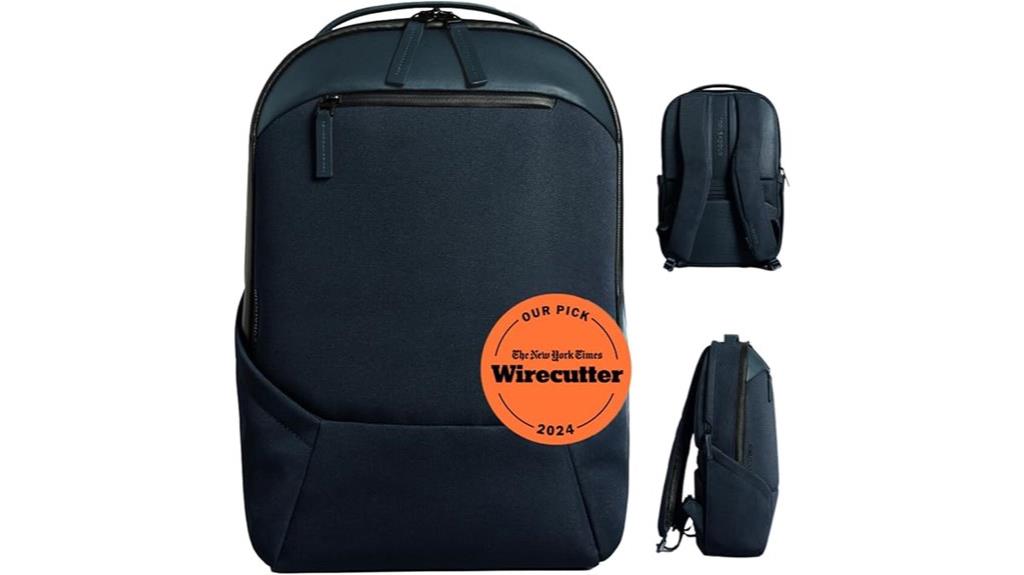
Modern backpacks are not just about carrying gear; they are increasingly designed with safety and security in mind. As urban environments become more crowded and travelers face heightened concerns about their personal belongings, manufacturers have innovated to meet these demands. A focus on safety features ensures that users feel secure, whether they are commuting to school, traveling abroad, or hiking in remote areas. These backpacks offer peace of mind, allowing users to concentrate on their experiences rather than worrying about theft or safety hazards.
As backpack technology evolves, safety features have become essential components. Innovative designs now incorporate anti-theft technologies, enhanced visibility, and durability against the elements. These advancements not only protect the contents inside but also reassure users that their personal belongings are safeguarded. Safety features can include lockable zippers, RFID-blocking compartments, and reflective materials for visibility in low-light conditions.
Importance of Security for Travelers and Students
Choosing a backpack with robust security features is crucial for both travelers and students. For students, who carry valuable items like laptops and textbooks, added security can prevent loss and theft on campuses. Travelers, on the other hand, are often in unfamiliar places where the risk of theft can be higher. A backpack that integrates safety features can mitigate these risks significantly.
The following list highlights some of the key safety features commonly found in modern backpacks, illustrating their importance for everyday users:
- Lockable Zippers: Many backpacks come equipped with zippers that can be locked to deter unauthorized access.
- RFID Protection: Some backpacks feature compartments designed to block RFID signals, safeguarding credit cards and passports from electronic pickpocketing.
- Built-in GPS Trackers: Certain brands offer backpacks with integrated GPS trackers that allow users to locate their bag via smartphone apps.
- Reflective Strips: These enhancements improve visibility during nighttime use, making the user more noticeable to drivers and others.
- Water-Resistant Fabrics: Protects contents against rain and spills, adding another layer of security for important items.
Top Brands Known for Safety in Backpack Design
Several brands have gained recognition for their commitment to integrating safety features into their backpack designs. These brands prioritize user security without compromising style and functionality:
- PacSafe: Known for anti-theft technology, including lockable zippers and RFID blocking.
- Thule: Offers a range of backpacks with durable materials and reflective details for enhanced safety.
- Osprey: Focuses on outdoor backpacks with features like weather resistance and secure compartments.
- Inateck: Specializes in travel backpacks with built-in USB charging ports and anti-theft designs.
- North Face: Provides a variety of backpacks that blend safety features with rugged outdoor functionality.
The advances in safety and security features in modern backpacks empower users to carry their belongings with confidence. Whether in a bustling city or on a nature trail, these innovations ensure that safety remains a top priority for all.
Backpack Maintenance and Care Tips
Maintaining your backpack not only extends its lifespan but also ensures it remains functional and visually appealing. Different types of backpacks require distinct care to keep them in optimal condition. Whether you have a hiking pack, a school bag, or a travel backpack, understanding how to properly clean and maintain it is essential for longevity.
Regular maintenance can prevent common issues such as wear and tear, odors, and dirt accumulation. A few simple practices can go a long way in preserving the integrity of your backpack and enhancing its performance. Below are some essential tips and guidelines.
Cleaning and Maintaining Different Types of Backpacks
Each type of backpack has specific cleaning requirements. Here are some general care tips for various backpack materials:
- Nylon and Polyester Backpacks: These materials are generally durable and waterproof. To clean them, use a damp cloth with mild soap. Avoid harsh detergents that can damage the fabric.
- Canvas Backpacks: Canvas can be spot cleaned with a mixture of water and vinegar. If heavily soiled, a gentle machine wash may be suitable, but always check the care label first.
- Leather Backpacks: Leather requires special care; use a leather cleaner and conditioner to maintain its suppleness. Avoid getting leather too wet, as it can cause damage.
For specific stains, treat them immediately to prevent permanent marks. A mixture of baking soda and water can often help lift difficult stains.
Addressing Common Issues with Backpacks
Backpacks can face several common issues. Knowing how to address them can save you time and money.
- Broken Zippers: Zippers can break or become stuck. In many cases, applying a lubricant like zipper wax can free a stuck zipper. If it’s broken, consider replacing just the slider.
- Frayed Straps: Straps can wear out with regular use. For fraying, sewing a patch or using fabric adhesive can prolong their life.
- Water Damage: If your backpack gets wet, dry it out immediately. For waterproofing, consider applying a spray-on waterproofing treatment periodically.
Addressing these issues promptly ensures your backpack remains functional and prevents further damage.
Maintenance Schedule for Backpack Care
Implementing a maintenance schedule can help keep your backpack in excellent condition. Here’s a simple timeline you can follow:
- Weekly: Check for any visible damage, clean surfaces with a damp cloth, and empty all pockets to remove debris.
- Monthly: Conduct a more thorough cleaning using appropriate methods based on material, check zippers and straps for functionality, and apply waterproof treatment if necessary.
- Seasonally: Inspect for any signs of wear and tear that may need repairs, deep clean if necessary, and store in a cool, dry place if not in regular use.
This schedule ensures that your backpack not only looks great but also functions well, ready for your next adventure.
Outcome Summary
In conclusion, backpacks are not just functional items; they symbolize adventure, freedom, and personal expression. Whether you are a student, a professional, or an outdoor enthusiast, choosing the right backpack can significantly enhance your experience. As trends evolve and sustainability becomes more prominent, the future of backpacks looks bright, making them a timeless staple in any traveler’s gear collection.
FAQ Summary
What is the best size backpack for traveling?
The best size depends on your travel duration and packing style, but a 40-50 liter backpack is generally ideal for most travelers.
How do I clean my backpack?
Check the care label, but generally, you can clean it with a damp cloth and mild soap, avoiding harsh chemicals.
Are there backpacks designed for specific activities?
Yes, there are specialized backpacks for activities like hiking, biking, and school that feature designs tailored to their use.
What materials are best for durability?
Nylon and polyester are popular choices for their strength and water resistance, making them ideal for long-lasting backpacks.
Can I personalize my backpack?
Many brands offer customization options such as patches, embroidery, and color choices to reflect your style.